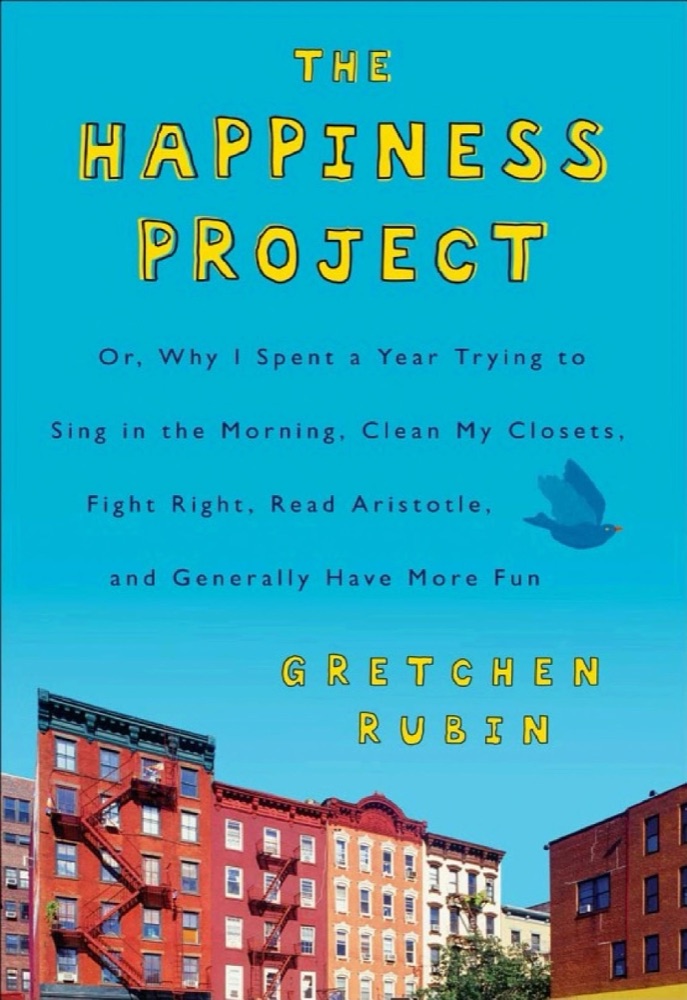

 Better Than Before: Mastering the Habits of Our Everyday Lives
Quotes from the Book
The belief that unhappiness is selfless and happiness is selfish is misguided. It's more selfless to act happy. It takes energy, generosity, and discipline to be unfailingly lighthearted, yet everyone takes the happy person for granted. No one is careful of his feelings or tries to keep his spirits high. He seems self-sufficient; he becomes a cushion for others. And because happiness seems unforced, that person usually gets no credit.
The days are long, but the years are short.
Never start a sentence with the words 'No offense.
Laughter is more than just a pleasurable activity...When people laugh together, they tend to talk and touch more and to make eye contact more frequently.
One of the best ways to make yourself happy is to make other people happy. One of the best ways to make other people happy is to be happy yourself.
What you do every day matters more than what you do once in a while.
Nothing,' wrote Tolstoy, 'can make our life, or the lives of other people, more beautiful than perpetual kindness.
Look for happiness under your own roof.
The things that go wrong often make the best memories.
When I find myself focusing overmuch on the anticipated future happiness of arriving at a certain goal, I remind myself to 'Enjoy now'. If I can enjoy the present, I don't need to count on the happiness that is (or isn't) waiting for me in the future".
It's about living in the moment and appreciating the smallest things. Surrounding yourself with the things that inspire you and letting go of the obsessions that want to take over your mind. It is a daily struggle sometimes and hard work but happiness begins with your own attitude and how you look at the world.
Sometimes I succeed, sometimes I fail, but every day is a clean slate and a fresh opportunity
When I thought about why I was sometimes reluctant to push myself, I realized that it was because I was afraid of failure - but in order to have more success, I needed to be willing to accept more failure.
Enthusiasm is more important than innate ability, it turns out, because the single more important element in developing an expertise is your willingness to practice.
The First Splendid Truth: To be happy, I need to think about feeling good, feeling bad, and feeling right, in an atmosphere of growth.
Studies show that aggressively expressing anger doesn't relieve anger but amplifies it. On the other hand, not expressing anger often allows it to disappear without leaving ugly traces.
It was time to expect more of myself. Yet as I thought about happiness, I kept running up against paradoxes. I wanted to change myself but accept myself. I wanted to take myself less seriously -- and also more seriously. I wanted to use my time well, but I also wanted to wander, to play, to read at whim. I wanted to think about myself so I could forget myself. I was always on the edge of agitation; I wanted to let go of envy and anxiety about the future, yet keep my energy and ambition.
It's easy to be heavy; hard to be light.
... one flaw throws the loveliness of [everything else] into focus. I remember reading that Shakers deliberately introduced a mistake into the things they made, to show that man shouldn't aspire to the perfection of God. Flawed can be more perfect than perfection.
There are no do overs and some things just aren't going to happen. It is a little sad but you just have to embrace what is
I can DO ANYTHING I want, but I can't DO EVERYTHING I want.
Happiness is the meaning and purpose of life, the whole aim and end of human existence.
Money. It's a good servant but a bad master.
I enjoy the fun of failure. It's fun to fail, I kept repeating. It's part of being ambitious; it's part of being creative. If something is worth doing, it's worth doing badly
We must exercise ourselves in the things which bring happiness, since, if that be present, we have everything, and, if that be absent, all our actions are directed toward attaining it.
Did I have a heart to be contented? Well, no, not particularly. I had a tendency to be discontented: ambitious, dissatisfied, fretful, and tough to please...It's easier to complain than to laugh, easier to yell than to joke around, easier to be demanding than to be satisfied.
He is my fate. He's my soul mate. He pervades my whole existence. So, of course, I often ignore him.
I grasped two things: I wasn't as happy as I could be, and my life wasnt going to change unless I made it change.
[Benjamin Franklin]identified thirteen virtues he wanted to cultivate--temperance, silence, order, resolution, frugality, industry, sincerity, justice, moderation, cleanliness, tranquility, chastity and humility--and made a chart with those virtues plotted against the days of the week. Each day, Franklin would score himself on whether he practiced those thirteen virtues.
What you do everyday matters more than what you do once in a while.
[S]tudies show that one of the best ways to lift your mood is to engineer an easy success, such as tackling a long-delayed chore.
23
Did you know?
- The book's full subtitle is 'Or, Why I Spent a Year Trying to Sing in the Morning, Clean My Closets, Fight Right, Read Aristotle, and Generally Have More Fun.'
- The idea for the project came to Rubin while she was riding a city bus and realized she wasn't focusing on being happy.
- The book is organized around twelve months, each devoted to a different happiness theme and set of resolutions.
- Before becoming a writer, Rubin clerked for Supreme Court Justice Sandra Day O'Connor.
- Rubin followed the book with a sequel, Happier at Home.
- The book helped spawn reader-organized 'happiness project' groups.
About Gretchen Rubin
Gretchen Rubin (born 1965 in Kansas City, Missouri) is an American author and podcaster who earned undergraduate and law degrees from Yale University and clerked for U.S. Supreme Court Justice Sandra Day O'Connor before becoming a writer. She is best known for her books on happiness and habits and co-hosts the podcast Happier with Gretchen Rubin.
More about the author →More by Gretchen Rubin
Better Than Before: Mastering the Habits of Our Everyday Lives
 Happier at Home: Kiss More, Jump More, Abandon a Project, Read Samuel Johnson, and My Other Experiments in the Practice of Everyday Life
 Secrets of Adulthood: Simple Truths for Our Complex Lives
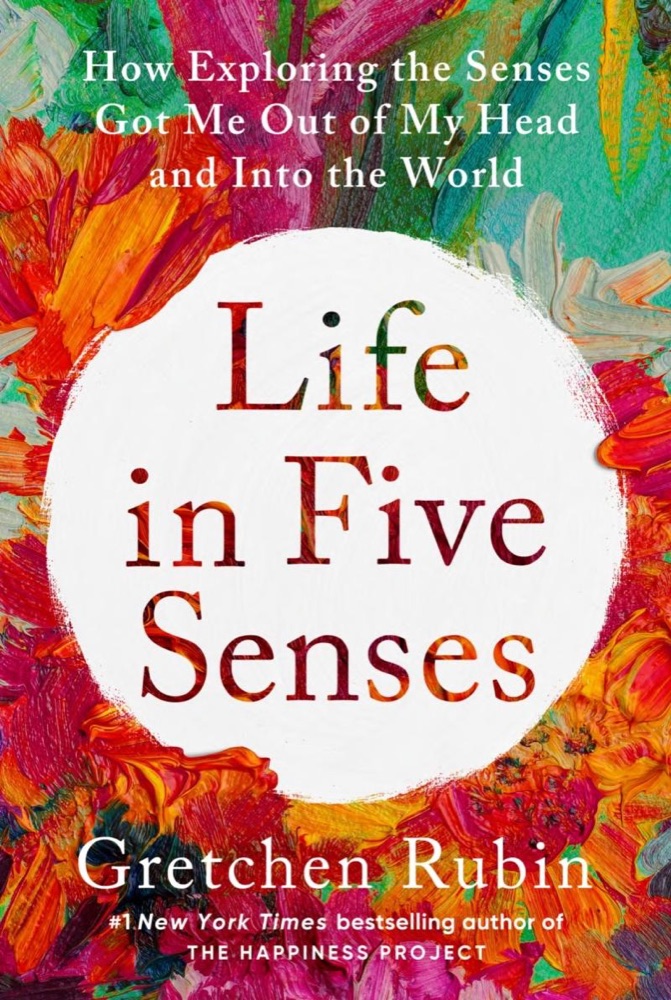 Life in Five Senses: How Exploring the Senses Got Me Out of My Head and Into the World
About the book
The Happiness Project is Gretchen Rubin's account of a year-long experiment in deliberately trying to be happier. After realizing on a city bus that she wanted to be happy but wasn't focusing her energy on it, Rubin devoted twelve months to a structured self-improvement project, assigning each month a different theme and a set of concrete resolutions. The book interleaves her personal trial-and-error with ideas drawn from philosophy, ancient wisdom, and contemporary scientific research on well-being.
Across its monthly chapters the book takes up themes such as energy and vitality, marriage, work, parenthood, leisure, friendship, money, and mindfulness, testing small, practical changes rather than dramatic life overhauls. Rubin argues that happiness can be cultivated through habit, attention, and modest daily resolutions, and she emphasizes knowing one's own nature, acting the way one wants to feel, and finding fun in everyday life. Her framework, including personal 'commandments' and resolutions, became a recurring motif of her later work.
The Happiness Project became a New York Times bestseller and helped popularize the wider happiness and habits genre, inspiring readers to form their own 'happiness project' groups. It established Rubin as a leading voice on happiness and habits, leading to follow-up books including Happier at Home, and the book has remained widely referenced and assigned in classrooms and discussion groups.
Book details
- First published
- 2009
- Length
- 301 pages
- Reading time
- 2 hours
- Author
- Gretchen Rubin
- Genre
- Nonfiction
- Goodreads rating
- 3.65 (183k ratings)
Critical reception
- The Happiness Project was a New York Times bestseller.
- It is credited with helping popularize the popular happiness and habit-formation genre and inspired readers to start their own happiness projects.
- The book has been referenced in television shows and assigned in classroom and group settings.
Keep reading
Happier at Home: Kiss More, Jump More, Abandon a Project, Read Samuel Johnson, and My Other Experiments in the Practice of Everyday Life
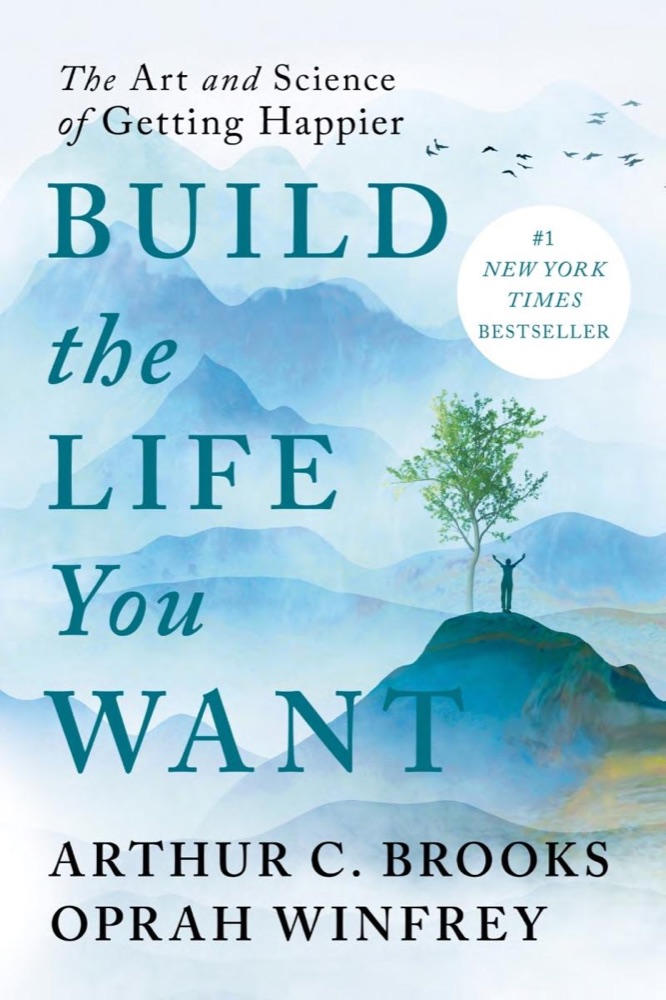 Build the Life You Want: The Art and Science of Getting Happier
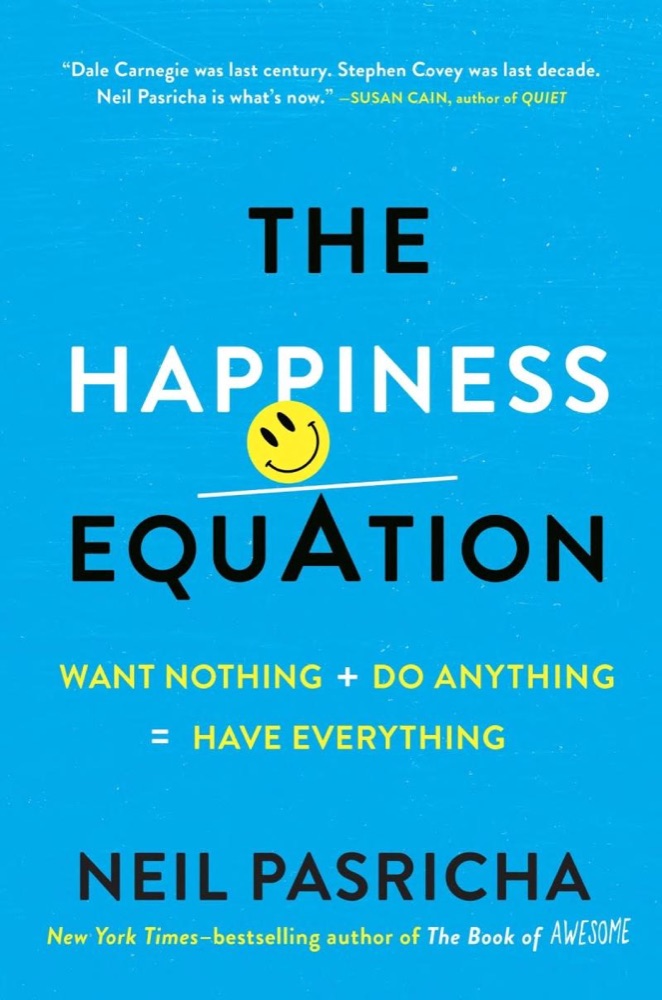 The Happiness Equation: Want Nothing + Do Anything = Have Everything
 The How of Happiness: A Scientific Approach to Getting the Life You Want
 The Happiness of Pursuit: Finding the Quest That Will Bring Purpose to Your Life
 Don't Sweat the Small Stuff ... and it's all small stuff: Simple Ways to Keep the Little Things from Taking Over Your Life
 Welcome to the Hyunam-Dong Bookshop
 Thrive: The Third Metric to Redefining Success and Creating a Life of Well-Being, Wisdom, and Wonder
 Happiness Is a Serious Problem: A Human Nature Repair Manual
 Will
Will
 I Can't Make This Up: Life Lessons
 Girl Wash your Face
 Hector and the Search for Happiness
 Notes on a Nervous Planet
 Greenlights
 A Work in Progress
 What If This Were Enough?: Essays
 Be Useful: Seven Tools for Life
 The Art of Happiness
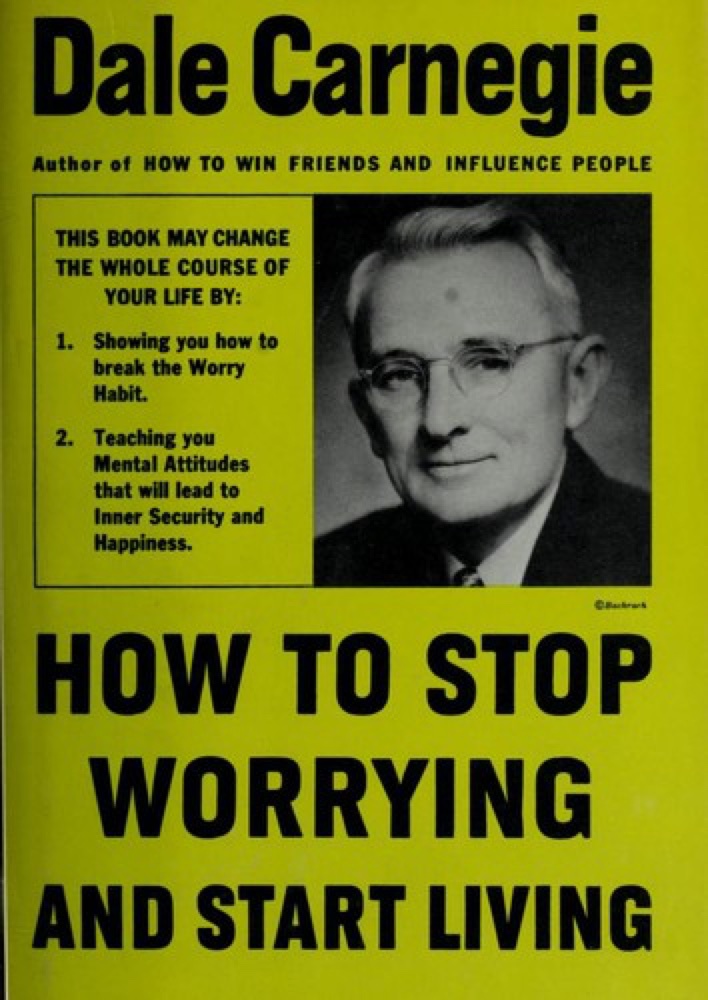 How to Stop Worrying and Start Living
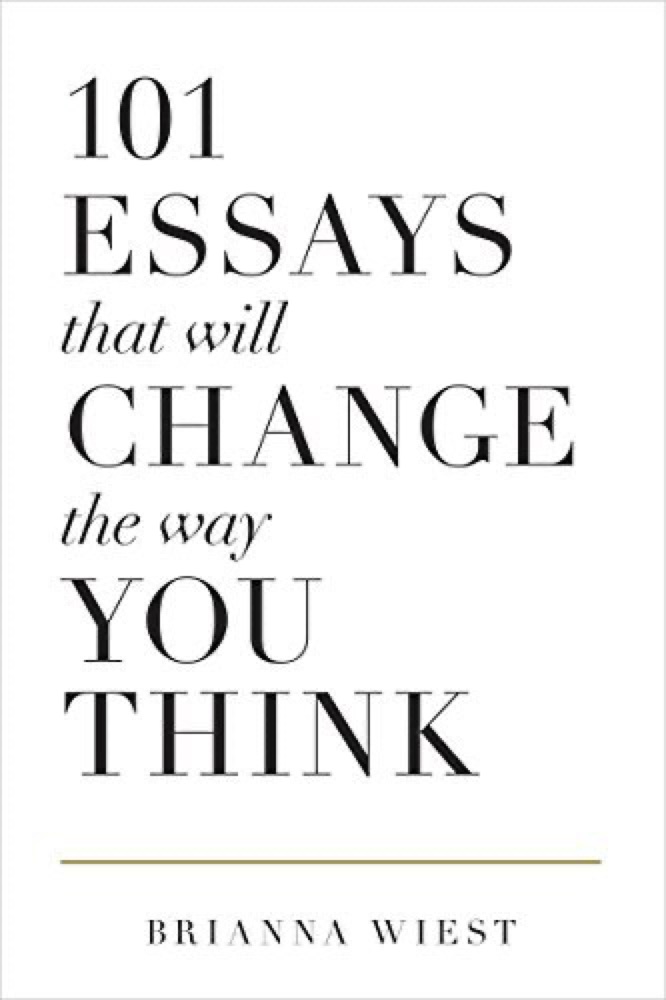 101 Essays That Will Change The Way You Think
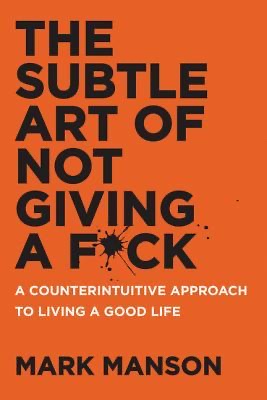 The Subtle Art of Not Giving a F*ck: A Counterintuitive Approach to Living a Good Life
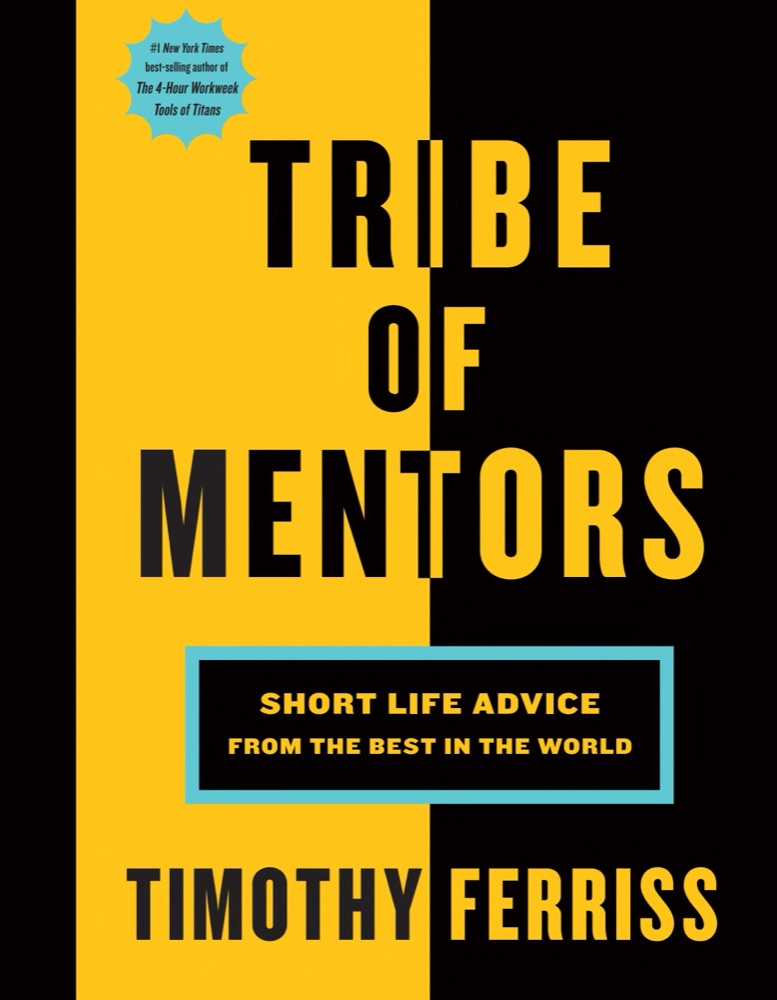 Tribe Of Mentors: Transformative Wisdom From Icons and Innovators to Help You Navigate Life's Challenges
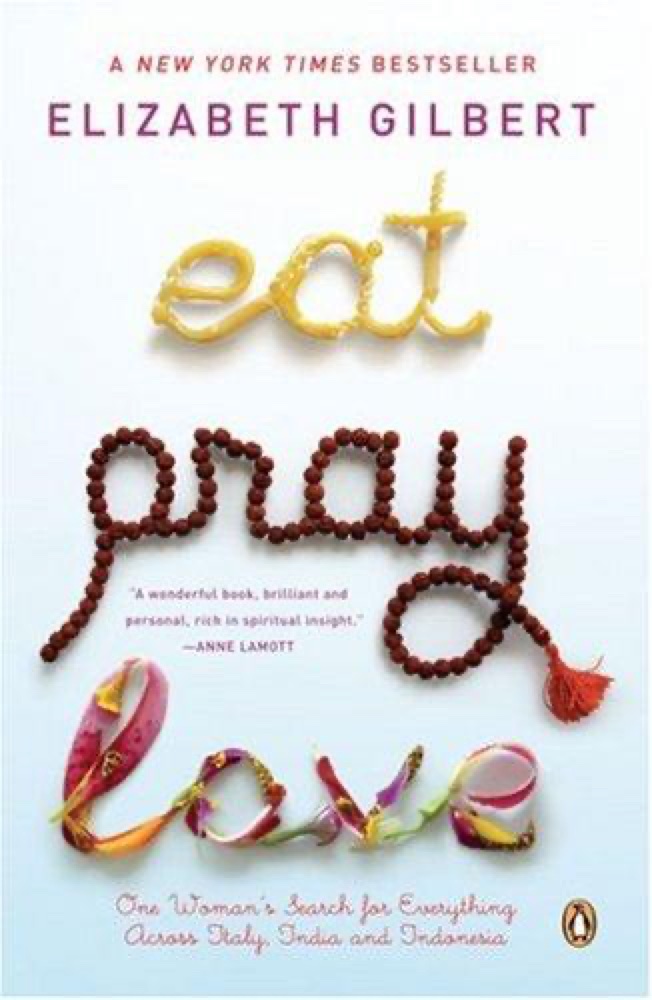 Eat, Pray, Love
 Your Erroneous Zones: Step-By-Step Advice for Escaping the Trap of Negative Thinking and Taking Control of Your Life
 The Dude and the Zen Master
 The Last Lecture
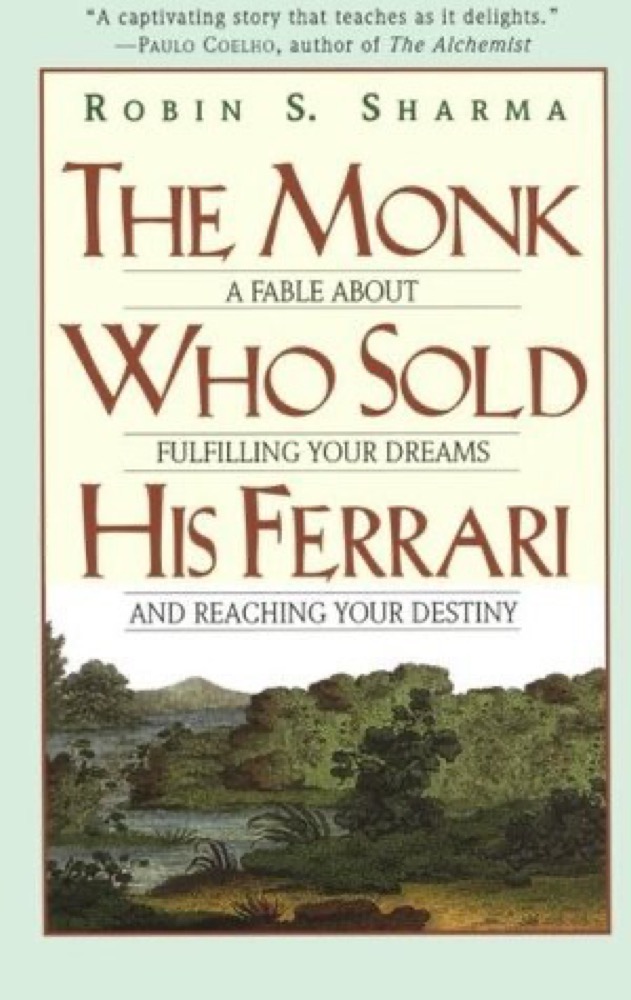 The Monk Who Sold His Ferrari: A Fable About Fulfilling Your Dreams and Reaching Your Destiny
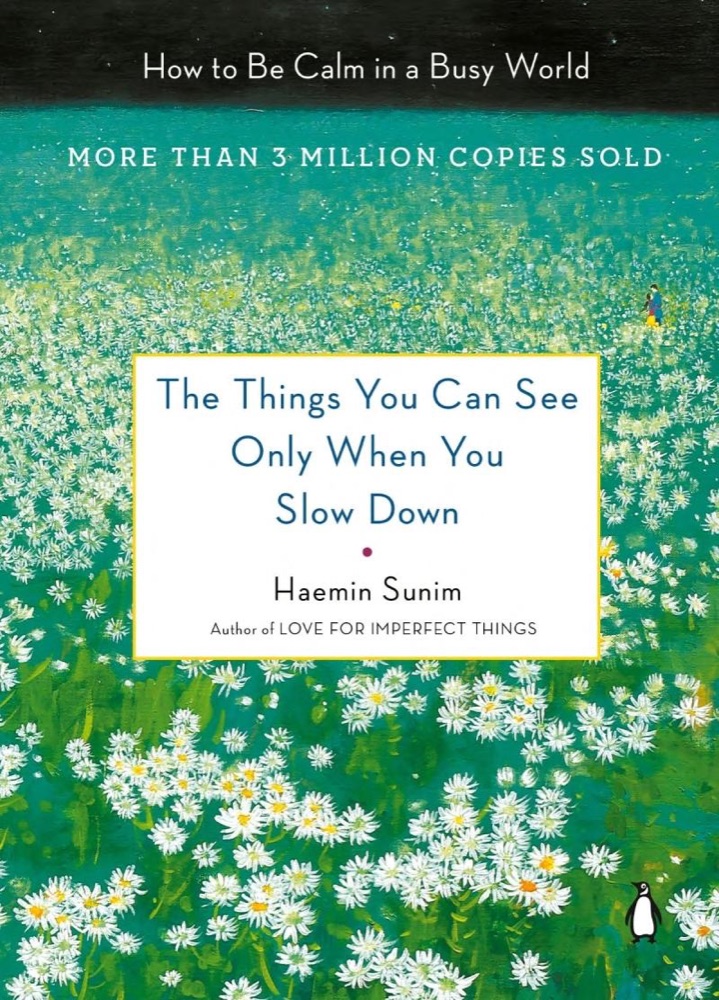 The Things You Can See Only When You Slow Down: How to Be Calm in a Busy World
 A Happy Death
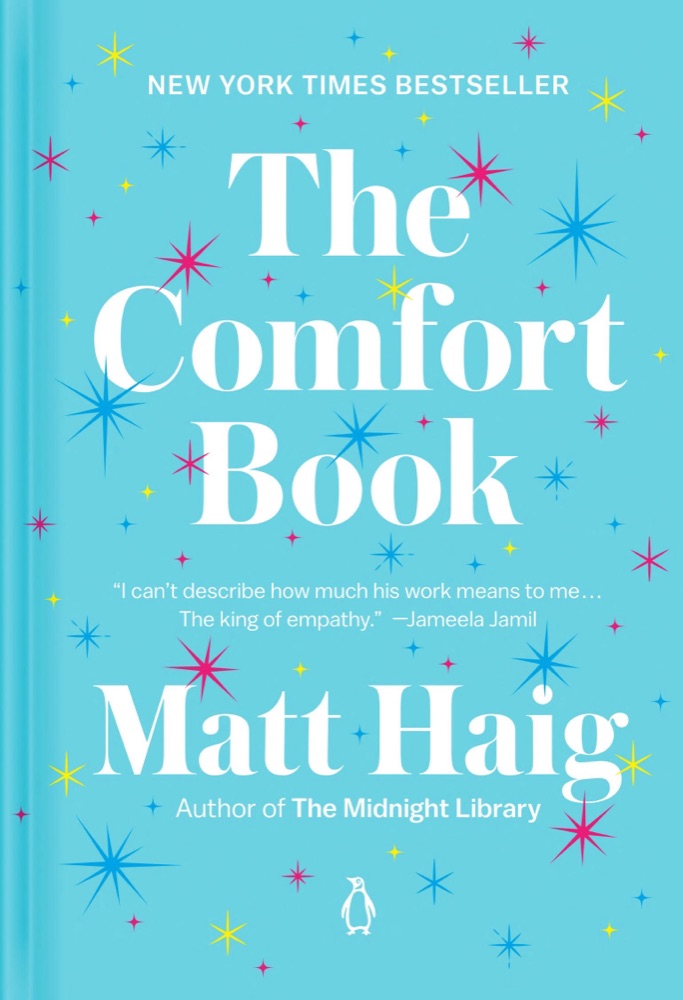 The Comfort Book
 Lead the Field
 A Complaint Free World: How to Stop Complaining and Start Enjoying the Life You Always Wanted
 How to Be a Bawse: A Guide to Conquering Life
 Awaken The Giant Within
 The 4-Hour Workweek
 Delivering Happiness: A Path to Profits, Passion, and Purpose
 Finding Flow: The Psychology of Engagement with Everyday Life
 Speak: Find Your Voice, Trust Your Gut, and Get from Where You Are to Where You Want to Be
 How to Fail at Almost Everything and Still Win Big: Kind of the Story of My Life
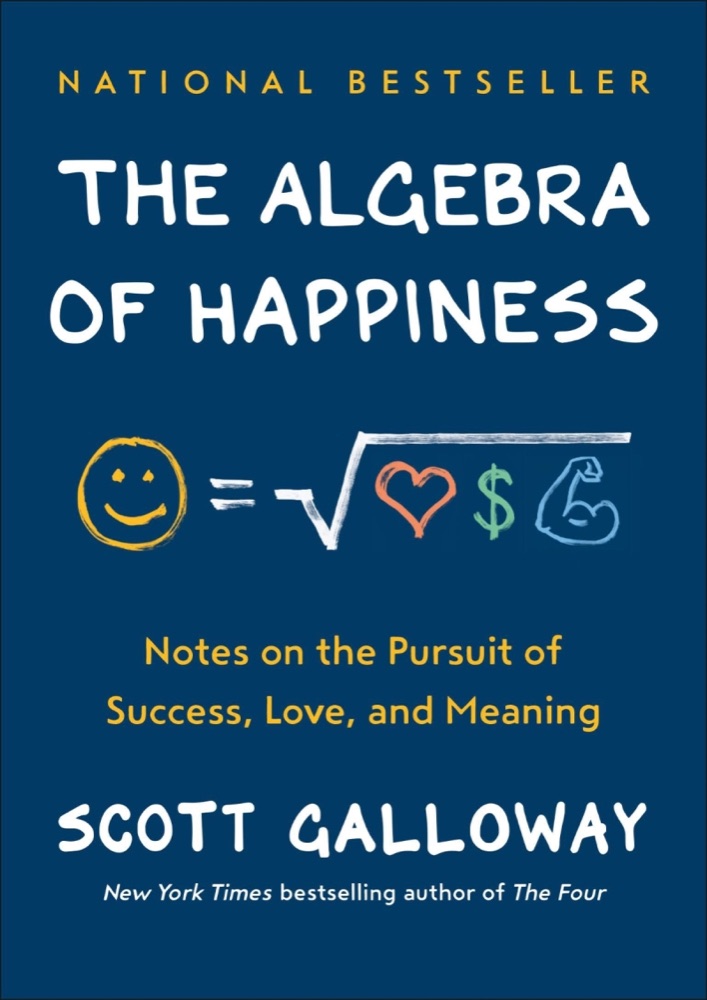 The Algebra of Happiness: Notes on the Pursuit of Success, Love, and Meaning
 Opposite of Always
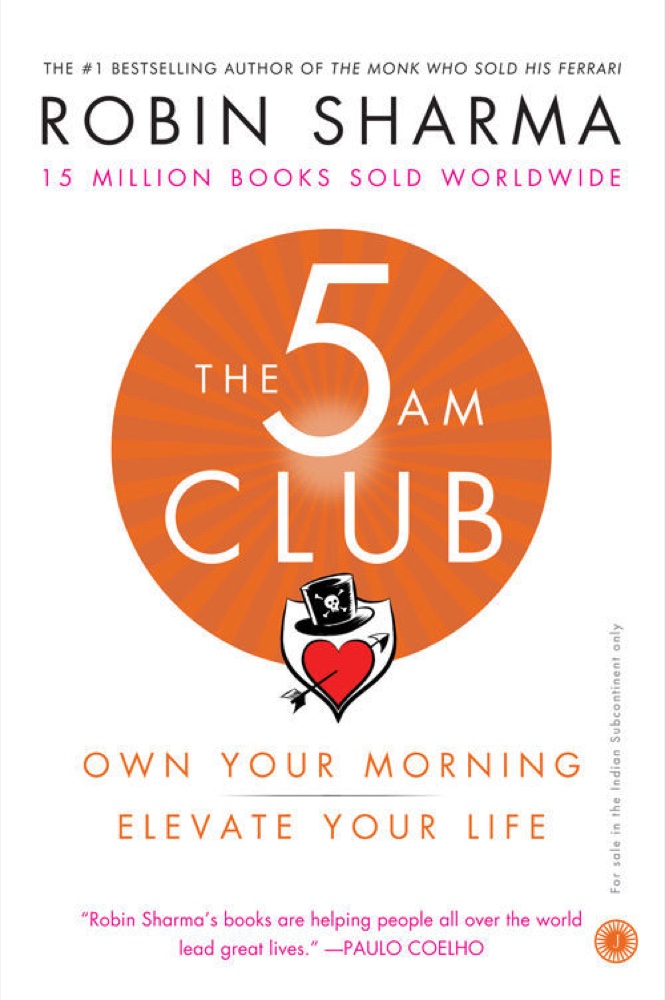 The 5 AM Club: Own Your Morning. Elevate Your Life
 Self Love Poetry: For Thinkers & Feelers
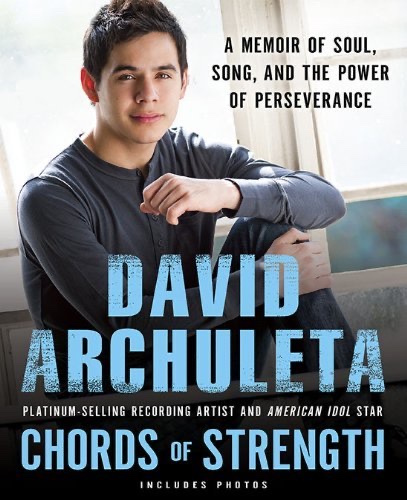 Chords of Strength: A Memoir of Soul, Song and the Power of Perseverance
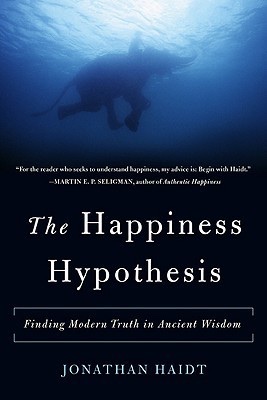 The Happiness Hypothesis: Finding Modern Truth in Ancient Wisdom
 Happiness: A Guide to Developing Life's Most Important Skill
 The Tao of Pooh
 I Like You Just Fine When You're Not Around
 A Book of Simple Living
 Be a People Person
 Like the Flowing River
 Present Over Perfect: Leaving Behind Frantic for a Simpler, More Soulful Way of Living
 Capital Gaines: Smart Things I Learned Doing Stupid Stuff
 The Book of Joy: Lasting Happiness in a Changing World