 The Blindfold
Quotes from the Book
Every sickness has an alien quality, a feeling of invasion and loss of control that is evident in the language we use about it.
81
Pain is always emotional. Fear and depression keep constant company with chronic hurting.
51
Dreams are stories made by and for the dreamer, and each dreamer has his own folds to open and knots to untie.
31
The truth is that personality inevitably bleeds into all forms of our intellectual life. We all extrapolate from our own lives in order to understand the world.
27
Memory changes as a person matures.
16
The faculty of memory cannot be separated from the imagination. They go hand in hand. To one degree or another, we all invent our personal pasts. And for most of us those pasts are built from emotionally colored memories.
15
There's a phenomenology of being sick, one that depends on temperament, personal history, and the culture which we live in.
13
Ture stories can't be told forward, only backward. We invent them from the vantage point of an ever-changing present and tell ourselves how they unfolded.
12
Dreaming is another form of thinking, more concrete, more economical, more visual, and often more emotional than the thoughts of the day, but a thinking through of the day, nevertheless.
11
Memory is essential to who we are, and memories can be both implicit and explicit - unconscious and conscious.
11
True stories can't be told forward, only backward. We invent them from the vantage point of an ever-changing present and tell ourselves how they unfolded.
9
It seems to me that going backward sometimes means going forward.
6
Worries about the power of a doctor's suggestions to influence and shape his patient's mind, whether they are made under hypnosis or not, are still with us.
6
Infancy is irretrievable. Its memories live underground. To what extent they return by stealth or are triggered by various catalysts remains an ongoing question.
2
Natürlich ist ein Selbst viel umfassender als der innere Erzähler. Die Insel des selbst-bewussten Geschichtenerzählers liegt mitten in einem Meer von Unbewusstem, über das wir nichts wissen, nie etwas wissen werden oder das wir vergessen haben. Es gibt vieles in uns, das wir nicht beherrschen oder wollen, aber das bedeutet nicht, dass es unwichtig wäre, eine Erzählung für uns selbst zu finden. In der Sprache bilden wir den Lauf der Zeit so ab, wie wir ihn empfinden – das Es war, es ist, es wird sein. Wir abstrahieren, denken und erzählen. Wir ordnen unsere Erinnerungen und verknüpfen sie miteinander und diese Bruchstücke bekommen einen Besitzer: das autobiographische Ich, das nicht ohne ein Du ist. Für wen erzählen wir denn schließlich? Auch allein in unseren Köpfen ist ein vorausgesetzter anderer dabei, die zweite Person unserer Rede.
1
Watch on YouTube
About Siri Hustvedt
We have collected 135 quotes from 6 books by Siri Hustvedt on BookQuoters.
More about the author →More by Siri Hustvedt
All books by Siri Hustvedt →
About the book
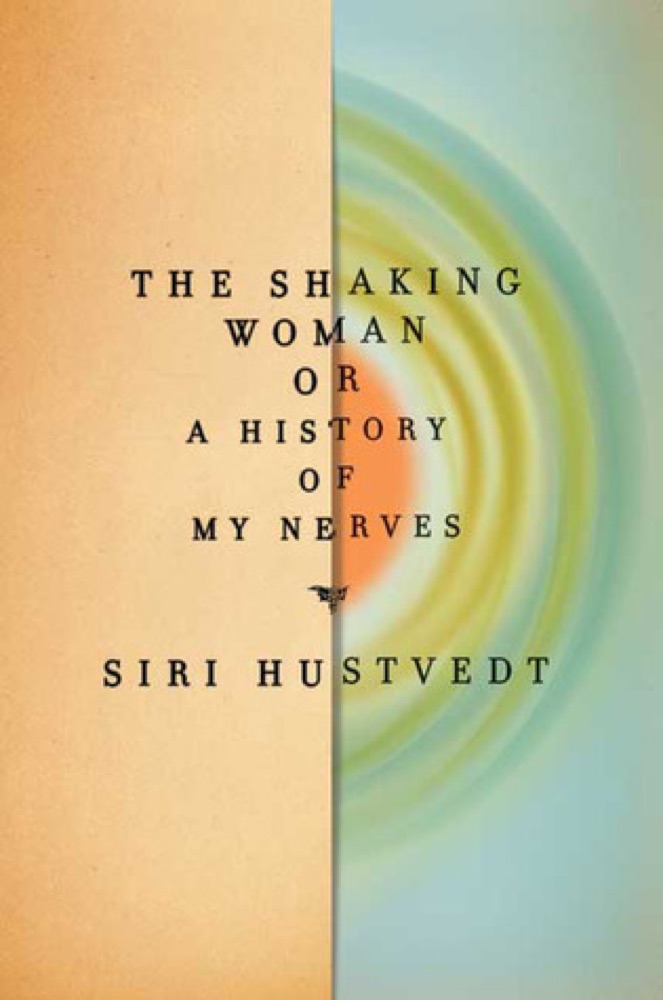
In this unique neurological memoir Siri Hustvedt attempts to solve her own mysterious condition While speaking at a memorial event for her father in 2006, Siri Hustvedt suffered a violent seizure from the neck down. Despite her flapping arms and shaking legs, she continued to speak clearly and was able to finish her speech. It was as if she had suddenly become two a calm orator and a shuddering wreck. Then the seizures happened again and again. The Shaking Woman tracks Hustvedt’s search for a diagnosis, one that takes her inside the thought processes of several scientific disciplines, each one of which offers a distinct perspective on her paroxysms but no ready solution. In the process, she finds herself entangled in fundamental What is the relationship between brain and mind? How do we remember? What is the self? During her investigations, Hustvedt joins a discussion group in which neur
Book details
- First published
- 2009
- Author
- Siri Hustvedt
- Genre
- Nonfiction
- Goodreads rating
- 3.62 (2k ratings)
Keep reading
 The Sorrows of an American
 Inheritance: A Memoir of Genealogy, Paternity, and Love
 The Shock of the Fall
 Memorial Drive: A Daughter's Memoir
 The Examined Life: How We Lose and Find Ourselves
 I Am, I Am, I Am: Seventeen Brushes with Death
 The Many Daughters of Afong Moy
 Stories of Your Life and Others
 The Year of Magical Thinking
 The Sense of an Ending
 The Sleeping Beauties: And Other Stories of Mystery Illness
 Kafka on the Shore
 The Stone Diaries
 Fragile Things: Short Fictions and Wonders
 Lost Children Archive
 How to Stay Sane
 The Glass Hotel
 The Tenth Insight: Holding the Vision
 It Didn't Start with You: How Inherited Family Trauma Shapes Who We Are and How to End the Cycle
 The Illusion of Separateness
 Thrust
 All Is Not Forgotten
 The Summer Without Men
 When Women Were Dragons
 The Book of Dreams
 A Brightness Long Ago
 The Empusium
 Christmas Days: 12 Stories and 12 Feasts for 12 Days
 An Anthropologist on Mars
 The Hidden Girl and Other Stories
 Figuring
 Underground: The Tokyo Gas Attack and the Japanese Psyche
 Recursion
 Introductory Lectures on Psychoanalysis
 Flights
 The Story of the Lost Child
 Haunted
 Shame
Shame
 Ghosts of Harvard
 Memories, Dreams, Reflections
 In The Blood
 The Collected Stories of Lydia Davis
 First Person Singular: Stories
 Middlesex
 The Clockmaker's Daughter
 Devil House
 The Book of Lost Hours
 Genesis
 In the Dream House
 Outline
 Drive Your Plow Over the Bones of the Dead
 On Such a Full Sea
 Ill Will
 The Gap of Time
 Speak, Memory
 The Tsar of Love and Techno
 Asymmetry
 Memory Wall
 Time Regained
 The Book That Broke the World