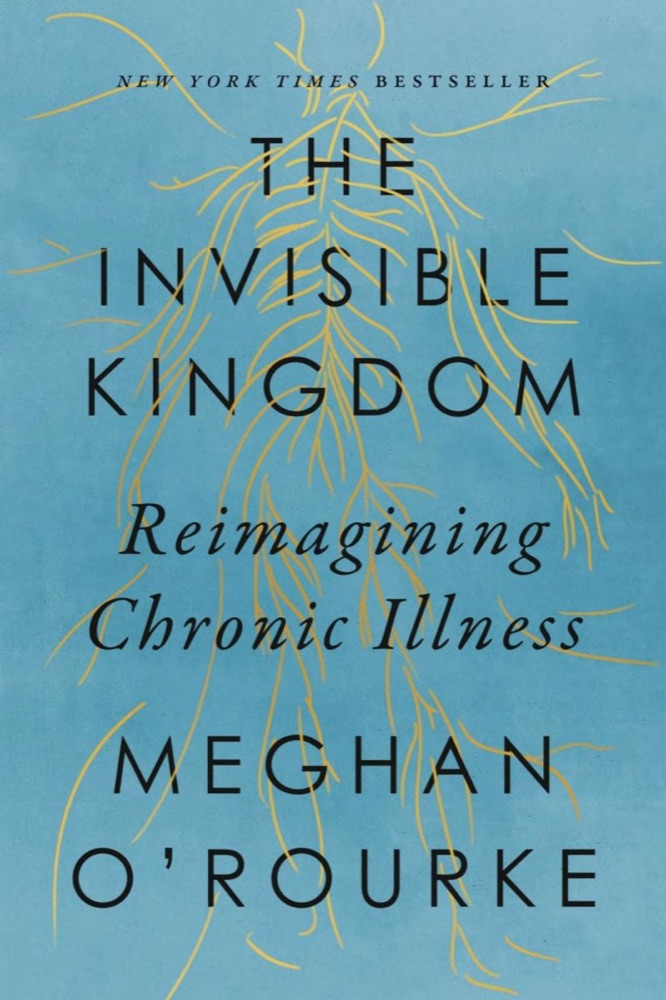

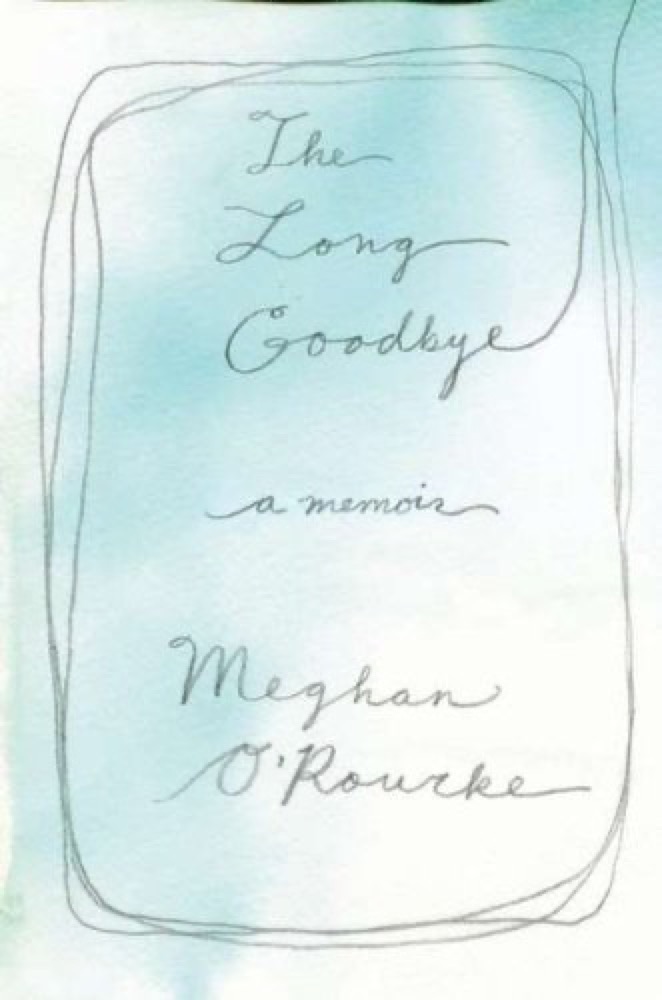
 The Long Goodbye
Quotes from the Book
And so it is a truth universally acknowledged that a young woman in possession of vague symptoms like fatigue and pain will be in search of a doctor who believes she is actually sick.
15
There is a loneliness to illness, a child's desire to be pitied and seen. But it is precisely this recognition that is elusive. How can you explain and identify your condition if not one has any grasp of what it is you suffer from and the symptoms wax and wane? How do you describe a disease that's not always there?
13
This seems like one of the hardest things about being sick in the way you’re sick: being sick makes you stressed. But being stressed makes you sicker.
10
I know many people who are suspicious of diagnoses—they think of them as labels that reduce or stigmatize. I knew, already, that a diagnosis was not going to answer all my questions. But I craved a diagnosis because it is a form of understanding.
10
But the fatigue of physical dysfunction, I came to recognize, is as different from normal sleep deprivation as COVID-19 is from the common cold. It was not caused by needing sleep, I thought, but by my body’s cellular conviction that it needed to conserve energy in order to fix whatever was wrong. The feeling erased my will, the sense of identity that drives most of us. The worst part of my fatigue was the loss of an intact sense of self.
9
The tendency in many parts of medicine is, if we can’t measure it, it doesn’t exist, or the patient is cuckoo.
6
There is a razor-thin line between trying to find something usefully redemptive in illness and lying to ourselves about the nature of suffering. Until we mourn what is lost in illness—and until we have a medical community that takes seriously the suffering of patients—we should not celebrate what is gained in it.
5
Knowledge brings the hope of treatment or cure. And even if there is no cure, a diagnosis is a form of knowing (the word “diagnosis” derives from the Greek gignōskein, “to know”) that allows others to recognize our experience and enables us to tell its story
4
The medical uncertainty compounds patients' own uncertainty. Because my unwellness did not take the form of a disease I understood, with a clear-cut list of symptoms and a course of treatment, even I at times interpreted it as a series of signs about my very existence. Initially, the illness seemed to be a condition that signified something deeply wrong with me—illness as a kind of semaphore. Without answers, at my most desperate, I came to feel (in some unarticulated way) that if I could just tell the right story about what was happening, I could make myself better. If only I could figure out what the story was, like the child in a fantasy novel who must discover her secret name, I could become myself again. It took years before I realized that the illness was not just my own; the silence around suffering was our society's pathology.
4
Only a few friends realized at the time how much physical suffering I was undergoing. We are bad at recognizing the suffering of others unless we are given clear-cut clues and evidence. And so invisible illnesses often go unacknowledged, while less serious conditions get attention.
3
Ethical loneliness is what happens when wrongs are compounded by going cruelly unacknowledged.
3
To have pain is to have certainty; to hear about pain is to have doubt.” The same was true of all my symptoms, none of which could be seen. In those months I was lonely in a way I never had been before. I could taste the solitude of the human body like brine in my mouth, a taste that never left me. •
3
Autoimmunity is internalized by patients as an opportunity for the ultimate self-management project. But in fact it is a manifestation of a flawed collective project. If it is an indictment of anything, it is an indictment not of our personhood but of our impulse to see social problems as being about our personhood, instead of a consequence of our collective shortcomings as co-citizens of this place and time.
3
This is something that has been going on forever,” Craig Spencer, the director of global health in emergency medicine at Columbia University, says about the variability of human response to infection. “I wouldn’t be surprised if people are walking about with long Epstein-Barr virus, or long influenza. We all know someone who is low energy, who’s told to work harder. We have all heard about chronic Lyme sufferers, and those with ME/CFS. But they get written off.” Spencer understands something about how infections can do long-term damage, because he contracted Ebola while working in Guinea, fell ill upon his return to New York City, and then struggled with the virus’s ongoing effects. (Studies have suggested that the Ebola virus may linger in the body for years.) The difference between long COVID and other infection-associated illnesses is that it is happening “on such a huge scale—unlike anything we’ve seen before. It is harder for the medical community to write off,” Spencer told me. Indeed, many researchers I spoke with for this book hope that the race to understand long COVID will advance our understanding of other chronic conditions that follow infection, transforming medicine in the process.
2
The emotional journey has been as hard as the physical one. The fear I feel, in combination with busy doctors who don’t have time to listen, has really affected me.
2
The actual encounter was always confusing, eleven minutes of liminal contact in which I tried to conduct myself in a way that would make the doctor like me, in the hope they would take some true interest in my plight. But their day was full of tests to order, bureaucracy to cut through, an education that taught them not to say, "I don't know what's wrong with you." And so we stood together in a tiny antiseptic room, the doctor and patient, a world apart.
2
Everyone who is born holds dual citizenship, in the kingdom of the well and in the kingdom of the sick. Although we all prefer to use the good passport, sooner or later each of us is obliged, at least for a spell, to identify ourselves as citizens of that other place.
1
To have a poorly understood disease is to be brought up against every flaw in the U.S. health care system; to collide with the structural problems of a late-capitalist society that values productivity more than health; and to confront the philosophical problem of conveying an experience that lacks an accepted framework. Even
1
Without answers, at my most desperate, I came to feel (in some unarticulated way) that if I could just tell the right story about what was happening, I could make myself better. If only I could figure out what the story was, like the child in a fantasy novel who must discover her secret name, I could become myself again.
1
The word “wisdom” comes from the Old English words wis (knowledge, learning) and doom (judgment). Perhaps ill people do, in a sense, become wise through encountering doom, and as a result they become new versions of themselves, having made it through some of the hazards of the course, experiencing what the poet John Ashbery calls “the charity of the hard moments.” Those encounters perhaps allow us to see ourselves—and our mortal condition—more clearly. But it would be false not to observe that this knowledge is born of loss, of resignation to a condition that forces us to give up on aspects of ourselves we had hoped we might develop. Wisdom, in this understanding, is knowledge coupled with the wound that comes from encountering doom.
1
Being heard by your doctor isn’t just an emotional need but a physical one: patients benefit clinically from feeling cared for. The emotional and the physical, science is learning, are more intertwined than we once understood. Many studies have suggested that emotional care—interpersonal warmth—has a measurable effect on patients’ outcomes. For example, the incidence of severe diabetes complications in patients of doctors who rate high on a standard empathy scale is a remarkable 40 percent lower than in patients whose doctors do poorly on the empathy scale, Danielle Ofri, an internist at New York’s Bellevue Hospital, reports in What Doctors Feel. “This is comparable,” she points out, “to the benefits seen with the most intensive medical therapy for diabetes.
1
Like many in their baby boomer generation, they saw doctors as unquestionable experts. You didn’t go to them unless you had a high fever or a bad fall or a wound that needed stitching. In that case, you got a diagnosis, you took medicine or had surgery, and you got better, more or less in that order. But if the doctor told you nothing was wrong, nothing was wrong. My parents believed in the power of Western medicine, and therefore so did I.
1
It is unbearable—and yet I bear it.
1
As the surgeon Atul Gawande wrote of the medical profession, “Nothing is more threatening to who you think you are than a patient with a problem you cannot solve.
1
The word “inflammation” comes from the Latin verb “inflammare,” or “to set on fire,
1
one scholar puts it, “if a physician cannot identify the cause of a disease, it means that it is procured by the Devil.
1
don’t believe I will get better,” Daudet wrote, “. . . yet I always behave as if my damned pains were going to disappear by tomorrow morning.”)
1
On my message boards a recurrent theme was having a partner who didn’t help, who didn’t get it, who even judged and blamed. Even partners who did help often couldn’t feel the wave of need engulfing the ill person. And my god, the need. It felt shameful to need other people so much.
1
In 2019, a study of patients at a clinic in Iran found that “laughter yoga”—gentle yoga that includes laughing—was more effective than anti-anxiety medication in controlling symptoms of irritable bowel syndrome, which are worsened by stress.
1
Watch on YouTube
About Meghan O'Rourke
We have collected 34 quotes from 2 books by Meghan O'Rourke on BookQuoters.
More about the author →More by Meghan O'Rourke
The Long Goodbye
About the book
A landmark exploration of one of the most consequential and mysterious issues of our time: the rise of chronic illness and autoimmune diseases A silent epidemic of chronic illnesses afflicts tens of millions of Americans: these are diseases that are poorly understood, frequently marginalized, and can go undiagnosed and unrecognized altogether. Renowned writer Meghan O’Rourke delivers a revelatory investigation into this elusive category of “invisible” illness that encompasses autoimmune diseases, post-treatment Lyme disease syndrome, and now long COVID, synthesizing the personal and the universal to help all of us through this new frontier. Drawing on her own medical experiences as well as a decade of interviews with doctors, patients, researchers, and public health experts, O’Rourke traces the history of Western definitions of illness, and reveals how inherited ideas of cause, diagnosis
Book details
- First published
- 2022
- Author
- Meghan O'Rourke
- Genre
- Nonfiction
- Goodreads rating
- 4.02 (7k ratings)
The buzz
- The New York TimesReview in The New York Timesprofessional review (via Book Marks)
- The Wall Street JournalReview in The Wall Street Journalprofessional review (via Book Marks)
- Los Angeles TimesReview in Los Angeles Timesprofessional review (via Book Marks)
- Kirkus ReviewsReview in Kirkus Reviewsprofessional review (via Book Marks)
- Publishers WeeklyReview in Publishers Weeklyprofessional review (via Book Marks)
- The Boston GlobeReview in The Boston Globeprofessional review (via Book Marks)
Keep reading
 The Collected Schizophrenias: Essays
 In Shock: My Journey from Death to Recovery and the Redemptive Power of Hope
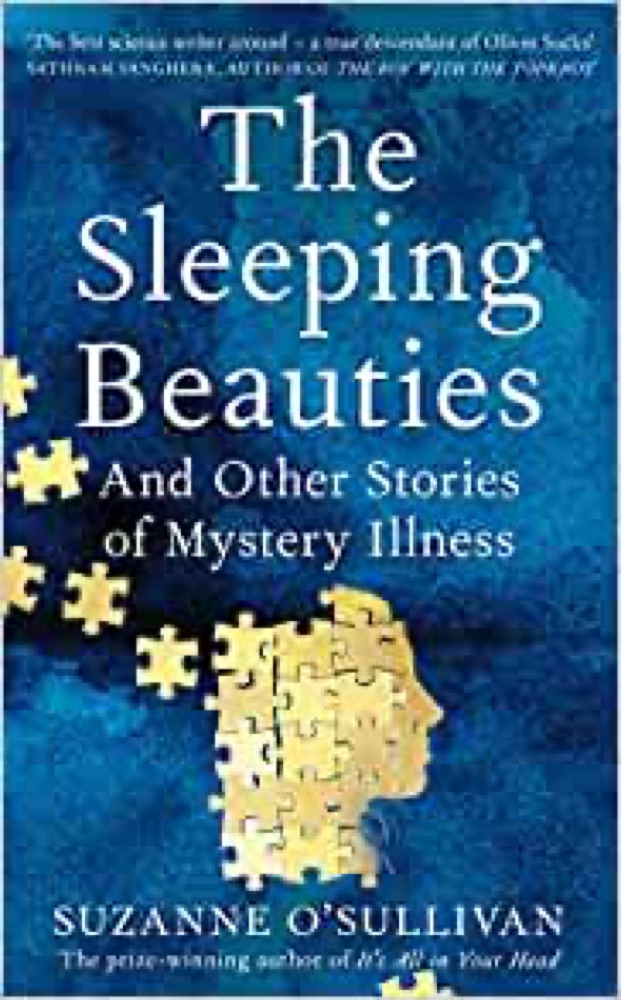 The Sleeping Beauties: And Other Stories of Mystery Illness
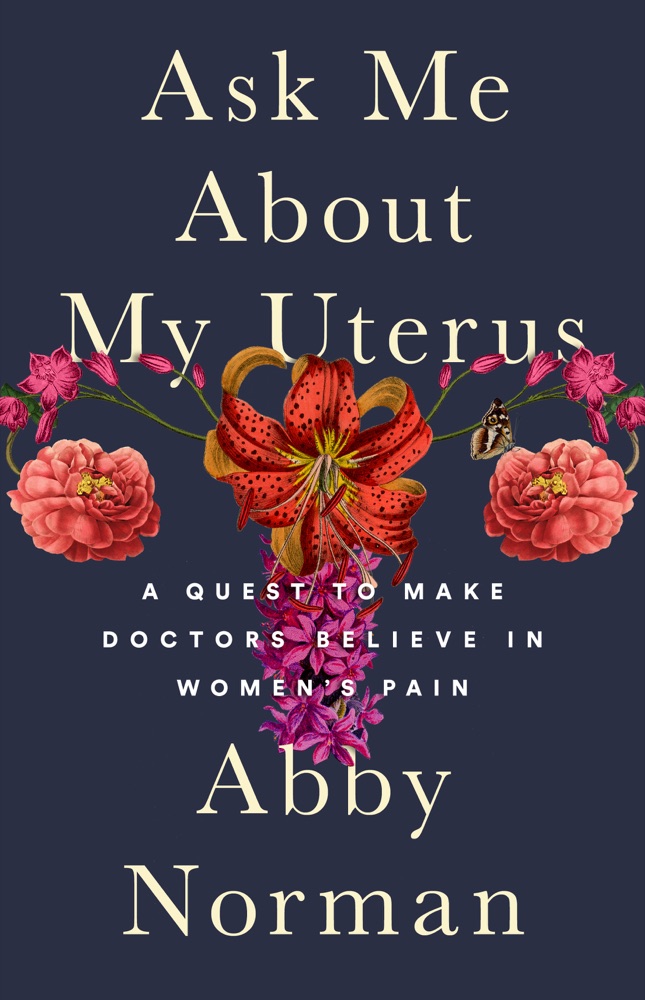 Ask Me About My Uterus: A Quest to Make Doctors Believe in Women's Pain
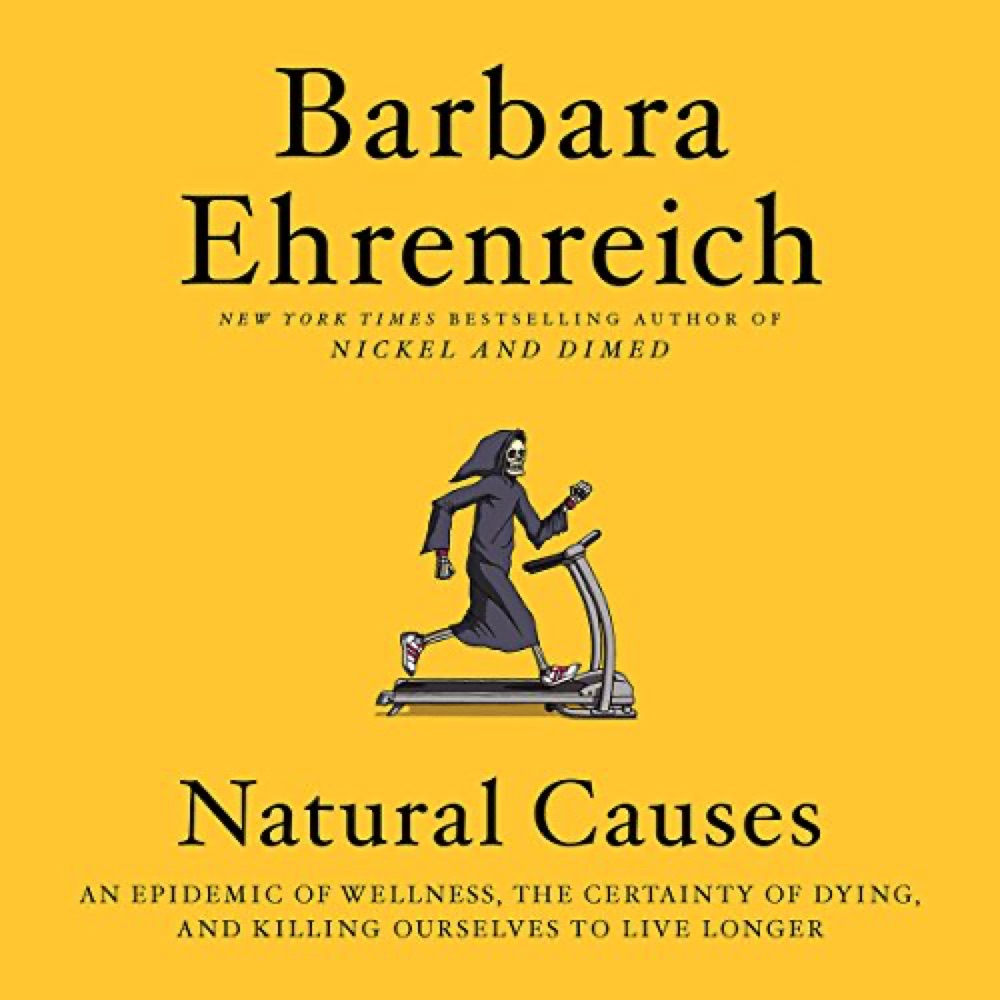 Natural Causes: An Epidemic of Wellness, the Certainty of Dying, and Killing Ourselves to Live Longer
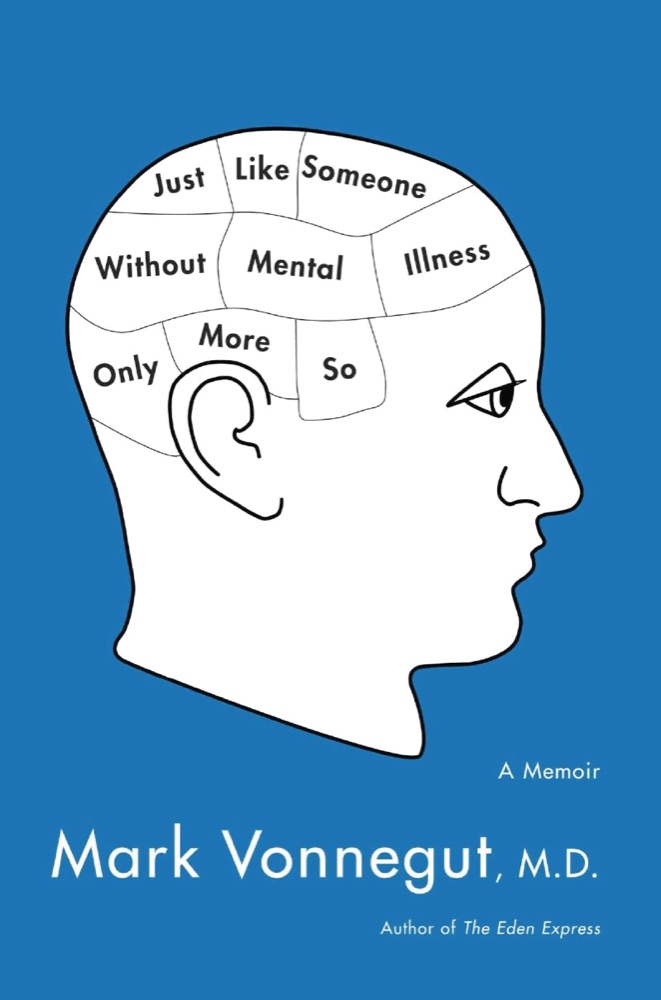 Just Like Someone Without Mental Illness Only More So
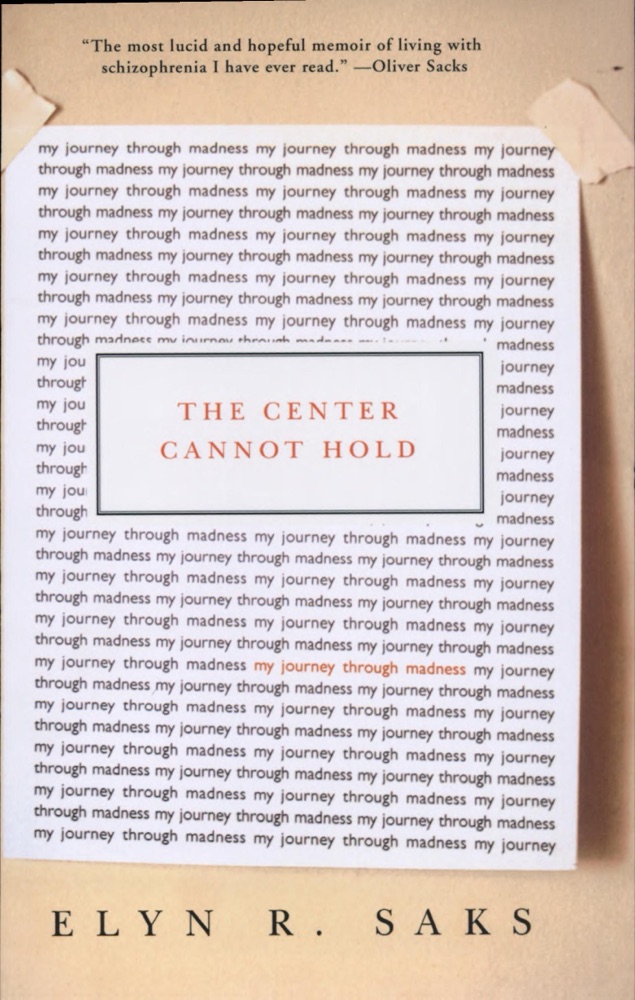 The Center Cannot Hold: My Journey Through Madness
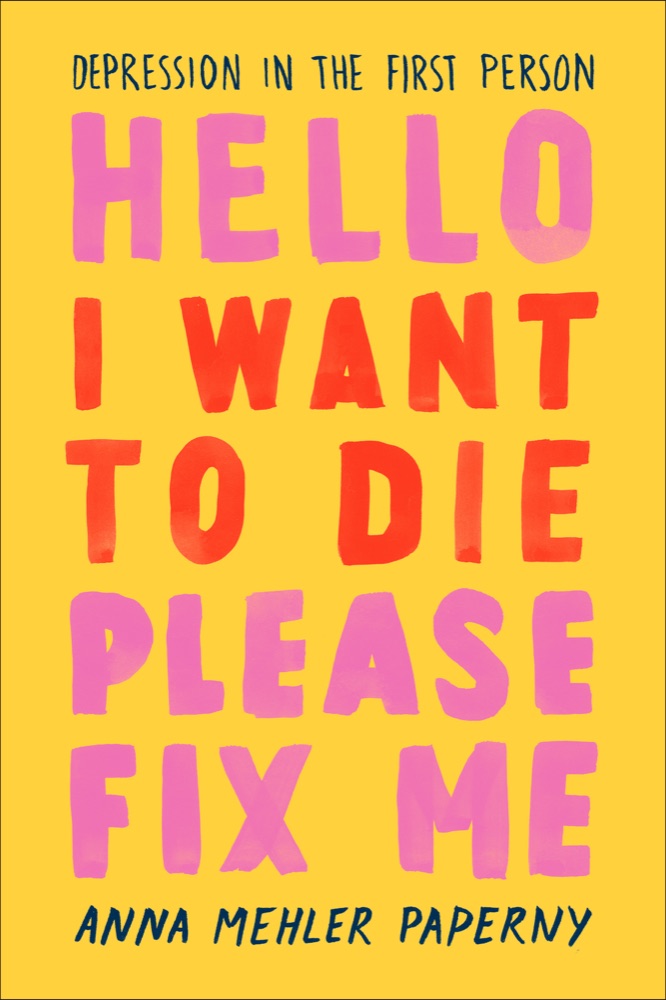 Hello I Want to Die Please Fix Me: Depression in the First Person
 Shoot the Damn Dog: A Memoir of Depression
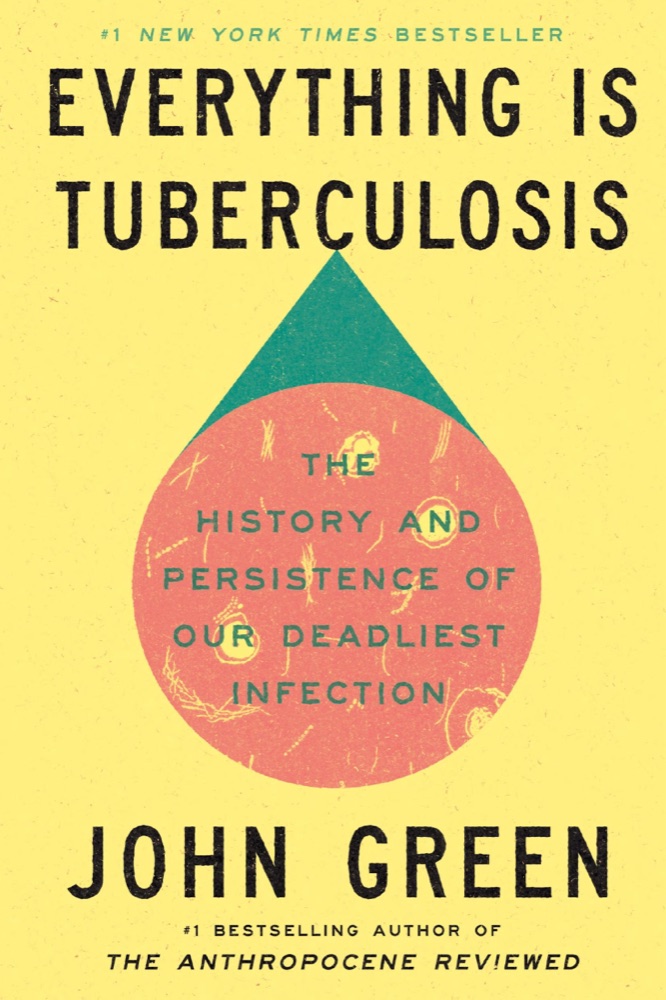 Everything Is Tuberculosis: The History and Persistence of Our Deadliest Infection
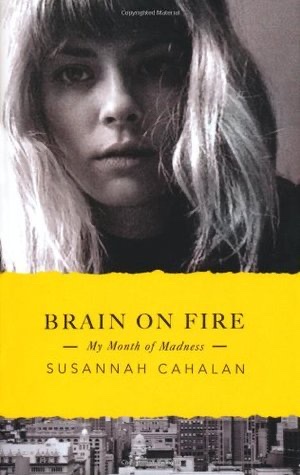 Brain on Fire: My Month of Madness
 Disability Visibility: First-Person Stories from the Twenty-first Century
 Between Two Kingdoms: A Memoir of a Life Interrupted
 Lost Connections: Uncovering the Real Causes of Depression - and the Unexpected Solutions
 Do No Harm: Stories of Life, Death and Brain Surgery
 Darkness Visible: A Memoir of Madness
 Illness as Metaphor and AIDS and Its Metaphors
 Doctors
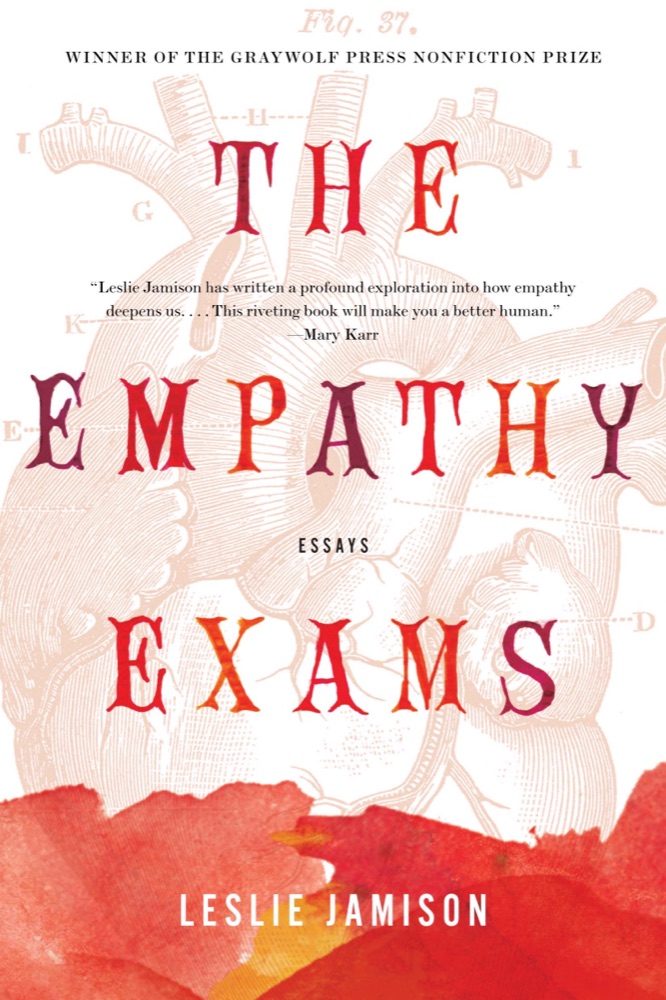 The Empathy Exams
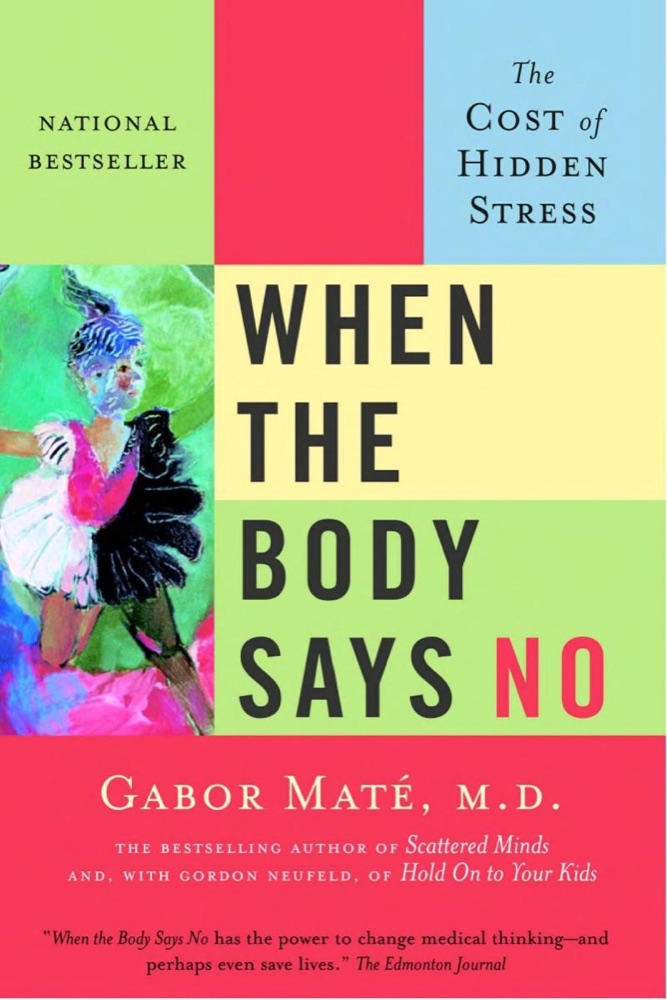 When the Body Says No: The Cost of Hidden Stress
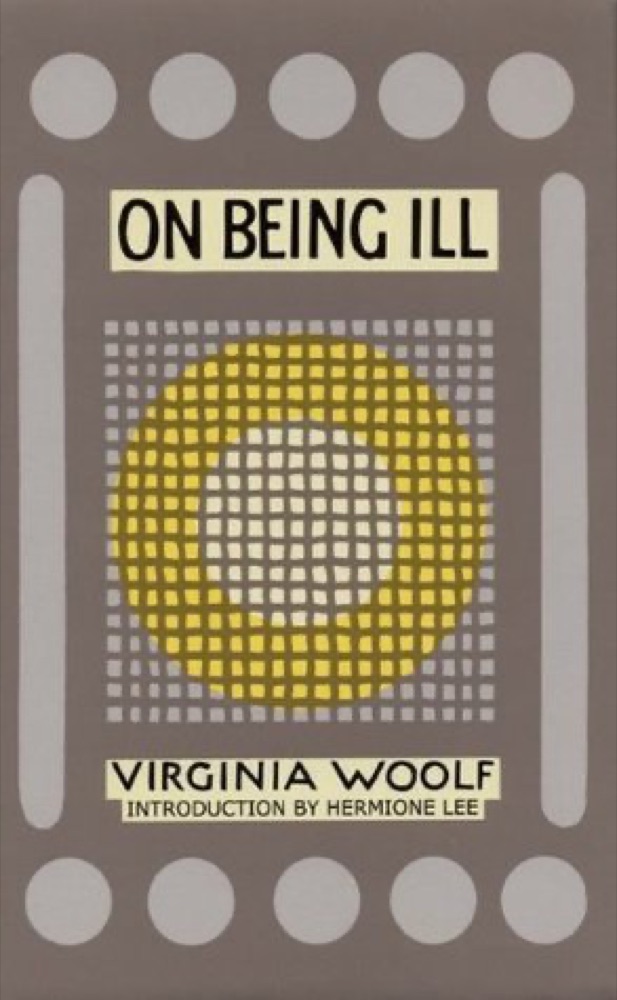 On Being Ill
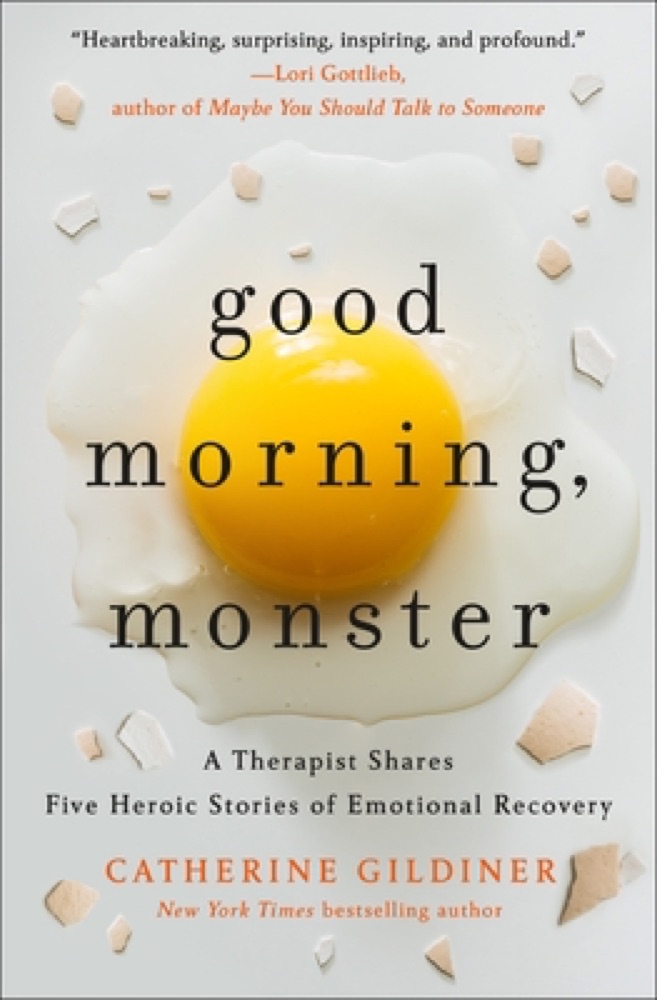 Good Morning, Monster: A Therapist Shares Five Heroic Stories of Emotional Recovery
 In The Blood
 In an Unspoken Voice: How the Body Releases Trauma and Restores Goodness
 Committed: On Meaning and Madwomen
 Delicate Condition
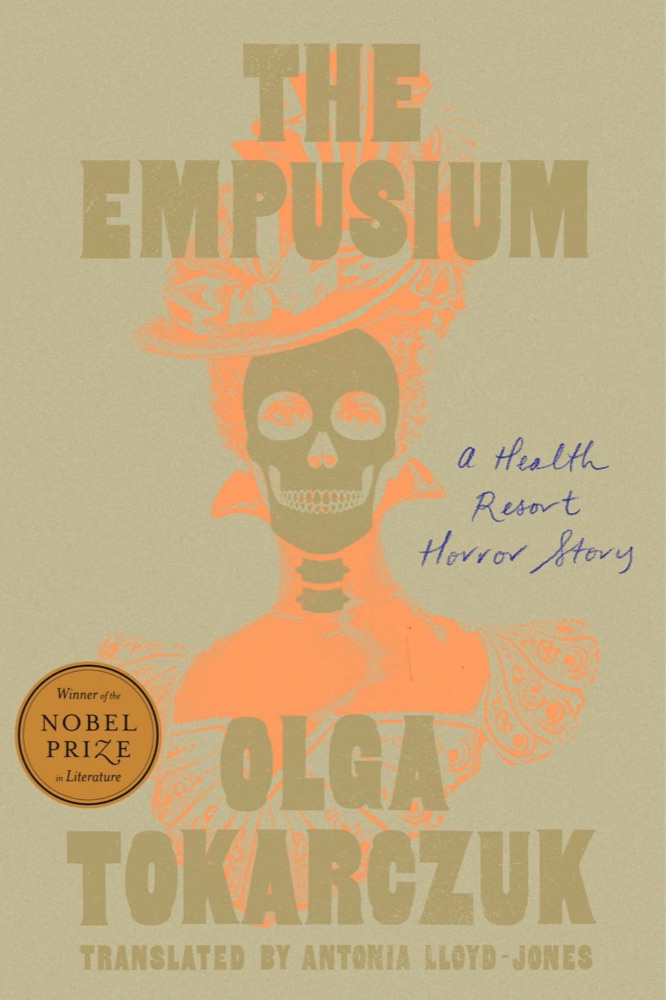 The Empusium
![[Don't] Call Me Crazy](/i/book/g/b2/dont-call-me-crazy.jpg) [Don't] Call Me Crazy
[Don't] Call Me Crazy
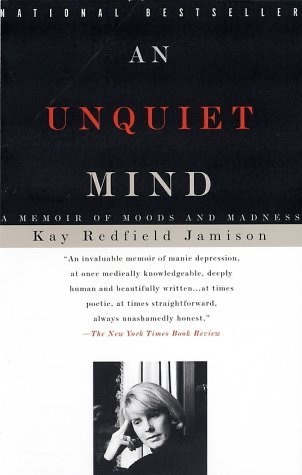 An Unquiet Mind: A Memoir of Moods and Madness
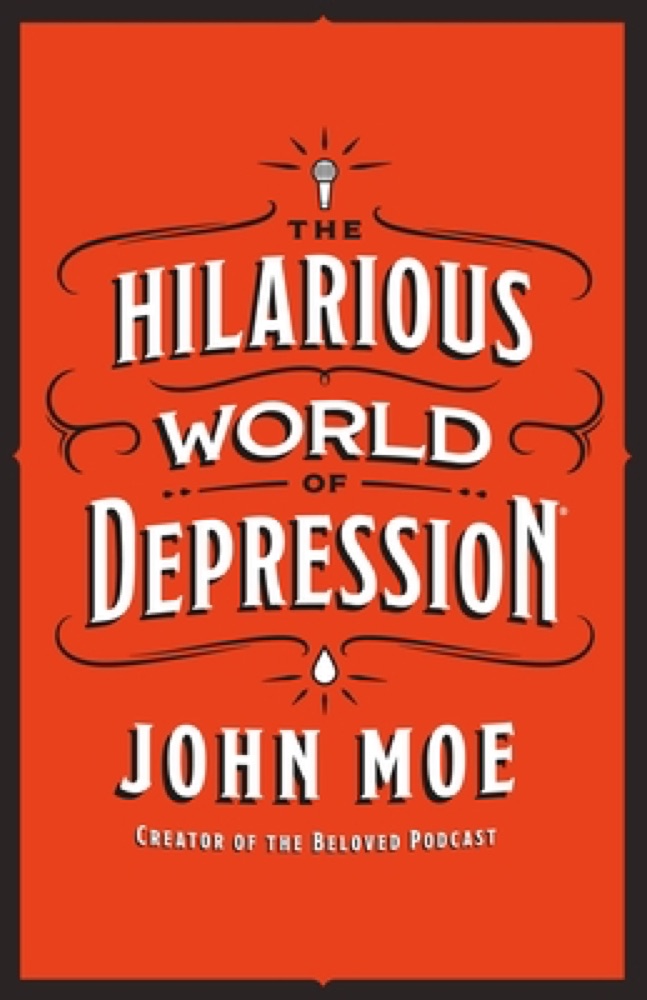 The Hilarious World of Depression
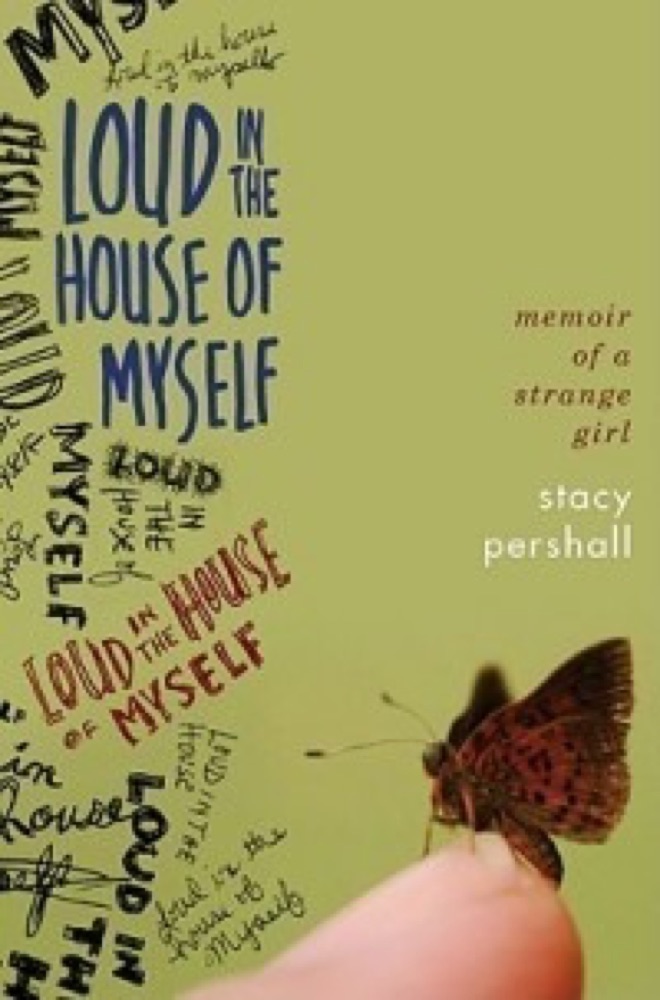 Loud in the House of Myself: Memoir of a Strange Girl
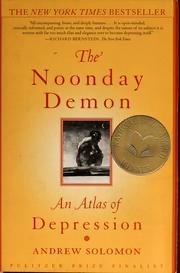 The Noonday Demon: An Atlas of Depression
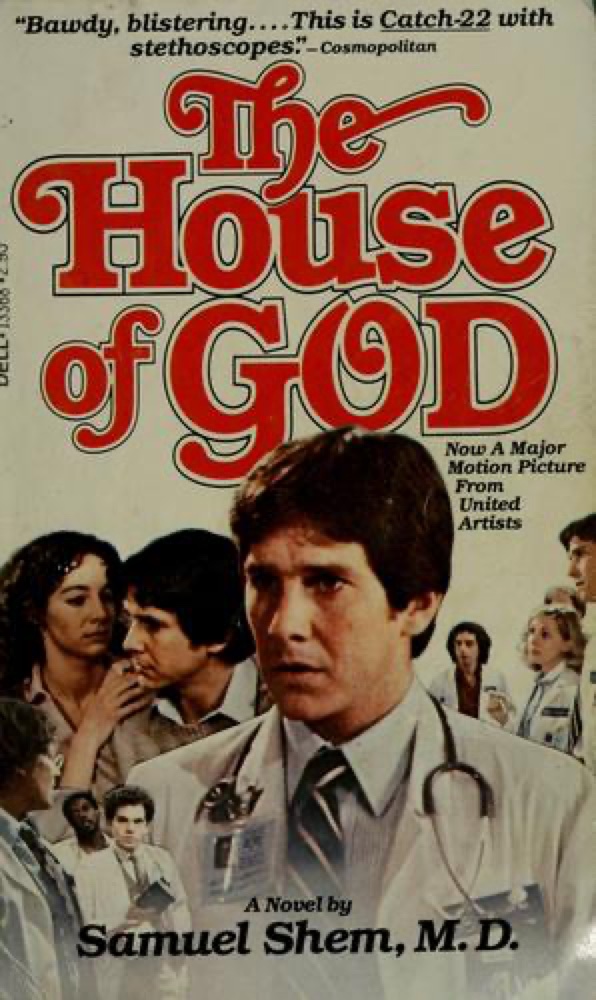 The House of God
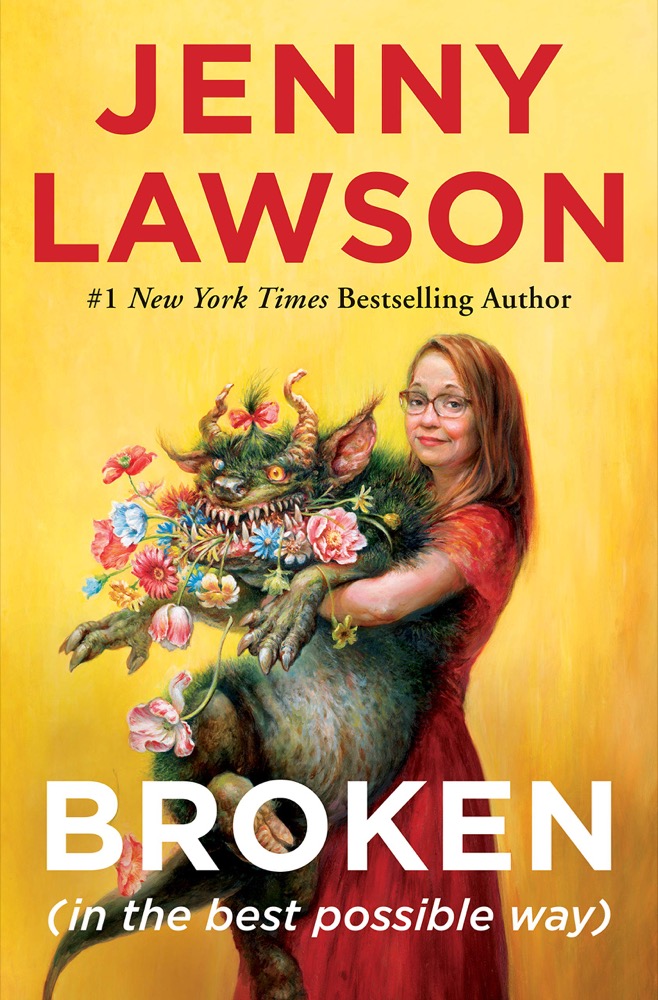 Broken
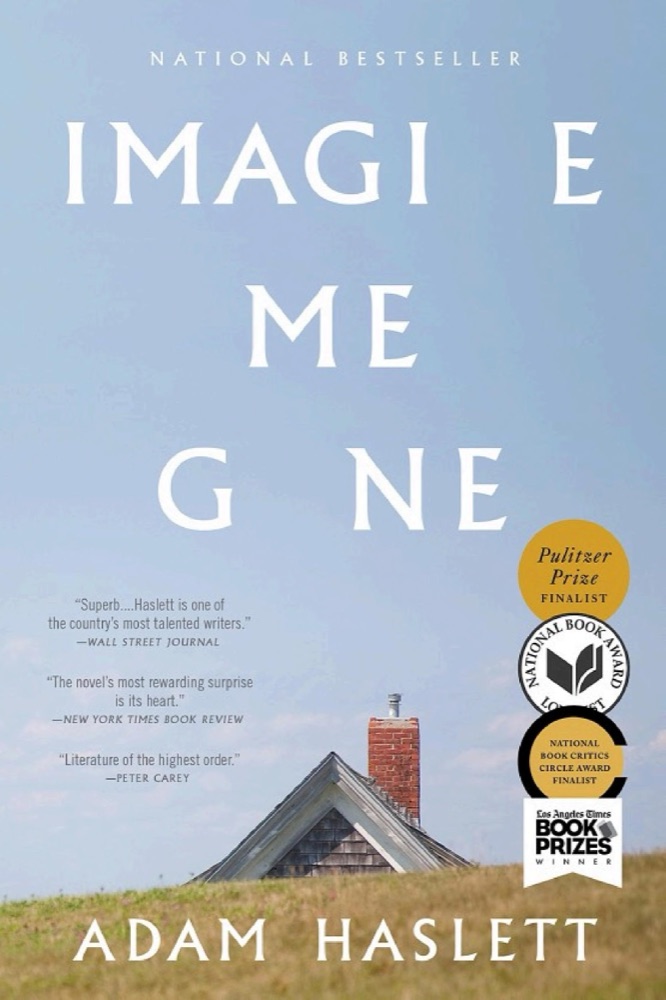 Imagine Me Gone
 The Man Who Mistook His Wife for a Hat and Other Clinical Tales
 Being Mortal: Medicine and What Matters in the End
 Suspect
 Prozac Nation
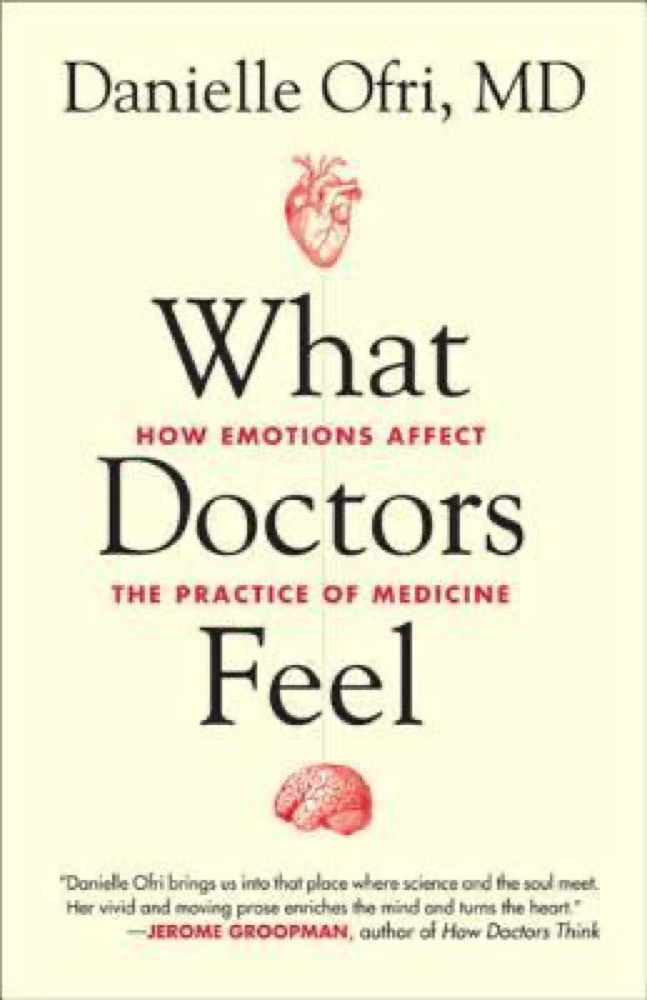 What Doctors Feel: How Emotions Affect the Practice of Medicine
 The Silent Patient
 How to Stay Sane in an Age of Division
 Healing Back Pain: The Mind-Body Connection
 My Name Is Mahtob: The Story that Began the Global Phenomenon Not Without My Daughter Continues
 Creatures of a Day: And Other Tales of Psychotherapy
 Drive Your Plow Over the Bones of the Dead
 What My Bones Know
 Paperweight
 The Examined Life: How We Lose and Find Ourselves
 Mortality
 In the Realm of Hungry Ghosts: Close Encounters with Addiction
 Why Religion? A Personal Story
 Range of Motion
 Elderhood: Redefining Aging, Transforming Medicine, Reimagining Life
 The Emperor of All Maladies: A Biography of Cancer
 I Am, I Am, I Am: Seventeen Brushes with Death
 When Things Fall Apart: Heart Advice for Difficult Times