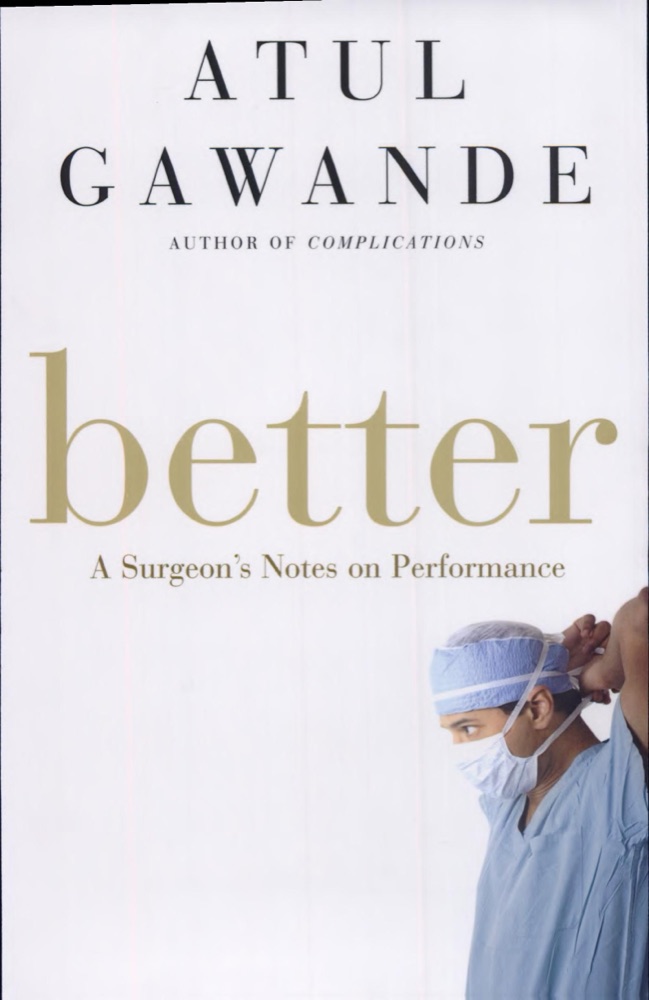

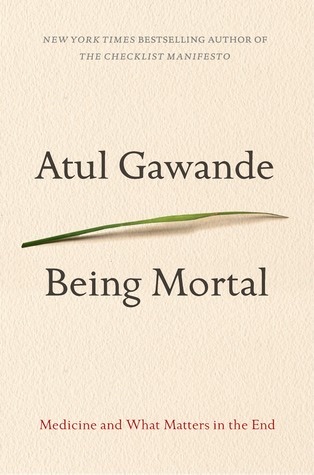
 Being Mortal: Medicine and What Matters in the End
Quotes from the Book
Better is possible. It does not take genius. It takes diligence. It takes moral clarity. It takes ingenuity. And above all, it takes a willingness to try.
215
We always hope for the easy fix: the one simple change that will erase a problem in a stroke. But few things in life work this way. Instead, success requires making a hundred small steps go right - one after the other, no slipups, no goofs, everyone pitching in.
114
Betterment is perpetual labor. The world is chaotic, disorganized, and vexing, and medicine is nowhere spared that reality. To complicate matters, we in medicine are also only human ourselves. We are distractible, weak, and given to our own concerns. Yet still, to live as a doctor is to live so that one's life is bound up in others' and in science and in the messy, complicated connection between the two It is to live a life of responsibility. The question then, is not whether one accepts the responsibility. Just by doing this work, one has. The question is, having accepted the responsibility, how one does such work well.
31
Are doctors who make mistakes villains? No, because then we all are.
21
People underestimate the importance of dilligence as a virtue. No doubt it has something to do with how supremely mundane it seems. It is defined as "the constant and earnest effort to accomplish what is undertaken."... Understood, however, as the prerequisite of great accomplishment, diligence stands as one of the most difficult challenges facing any group of people who take on tasks of risk and consequence. It sets a high, seemingly impossible, expectation for performance and human behavior.
16
The hardest question for anyone who takes responsibility for what he or she does is, What if I turn out to be average?
10
Steps to become a positive deviant: 1. Ask unscripted questions 2. Don't complain 3. Count something that interests you 4. Write something... Anything 5. Change yourself. Change something
7
Nonetheless, what I saw was: better is possible. It does not take genius. It takes diligence. It takes moral clarity. It takes ingenuity. And above all, it takes a willingness to try.
7
Do what is right, and do it now.
7
We are used to thinking of doctoring as a solitary, intellectual task. But making medicine go right is less often like making a difficult diagnosis than like making sure everyone washes their hands.
6
It is unsettling to find how little it takes to defeat success in medicine. You come as a professional equipped with expertise and technology. You do not imagine that a mere matter of etiquette could foil you. But the social dimension turns out to be as essential as the scientific--matters of how casual you should be, how formal, how reticent, how forthright. Also: how apologetic, how self-confident, how money-minded. In this work against sickness, we begin not with genetic or cellular interactions, but with human ones. They are what make medicine so complex and fascinating. How each interaction is negotiated can determine whether a doctor is trusted, whether a patient is heard, whether the right diagnosis is made, the right treatment given. But in this realm there are no perfect formulas.
6
To become a doctor, you spend so much time in the tunnels of preparation--head down, trying not to screw up, just going from one day to the next--that it is a shock to find yourself at the other end, with someone shaking your hand and offering you a job. But the day comes.
5
The seemingly easiest and most sensible rule for a doctor to follow is: Always Fight. Always look for what more you could do.
4
Ingenuity is often misunderstood. It is not a matter of superior intelligence but of character. It demands more than anything a willingness to recognize failure, to not paper over the cracks, and to change. It arises from deliberate, even obsessive, reflection on failure and a constant searching for new solutions.
3
You do not imagine that a mere matter of etiquette could foil you. But the social dimension turns out to be as essential as the scientific—matters of how casual you should be, how formal, how reticent, how forthright. Also: how apologetic, how self-confident, how money-minded.
3
An audience is a community. The published word is a declaration of membership in that community and also of a willingness to contribute something meaningful to it. So choose your audience. Write something.
3
At times, in medicine, you feel you are inside a colossal and impossibly complex machine whose gears will turn for you only according to their own arbitrary rhythm. The notion that human caring, the effort to do better for people, might make a difference can seem hopelessly naïve.
3
My third answer for becoming a positive deviant: Count something. Regardless of what one ultimately does in medicine—or outside medicine, for that matter—one should be a scientist in the world....If you count something you find interesting, you will learn something interesting.
2
...where they had control--their skills, for example--these doctors sought betterment. They understood themselves to be part of a larger world of medical knowledge and accomplishment. Moreover, they believed they could measure up in it...partly...a function of...camaraderie as a group.
2
Indeed, the scientific effort to improve performance in medicine—an effort that at present gets only a miniscule portion of scientific budgets—can arguably save more lives in the next decade than bench science, more lives than research on the genome, stem cell therapy, cancer vaccines, and all the other laboratory work we hear about in the news.
2
The striking thing is that WHO doesn't really have the authority to do any of this. It can't tell governments what to do. It hires no vaccinators, distributes no vaccine. It is a small Geneva bureaucracy run by several hundred international delegates whose annual votes tell the organization what to do but not how to do it.…The only substantial resource that WHO has cultivated is information and expertise.
2
The reason has to be that doctors remain at least partly motivated by the hope of doing meaningful and respected work for people and society.
1
Human birth...is a solution to an evolutionary problem: how a mammal can walk upright, which requires a small, fixed, bony pelvis, and also possess a large brain, which entails a baby whose head is too big to fit through that small pelvis...in a sense, all human mothers give birth prematurely. Other mammals are born mature enough to walk and seek food within hours; our newborns are small and helpless for months.
1
When someone has come to you for your expertise and your expertise has failed, what do you have left? You have only your character to fall back upon—and sometimes it’s only your pride that comes through.
1
Doctors quickly learn that how much they make has little to do with how good they are. It largely depends on how they handle the business side of their practice. Many
1
Five years later, Albert Sabin published the results of an alternative polio vaccine he had used in an immunization campaign in Toluca, Mexico, a city of a hundred thousand people, where a polio outbreak was in progress. His was an oral vaccine, easier to administer than Salk’s injected one. It was also a live vaccine, containing weakened but intact poliovirus, and so it could produce not only immunity but also a mild contagious infection that would spread the immunity to others. In just four days, Sabin’s team managed to vaccinate more than 80 percent of the children under the age of eleven—26,000 children in all. It was a blitzkrieg assault. Within weeks, polio had disappeared from the city. This approach, Sabin argued, could be used to eliminate polio from entire countries, even the world. The only leader in the West who took him up on the idea was Fidel Castro. In 1962, Castro’s Committee for the Defense of the Revolution organized 82,366 local committees to carry out a succession of weeklong house-to-house national immunization campaigns using the Sabin vaccine. In 1963, only one case of polio occurred in Cuba.
1
International organizations are fond of grand-sounding pledges to rid the planet of this or that menace. They nearly always fail, however. The world is too vast and too various to submit to dictates from on high.
1
One American in seven has no coverage, and one in three younger than sixty-five will lose coverage at some point in the next two years. These are people who aren't poor or old enough to qualify for government programs but whose jobs aren't good enough to provide benefits either.
1
Watch on YouTube
About Atul Gawande
We have collected 58 quotes from 2 books by Atul Gawande on BookQuoters.
More about the author →More by Atul Gawande
Being Mortal: Medicine and What Matters in the End
About the book
The struggle to perform well is universal: each one of us faces fatigue, limited resources, and imperfect abilities in whatever we do. But nowhere is this drive to do better more important than in medicine, where lives are on the line with every decision. In his new book, Atul Gawande explores how doctors strive to close the gap between best intentions and best performance in the face of obstacles that sometimes seem insurmountable. Gawande's gripping stories of diligence, ingenuity, and what it means to do right by people take us to battlefield surgical tents in Iraq, to labor and delivery rooms in Boston, to a polio outbreak in India, and to malpractice courtrooms around the country. He discusses the ethical dilemmas of doctors participation in lethal injections, examines the influence of money on modern medicine, and recounts the astoundingly contentious history of hand washing. And a
Book details
- First published
- 2007
- Author
- Atul Gawande
- Genre
- Nonfiction
- Goodreads rating
- 4.25 (38k ratings)
Keep reading
 The Art of Thinking Clearly
 Principles: Life and Work
 Barking Up the Wrong Tree: The Surprising Science Behind Why Everything You Know About Success Is (Mostly) Wrong
 Antifragile: Things That Gain from Disorder
 Think Like a Freak
 Good to Great: Why Some Companies Make the Leap... and Others Don't
 Do No Harm: Stories of Life, Death and Brain Surgery
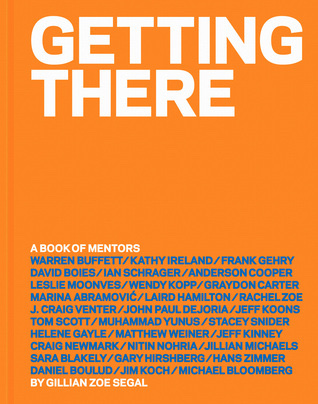 Getting There: A Book of Mentors
 The Last Lecture
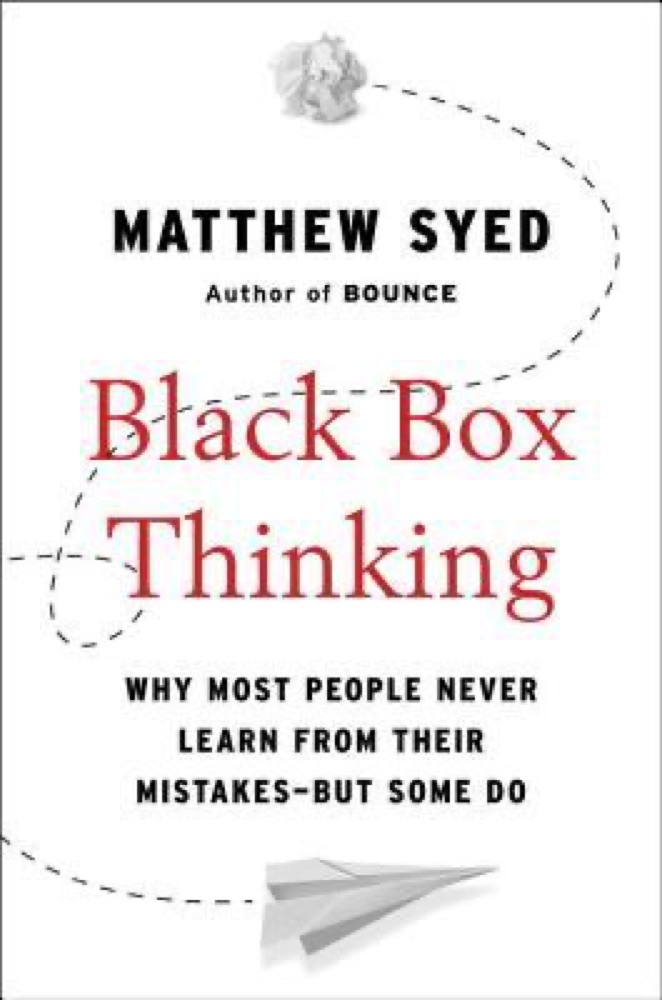 Black Box Thinking: Why Some People Never Learn from Their Mistakes - But Some Do
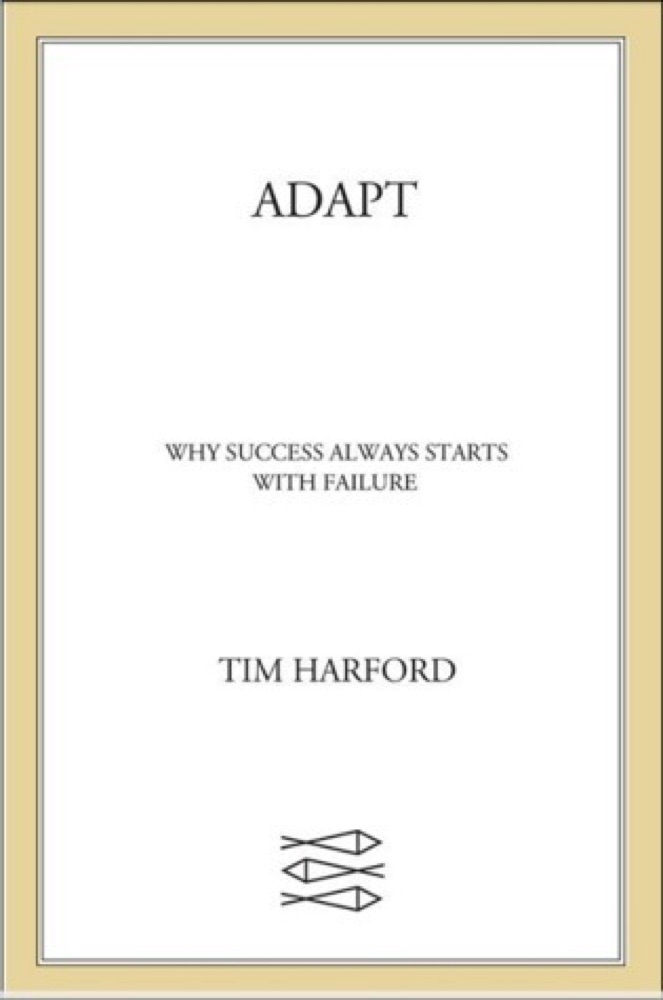 Adapt: Why Success Always Starts with Failure
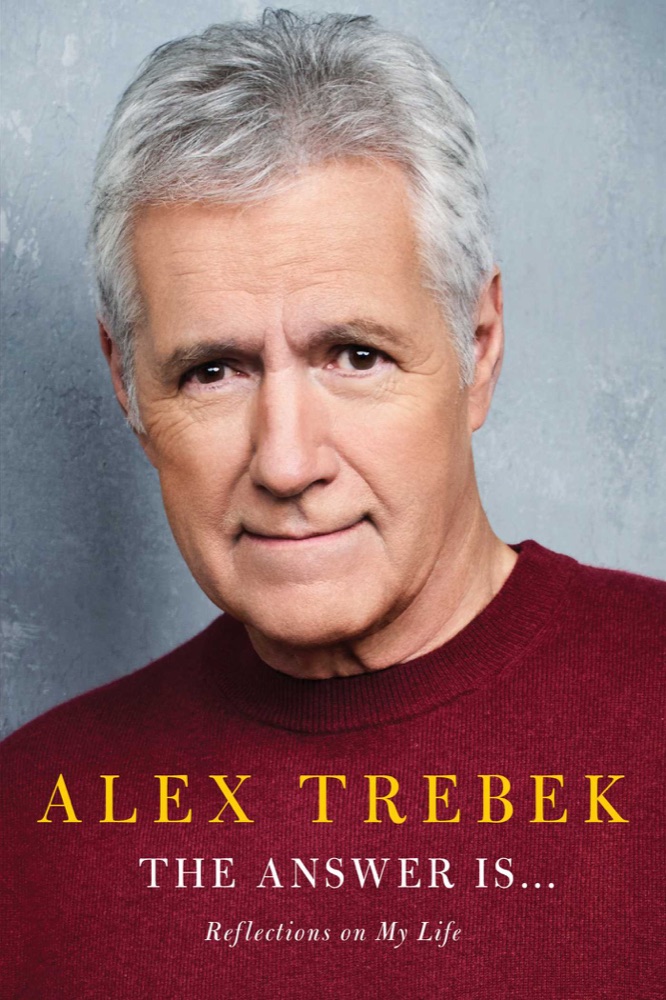 The Answer Is…: Reflections on My Life
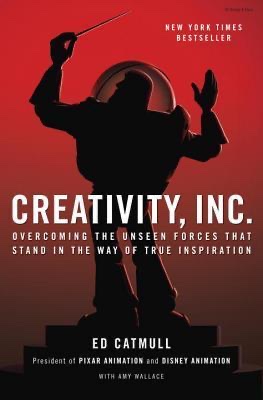 Creativity, Inc.: Overcoming the Unseen Forces That Stand in the Way of True Inspiration
Being Mortal: Medicine and What Matters in the End
Creativity, Inc.: Overcoming the Unseen Forces That Stand in the Way of True Inspiration
Being Mortal: Medicine and What Matters in the End
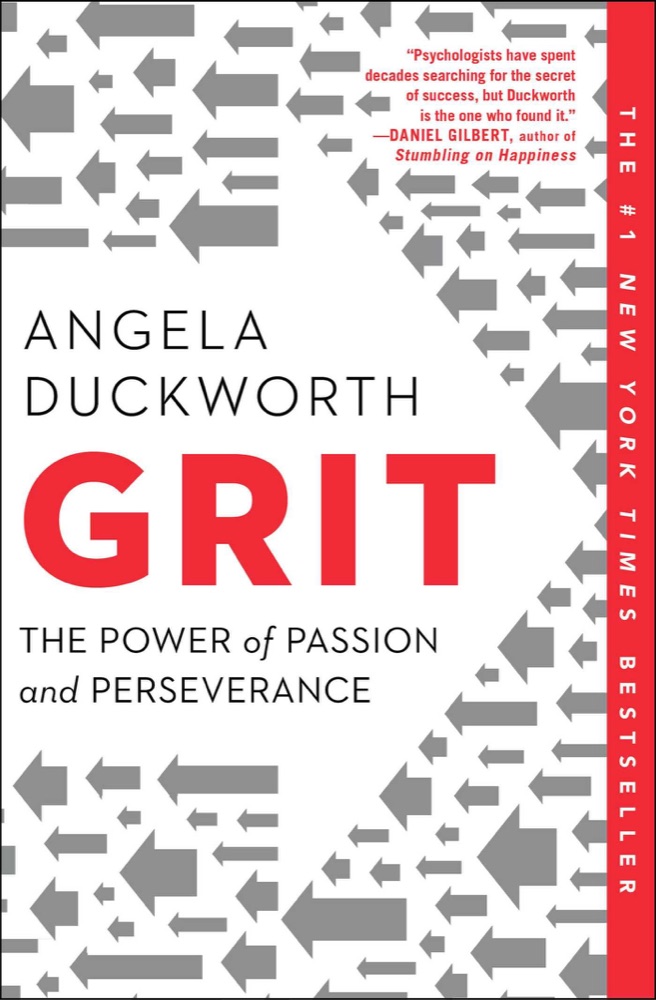 Grit: The Power of Passion and Perseverance
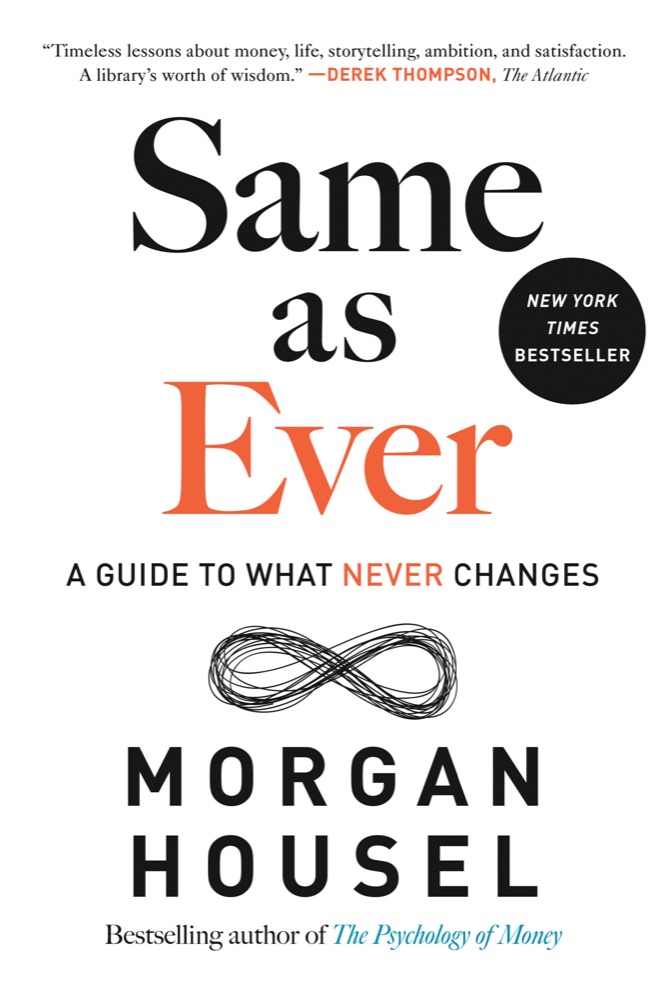 Same as Ever: A Guide to What Never Changes
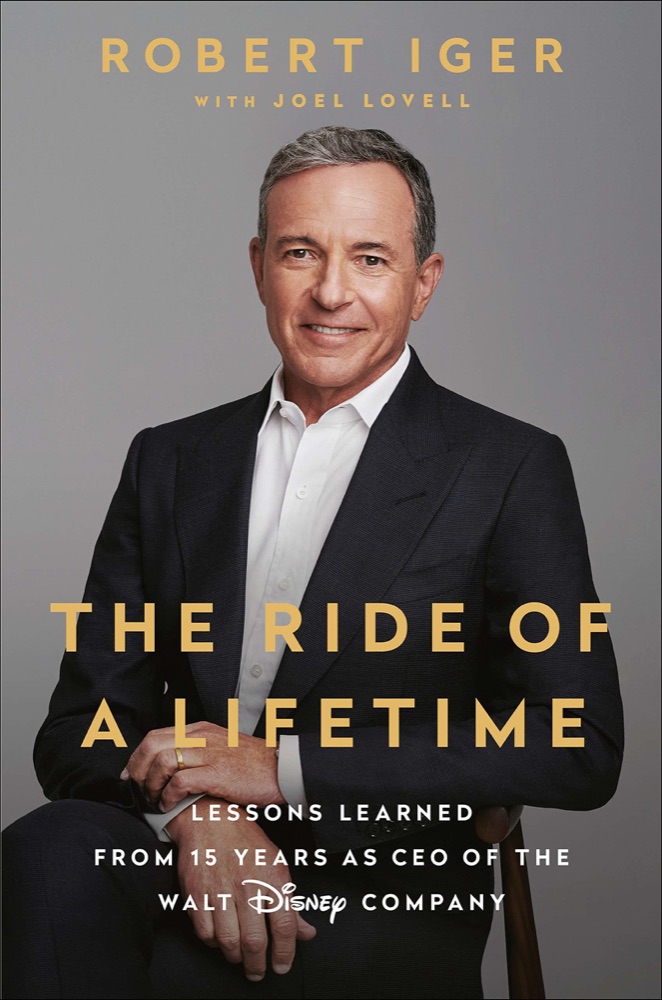 The Ride of a Lifetime: Lessons Learned from 15 Years as CEO of the Walt Disney Company
 Range: Why Generalists Triumph in a Specialized World
 David and Goliath: Underdogs, Misfits, and the Art of Battling Giants
 Just Like Someone Without Mental Illness Only More So
 Wooden: A Lifetime of Observations and Reflections On and Off the Court
 The Black Swan: The Impact of the Highly Improbable
 Smarter Faster Better: The Secrets of Being Productive in Life and Business
 Independent Study
 How to Be Perfect: The Correct Answer to Every Moral Question
 Walden Two
 Smartcuts: How Hackers, Innovators, and Icons Accelerate Success
 Poor Economics: A Radical Rethinking of the Way to Fight Global Poverty
 The Effective Executive: The Definitive Guide to Getting the Right Things Done
 Right Kind of Wrong: The Science of Failing Well
 Gifted Hands: The Ben Carson Story
 What the Dog Saw and Other Adventures
 What Color Is Your Parachute? A Practical Manual for Job-Hunters and Career-Changers
 Drive: The Surprising Truth About What Motivates Us
 How to Fail at Almost Everything and Still Win Big: Kind of the Story of My Life
 The Leader Who Had No Title: A Modern Fable on Real Success in Business and in Life
 The 7 Habits of Highly Effective People: Personal Workbook
 It Worked for Me: In Life and Leadership
 Pour Your Heart Into It: How Starbucks Built a Company One Cup at a Time
 Think Like a Rocket Scientist: Simple Strategies You Can Use to Make Giant Leaps in Work and Life
 An Astronaut's Guide to Life on Earth
 Excellent Advice for Living: Wisdom I Wish I'd Known Earlier
 SuperFreakonomics: Global Cooling, Patriotic Prostitutes And Why Suicide Bombers Should Buy Life Insurance
 The Tipping Point: How Little Things Can Make a Big Difference
 The Obstacle Is the Way: The Timeless Art of Turning Trials into Triumph
 Skin in the Game: The Hidden Asymmetries in Daily Life
 How We Do Harm: A Doctor Breaks Ranks About Being Sick in America
 The World Is Flat: A Brief History of the Twenty-first Century
 Algorithms to Live By: The Computer Science of Human Decisions
 Tools of Titans: The Tactics, Routines, and Habits of Billionaires, Icons, and World-Class Performers
 Tribe Of Mentors: Transformative Wisdom From Icons and Innovators to Help You Navigate Life's Challenges
 You Can Win: A Step by Step Tool for Top Achievers
 Natural Causes: An Epidemic of Wellness, the Certainty of Dying, and Killing Ourselves to Live Longer
 The Hard Thing About Hard Things: Building a Business When There Are No Easy Answers―Straight Talk on the Challenges of Entrepreneurship
 Doing Justice: A Prosecutor's Thoughts on Crime, Punishment, and the Rule of Law
 Superforecasting: The Art and Science of Prediction
 Chaos Monkeys: Obscene Fortune and Random Failure in Silicon Valley
 Originals: How Non-Conformists Move the World
 How Will You Measure Your Life?