
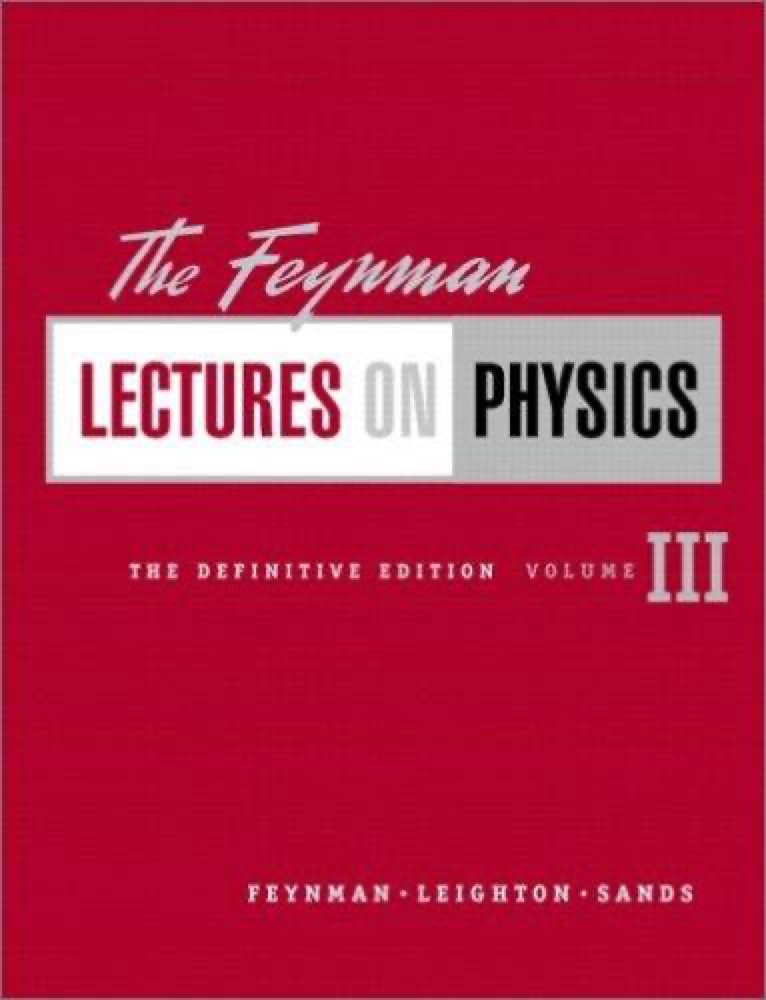
 The Feynman Lectures on Physics
Quotes from the Book
In science, there are no universal truths, just views of the world that have yet to be shown to be false.
Our experience teaches us that there are indeed laws of nature, regularities in the way things behave, and that these laws are best expressed using the language of mathematics. This raises the interesting possibility that mathematical consistency might be used to guide us, along with experimental observation, to the laws that describe physical reality, and this has proved to be the case time and again throughout the history of science. We will see this happen during the course of this book, and it is truly one of the wonderful mysteries of our universe that it should be so.
Perhaps we should not be too surprised that nature sometimes appears counterintuitive to a tribe of observant, carbon-based ape descendants roaming around on the surface of a rocky world orbiting an unremarkable middle-aged star at the outer edge of the Milky Way galaxy.
If there is one thing we try to teach our students when they first arrive at the University of Manchester, ready to learn to be physicists, it is that everyone gets confused and stuck. Very few people understand difficult concepts the first time they encounter them, and the way to a deeper understanding is to move forward with small steps. In the words of Douglas Adams: 'Don’t panic!
Michael Faraday, the son of a Yorkshire blacksmith, was born in south London in 1791. He was self-educated, leaving school at fourteen to become an apprentice bookbinder. He engineered his own lucky break into the world of professional science after attending a lecture in London by the Cornish scientist Sir Humphry Davy in 1811. Faraday sent the notes he had taken at the lecture to Davy, who was so impressed by Faraday’s diligent transcription that he appointed him his scientific assistant. Faraday went on to become a giant of nineteenth-century science, widely acknowledged to have been one of the greatest experimental physicists of all time. Davy is quoted as saying that Faraday was his greatest scientific discovery.
Imagine that light is shining out from a flashlight. According to common sense, if we run fast enough we could in principle catch up with the front of the beam of light as it advances forward. Common sense might even suggest that we could jog alongside the front of the beam if we managed to run at the speed of light. But if we are to follow Maxwell’s equations to the letter, then no matter how fast we run, the beam still recedes away from us at a speed of 299,792,458 meters per second.
It’s worth taking a brief pause here to ponder what has happened. Using only Pythagoras’ theorem and Einstein’s assumption about the speed of light being the same for everyone, we derived a mathematical formula that allowed us to predict the lengthening of the lifetime of a subatomic particle called a muon when that muon is accelerated around a particle accelerator in Brookhaven to 99.94 percent of the speed of light. Our prediction was that it should live 29 times longer than a muon standing still, and this prediction agrees exactly with what was seen by the scientists at Brookhaven. The more you think about this, the more wonderful it is. Welcome to the world of physics!
That dizzying feeling of confusion, if (hopefully) followed by an epiphany of clarity, is the joy of science. If the reader is feeling the former, we hope to deliver the latter by the end of the book.
Later, we shall see that if it were possible to exceed the speed of light, we could construct time machines capable of transporting us backward through history to any point in the past. We could imagine journeying back to a time before we were born and, by accident or design, preventing our parents from ever meeting. This makes for excellent science fiction, but it is no way to build a universe, and indeed Einstein found that the universe is not built like this. Space and time are delicately interwoven in a way that prevents such paradoxes from occurring.
Watch on YouTube
About Brian Cox
We have collected 9 quotes from 1 book by Brian Cox on BookQuoters.
More about the author →Book details
- Author
- Brian Cox
- Genre
- Nonfiction
- Goodreads rating
- 4.05 (10k ratings) →
Keep reading
The Feynman Lectures on Physics
 From Eternity to Here: The Quest for the Ultimate Theory of Time
 Astrophysics for People in a Hurry
 A Brief History of Time
 QED: The Strange Theory of Light and Matter
 Physics of the Impossible: A Scientific Exploration Into the World of Phasers, Force Fields, Teleportation, and Time Travel
 The Character of Physical Law
 Parallel Worlds: A Journey Through Creation, Higher Dimensions, and the Future of the Cosmos
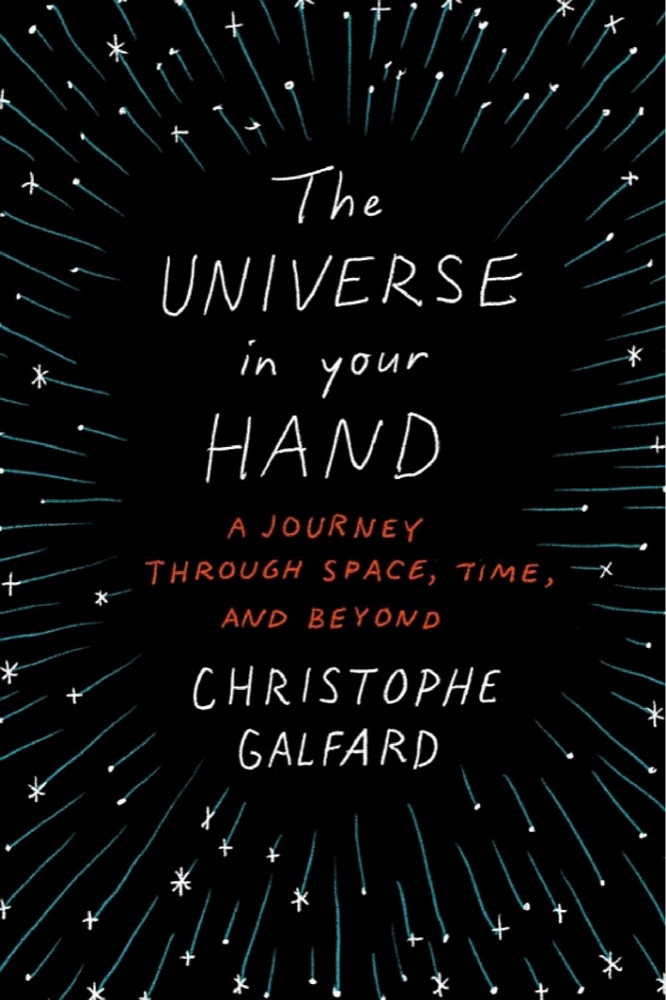 The Universe in Your Hand: A Journey Through Space, Time, and Beyond
 A Briefer History of Time
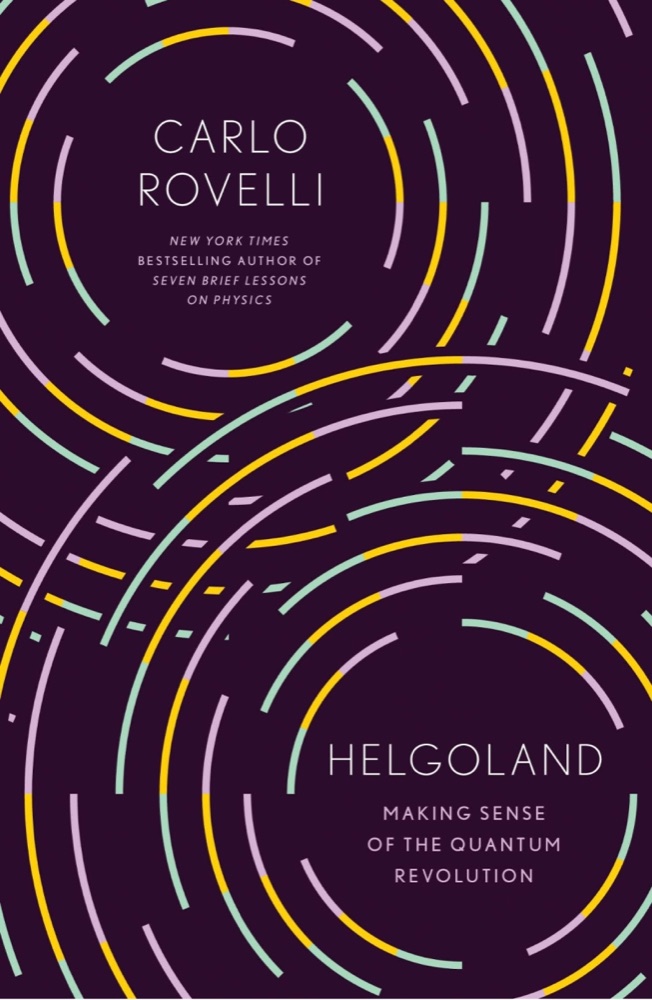 Helgoland: Making Sense of the Quantum Revolution
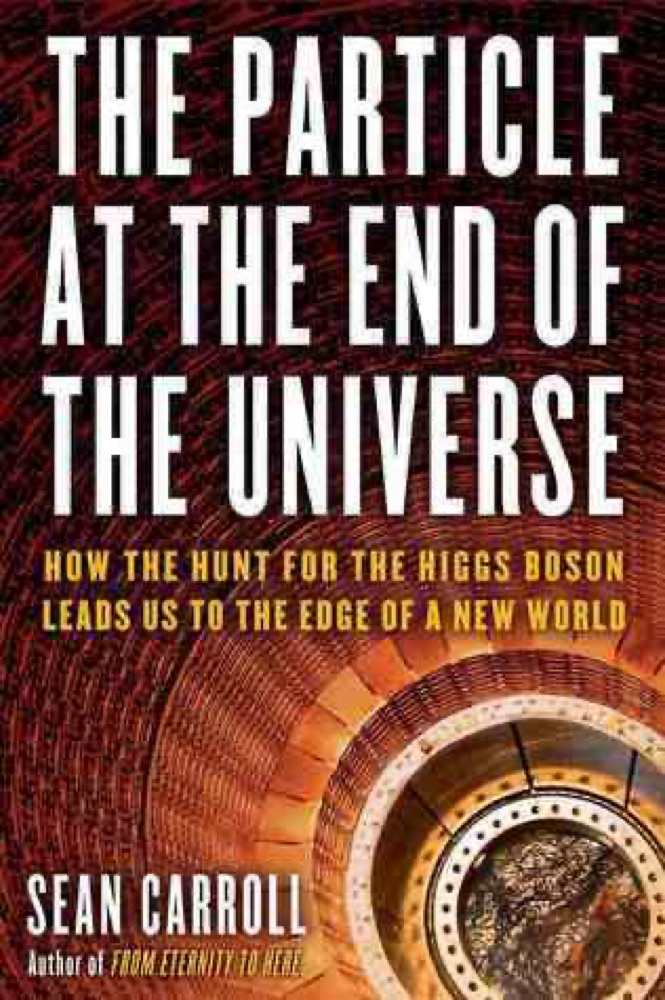 The Particle at the End of the Universe: How the Hunt for the Higgs Boson Leads Us to the Edge of a New World
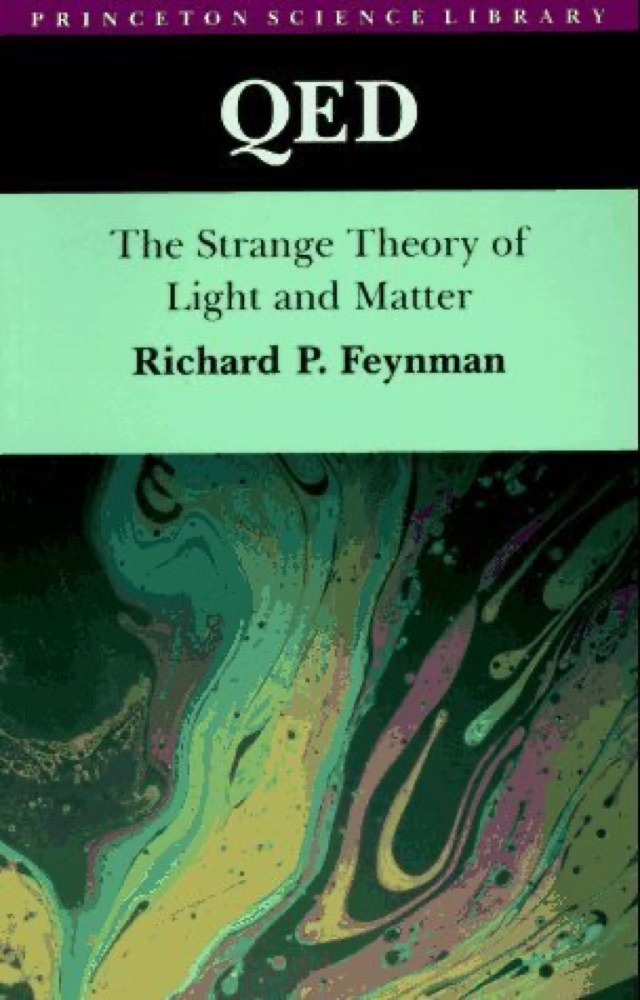 QED: The Strange Theory of Light and Matter
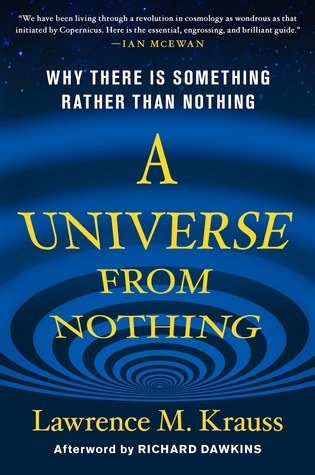 A Universe from Nothing: Why There Is Something Rather Than Nothing
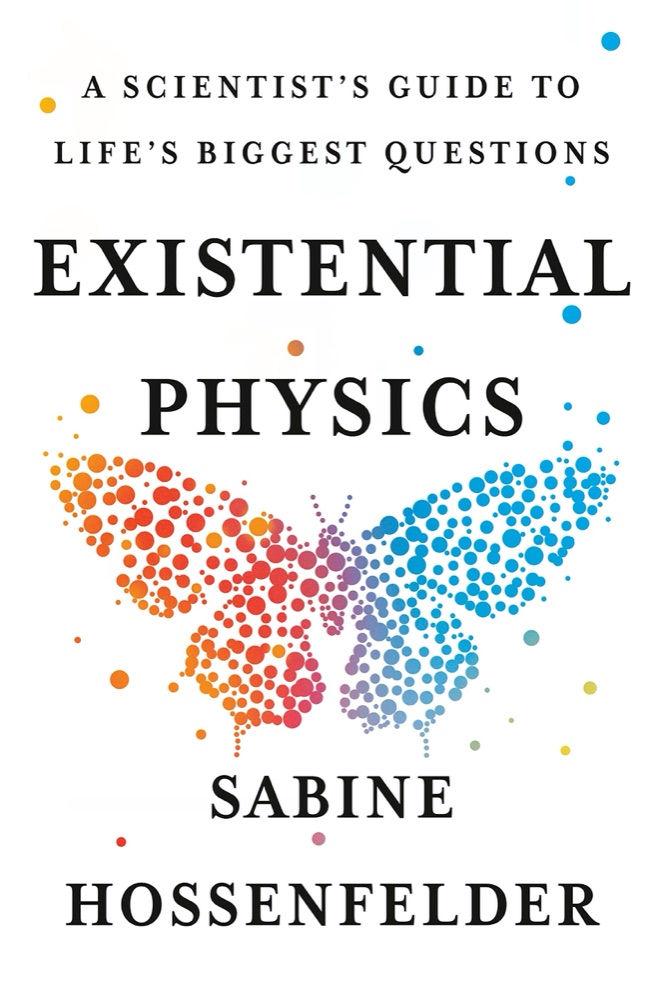 Existential Physics: A Scientist's Guide to Life's Biggest Questions
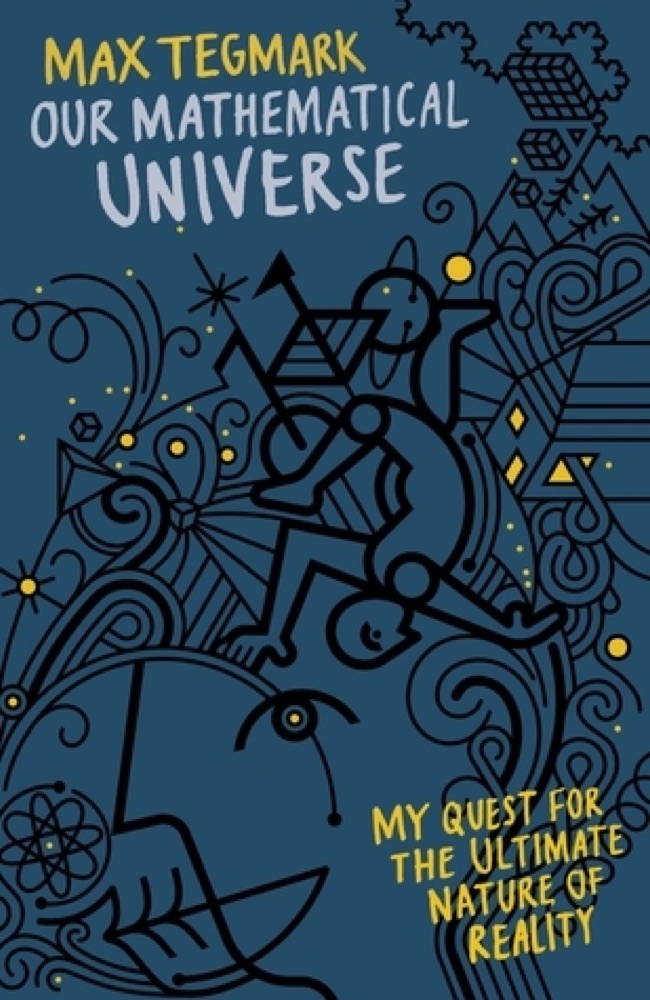 Our Mathematical Universe: My Quest for the Ultimate Nature of Reality
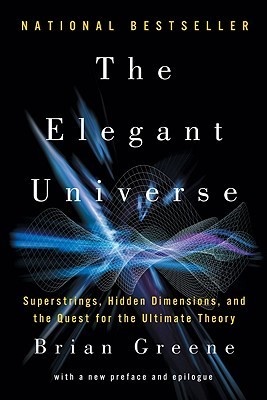 The Elegant Universe: Superstrings, Hidden Dimensions, and the Quest for the Ultimate Theory
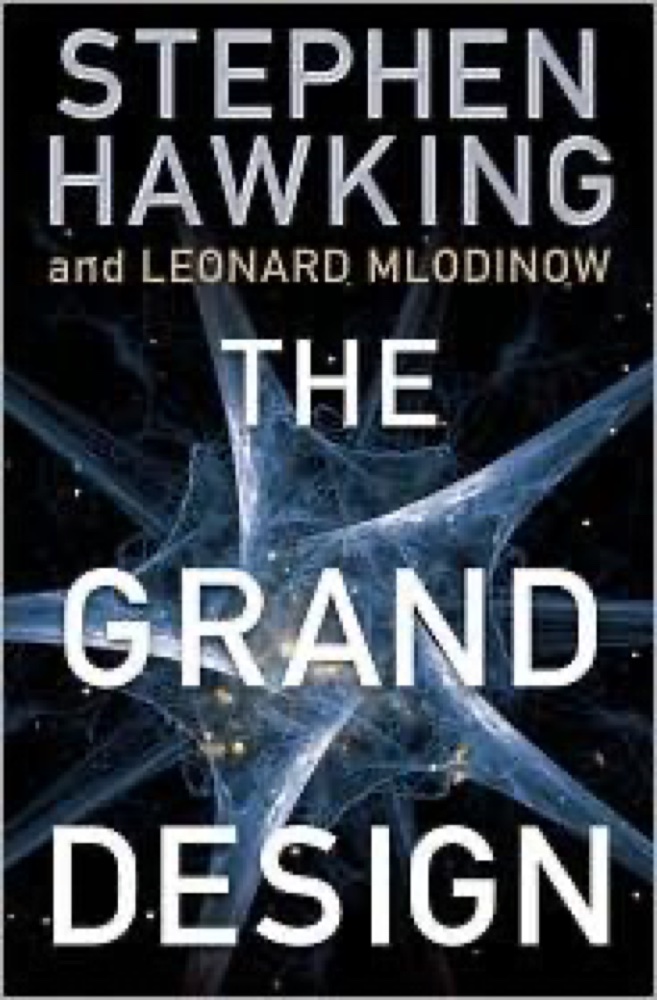 The Grand Design
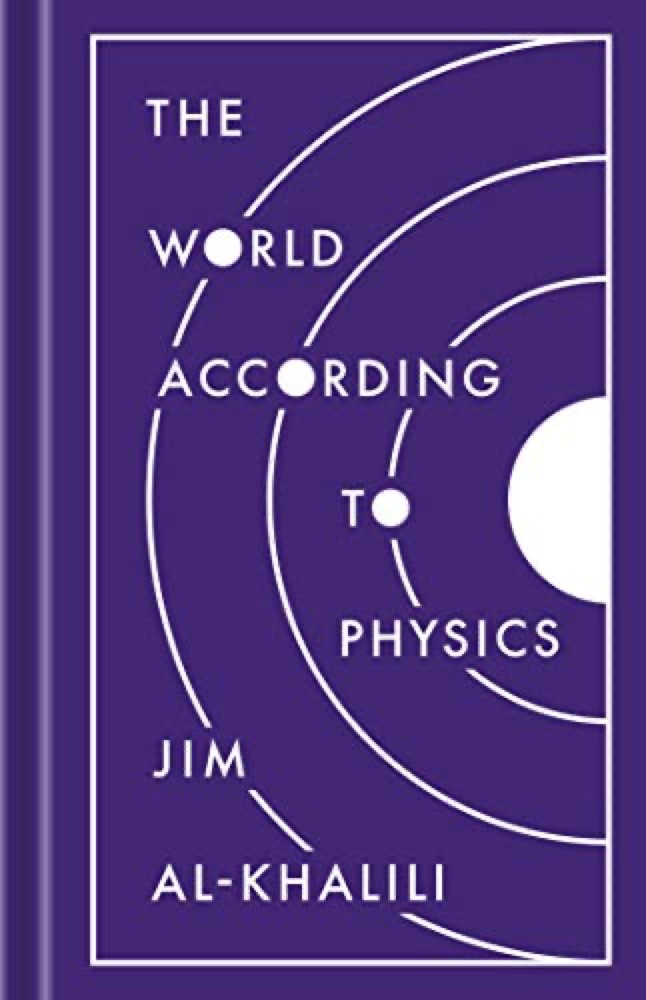 The World According to Physics
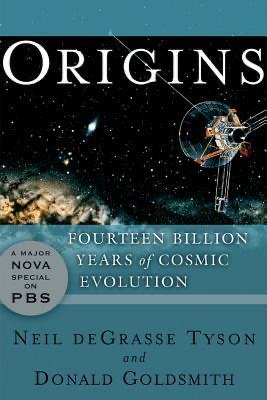 Origins: Fourteen Billion Years of Cosmic Evolution
 Death by Black Hole: And Other Cosmic Quandaries
 Six Easy Pieces: Essentials of Physics By Its Most Brilliant Teacher
 Black Holes and Baby Universes and Other Essays
 Hyperspace
 The Big Picture: On the Origins of Life, Meaning, and the Universe Itself
 The End of Time: The Next Revolution in Our Understanding of the Universe
 What Is Real?: The Unfinished Quest for the Meaning of Quantum Physics
 The Black Hole War: My Battle with Stephen Hawking to Make the World Safe for Quantum Mechanics
 The Fabric of the Cosmos: Space, Time, and the Texture of Reality
 The End of Everything
 Lost in Math: How Beauty Leads Physics Astray
 Until the End of Time: Mind, Matter, and Our Search for Meaning in an Evolving Universe
 The Accidental Universe: The World You Thought You Knew
 A Short History of Nearly Everything
 Life on the Edge: The Coming of Age of Quantum Biology
 Chaos: Making a New Science
 Brief Answers to the Big Questions
 The Blind Watchmaker: Why the Evidence of Evolution Reveals a Universe Without Design
 13 Things That Don't Make Sense: The Most Baffling Scientific Mysteries of Our Time
 The Three-Body Problem
 The Meaning of It All: Thoughts of a Citizen-Scientist
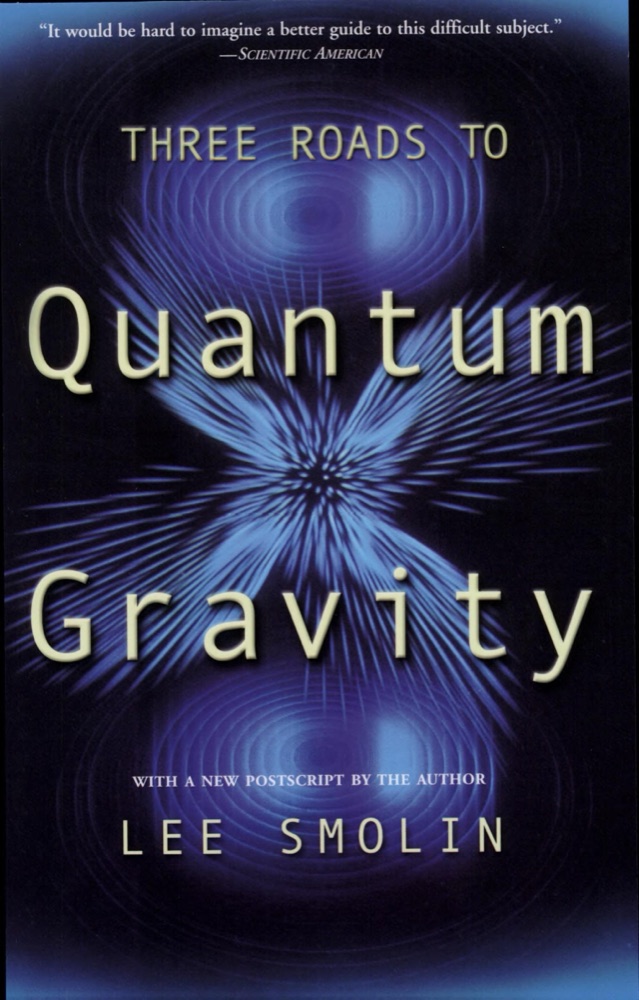 Three Roads To Quantum Gravity
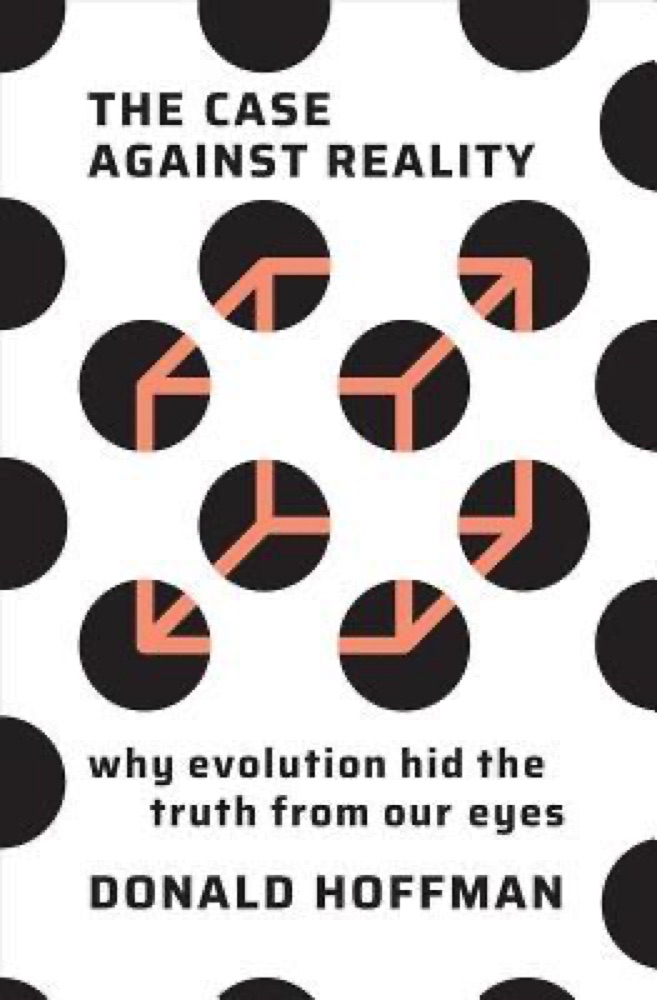 The Case Against Reality: Why Evolution Hid the Truth from Our Eyes
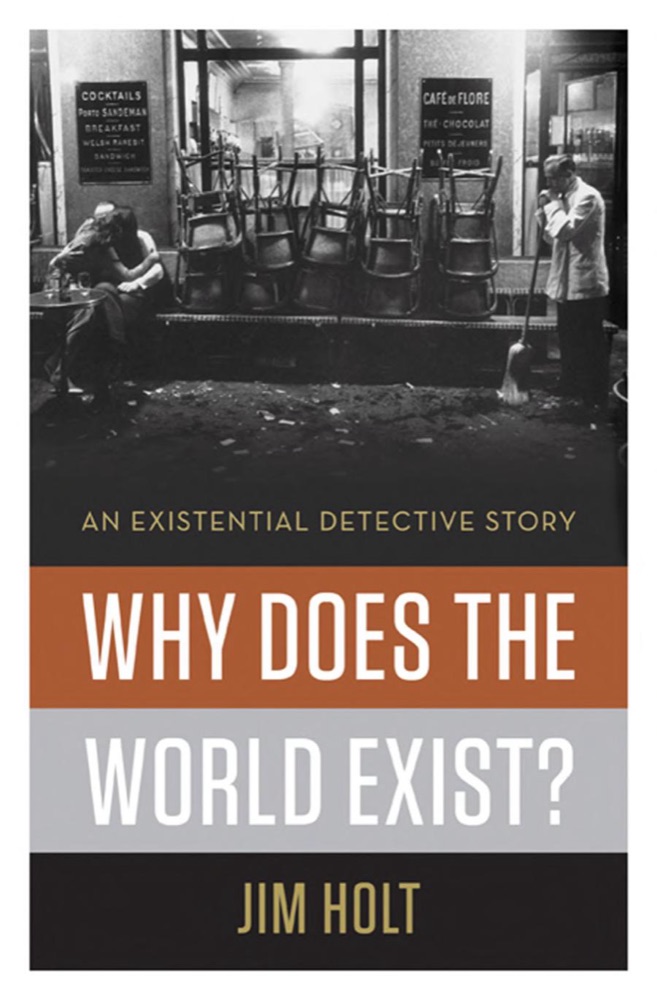 Why Does the World Exist?: An Existential Detective Story
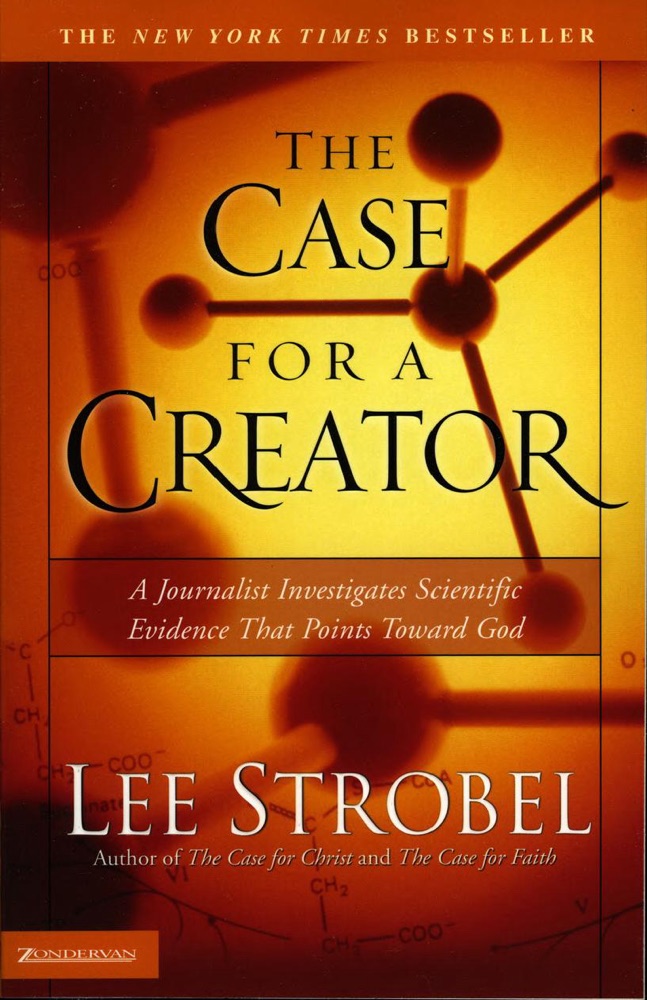 The Case for a Creator: A Journalist Investigates Scientific Evidence That Points Toward God
 The Magic of Reality: How We Know What's Really True
 Pale Blue Dot: A Vision of the Human Future in Space
 Cosmos
 Death's End
 The Tell-Tale Brain: A Neuroscientist's Quest for What Makes Us Human
 A Devil's Chaplain: Reflections on Hope, Lies, Science, and Love
 Genius: The Life and Science of Richard Feynman
 Exhalation
 The Varieties of Scientific Experience: A Personal View of the Search for God
 When We Cease to Understand the World
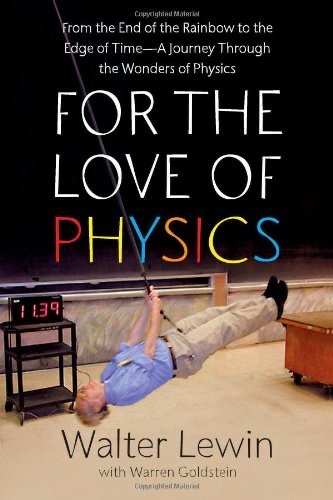 For the Love of Physics: From the End of the Rainbow to the Edge of Time: A Journey Through the Wonders of Physics
 The Ascent of Man
 Bewilderment
 The Lives of a Cell: Notes of a Biology Watcher
 The Second Ship