
 Chaos: Making a New Science
Quotes from the Book
Maybe that’s why young people make success. They don’t know enough. Because when you know enough it’s obvious that every idea that you have is no good.
I was born not knowing and have only had a little time to change that here and there. —Richard Feynman
riches have never made people great but love does it every day—we
Cloudy, cloudy is the stuff of stones,” wrote the poet Richard Wilbur, and even in the atomic era it was hard to see how the physicist’s swarming clouds of particles could give rise to the hard-edged world of everyday sight and touch.
The spirit of Edison, not Einstein, still governed their image of the scientist. Perspiration, not inspiration. Mathematics was unfathomable and unreliable.
They meant to bring back together, as a unified subject, the discipline that had been subdivided for undergraduates into mechanics, electromagnetism, thermodynamics, hydrodynamics, and optics.
The military actively encouraged, when it did not finance directly, the giant cyclotrons, betatrons, synchrotrons, and synchrocyclotrons, any one of which consumed more steel and electricity than a prewar experimentalist could have imagined. These were not so much crumbs from the weapons-development table as they were blank checks from officials persuaded that physics worked miracles. Who could say what was impossible? Free energy? Time travel? Antigravity? In 1954 the secretary of the army invited Feynman to serve as a paid consultant on an army scientific advisory panel, and he agreed, traveling to Washington for several days in November. At a cocktail party after one session, a general confided that what the army really needed was a tank that could use sand as fuel.
In the discovery of secret things and in the investigation of hidden causes, stronger reasons are obtained from sure experiments and demonstrated arguments than from probable conjectures and the opinions of philosophical speculators of the common sort.
They could see from the start that Wilson’s idea sat somewhere near the border between possible and hopeless—but on which side of the border?
Feynman resented the polished myths of most scientific history, submerging the false steps and halting uncertainties under a surface of orderly intellectual progress, but he created a myth of his own.
By the time Carl was four, Feynman was actively lobbying against a first-grade science book proposed for California schools. It began with pictures of a mechanical wind-up dog, a real dog, and a motorcycle, and for each the same question: “What makes it move?” The proposed answer—“Energy makes it move”—enraged him. That
The adult Feynman asked: If all scientific knowledge were lost in a cataclysm, what single statement would preserve the most information for the next generations of creatures?
He despised philosophy as soft and unverifiable. Philosophers “are always on the outside making stupid remarks,” he said, and the word he pronounced philozawfigal was a mocking epithet, but his influence was philosophical anyway, particularly for younger physicists.
Architect of quantum theories, brash young group leader on the atomic bomb project, inventor of the ubiquitous Feynman diagram, ebullient bongo player and storyteller, Richard Phillips Feynman was the most brilliant, iconoclastic, and influential physicist of modern times.
During a sabbatical he learned enough biology to make a small but genuine contribution to geneticists’ understanding of mutations in DNA.
Our memories, too, blend the immediate past with the anticipation of the soon to be, and a living amalgam of these—not some infinitesimal pointlike instant forever fleeing out of reach—is our now.
When people speak of the borderline between genius and madness, why is it so evident what they mean?
Nature uses only the longest threads to weave her patterns, so each small piece of her fabric reveals the organization of the entire tapestry.
Matter is a holograph of itself in its own internal radiation.” Forces
For him knowledge did not describe; it acted and accomplished.
the recognition that human language has limits, that people choose concepts that correspond only faintly to things in the real world, like the shadows of ghosts.
Watch on YouTube
About James Gleick
We have collected 79 quotes from 3 books by James Gleick on BookQuoters.
More about the author →More by James Gleick
Chaos: Making a New Science
 The Information: A History, a Theory, a Flood
Book details
- Author
- James Gleick
- Genre
- History
- Goodreads rating
- 4.12 (24k ratings) →
Keep reading
 The Making of the Atomic Bomb
Chaos: Making a New Science
The Making of the Atomic Bomb
Chaos: Making a New Science
 When We Cease to Understand the World
 The Big Picture: On the Origins of Life, Meaning, and the Universe Itself
 Einstein: His Life and Universe
 The Structure of Scientific Revolutions
 From Eternity to Here: The Quest for the Ultimate Theory of Time
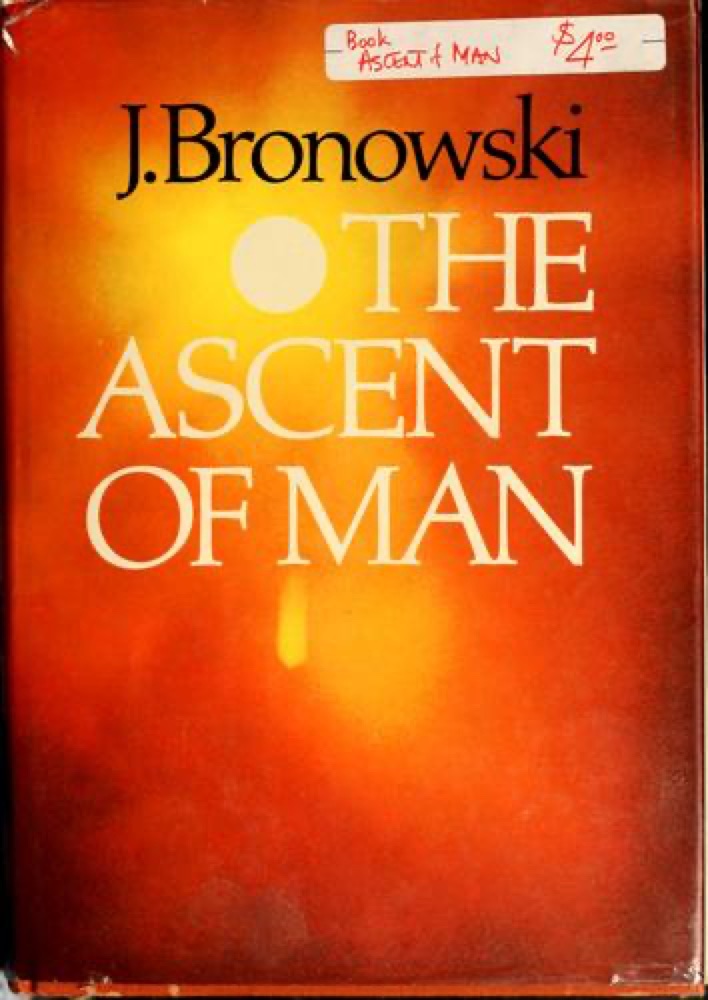 The Ascent of Man
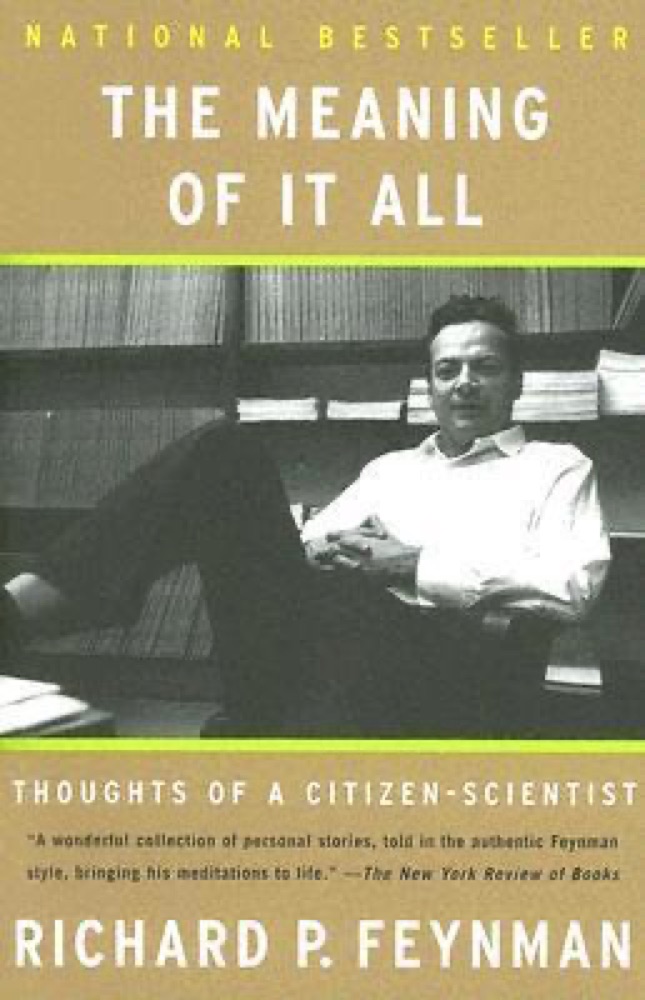 The Meaning of It All: Thoughts of a Citizen-Scientist
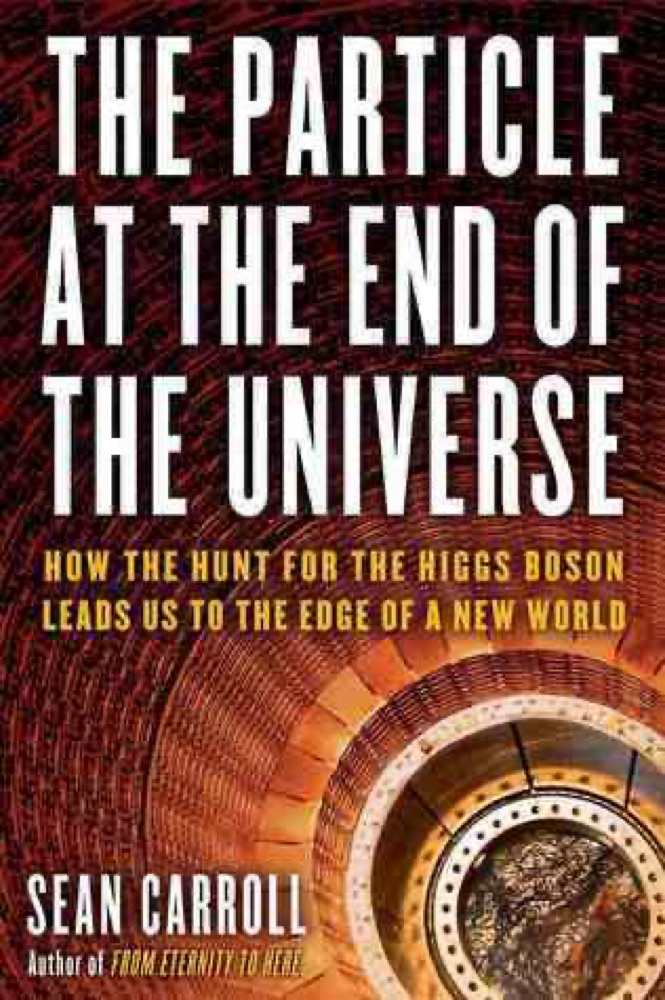 The Particle at the End of the Universe: How the Hunt for the Higgs Boson Leads Us to the Edge of a New World
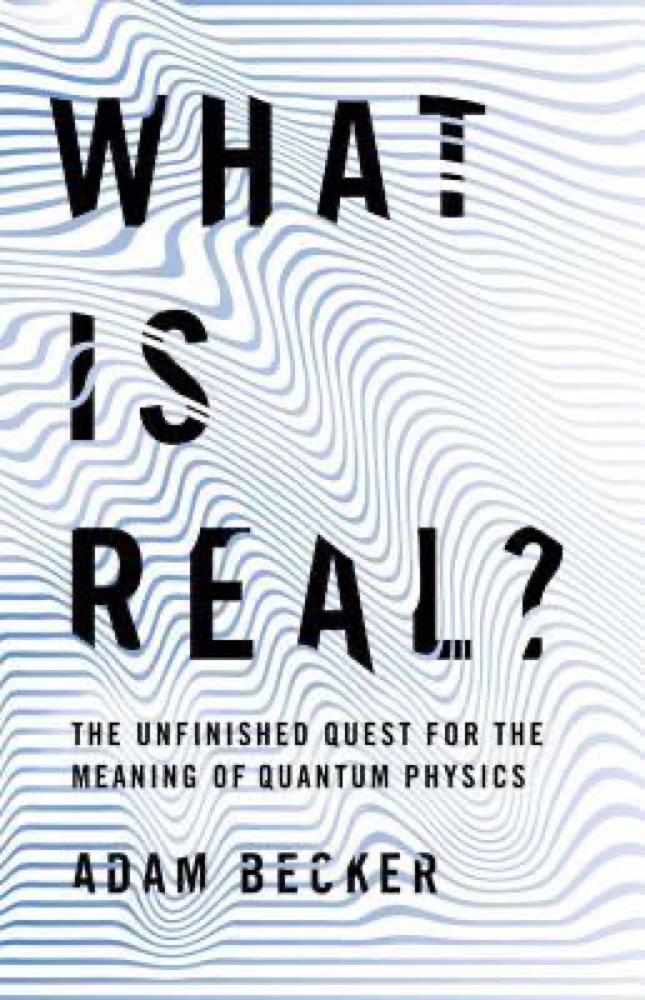 What Is Real?: The Unfinished Quest for the Meaning of Quantum Physics
 The Grand Design
 Solar
Solar
 The Upright Thinkers: The Human Journey from Living in Trees to Understanding the Cosmos
 Quicksilver
 Influx
 The Feynman Lectures on Physics
 Helgoland: Making Sense of the Quantum Revolution
 Black Holes and Baby Universes and Other Essays
The Information: A History, a Theory, a Flood
Black Holes and Baby Universes and Other Essays
The Information: A History, a Theory, a Flood
 Second Foundation
 The Pleasure of Finding Things Out: The Best Short Works of Richard P. Feynman
 The Magic Mountain
 Songs of Distant Earth
 The Undoing Project: A Friendship That Changed Our Minds
 Physics of the Impossible: A Scientific Exploration Into the World of Phasers, Force Fields, Teleportation, and Time Travel
 Small Gods
 The Three-Body Problem
 An Appetite for Wonder: The Making of a Scientist
 Living with a Wild God: A Nonbeliever's Search for the Truth about Everything
 A History of Western Philosophy
 The Geography of Genius: A Search for the World's Most Creative Places from Ancient Athens to Silicon Valley
 A Devil's Chaplain: Reflections on Hope, Lies, Science, and Love
 The Education of Henry Adams
 The Map of Time
 In the Light of What We Know
 Lost in Math: How Beauty Leads Physics Astray
 A Beautiful Mind
 American Prometheus: The Triumph and Tragedy of J. Robert Oppenheimer
 Genome
 QED: The Strange Theory of Light and Matter
 The Gene: An Intimate History
 What the Dog Saw and Other Adventures
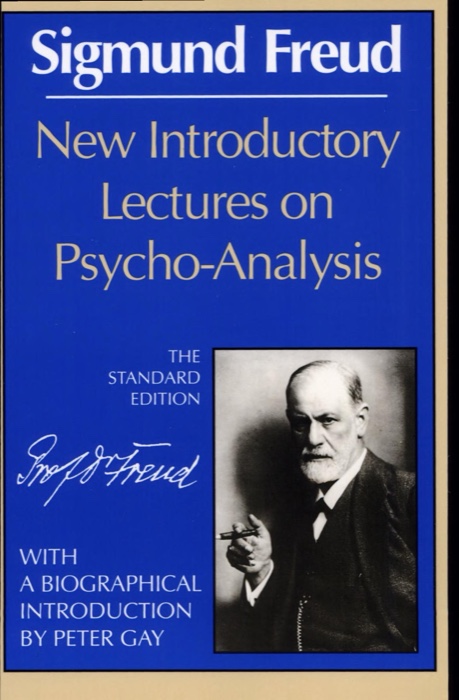 Introductory Lectures on Psychoanalysis
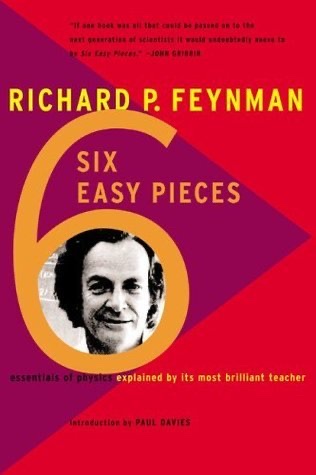 Six Easy Pieces: Essentials of Physics By Its Most Brilliant Teacher
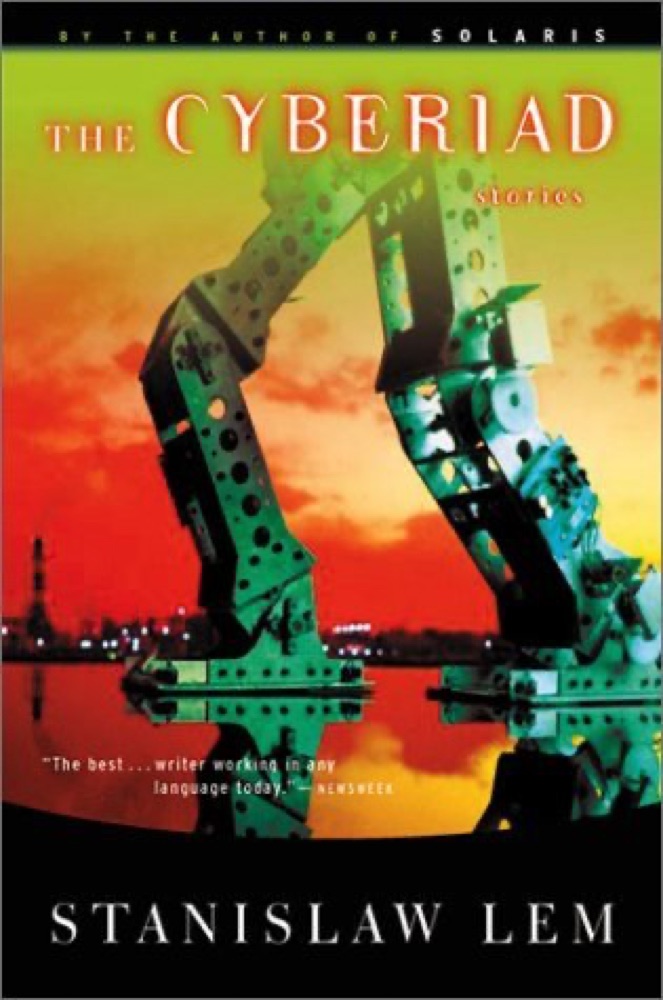 The Cyberiad
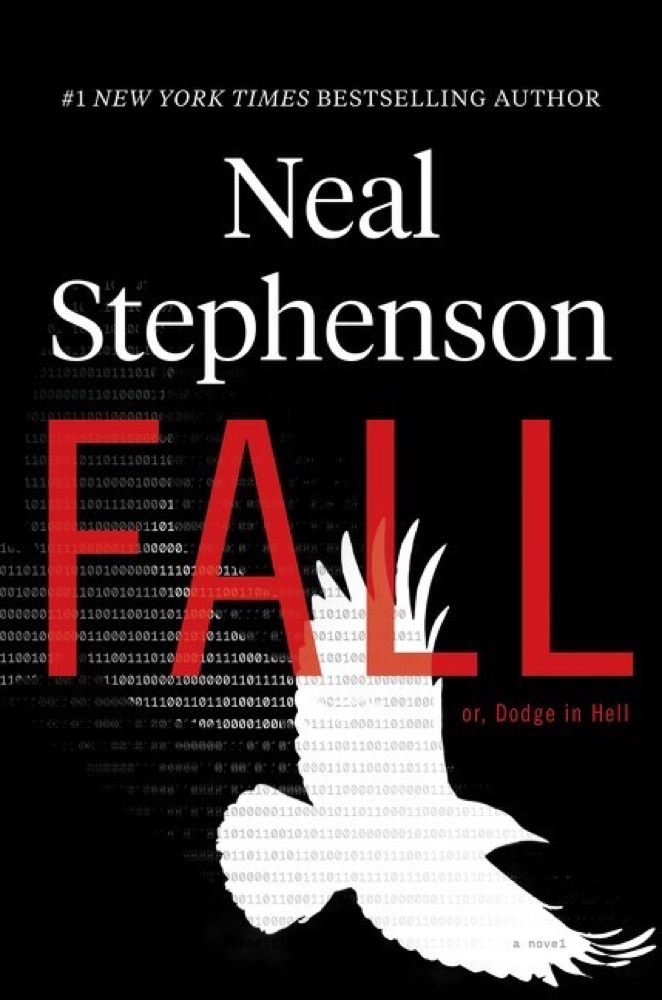 Fall; or, Dodge in Hell
 Astrophysics for People in a Hurry
 Fiasco
 The Time Machine
 Death's End
 The Housekeeper and the Professor
 Genesis
 Think Like a Rocket Scientist: Simple Strategies You Can Use to Make Giant Leaps in Work and Life
 Logicomix: An Epic Search for Truth
 Physics of the Future: How Science Will Shape Human Destiny and Our Daily Lives by the Year 2100
 The Fifth Science
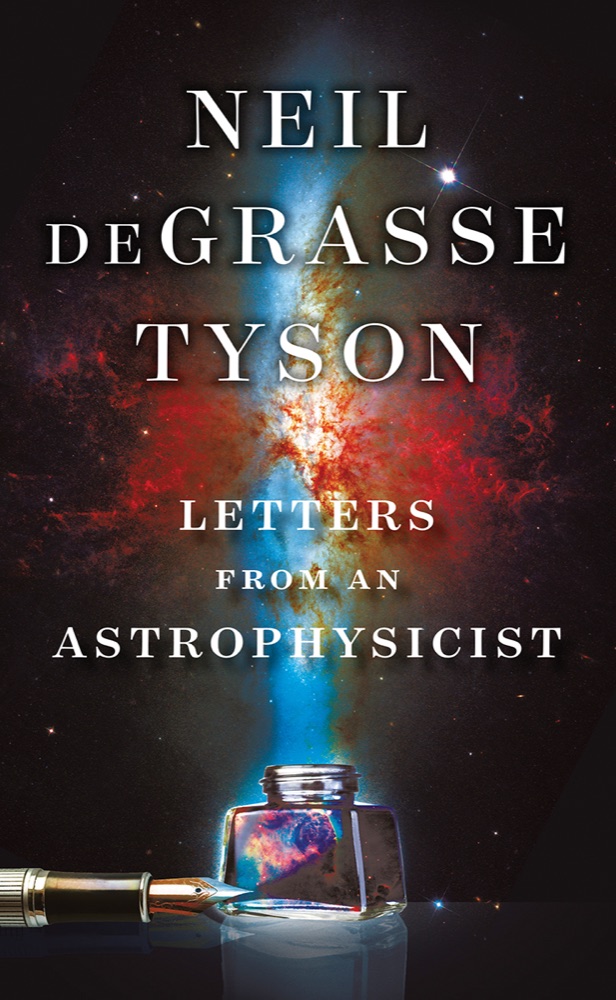 Letters from an Astrophysicist
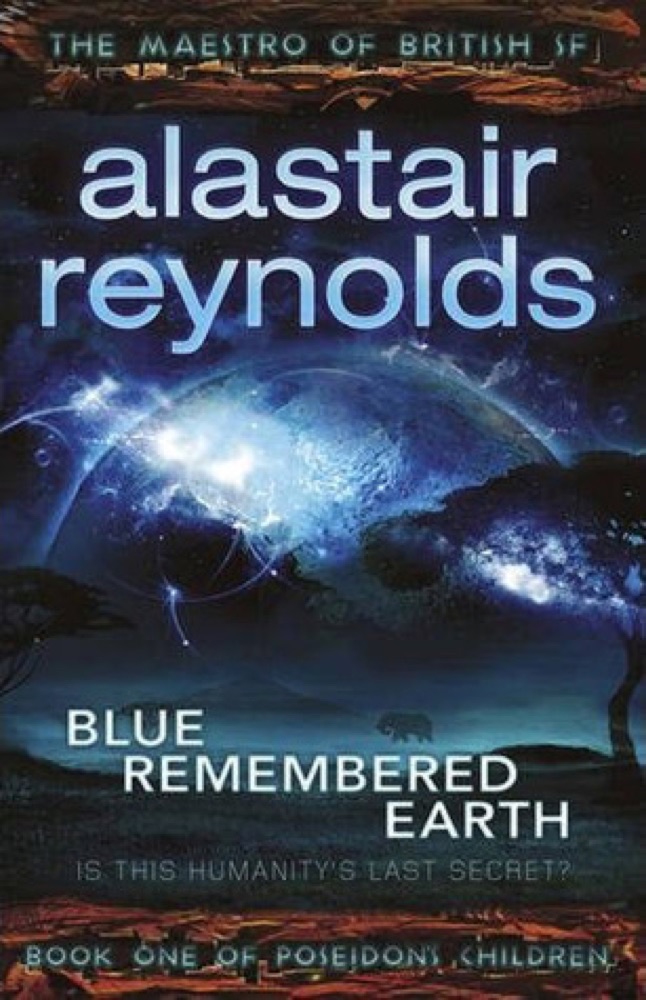 Blue Remembered Earth
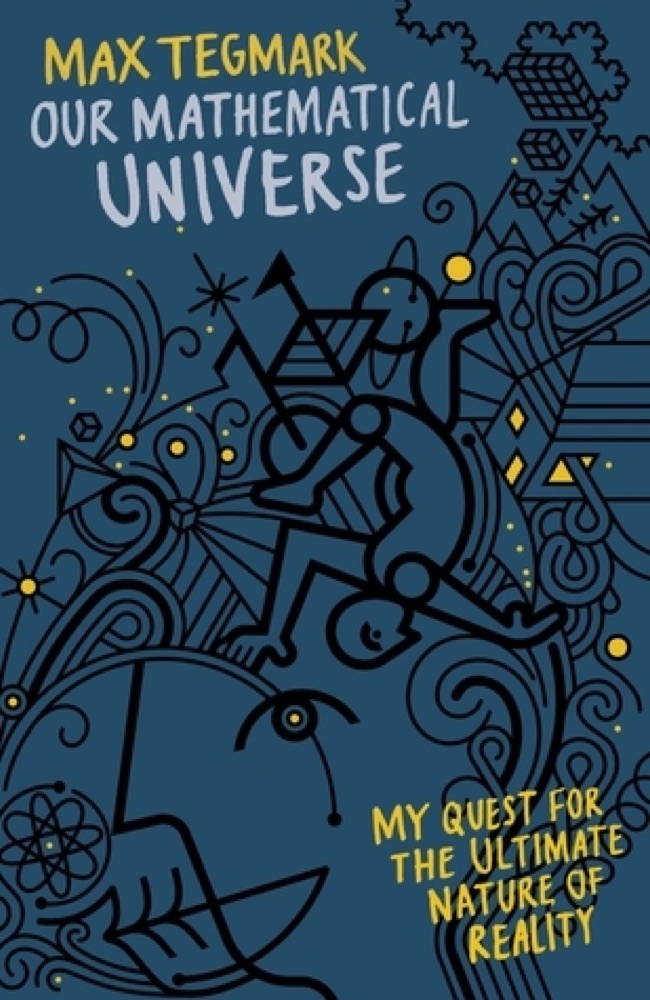 Our Mathematical Universe: My Quest for the Ultimate Nature of Reality