
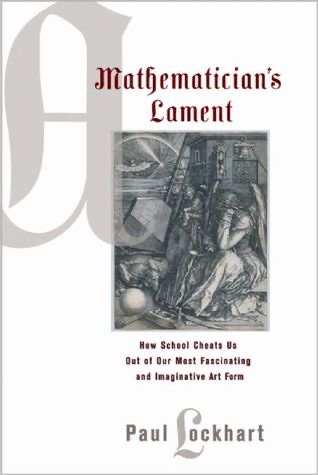
 A Mathematician's Lament: How School Cheats Us Out of Our Most Fascinating and Imaginative Art Form
Quotes from the Book
The paradox of education: what we most admire we put in a box and make dull.
3
The ultimate reason for teaching kids to write a proof is not that the world is full of proofs. It's that the world is full of non-proofs, and grown-ups need to know the difference. It's hard to settle for a non-proof once you've really familiarized yourself with the genuine article.
3
What I like about stochastic gradient descent is how nuts it sounds. Imagine, for instance, that the president of the United States made decisions without any kind of global strategy; rather, the nations chief executive is surrounded by a crowd of shouting subordinates, each hollering for policy to be tweaked in a way that suits their own particular interest. And the president, every day, chooses one of those people at random to listen to, and changes course accordingly. That would be a ridiculous way for a person to run major world government, but it works pretty well in machine learning!
1
Often people think of developments in computation as arising when we make our computers more blazingly fast, so they can compute more stuff, bigger data. It's actually just as important to prune away big parts of the data that aren't relevant to the problem at hand! The fastest computation is the one you don't do.
1
People often complain that no one likes facts and numbers and reason and science anymore, but as someone who talks about those things in public, I can tell you that's not true. People love numbers, and are impressed by them, sometimes more than they should be.
1
Geometry is the cilantro of math.
Between Jeans and Pearson comes a notice from one John Butler Burke, who believed he had observed spontaneous generation of microscopic life in a vat of beef bouillon by exposure to the recently discovered element radium.
Watch on YouTube
About Jordan Ellenberg
We have collected 7 quotes from 1 book by Jordan Ellenberg on BookQuoters.
More about the author →About the book
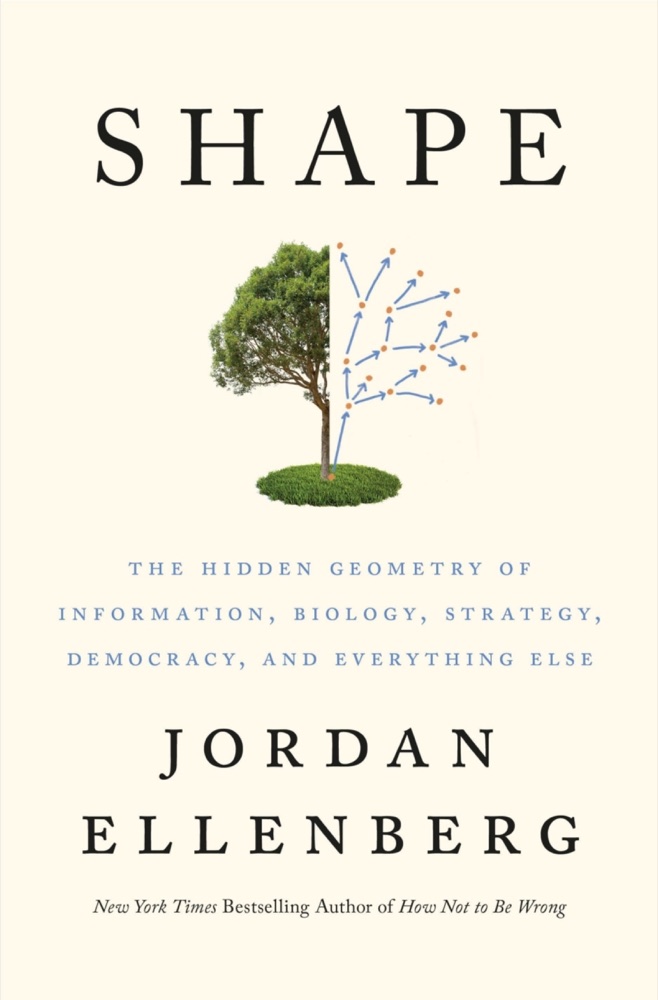
From the New York Times-bestselling author of How Not to Be Wrong—himself a world-class geometer—a far-ranging exploration of the power of geometry, which turns out to help us think better about practically everything.
How should a democracy choose its representatives? How can you stop a pandemic from sweeping the world? How do computers learn to play Go, and why is learning Go so much easier for them than learning to read a sentence? Can ancient Greek proportions predict the stock market? (Sorry, no.) What should your kids learn in school if they really want to learn to think? All these are questions about geometry. For real.
If you're like most people, geometry is a sterile and dimly remembered exercise you gladly left behind in the dust of ninth grade, along with your braces and active romantic interest in pop singers. If you recall any of it, it's plodding through a series of m
Book details
- First published
- 2021
- Author
- Jordan Ellenberg
- Genre
- Nonfiction
- Goodreads rating
- 3.74 (2k ratings)
Keep reading
A Mathematician's Lament: How School Cheats Us Out of Our Most Fascinating and Imaginative Art Form
 Humble Pi: A Comedy of Maths Errors
 Math with Bad Drawings
 Lost in Math: How Beauty Leads Physics Astray
 Our Mathematical Universe: My Quest for the Ultimate Nature of Reality
 Gödel, Escher, Bach: An Eternal Golden Braid
 A Mathematician's Apology
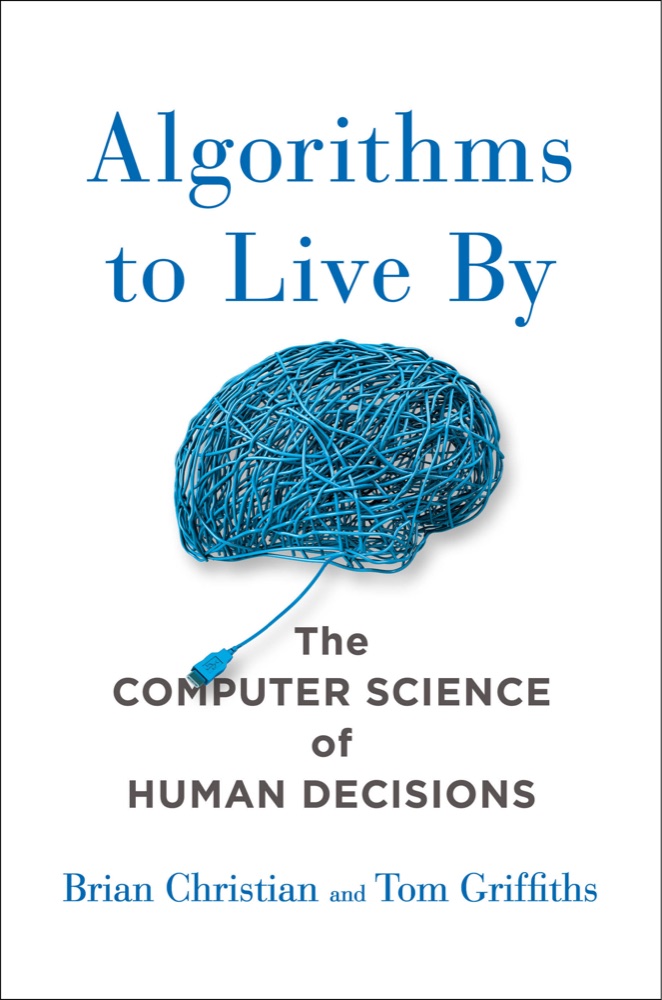 Algorithms to Live By: The Computer Science of Human Decisions
 Hackers & Painters: Big Ideas from the Computer Age
 Chaos: Making a New Science
 My Ishmael
 The Art of Thinking Clearly
 The Information: A History, a Theory, a Flood
 How We Learn: Why Brains Learn Better Than Any Machine . . . for Now
 From Bacteria to Bach and Back: The Evolution of Minds
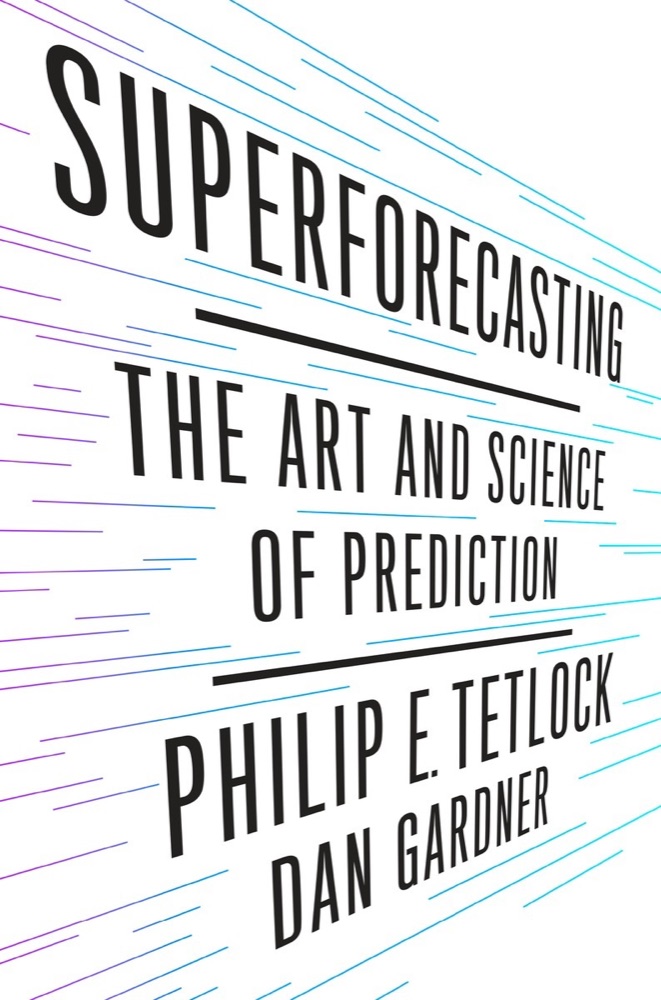 Superforecasting: The Art and Science of Prediction
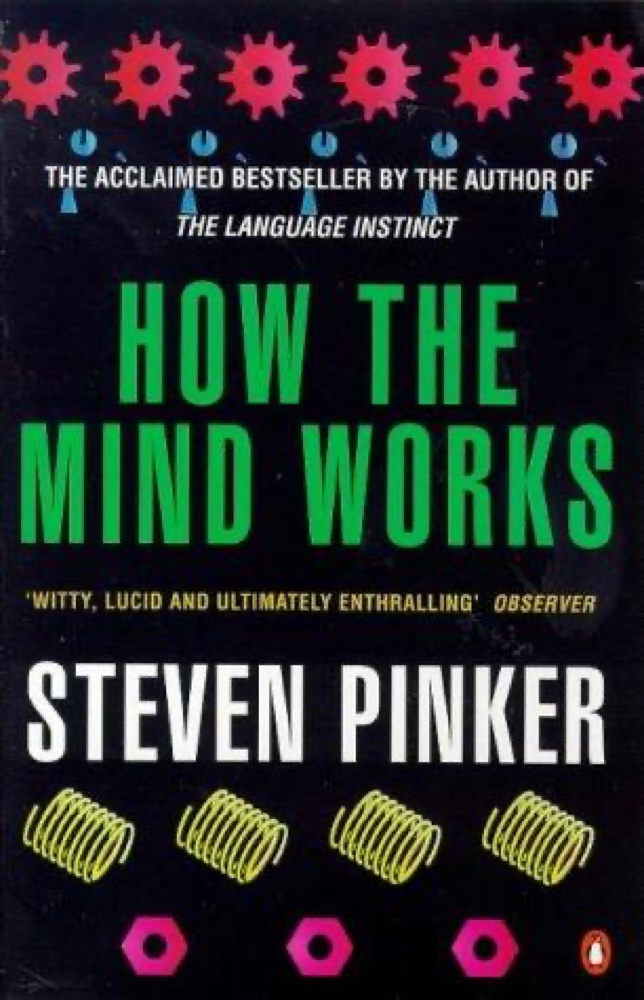 How the Mind Works
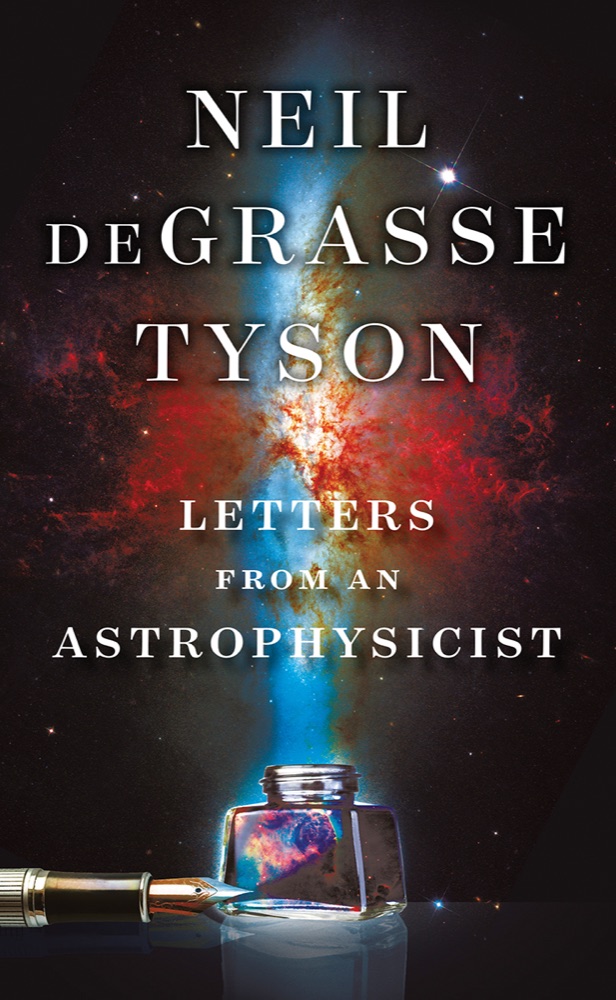 Letters from an Astrophysicist
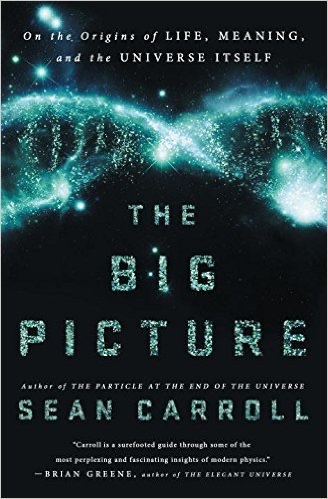 The Big Picture: On the Origins of Life, Meaning, and the Universe Itself
 The Signal and the Noise: Why So Many Predictions Fail—But Some Don't
 The Meaning of It All: Thoughts of a Citizen-Scientist
 The Future of the Mind: The Scientific Quest to Understand, Enhance, and Empower the Mind
 The Grand Design
 The Geography of Genius: A Search for the World's Most Creative Places from Ancient Athens to Silicon Valley
 Complexity: A Guided Tour
 Superintelligence: Paths, Dangers, Strategies
 The Pleasure of Finding Things Out: The Best Short Works of Richard P. Feynman
 The Blind Watchmaker: Why the Evidence of Evolution Reveals a Universe Without Design
 The Ascent of Man
 Darwin's Dangerous Idea: Evolution and the Meanings of Life
 An Appetite for Wonder: The Making of a Scientist
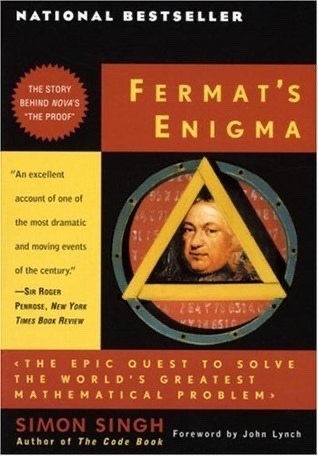 Fermat's Enigma: The Epic Quest to Solve the World's Greatest Mathematical Problem
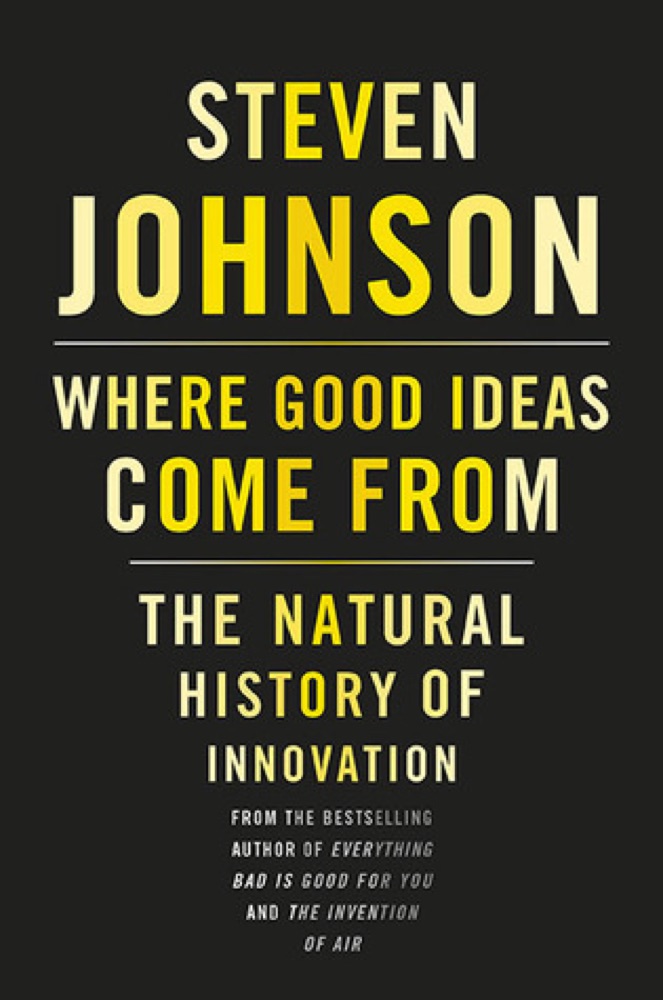 Where Good Ideas Come From: The Natural History of Innovation
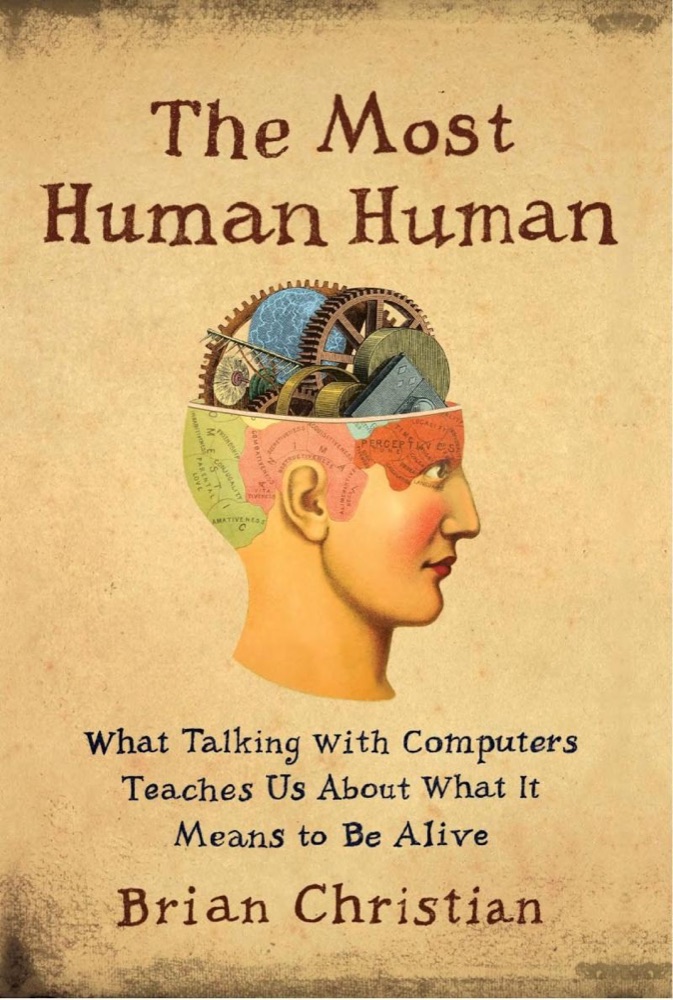 The Most Human Human: What Talking with Computers Teaches Us About What It Means to Be Alive
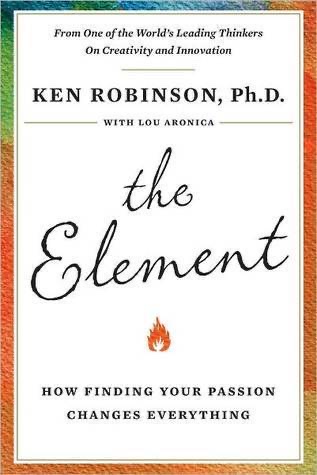 The Element: How Finding Your Passion Changes Everything
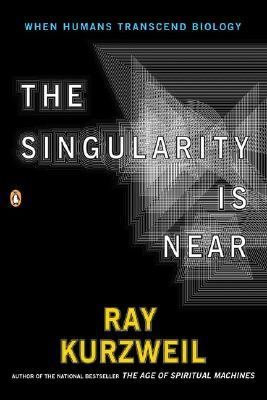 The Singularity is Near: When Humans Transcend Biology
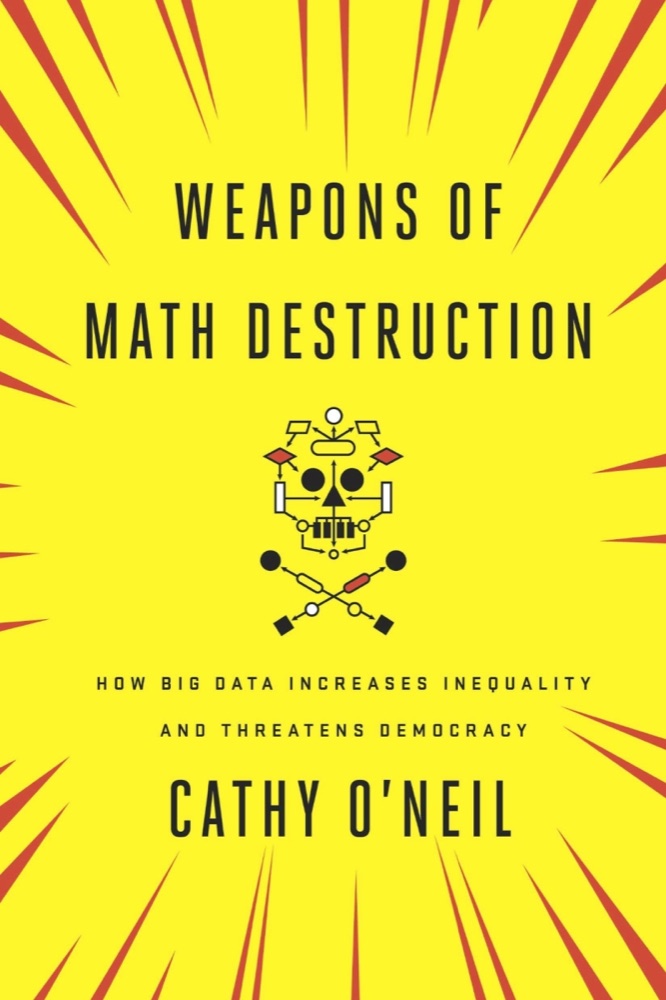 Weapons of Math Destruction: How Big Data Increases Inequality and Threatens Democracy
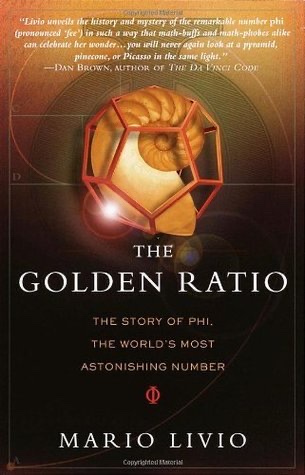 The Golden Ratio: The Story of Phi, the World's Most Astonishing Number
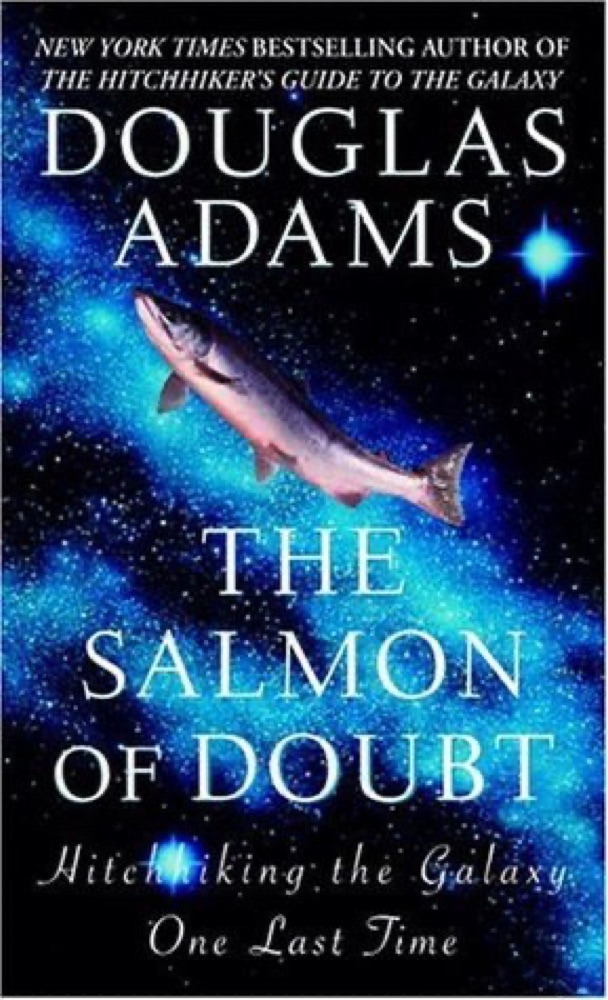 The Salmon of Doubt
 Black Box Thinking: Why Some People Never Learn from Their Mistakes - But Some Do
 A Devil's Chaplain: Reflections on Hope, Lies, Science, and Love
 Helgoland: Making Sense of the Quantum Revolution
 The Feynman Lectures on Physics
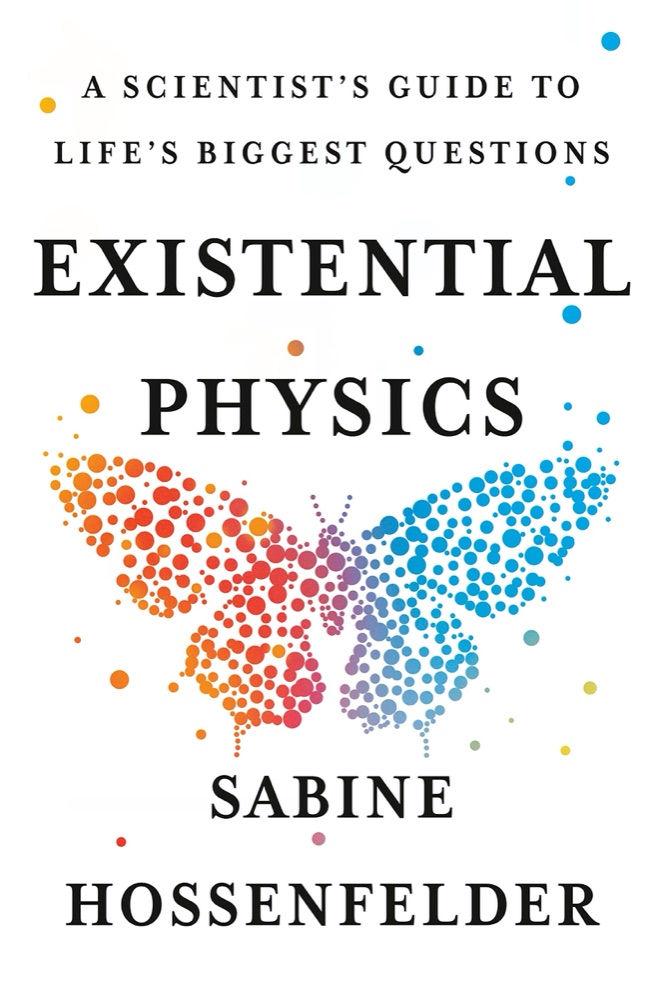 Existential Physics: A Scientist's Guide to Life's Biggest Questions
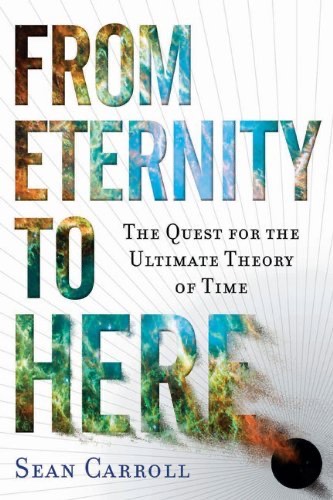 From Eternity to Here: The Quest for the Ultimate Theory of Time
 The Stuff of Thought: Language as a Window into Human Nature
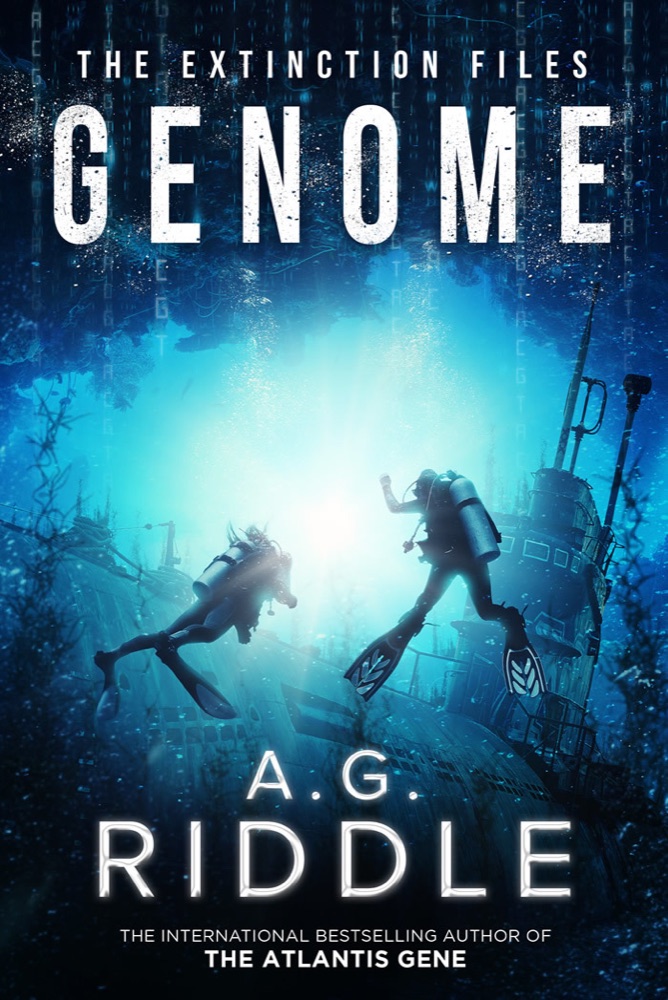 Genome
 The Demon-Haunted World: Science as a Candle in the Dark
 Curious: The Desire to Know and Why Your Future Depends On It
 The Tipping Point: How Little Things Can Make a Big Difference
 The World Is Flat: A Brief History of the Twenty-first Century
 Rationality: From AI to Zombies
 Antifragile: Things That Gain from Disorder
 21 Lessons for the 21st Century
 Letters to a Young Scientist
 Range: Why Generalists Triumph in a Specialized World
 How to Take Smart Notes
 Think Like a Rocket Scientist: Simple Strategies You Can Use to Make Giant Leaps in Work and Life
 The Tell-Tale Brain: A Neuroscientist's Quest for What Makes Us Human