
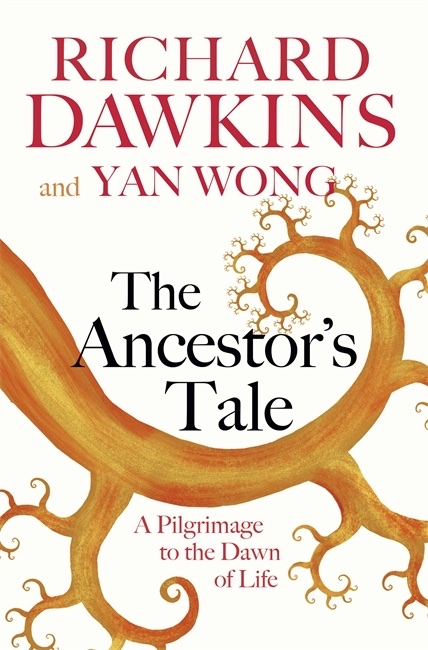
 The Ancestor's Tale: A Pilgrimage to the Dawn of Evolution
Quotes from the Book
We admit that we are like apes, but we seldom realize that we are apes.
110
Even those who do not, or cannot, avail themselves of a scientific education, choose to benefit from the technology that is made possible by the scientific education of others.
65
The human psyche has two great sicknesses: the urge to carry vendetta across generations, and the tendency to fasten group labels on people rather than see them as individuals. Abrahamic religion mixes explosively with (and gives strong sanction to) both. Only the willfully blind could fail to implicate the divisive force of religion in most, if not all, of the violent enmities in the world today. Without a doubt it is the prime aggravator of the Middle East. Those of us who have for years politely concealed our contempt for the dangerous collective delusion of religion need to stand up and speak out. Things are different now. ‘All is changed, changed utterly.
59
My point is not that religion itself is the motivation for wars, murders and terrorist attacks, but that religion is the principal label, and the most dangerous one, by which a "they" as opposed to a "we" can be identified at all.
40
If a healing technique is demonstrated to have curative properties in properly controlled double-blind trials, it ceases to be alternative. It simply, as Diamond explains, becomes medicine.
22
agree with Nietzsche that ‘The secret of a joyful life is to live dangerously.’ A joyful life is an active life – it is not a dull static state of so-called happiness. Full of the burning fire of enthusiasm, anarchic, revolutionary, energetic, daemonic, Dionysian, filled to overflowing with the terrific urge to create – such is the life of the man who risks safety and happiness for the sake of growth and happiness.
4
In the same way we find much of the universe, as science discovers it, difficult to understand. Einstein's relativity, quantum uncertainty, black holes, the big bang, the expanding universe, the vast slow movement of geological time – all these are hard to grasp. No wonder science frightens some people. But science can even explain why these things are hard to understand, and why the effort frightens us. We are jumped-up apes, and our brains were only designed to understand the mundane details of how to survive in the stone-age African savannah.
4
Science cannot tell you whether abortion is wrong, but it can point out that the (embryological) continuum that seamlessly joins a non-sentient foetus to a sentient adult is analogous to the (evolutionary) continuum that joins humans to other species. If the embryological continuum appears to be more seamless, this is only because the evolutionary continuum is divided by the accident of extinction. Fundamental principles of ethics should not depend on the accidental contingencies of extinction.* To repeat, science cannot tell you whether abortion is murder, but it can warn you that you may be being inconsistent if you think abortion is murder but killing chimpanzees is not. You cannot have it both ways.
4
Next time somebody tells you that something is true, why not say to them: 'What kind of evidence is there for that?' And if they can't give you a good answer, I hope you'll think very carefully before you believe a word they say.
3
But isn’t it all – crystal ball gazing, star signs, birth stones, ley-lines and the rest – just a bit of harmless fun? If people want to believe in garbage like astrology, or crystal healing, why not let them? But it’s so sad to think about all that they are missing. There is so much wonder in real science. The universe is mysterious enough to need no help from warlocks, shamans and ‘psychic’ tricksters. These are at best a soul-sapping distraction. At worst they are dangerous profiteers.
2
It is the joy of true education: of reading for the sake of a wonderful book rather than for an exam; of following up a subject because it is fascinating rather than because it is on a syllabus; of watching a great teacher’s eyes light up for sheer love of the subject.
2
In giving rise to man, the evolutionary process has, apparently for the first and only time in the history of the Cosmos, become conscious of itself. So, the Devil's Chaplain might conclude, Stand tall, Bipedal Ape. The shark may outswim you, the cheetah outrun you, the swift outfly you, the capuchin outclimb you, the elephant outpower you, the redwood outlast you. But you have the biggest gifts of all: the gift of understanding the ruthlessly cruel process that gave us all existence; the gift of revulsion against its implications; the gift of foresight — something utterly foreign to the blundering short-term ways of natural selection — and the gift of internalizing the very cosmos.
2
algorithm of natural selection has generated a machine capable of internalizing the algorithm, setting up a model of itself – and much more – in microcosm inside the human skull.
1
our species, with its unique gift of foresight – product of the simulated virtual-reality we call the human imagination
1
There is no inconsistency in favouring Darwinism as an academic scientist while opposing it as a human being;
1
the closing words of my first book, ‘We, alone on earth, can rebel against the tyranny of the selfish replicators.
1
that childlike inability to distinguish what is true from what we’d like to be true.
1
As a lifelong teacher, I fret about where we go wrong in education.
1
obscurantism in an academic subject expands to fill the vacuum of its intrinsic simplicity.
1
mostly science is, for me, a source of living joy,
1
So, the Devil’s Chaplain might conclude, Stand tall, Bipedal Ape. The shark may outswim you, the cheetah outrun you, the swift outfly you, the capuchin outclimb you, the elephant outpower you, the redwood outlast you. But you have the biggest gifts of all: the gift of understanding the ruthlessly cruel process that gave us all existence; the gift of revulsion against its implications; the gift of foresight – something utterly foreign to the blundering short-term ways of natural selection – and the gift of internalizing the very cosmos. We are blessed with brains which, if educated and allowed free rein, are capable of modelling the universe, with its physical laws in which the Darwinian algorithm is embedded.
1
We can now assert with confidence that the theory that the Earth moves round the Sun not only is right for our time but will be right in all future times even if flat-Earthism happens to become revived and universally accepted in some new dark age of human history. We cannot quite say that Darwinism is in the same unassailable class. Respectable opposition to it can still be mounted, and it can be argued that the current high standing of Darwinism in educated minds may not last through all future generations. Darwin may be triumphant at the end of the twentieth century, but we must acknowledge the possibility that new facts may come to light which will force our successors of the twenty-first century to abandon Darwinism or modify it beyond recognition.
1
Watch on YouTube
About Richard Dawkins
We have collected 220 quotes from 11 books by Richard Dawkins on BookQuoters.
More about the author →More by Richard Dawkins
The Ancestor's Tale: A Pilgrimage to the Dawn of Evolution
 The Blind Watchmaker: Why the Evidence of Evolution Reveals a Universe Without Design
 The Selfish Gene
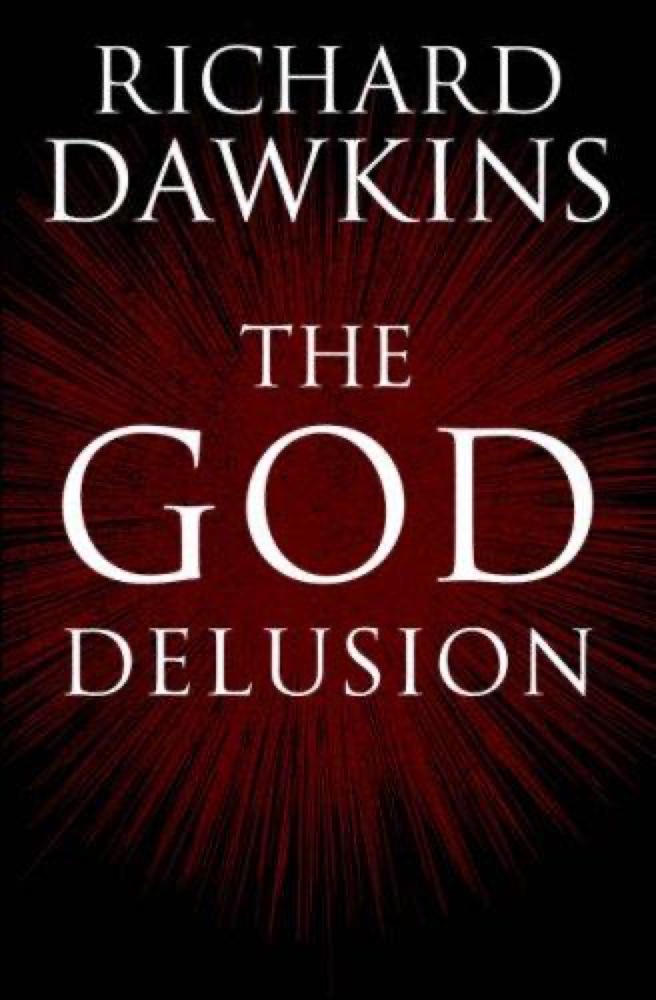 The God Delusion
About the book
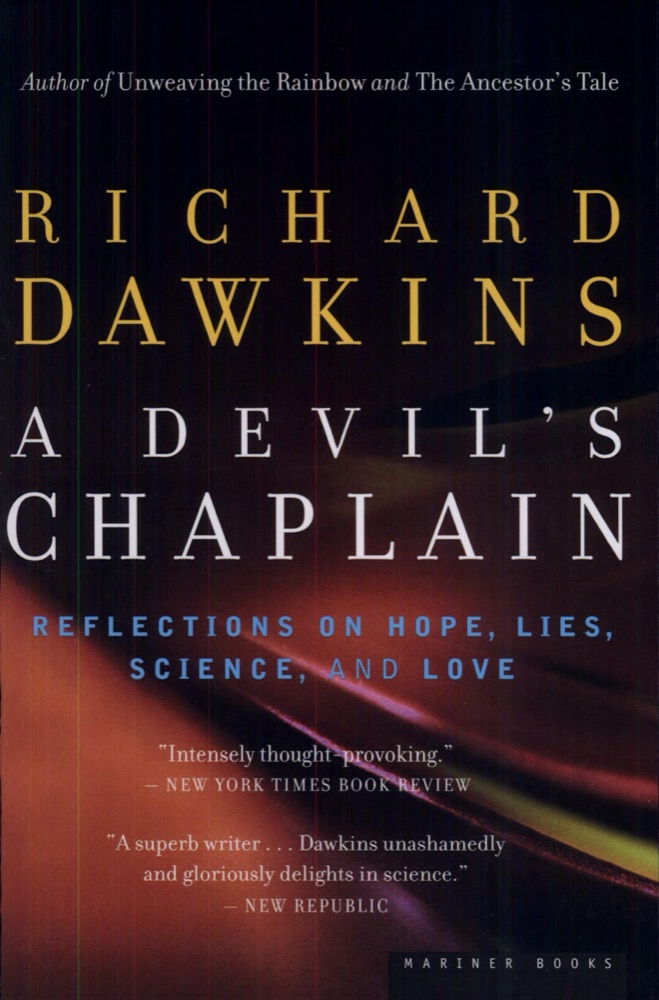
The first collection of essays from renowned scientist and best-selling author Richard Dawkins.
Richard Dawkins's essays are an enthusiastic testament to the power of rigorous, scientific examination, and they span many different corners of his personal and professional life. He revisits the meme, the unit of cultural information that he named and wrote about in his groundbreaking work The Selfish Gene. He makes moving tributes to friends and colleagues, including a eulogy for novelist Douglas Adams; he shares correspondence with the evolutionary biologist Stephen Jay Gould; and he visits with the famed paleoanthropologists Richard and Maeve Leakey at their African wildlife preserve. He concludes the essays with a vivid note to his ten-year-old daughter, reminding her to remain curious, to ask questions, and to live the examined life.
Book details
- First published
- 2003
- Author
- Richard Dawkins
- Genre
- Nonfiction
- Goodreads rating
- 3.98 (8k ratings)
Keep reading
 Darwin's Dangerous Idea: Evolution and the Meanings of Life
 The Demon-Haunted World: Science as a Candle in the Dark
 The Ascent of Man
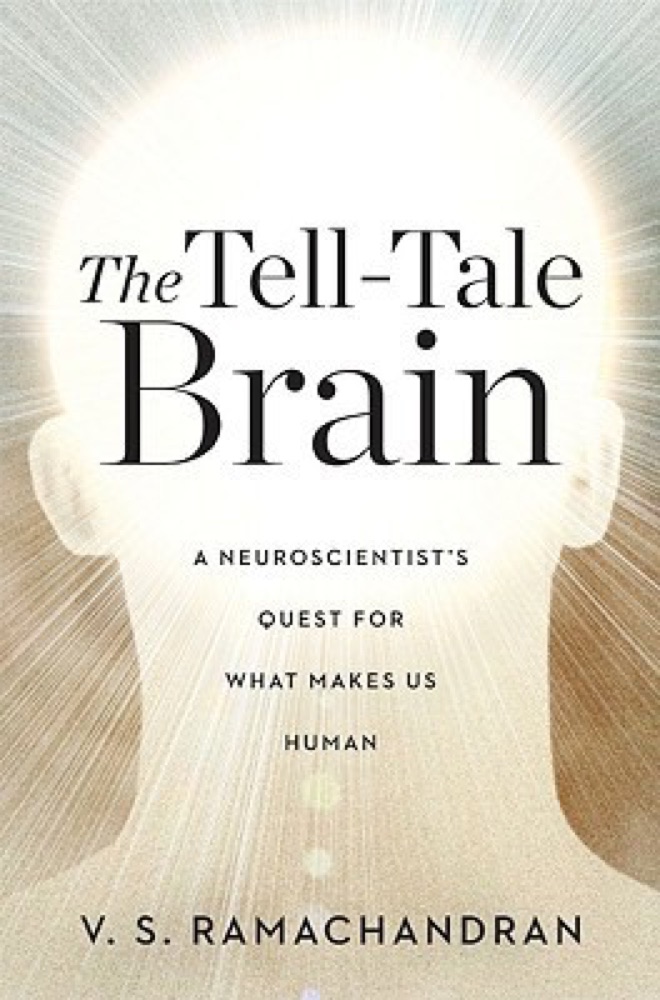 The Tell-Tale Brain: A Neuroscientist's Quest for What Makes Us Human
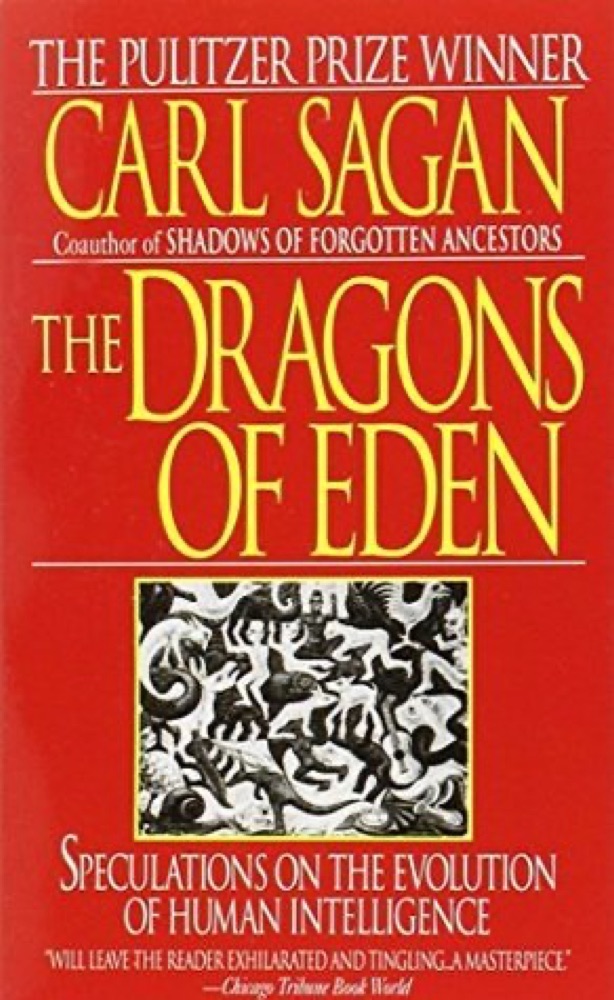 Dragons of Eden: Speculations on the Evolution of Human Intelligence
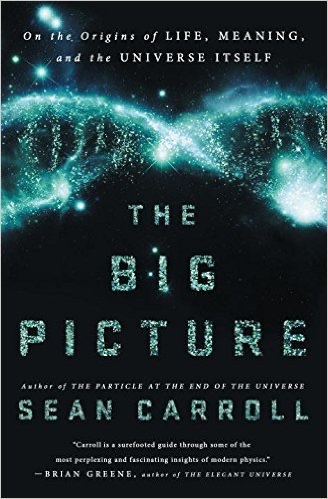 The Big Picture: On the Origins of Life, Meaning, and the Universe Itself
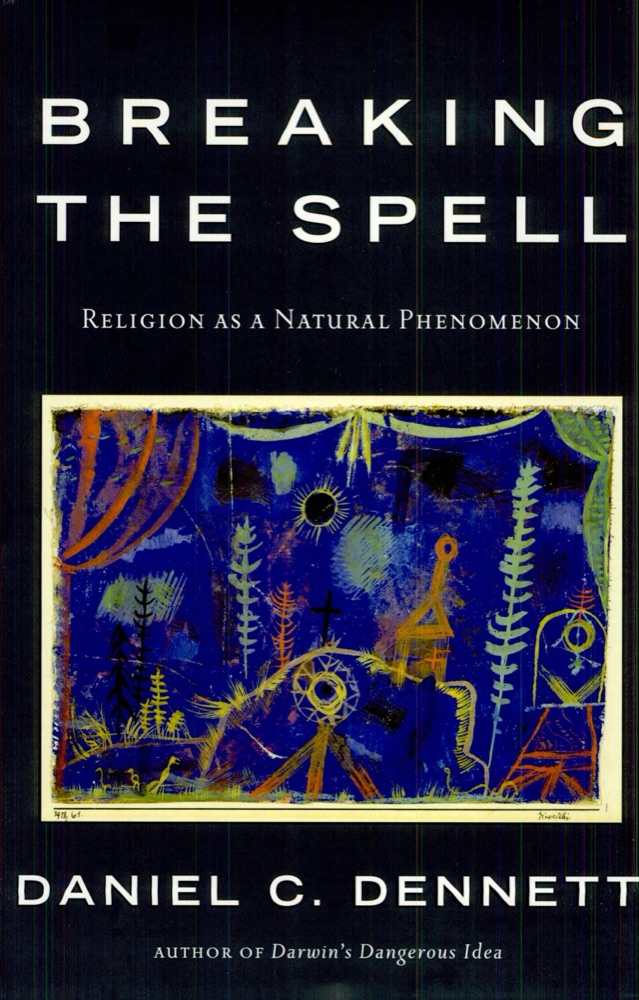 Breaking the Spell: Religion as a Natural Phenomenon
 Consilience: The Unity of Knowledge
The Blind Watchmaker: Why the Evidence of Evolution Reveals a Universe Without Design
Consilience: The Unity of Knowledge
The Blind Watchmaker: Why the Evidence of Evolution Reveals a Universe Without Design
 The Social Conquest of Earth
 The Varieties of Scientific Experience: A Personal View of the Search for God
 From Bacteria to Bach and Back: The Evolution of Minds
 Echopraxia
 The Blank Slate: The Modern Denial of Human Nature
 Letters from an Astrophysicist
 Enlightenment Now: The Case for Reason, Science, Humanism, and Progress
 Why Fish Don’t Exist: A Story of Loss, Love, and the Hidden Order of Life
 Living with a Wild God: A Nonbeliever's Search for the Truth about Everything
 The Meaning of It All: Thoughts of a Citizen-Scientist
 Undeniable: Evolution and the Science of Creation
 How the Mind Works
 The Pleasure of Finding Things Out: The Best Short Works of Richard P. Feynman
 Unweaving the Rainbow: Science, Delusion and the Appetite for Wonder
 Genesis
 The Fifth Science
 21 Lessons for the 21st Century
 An Appetite for Wonder: The Making of a Scientist
 The Gene: An Intimate History
 The Lost World
 The Language of God: A Scientist Presents Evidence for Belief
 The Cosmic Serpent: DNA and the Origins of Knowledge
 The Case for a Creator: A Journalist Investigates Scientific Evidence That Points Toward God
 A Language Older Than Words
 Genome
 The Code Breaker: Jennifer Doudna, Gene Editing, and the Future of the Human Race
 Homo Deus: A History of Tomorrow
 Starry Messenger: Cosmic Perspectives on Civilization
 The Varieties of Religious Experience
 The Occult
 The Moral Landscape: How Science Can Determine Human Values
 The Master and His Emissary: The Divided Brain and the Making of the Western World
 The Biology of Belief: Unleashing the Power of Consciousness, Matter and Miracles
 The Grand Design
 The Moral Animal: Why We Are the Way We Are - The New Science of Evolutionary Psychology
 Myths to Live By
 Psych: The Story of the Human Mind
 Why People Believe Weird Things: Pseudoscience, Superstition, and Other Confusions of Our Time
 A Hunter-Gatherer's Guide to the 21st Century: Evolution and the Challenges of Modern Life
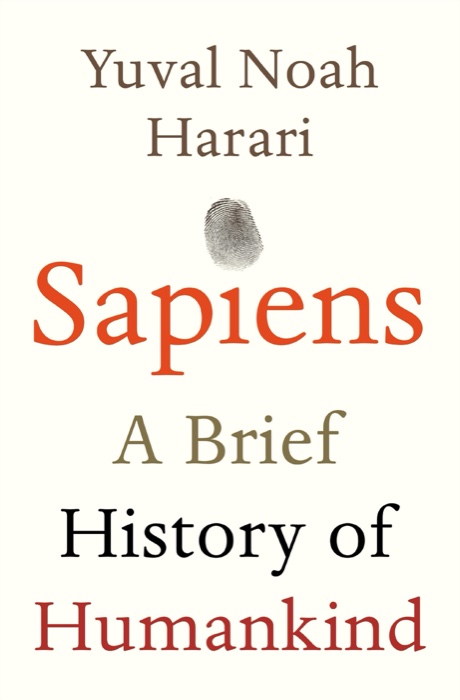 Sapiens: A Brief History of Humankind
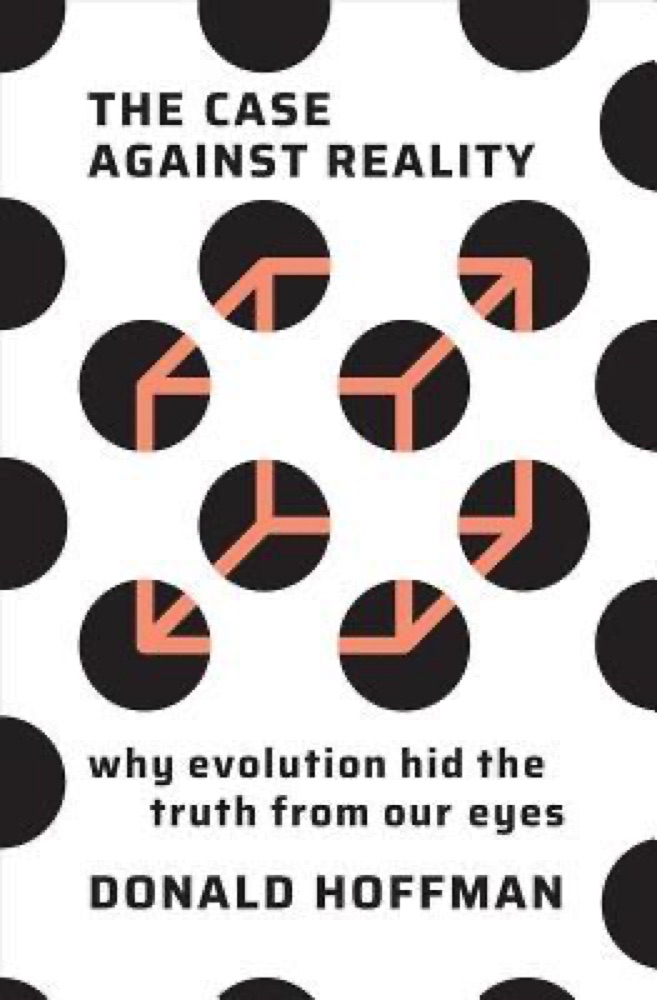 The Case Against Reality: Why Evolution Hid the Truth from Our Eyes
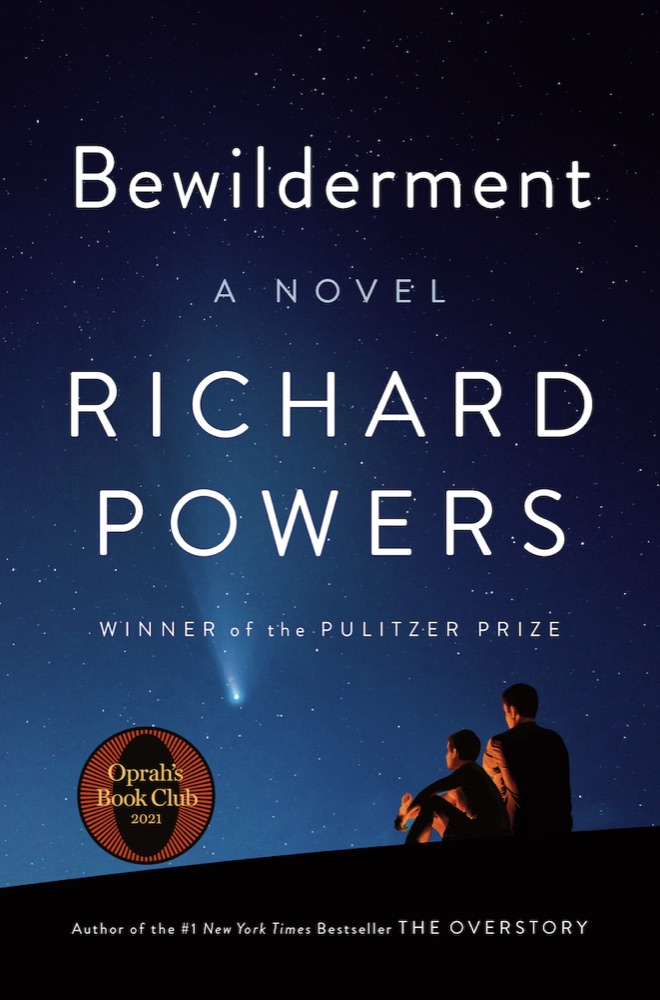 Bewilderment
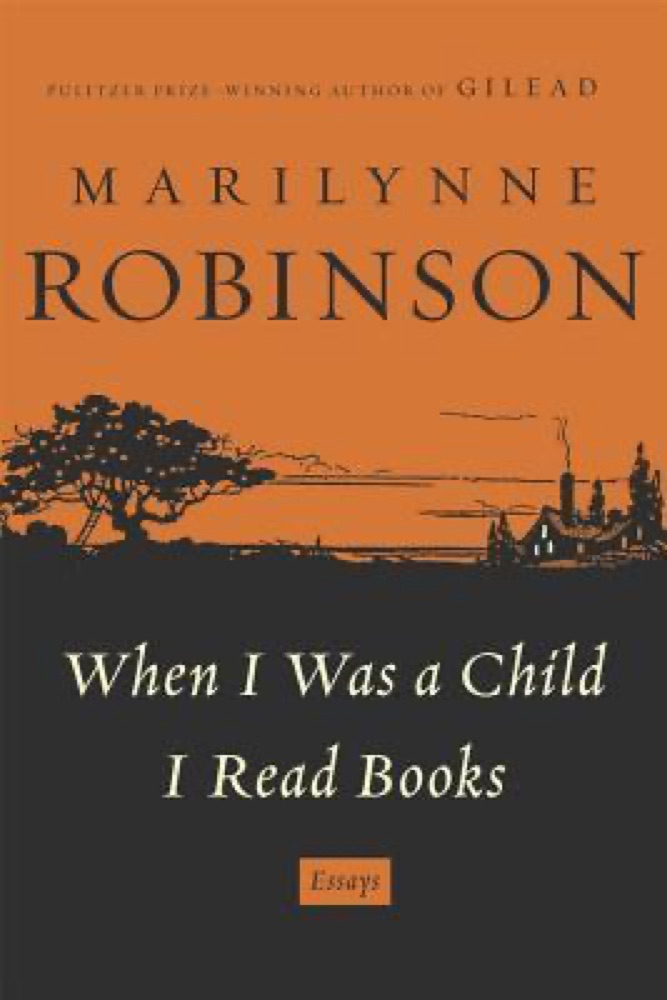 When I Was a Child I Read Books
 The Accidental Universe: The World You Thought You Knew
 The Story of B: An Adventure of the Mind and Spirit
 Black Holes and Baby Universes and Other Essays
 Straw Dogs: Thoughts on Humans and Other Animals
 Travels
 Maps of Meaning: The Architecture of Belief
 Death by Black Hole: And Other Cosmic Quandaries
 Why I Am Not a Christian and Other Essays on Religion and Related Subjects