
 Chaos Monkeys: Obscene Fortune and Random Failure in Silicon Valley
Quotes from the Book
Our brains are wired to deal with stress that is intense but brief, like escaping from a predator or fleeing from a burning building. We’re not wired to handle chronic, ongoing stress, even if it is relatively mild.
3
We’ve lost our way” is how another manifesto author, Andrew Hunt, put it in a 2015 essay titled “The Failure of Agile.” Hunt tells me the word agile has become “meaningless at best,” having been hijacked by “scads of vocal agile zealots” who had no idea what they were talking about. Agile has split into various camps and methodologies, with names like Large-Scale Scrum (LeSS) and Disciplined Agile Delivery (DAD). The worst flavor, Hunt tells me, is Scaled Agile Framework, or SAFe, which he and some other original manifesto authors jokingly call Shitty Agile for Enterprise. “It’s a disaster,” Hunt tells me. “I have a few consultant friends who are making big bucks cleaning up failed SAFe implementations.” SAFe is the hellspawn brainchild of a company called Scaled Agile Inc., a bunch of mad scientists whose approach consists of a nightmare world of rules and charts and configurations. SAFe itself comes in multiple configurations, which you can find on the Scaled Agile website. Each one is an abomination of corporate complexity and Rube Goldberg-esque interdependencies.
1
a warning to young entrepreneurs: take money from a venture capitalist, and you’ll end up working for some smug, sarcastic, know-it-all prick like this guy, who will constantly tell you that you’re not working hard enough while he spends his days getting into arguments on Twitter.
1
...they sell dollar bills for seventy-five cents and take credit for how fast they’re growing.
1
You can’t build companies without them. But most venture capitalists seem to view employees as their adversaries.
Hoffman estimated that “fifty-plus percent” of Valley billionaires had built some kind of doomsday hideout.
Most start-ups are terribly managed, half-assed outfits run by buffoons and bozos and frat boys, and funded by amoral investors who are only hoping to flip the company into the public markets and make a quick buck. They have no operations expertise, no special insight into organizational behavior.
The problem is that a venture capitalist writing a book about how companies should treat employees is like Ted Bundy offering dating advice to young women.
Silicon Valley now aims to remake the notion of the corporation itself, by inventing radical new ideas about how to build and manage companies. Unfortunately, many of their ideas are terrible.
The company’s largest group is customer support, with sixteen people handling calls from customers. But everybody in the company has to work on the support desk. Typically they will put in one day every six weeks, “so everyone can hear directly from customers and understand the pain points, what frustrates or delights customers,” Fried says.
That’s partly because Fried and Hansson hate meetings. Fried believes collaboration often turns into “over-collaboration,” and that most of it is bullshit anyway. He says brainstorming “is wildly overrated. There are tech companies where you have this weird thing and people are just brainstorming all the time. We brainstorm once a year, and then we spend the rest of the year doing it.
We can’t just fix the workplace. We need to fix capitalism itself—and not just by making a few small tweaks at the edges. The whole system needs a major, fundamental reboot.
Young guys moving west after college no longer hope to become the next Steve Jobs, they want to become the next Mark Andreassen. The Valley has become a Casino where the VCS and Angel Investprs blindly bumping money into every slot machine hoping to hit the Jackpot. The difference is that the bunter who gets lucky on a slot machine doesn’t walk away convinced he is a Genius. Instead of writing about tech, the industry‘s bloggers now write about venture deals and who raised how much at what valuation. The Valley has become obsessed with money, and there is a lot of it around.
Countless studies show that these nightmarish hellholes called “open offices” destroy productivity and make people miserable. Yet companies keep inflicting them on us, coyly pretending that the goal is to “foster collaboration,” when really it is to squeeze pennies out of overhead by packing more people into fewer square feet of floor space.
Real wages (adjusted for inflation) have been flat or down for decades. Millennials earn 20 percent less than their parents did at the same stage of their lives, according to a 2017 study by Young Invincibles, an advocacy group.
Watch on YouTube
About Dan Lyons
We have collected 15 quotes from 1 book by Dan Lyons on BookQuoters.
More about the author →About the book
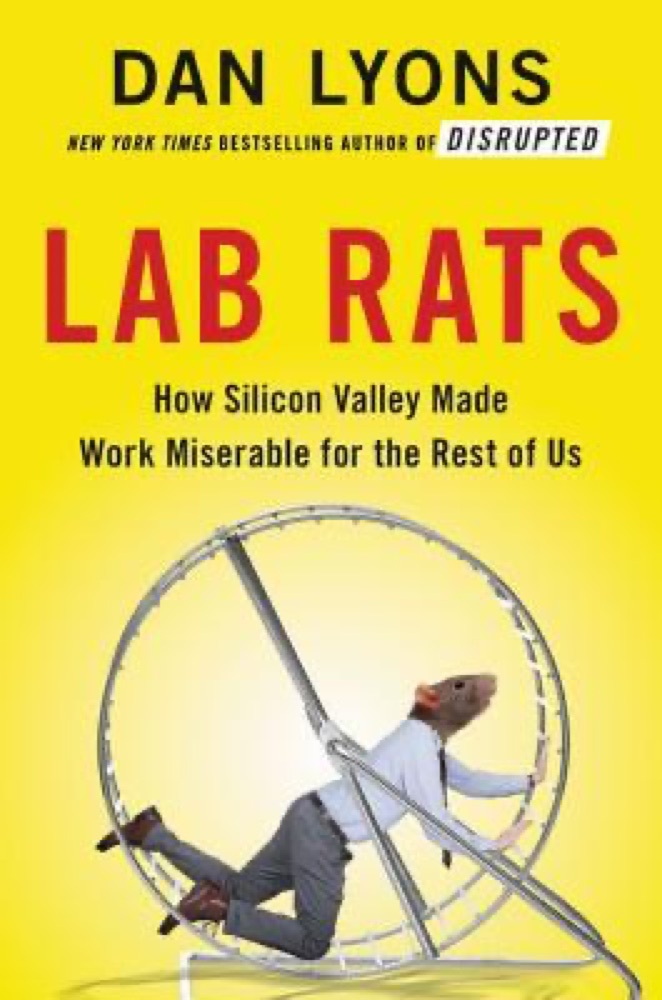
At a time of soaring corporate profits and plenty of HR lip service about "wellness," millions of workers--in virtually every industry--are deeply unhappy. Why did work become so miserable? Who is responsible? And does any company have a model for doing it right?For two years, Lyons ventured in search of answers. From the innovation-crazed headquarters of the Ford Motor Company in Detroit, to a cult-like "Holocracy" workshop in San Francisco, and to corporate trainers who specialize in ... Legos, Lyons immersed himself in the often half-baked and frequently lucrative world of what passes for management science today. He shows how new tools, workplace practices, and business models championed by tech's empathy-impaired power brokers have shattered the social contract that once existed between companies and their employees. These dystopian beliefs--often masked by pithy slogans like "We're
Book details
- First published
- 2018
- Author
- Dan Lyons
- Genre
- Nonfiction
- Goodreads rating
- 3.90 (2k ratings)
Keep reading
Chaos Monkeys: Obscene Fortune and Random Failure in Silicon Valley
 Founders at Work: Stories of Startups' Early Days
 Amp It Up: Leading for Hypergrowth by Raising Expectations, Increasing Urgency, and Elevating Intensity
 Managing Humans: Biting and Humorous Tales of a Software Engineering Manager
 Zero to One: Notes on Startups, or How to Build the Future
 Kids These Days: Human Capital and the Making of Millennials
 I Survived Capitalism and All I Got Was This Lousy T-Shirt: Everything I Wish I Never Had to Learn About Money
 Hackers & Painters: Big Ideas from the Computer Age
 Rework
 Conscious Capitalism
 Stay Hungry Stay Foolish
 Smartcuts: How Hackers, Innovators, and Icons Accelerate Success
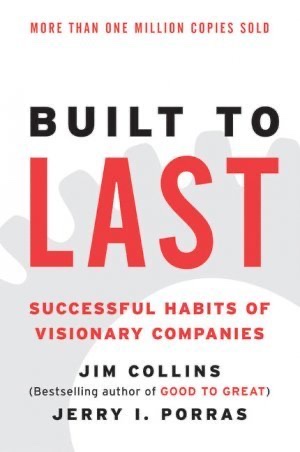 Built to Last: Successful Habits of Visionary Companies
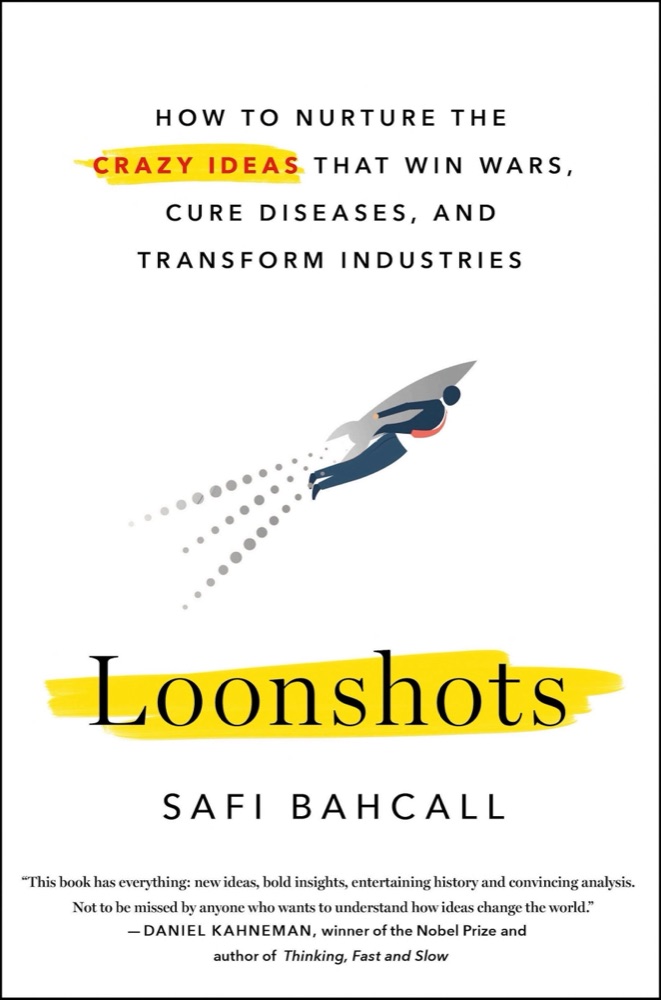 Loonshots: How to Nurture the Crazy Ideas That Win Wars, Cure Diseases, and Transform Industries
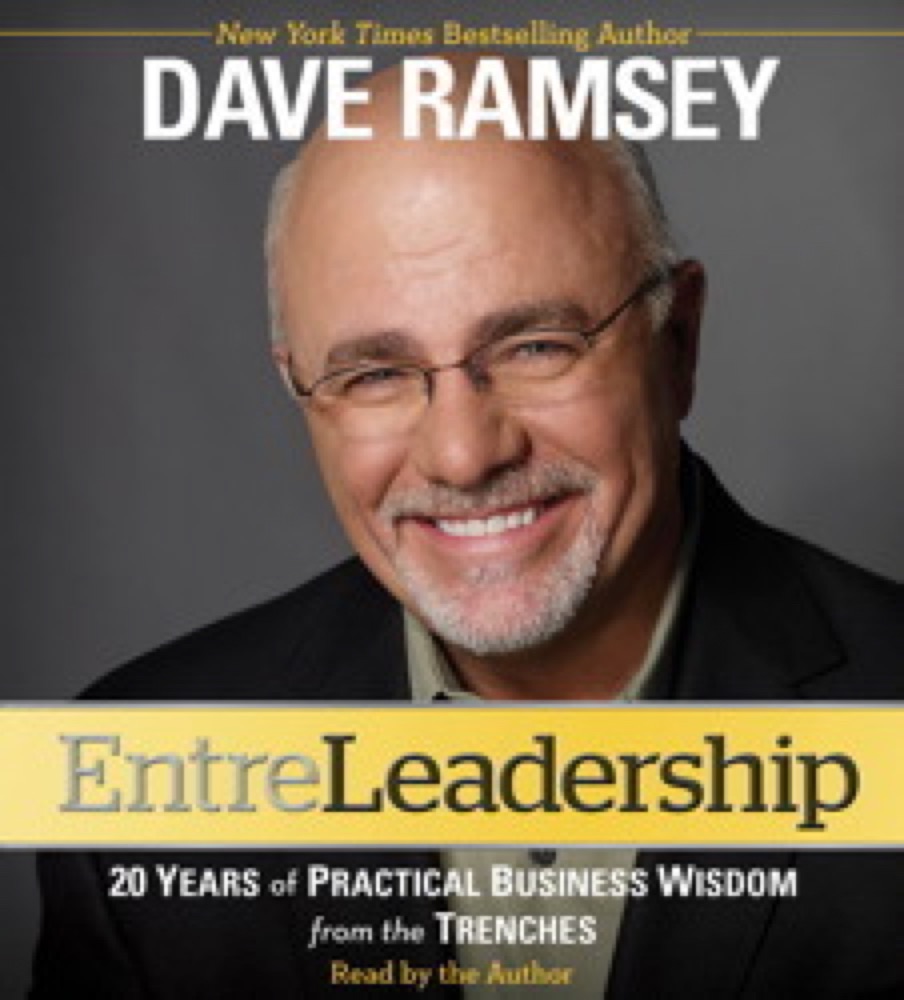 EntreLeadership: 20 Years of Practical Business Wisdom from the Trenches
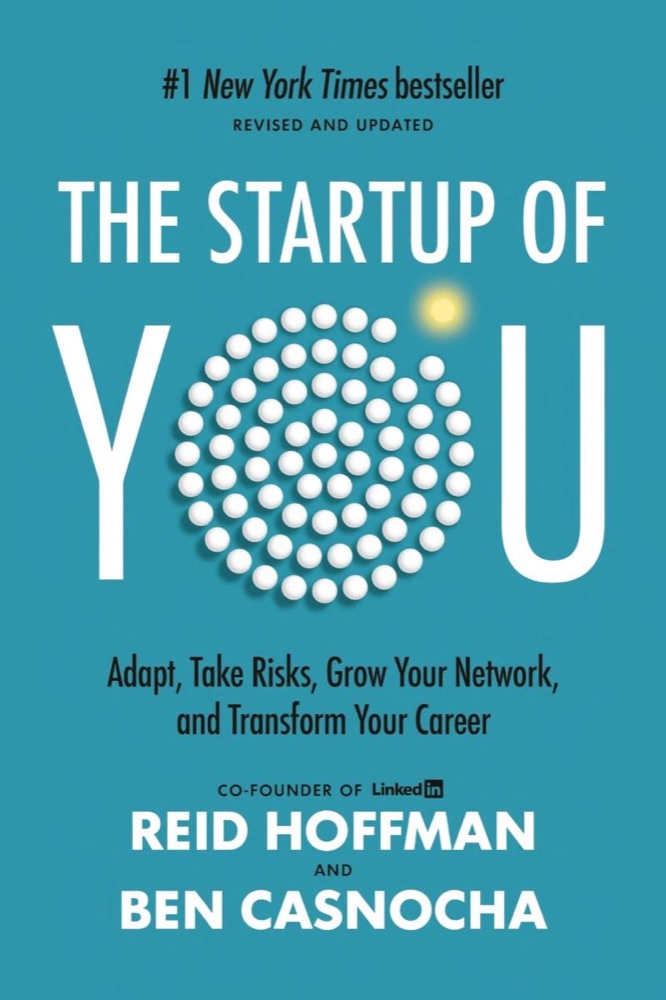 The Startup of You: Adapt to the Future, Invest in Yourself, and Transform Your Career
 Bullshit Jobs: A Theory
 The Soul of a New Machine
 Peopleware: Productive Projects and Teams
 The E-myth Revisited
 The World Is Flat: A Brief History of the Twenty-first Century
 The Price of Tomorrow: Why Deflation is the Key to an Abundant Future
 Utopia for Realists: How We Can Build the Ideal World
 Elon Musk: Inventing the Future
 Nickel and Dimed: On (Not) Getting by in America
 In the Beginning...Was the Command Line
 The $100 Startup: Reinvent the Way You Make a Living, Do What You Love, and Create a New Future
 The Hard Thing About Hard Things: Building a Business When There Are No Easy Answers―Straight Talk on the Challenges of Entrepreneurship
 The 1-Page Marketing Plan: Get New Customers, Make More Money, And Stand out From The Crowd
 Invent and Wander: The Collected Writings of Jeff Bezos
 Unscripted: Life, Liberty, and the Pursuit of Entrepreneurship
 Do Over: Rescue Monday, Reinvent Your Work, and Never Get Stuck
 The Snowball: Warren Buffett and the Business of Life
 How To Get Rich
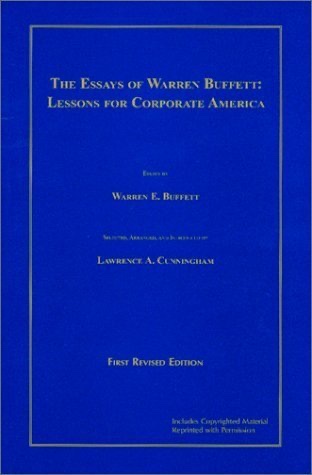 The Essays of Warren Buffett: Lessons for Corporate America
 Idea Man
 Pour Your Heart Into It: How Starbucks Built a Company One Cup at a Time
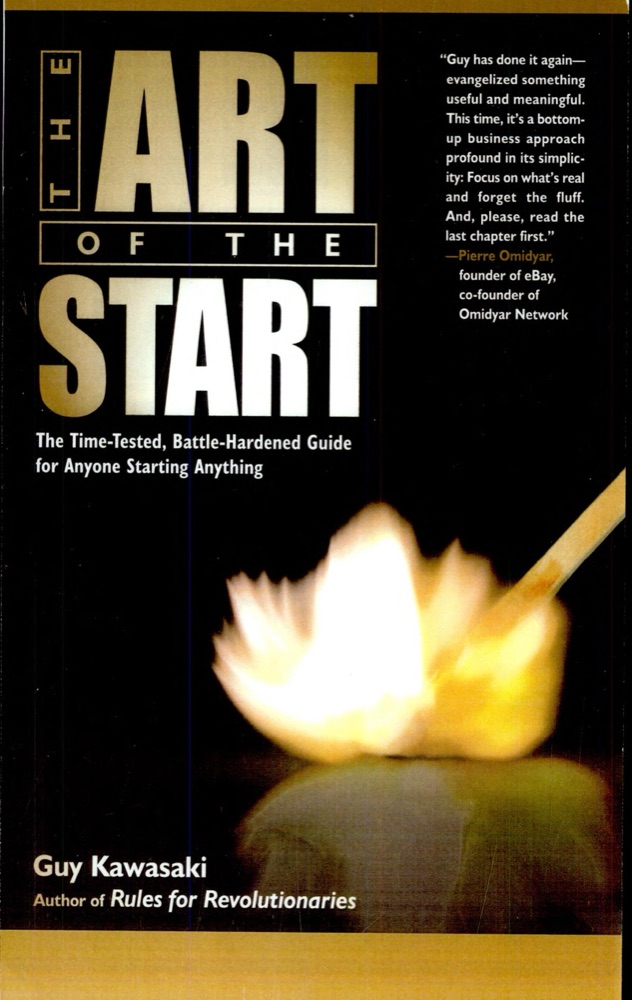 The Art of the Start: The Time-Tested, Battle-Hardened Guide for Anyone Starting Anything
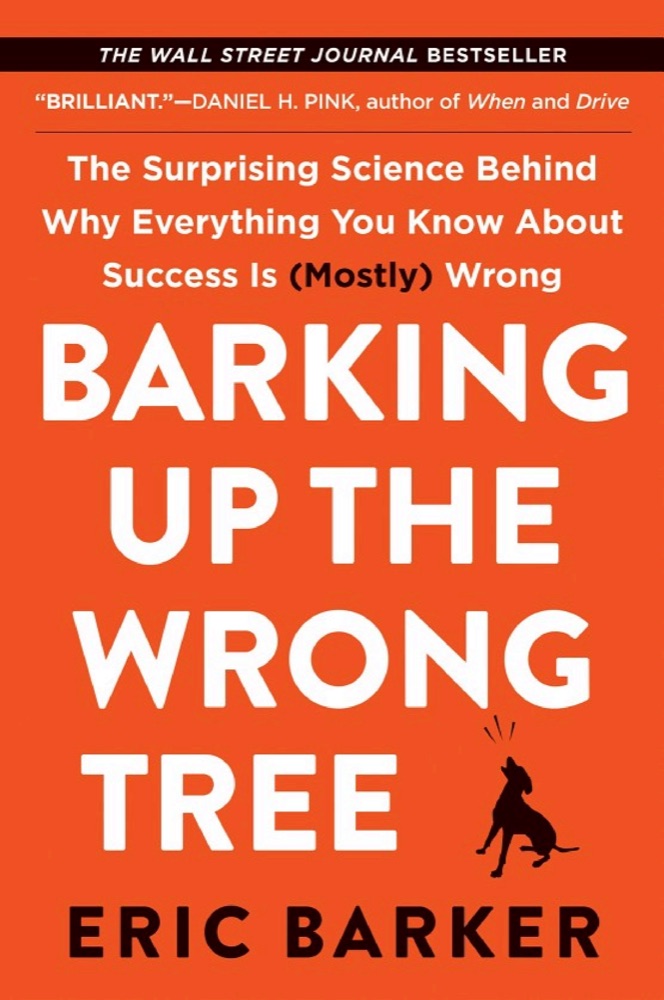 Barking Up the Wrong Tree: The Surprising Science Behind Why Everything You Know About Success Is (Mostly) Wrong
 Company
 Who Owns the Future?
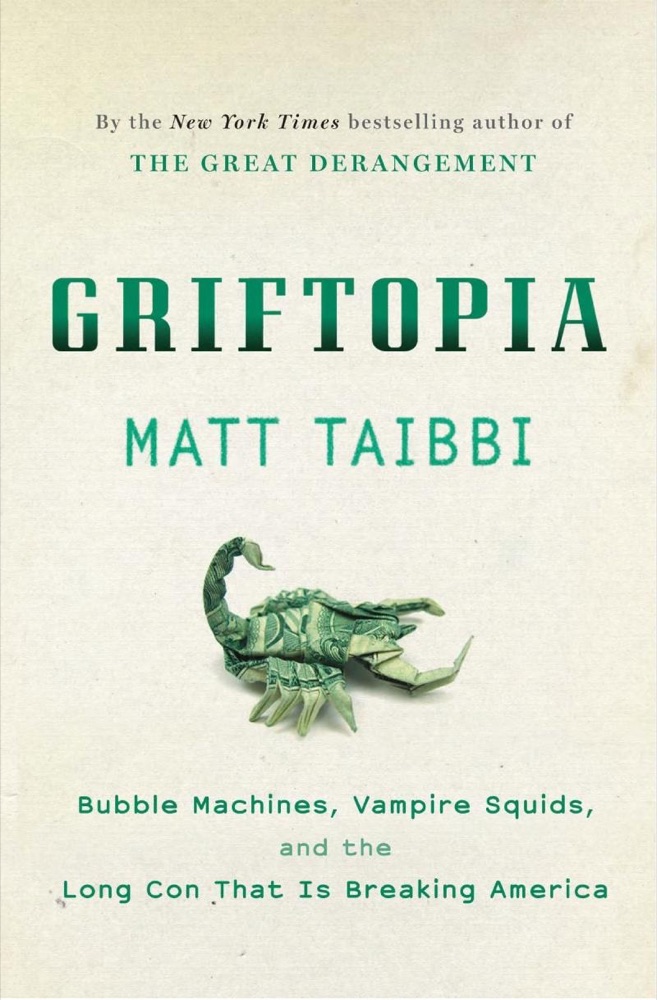 Griftopia: Bubble Machines, Vampire Squids, and the Long Con That Is Breaking America
 The Monk and the Riddle: The Education of a Silicon Valley Entrepreneur
 Berkshire Hathaway Letters to Shareholders
 Elon Musk
 Uncanny Valley
 Walkaway
 The Innovator's Solution: Creating and Sustaining Successful Growth
 Lean Analytics: Use Data to Build a Better Startup Faster
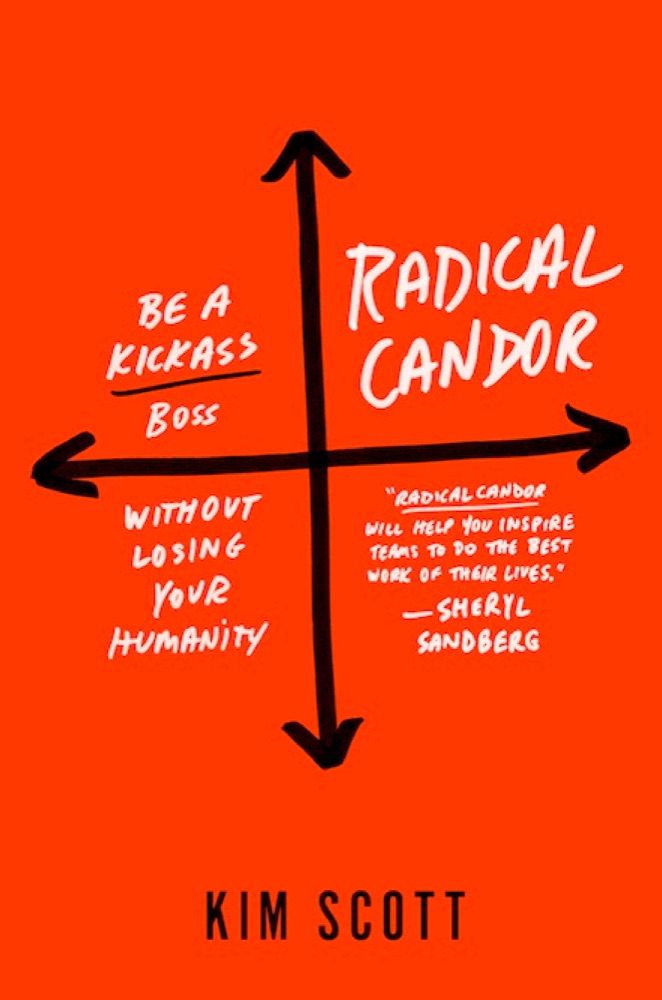 Radical Candor: Be a Kickass Boss Without Losing Your Humanity
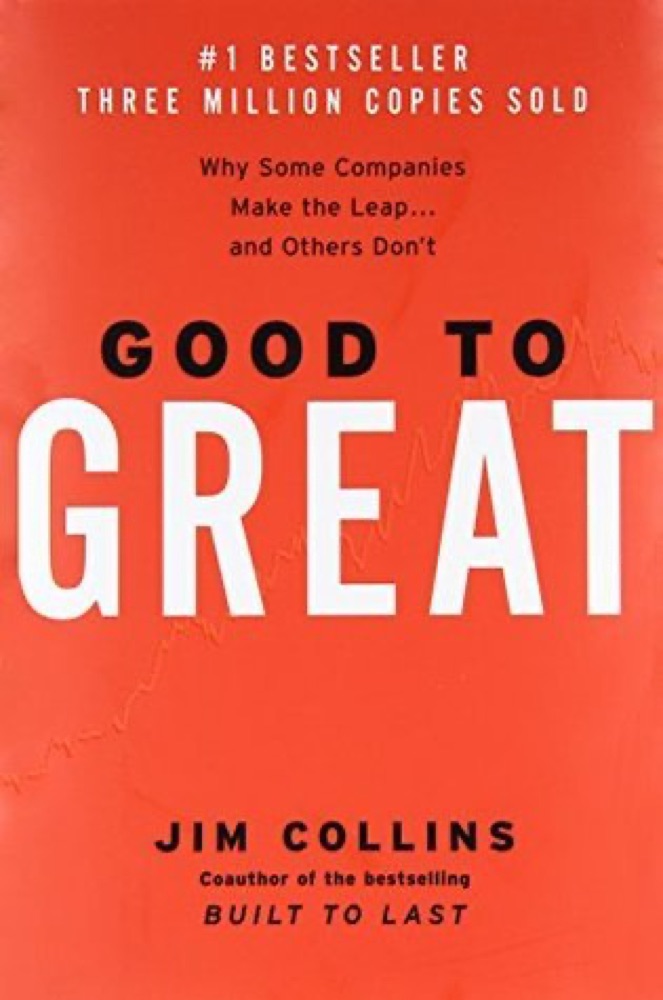 Good to Great: Why Some Companies Make the Leap... and Others Don't
 I Hate the Internet
 The Algebra of Wealth: A Simple Formula for Financial Security
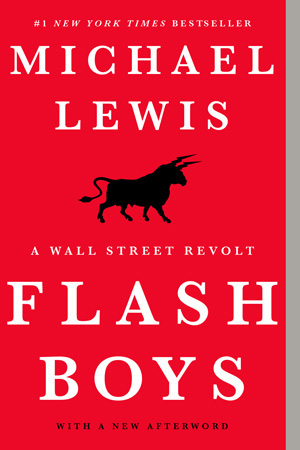 Flash Boys: A Wall Street Revolt
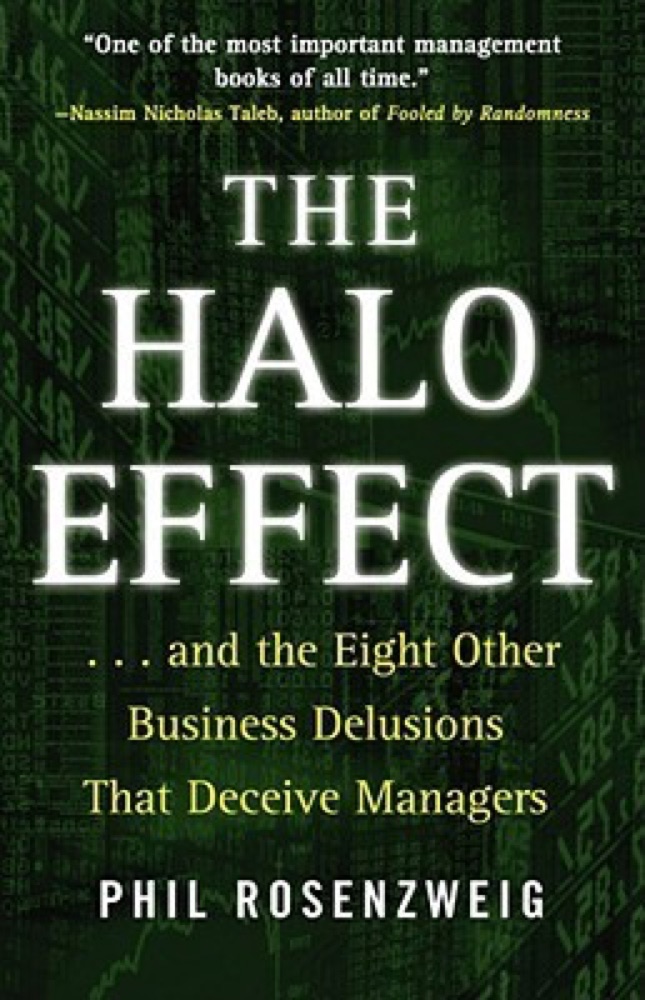 The Halo Effect: ... and the Eight Other Business Delusions That Deceive Managers
 The Millionaire Fastlane: Crack the Code to Wealth and Live Rich for a Lifetime!
 The Wolf of Wall Street
 What's Our Problem?: A Self-Help Book for Societies
 A World Without Email: Reimagining Work in an Age of Communication Overload
 Hit Refresh: The Quest to Rediscover Microsoft's Soul and Imagine a Better Future for Everyone