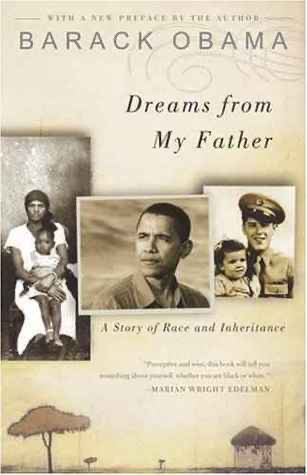
 Dreams from My Father: A Story of Race and Inheritance
Quotes from the Book
Enthusiasm makes up for a host of deficiencies.
118
I suspect that God’s plan, whatever it is, works on a scale too large to admit our mortal tribulations; that in a single lifetime, accidents and happenstance determine more than we care to admit; and that the best we can do is to try to align ourselves with what we feel is right and construct some meaning out of our confusion, and with grace and nerve play at each moment the hand that we’re dealt.
107
there are people in the world who think only about themselves. They don’t care what happens to other people so long as they get what they want. They put other people down to make themselves feel important. “Then there are people who do the opposite, who are able to imagine how others must feel, and make sure that they don’t do things that hurt people. “So,” she said, looking me squarely in the eye. “Which kind of person do you want to be?
94
I don’t know. What I can say for certain is that I’m not yet ready to abandon the possibility of America—not just for the sake of future generations of Americans but for all of humankind. For I’m convinced that the pandemic we’re currently living through is both a manifestation of and a mere interruption in the relentless march toward an interconnected world, one in which peoples and cultures can’t help but collide. In that world—of global supply chains, instantaneous capital transfers, social media, transnational terrorist networks, climate change, mass migration, and ever-increasing complexity—we will learn to live together, cooperate with one another, and recognize the dignity of others, or we will perish. And so the world watches America—the only great power in history made up of people from every corner of the planet, comprising every race and faith and cultural practice—to see if our experiment in democracy can work. To see if we can do what no other nation has ever done. To see if we can actually live up to the meaning of our creed.
69
I’ve often been asked about this personality trait—my ability to maintain composure in the middle of crisis. Sometimes I’ll say that it’s just a matter of temperament, or a consequence of being raised in Hawaii, since it’s hard to get stressed when it’s eighty degrees and sunny and you’re five minutes from the beach. If I’m talking to a group of young people, I’ll describe how over time I’ve trained myself to take the long view, about how important it is to stay focused on your goals rather than getting hung up on the daily ups and downs.
60
To be known. To be heard. To have one’s unique identity recognized and seen as worthy. It was a universal human desire, I thought, as true for nations and peoples as it was for individuals.
47
But you don’t choose the time. The time chooses you. Either you seize what may turn out to be the only chance you have, or you decide you’re willing to live with the knowledge that the chance has passed you by.
44
The truth is, I’ve never been a big believer in destiny. I worry that it encourages resignation in the down-and-out and complacency among the powerful.
43
The thing about getting old, Bar,” Toot had told me, “is that you’re the same person inside.” I remember her eyes studying me through her thick bifocals, as if to make sure I was paying attention. “You’re trapped in this doggone contraption that starts falling apart. But it’s still you. You understand?” I did now.
42
Each person held aloft a single lit candle—the city’s traditional way to express its appreciation for that year’s peace prize winner. It was a magical sight, as if a pool of stars had descended from the sky; and as Michelle and I leaned out to wave, the night air brisk on our cheeks, the crowd cheering wildly, I couldn’t help but think about the daily fighting that continued to consume Iraq and Afghanistan and all the cruelty and suffering and injustice that my administration had barely even begun to deal with. The idea that I, or any one person, could bring order to such chaos seemed laughable; on some level, the crowds below were cheering an illusion. And yet, in the flickering of those candles, I saw something else. I saw an expression of the spirit of millions of people around the world: the U.S. soldier manning a post in Kandahar, the mother in Iran teaching her daughter to read, the Russian pro-democracy activist mustering his courage for an upcoming demonstration—all those who refused to give up on the idea that life could be better, and that whatever the risks and hardships, they had a role to play. Whatever you do won’t be enough, I heard their voices say. Try anyway.
39
Looking back, it’s embarrassing to recognize the degree to which my intellectual curiosity those first two years of college paralleled the interests of various women I was attempting to get to know: Marx and Marcuse so I had something to say to the long-legged socialist who lived in my dorm; Fanon and Gwendolyn Brooks for the smooth-skinned sociology major who never gave me a second look; Foucault and Woolf for the ethereal bisexual who wore mostly black. As a strategy for picking up girls, my pseudo-intellectualism proved mostly worthless; I found myself in a series of affectionate but chaste friendships.
39
I’d met my share of highly credentialed, high-IQ morons
33
I experienced failure and learned to buck up so I could rally those who’d put their trust in me. I suffered rejections and insults often enough to stop fearing them. In other words, I grew up—and got my sense of humor back.
33
Either grab a drink and sit down with us or get the fuck out of here.
27
there was the unsettling fact that, despite whatever my mother might claim, the bullies, cheats, and self-promoters seemed to be doing quite well, while those she considered good and decent people seemed to get screwed an awful lot.
25
But there comes a point in the speech where I find my cadence. The crowd quiets rather than roars. It's the kind of moment I'd come to recognize in subsequent years, on certain magic nights. There's a physical feeling, a current of emotion that passes back and forth between you and the crowd, as if your lives and theirs are suddenly spliced together, like a movie reel, projecting backward and forward in time, and your voice creeps right up to the edge of cracking, because for an instant, you feel them deeply; you can see them whole. You've tapped into some collective spirit, a thing we all know and wish for - a sense of connection that overrides our differences and replaces them with a giant swell of possibility - and like all things that matter most, you know the moment is fleeting and that soon the spell will be broken.
24
Perhaps most troubling of all, our democracy seems to be teetering on the brink of crisis—a crisis rooted in a fundamental contest between two opposing visions of what America is and what it should be; a crisis that has left the body politic divided, angry, and mistrustful, and has allowed for an ongoing breach of institutional norms, procedural safeguards, and the adherence to basic facts that both Republicans and Democrats once took for granted.
24
Here’s the thing,” I would say. “Most people, wherever they’re from, whatever they look like, are looking for the same thing. They’re not trying to get filthy rich. They don’t expect someone else to do what they can do for themselves. “But they do expect that if they’re willing to work, they should be able to find a job that supports a family. They expect that they shouldn’t go bankrupt just because they get sick. They expect that their kids should be able to get a good education, one that prepares them for this new economy, and they should be able to afford college if they’ve put in the effort. They want to be safe, from criminals or terrorists. And they figure that after a lifetime of work, they should be able to retire with dignity and respect.
20
When things are bad,” Axe said, walking next to me as we left the December meeting, “no one cares that ‘things could have been worse.
19
Later, toward the end of my presidency, The New York Times would run an article about my visits to the military hospitals. In it, a national security official from a previous administration opined that the practice, no matter how well intentioned, was not something a commander in chief should do - that visits with the wounded inevitably clouded a president’s capacity to make clear-eyed, strategic decisions. I was tempted to call that man and explain that I was never more clear-eyed than on the flights back from Walter Reed and Bethesda. Clear about the true costs of war, and who bore those costs. Clear about war’s folly, the sorry tales we humans collectively store in our heads and pass on from generation to generation - abstractions that fan hate and justify cruelty and force even the righteous among us to participate in carnage. Clear that by virtue of my office, I could not avoid responsibility for lives lost or shattered, even if I somehow justified my decisions by what I perceived to be some larger good.
17
Glory and tragedy, courage and stupidity - one set of truths didn't negate the other. For war was contradiction, as was the history of America.
16
Have you ever noticed that if there’s a hard way and an easy way, you choose the hard way every time? Why do you think that is?
15
Whatever you do won’t be enough, I heard their voices say. Try anyway.
14
But I also realized that around the world, in places like Yemen and Afghanistan, Pakistan and Iraq, the lives of millions of young men like those three dead Somalis (some of them boys, really, since the oldest pirate was believed to be nineteen) had been warped and stunted by desperation, ignorance, dreams of religious glory, the violence of their surroundings, or the schemes of older men. They were dangerous, these young men, often deliberately and casually cruel. Still, in the aggregate, at least, I wanted somehow to save them—send them to school, give them a trade, drain them of the hate that had been filling their heads. And yet the world they were a part of, and the machinery I commanded, more often had me killing them instead.
13
And so the world watches America—the only great power in history made up of people from every corner of the planet, comprising every race and faith and cultural practice—to see if our experiment in democracy can work. To see if we can do what no other nation has ever done. To see if we can actually live up to the meaning of our creed.
13
Do we care to match the reality of America to its ideals? If so, do we really believe that our notions of self-government and individual freedom, equality of opportunity and equality before the law, apply to everybody? Or are we instead committed, in practice if not in statute, to reserving those things for a privileged few?
13
Tamping down my emotions as the justice spoke to the audience, I looked over at a pair of handsome young Korean American boys—Sotomayor’s adopted nephews—squirming in their Sunday best. They would take for granted that their aunt was on the U.S. Supreme Court, shaping the life of a nation—as would kids across the country. Which was fine. That’s what progress looks like.
12
And then there was the unsettling fact that, despite whatever my mother might claim, the bullies, cheats, and self-promoters seemed to be doing quite well, while those she considered good and decent people seemed to get screwed an awful lot.
11
I recalled a sermon by Dr. Martin Luther King, Jr., called “The Drum Major Instinct.” In it, he talks about how, deep down, we all want to be first, celebrated for our greatness; we all want “to lead the parade.” He goes on to point out that such selfish impulses can be reconciled by aligning that quest for greatness with more selfless aims. You can strive to be first in service, first in love.
11
Did you know?
- The book is the first of a planned two-volume memoir of Obama's presidency.
- It sold approximately 887,000 copies in the U.S. and Canada on its first day, a record first-day total for publisher Penguin Random House.
- More than 1.7 million copies sold in its first week of publication.
- The narrative ends with the May 2011 operation that killed Osama bin Laden.
- The book was published simultaneously in 25 languages.
- Obama read the audiobook edition himself.
About Barack Obama
Barack Obama served as the 44th President of the United States from 2009 to 2017, the first African American to hold the office. Before the presidency he was a U.S. Senator from Illinois and the bestselling author of Dreams from My Father and The Audacity of Hope.
More about the author →More by Barack Obama
Dreams from My Father: A Story of Race and Inheritance
 The Audacity of Hope: Thoughts on Reclaiming the American Dream
About the book
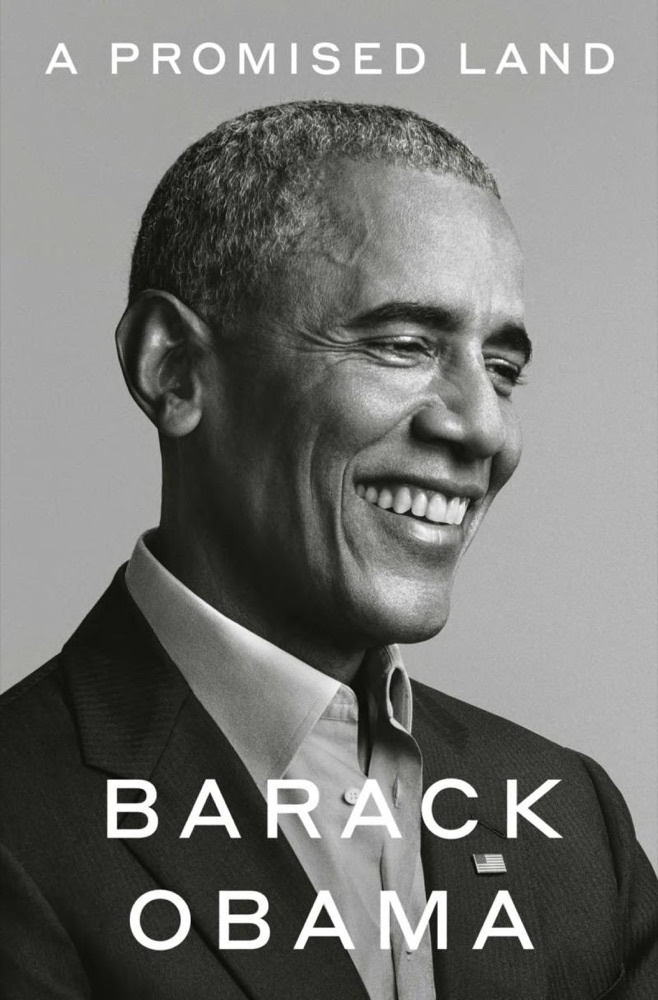
A Promised Land is the first volume of Barack Obama's presidential memoir, published in 2020. It traces his life from his early political awakening and the grassroots 2008 campaign through the first term of his presidency, closing with the May 2011 raid that killed Osama bin Laden. Roughly the opening third covers his personal history and rise in Chicago before the book settles into a detailed, decision-by-decision account of governing.
Beyond the chronicle of events, the memoir is a reflective work about leadership, idealism, and the gap between hope and the grinding compromises of power. Obama returns repeatedly to questions of democracy, race, and what it means to ask whether America can live up to its founding promises, examining his own doubts and the limits of what a presidency can accomplish.
The book was a publishing phenomenon, selling roughly 887,000 copies on its first day in the U.S. and Canada and more than 1.7 million in its first week. Critics widely praised the quality of the prose while some, including reviewer Chimamanda Ngozi Adichie, noted that Obama's characteristic reserve left the memoir less intimate than it might have been. It was named one of The New York Times Book Review's ten best books of 2020.
Book details
- First published
- 2020
- Length
- 768 pages
- Reading time
- 35 hours
- Author
- Barack Obama
- Genre
- Nonfiction
- Goodreads rating
- 4.31 (284k ratings)
- First line
- “I began writing this book shortly after the end of my presidency—after Michelle and I had boarded Air Force One for the last time and traveled west for a long-deferred break.”
Critical reception
- Sold roughly 887,000 copies on its first day in the U.S. and Canada and more than 1.7 million in its first week.
- Reviewer Chimamanda Ngozi Adichie, writing in The New York Times Book Review, called Obama 'as fine a writer as they come' but found the memoir lacked true self-revelation.
- Named one of The New York Times Book Review's 10 Best Books of 2020.
- Several critics praised the prose while noting the book reads at times more like detailed history than intimate memoir.
The buzz
- The New York Times Book ReviewBarack Obama Is as Fine a Writer as They Come2020Chimamanda Ngozi Adichie's front-page review praising the prose while questioning its reticence
- The New York TimesObama Tells His Story, but the Memoir's Real Subject May Be History Itself2020Jennifer Szalai on the book's deliberative, methodical tone
- NPRFormer President Obama Tells His Story His Way, And Makes His Case For History2020Ron Elving on the memoir as a record for future historians
Keep reading
 The Autobiography of Eleanor Roosevelt
 My Beloved World
 Becoming
 Hell and Other Destinations: A 21st-Century Memoir
The Audacity of Hope: Thoughts on Reclaiming the American Dream
Hell and Other Destinations: A 21st-Century Memoir
The Audacity of Hope: Thoughts on Reclaiming the American Dream
 Promises to Keep: On Life and Politics
 Wide Awake
 Shortest Way Home: One Mayor's Challenge and a Model for America's Future
 Parable of the Talents
 Varina
 Behold the Dreamers
Dreams from My Father: A Story of Race and Inheritance
Behold the Dreamers
Dreams from My Father: A Story of Race and Inheritance
 United: Thoughts on Finding Common Ground and Advancing the Common Good
 Chances Are...
 Slouching Towards Bethlehem
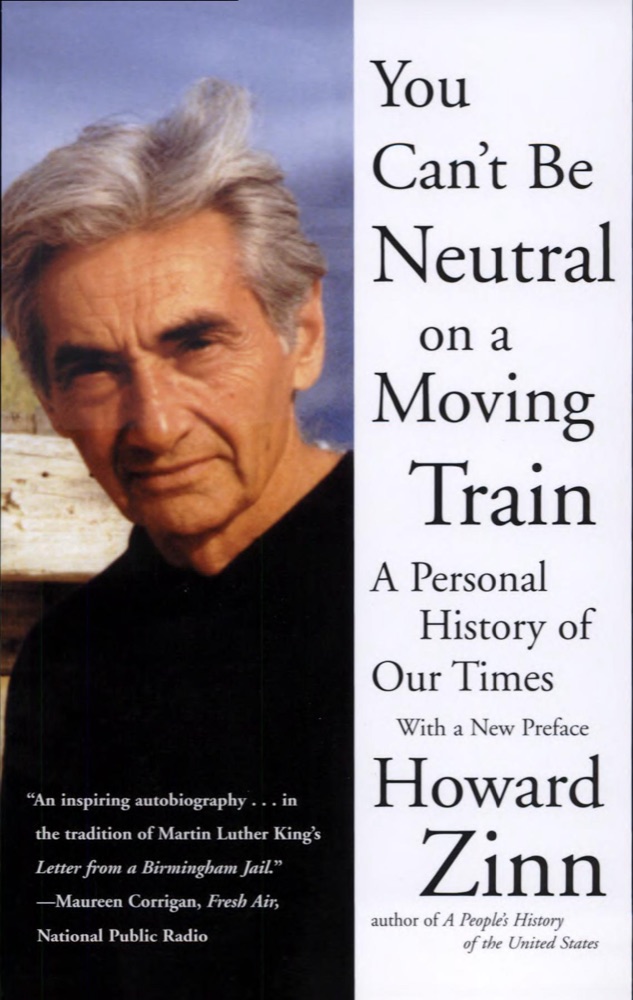 You Can't Be Neutral on a Moving Train: A Personal History of Our Times
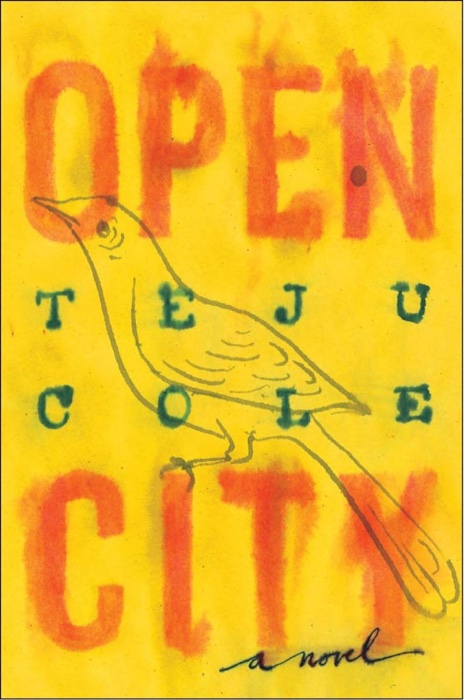 Open City
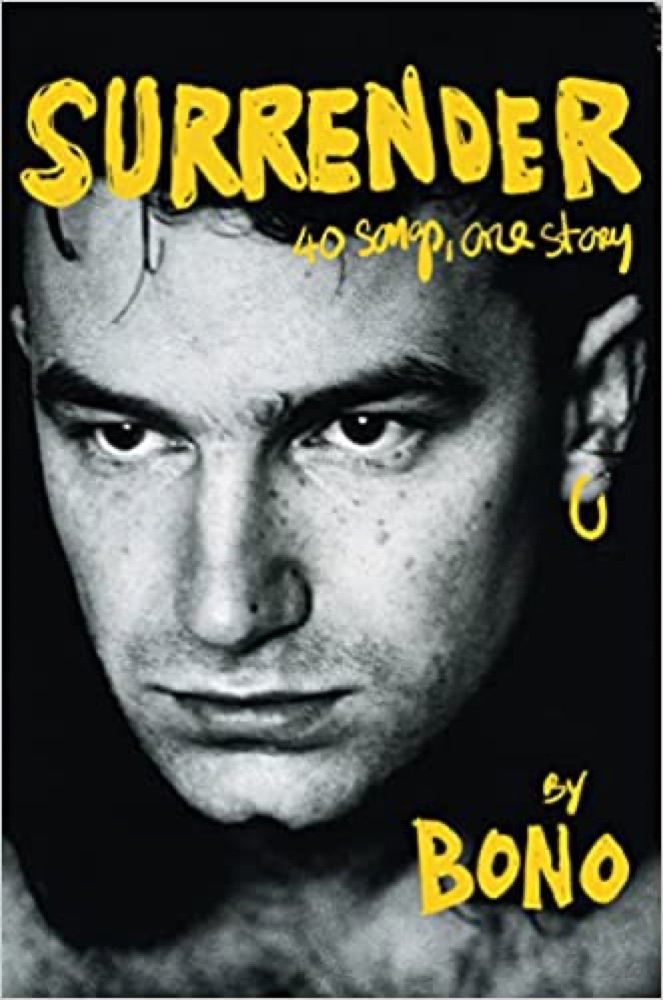 Surrender: 40 Songs, One Story
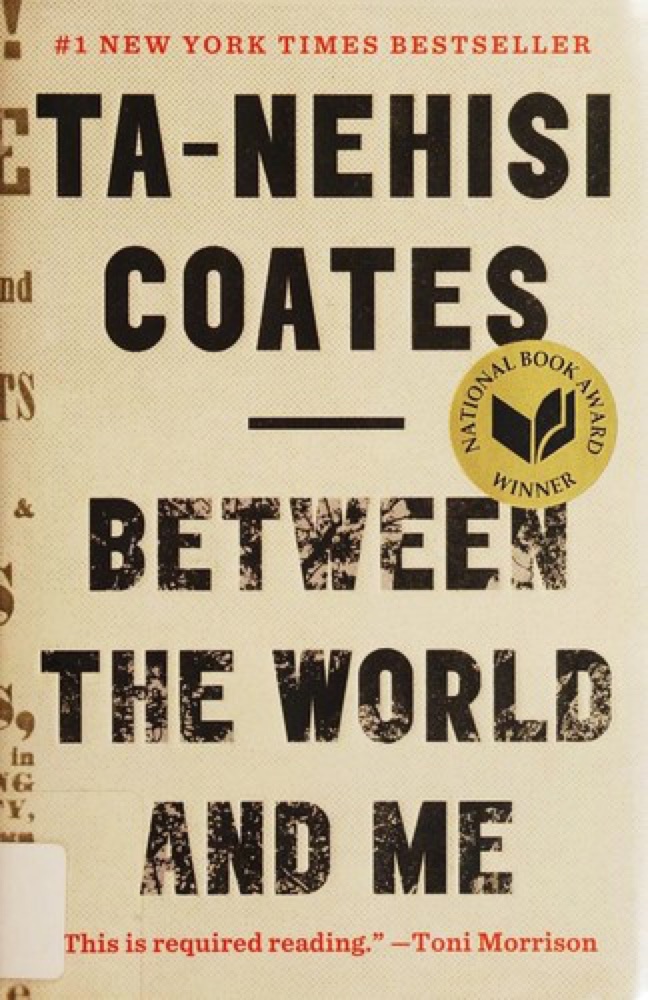 Between the World and Me
 The Autobiography of Martin Luther King, Jr.
 The Blue Sweater: Bridging the Gap Between Rich and Poor in an Interconnected World
 In the Light of What We Know
 The Golden House
 The Sympathizer
 The Truths We Hold: An American Journey
 The Reluctant Fundamentalist
 The Fall of Babel
 The Autobiography of Malcolm X
 The Hour I First Believed
 How Long 'til Black Future Month?
 The Jewel in the Crown
 Riding the Elephant: A Memoir of Altercations, Humiliations, Hallucinations, and Observations
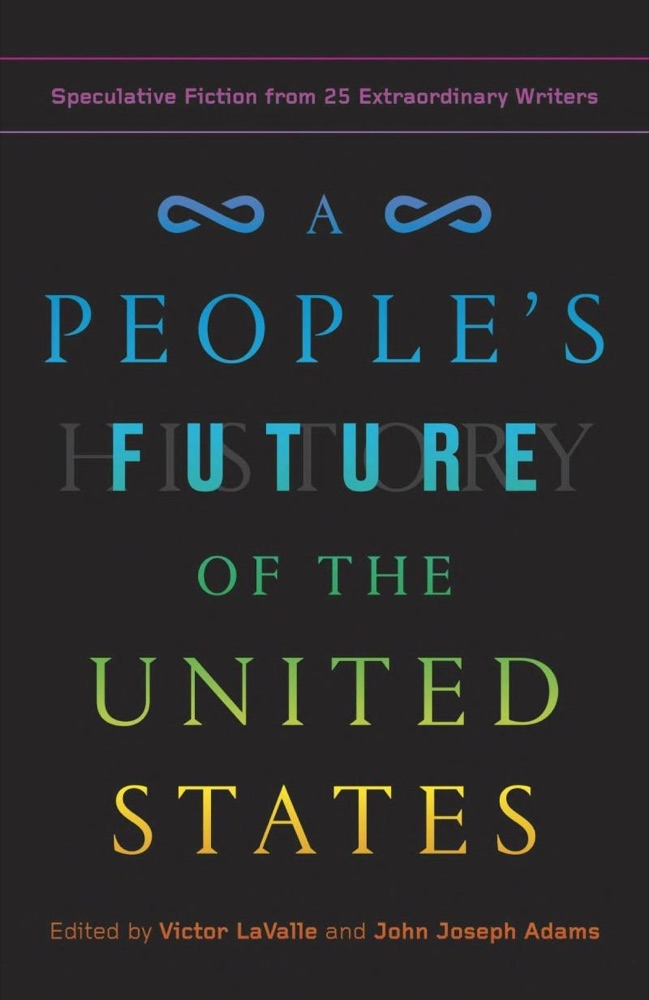 A People's Future of the United States: Speculative Fiction from 25 Extraordinary Writers
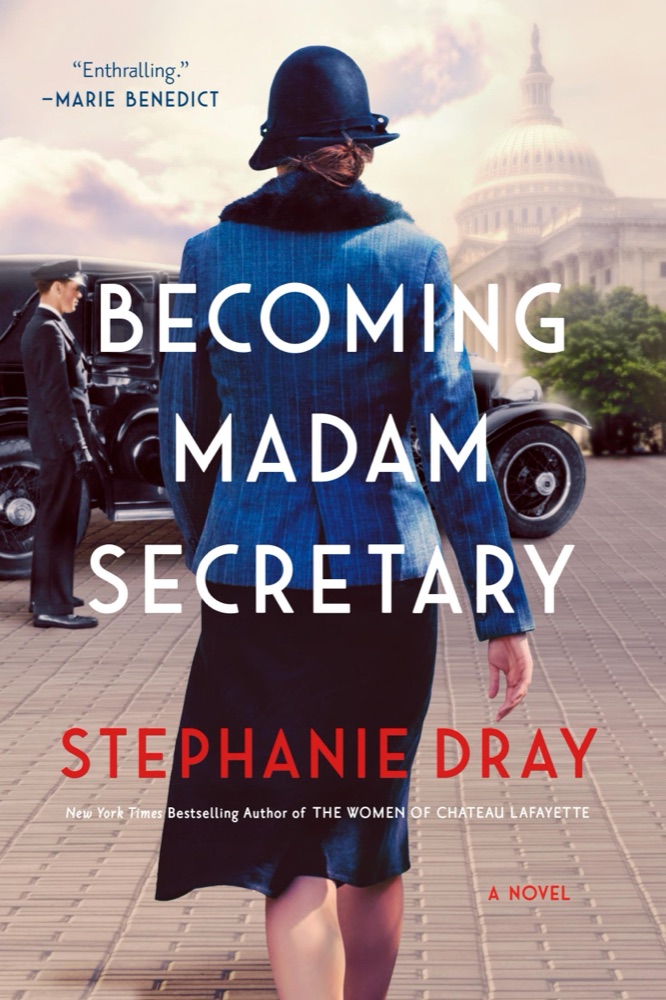 Becoming Madam Secretary
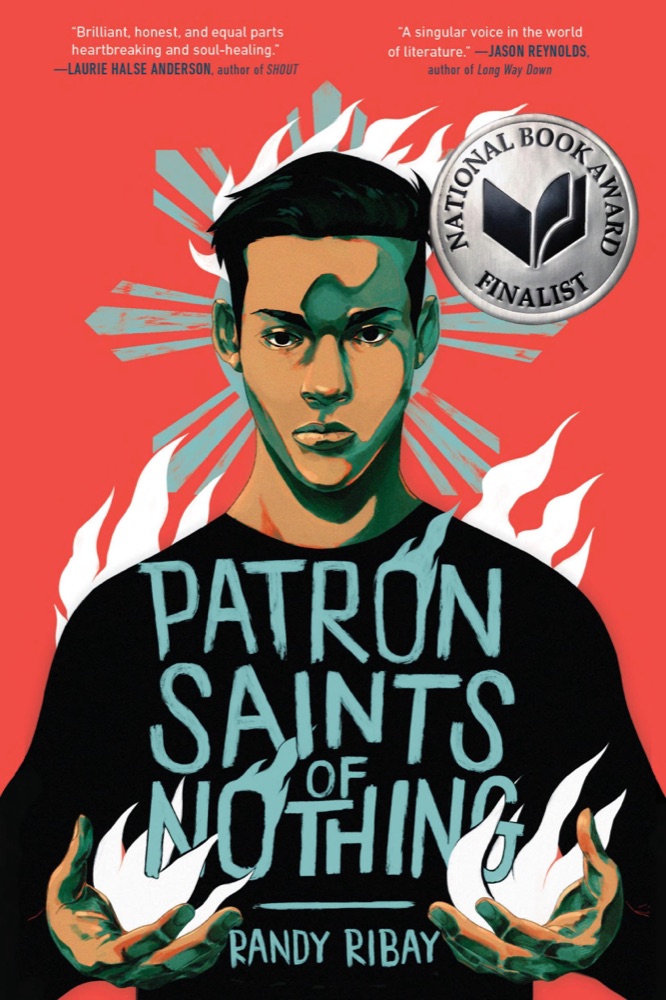 Patron Saints of Nothing
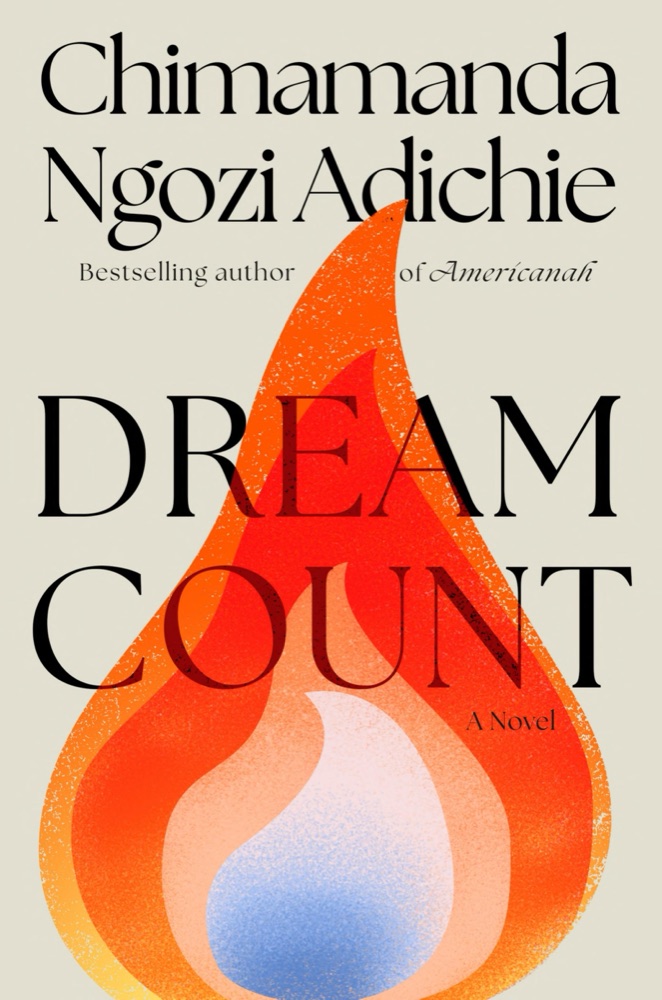 Dream Count
 The Pursuit of Happyness
 Here for It; Or, How to Save Your Soul in America: Essays
 The Small and the Mighty: Twelve Unsung Americans Who Changed the Course of History, from the Founding to the Civil Rights Movement
 The Measure of a Man: A Spiritual Autobiography
 Asymmetry
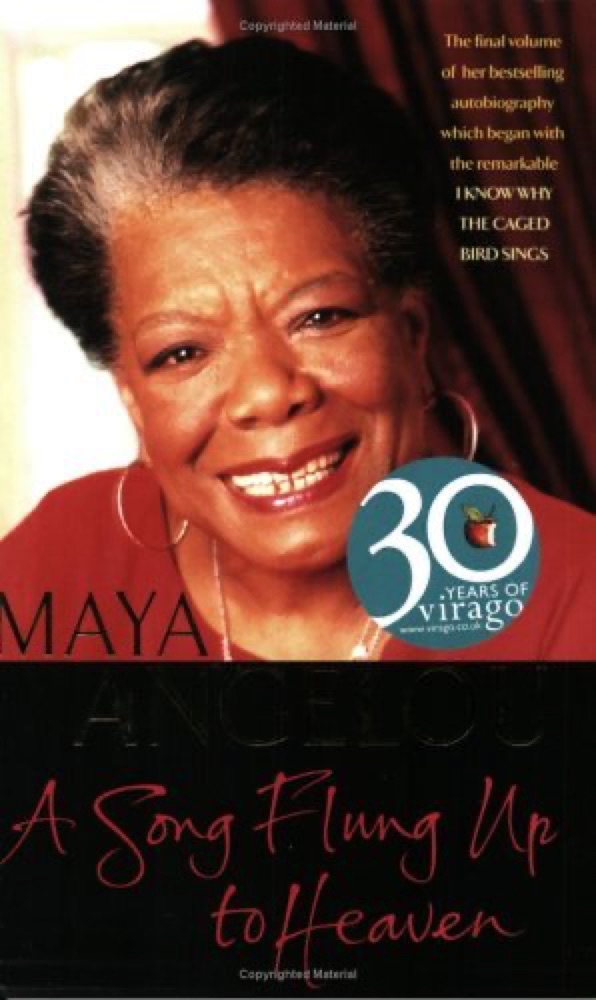 A Song Flung Up to Heaven
 Freedom
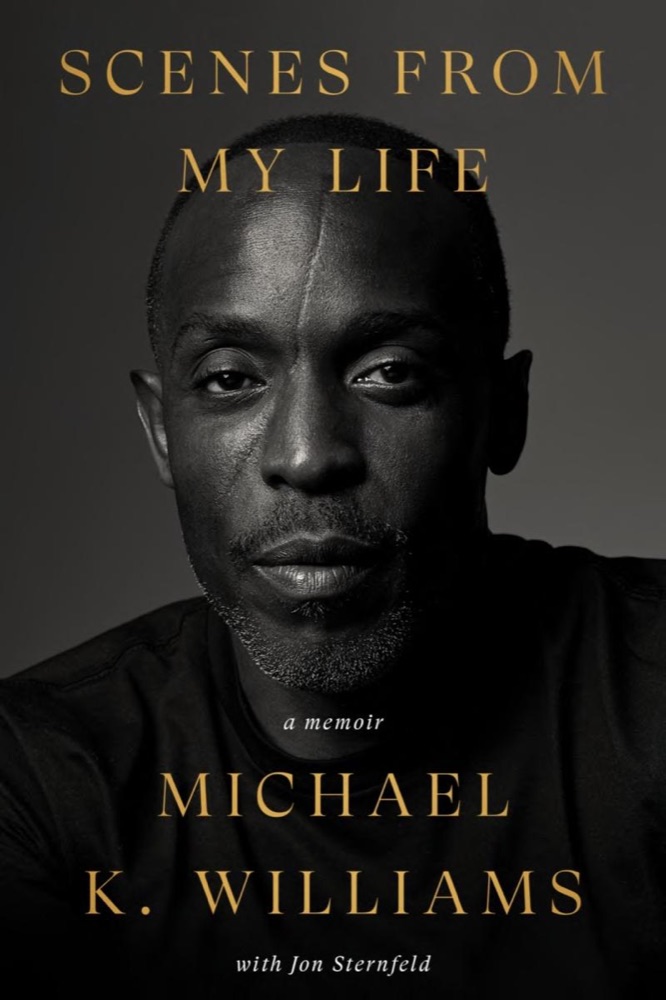 Scenes from My Life: A Memoir
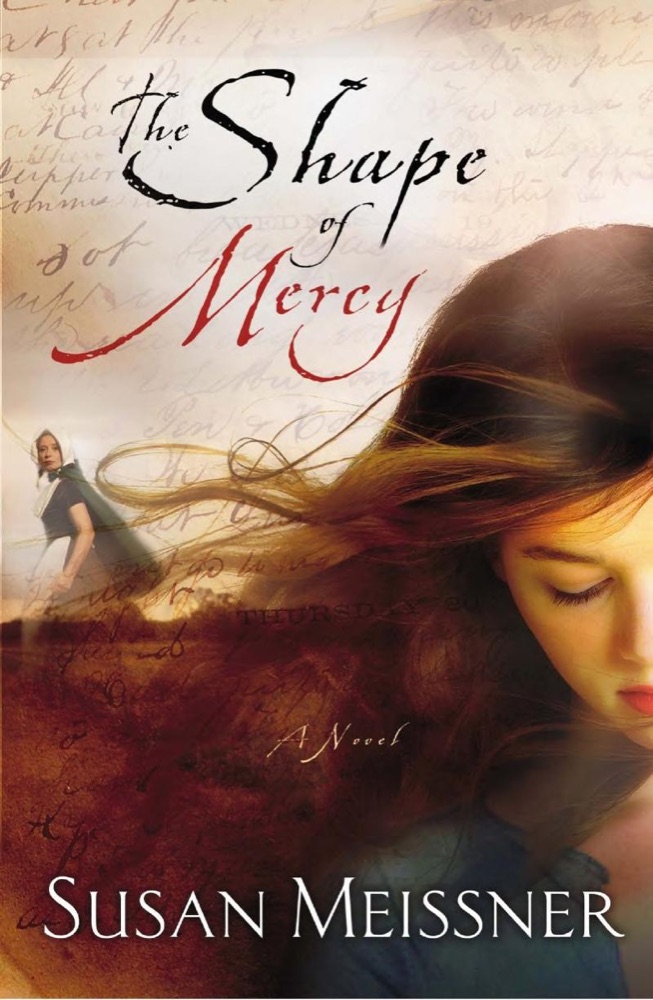 The Shape of Mercy
 An Absolutely Remarkable Thing
 The Office of Historical Corrections
 Dust Tracks on a Road
 My Government Means to Kill Me
 How Beautiful We Were
 My Friends
 Independent Study
 The Other Wes Moore: One Name, Two Fates
 Born to Run
 The Last Year of the War
 Decision Points
 Essays of E.B. White
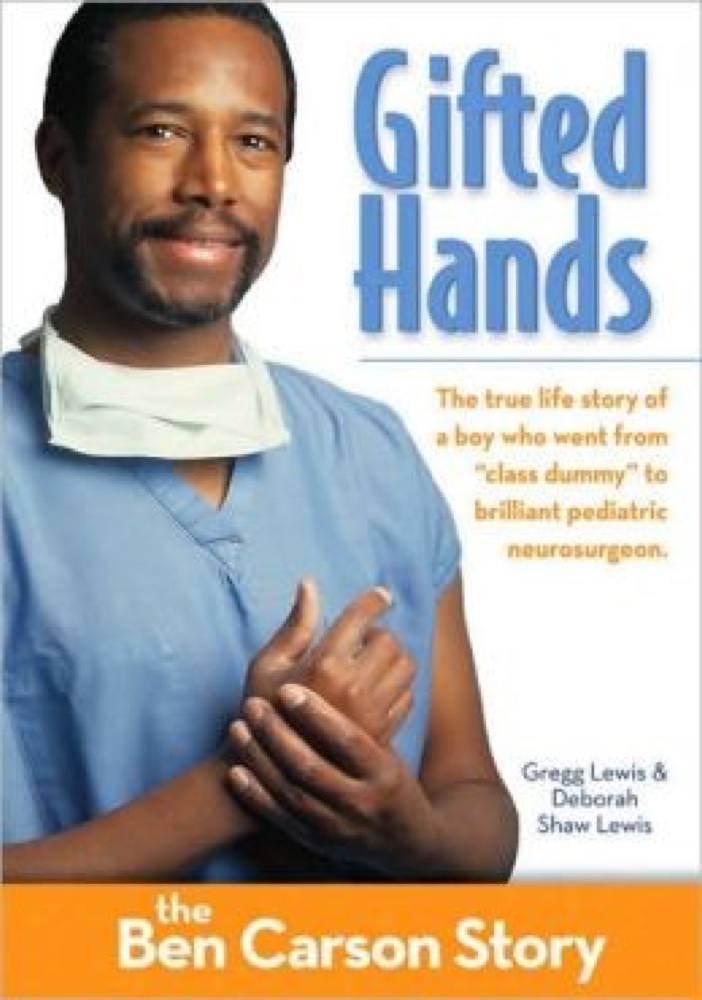 Gifted Hands: The Ben Carson Story
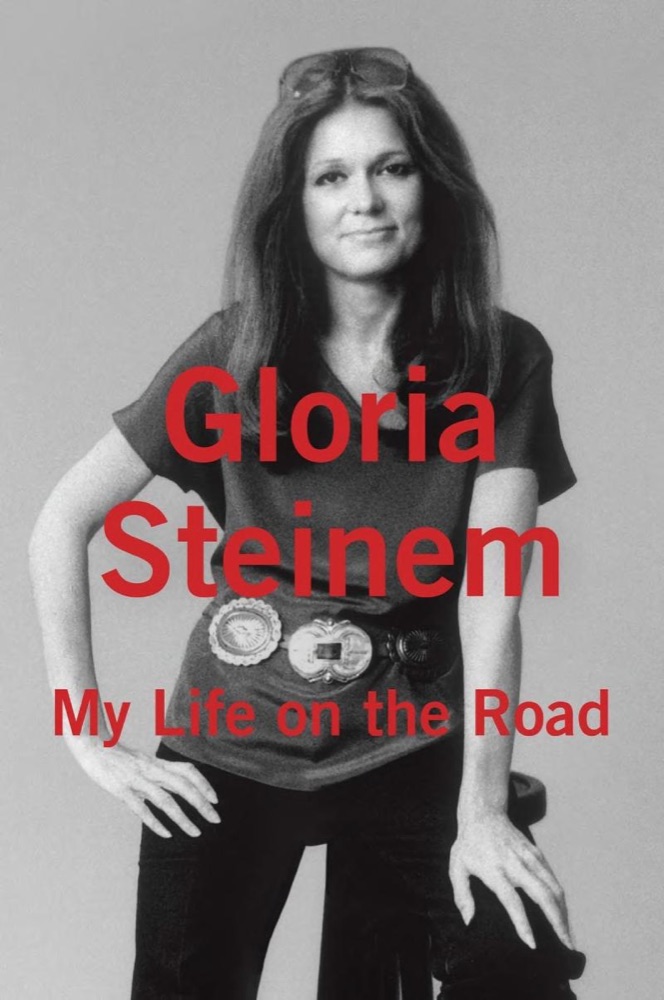 My Life on the Road
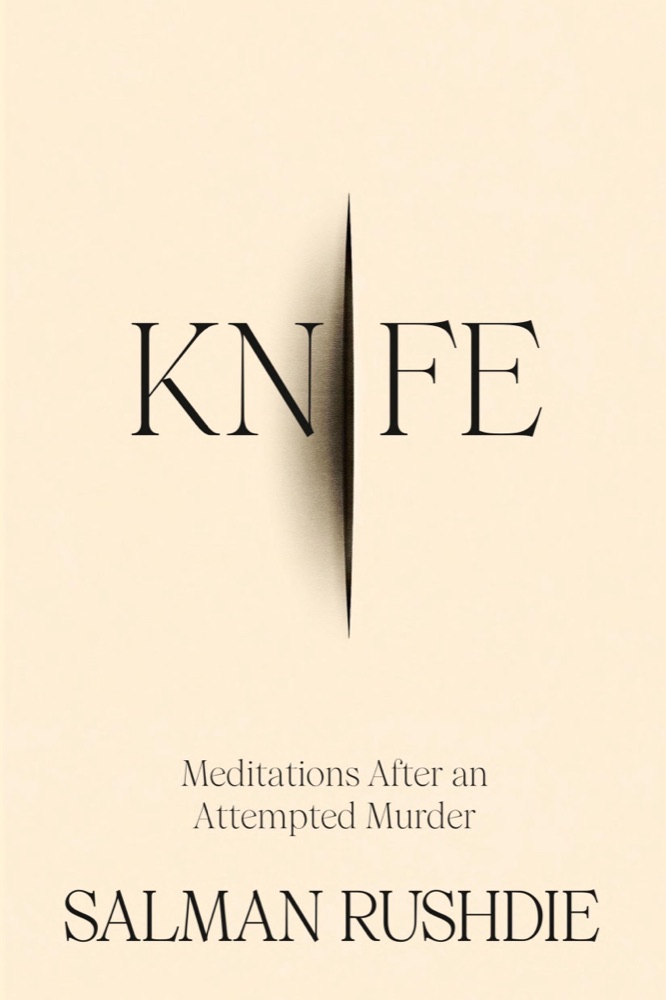 Knife: Meditations After an Attempted Murder