
 Passages: Predictable Crises of Adult Life
Quotes from the Book
Forget about having an identity crisis and get some identity capital. … Do something that adds value to who you are. Do something that's an investment in who you might want to be next.
127
Twentysomethings who don't feel anxious and incompetent at work are usually overconfident or underemployed.
70
It’s the people we hardly know, and not our closest friends, who will improve our lives most dramatically
48
Our 20s are the defining decade of adulthood. 80% of life's most defining moments take place by about age 35. 2/3 of lifetime wage growth happens during the first ten years of a career. More than half of Americans are married or are dating or living with their future partner by age 30. Personality can change more during our 20s than at any other decade in life. Female fertility peaks at 28. The brain caps off its last major growth spurt. When it comes to adult development, 30 is not the new 20. Even if you do nothing, not making choices is a choice all the same. Don't be defined by what you didn't know or didn't do.
47
For the most part, "naturals" are myths. People who are especially good at something may have some innate inclination, or some particular talent, but they have also spent about ten thousand hours practicing or doing that thing.
43
The future isn’t written in the stars. There are no guarantees. So claim your adulthood. Be intentional. Get to work. Pick your family. Do the math. Make your own certainty. Don’t be defined by what you didn’t know or didn’t do. You are deciding your life right now.
42
To achieve great things, two things are needed: a plan, and not quite enough time. —Leonard Bernstein, composer
33
While most would agree with Socrates that, "the unexamined life is not worth living," a lesser-known quote by Sheldon Kopp might be more important here: "The unlived life is not worth examining.
32
Being confused about choices is nothing more than hoping that maybe there is a way to get through life without taking charge.
32
Traveling in a third-world country is the closest thing there is to being married and raising kids. You have glorious hikes and perfect days on the beach. You go on adventures you would never try, or enjoy, alone. But you also can't get away from each other. Everything is unfamiliar. Money is tight or you get robbed. Someone gets sick or sunburned. You get bored. It is harder than you expected, but you are glad you didn't just sit home.
27
Forward thinking doesn't just come with age. It comes with practice and experience. That's why some twenty-two-year-olds are incredibly self-possessed, future-oriented people who already know how to face the unknown, while some thirty-four-year-olds still have brains that run the other way.
25
I wasn't scared of losing my past. i was scared of losing my future.
24
Doing something later is not automatically the same as doing something better
23
The one thing I have learned is that you can’t think your way through life. The only way to figure out what to do is to do—something.
21
Knowing what to overlook is one way older adults are typically wiser than young adults. With age comes what is known as "positivity effect". We become more interested in positive information, and our brains react less strongly to what negative information we do encounter.
21
Confidence doesn't come from the inside out. It moves from the outside in. People feel less anxious--and more confident--on the inside when they can point to things they have done well on the outside. Fake confidence comes from stuffing our self-doubt. Empty confidence comes from parental platitudes on our lunch hour. Real confidence comes from mastery experiences, which are actual, lived moments of success, especially when things seem difficult. Whether we are talking about love or work, the confidence that overrides insecurity comes from experience. There is no other way.
18
Our twenties can be like living beyond time. When we graduate from school, we leave behind the only lives we have ever known, ones that have been neatly packaged in semester-sized chunks with goals nestled within. Suddenly, life opens up and the syllabi are gone. There are days and weeks and months and years, but no clear way to know when or why any one thing should happen. It can be a disorienting, cave-like existence. As one twentysomething astutely put it, "The twentysomething years are a whole new way of thinking about time. There's this big chunk of time and a whole bunch of stuff that needs to happen somehow.
16
[Society] is structured to distract people from the decisions that have a huge impact on happiness in order to focus attention on the decisions that have a marginal impact on happiness.
15
Inaction breeds fear and doubt. Action breeds confidence and courage. If you want to conquer fear, do not sit home and think about it. Go out and get busy. —Dale Carnegie, writer and lecturer
14
Goals have been called the building blocks of adult personality, and it is worth considering that who you will be in your thirties and beyond is being built out of goals you are setting for yourself today.
13
Feeling better doesn’t come from avoiding adulthood, it comes from investing in adulthood.
12
The Ben Franklin Effect: If weak ties do favors for us, they start to like us. Then they become even more likely to grant us additional favors in the future. Franklin decided that if he wanted to get someone in his side, he ought to ask for a favor. And he did.
12
The confidence that overrides insecurity comes from experience. There is no other way.
11
The more you use your brain, the more brain you will have to use. " —George A. Dorsey, anthropologist
10
As we age, we feel less like leaves and more like trees. We have roots that ground us and sturdy trunks that may sway, but don't break, in the wind.
9
There is a certain terror that goes along with saying “My life is up to me.” It is scary to realize there’s no magic, you can’t just wait around, no one can really rescue you, and you have to do something.
8
The lottery question might get you thinking about what you would do if talent and money didn't matter. But they do. The question twentysomethings need to ask themselves is what they would do with their lives if they didn't win the lottery.
7
I feel like I’m in the middle of the ocean. Like I could swim in any direction but I can’t see land on any side so I don’t know which way to go.
6
But twentysomethings who hide out in underemployment, especially those who are hiding out because of a lack of confidence, are not serving themselves.
6
Ian pretended that not knowing what to do was the hard part when, somewhere inside, I think he knew that making a choice about something is when the real uncertainty begins. The more terrifying uncertainty is wanting something and not knowing how to get it. It is working toward something even though there is no sure thing. When we make choices, we open ourselves up to hard work and failure and heartbreak, so sometimes it feels easier not to know, not to choose, and not to do.
6
Watch on YouTube
About Meg Jay
We have collected 30 quotes from 1 book by Meg Jay on BookQuoters.
More about the author →About the book
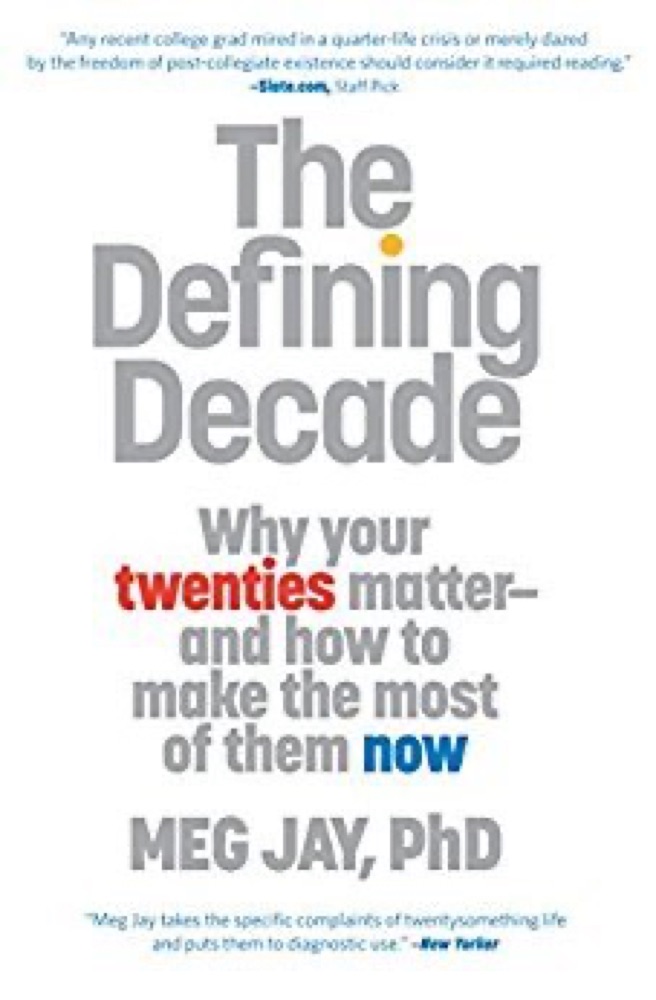
Our "thirty-is-the-new-twenty" culture tells us that the twentysomething years don't matter. Some say they are an extended adolescence. Others call them an emerging adulthood. But thirty is not the new twenty. In this enlightening book, Dr. Meg Jay reveals how many twentysomethings have been caught in a swirl of hype and misinformation that has trivialized what are actually the most defining years of adulthood. Drawing from more than ten years of work with hundreds of twentysomething clients and students, Dr. Jay weaves the science of the twentysomething years with compelling, behind-closed-doors stories from twentysomethings themselves. She shares what psychologists, sociologists, neurologists, reproductive specialists, human resources executives, and economists know about the unique power of our twenties and how they change our lives. The result is a provocative and sometimes poignant
Book details
- First published
- 2012
- Author
- Meg Jay
- Genre
- Nonfiction
- Goodreads rating
- 4.10 (94k ratings)
Keep reading
Passages: Predictable Crises of Adult Life
 Late Bloomers: The Power of Patience in a World Obsessed with Early Achievement
 Becoming Better Grownups: Rediscovering What Matters and Remembering How to Fly
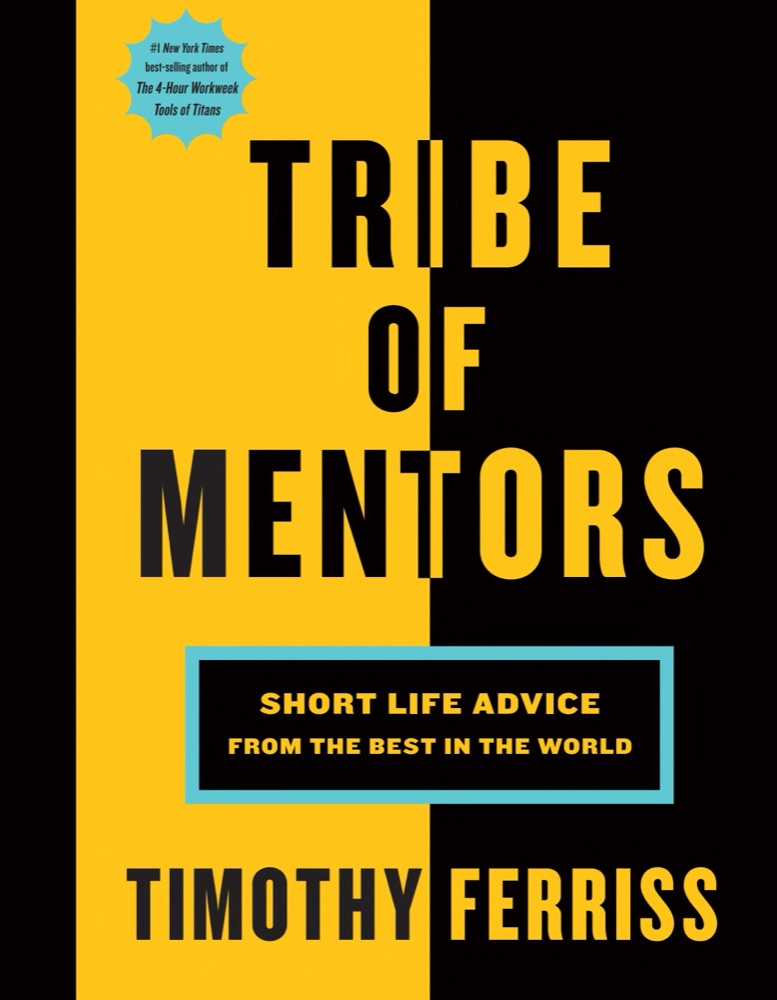 Tribe Of Mentors: Transformative Wisdom From Icons and Innovators to Help You Navigate Life's Challenges
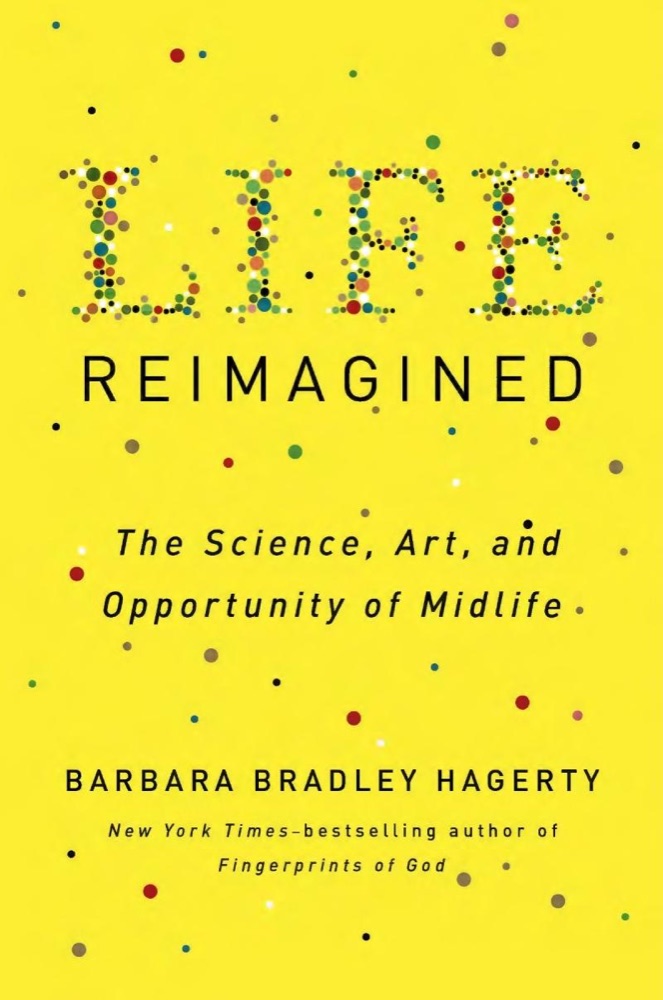 Life Reimagined: The Science, Art, and Opportunity of Midlife
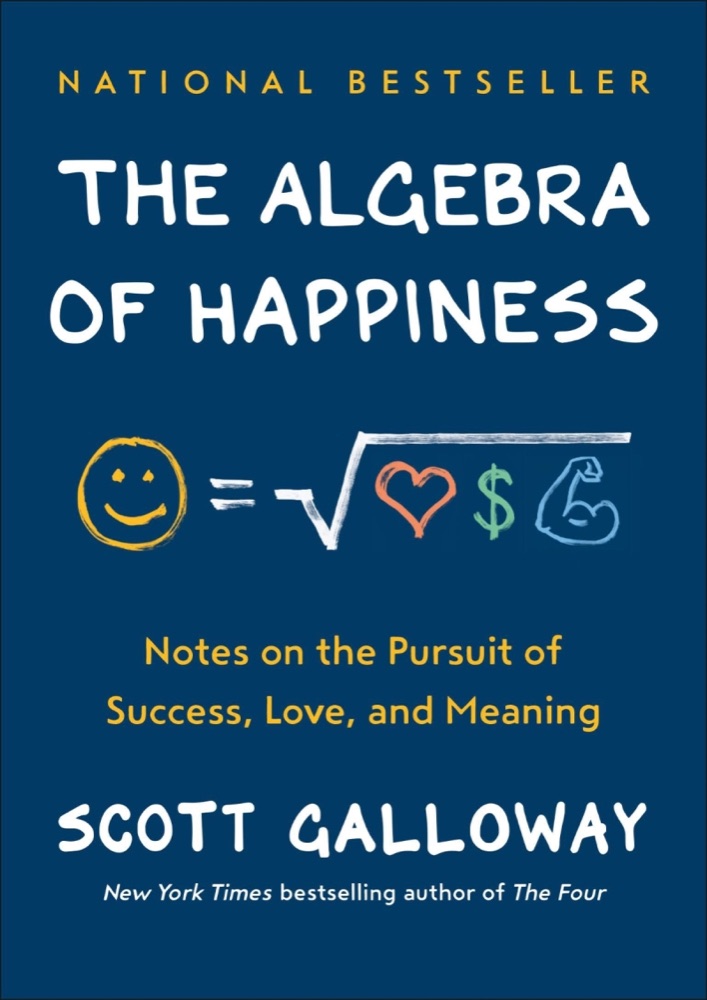 The Algebra of Happiness: Notes on the Pursuit of Success, Love, and Meaning
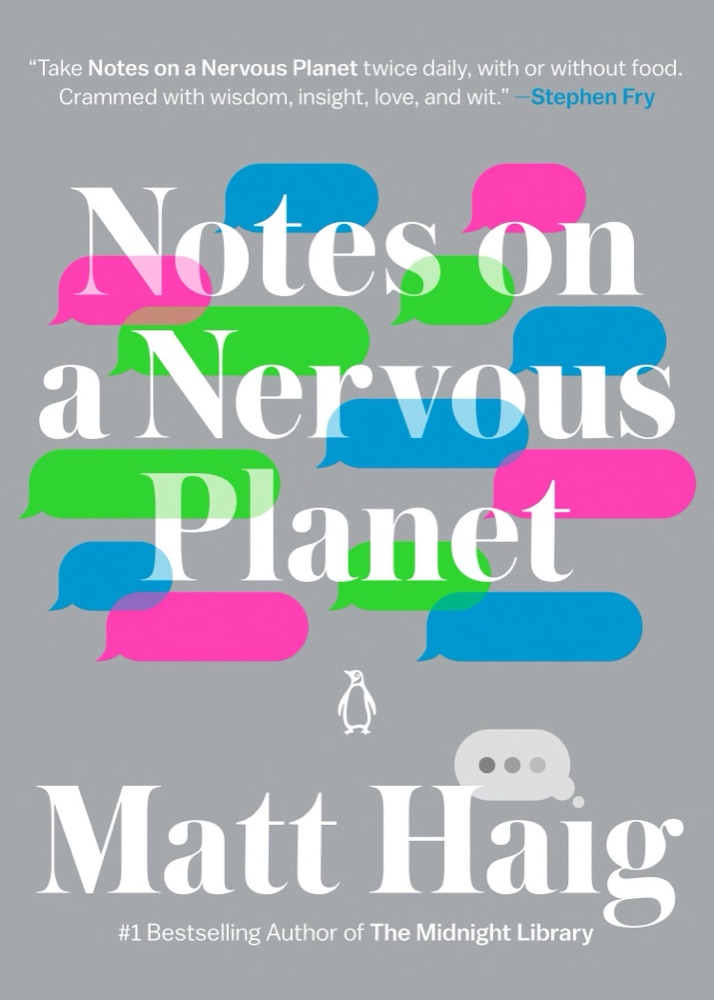 Notes on a Nervous Planet
 101 Essays That Will Change The Way You Think
 You Learn by Living: Eleven Keys for a More Fulfilling Life
 If I Knew Then: Finding Wisdom in Failure and Power in Aging
 Barking Up the Wrong Tree: The Surprising Science Behind Why Everything You Know About Success Is (Mostly) Wrong
 A Work in Progress
 Personality Isn't Permanent: Break Free from Self-Limiting Beliefs and Rewrite Your Story
 The Vanishing American Adult: Our Coming-of-Age Crisis—and How to Rebuild a Culture of Self-Reliance
 A Funny Thing Happened on the Way to the Future...
 There Are No Grown-ups: A Midlife Coming-of-Age Story
 I Can't Make This Up: Life Lessons
 The Promise of a Pencil: How an Ordinary Person Can Create Extraordinary Change
 Be Useful: Seven Tools for Life
 The 7 Habits Of Highly Effective Teens
 Choose Yourself: Be Happy, Make Millions, Live the Dream
 Adulting: How to Become a Grown-up in 468 Easy(ish) Steps
 How to Fail at Almost Everything and Still Win Big: Kind of the Story of My Life
 Be Your Future Self Now: The Science of Intentional Transformation
 The Noticer: Sometimes, All a Person Needs Is a Little Perspective
 Do Over: Rescue Monday, Reinvent Your Work, and Never Get Stuck
 The 7 Habits of Highly Effective People: Personal Workbook
 Troubled: A Memoir of Foster Care, Family, and Social Class
 How to Be Here: A Guide to Creating a Life Worth Living
 The Comfort Book
 Awaken The Giant Within
 Your Erroneous Zones: Step-By-Step Advice for Escaping the Trap of Negative Thinking and Taking Control of Your Life
 More Than Enough: Claiming Space for Who You Are
 The Mountain Is You: Transforming Self-Sabotage Into Self-Mastery
 Finding Flow: The Psychology of Engagement with Everyday Life
 Principles: Life and Work
 The Algebra of Wealth: A Simple Formula for Financial Security
 If You Have to Cry, Go Outside: And Other Things Your Mother Never Told You
 Capital Gaines: Smart Things I Learned Doing Stupid Stuff
 Excellent Advice for Living: Wisdom I Wish I'd Known Earlier
 The Last Lecture
 How to Be a Bawse: A Guide to Conquering Life
 Will
Will
 Do Epic Shit
 The Subtle Art of Not Giving a F*ck: A Counterintuitive Approach to Living a Good Life
 I Miss You When I Blink: Essays
 Girl, Stop Apologizing: A Shame-Free Plan for Embracing and Achieving Your Goals
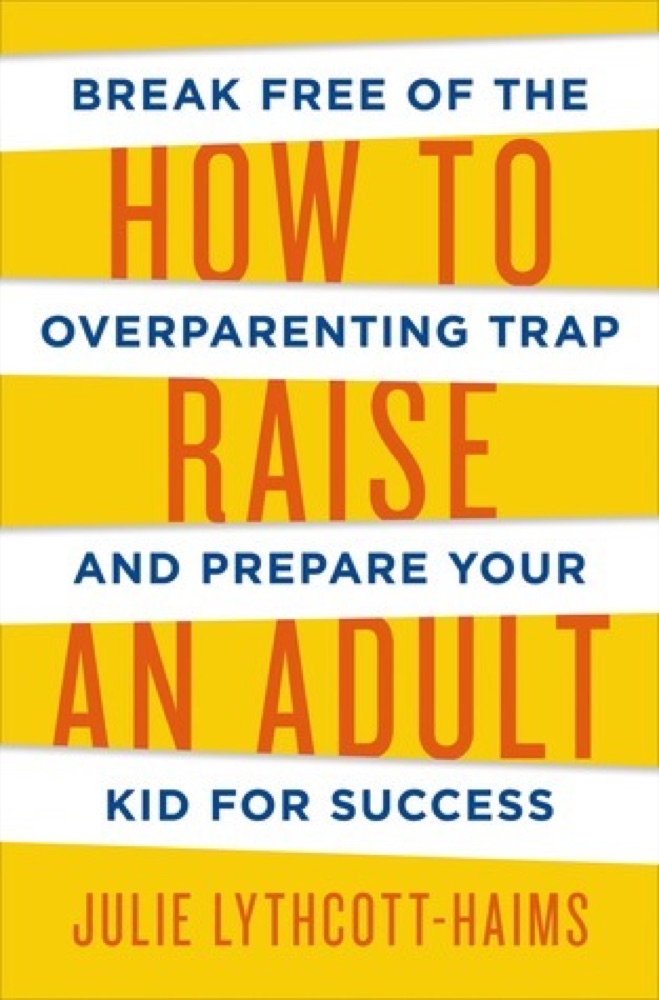 How to Raise an Adult: Break Free of the Overparenting Trap and Prepare Your Kid for Success
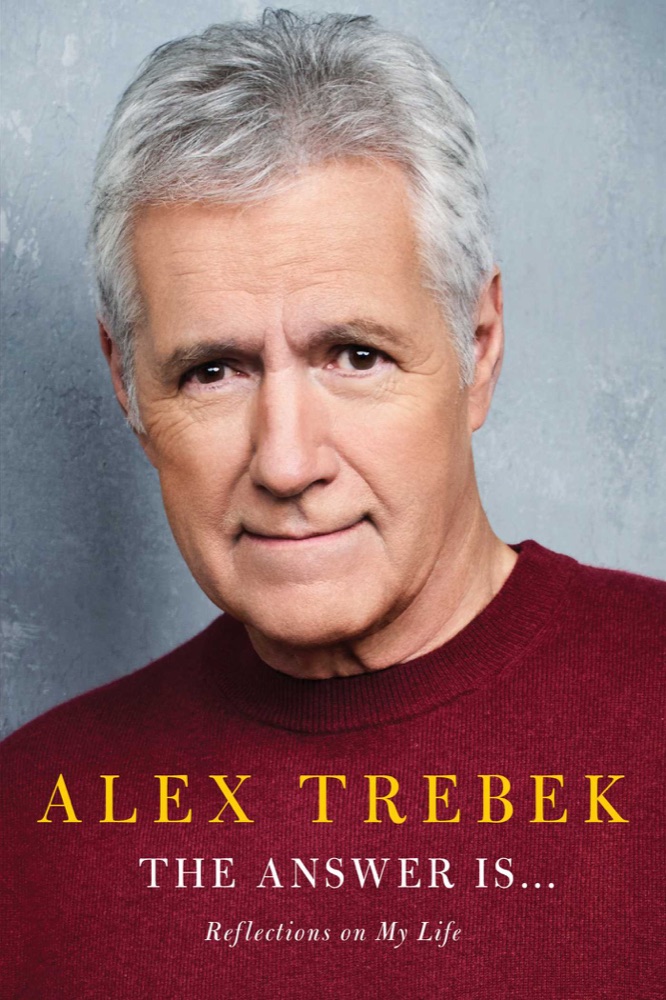 The Answer Is…: Reflections on My Life
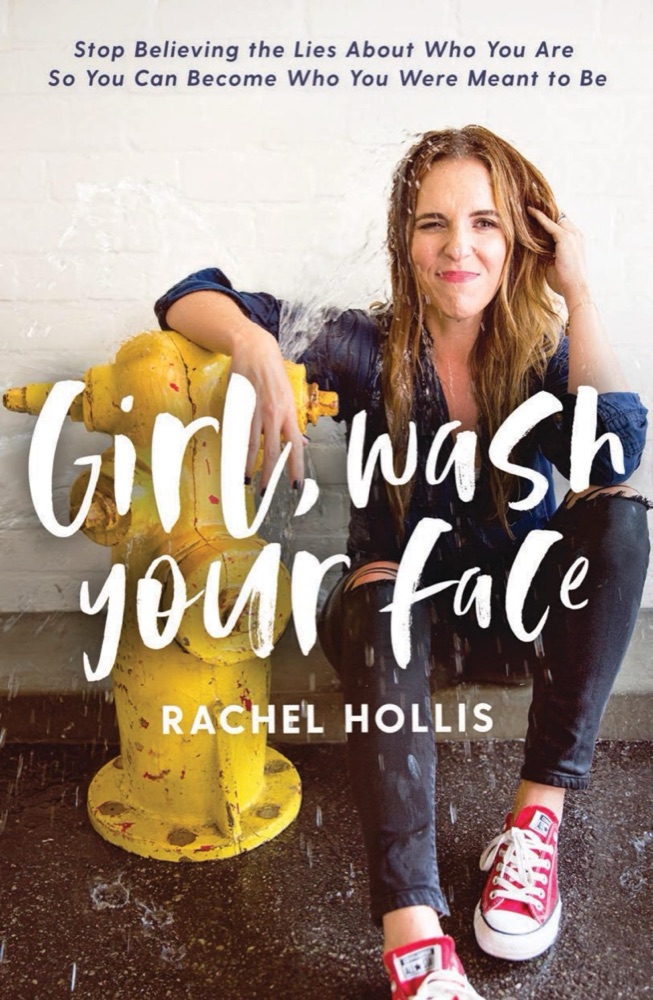 Girl Wash your Face
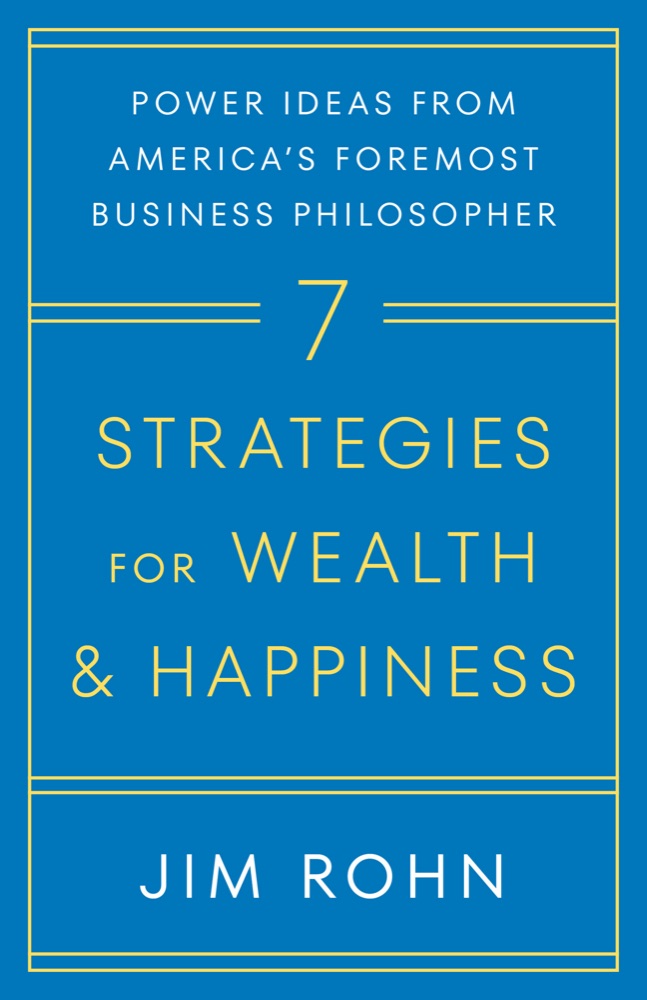 7 Strategies for Wealth & Happiness: Power Ideas from America's Foremost Business Philosopher
 Millionaire Success Habits: The Gateway To Wealth & Prosperity
 The Bullet Journal Method: Track Your Past, Order Your Present, Plan Your Future
 The Element: How Finding Your Passion Changes Everything
 Down and Across
 Overwhelmed: Work, Love, and Play When No One Has the Time
 Tuesdays with Morrie
 The Social Animal: The Hidden Sources of Love, Character, and Achievement