
 The How of Happiness: A Scientific Approach to Getting the Life You Want
Quotes from the Book
Yes, there is a “secret to happiness”—and it is gratitude. All happy people are grateful, and ungrateful people cannot be happy. We tend to think that it is being unhappy that leads people to complain, but it is truer to say that it is complaining that leads to people becoming unhappy. Become grateful and you will become a much happier person.
19
The Joy of Victimhood There are some clear rules about happiness. One is that you cannot be happy if your primary identity is that of a victim, even if you really are one. There are a number of reasons: People who regard themselves as victims do not see themselves as in control of their lives. Whatever happens in their lives happens to them, not by them. People who primarily regard themselves as victims see the world as unfair to them in particular. Just as the young student who always sees himself as “being picked on” is an unhappy soul, so is the person who carries that attitude into adulthood. People who regard themselves primarily as victims are angry people, and an angry disposition renders happiness impossible. People who have chosen to regard themselves as victims cannot allow themselves to enjoy life, because enjoying life would challenge their perception of themselves as victims.
15
Unhappy poor people at least have the fantasy that money will make them happy; unhappy rich people don’t even have that.
13
The Missing Tile syndrome is ubiquitous. If you are overweight, all you see are flat stomachs and perfect physical specimens. If you have pimples, all you see is flawless skin. Women who have difficulty getting pregnant walk around seeing only pregnant women and babies. Nor do you need to be overweight, have pimples, be balding, or want a child to believe that you have a missing tile. You can allow any real—or merely perceived—flaw to diminish your happiness.
11
Only marriage combines all three forms of companionship - spouse is family, best friend, and permanent companion. This is why it is widely held that while the death of a child is the most painful loss, the death of a spouse is the most disorienting one.
9
The only people who have no bad tendencies are dead.
8
The only happy people I know are people I don’t know well.” This observation is a one-sentence antidote to this obstacle to happiness. If all of us realized that the people with whom we negatively compare our happiness are plagued by pains and demons of which we know little or nothing, we would stop comparing our happiness with others’. Think of those people you know well, and you will realize the truth of Helen Telushkin’s comment. Most likely you know how much unhappiness everyone you know well has experienced. And even with regard to these people whom you know well, chances are that you do not know with what inner demons—emotional, psychological, economic, sexual, or related to alcohol or drugs—they have to struggle.
7
Everyone has been wounded. It is almost inevitable that our parents will wound us in some way. If we are not wounded by our parents, we may be wounded by the death or illness of a parent or sibling, by a bitter marriage or bitter divorce, or if our immediate family is close to idyllic, we might be wounded by some other adult who abuses us or peers who mock us. An unscarred childhood is possible but very rare.
6
One cannot be a good person without gratitude, and one cannot be a happy person without gratitude. This provides a vital link between goodness and happiness.
4
If you go through life cheating others, you will go through life expecting others to cheat you. Liars expect to be lied to; cheaters expect to be cheated; and so on.
4
I often wonder if I am entitled to be as happy as I am, given the amount of suffering in the world.
4
… instead of allowing the enormity of the world’s sufferings to make me unhappy, I have allowed it to increase the depth of my gratitude for the blessed life that I have been allowed to lead. You can look at the amount of suffering in the world and become bitter (this world stinks), cynical (nothing matters, it’s all just a roulette game), or hedonistic (with all this suffering, I’ll rack up all the fun I can) – or you can be grateful for your blessings.
3
Without a philosophy of life, we do not know how to react to what life deals us. Our happiness bounces up and down, determined by the day’s events and the immediate emotions they elicit rather than by sober reflection. Without being able to place events into perspective—which comes from having a philosophy of life—we are at the mercy of events. Our ship has no destination and no compass.
3
Everything worthwhile in life is attained through hard work. Happiness is not an exception.
3
happiness is a battle to be waged and not a feeling to be awaited.
2
The problem in our time is that maturity is not high on the list of goals we offer the next generation. We stress happiness, success, and intelligence but not maturity. And that is too bad, both for society, which suffers when too many of its members are immature, and for the individual who wants to be happy. For happiness is not available to the immature. And one of the prominent characteristics of immaturity is seeing oneself primarily as a victim.
2
And finally, when unhappy people try to help others by founding or joining social movements, they often do more harm than good. There are good reasons to fear social movements made up of unhappy people who want to bring about social change. Those left-wing and right-wing social movements that have destroyed tens of millions of lives were not composed of happy people. They were composed of unhappy people who blamed their unhappiness on others (for Nazis, Jews; for Communists, capitalists) and who looked to movements of radical social change as a source of both happiness and meaning. While there are times when the social order is so oppressive (living under a totalitarian regime is the best example) that personal happiness is essentially impossible, in relatively free societies the sources of one’s unhappiness are far more likely to be personal than social.
2
Blessed are You God, ruler of the world, Who created man in wisdom and created within him numerous orifices and spaces. It is known and revealed before You that if one of them should open when it should close or one of them should close when it should open, it would be impossible for us to exist. Blessed are You God, Who heals all mankind and does wonders.
2
Or to put it another way, fun is during, happiness is during and after.
1
There is little in life that gives so much at so little cost as not having expectations.
1
Many people seem to want this epitaph: “I led as painless a life as possible.” But the purpose of life is not to avoid pain. That is the purpose of an animal’s life—but animals cannot know happiness.
1
That human nature is the greatest single obstacle to happiness is too rarely pointed out by those who speak or write about happiness. First, it strikes many people as too pessimistic. Second, citing our own nature as the greatest obstacle to happiness means that to be happy, we have to battle ourselves, and this is not something many people want to hear. Third, it undermines the common desire to attribute one’s unhappiness to outside forces.
1
One way to test whether you have chosen your friends wisely is to ask yourself why they are your friends. If your only answer is that you like them and they are fun to be with (certainly important components of friendship), you probably haven’t given consideration to their values. Or try this: what case could you make to people who have never met your friends to prove that your friends are good people?
1
If you want financial success, you need the self-control to waste little time on fun things that don’t contribute to your personal and professional development. If you want happy and healthy children, you need the self-control to spend a great deal of time with them (thus depriving yourself of time to do what you want to do for yourself). If you want to be physically fit, you need the self-control to eat less fattening, less delicious foods and to exercise regularly.
1
… when people think or write about happiness, self-control is rarely stressed. … Yet happiness is impossible without self-control. In fact, everything we want is impossible without self-control. Ask anyone who has achieved what you particularly desire to achieve, and you will find a profoundly self-disciplined individual.
1
We determine how much we will allow something to make us unhappy. That we can determine our emotional response to events is hard for many people to acknowledge. Most people think that events make them unhappy, that their happiness level is essentially dictated by what happens to them. But this is untrue.
1
… given my view that tragedy is normal, I try to be happy unless something happens that makes me unhappy, rather than unhappy unless something makes me happy. Most people go through life waiting for something wonderful to happen to make them happy. My attitude is so long as nothing terrible is happening to us, we ought to be happy.
1
As the Psalmist put it millennia ago, ‘Those who sow in tears will reap in joy.’ Many people, however, believe that they can both sow and reap without tears.
1
… Many people avoid some of the very things that would bring them the deepest happiness such as marriage, children, intellectually challenging pursuits, religious commitment, and volunteer work. They fear the pain that inevitably accompanies such things and therefore devote more time to ‘fun’ things that bring little happiness, such as watching television.
1
Watch on YouTube
About Dennis Prager
We have collected 29 quotes from 1 book by Dennis Prager on BookQuoters.
More about the author →About the book
In this unique blend of self-help and moral philosophy, talk-radio host Dennis Prager asserts that we're actually obligated to be happy, because it makes us better people. Achieving that happiness won't be easy, though: to Prager, it requires a continuing process of counting your blessings and giving up any expectations that life is supposed to be wonderful. "Can we decide to be satisfied with what we have?" he asks. "A poor man who can make himself satisfied with his portion will be happier than a wealthy man who does not allow himself to be satisfied." Prager echoes other political commentators in complaining that too many people today see themselves as victims; he submits that the only way to achieve your desires is to take responsibility for your life rather than blaming others. Whether or not you agree with that view, if you're willing to put some thought into achieving a happier ou
Book details
- First published
- 1998
- Author
- Dennis Prager
- Genre
- Nonfiction
- Goodreads rating
- 4.16 (2k ratings)
Keep reading
The How of Happiness: A Scientific Approach to Getting the Life You Want
 The Happiness Hypothesis: Finding Modern Truth in Ancient Wisdom
 The Art of Happiness
 The Book of Joy: Lasting Happiness in a Changing World
 The Happiness Project
 Happiness: A Guide to Developing Life's Most Important Skill
 Everything Is F*cked: A Book About Hope
 Ethics for the New Millennium
 The Subtle Art of Not Giving a F*ck: A Counterintuitive Approach to Living a Good Life
 The Geography of Bliss: One Grump's Search for the Happiest Places in the World
 Hector and the Search for Happiness
 A Complaint Free World: How to Stop Complaining and Start Enjoying the Life You Always Wanted
 Finding Flow: The Psychology of Engagement with Everyday Life
 The Happiness Equation: Want Nothing + Do Anything = Have Everything
 The Antidote: Happiness for People Who Can't Stand Positive Thinking
 101 Essays That Will Change The Way You Think
 Happier at Home: Kiss More, Jump More, Abandon a Project, Read Samuel Johnson, and My Other Experiments in the Practice of Everyday Life
 The Things You Can See Only When You Slow Down: How to Be Calm in a Busy World
 Build the Life You Want: The Art and Science of Getting Happier
 Bright-Sided: How the Relentless Promotion of Positive Thinking Has Undermined America
 A Guide to the Good Life: The Ancient Art of Stoic Joy
 Notes on a Nervous Planet
 Your Erroneous Zones: Step-By-Step Advice for Escaping the Trap of Negative Thinking and Taking Control of Your Life
 Buddha's Brain: The Practical Neuroscience of Happiness, Love, and Wisdom
 The Happiest Man on Earth
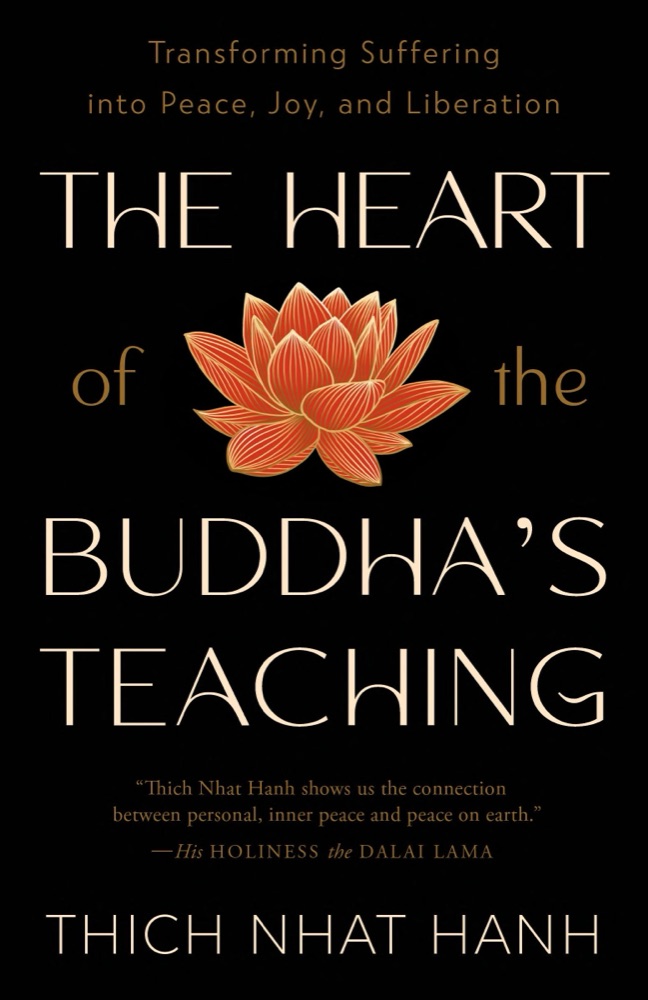 The Heart of the Buddha's Teaching: Transforming Suffering into Peace, Joy, and Liberation
 The Conquest of Happiness
 The School of Life: An Emotional Education
 What If This Were Enough?: Essays
 The Consolation of Philosophy
 Welcome to the Hyunam-Dong Bookshop
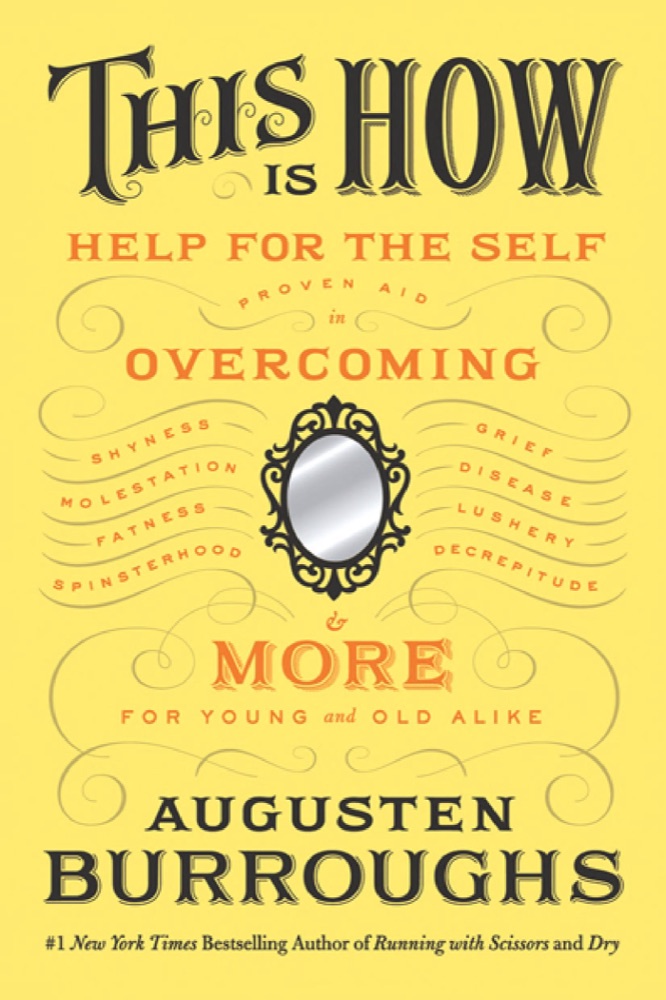 This Is How: Proven Aid in Overcoming Shyness, Molestation, Fatness, Spinsterhood, Grief, Disease, Lushery, Decrepitude & More. For Young and Old Alike.
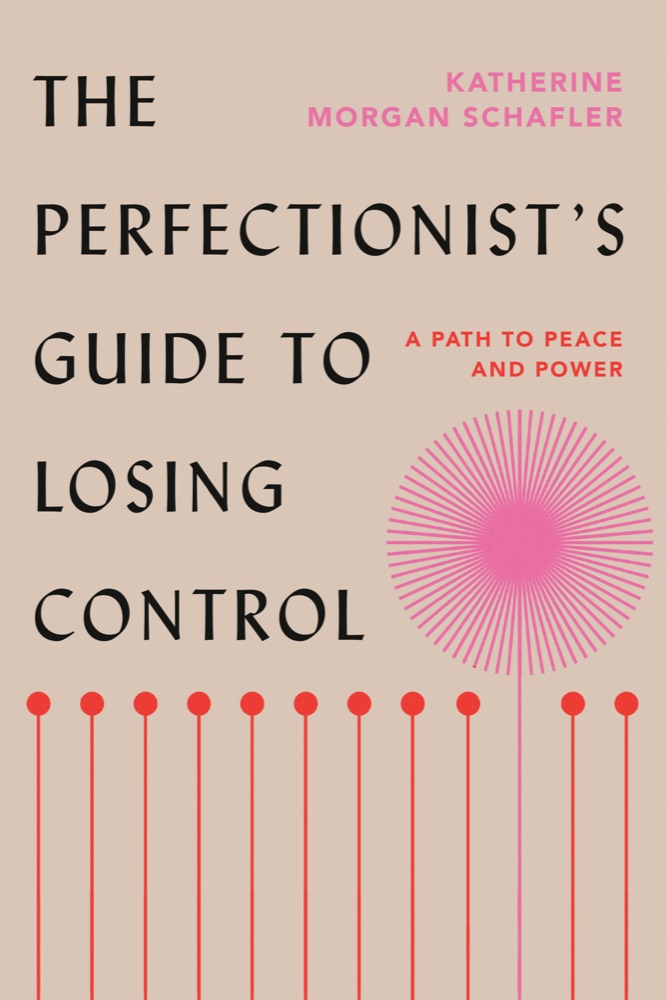 The Perfectionist's Guide to Losing Control: A Path to Peace and Power
 Social: Why Our Brains Are Wired to Connect
 How to Be Perfect: The Correct Answer to Every Moral Question
 Toward a Psychology of Being
 The Courage to Be Disliked: How to Free Yourself, Change Your Life and Achieve Real Happiness
 The Comfort Book
 Be a People Person
 The Ultimate Gift
 How to Stop Worrying and Start Living
 The World According to Mister Rogers: Important Things to Remember
 The Socrates Express: In Search of Life Lessons from Dead Philosophers
 How Do You Live?
 Kitchen Table Wisdom: Stories that Heal
 Reconciliation: Healing the Inner Child
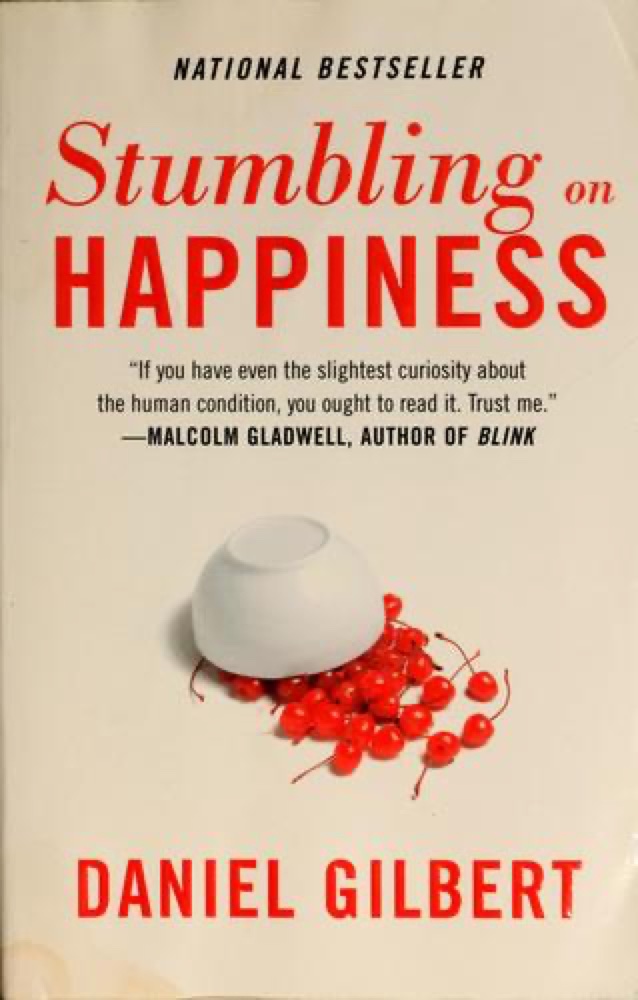 Stumbling on Happiness
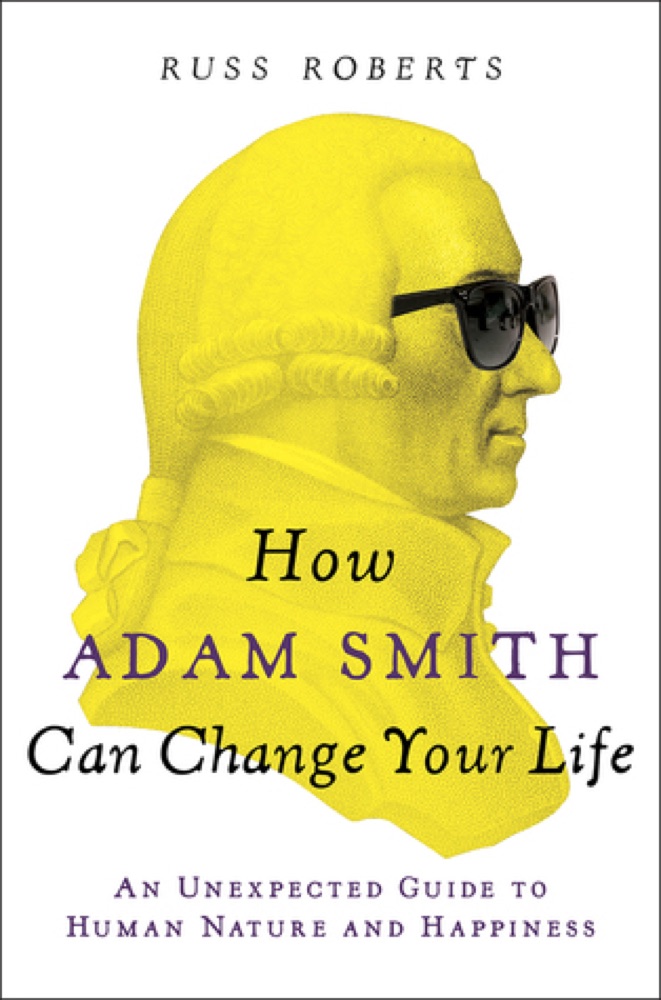 How Adam Smith Can Change Your Life: An Unexpected Guide to Human Nature and Happiness
 Maybe You Should Talk to Someone: A Therapist, Her Therapist, and Our Lives Revealed
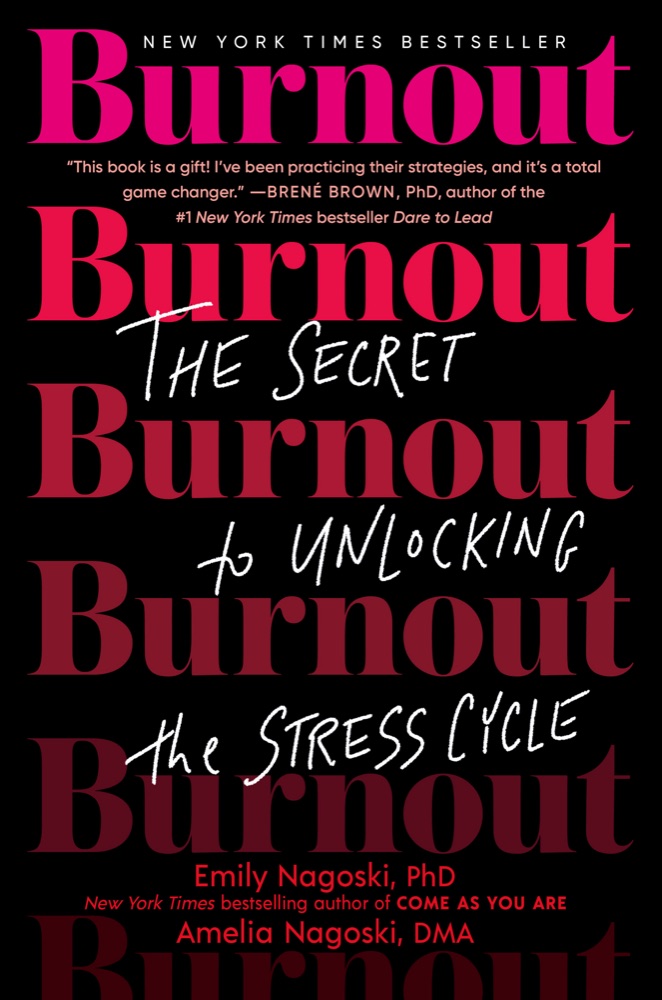 Burnout: The Secret to Unlocking the Stress Cycle
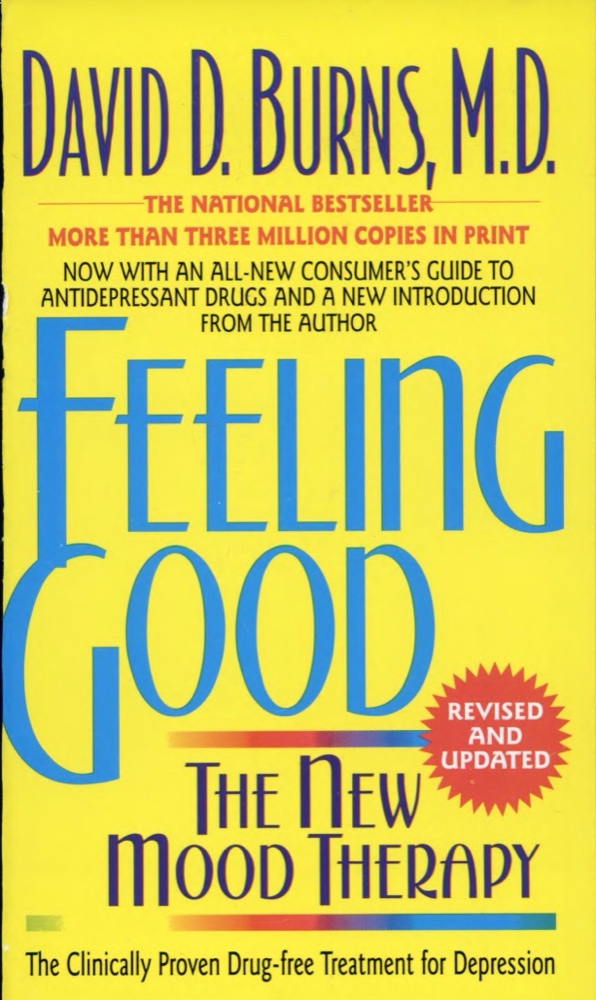 Feeling Good: The New Mood Therapy
 Happiness Becomes You: A Guide to Changing Your Life for Good
 Changes That Heal: How to Understand the Past to Ensure a Healthier Future
 Life Expectancy
 Why Be Happy When You Could Be Normal?
 Love for Imperfect Things: How to Accept Yourself in a World Striving for Perfection
 The Consolations of Philosophy
 I Like You Just Fine When You're Not Around
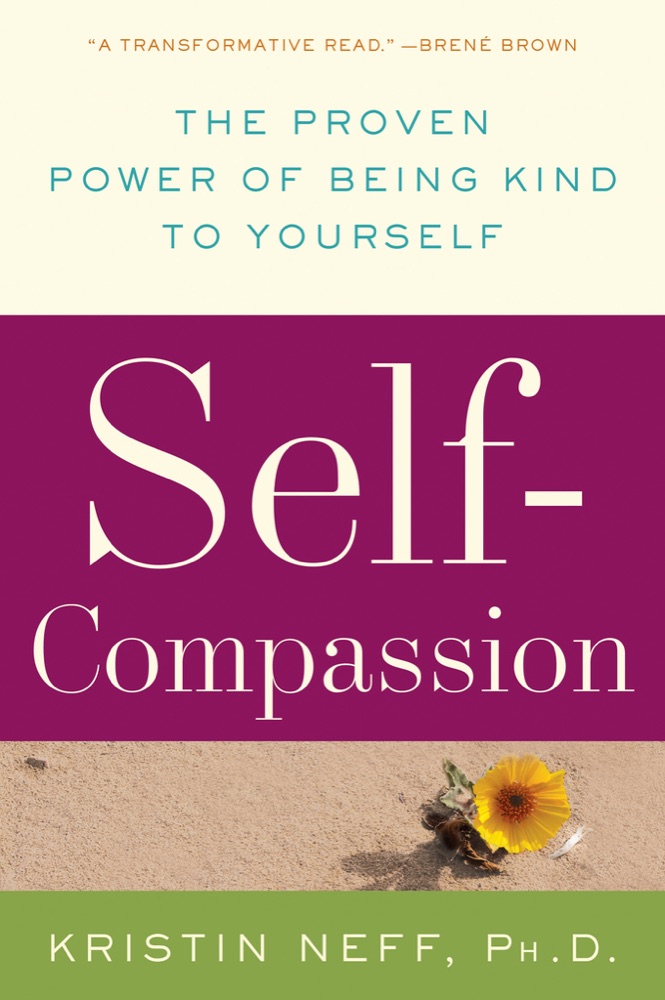 Self-Compassion: The Proven Power of Being Kind to Yourself