
 The Savage Detectives
Quotes from the Book
[Los alumnos de Almafitano aprendieron...] Que la principal enseñanza de la literatura era la valentía, una valentía rara, como un pozo de piedra en medio de un paisaje lacustre, una valentía semejante a un torbellino y a un espejo. Que no era más cómodo leer que escribir. Que leyendo se aprendía a dudar y a recordar. Que la memoria era el amor.
4
The Russians opened his mouth and with a pair of pliers the Germans used for other purposes they seized his tongue and yanked. The pain made tears spring to his eyes and he said, or rather shouted, the word coño, cunt. With the pliers in his mouth the exclamation was transformed, coming out as the word kunst. The Russian who spoke German stared at him in surprise. The Sevillan shouted Kunst, Kunst, and wept in pain. The word Kunst, in German, means art, and that was how the bilingual soldier heard it and he said that the son of a bitch was an artist or something. The soldiers who were torturing the Sevillan removed the pliers along with a little piece of tongue and waited, momentarily hypnotized by the discovery. Art. The thing that soothes wild beasts.
3
According to Padilla, remembered Amalfitano, all literature could be classified as heterosexual, homosexual, or bisexual. Novels, in general, were heterosexual. Poetry, on the other hand, was completely homosexual. Within the vast ocean of poetry he identified various currents: faggots, queers, sissies, freaks, butches, fairies, nymphs, and philenes. But the two major currents were faggots and queers. Walt Whitman, for example, was a faggot poet. Pablo Neruda, a queer. William Blake was definitely a faggot. Octavio Paz was a queer. Borges was a philene, or in other words he might be a faggot one minute and simply asexual the next.
3
So what did Amalfitano's students learn? They learned to recite aloud. They memorized the two or three poems they loved most in order to remember them and recite them at the proper times: funerals, weddings, moments of solitude. They learned that a book was a labyrinth and a desert. That there was nothing more important than ceaseless reading and traveling, perhaps one and the same thing. That when books were read, writers were released from the souls of stones, which is where they went to live after they died, and they moved into the souls of readers as if into a soft prison cell, a cell that later swelled or burst. That all writing systems are frauds. That true poetry resides between the abyss and misfortune and that the grand highway of selfless acts, of the elegance of eyes and the fate of Marcabrú, passes near its abode. That the main lesson of literature was courage, a rare courage like a stone well in the middle of a lake district, like a whirlwind and a mirror. That reading wasn't more comfortable than writing. That by reading one learned to question and remember. That memory was love.
2
E cos’è che impararono gli allievi di Amalfitano? Impararono a recitare a voce alta. Mandarono a memoria le due o tre poesie che più amavano per ricordarle e recitarle nei momenti opportuni: funerali, nozze, solitudini. Capirono che un libro era un labirinto e un deserto. Che la cosa più importante del mondo era leggere e viaggiare, forse la stessa cosa, senza fermarsi mai. Che una volta letti gli scrittori uscivano dall’anima delle pietre, che era dove vivevano da morti, e si stabilivano nell’anima dei lettori come in una prigione morbida, ma che poi questa prigione si allargava o scoppiava. Che ogni sistema di scrittura è un tradimento. Che la vera poesia vive tra l’abisso e la sventura e che vicino a casa sua passa la strada maestra dei gesti gratuiti, dell’eleganza degli occhi e della sorte di Marcabruno. Che il principale insegnamento della letteratura era il coraggio, un coraggio strano, come un pozzo di pietra in mezzo a un paesaggio lacustre, un coraggio simile a un vortice e a uno specchio. Che leggere non era più comodo che scrivere. Che leggendo s’imparava a dubitare e a ricordare. Che la memoria era l’amore.
2
Amalfitano remembered a time when he believed that nothing happened by chance, everything happened for some reason, but when was that time? he couldn't remember, all he could remember was that at some point thiw was what he believed...
2
For Padilla the shared act of smoking was basically a staging of loneliness: the tough guys, the talkers, the quick to forget and the long to remember, lost themselves for an instant, the length of time it took the cigarette to burn, an instant in which time was frozen and yet all times in Spanish history were concentrated, all the cruelty and the broken dreams, and in that "night of the soul" the smokers recognized each other, unsurprised, and embraced. The spirals of smoke were the embrace.
2
When I was an adolescent I wanted to be a Jew, a Bolshevik, black, homosexual, a junkie, half-crazy, and--the crowning touch-- a one-armed amputee, but all I became was a literature professor.
2
I thought you were dying, said Amalfitano. "No, I was dreaming," said Castillo.
2
What am I guilty of, then? Of having loved and continuing to love- no, not of loving: of longing.
1
To Amalfitano, Jordi seemed a shy and formal boy. Rosa liked his silence, which she mistook for thoughtfulness when it was really just a symptom of the confusion raging in his head.
1
The root of all my ills, thought Amalfitano sometimes, is my admiration for Jews, homosexuals, and revolutionaries (true revolutionaries, the romantics and the dangerous madmen, not the apparatchiks of the Communist Party of Chile or its despicable thugs, those hideous gray beings). The root of all my ills, he thought, is my admiration for a certain kind of junkie (not the poet junkie or the artist junkie but the straight-up junkie, the kind you rarely come across, the kind like a black hole or a black eye, with no hands or legs, a black eye that never opens or closes, the Lost Witness of the Tribe, the kind who seems to cling to drugs in the same way that drugs cling to him). The root of all my ills is my admiration for delinquents, whores, the mentally disturbed, said Amalfitano to himself with bitterness. When I was an adolescent I wanted to be a Jew, a Bolshevik, black, homosexual, a junkie, half-crazy, and—the crowning touch—a one-amred amputee, but all I became was a literature professor. At least, thought Amalfitano, I've read thousands of books. At least I've become acquianted with the Poets and read the Novels. (The Poets, in Amalfitano's view, were those beings who flashed like lightning bolts, and the novels were the stories that sprang from Don Quixote). At least I've read. At least I can still read, he said to himself, at once dubious and hopeful.
1
He said that the only decent German philosopher was Lichtenberg, who was less a philosopher than the ultimate jokester and clown.
1
As far as Aricimboldi was concerned, Isou was a 'Romanian fuck-stick.
1
Marchand dreams that in one magical and endless night the rejected manuscripts make love every way possible with his abandoned manuscript: they sodomize it, rape it orally and genitally, come in its hair, on its body, in its ears, in its armpits, etc., but when morning comes, his manuscript hasn't been fertilized. It's sterile. In that sterility, Marchand believes, lies its uniqueness, its magnetism.
1
He's the god of beggars. The god who sleeps on the ground at subway entrances. The god of insomniacs. The god of those who have always lost.
He said that some nights he heard the tom-tom beat of his passion, but he didn't know for sure whether it was really the beat of his passion or of his youth slipping through his fingers, maybe, he added, it's just the beat of poetry, the beat that comes to us all without exception at some mysterious hour, easily missed but absolutely free.
Coincidence or a trick of fate (Amalfitano remembered a time when he believed that nothing happened by chance, everything happened for some reason, but when was that time? he couldn't remember, all he could remember was that at some point this was what he believed), something that must hold some meaning, some larger truth, a sign of the terrible state of grace in which Padilla found himself, an emergency exit overlooked until now, or a message intended specifically for Amalfitano, a message perhaps signaling that he should have faith, that things that seemed to have come to a halt were still in motion, things that seemed like ruined statues were mending themselves and recovering.
Amalfitano began to weep. His little house, his parched yard, the television set and the video player, the magnificent northern Mexico sunset, struck him as enigmas that carried their own solutions with them, inscribed in chalk on the forehead. It's all so simple and so terrible, he thought. Then he got up from his faded yellow sofa and closed the curtains.
Watch on YouTube
About Roberto Bolaño
We have collected 91 quotes from 5 books by Roberto Bolaño on BookQuoters.
More about the author →More by Roberto Bolaño
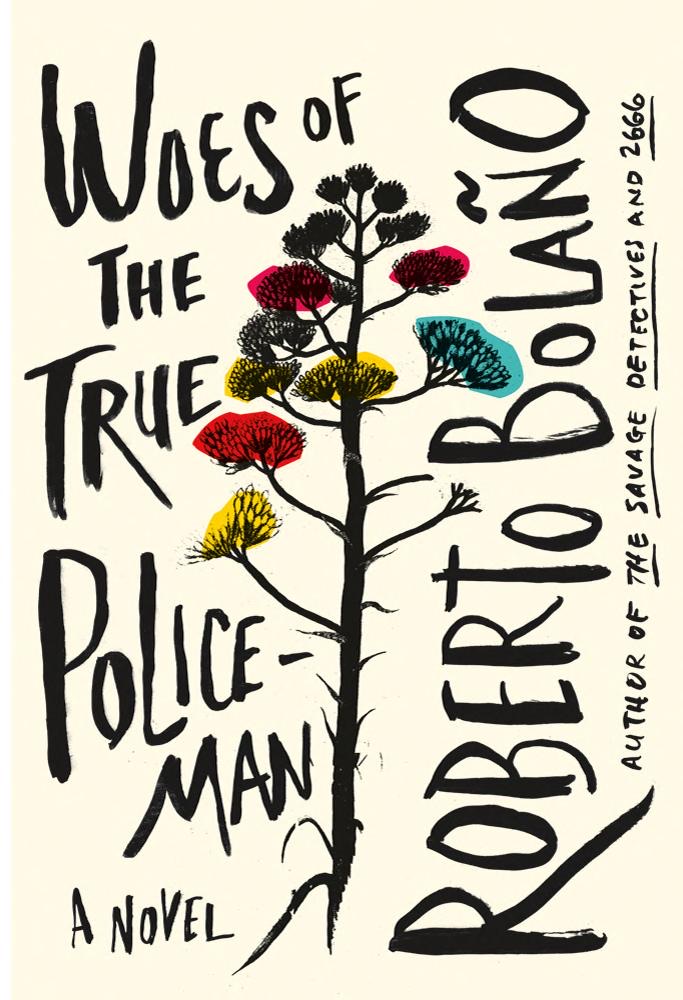
About the book
Begun in the 1980s and worked on until the author’s death in 2003, Woes of the True Policeman is Roberto Bolaño’s last, unfinished novel.
The novel follows Óscar Amalfitano—an exiled Chilean university professor and widower—through the maze of his revolutionary past, his relationship with his teenage daughter, Rosa, his passion for a former student, and his retreat from scandal in Barcelona.
Forced to leave Barcelona for Santa Teresa, a Mexican city close to the U.S. border where women are being killed in unprecedented numbers, Amalfitano soon begins an affair with Castillo, a young forger of Larry Rivers paintings. Meanwhile, Rosa, Amalfitano’s daughter, engages in her own epistolary romance with a basketball player from Barcelona, while still trying to cope with her mother’s early death and her father’s secrets. After finding Castillo in bed with her father, Rosa is forced to con
Book details
- First published
- 2011
- Author
- Roberto Bolaño
- Genre
- Fiction
- Goodreads rating
- 3.69 (3k ratings)
Keep reading
 The Transmigration of Bodies
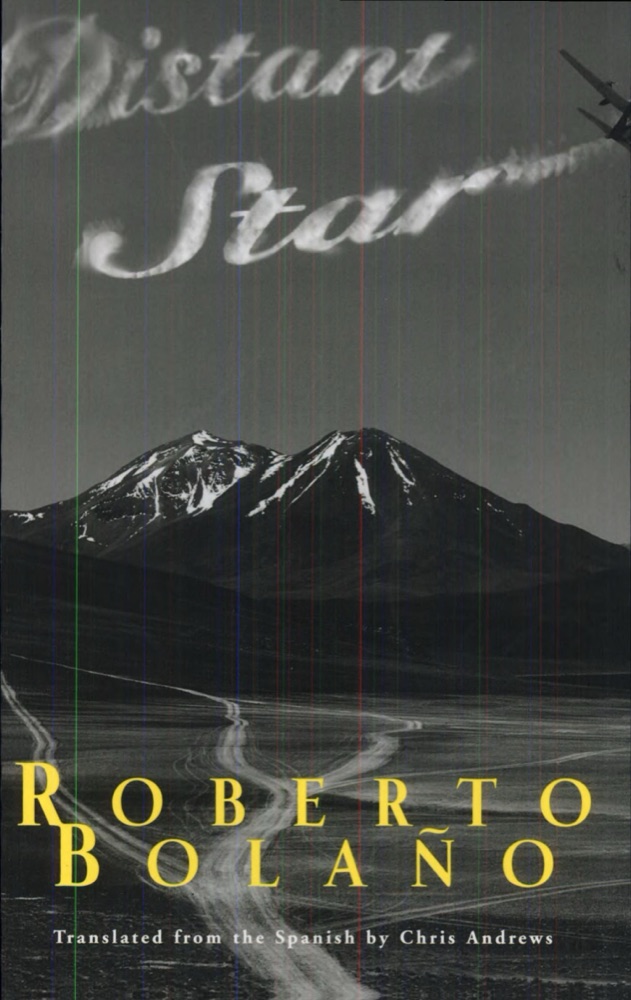 Distant Star
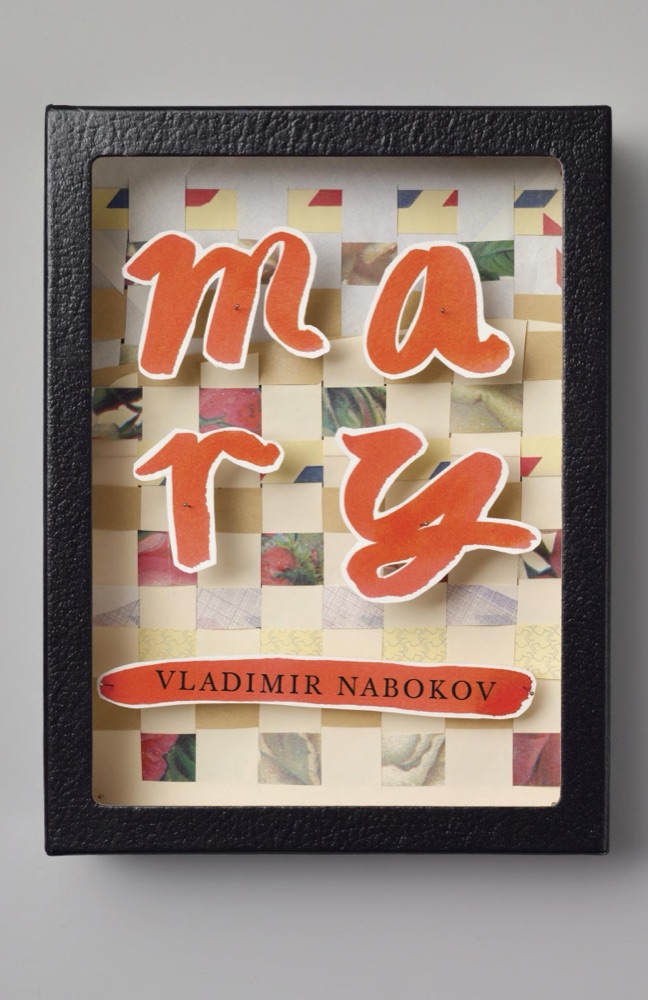 Mary
Mary
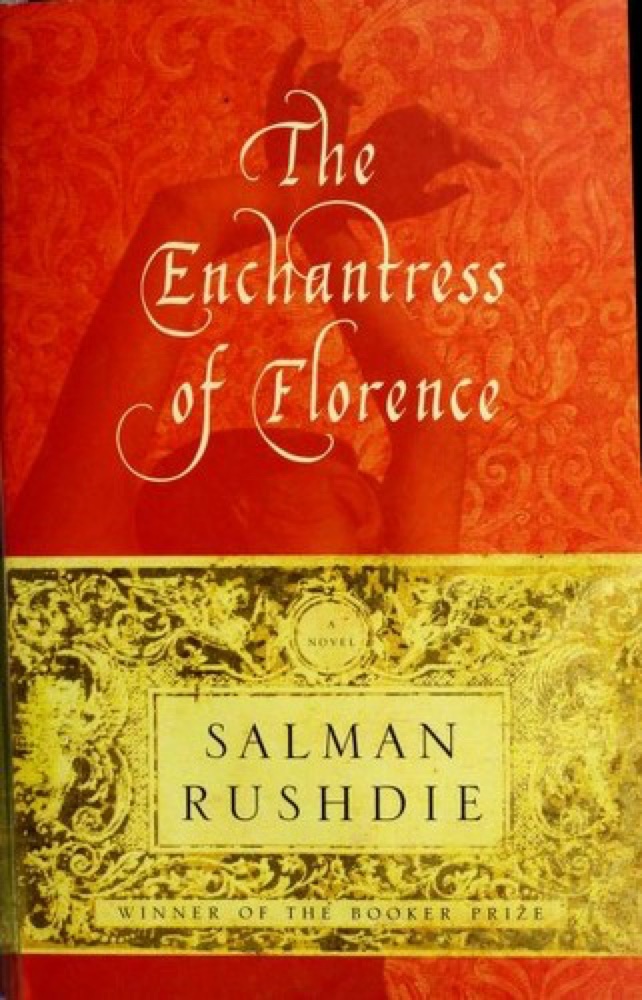 The Enchantress of Florence
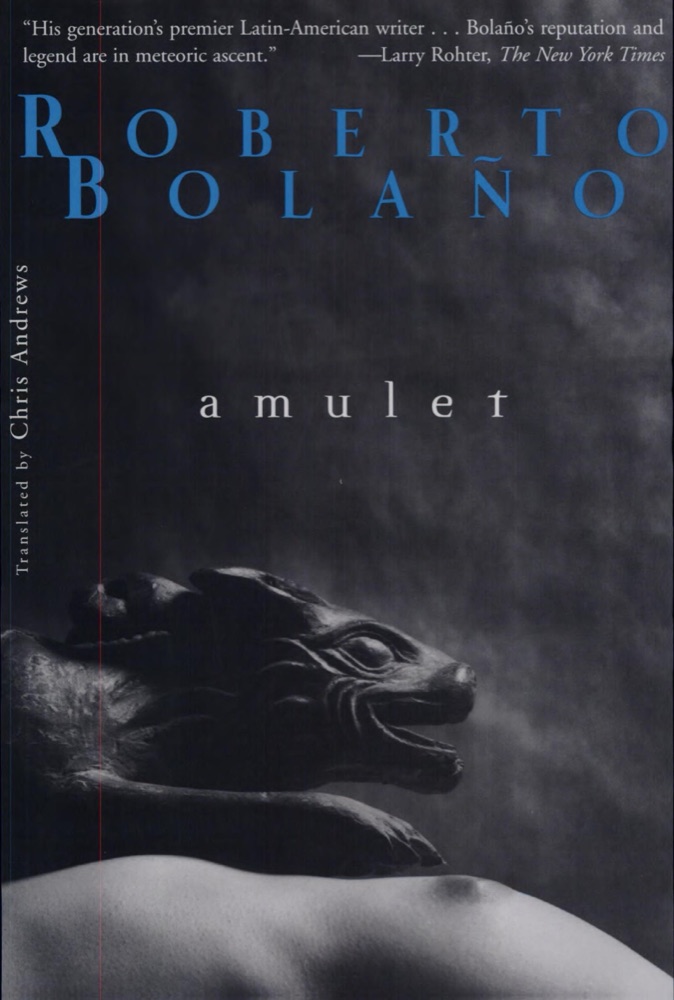 Amulet
 The Charioteer
 While England Sleeps
 The Real Life of Sebastian Knight
 Zorro
Zorro
 My Last Sigh
 The Aleph and Other Stories
 Before Night Falls
 Rappaccini's Daughter
 Sudden Death
 A Collection of Essays
 Ficciones
 The House of the Spirits
 The Book of Sand and Shakespeare's Memory
 The Leopard
 The Sound of Things Falling
 A Long Petal of the Sea
 Summertime
 The Mystery of Edwin Drood
 Selected Stories
 Selected Stories of Anton Chekhov
 Stoner
 V.
V.
 The Bridge of San Luis Rey
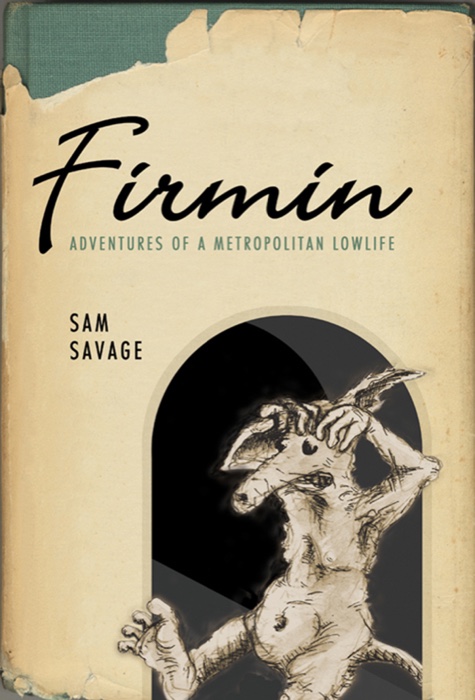 Firmin: Adventures of a Metropolitan Lowlife
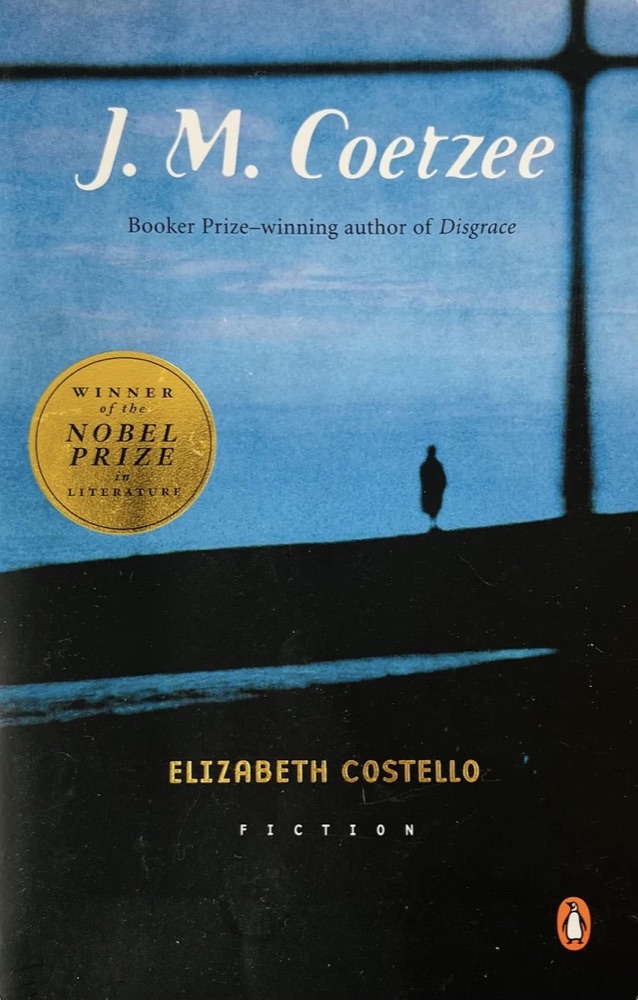 Elizabeth Costello
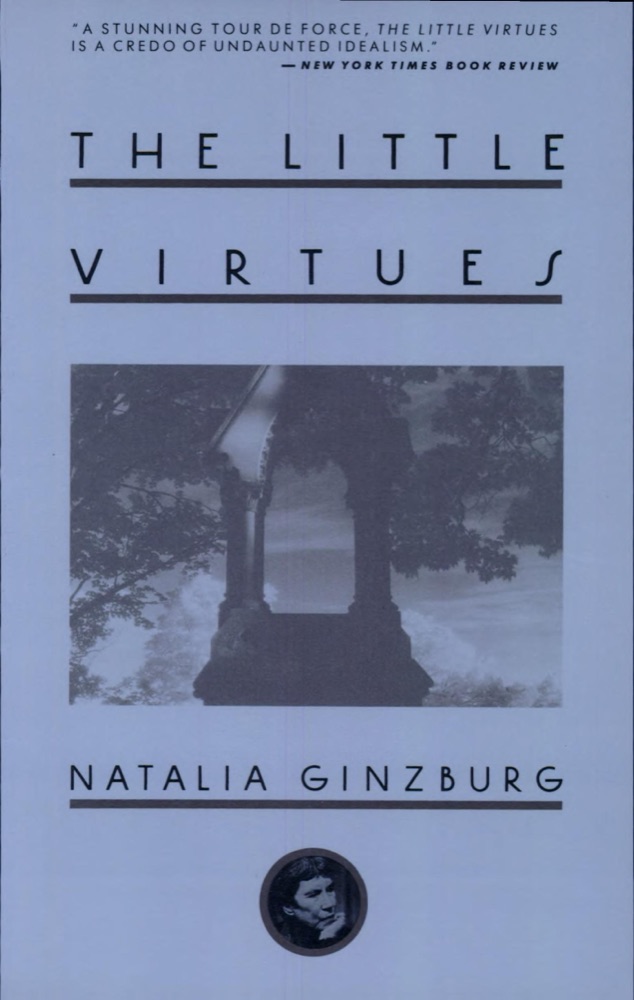 The Little Virtues
 The Story of the Lost Child
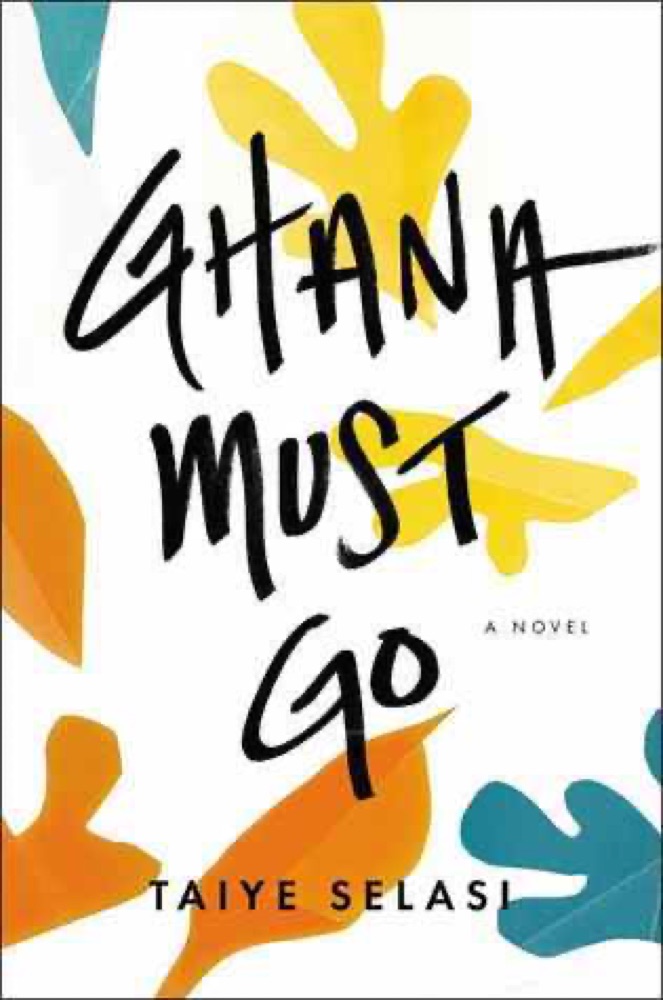 Ghana Must Go
 London Fields
 The Tunnel
 The Castle of Crossed Destinies
 The Midnight Palace
 Brideshead Revisited: The Sacred and Profane Memories of Captain Charles Ryder
 The Book of My Lives
 City of Glass
 Our Country Friends
The Savage Detectives
Our Country Friends
The Savage Detectives
 Ship of Fools
 Martin Eden
 The Finkler Question
 Miss Lonelyhearts
 My Father's House
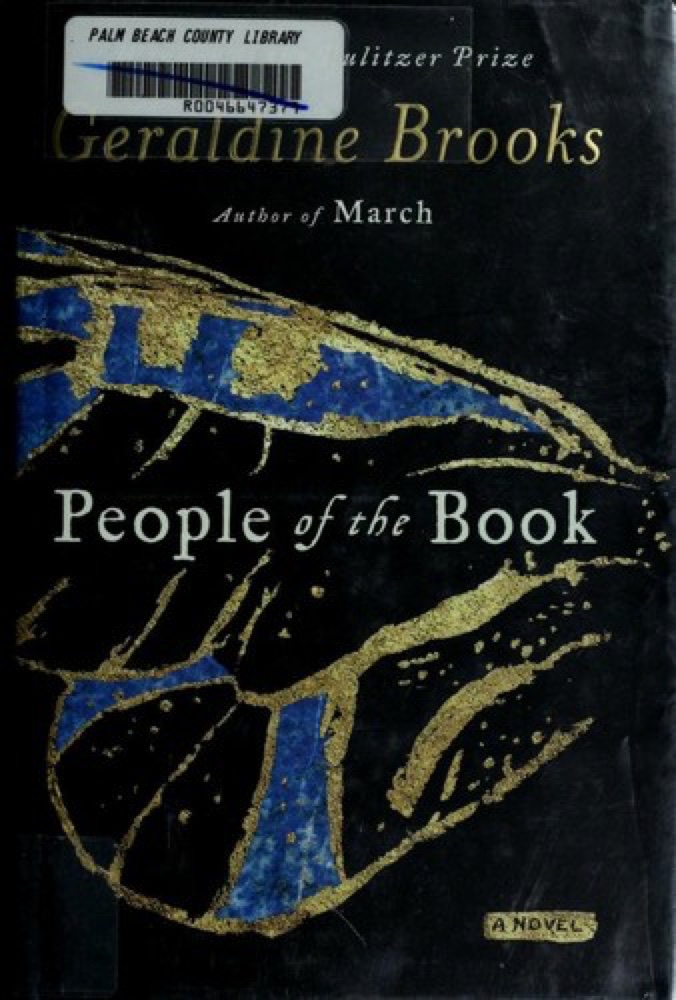 People of the Book
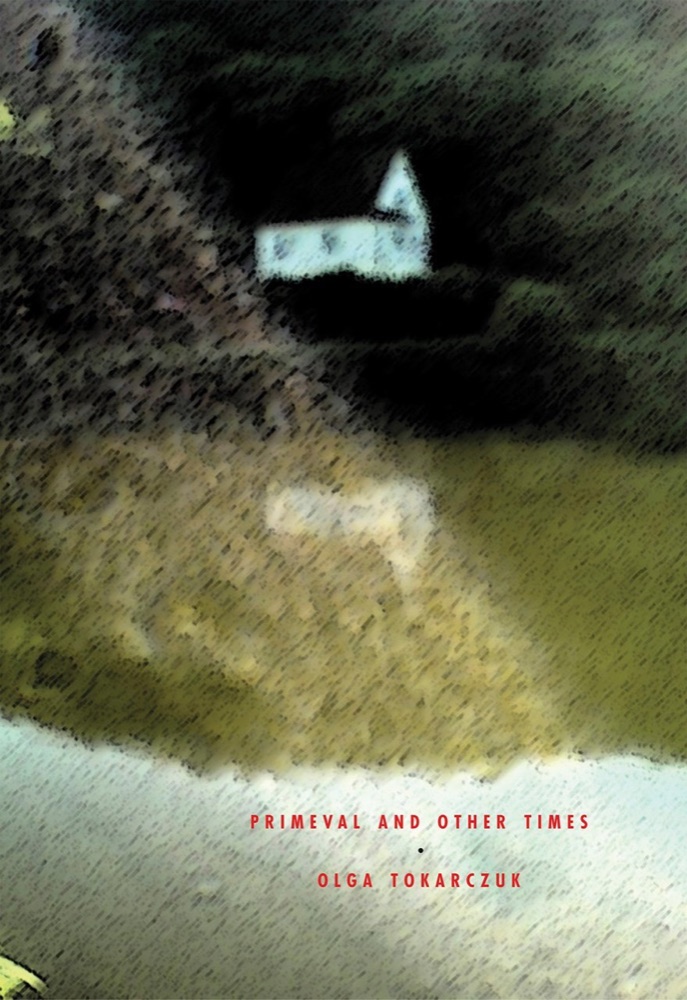 Primeval and Other Times
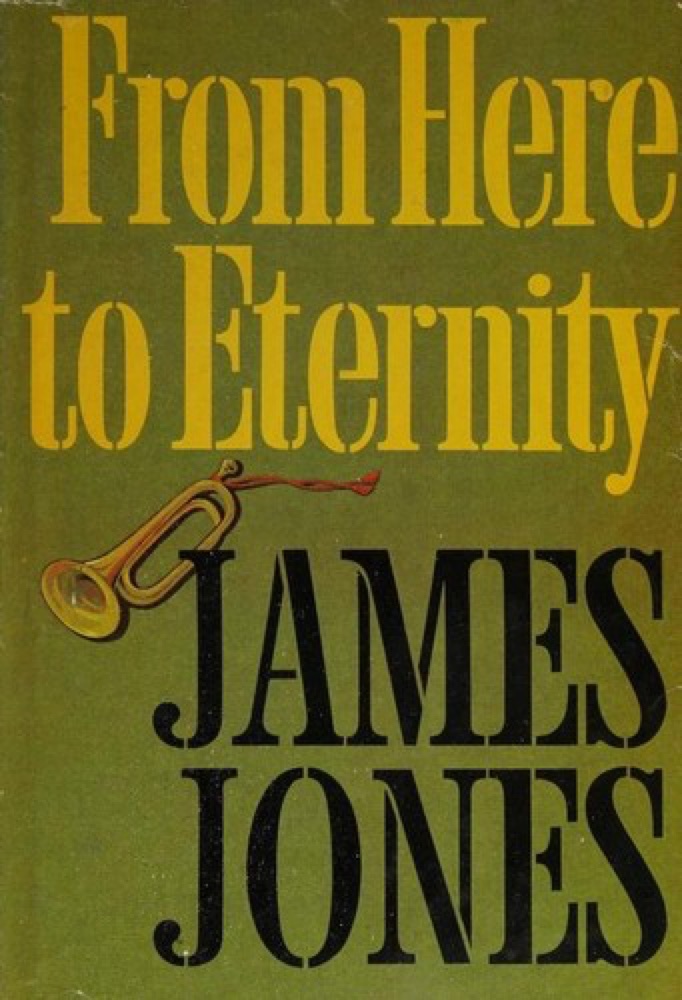 From Here to Eternity
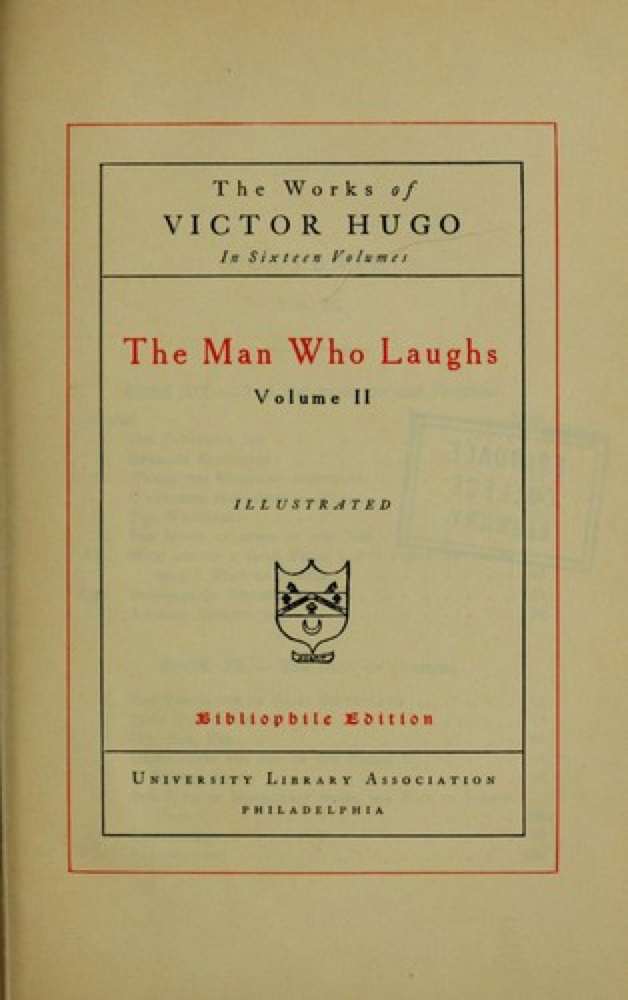 The Man Who Laughs
 Another Country
 Under the Volcano
 Those Who Leave and Those Who Stay
 Ada, or Ardor: A Family Chronicle
 The House of Broken Angels
 Orlando
 The Floating Opera
 Eyeless in Gaza
 The Collected Tales of Nikolai Gogol