
 Wilding
Quotes from the Book
species have the potential to sink or save the ecosystem, depending on the circumstances. Knowing that we must preserve ecosystems with as many of their interacting species as possible defines our challenge in no uncertain terms. It helps us to focus on the ecosystem as an integrated functioning unit, and it deemphasizes the conservation of single species. Surely this more comprehensive approach is the way to go.
5
Your leaf litter can be home to a rich assortment of native plants while it is fertilizing, mulching, and watering your land.
3
We have allowed alien plants to replace natives all over the country. Our native animals and plants cannot adapt to this gross and completely unnatural manipulation of their environment in time to negate the consequences. Their only hope for a sustainable future is for us to intervene to right the wrongs that we have perpetrated.
1
30 percent of all animals are beetles.
Notice that she is able to produce young without mating with a male (parthenogenesis) and that her offspring are born live (viviparity).
One acre of alfalfa can indefinitely support aphids at a biomass equivalent to that of an elephant, whereas an elephant would eat all of the alfalfa in that acre in a matter of hours
The ovipositor of tree and bush crickets is needlelike and is used to insert eggs into the stems of plants like goldenrod and blackberries. These eggs stay in the stems all winter and hatch in the spring. This is one reason it is important not to mow field vegetation in the fall: fall mowing destroys the following year’s population of crickets and their role in the food web.
might mention the imperative of rescuing endangered native plants from extinction.
If we humans are capable of turning hundreds of millions of acres of rainforest into depleted grasslands, and extirpating millions of buffalo from the plains, and billions of passenger pigeons from the skies and cod from the North Atlantic, we are also capable of returning natives to our gardens.
Watch on YouTube
About Douglas W. Tallamy
We have collected 9 quotes from 1 book by Douglas W. Tallamy on BookQuoters.
More about the author →About the book
As development and subsequent habitat destruction accelerate, there are increasing pressures on wildlife populations. But there is an important and simple step toward reversing this alarming trend: Everyone with access to a patch of earth can make a significant contribution toward sustaining biodiversity.
There is an unbreakable link between native plant species and native wildlife—native insects cannot, or will not, eat alien plants. When native plants disappear, the insects disappear, impoverishing the food source for birds and other animals. In many parts of the world, habitat destruction has been so extensive that local wildlife is in crisis and may be headed toward extinction.
Bringing Nature Home has sparked a national conversation about the link between healthy local ecosystems and human well-being, and the new paperback edition—with an expanded resource section and updated
Book details
- First published
- 2007
- Author
- Douglas W. Tallamy
- Genre
- Nonfiction
- Goodreads rating
- 4.45 (4k ratings)
Keep reading
Wilding
 The Sixth Extinction: An Unnatural History
 The Forest Unseen: A Year’s Watch in Nature
 Wild Ones: A Sometimes Dismaying, Weirdly Reassuring Story About Looking at People Looking at Animals in America
 The Secret Wisdom of Nature: Trees, Animals, and the Extraordinary Balance of All Living Things ― Stories from Science and Observation
 The Light Eaters: How the Unseen World of Plant Intelligence Offers a New Understanding of Life on Earth
 The Hidden Life of Trees: What They Feel, How They Communicate: Discoveries from a Secret World
 A Life on Our Planet: My Witness Statement and a Vision for the Future
 Regenesis: Feeding the World Without Devouring the Planet
 Feral: Rewilding the Land, the Sea and Human Life
 Vanishing Treasures: A Bestiary of Extraordinary Endangered Creatures
 The Earth Moved: On the Remarkable Achievements of Earthworms
 Under a White Sky: The Nature of the Future
 The World Without Us
 Second Nature: A Gardener's Education
 The Origin of Species
 The Ends of the World
 Gathering Moss: A Natural and Cultural History of Mosses
 Fuzz: When Nature Breaks the Law
 Mother of God: An Extraordinary Journey into the Uncharted Tributaries of the Western Amazon
 Mycelium Running: How Mushrooms Can Help Save the World
 The Third Chimpanzee: The Evolution and Future of the Human Animal
 The Botany of Desire: A Plant's-Eye View of the World
 Silent Spring
 The Vegetarian Myth: Food, Justice, and Sustainability
 The Overstory
 Shadows of Forgotten Ancestors
 Pastoral Song: A Farmer’s Journey
 The Third Plate: Field Notes on the Future of Food
 Elephant Whisperer
 The Genius of Birds
 Bringing it to the Table: On Farming and Food
 All We Can Save: Truth, Courage, and Solutions for the Climate Crisis
 The Last Days of the Dinosaurs: An Asteroid, Extinction, and the Beginning of Our World
 The Rise and Reign of the Mammals: A New History, from the Shadow of the Dinosaurs to Us – A Bestselling Book on the Natural History of Mammalian Evolution
 The Story of More: How We Got to Climate Change and Where to Go from Here
 The Ancestor's Tale: A Pilgrimage to the Dawn of Evolution
 Undeniable: Evolution and the Science of Creation
 Animal Liberation
 The Mushroom at the End of the World: On the Possibility of Life in Capitalist Ruins
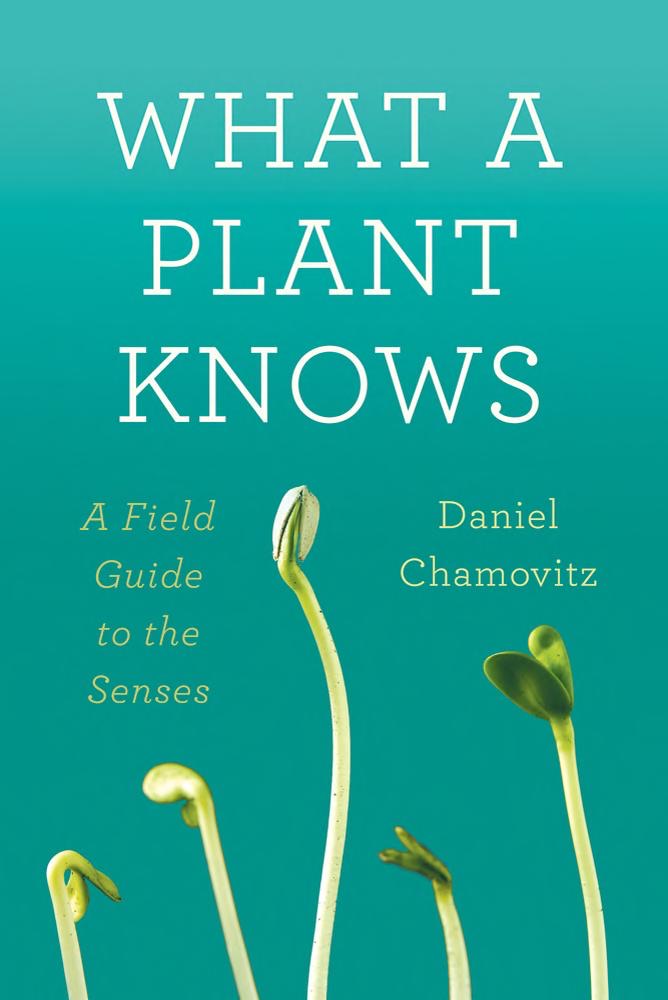 What a Plant Knows: A Field Guide to the Senses
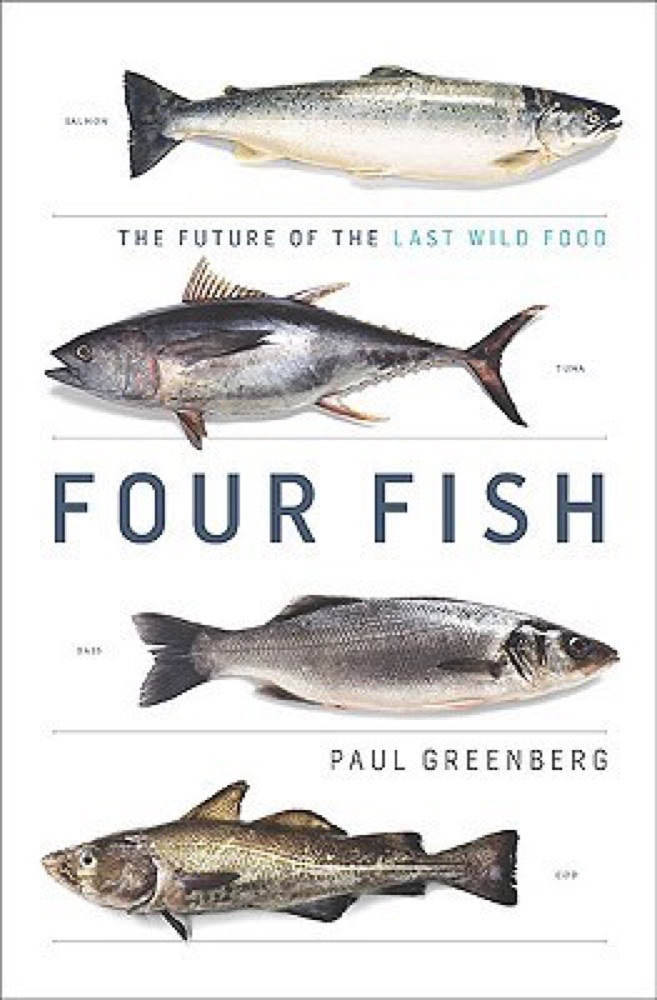 Four Fish: The Future of the Last Wild Food
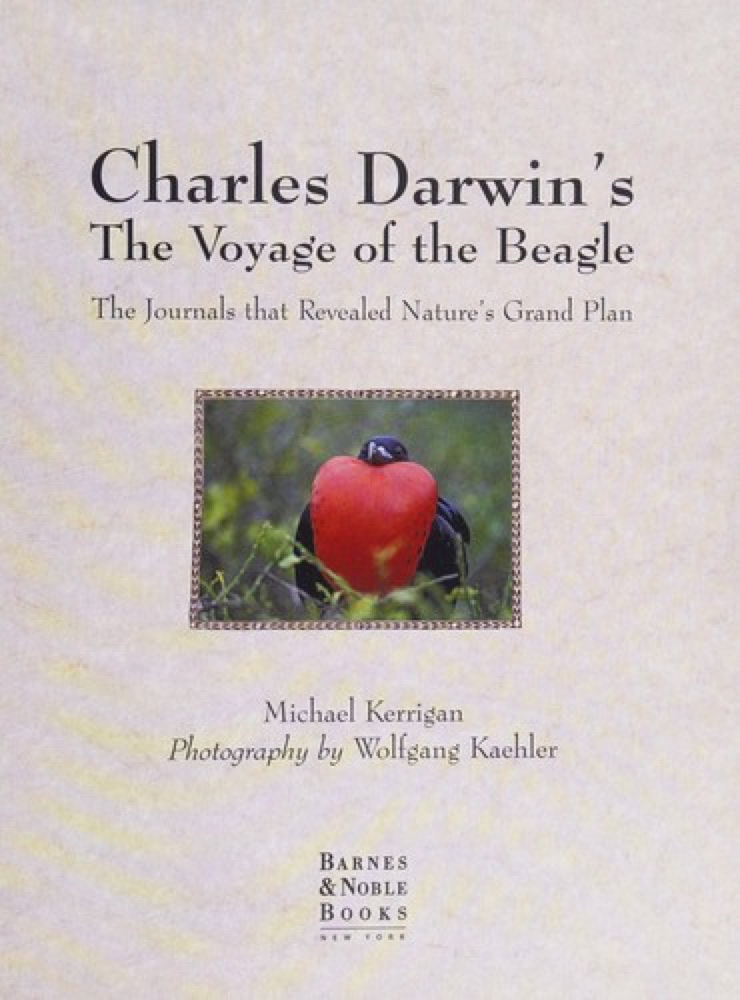 Voyage of the Beagle
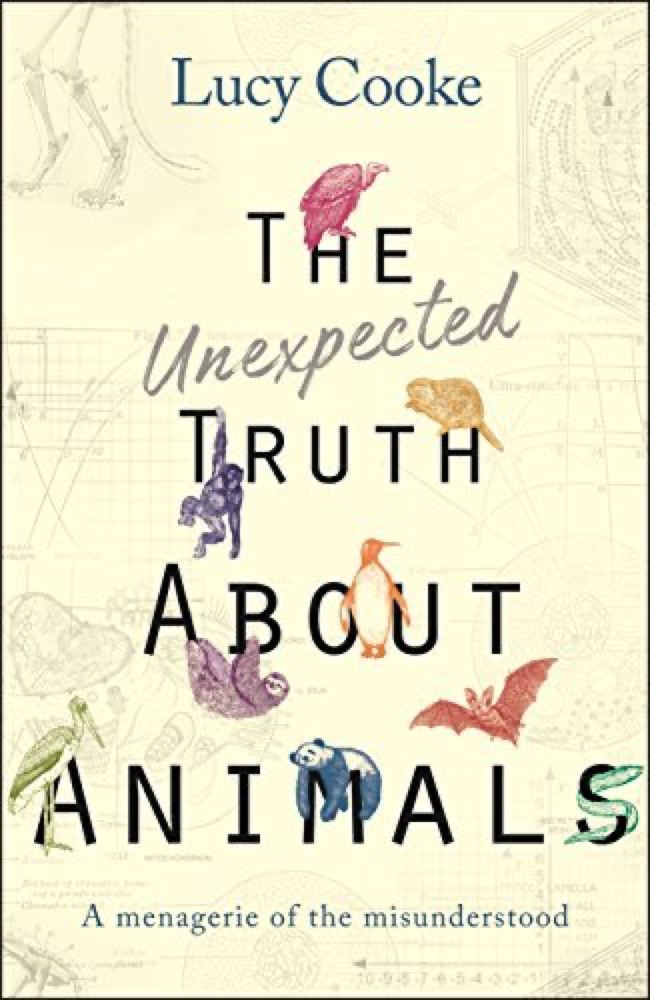 The Unexpected Truth About Animals: A Menagerie of the Misunderstood
 A Sand County Almanac and Sketches Here and There
 Semiosis
 Coyote America: A Natural and Supernatural History
 The Swamp: The Everglades, Florida, and the Politics of Paradise
 The Backyard Bird Chronicles
 Entangled Life: How Fungi Make Our Worlds, Change Our Minds & Shape Our Futures
 Falter: Has the Human Game Begun to Play Itself Out?
 The Omnivore's Dilemma: A Natural History of Four Meals
 The One-Straw Revolution
 The Eagle Tree
 Last Chance to See
 Babylon's Ark: The Incredible Wartime Rescue of the Baghdad Zoo
 Folks, This Ain't Normal: A Farmer's Advice for Happier Hens, Healthier People, and a Better World
 Why We Run: A Natural History
 Other Minds
 The Lives of a Cell: Notes of a Biology Watcher