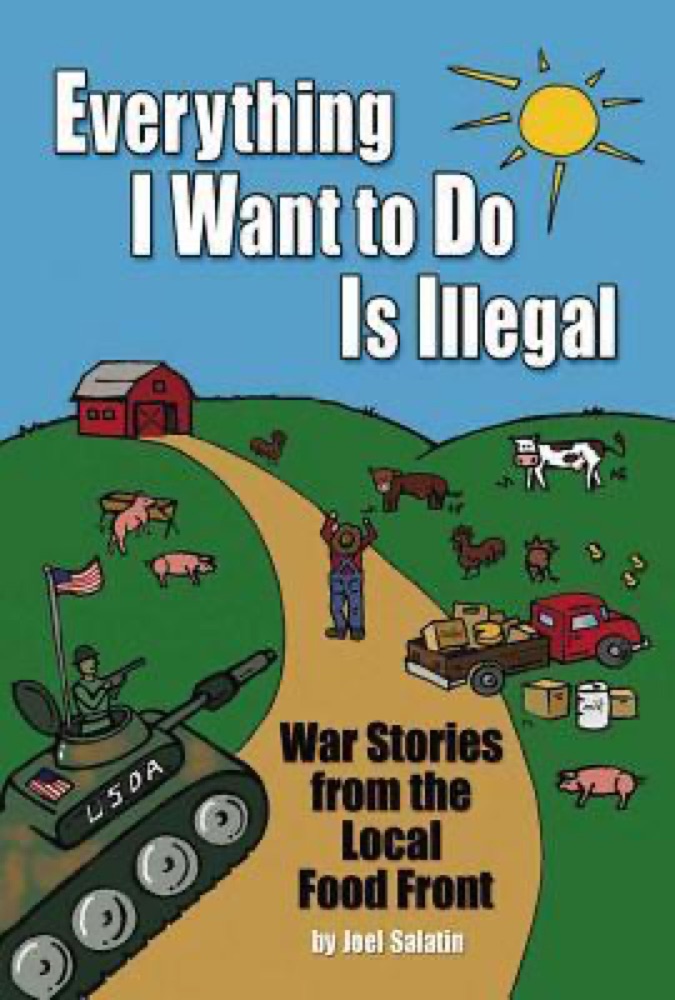
 Everything I Want To Do Is Illegal: War Stories from the Local Food Front
Quotes from the Book
The first supermarket supposedly appeared on the American landscape in 1946. That is not very long ago. Until then, where was all the food? Dear folks, the food was in homes, gardens, local fields, and forests. It was near kitchens, near tables, near bedsides. It was in the pantry, the cellar, the backyard.
100
Read things you're sure will disagree with your current thinking. If you're a die-hard anti-animal person, read Meat. If you're a die-hard global warming advocate, read Glenn Beck. If you're a Rush Limbaugh fan, read James W. Loewen's Lies My Teachers Told Me. It'll do your mind good and get your heart rate up.
28
The same teen who can't legally operate a four-wheeler, or [ATV]...in a farm lane workplace environment can operate a jacked-up F-250 pickup on a crowded urban expressway. By denying these [farm work] opportunities to bring value to their own lives and the community around them, we've relegated our young adults to teenage foolishness. Then as a culture we walk around shaking our heads in bewilderment at these young people with retarded maturity. Never in life do people have as much energy as in their teens, and to criminalize leveraging it is certainly one of our nation's greatest resource blunders.
27
Realize that agendas drive data, not the other way round
26
The average person is still under the aberrant delusion that food should be somebody else's responsibility until I'm ready to eat it.
22
A farmer friend of mine told me recently about a busload of middle school children who came to his farm for a tour. The first two boys off the bus asked, "Where is the salsa tree?" They thought they could go pick salsa, like apples and peaches. Oh my. What do they put on SAT tests to measure this? Does anybody care? How little can a person know about food and still make educated decisions about it? Is this knowledge going to change before they enter the voting booth? Now that's a scary thought.
22
This magical, marvelous food on our plate, this sustenance we absorb, has a story to tell. It has a journey. It leaves a footprint. It leaves a legacy. To eat with reckless abandon, without conscience, without knowledge; folks, this ain't normal.
22
Food security is not in the supermarket. It's not in the government. It's not at the emergency services division. True food security is the historical normalcy of packing it in during the abundant times, building that in-house larder, and resting easy knowing that our little ones are not dependent on next week's farmers' market or the electronic cashiers at the supermarket.
17
I saw a news report recently that measured average video game use by American men between the ages of twenty-five and thirty-five: twenty hours per week. Do you mean the flower of America's masculinity can't think of anything more important to do with twenty hours a week than sit in front of a video screen? Folks, this ain't normal. Can't we unplug already?
13
Farms and food production should be, I submit, at least as important as who pierced their navel in Hollywood this week. Please tell me I'm not the only one who believes this. Please. As a culture, we think we're well educated, but I'm not sure that what we've learned necessarily helps us survive.
13
Our animals don't do drugs. Instead, we move them almost daily in a tightly choreographed ballet from pasture spot to pasture spot.
13
That many if not most people...who want fresh leafy greens in January buy them at the supermarket after they've been bleached and plastic-bag shipped from California or beyond is not a tribute to modern technology; it's an unprecedented abdication of personal responsibility and a ubiquitous benchmark of abnormality.
9
How many of us lobby for green energy or protected lands, but don't engage with the local bounty to lay by for tomorrow's unseasonal reality? That we tend to not even think about this as a foundation for solutions in our food systems shows how quickly we want other people to solve these issues.
7
In my opinion, if there is one extremely legitimate use for petroleum besides running wood chippers and front-end loaders to handle compost, it's making plastic for season extension. It parks many of the trucks [for cross-country produce transportation]. With the trucks parked, greenhouses, tall tunnels, and more seasonal, localized eating, can we feed ourselves? We still have to answer that burning question.
5
If every kitchen in America had enough chickens attached to it to eat all of the scraps coming out of that kitchen, no egg industry or commerce would be necessary in the whole country.
4
You don’t have roosters with your laying hens. How do they lay eggs?” Dear folks, chickens don’t need roosters to lay eggs. They need roosters to hatch eggs, but not to lay them. Just like women don’t need men to lay eggs; they just need a man to hatch one. A mere century ago, not one in a hundred would have been ignorant of this common agrarian knowledge.
4
President Barack Obama, supposed friend of the common man, has put Monsanto’s own vice president, GMO shepherd Michael Taylor, in charge of food safety.
4
That ought to be our stewardship mandate, to create Edens wherever we go. That’s why humans are here. Our responsibility is to extend forgiveness into the landscape.
4
I was on a radio talk show in Vermont one January and the host was giving me a hard time about organic food prices. “I had a party at my house last week and wanted to serve corn on the cob, so I went down to the supermarket and the regular corn was $2.49 for a dozen ears and the organic was $4.89. How can you justify that?” Wrong question. The question is, “Why do you need fresh sweet corn in Vermont in January? You should be eating canned, frozen, or parched corn that you made late in the summer when farmers could scarcely give their corn away because people were over that and going for the fall squash and potatoes.” He should have been feeding these guests from his own larder, amassed months earlier when farmers’ market vendors were feeding half their late-season success to the compost pile. It happens everywhere and all the time. Restoring normalcy is our problem—you and me—not somebody else’s problem.
4
Look, if you need sexy egg cartons to sell our eggs, then you need to educate your customers. We don’t intend to patronize big oil just so we can sell eggs at Whole Foods.
2
When a container of foreign goodies arrives in the village, everyone mobs the freebies and takes the Western handouts. This collapses the local business and these displaced go-getters become the famous warlords we in the West have all learned are the nexus of all those people’s problems.
2
Tolerably good workmen in any of those mechanic arts are sure to find employ, and to be well paid for their work, there being no restraints preventing strangers from exercising any art they understand, nor any permission necessary. If they are poor, they begin first as servants or journeymen; and if they are sober, industrious, and frugal, they soon become masters, establish themselves in business, marry, raise families, and become respectable citizens.
2
This abnormal cheap energy petroleum age may appear to be a bonanza, but in the long run it has shredded boundaries and proximities that defined economic and social normalcy for centuries. In the continuum of human history, this petroleum age is a mere blip. Cheap energy, on a timeline, is scarcely a speck on the chart. Yet we have the audacity, the irrationality, to plunge forward with building designs, suburban designs, transportation designs as if this cheap
1
a risk-free life is a life that’s not worth living.
1
The United States now has too few farmers to merit counting on the national census form. As a culture, we don’t cook at home. We don’t have a larder. We’re tuned in, plugged in, addicted to electronic gadgetry to the exclusion of a whippoorwill’s midsummer song or a herd of cows lying down contentedly on the leeward side of a slope, indicating a thunderstorm in the offing. Most modern Americans can’t conceive of a time without supermarkets, without refrigeration, stainless steel, plastic, bar codes, potato chips.
1
Long after we've experimented with the final bizarre thing to feed cows, they will still do best eating grass. After we've exhausted the drugs, vaccines, and transgenic modification, our animals will still want to express their distinctives, live in historically normal habitats, and fill their traditional role. Long after the final i-gadget has been discovered, we'll still yearn for hugs, kisses, and personal conversations. When we've traveled to the last exotic place and finished participating in the last recreational or entertainment venue on our list, we will want a haven and we will call it home. ...I'm surrounded by loving family - multiple generations. I'm surrounded by enthusiastic young people. I'm surrounded by land that I've watched heal over these last fifty years, from a worn-out, gullied mess to verdant pastures supporting poultry, cows, pigs, and rabbits. The intensity of my feelings springs from the intimacy of my knowledge of this place, its surroundings, the weather patterns, the seasons. I believe this is historically normal, and I covet that for others. Now go be a normal person.
If we have to know every contingency before we move, we have the proverbial paralysis by analysis. The truth is that if everyone who could do what is noble and right would do it now, the cultural shift would be like an epic earthquake. And that would make room for the next set of changes. Defending our own intransigence to change by pointing out the desperate state of those who can’t is simply irresponsible at best and negligent at worst. We can make excuses until the cows come home. What we need to do is be faithful with what we know until the cows show up. They may show up and they may not, but we have a job list right now. Let’s get at it. Living food,
This visceral, meaningful work makes the spirit soar with self-worth and accomplishment. This is the ultimate self-actualization. You won’t find that at the end of a video game, no matter how many times you play.
Originally planning to go with a small house concept, we found it was illegal to build a house of less than nine hundred square feet. Why? By what authority can anybody tell me what kind of house I have to live in?
Watch on YouTube
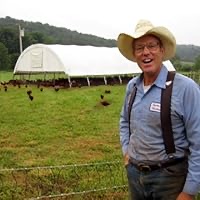
About Joel Salatin
We have collected 39 quotes from 2 books by Joel Salatin on BookQuoters.
More about the author →More by Joel Salatin
Everything I Want To Do Is Illegal: War Stories from the Local Food Front
About the book
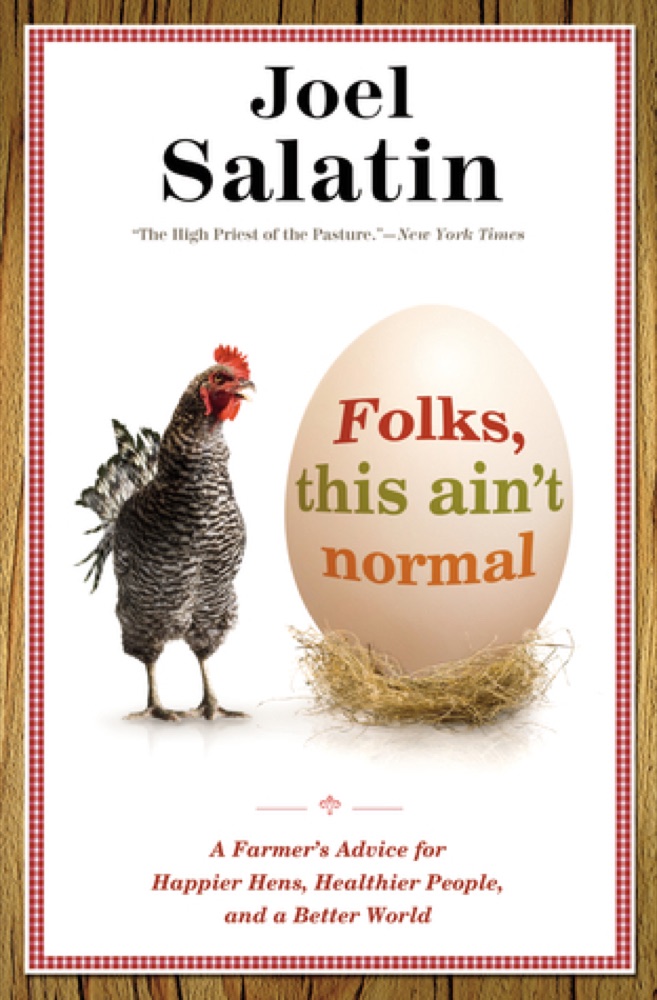
From farmer Joel Salatin's point of view, life in the 21st century just ain't normal. In FOLKS, THIS AIN'T NORMAL, he discusses how far removed we are from the simple, sustainable joy that comes from living close to the land and the people we love. Salatin has many thoughts on what normal is and shares practical and philosophical ideas for changing our lives in small ways that have big impact.
Salatin, hailed by the New York Times as "Virginia's most multifaceted agrarian since Thomas Jefferson [and] the high priest of the pasture" and profiled in the Academy Award nominated documentary Food, Inc. and the bestselling book The Omnivore's Dilemma , understands what food should Wholesome, seasonal, raised naturally, procured locally, prepared lovingly, and eaten with a profound reverence for the circle of life. And his message doesn't stop there. From child-rearing, to creating quality fam
Book details
- First published
- 2011
- Author
- Joel Salatin
- Genre
- Nonfiction
- Goodreads rating
- 4.21 (5k ratings)
Keep reading
 Bringing it to the Table: On Farming and Food
 Animal, Vegetable, Miracle: A Year of Food Life
 The Omnivore's Dilemma: A Natural History of Four Meals
 The Third Plate: Field Notes on the Future of Food
 The One-Straw Revolution
 Eating Animals
 Pastoral Song: A Farmer’s Journey
 Regenesis: Feeding the World Without Devouring the Planet
 In Defense of Food: An Eater's Manifesto
 Endgame, Vol. 1: The Problem of Civilization
 The Art of the Commonplace: The Agrarian Essays
 The World-Ending Fire: The Essential Wendell Berry
Everything I Want To Do Is Illegal: War Stories from the Local Food Front
The World-Ending Fire: The Essential Wendell Berry
Everything I Want To Do Is Illegal: War Stories from the Local Food Front
 The Vegetarian Myth: Food, Justice, and Sustainability
 The Dirty Life: On Farming, Food, and Love
 Medium Raw: A Bloody Valentine to the World of Food and the People Who Cook
 Fast Food Nation: The Dark Side of the All-American Meal
 Cooked: A Natural History of Transformation
 The Culture of Make Believe
 This is Vegan Propaganda
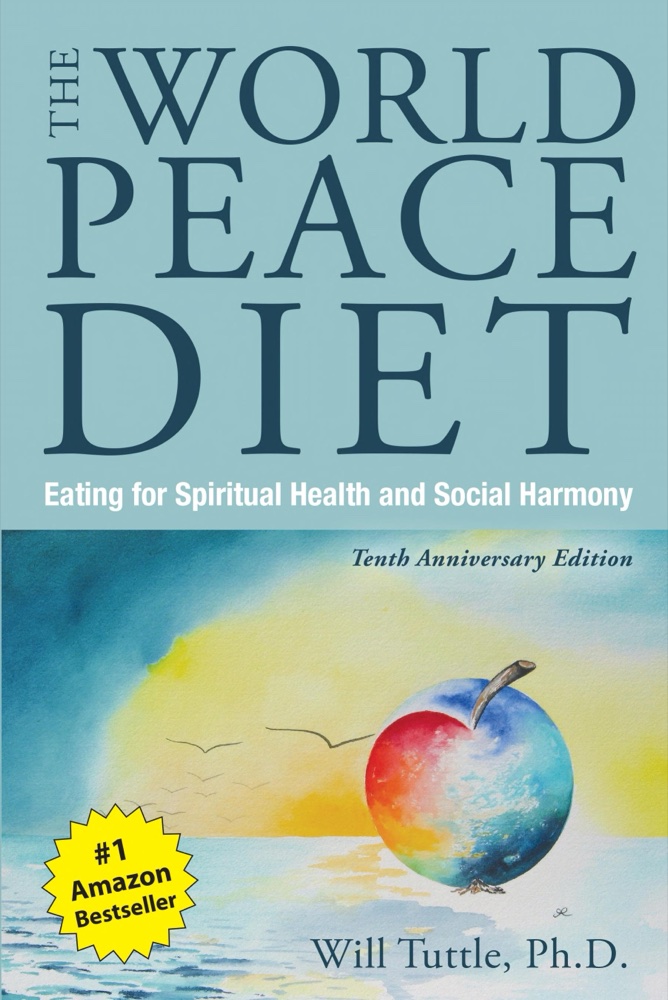 The World Peace Diet
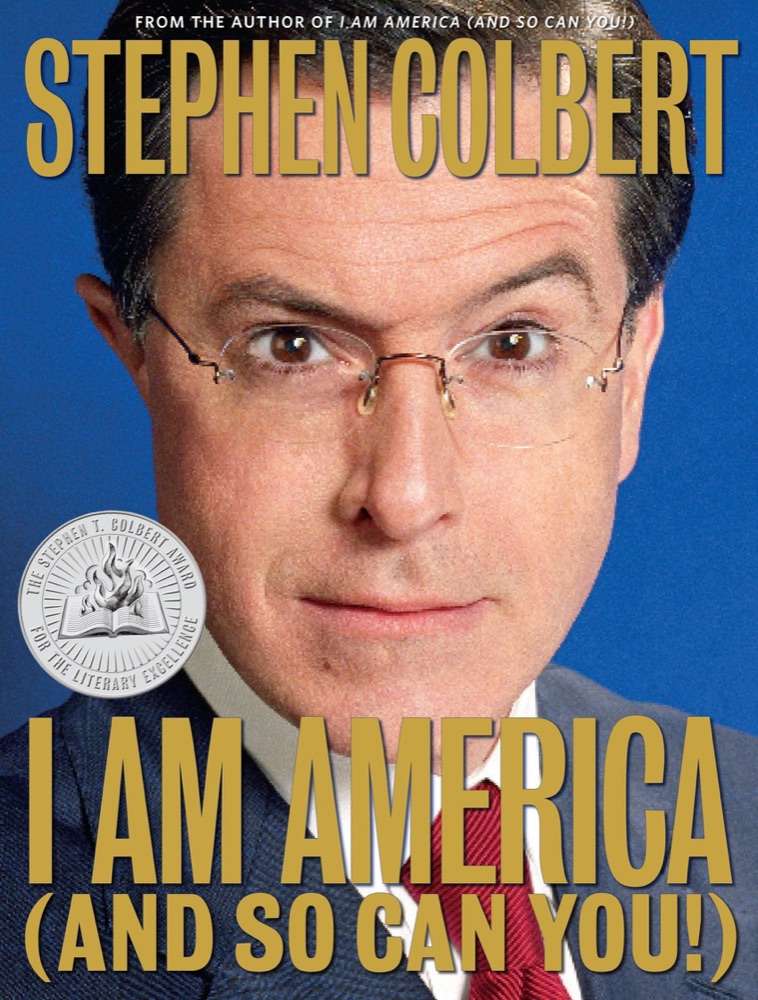 I Am America
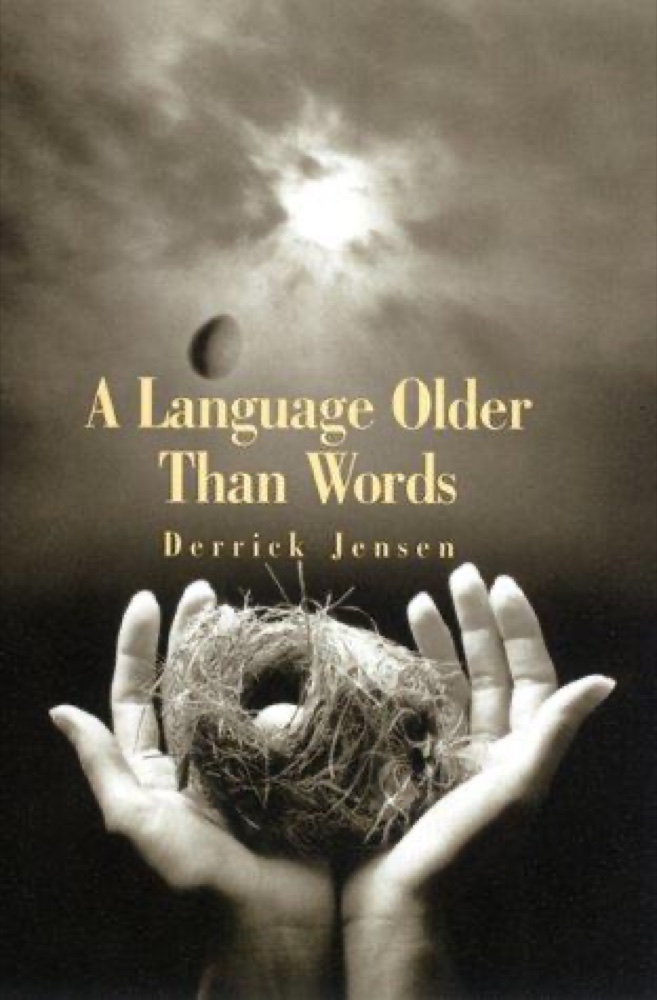 A Language Older Than Words
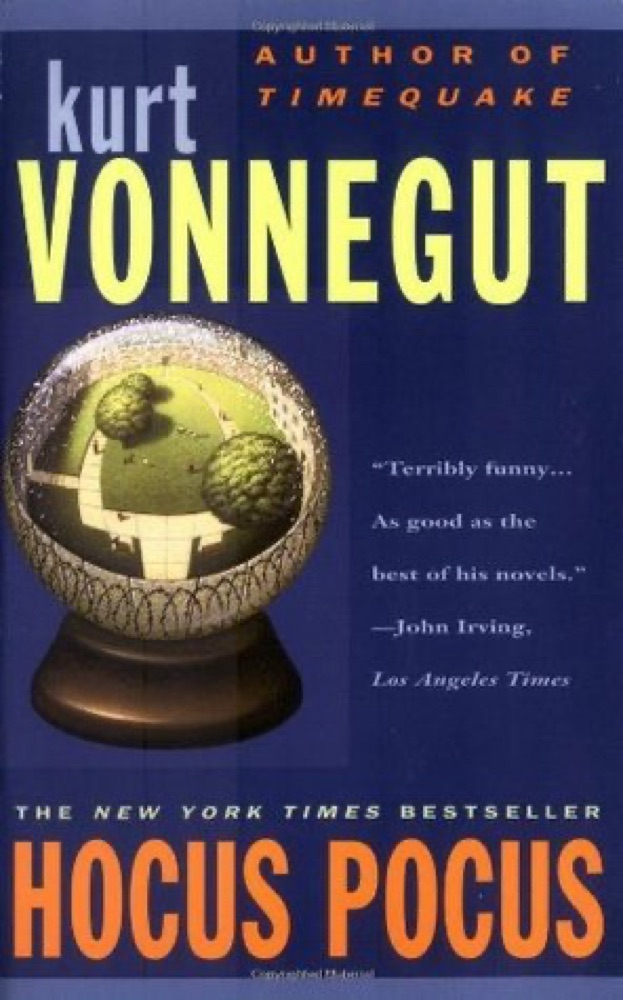 Hocus Pocus
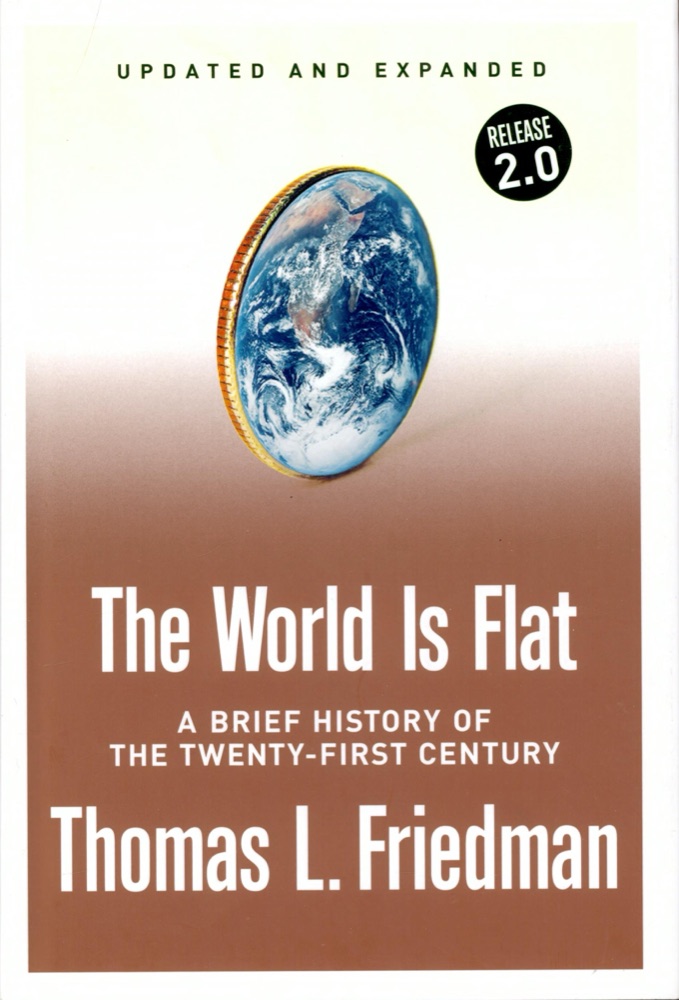 The World Is Flat: A Brief History of the Twenty-first Century
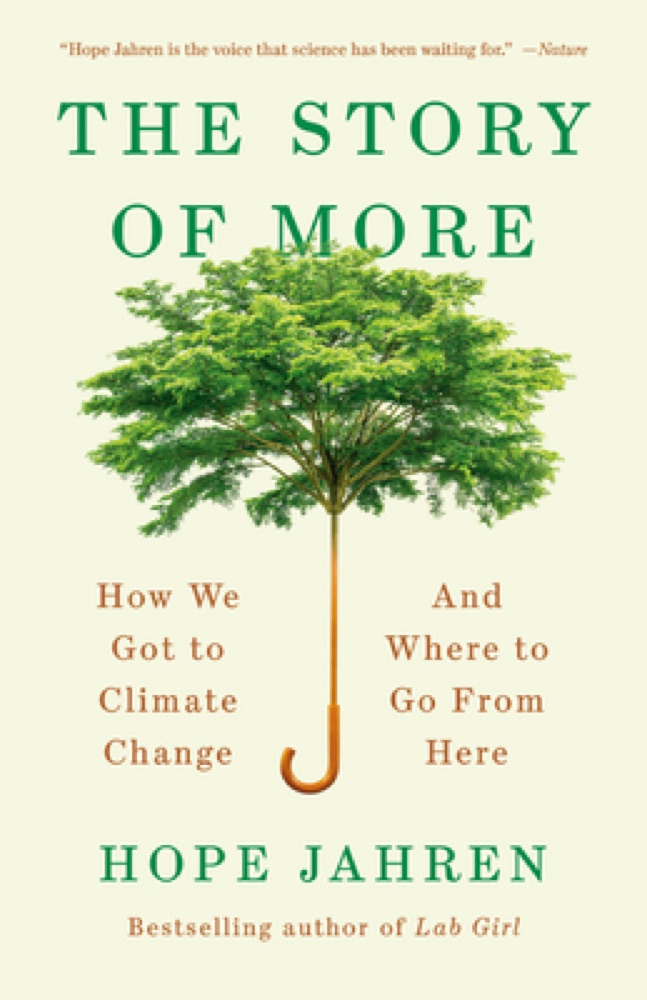 The Story of More: How We Got to Climate Change and Where to Go from Here
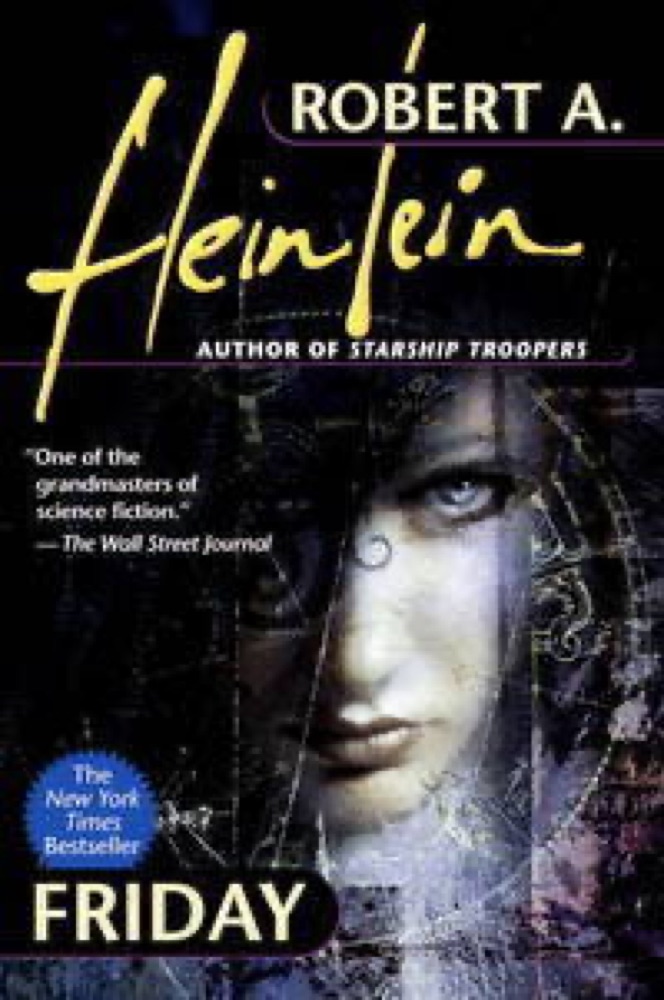 Friday
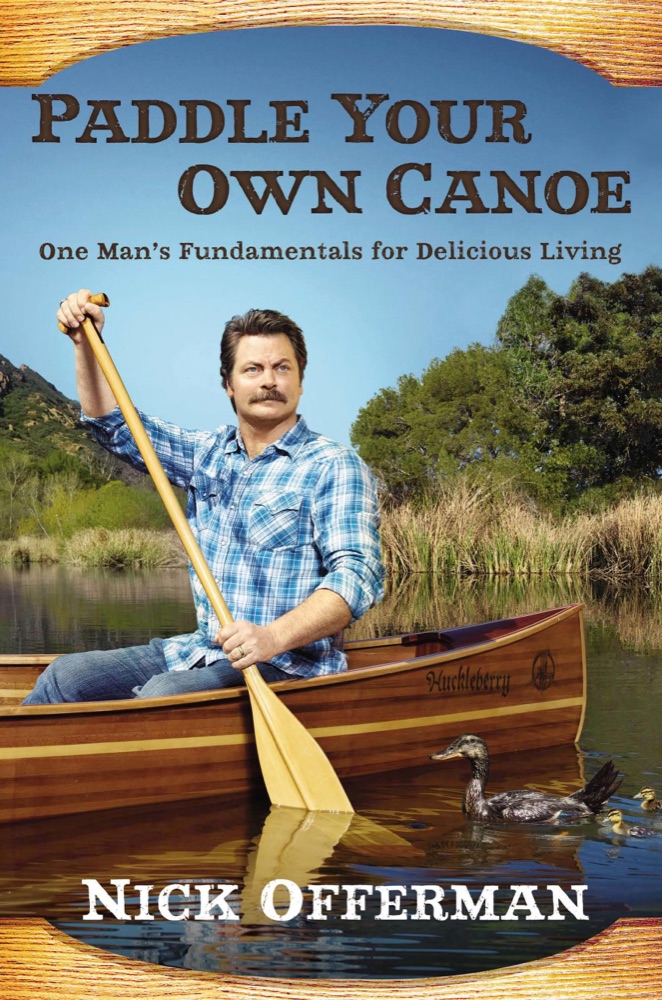 Paddle Your Own Canoe: One Man's Fundamentals for Delicious Living
 The Last American Man
 The Log from the Sea of Cortez
 A Man Without a Country
 On Fire: The Case for the Green New Deal
 Working: People Talk About What They Do All Day and How They Feel About What They Do
 The Vanishing American Adult: Our Coming-of-Age Crisis—and How to Rebuild a Culture of Self-Reliance
 One Man's Meat
 Sapiens: A Brief History of Humankind
 A Hunter-Gatherer's Guide to the 21st Century: Evolution and the Challenges of Modern Life
 The State of the Art
 Practical Ethics
 Falter: Has the Human Game Begun to Play Itself Out?
 When Will Jesus Bring the Pork Chops?
 Walden Two
 At Home: A Short History of Private Life
 Utopia for Realists: How We Can Build the Ideal World
 Nickel and Dimed: On (Not) Getting by in America
 Small Wonder
 The Rational Optimist: How Prosperity Evolves
 Kitchen Confidential: Adventures in the Culinary Underbelly
 Why We Love Dogs, Eat Pigs, and Wear Cows
 A Sand County Almanac and Sketches Here and There
 No Impact Man
 Walkaway
 The Ministry for the Future
 What's Our Problem?: A Self-Help Book for Societies
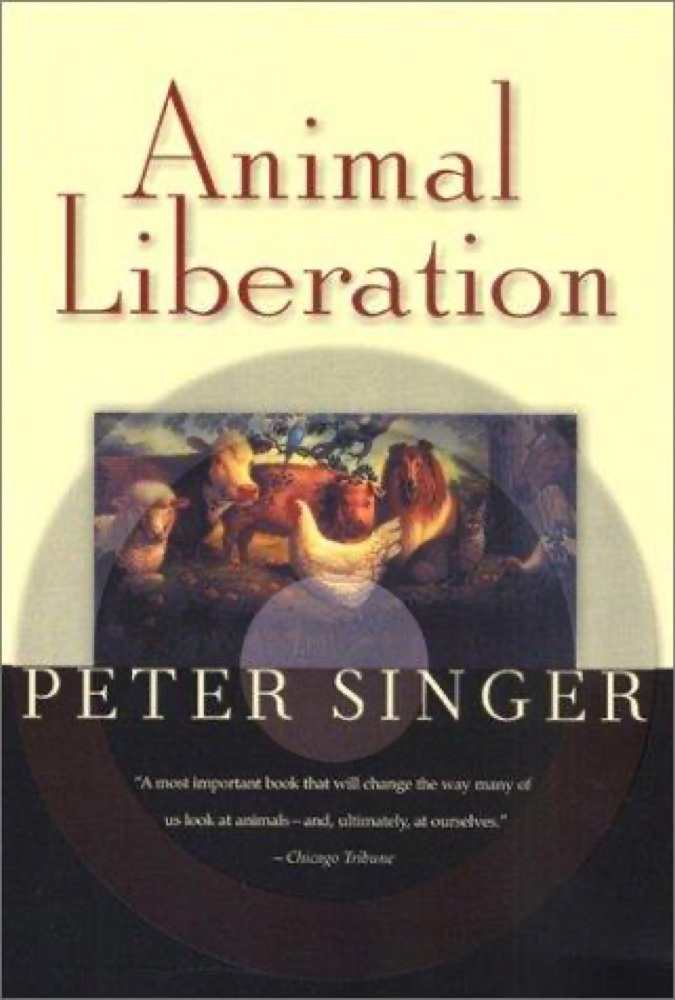 Animal Liberation
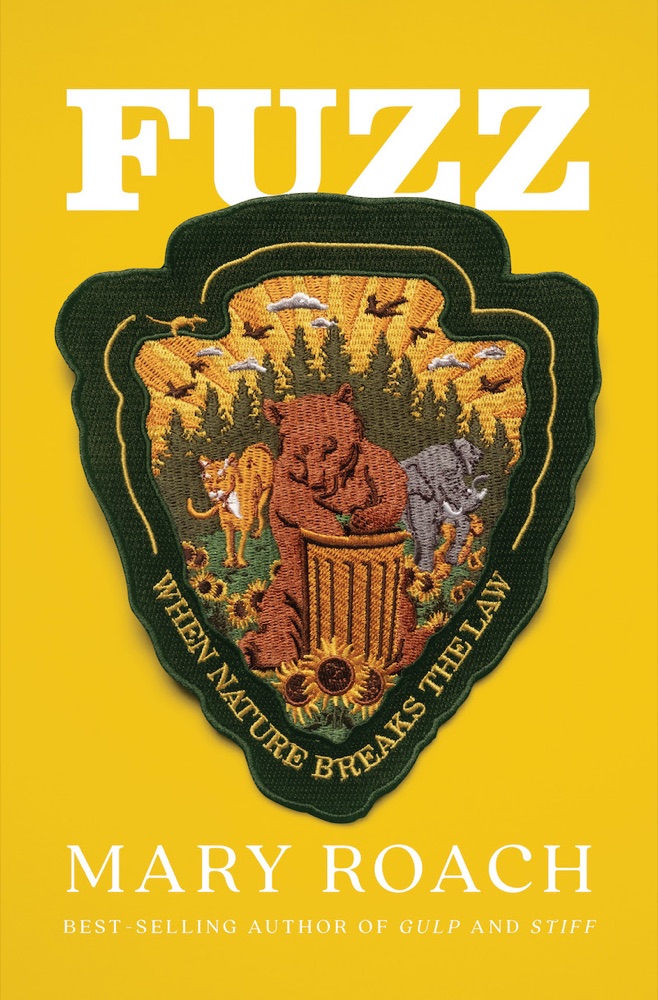 Fuzz: When Nature Breaks the Law
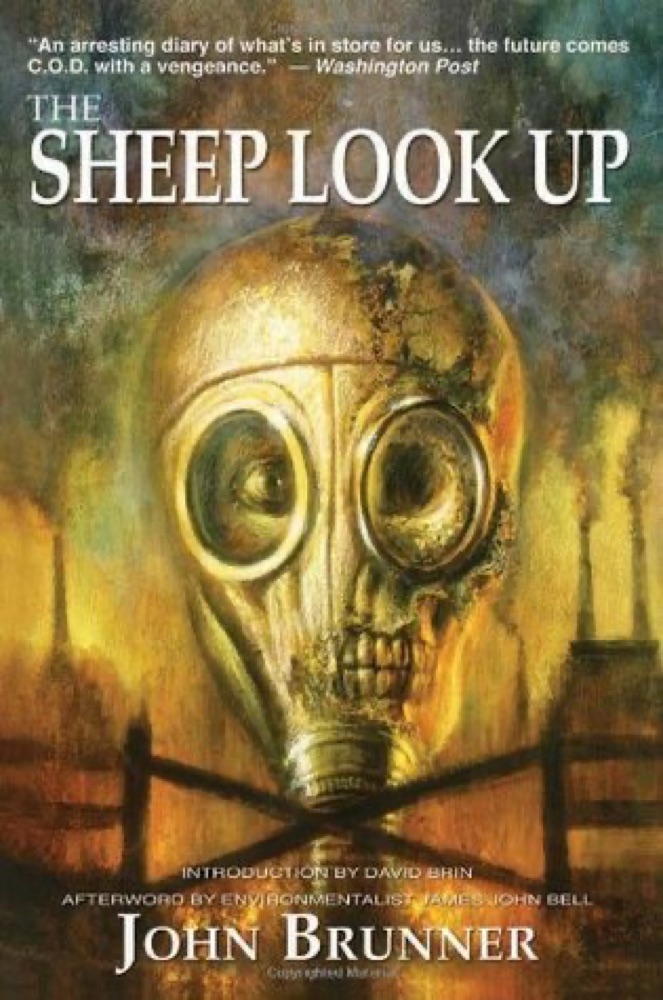 The Sheep Look Up
 Pocket Apocalypse
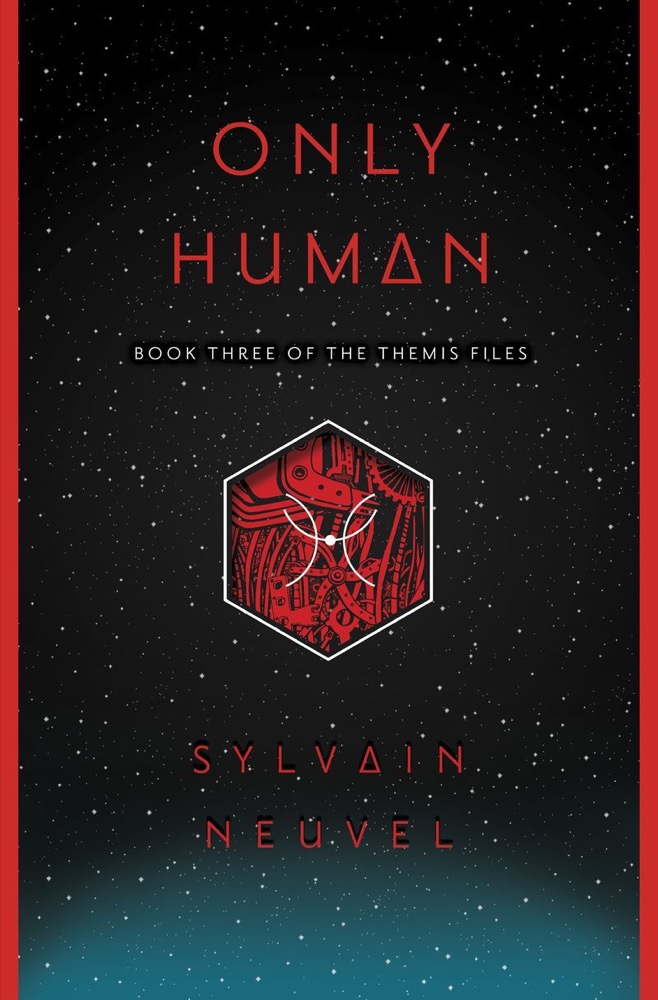 Only Human
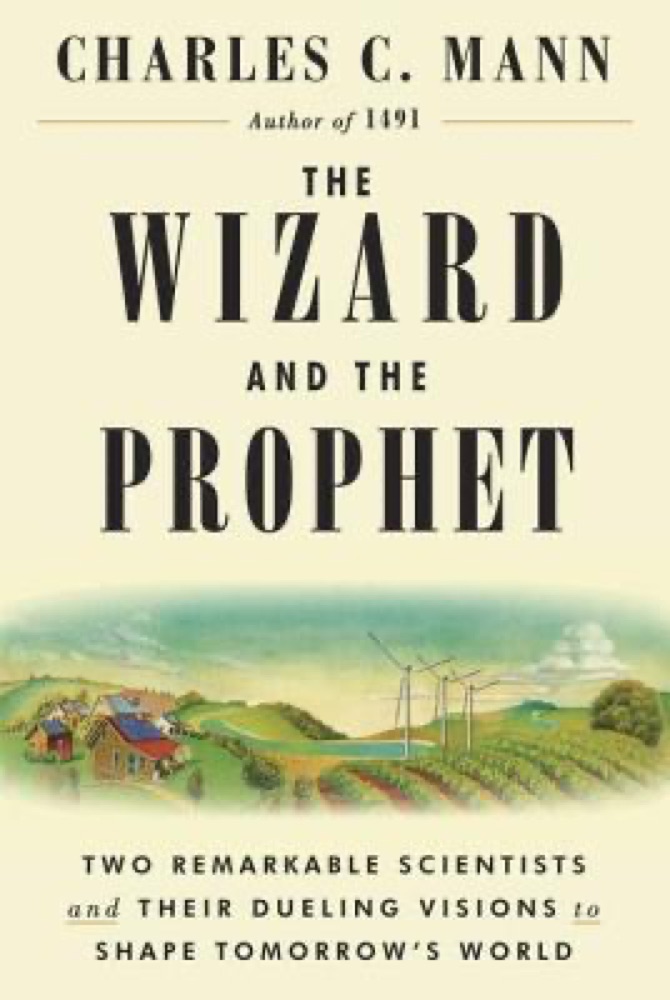 The Wizard and the Prophet: Two Remarkable Scientists and Their Dueling Visions to Shape Tomorrow's World