
 Rooftoppers
Quotes from the Book
The greatest lie that humans ever told is that the Earth is ours, and at our disposal. It's a lie with the power to destroy us all.
3
It’s a thing worth knowing: that so very rarely do we discover that any living creature is simpler than we thought
3
Protest. Protest both when you believe it will work—for we have vivid evidence of when it has worked—and when you do not. The farmer-poet-activist Wendell Berry, in his book What Are People For?, wrote: “Protest that endures, I think, is moved by a hope far more modest than that of public success: namely, the hope of preserving qualities in one’s own heart and spirit that would be destroyed by acquiescence.
2
They are not alone in this. The human being, too, is a shining thing. We are infinitesimally bioluminescent - chemical reactions within the human body cast up photons, the elementary particle of light. The light emitted is a thousand times weaker than human eyesight, but it is constant, and clustered around the face. Like the golden mole, we too have a radiance invisible to ourselves.
2
If you want to nurture a forest, plant a wolf.
2
It is a difficult world to survive in, this one we have created. It is so very beautiful; and it is so ruthlessly perilous to the vulnerable. We will have to demand more, both from our adversaries and from our friends. The alternative—a world in which humanity lives alongside a tiny handful of species, amid empty skies and empty seas—becomes more possible every year. Now is the time to act: now, and now, and now.
2
I understand spiders are hard to cherish. They appear to be all right angles and stubble, and they do not sleep, and their eyes never close, and we find it difficult to admire that which does not blink.
1
A jumping spider the size of my little fingernail can jump upon and kill a large grasshopper, which is roughly equivalent to my leaping upon and devouring a Volvo station wagon.
1
We live in a world of such marvels. We should wake up in the morning and as we put on our trousers, we should remember the seahorse, and we should scream with awe and not stop screaming until we fall asleep, and the same the next day, and the next. Each single seahorse contains enough wonder to knock the whole of humanity off its feet, if we would but pay attention.
1
We needed a symbol into which to pour our fear and mistrust of the world, and we have chosen the wolf, and chosen it with passion and commitment.
1
In the last fifty years, the world’s wildlife has declined by an average of almost seventy percent. We have lost more than half of all wild things that lived. We are Noah’s Ark in reverse: it is as if we are raging through the bowels of the boat, setting fire to the stables, poisoning the water. Faced with such destruction at such pace, acquiescence becomes impossible. The time to fight, with all our ingenuity and tenacity, and love and fury, is now.
1
And finally, avoid the temptation to strike a pose and say "It's too late." It's not true. It's half-baked nihilism: and like all half-baked nihilism, it lazily temps us to think that what we do doesn't matter now. It does matter; it will always matter. The time to give up is never. Hope - active, purposeful, informed hope - is what we owe the world. A body of unimaginable splendor turns on its axis, calling us to its aid.
Amid all the Internet point-scoring, though, one thing is certain: spiders have no interest in your open mouth, which is moist and quivering and unwelcoming, and will not willingly go near it. There is just an inch of truth to it: you will have inhaled millions of microscopic pieces of spider in dust - but then, by that reckoning, you have inhaled substantial portions of people, too.
Storks are said to bring luck to the houses on which they roost. (They're also a fire hazard: they build nests up to six feet across and ten feet deep, returning year after year to add to them.)
Their defense mechanism has made them easy prey to humans - rather than offering protection, it renders them neatly and readily portable.
So a true fairy-tale wedding is not, like most British royal weddings, a reinforcement of a state institution through the medium of organ music and enormous dresses. A true fairy-tale wedding would be one in which secret desires leak out: one in which the aging prince, tired of waiting for his throne, turns into a wolf and eats the queen.
Hermit crabs can, if they must, make their home almost anywhere. They have been found in tin cans, in coconut halves. The Pylochelidae family evolved to make their homes not in shells but in sea sponges, stones, driftwood, pieces of bamboo. More and more, in these darker days, I admire resourcefulness. I love their tenacity; forging lives from the shells of the dead, making homes from the debris that the world, in its chaos, has left out for them.
Conservation can never thrive unless it works with those people who live on the land and who know it most deeply. The lemur cannot be protected until we seek our ways to assure the health and dignity for those who dwell alongside them; a byproduct will be the eradication of the need to hunt endangered creatures for survival.
As the great Roman naturalist Pliny wrote, the proof of wealth is "to possess something that might absolutely be destroyed in a moment.
I am glad not to be a Greenland shark; I don't have enough thoughts to fill five hundred years. But I find the very idea of them hopeful. They will see us pass through whichever spinning chaos we may currently be living through, and the crash that will come after it, and they will live through the currently unimagined things that will come after that: the transformations, the revelations, the possible liberations. That is their beauty, and it's breathtaking: they go on. These slow, odorous, half-blind creatures are perhaps the closest thing to eternal this planet has to offer.
For thousands of years Greenland sharks have swum in silence, as aboveground the world has burned, rebuilt, burned again.
The old errors are fantastical and fantastic, and revealing of human hopes and anxieties; our terrors, our desires for greater digestive health and sexual prowess, our quest for magical solutions to relentlessly human problems. And every scientist you meet will tell you: there is no reason to believe that we haven't got just as much wrong today as we have done in every generation up till now. It would be worth our holding that knowledge, tight and urgent, as we go; our learning, though vast, is an infinitesimally small fraction of what exists.
These things - everlasting flight, a self-galvanizing heart, a baby who learns names in the womb - sound like fables we tell children. But it's only that the real world is so startling that our capacity for wonder, huge as it is, can barely skim the edges of the truth.
The human being, too, is a shining thing. We are infinitesimally bioluminescent--chemical reactions within the human body cast up photons, the elementary particle of light. The light emitted is a thousand times weaker than human eyesight, but it is constant, and clustered around the face.
Spider silk weighs almost nothing--a thread of silk long enough to loop the Earth would weigh a pound or less--but it is one of the strongest materials on the planet: five times stronger than a strand of steel of the same thickness.
If you were to choose an animal to double-cross, it would be wisest not to choose a crow. They're formidable in intelligence: they are clever and wise enough to hold grudges against us.
It is hard to remember how urgently something needs protecting when it could also kill you
Did you know?
- The book was originally published in the UK in 2022 as The Golden Mole and Other Living Treasure before being retitled Vanishing Treasures for North America.
- Katherine Rundell has pledged half of her author royalties from the book to charities working on climate change.
- Each chapter is built in the tradition of the medieval bestiary, mixing folklore, literature, history, and science about a single animal.
- The North American edition was published by Doubleday in November 2024.
- Rundell is also a celebrated children's author and won the 2022 Baillie Gifford Prize for her John Donne biography Super-Infinite.
About Katherine Rundell
Katherine Rundell is a British author and a Fellow of All Souls College, Oxford, where she works on Renaissance literature. She is known for bestselling children's books such as Rooftoppers and Impossible Creatures, and for the adult biography Super-Infinite: The Transformations of John Donne, which won the 2022 Baillie Gifford Prize for Non-Fiction.
More about the author →More by Katherine Rundell
All books by Katherine Rundell →
About the book
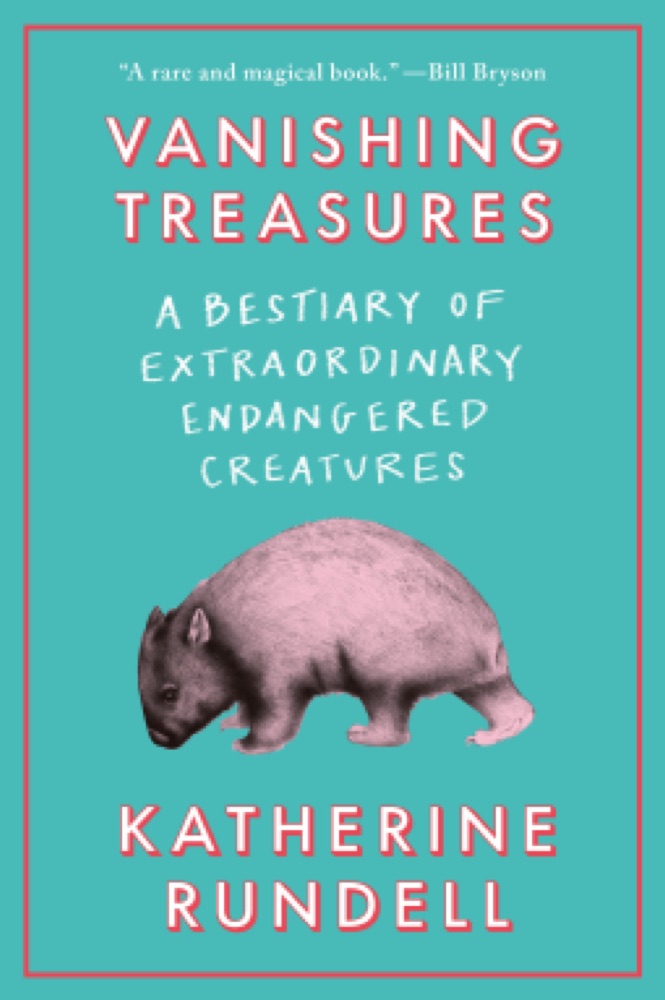
Vanishing Treasures is a collection of short illustrated essays in which Katherine Rundell profiles a series of extraordinary endangered animals, from the blind, iridescent golden mole and the pangolin to seahorses, swifts, wood frogs, and lemurs. Written in the spirit of the medieval bestiary, each chapter braids together natural history, folklore, literature, and science to capture what makes a single creature strange, beautiful, and worth saving. The book was first published in the UK in 2022 as The Golden Mole and Other Living Treasure, and was reissued for North American readers under this title.
Across its profiles the book returns to a few central themes: the sheer wonder of the living world, the long entanglement of animals with human myth and storytelling, and the urgency of the extinction crisis. Rundell frames affection and astonishment not as sentimental indulgences but as motivating forces, arguing that our love for these creatures must fuel the work of protecting them.
The book was widely praised as a lyrical and rousing piece of nature writing and was named a national bestseller in the United States. Reviewers commended Rundell's enthusiasm and her blend of erudition and tenderness, and the original UK edition was shortlisted for prizes including the Wainwright Prize for nature writing. Half of the author's royalties are pledged to charities working on climate change.
Book details
- First published
- 2022
- Length
- 224 pages
- Reading time
- 2 hours
- Author
- Katherine Rundell
- Genre
- Nonfiction
- Goodreads rating
- 4.15 (5k ratings)
Critical reception
- Named a national bestseller in the United States and a best book of the season by outlets including the Washington Post and the Boston Globe.
- Kirkus Reviews called it a clarion call for preservation by way of a delightful bestiary.
- NPR praised the book for capturing the wonder of the natural world.
- The original UK edition was shortlisted for the Wainwright Prize for Nature Writing and other British book awards.
The buzz
- NPR'Vanishing Treasures' review: Katherine Rundell captures the wonder of our world2024on how the book conveys the wonder of the natural world
- Kirkus ReviewsVanishing Treasures2024calls it a clarion call for preservation by way of a delightful bestiary
- UndarkBook Review: A Reverent Tribute to Disappearing Creatures2024reads it as a reverent tribute to vanishing wildlife
Keep reading
 Shadows of Forgotten Ancestors
 The Fifth Science
 Last Chance to See
 Why Fish Don’t Exist: A Story of Loss, Love, and the Hidden Order of Life
 Wild Ones: A Sometimes Dismaying, Weirdly Reassuring Story About Looking at People Looking at Animals in America
 Vesper Flights
 A Life on Our Planet: My Witness Statement and a Vision for the Future
 The Lost World
 The Log from the Sea of Cortez
 The Overstory
 Billions & Billions: Thoughts on Life and Death at the Brink of the Millennium
 The Stone Gods
 Gathering Moss: A Natural and Cultural History of Mosses
 The Forest Unseen: A Year’s Watch in Nature
 Martin Marten
 Hollow Kingdom
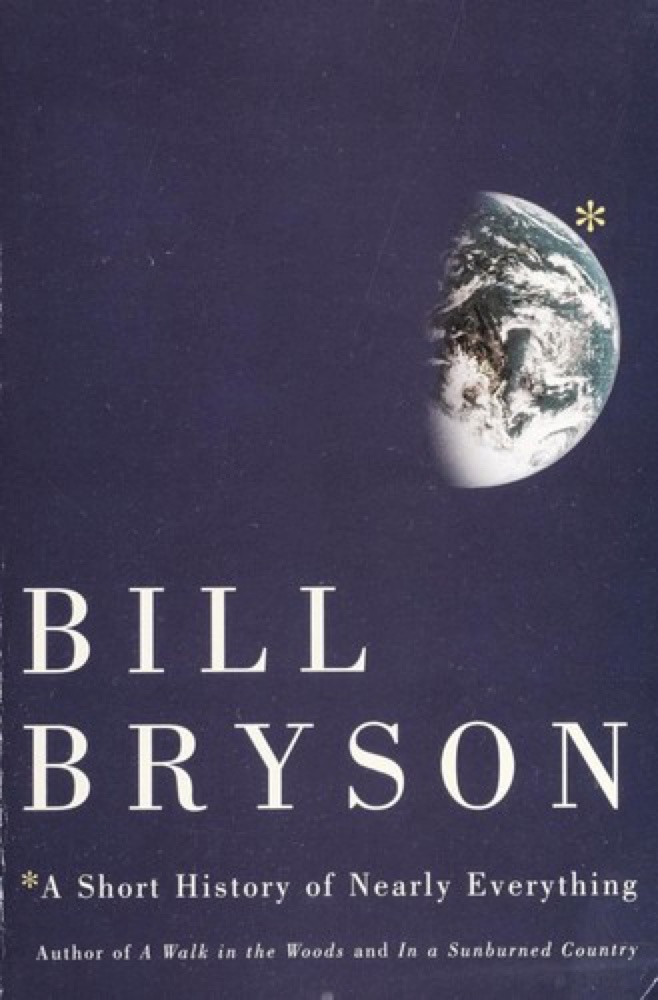 A Short History of Nearly Everything
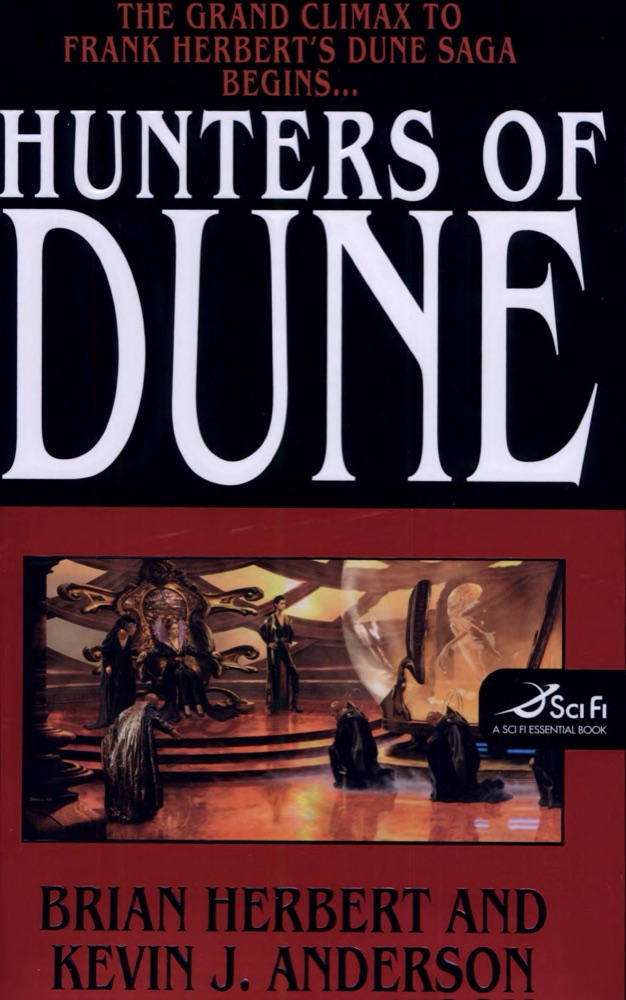 Hunters of Dune
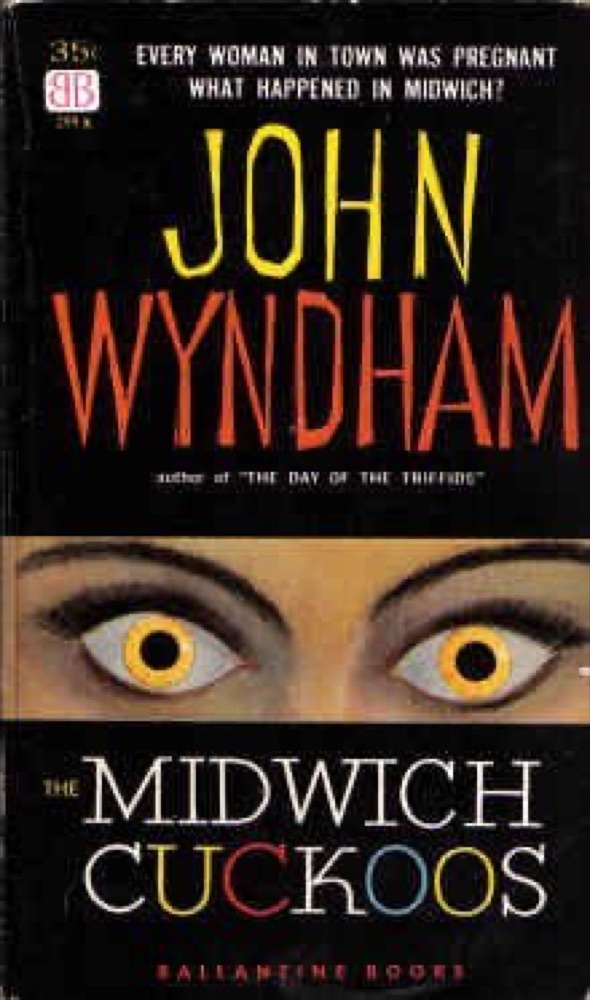 The Midwich Cuckoos
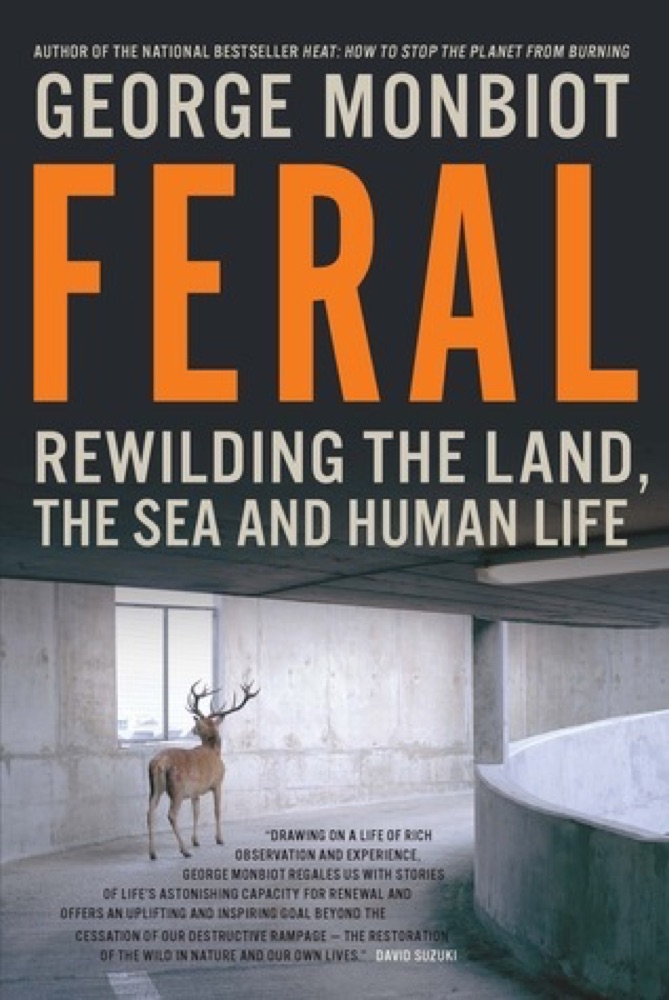 Feral: Rewilding the Land, the Sea and Human Life
 Drive Your Plow Over the Bones of the Dead
 Devolution: A Firsthand Account of the Rainier Sasquatch Massacre
 Small Wonder
 The World Without Us
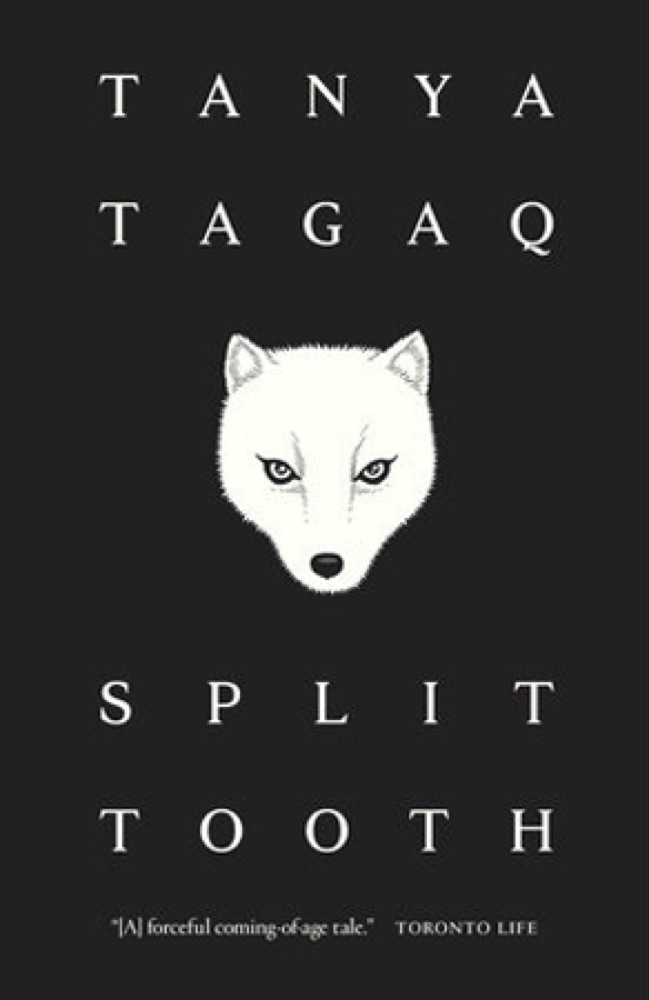 Split Tooth
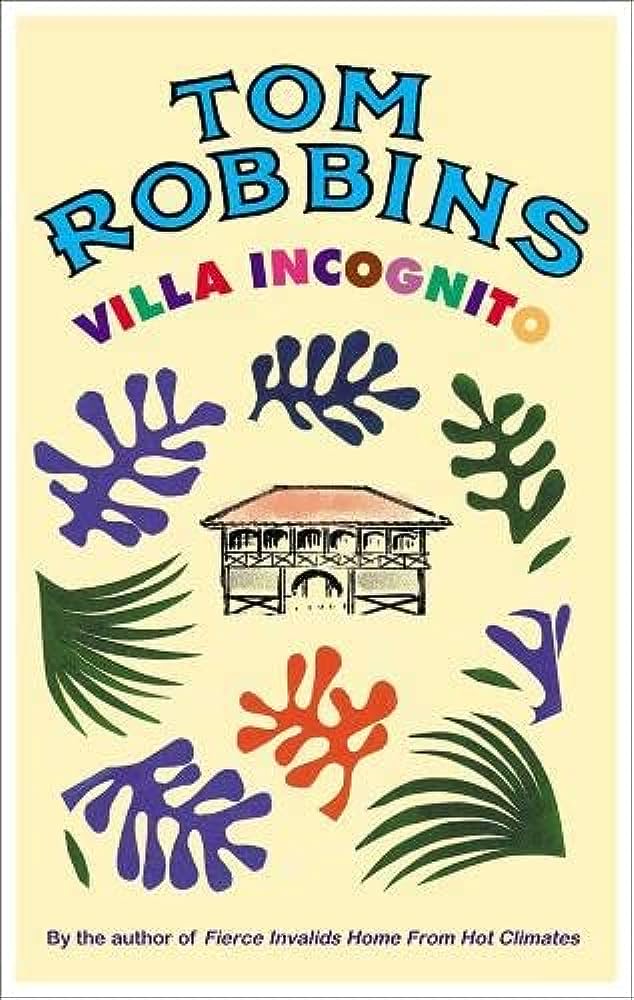 Villa Incognito
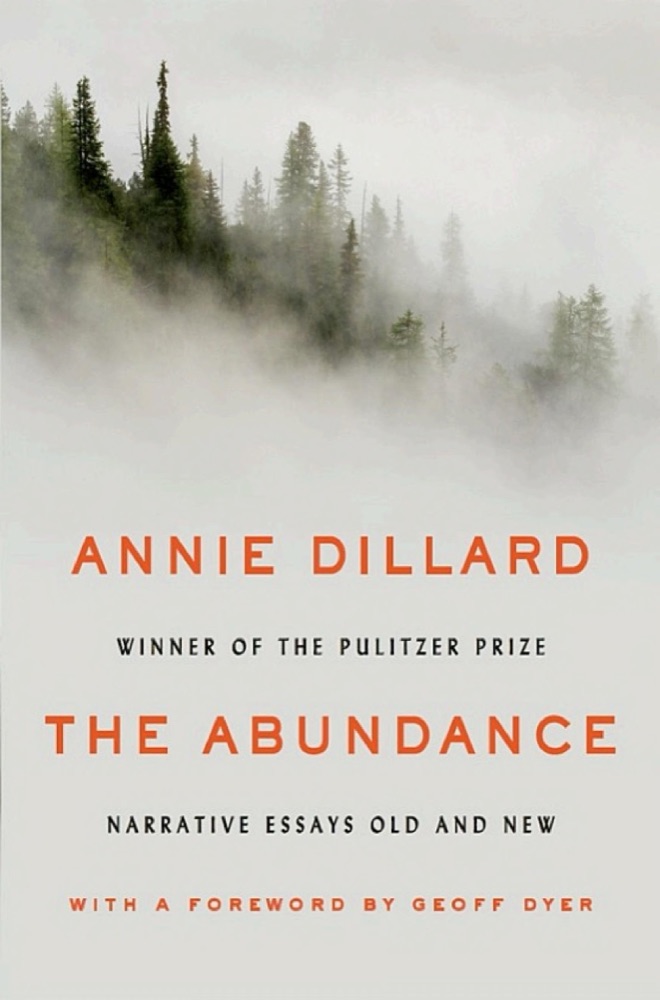 The Abundance
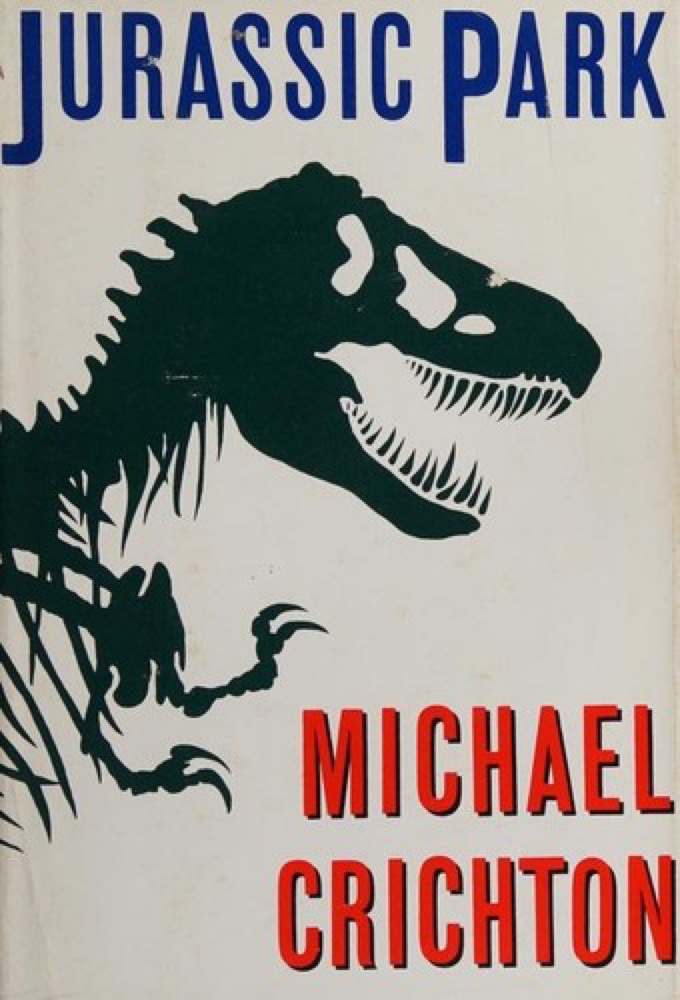 Jurassic Park
 The Last Days of the Dinosaurs: An Asteroid, Extinction, and the Beginning of Our World
 The Shape of Water
 The Lives of a Cell: Notes of a Biology Watcher
 The Mountain in the Sea
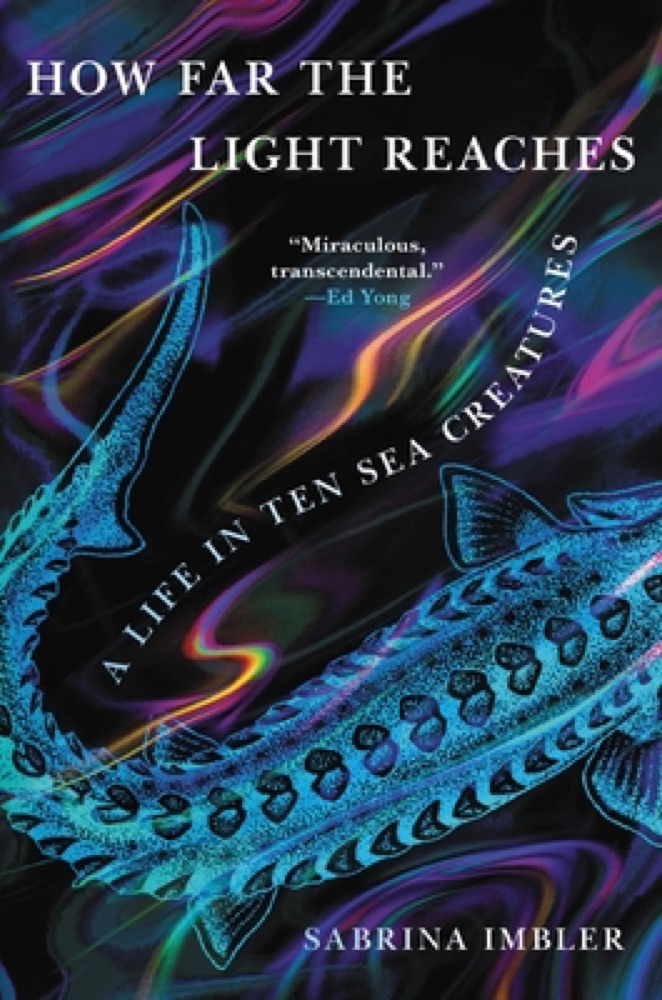 How Far the Light Reaches: A Life in Ten Sea Creatures
 The Gone-Away World
 Still Life with Woodpecker
 Genome
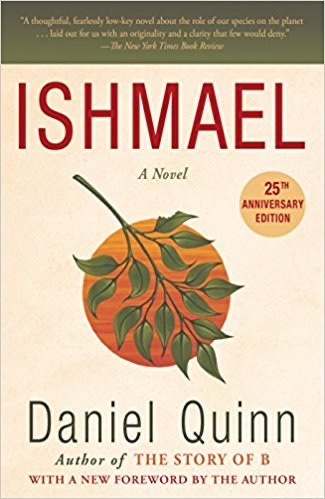 Ishmael: An Adventure of the Mind and Spirit
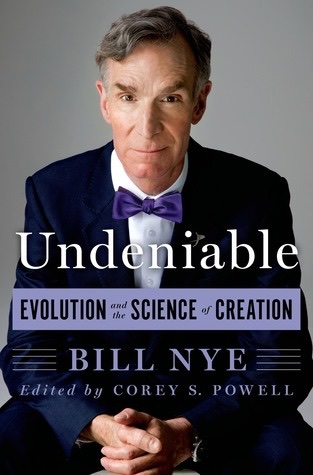 Undeniable: Evolution and the Science of Creation
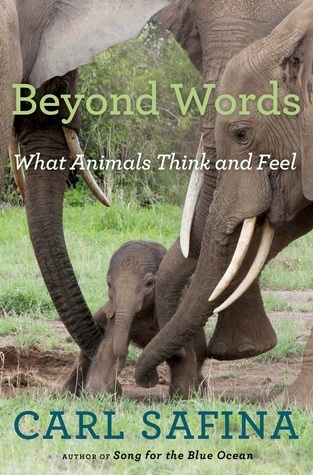 Beyond Words: What Animals Think and Feel
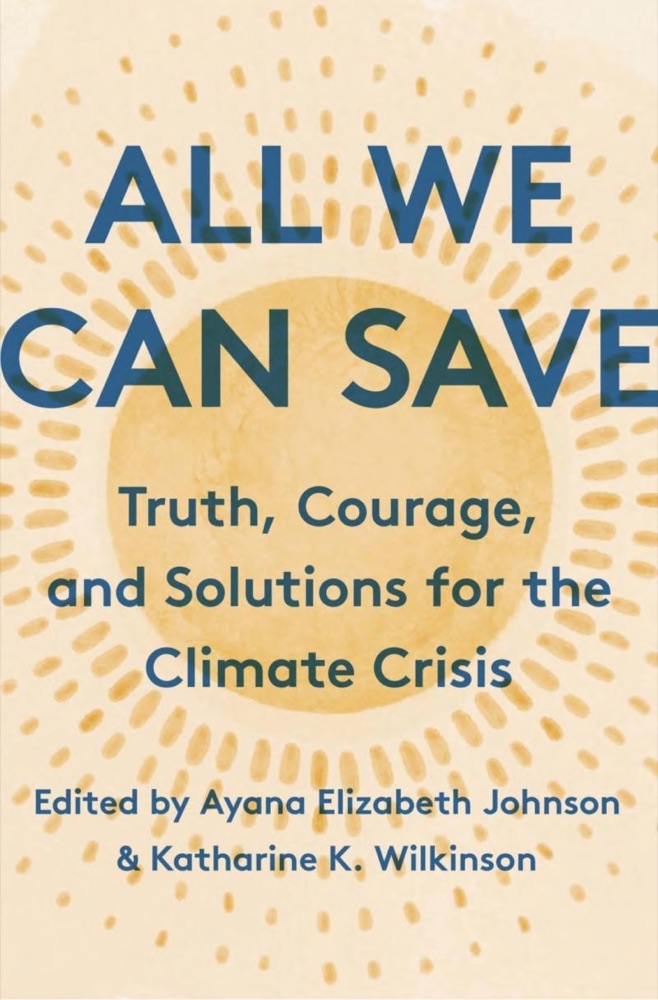 All We Can Save: Truth, Courage, and Solutions for the Climate Crisis
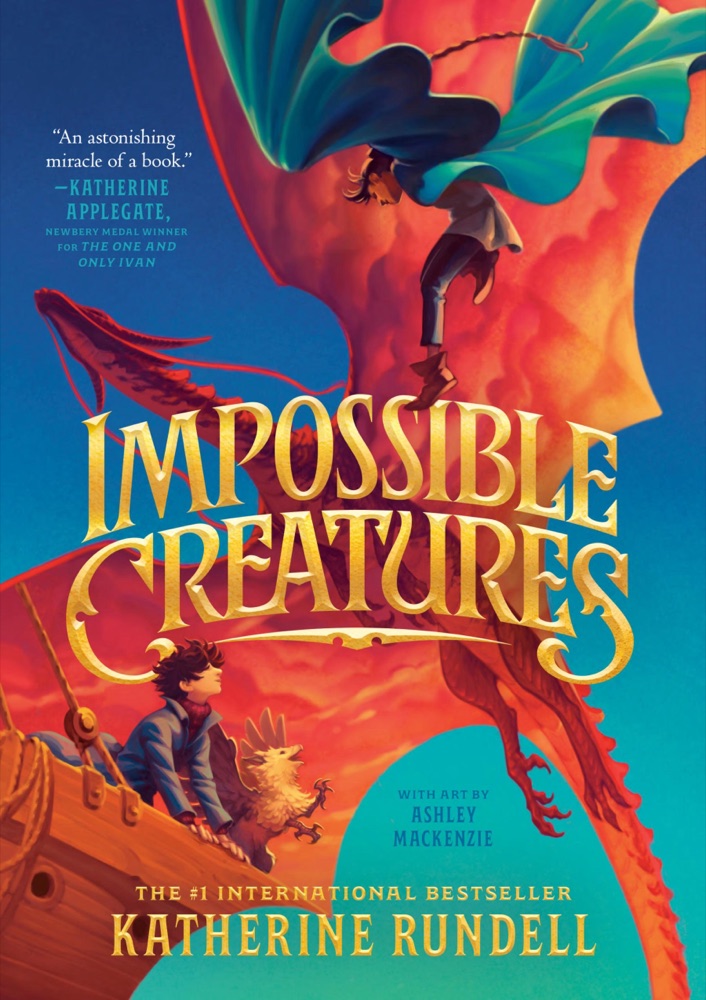 Impossible Creatures
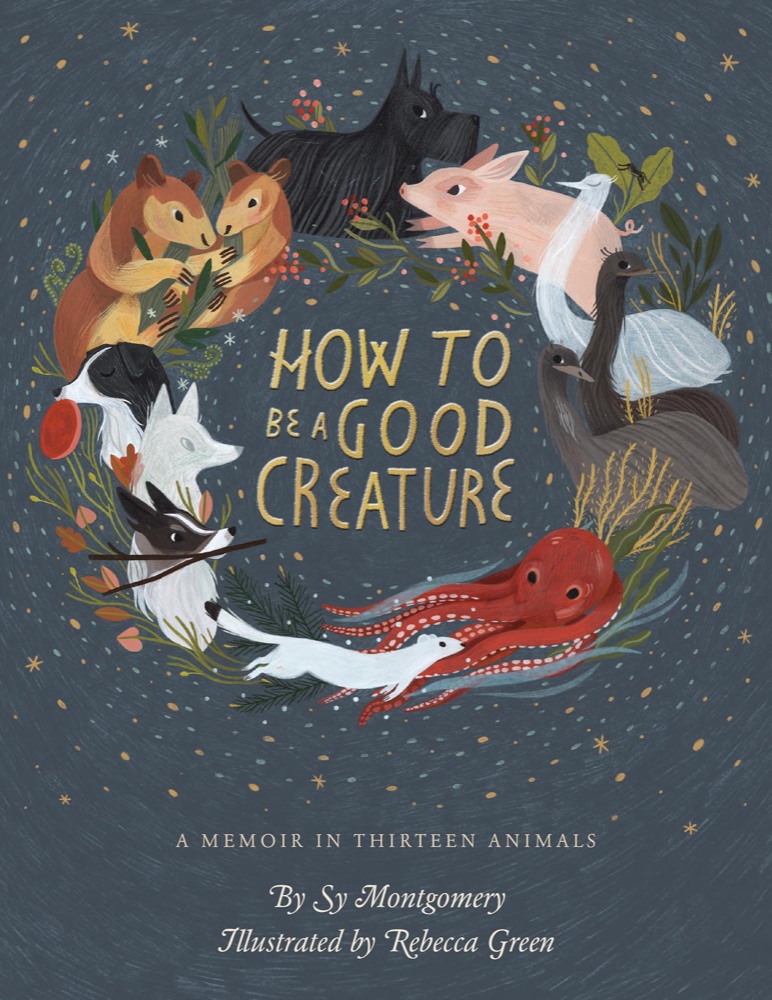 How to Be a Good Creature: A Memoir in Thirteen Animals
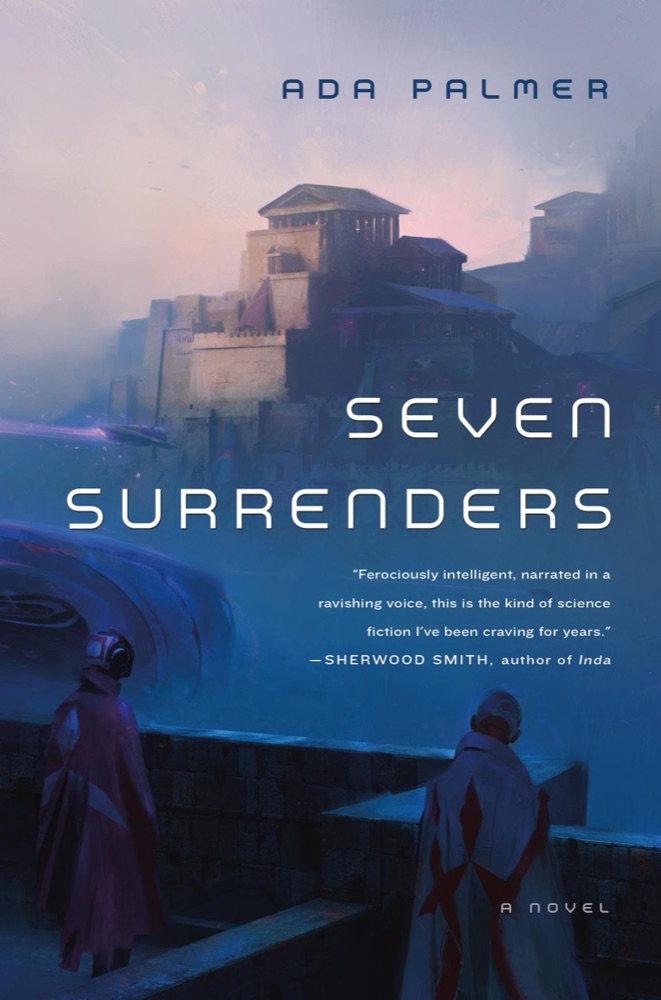 Seven Surrenders
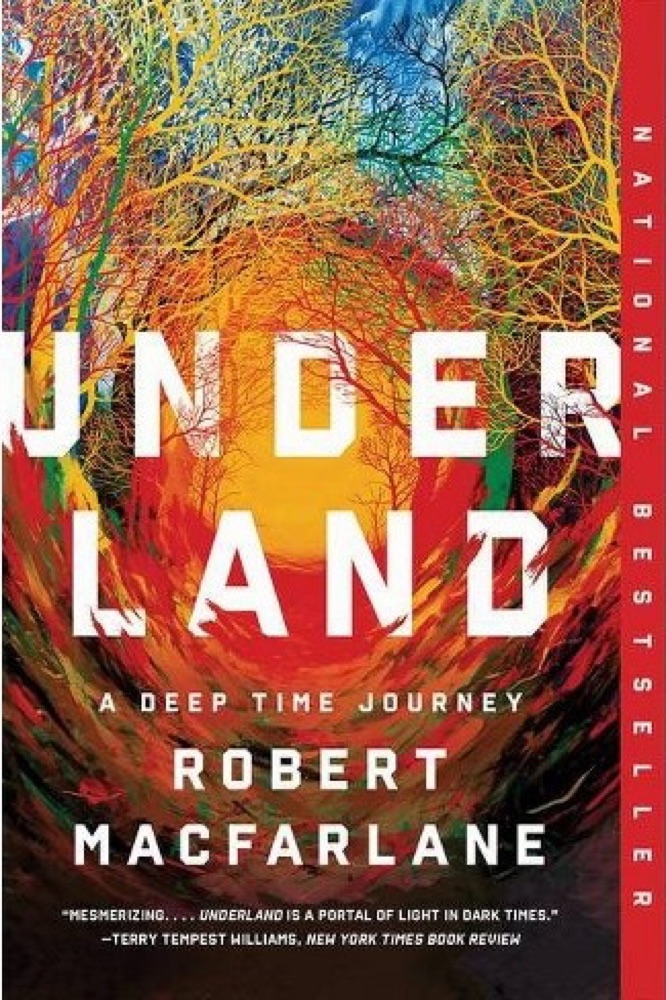 Underland: A Deep Time Journey
 H is for Hawk
 High Tide in Tucson
 Arctic Dreams
 Fuzz: When Nature Breaks the Law
 Blindsight
 Falter: Has the Human Game Begun to Play Itself Out?
 The Golden Compass
 Pocket Apocalypse
 To Be Taught, If Fortunate
 Semiosis
 The Outermost House: A Year of Life on the Great Beach of Cape Cod
 Turtle Diary
 An Immense World: How Animal Senses Reveal the Hidden Realms Around Us
 The Three-Body Problem
 Silent Spring
 Death's End