 The Overstory
Quotes from the Book
Trees do not require you to make certain sounds to be understood. They are simply present and ready for you to climb at any time. Trees are easier.
5
I am a tree in the forest, moving very slowly, only barely touched by the wind. Everyone else just moves past me, and I watch them go, because I cannot be moved from who I am.
3
When I fell, every future move exploded apart in my mind, a deck of cards thrown in the air.
2
I do not like this idea that we have begun to kill off—at great velocity and accelerating speed—all of the things that sustain us. I didn’t like it at all when I first thought of it, but most people around me do not seem that disturbed by it, even though the knowledge of this is obvious and readily available to anyone who looks up trees on the Internet. At least, no one seems bothered, because no one has taken action to amend it. So they must not care. That is the only explanation I can think of for the lack of reaction to this fact.
2
I reached down to feel the soil, and I touched the outreaching roots of the trees that bore horizontally and vertically hundreds of feet through the forest. I stroked the earth with my palm, and I could almost feel that invisible network of capillary roots that sucks moisture and nutrients out of every inch of the soil I was standing on. I breathed in and out. I was part of the forest. I was alive.
2
It was very damp and misty–which some people from outside the Pacific Northwest consider to be rain, but I do not. This is typical weather for the Pacific Northwest and Olympia. It is often wet in Olympia, but we have an average of only 49.95 inches a year of actual precipitation. That’s less than in Denver. In Olympia, the air is damp, and water collects and drips from everywhere. We do not get big downpours, but we get damp and spongy. I don’t care. It helps the trees grow, and I climb the trees.
1
We are part of a system that includes trees. Without trees, we will eventually all
1
I am especially interested in shadows and light that are changed by branches or leaves. So that is mostly what I watch when I am up in the trees. I watch the shadows, I watch the lights, and I watch the leaves move in the wind. On
1
Many people think trees grow so big from soil and water, but this is not true. Trees get their mass from the air. They gobble up airborne carbon dioxide and perform an act of chemical fission by using the energy from sunshine... Essentially, trees are made of air and sunshine.
1
A rising tower of wood and needles and branches and great slabs of bark that has grown for hundreds of years. An impossible castle made from air and sunlight, fixed in place by the power of photosynthesis and chlorophyll. Magic. With lights.
1
The people protesting to save these woods are right—these trees are almost untouched.” His voice was different somehow. It was exactly the sound in his voice that I heard at the funeral of my great-uncle.
1
But the part of these trees that really mattered to me right now was the roots. Those are the parts of the tree that search through the soil for nutrients and water, and slowly discover what is buried deep underground. I was what was underground here. The majority of who I really am is buried underneath the surface, and no one sees it. I am always connected to the deep river of knowledge, my taproot sliding right into the river’s main spring. And these trees were trying to determine who I was from the little bit of me that they could see sticking up above the soil. It hardly seemed fair that they could judge all that I am from the little bit that they could see interacting with other people, because that’s the smallest part of who I am. I was still thinking of myself as a hidden root system, deep underground, when my mother stood up and then Uncle Mike stood up next to her. My mother reached out to my shoulder and tapped my skin firmly.
I decided in that moment that I did not want to fade away like the water droplets.
For a moment I looked at Ilsa's face, and in that moment, I could understand why some people like to look at each other's faces. There is something in a person's eyes that you cannot see anywhere else in the world. Something haunting and unsettling.
There is an ocean of light around us. We are surrounded by it. We swim in it. We move through it every day. But I am the only one who seems to have my eyes open. I am the only one who can see it. Sometimes, this is very lonely.
in the great timescale and reality of the natural world, a fence is an entirely artificial and temporary boundary, like a line drawn in the wet sand at the verge of the ocean, telling the waves they can come no farther. The waves don’t care—nature does not acknowledge human lines or meanings. The waves will sweep over that line and dissolve it, given a short amount of time. The forest will sweep over this fence and dissolve it, given sufficient time.
The nitrogen cycle is a kind of miracle. The nitrogen cycle requires bears. Brown bears catch salmon in streams and rivers. Then the brown bears carry the salmon farther inland, and they bury these nitrogen-rich fish in the ground for later retrieval. But bears have short memories, and often they forget the fish where they left them, far inland from the streams. And the fish bodies decompose, leaving a reservoir of nitrogen in the ground. This creates a rich and fertile environment for large trees to grow, and in fact without the nitrogen deposited by the bears, very large old-growth trees would probably never have been able to continue their growth cycle. Five hundred years ago, if someone had removed all bears, none of the old-growth trees we have now would have grown.
If the global temperature rises by only four degrees Celsius over the next fifty years—and it’s probably going to do that—then all of the Appalachian forests will die. Already, the Elms and the Chestnuts are gone, and the Hemlocks and the Flowering Dogwoods. And I didn’t get a chance to climb them yet. Before we know it, the forest will just go away and die off.
I do not like the orangeness; it erases every tree, every branch, every leaf.
Time can be difficult for me. It is a continuous thing, and it has no boundaries. Sometimes it moves very fast and sometimes very slow.
I do not believe in anything that I cannot see with my own eyes or hear with my own ears.
Maybe it is possible to make new things out of the broken things. I
Most of the trees are already dying. All across North America from Mexico to Alaska, forests are dying. Seventy thousand square miles of forest—that's as much land as all of the state of Washington—that much forest has died since I was born. What if I am growing up in a world that will not have trees anymore by the time I am my grandfather's age?
I felt the bark of the trees on either side of me as I walked. It was very soothing. Here in the LBA Woods, the trees grew very close together and when I did not walk on the path, I would reach out with my fingertips and touch their bark as I passed. The skin of the trees was warm in the sunlight, and rough, and I imagined that each tree contained a soul. Like an Ent. I knew this idea was not a true thing, but still I felt good that the trees were here.
God's power shines through everything we see, but it is no more evident than when we see the shining steadfastness of a tree that is hundreds of years old. I look up at the great arching branches of a tree like the Eagle Tree, found in the old-growth LBA Woods, and I think that is what it feels like to be embraced by the everlasting.
After I read David Suzuki’s book, I took salmon from my dinner plate and I buried it in the woods, hoping to assist the growth of a large tree.
I like the idea of God being like a tree. God would be alive and always growing and nearly everlasting.
Already, the Elms and the Chestnuts are gone, and the Hemlocks and the Flowering Dogwoods. And I didn’t get a chance to climb them yet.
I think I have learned something about falling. It is not necessary to have a plan; sometimes you can simply act. This is an idea I can hold on to.
Watch on YouTube
About Ned Hayes
We have collected 29 quotes from 1 book by Ned Hayes on BookQuoters.
More about the author →About the book
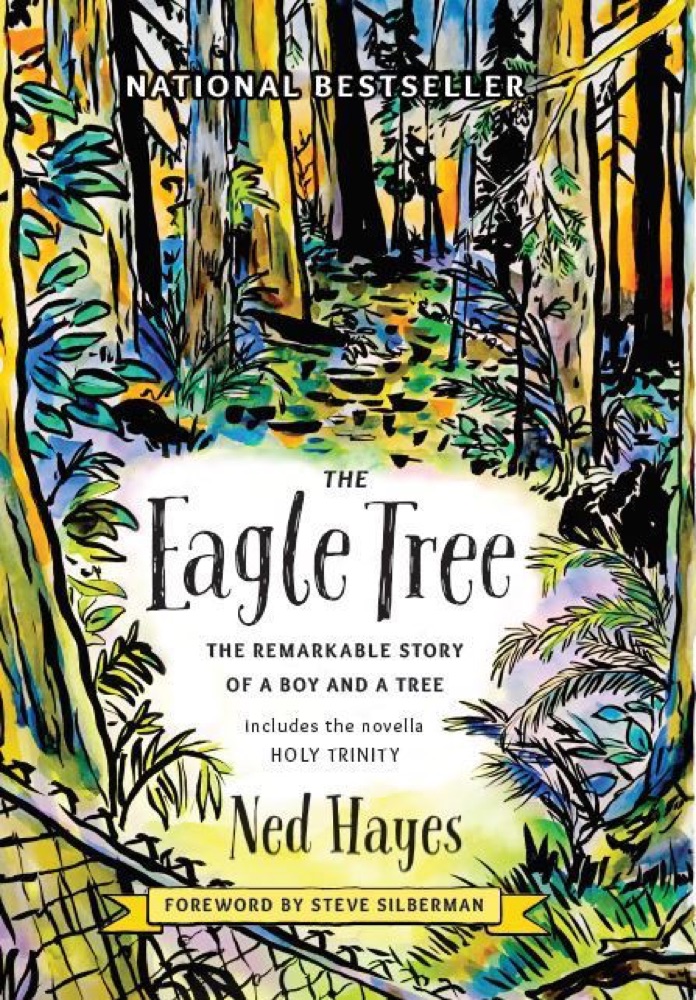
ISBN 9781503936645 has been moved to this edition. Fourteen-year-old March Wong knows everything there is to know about trees. They are his passion and his obsession, even after his recent falls—and despite the state’s threat to take him away from his mother if she can’t keep him from getting hurt. But the young autistic boy cannot resist the captivating pull of the Pacific Northwest’s lush forests just outside his back door.
One day, March is devastated to learn that the Eagle Tree—a monolithic Ponderosa Pine near his home in Olympia—is slated to be cut down by developers. Now, he will do anything in his power to save this beloved tree, including enlisting unlikely support from relatives, classmates, and even his bitter neighbor. In taking a stand, March will come face-to-face with some frightening possibilities: Even if he manages to save the Eagle Tree, is he risking himself and h
Keep reading
The Overstory
 Diary of a Young Naturalist
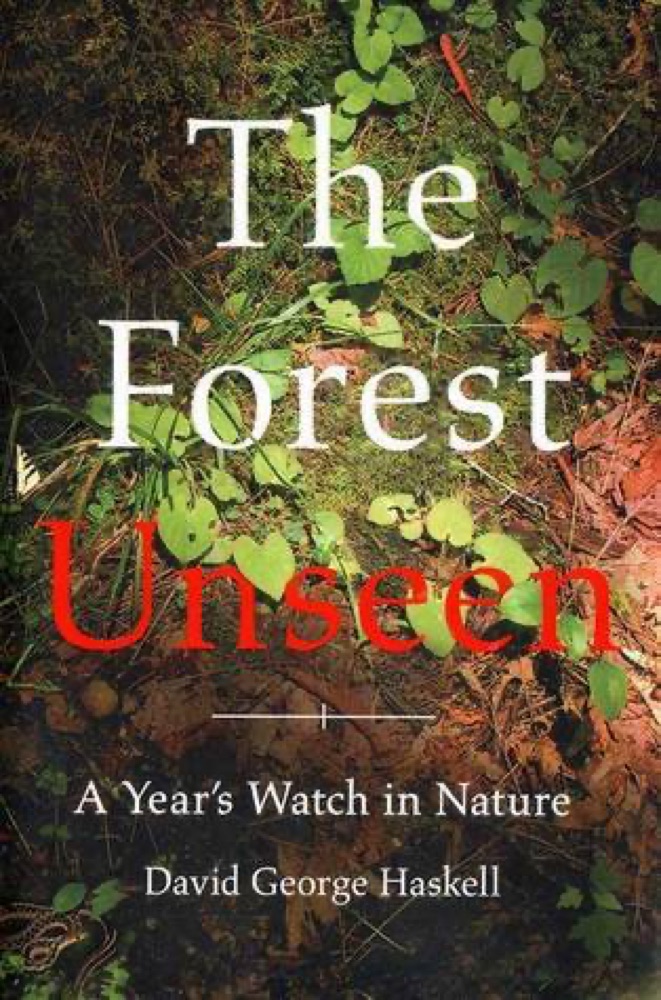 The Forest Unseen: A Year’s Watch in Nature
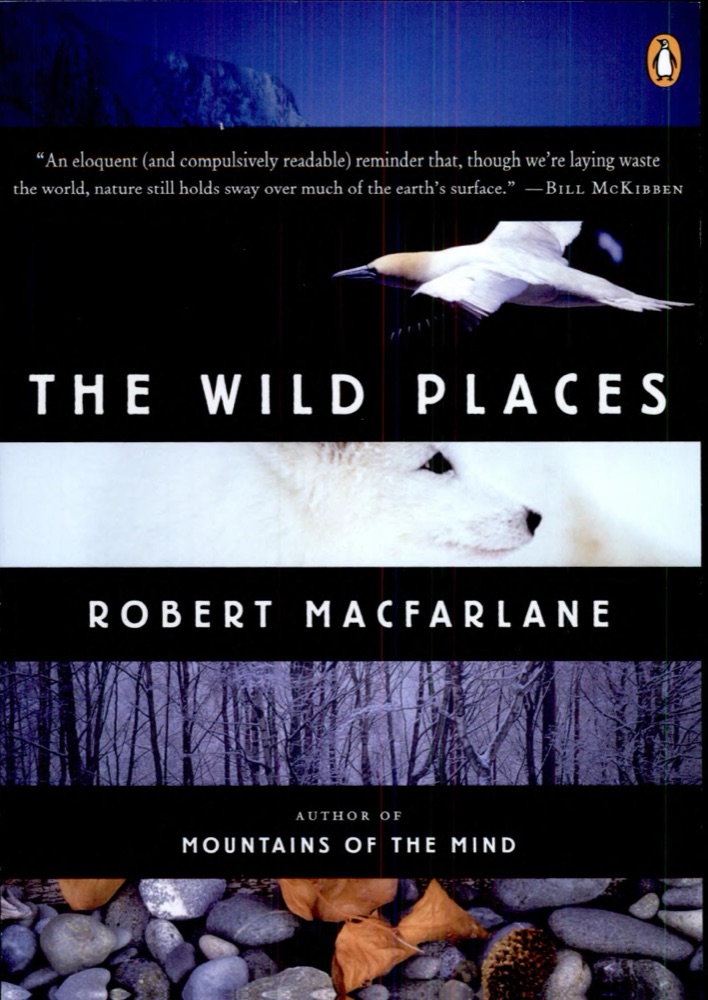 The Wild Places
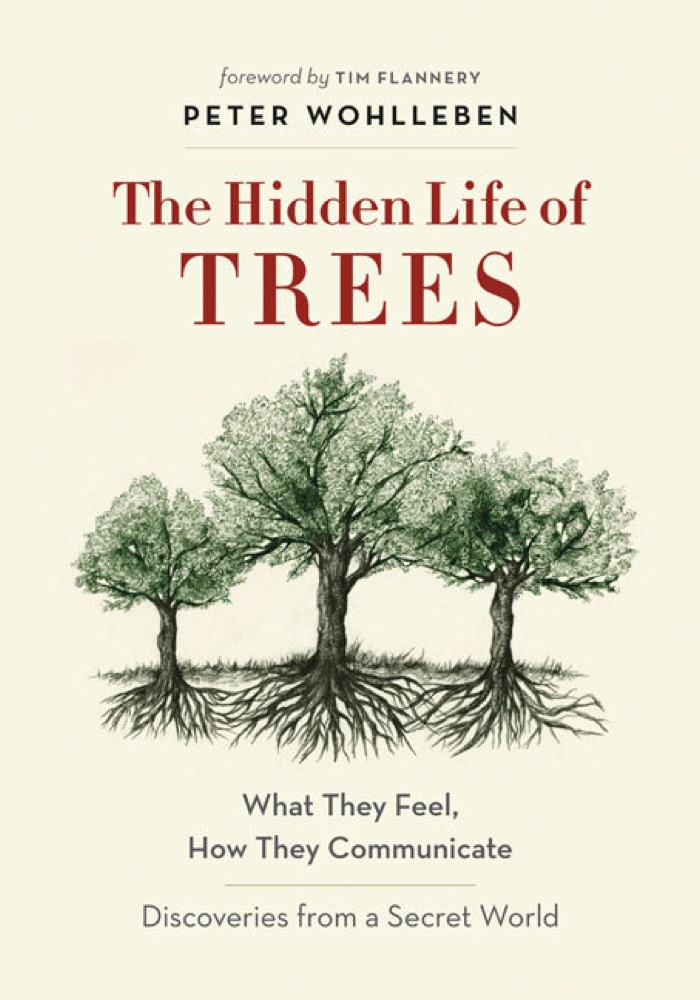 The Hidden Life of Trees: What They Feel, How They Communicate: Discoveries from a Secret World
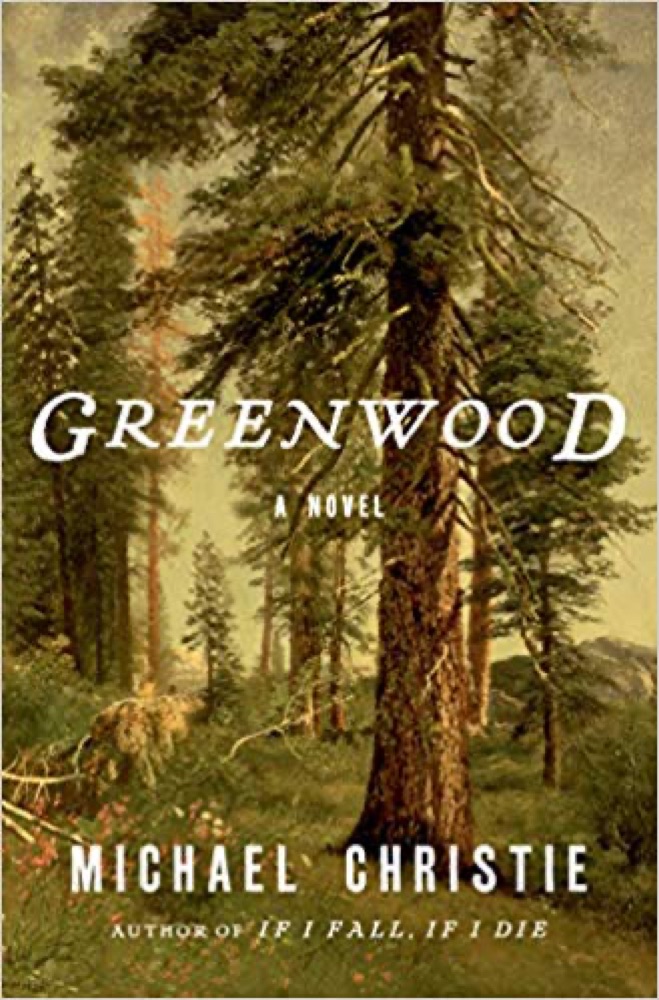 Greenwood
 Pilgrim at Tinker Creek
 Gathering Moss: A Natural and Cultural History of Mosses
 Field Guide to the Haunted Forest
 The Dark Forest
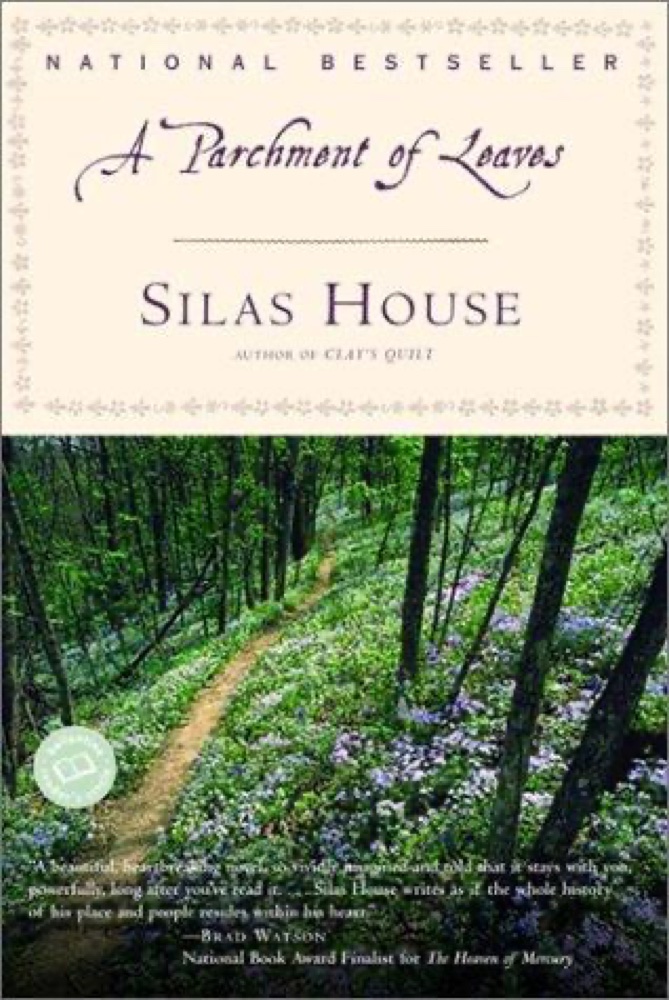 A Parchment of Leaves
 Barkskins
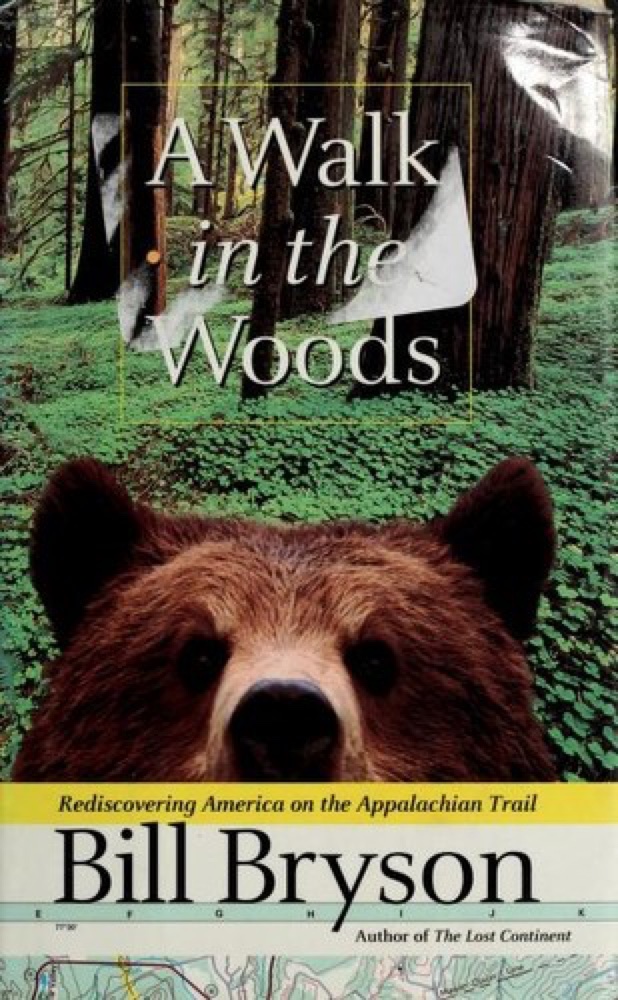 A Walk in the Woods
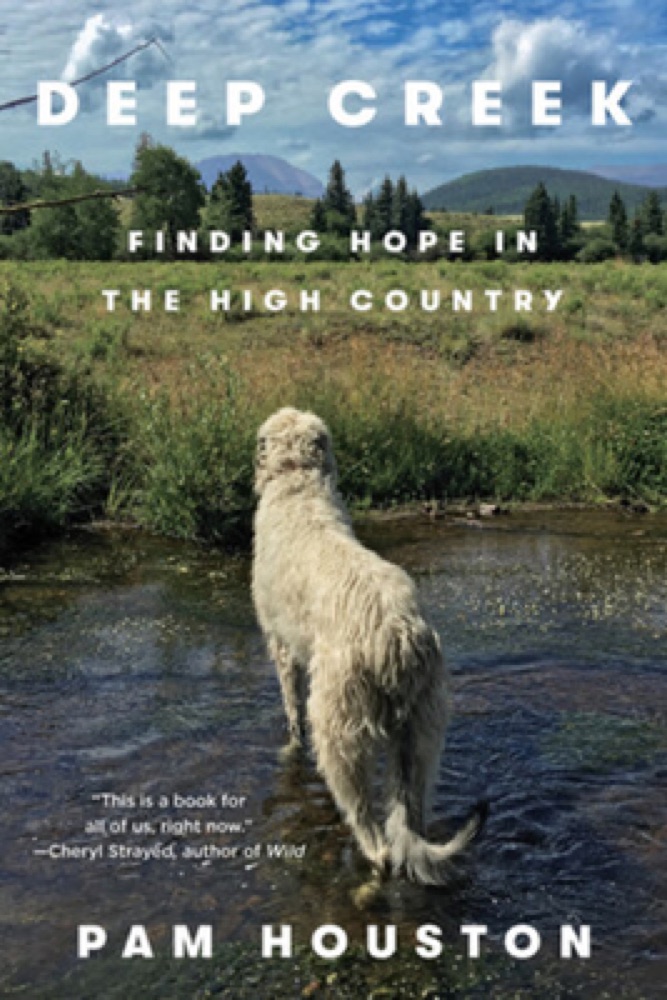 Deep Creek: Finding Hope in the High Country
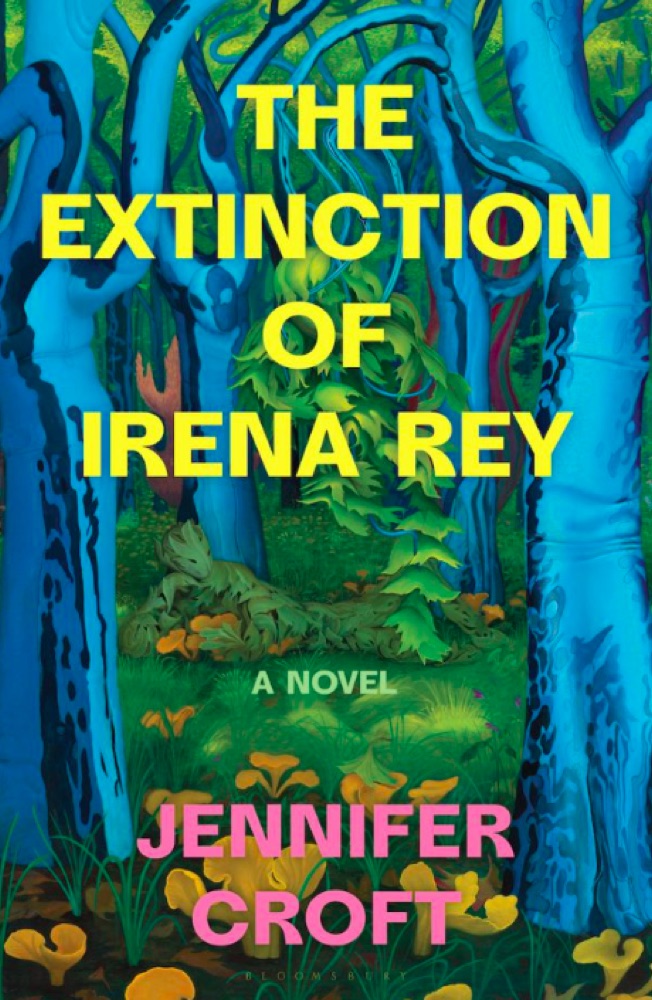 The Extinction of Irena Rey
 The People in the Trees
 Split Tooth
 Hothouse Flower and the Nine Plants of Desire
 Autumn
 Killing Commendatore
 The Wild Silence
 Heartwood
 The Hurting Kind: Poems
 World of Wonders: In Praise of Fireflies, Whale Sharks, and Other Astonishments
 Mother of God: An Extraordinary Journey into the Uncharted Tributaries of the Western Amazon
 The Tent
 Semiosis
 The Snow Leopard
 Dandelion Wine
 H is for Hawk
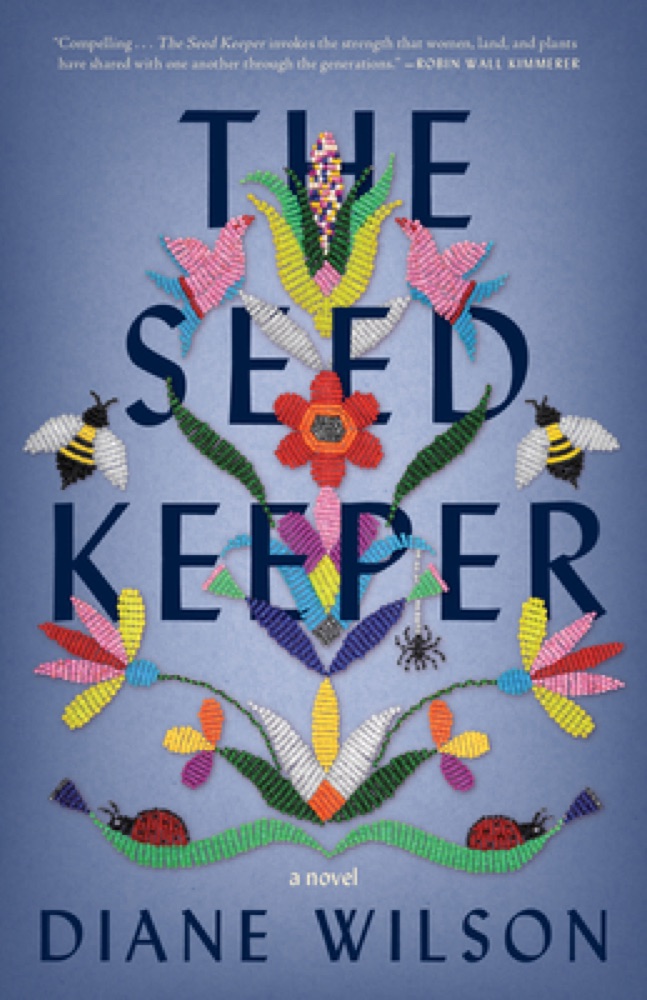 The Seed Keeper
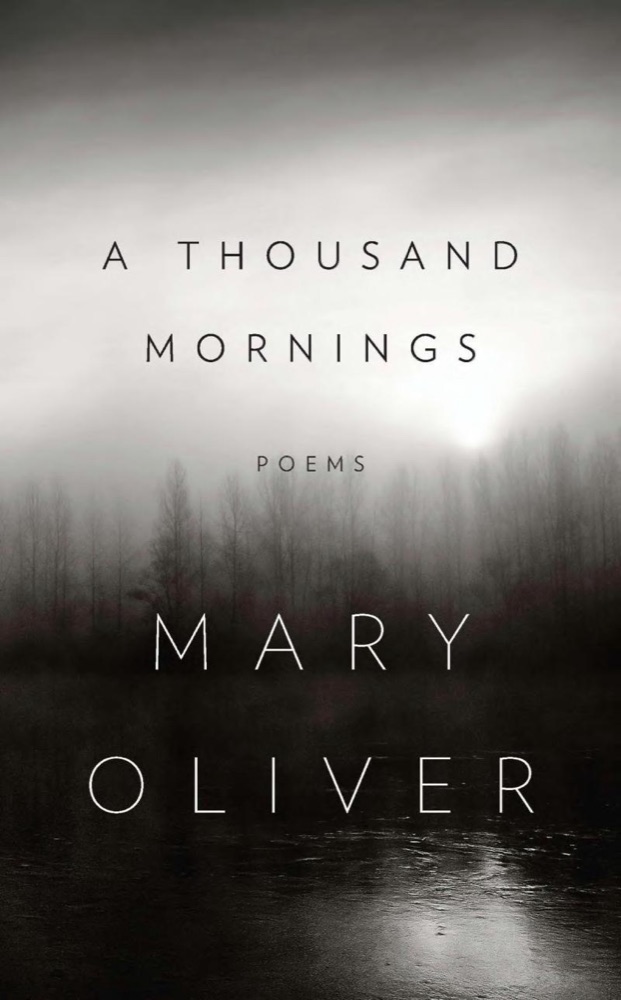 A Thousand Mornings: Poems
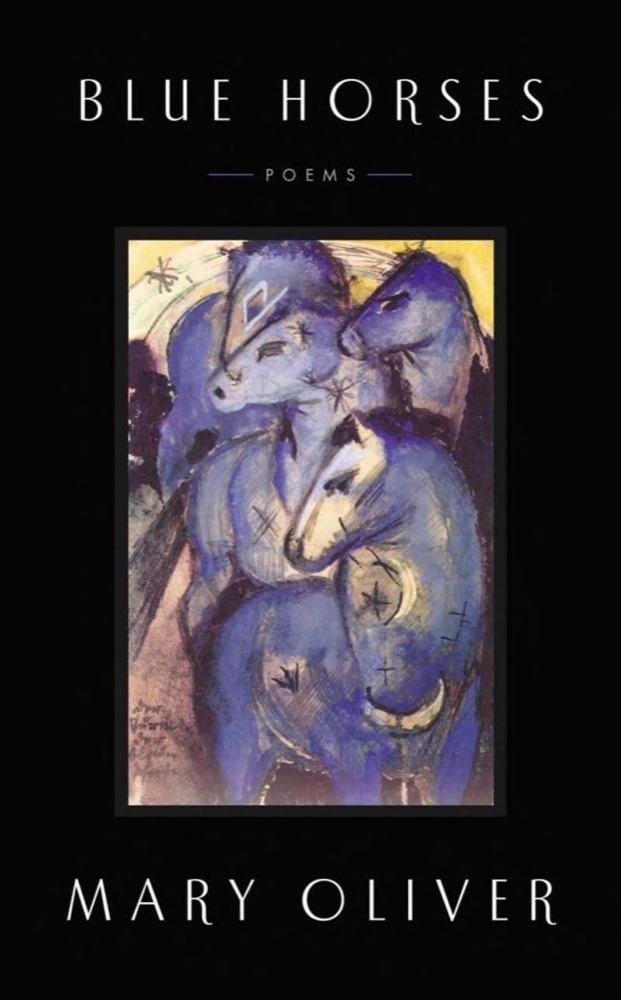 Blue Horses
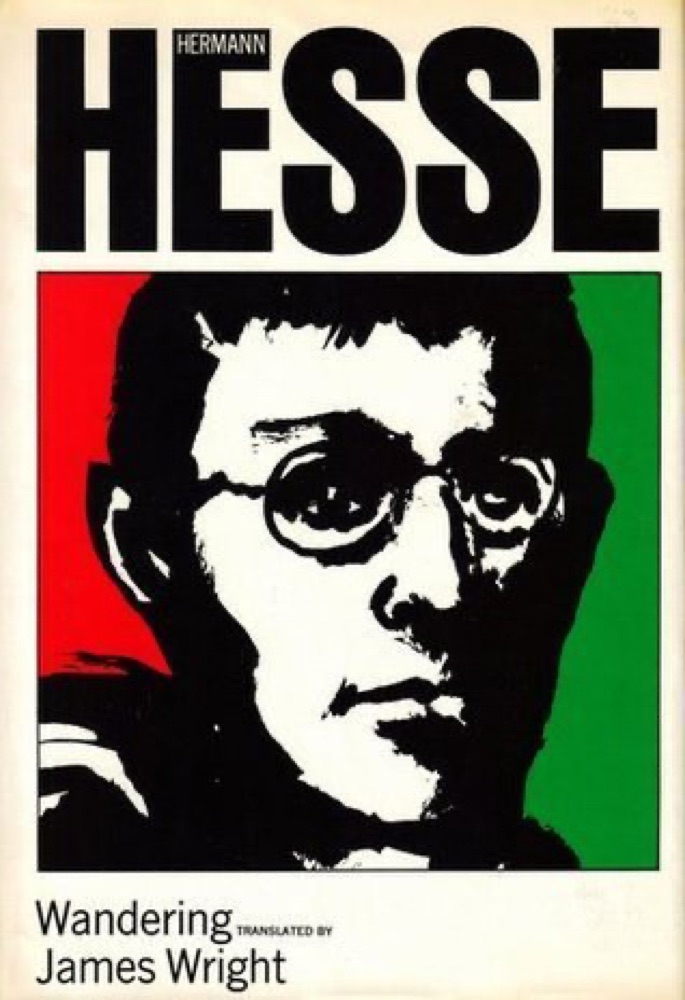 Wandering
 The Family Tree
 West with the Night
 Into the Forest
 Dearly
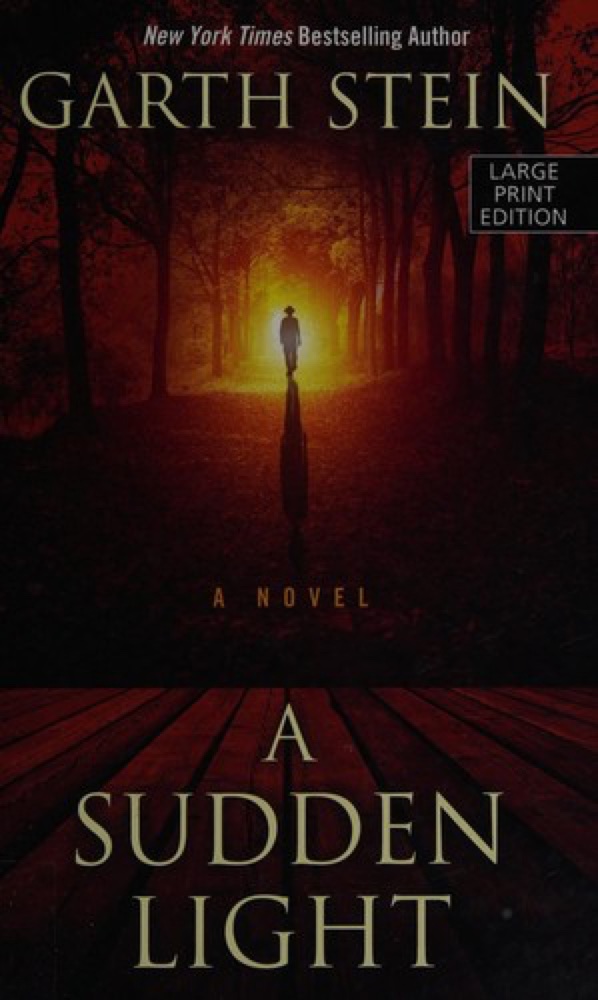 A Sudden Light
 The Wind-Up Bird Chronicle
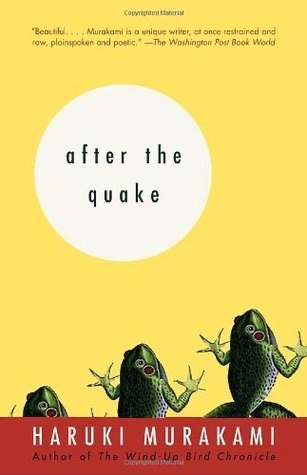 After the Quake
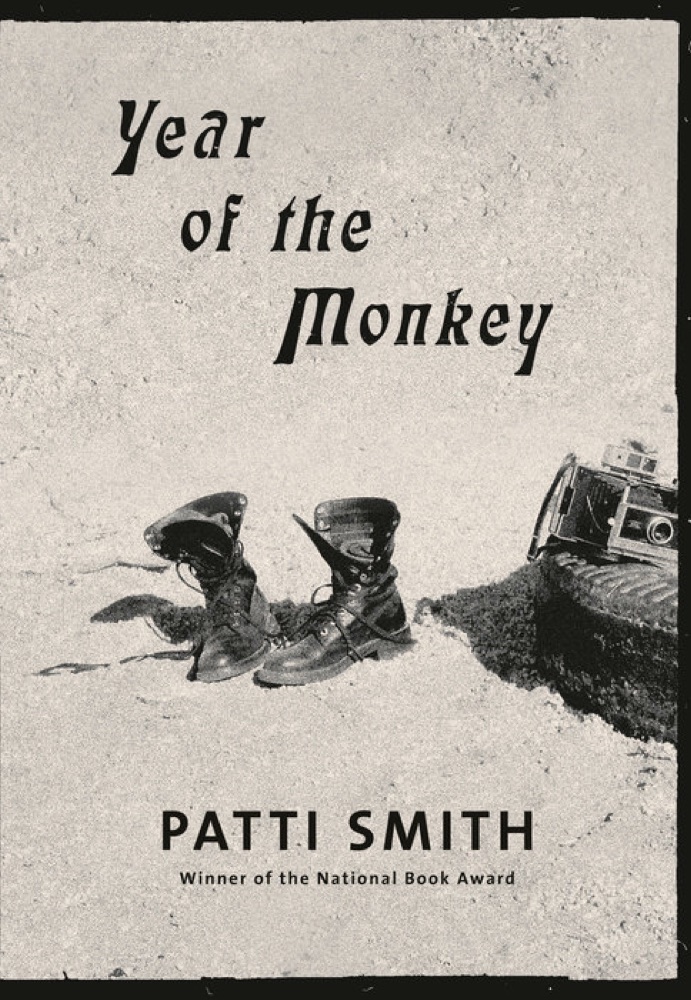 Year of the Monkey
 Poems, 1962-2012
 How Green Was My Valley
 Martin Marten
 Winter Hours: Prose, Prose Poems, and Poems
 Teaching a Stone to Talk: Expeditions and Encounters
 Drive Your Plow Over the Bones of the Dead
 Aquarium
 We Do Not Part
 The Devil Tree
 Wild Is the Witch
 In the Woods
 Tuck Everlasting
 The Light Eaters: How the Unseen World of Plant Intelligence Offers a New Understanding of Life on Earth
 The Raw Shark Texts
 A River Runs Through It and Other Stories
 Always Coming Home
 Vesper Flights
 Life After Death