 Bringing it to the Table: On Farming and Food
Quotes from the Book
I do not particularly like the word 'work.' Human beings are the only animals who have to work, and I think that is the most ridiculous thing in the world. Other animals make their livings by living, but people work like crazy, thinking that they have to in order to stay alive. The bigger the job, the greater the challenge, the more wonderful they think it is. It would be good to give up that way of thinking and live an easy, comfortable life with plenty of free time. I think that the way animals live in the tropics, stepping outside in the morning and evening to see if there is something to eat, and taking a long nap in the afternoon, must be a wonderful life. For human beings, a life of such simplicity would be possible if one worked to produce directly his daily necessities. In such a life, work is not work as people generally think of it, but simply doing what needs to be done.
228
The ultimate goal of farming is not the growing of crops, but the cultivation and perfection of human beings.
131
When it is understood that one loses joy and happiness in the attempt to possess them, the essence of natural farming will be realized. The ultimate goal of farming is not the growing of crops, but the cultivation and perfection of human beings.
84
In my opinion, if 100% of the people were farming it would be ideal. If each person were given one quarter-acre, that is 1 1/4 acres to a family of five, that would be more than enough land to support the family for the whole year. If natural farming were practiced, a farmer would also have plenty of time for leisure and social activities within the village community. I think this is the most direct path toward making this country a happy, pleasant land.
25
If 22 bushels (1,300 pounds) of rice and 22 bushels of winter grain are harvested from a quarter acre field, then the field will support five to ten people each investing an average of less than one hour of labour per day. But if the field were turned over to pasturage, or if the grain were fed to cattle, only one person could be supported per quarter acre. Meat becomes a luxury food when its production requires land which could provide food directly for human consumption. This has been shown clearly and definitely. Each person should ponder seriously how much hardship he is causing by indulging in food so expensively produced.
25
Food and medicine are not two different things: the are the front and back of one body.
23
Food and medicine are not two different things: they are the front and back of one body. Chemically grown vegetables may be eaten for food, but they cannot be used as medicine.
21
People think they understand things because they become familiar with them. This is only superficial knowledge. It is the knowledge of the astronomer who knows the names of the stars, the botanist who knows the classification of the leaves and flowers, the artist who knows the aesthetics of green and red. This is not to know nature itself- the earth and sky, green and red. Astronomer, botanist, and artist have done no more than grasp impressions and interpret them, each within the vault of his own mind. The more involved they become with the activity of the intellect, the more they set themselves apart and the more difficult it becomes to live naturally.
19
Fast rather than slow, more rather than less--this flashy "development" is linked directly to society's impending collapse. It has only served to separate man from nature. Humanity must stop indulging the desire for material possessions and personal gain and move instead toward spiritual awareness. Agriculture must change from large mechanical operations to small farms attached only to life itself. Material life and diet should be given a simple place. If this is done, work becomes pleasant, and spiritual breathing space becomes plentiful.
15
At first people ate simply because they were alive and because food was tasty. Modern people have come to think that if they do not prepare food with elaborate seasonings, the meal will be tasteless. If you do not try to make food delicious, you will find that nature has made it so.
13
But intending to understand ten things, you actually do not understand even one. If you know a hundred flowers you do not “know” a single one.
13
I wonder how it is that people's philosophies have come to spin faster than the changing seasons.
11
When a decision is made to cope with the symptoms of a problem, it is generally assumed that the corrective measures will solve the problem itself. They seldom do.
10
If nature is left to itself, fertility increases. Organic remains of plants and animals accumulate and are decomposed on the surface by bacteria and fungi. With the movement of rainwater, the nutrients are taken deep into the soil to become food for microorganisms, earthworms, and other small animals. Plant roots reach to the lower soil strata and draw the nutrients back up to the surface.
10
Speaking biologically, fruit in a slightly shriveled state is holding its respiration and energy consumption down to the lowest possible level. It is like a person in meditation: his metabolism, respiration, and calorie consumption reach an extremely low level. Even if he fasts, the energy within the body will be conserved. In the same way, when mandarin oranges grow wrinkled, when fruit shrivels, when vegetables wilt, they are in the state that will preserve their food value for the longest possible time.
10
I believe that even 'returning-to-nature' and anti pollution activities, no matter how commendable, are not moving toward a genuine solution if they are carried out solely in reaction to the over development of the present age.
8
I believe that if one fathoms deeply one's own neighborhood and the everyday world in which he lives, the greatest of worlds will be revealed.
7
Until there is a reversal of the sense of values which cares more for size and appearance than for quality, there will be no solving the problem of food pollution.
7
Just to live here and now—this is the true basis of human life.
6
We can never know the answers to great spiritual questions, but it's all right not to understand. We have been born and are living on the earth to face directly the reality of living.
6
Humanity knows nothing at all. There is no intrinsic value in anything, and every action is a futile, meaningless effort.
4
Before researchers become researchers they should become philosophers. They should consider what the human goal is, what it is that humanity should create.Doctors should first determine at the fundamental level what it is that human beings depend on for life... Modern scientific agriculture, on the other hand, has no such vision. Research wanders about aimlessly, each researcher seeing just one part of the infinite array of natural factors which affect harvest yields. Even though it is the same quarter acre, the farmer must grow his crops differently each year in accordance with variations in weather, insect populations, the condition of the soil, and many other natural factors. Nature is everywhere in perpetual motion; conditions are never exactly the same in any two years. Modern research divides nature into tiny pieces and conducts tests that conform neither with natural law nor with practical experiences. The results are arranged for the convenience of research, not according to the needs of the farmer.
4
The heart that loves the wicked ego creates the hated enemy.
4
Extravagance of desire is the fundamental cause which has led the world into its present predicament. Fast rather than slow, more rather than less—this flashy "development" is linked directly to society's impending collapse.
3
In olden times there were warriors, farmers, craftsmen, and merchants. Agriculture was said to be closer to the source of things than trade or manufacturing, and the farmer was said to be "the cupbearer of the gods." He was always able to get by somehow or other and have enough to eat.
3
Watch on YouTube
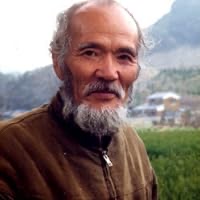
About Masanobu Fukuoka
We have collected 25 quotes from 1 book by Masanobu Fukuoka on BookQuoters.
More about the author →About the book
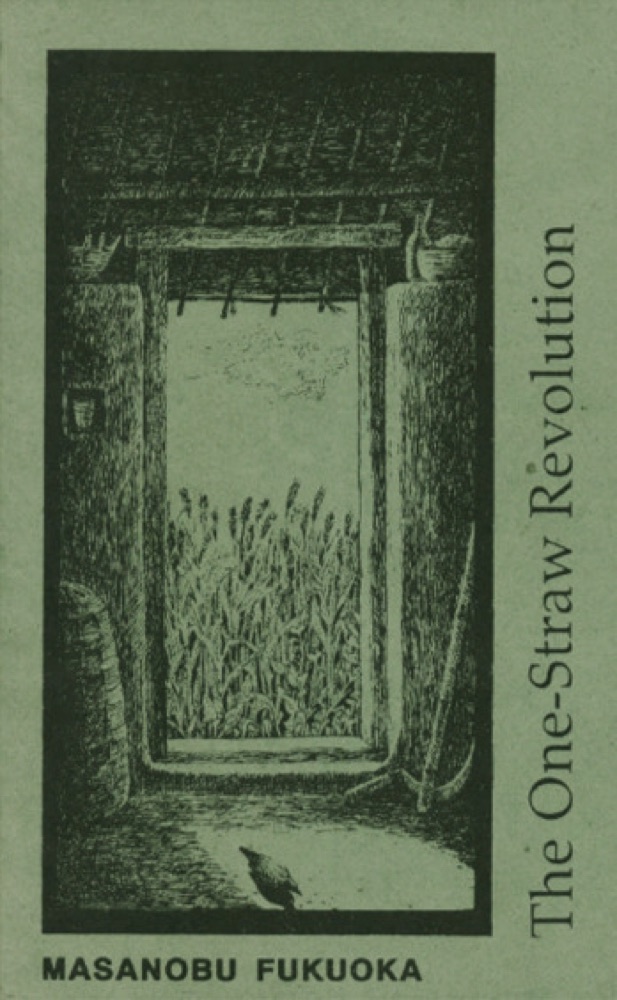
Fukuoka demonstrates how the way we look at farming influences the way we look at health, the school, nature, nutrition, spiritual health and life itself. He joins the healing of the land to the process of purifying the human spirit and proposes a way of life and a way of farming in which such healing can take place.
Book details
- First published
- 1975
- Author
- Masanobu Fukuoka
- Genre
- Nonfiction
- Goodreads rating
- 4.33 (9k ratings)
Keep reading
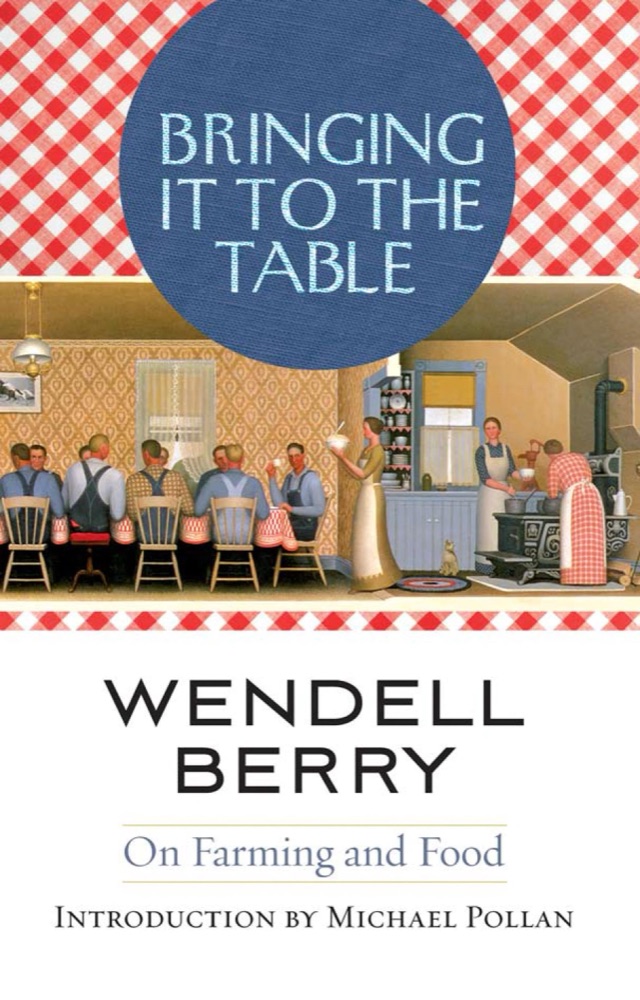
Bringing it to the Table: On Farming and Food
 The World-Ending Fire: The Essential Wendell Berry
 The Art of the Commonplace: The Agrarian Essays
 Sapiens: A Brief History of Humankind
 Small Is Beautiful: Economics as if People Mattered
 The World Peace Diet
 Endgame, Vol. 1: The Problem of Civilization
 The Omnivore's Dilemma: A Natural History of Four Meals
 Regenesis: Feeding the World Without Devouring the Planet
 Folks, This Ain't Normal: A Farmer's Advice for Happier Hens, Healthier People, and a Better World
 A Language Older Than Words
 Straw Dogs: Thoughts on Humans and Other Animals
 The Culture of Make Believe
 Enlightenment Now: The Case for Reason, Science, Humanism, and Progress
 Walden Two
 Practical Ethics
 The Wizard and the Prophet: Two Remarkable Scientists and Their Dueling Visions to Shape Tomorrow's World
 Homo Deus: A History of Tomorrow
 The Soul of Man Under Socialism
 Pastoral Song: A Farmer’s Journey
 Why Fish Don’t Exist: A Story of Loss, Love, and the Hidden Order of Life
 The Botany of Desire: A Plant's-Eye View of the World
 Sacred Economics: Money, Gift, and Society in the Age of Transition
 Drive Your Plow Over the Bones of the Dead
 The Book: On the Taboo Against Knowing Who You Are
 Animal, Vegetable, Miracle: A Year of Food Life
 The Mushroom at the End of the World: On the Possibility of Life in Capitalist Ruins
 The Socrates Express: In Search of Life Lessons from Dead Philosophers
 Eating Animals
 Untimely Meditations
 The Story of More: How We Got to Climate Change and Where to Go from Here
 Ethics for the New Millennium
 Silent Spring
 A Hunter-Gatherer's Guide to the 21st Century: Evolution and the Challenges of Modern Life
 Even Cowgirls Get the Blues
 Tao: The Watercourse Way
 The Blank Slate: The Modern Denial of Human Nature
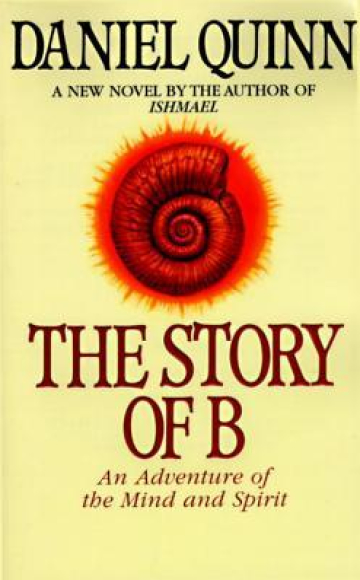 The Story of B: An Adventure of the Mind and Spirit
 Humankind: A Hopeful History
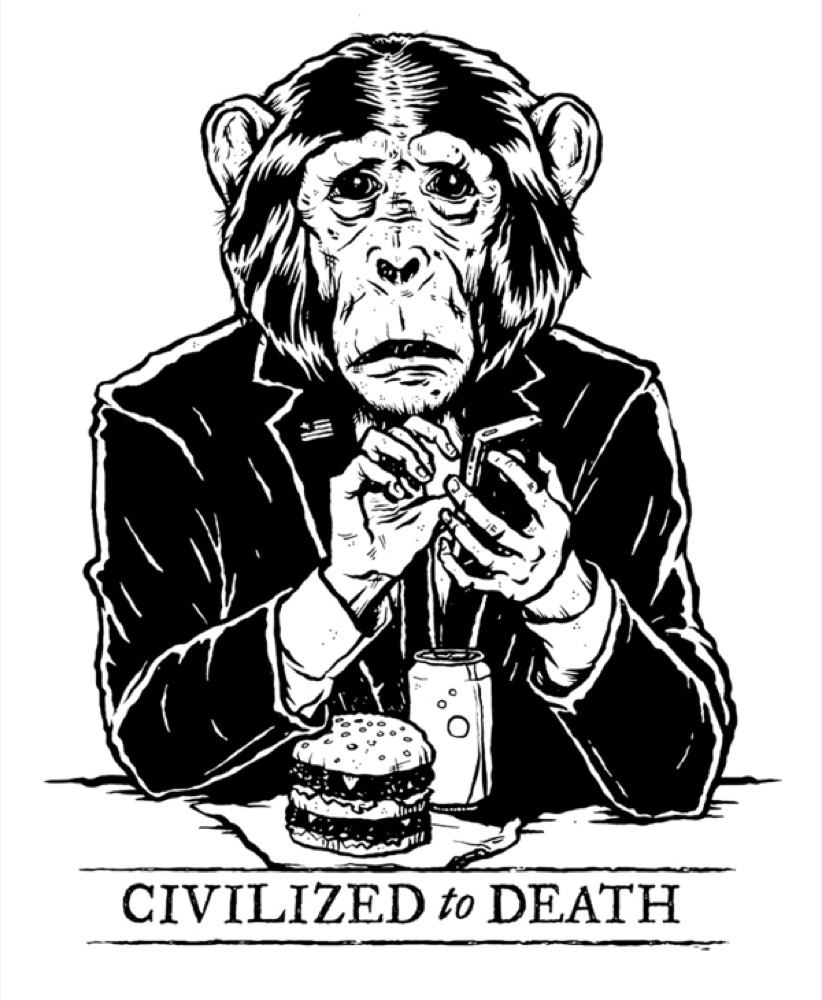 Civilized to Death: What Was Lost on the Way to Modernity
 The Fifth Science
 In Praise of Idleness and Other Essays
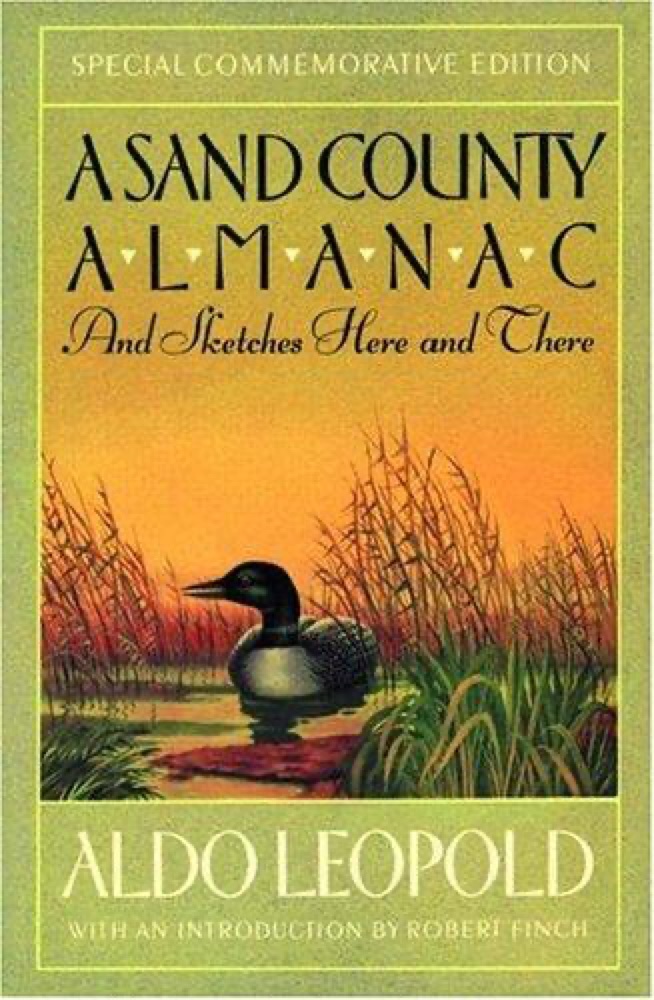 A Sand County Almanac and Sketches Here and There
 Revolution
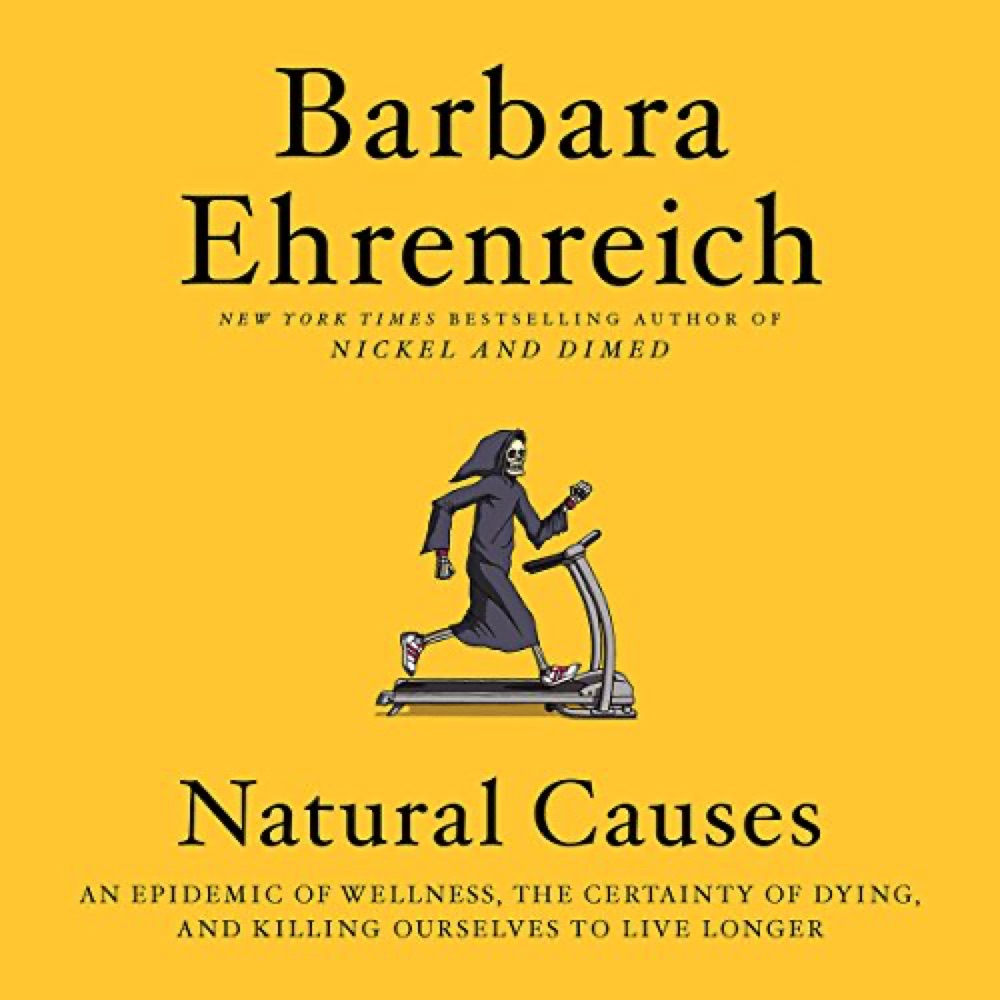 Natural Causes: An Epidemic of Wellness, the Certainty of Dying, and Killing Ourselves to Live Longer
 Beyond Religion: Ethics for a Whole World
 Villa Incognito
 Human Action: A Treatise on Economics
 Feral: Rewilding the Land, the Sea and Human Life
 The Log from the Sea of Cortez
 Small Wonder
 The Wayfinders: Why Ancient Wisdom Matters in the Modern World
 The Abolition of Man
 Zen and the Art of Motorcycle Maintenance
 The Years of Rice and Salt
 A Short History of Progress
 This is Vegan Propaganda
 The Sane Society
 The Ministry for the Future
 21 Lessons for the 21st Century