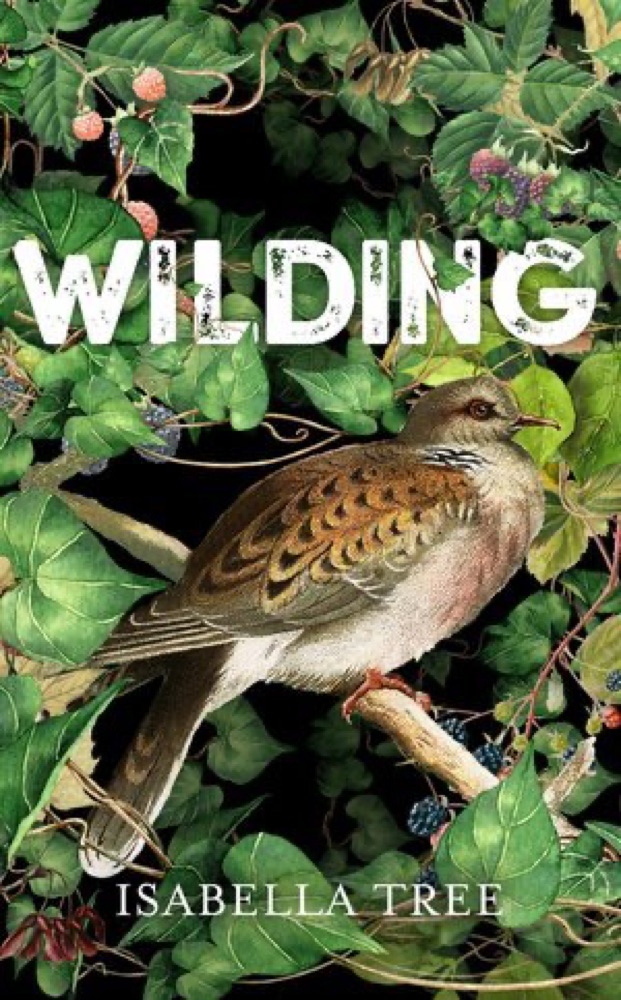
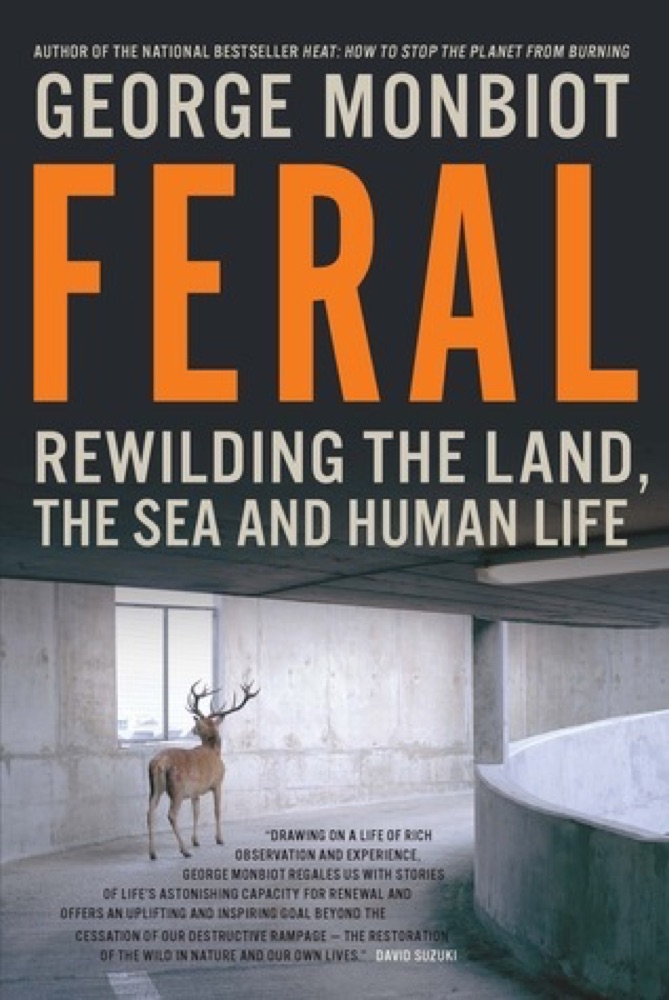
 Feral: Rewilding the Land, the Sea and Human Life
Quotes from the Book
children who spent time in green spaces between the ages of seven and twelve tend to think of nature as magical. As adults they are the people most likely to be indignant about lack of nature protection, while those who have had no such experience tend to regard nature as hostile or irrelevant and are indifferent to its loss. By expurgating nature from children's lives we are depriving the environment of its champions for the future.
14
We forget, in a world completely transformed by man, that what we’re looking at is not necessarily the environment wildlife prefer, but the depleted remnant that wildlife is having to cope with: what it has is not necessarily what it wants.
9
The great concerns of our time – climate change, natural resources, food production, water control and conservation, and human health – all boil down to the condition of the soil.
5
Methane emissions are lower in biodiverse pasture systems largely because of fumaric acid – a compound that scientists at the Rowett Institute in Aberdeen identified as leading to faster growth and reducing emissions of methane by 70 per cent when added to the diet of lambs. Fumaric acid occurs widely in many plants and herbs of the field and hedgerow, including angelica, common fumitory, shepherd’s purse and bird’s-foot trefoil.
3
Deep, rich orange and speckled with black, every now and again a flick of their wings flashed an underside of green and mother-of-pearl - the silver wash that gives the fritillaries their name. The female flies straight and level, the slow semaphore of her wing-beats and the scent from the tip of her abdomen exuding allure. The male swoops in tight loops under and up and in front of her, stalling so she can pass beneath him through a shower of intoxicating scent-scales shed from his forewings.
3
People have a famously soft spot for pigs. Intelligent, inquisitive, imperious, myopic, sociable, gluttonous, grunting, ungainly, it is easy to recognize ourselves in them.
2
Purple emperor-watching with Matthew and Neil is not your average butterfly entertainment, ethereal and somewhat effete. Theirs is a raucous, adrenaline-fuelled spectator sport. The emperors themselves seem to play to the crowd. Pugnacious males dart around the crowns of oaks, staking out their territory, jetting about with muscular flicks of their wings, twirling on their own axes, elevating a hundred feet into the air. They are the SAS of butterflies, fit, fearless and chemically armed.
2
They estimate that if organic matter in the world’s farmed soils was increased by as little as 1.6 per cent, the problem of climate change would be solved.
1
The evidence, both in the UK and abroad, is incontrovertible: naturalizing rivers and rewilding river-catchment areas prevents flooding.
1
Over the years modern farming has reduced soil to....‘dirt’ – a sterile medium in which plants struggle to grow without artificial fertilizers. It is a self-perpetuating cycle of destruction and chemical dependence.
1
the updated 2016 State of Nature report discovered that the UK has lost significantly more biodiversity over the long term than the world average. Ranked twenty-ninth lowest out of 218 countries, we are among the most nature-depleted countries in the world.
1
Think testosterone,’ says Matthew, ‘multiply it by πr2 and double it. Forget boys locked in boarding schools. They’ve spent ten months as a caterpillar waiting for this. They’ve pupated, they’re mature and they’re desperate. They’re squaddies in the disco on a Saturday night. They’re sailors in port after a nine-month voyage.
1
Nothing, I felt, could have encouraged me at that moment beyond shafts of sunlight spun with the dust of butterflies.
caw of every jackdaw, the crooning of every collared dove (‘I-don’t-know, I-don’t-know’) and wood pigeon (‘I-really-don’t-know’),
One of British conservation’s most conspicuous failures in the twentieth century has been to concentrate on individual species to the neglect of ecosystems. This shift in focus is sometimes hard for conservationists visiting Knepp to accept.
At our own back door the exotic is in neutral territory, like an illegal immigrant camping out in an airport.
We rail against ‘alien, invasive’ species like Himalayan balsam and Rhododendron ponticum, while turning a blind eye to pheasants, rainbow trout, snowdrops and sweet chestnut. Snake’s head fritillaries are a defining feature of ‘medieval wild-flower meadows’ protected by SSSIs. Yet they are no more native than the
But the world of academia is a strange, sometimes counterproductive and often sluggish place. Where one may expect it to be open and responsive to new thinking, it can be oddly conservative and resistant to radical ideas.
Watch on YouTube
About Isabella Tree
About the book
Forced to accept that intensive farming on the heavy clay of their land at Knepp in West Sussex was economically unsustainable, Isabella Tree and her husband Charlie Burrell made a spectacular leap of faith: they decided to step back and let nature take over. Thanks to the introduction of free-roaming cattle, ponies, pigs and deer – proxies of the large animals that once roamed Britain – the 3,500 acre project has seen extraordinary increases in wildlife numbers and diversity in little over a decade.
Once-common species, including turtle doves, nightingales, peregrine falcons, lesser spotted woodpeckers and purple emperor butterflies, are now breeding at Knepp, and populations of other species are rocketing. The Burrells’ degraded agricultural land has become a functioning ecosystem again, heaving with life – all by itself.
This recovery has taken place against a backdrop of catast
Book details
- First published
- 2018
- Author
- Isabella Tree
- Genre
- Nonfiction
- Goodreads rating
- 4.44 (10k ratings)
Keep reading
Feral: Rewilding the Land, the Sea and Human Life
 Wild Ones: A Sometimes Dismaying, Weirdly Reassuring Story About Looking at People Looking at Animals in America
 Under a White Sky: The Nature of the Future
 The Forest Unseen: A Year’s Watch in Nature
 Vanishing Treasures: A Bestiary of Extraordinary Endangered Creatures
 The Botany of Desire: A Plant's-Eye View of the World
 Regenesis: Feeding the World Without Devouring the Planet
 Silent Spring
 The World Without Us
 The Ends of the World
 Pastoral Song: A Farmer’s Journey
 Mother of God: An Extraordinary Journey into the Uncharted Tributaries of the Western Amazon
 Gathering Moss: A Natural and Cultural History of Mosses
 A Life on Our Planet: My Witness Statement and a Vision for the Future
 A Sand County Almanac and Sketches Here and There
 Falter: Has the Human Game Begun to Play Itself Out?
 The Genius of Birds
 Second Nature: A Gardener's Education
 Barkskins
 Last Chance to See
 The Light Eaters: How the Unseen World of Plant Intelligence Offers a New Understanding of Life on Earth
 The Mushroom at the End of the World: On the Possibility of Life in Capitalist Ruins
 Shadows of Forgotten Ancestors
 Vesper Flights
 The Wild Places
 The Overstory
 All We Can Save: Truth, Courage, and Solutions for the Climate Crisis
 Fuzz: When Nature Breaks the Law
 The Third Plate: Field Notes on the Future of Food
 The Extinction of Irena Rey
 Voyage of the Beagle
 Bringing it to the Table: On Farming and Food
 The Nature Fix: Why Nature Makes Us Happier, Healthier, and More Creative
 Semiosis
 The World-Ending Fire: The Essential Wendell Berry
 The Sixth Extinction: An Unnatural History
 The Story of More: How We Got to Climate Change and Where to Go from Here
 Earth
Earth
 Martin Marten
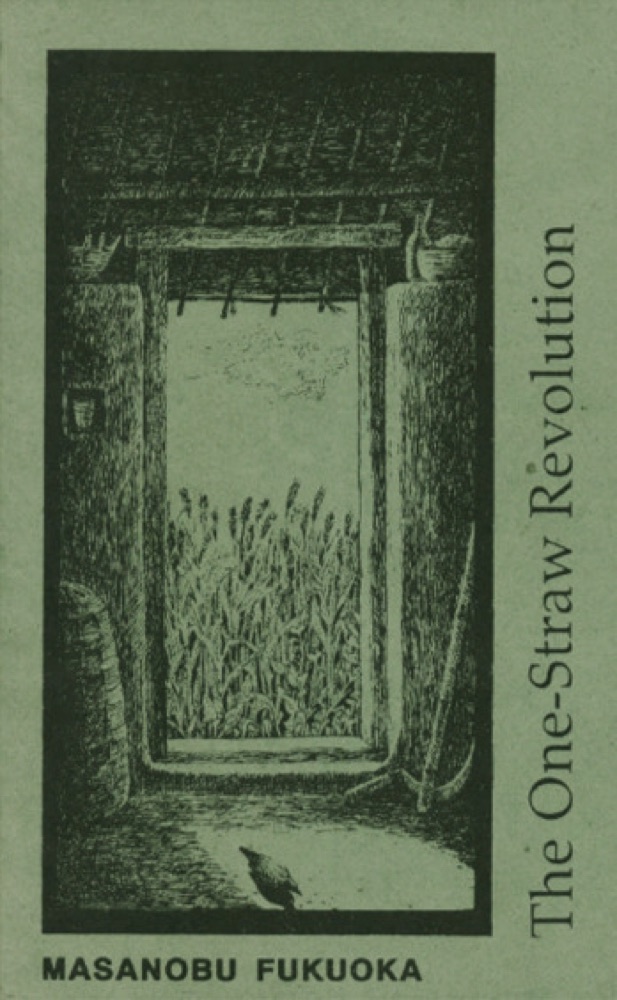 The One-Straw Revolution
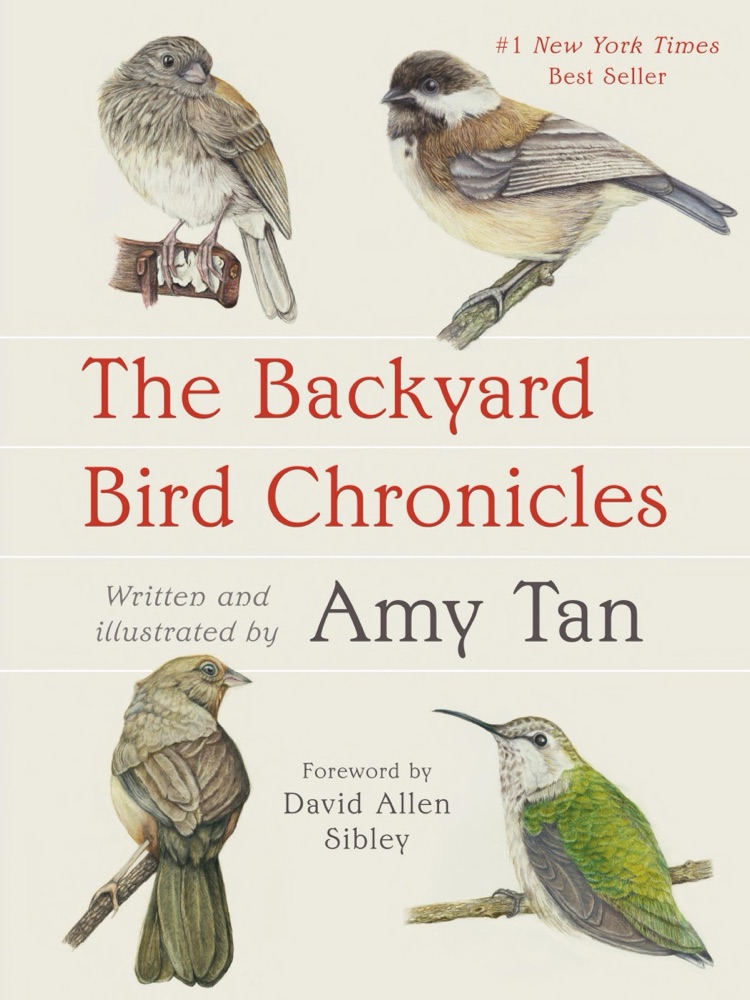 The Backyard Bird Chronicles
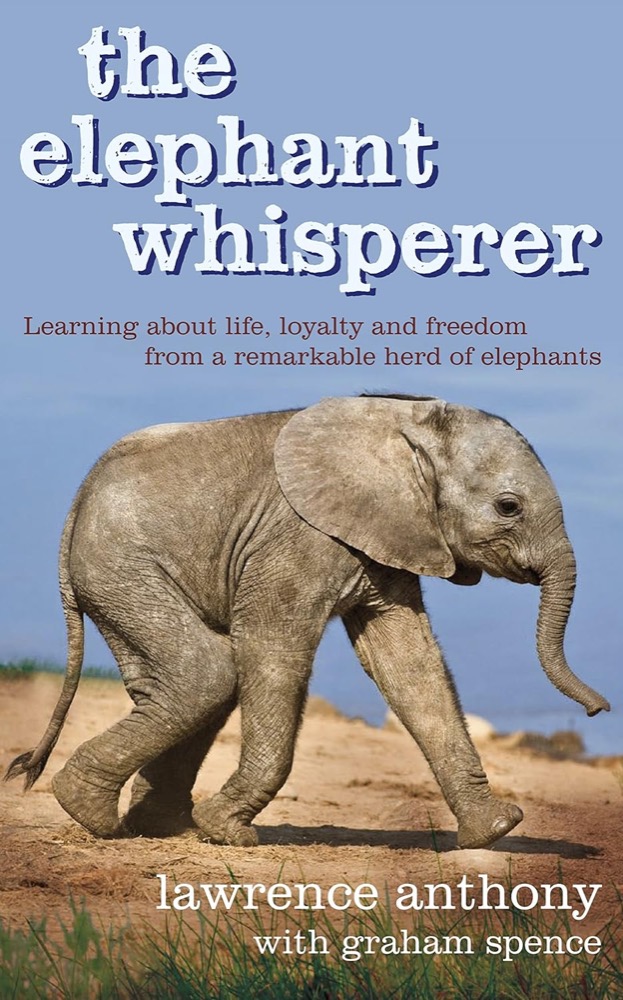 Elephant Whisperer
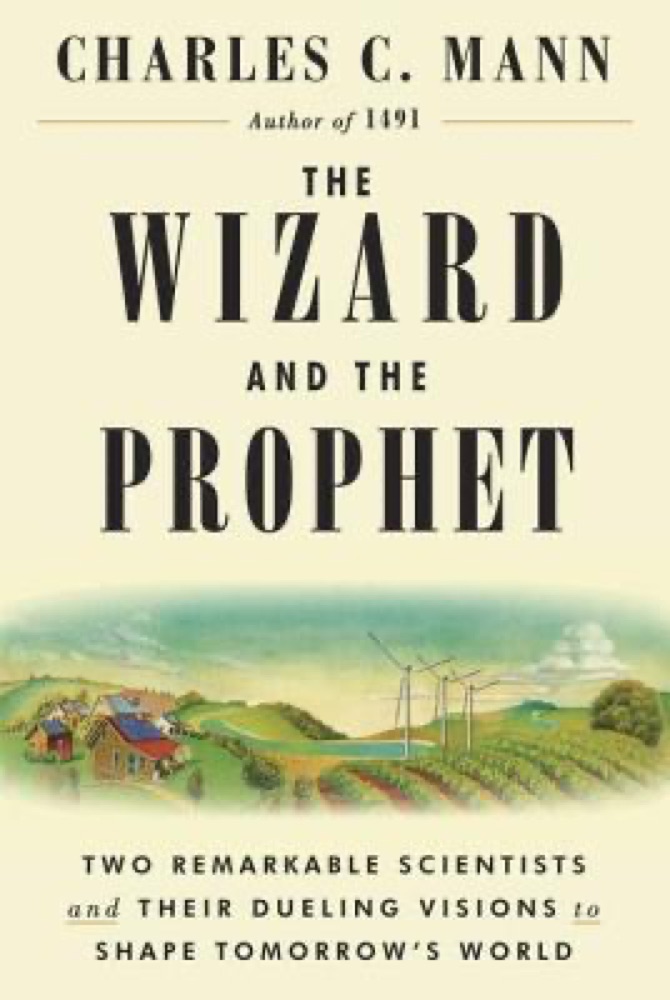 The Wizard and the Prophet: Two Remarkable Scientists and Their Dueling Visions to Shape Tomorrow's World
 Diary of a Young Naturalist
 Eaarth: Making a Life on a Tough New Planet
 In a Sunburned Country
 The Origin of Species
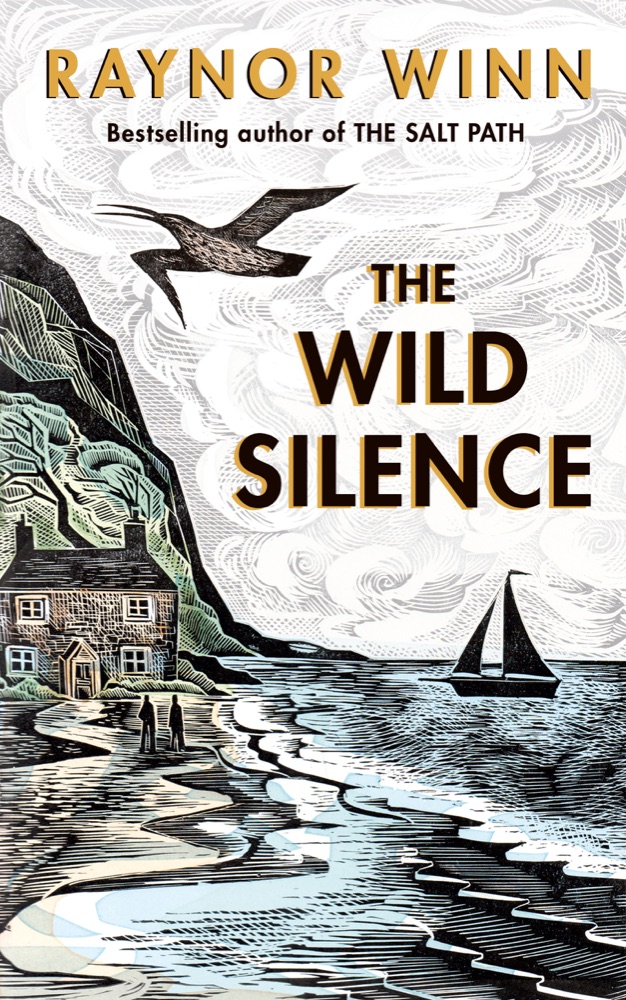 The Wild Silence
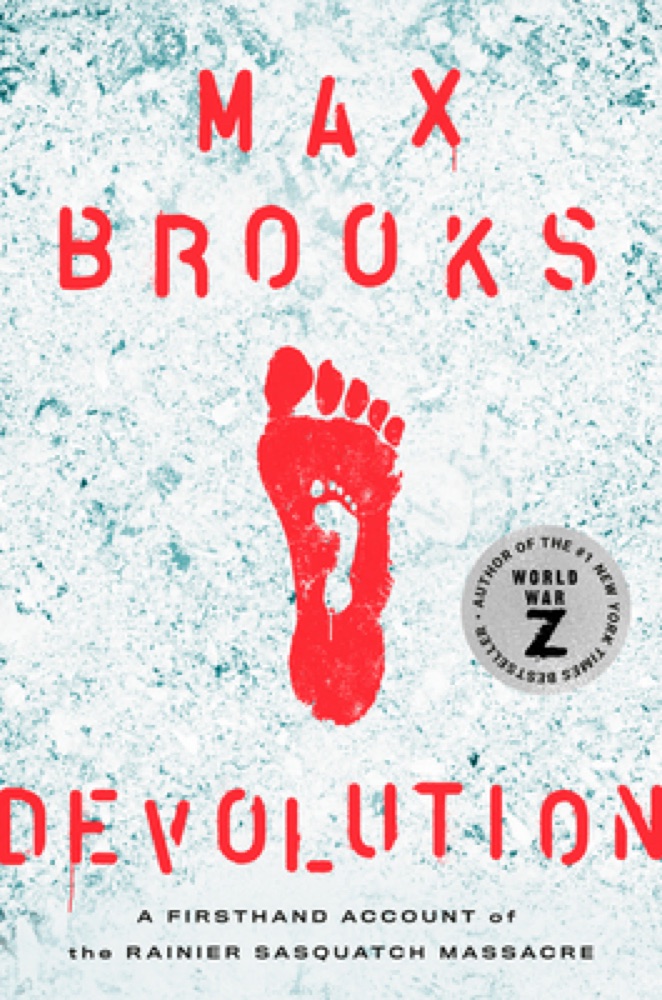 Devolution: A Firsthand Account of the Rainier Sasquatch Massacre
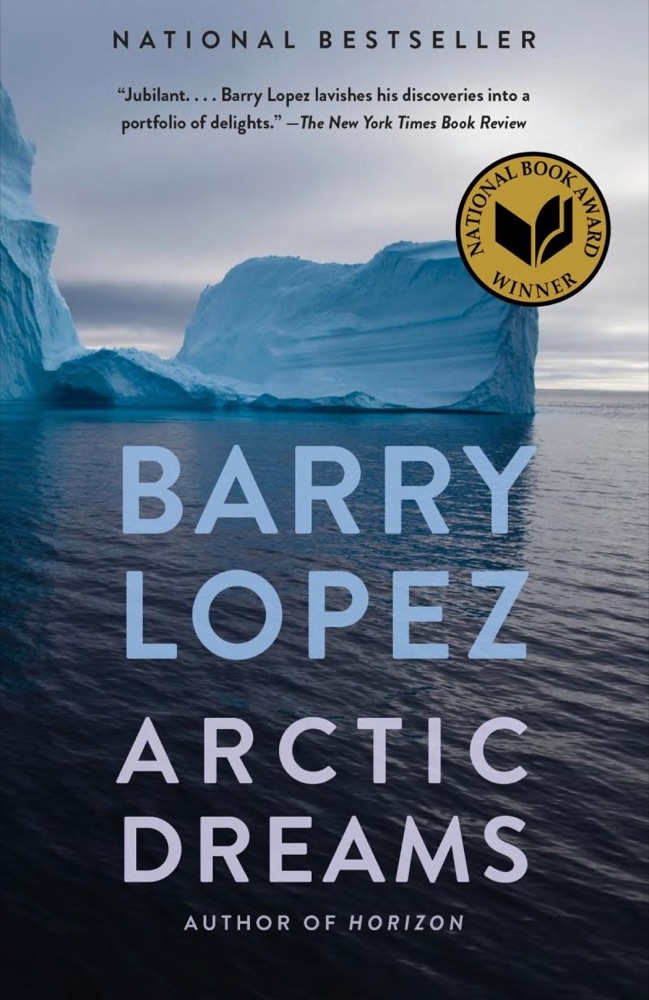 Arctic Dreams
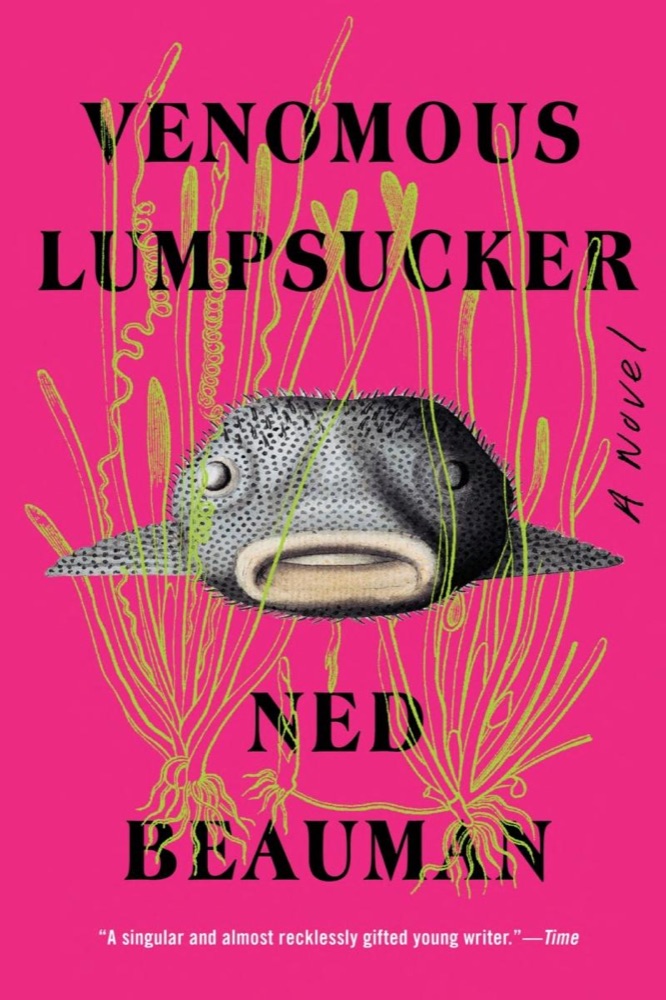 Venomous Lumpsucker
 The Log from the Sea of Cortez
 The Hidden Life of Trees: What They Feel, How They Communicate: Discoveries from a Secret World
 The Midwich Cuckoos
 Desert Solitaire
 The Outermost House: A Year of Life on the Great Beach of Cape Cod
 A Short History of Progress
 A Hunter-Gatherer's Guide to the 21st Century: Evolution and the Challenges of Modern Life
 H is for Hawk