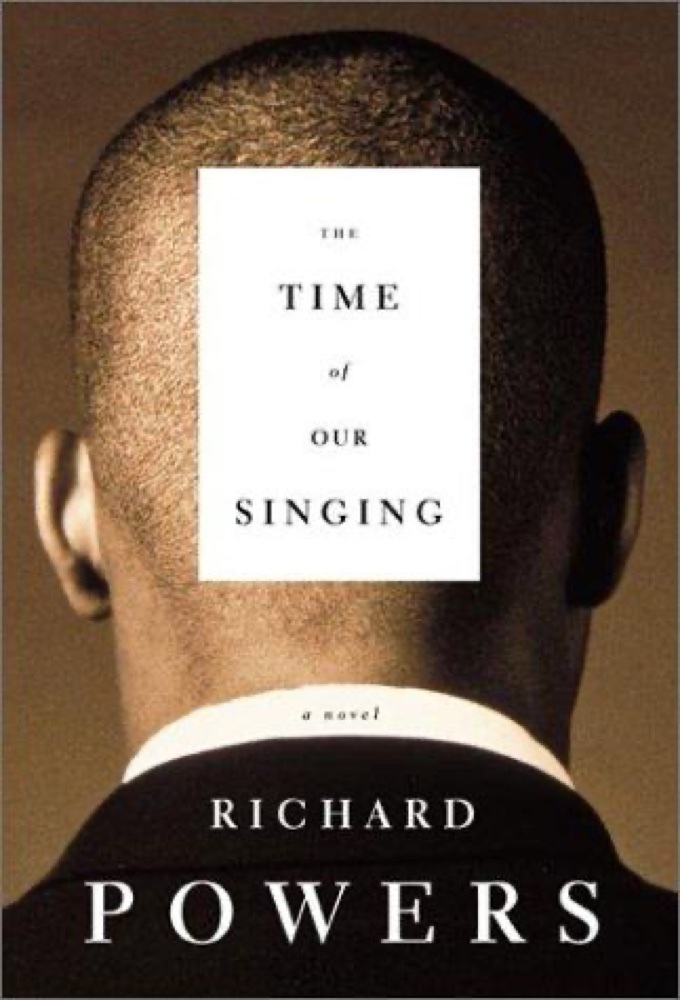
 The Time of Our Singing
Quotes from the Book
The best arguments in the world won't change a person's mind. The only thing that can do that is a good story.
355
What you make from a tree should be at least as miraculous as what you cut down.
247
This is not our world with trees in it. It's a world of trees, where humans have just arrived.
206
But people have no idea what time is. They think it’s a line, spinning out from three seconds behind them, then vanishing just as fast into the three seconds of fog just ahead. They can’t see that time is one spreading ring wrapped around another, outward and outward until the thinnest skin of Now depends for its being on the enormous mass of everything that has already died.
158
People aren’t the apex species they think they are. Other creatures-bigger, smaller, slower, faster, older, younger, more powerful-call the shots, make the air, and eat sunlight. Without them, nothing.
151
You and the tree in your backyard come from a common ancestor. A billion and a half years ago, the two of you parted ways. But even now, after an immense journey in separate directions, that tree and you still share a quarter of your genes. . . .
138
We found that trees could communicate, over the air and through their roots. Common sense hooted us down. We found that trees take care of each other. Collective science dismissed the idea. Outsiders discovered how seeds remember the seasons of their childhood and set buds accordingly. Outsiders discovered that trees sense the presence of other nearby life. That a tree learns to save water. That trees feed their young and synchronize their masts and bank resources and warn kin and send out signals to wasps to come and save them from attacks. “Here’s a little outsider information, and you can wait for it to be confirmed. A forest knows things. They wire themselves up underground. There are brains down there, ones our own brains aren’t shaped to see. Root plasticity, solving problems and making decisions. Fungal synapses. What else do you want to call it? Link enough trees together, and a forest grows aware.
122
You can’t come back to something that is gone.
99
To be human is to confuse a satisfying story with a meaningful one, and to mistake life for something huge with two legs. No: life is mobilized on a vastly larger scale, and the world is failing precisely because no novel can make the contest for the world seem as compelling as the struggles between a few lost people.
98
There is no knowing for a fact. The only dependable things are humility and looking.
94
You have given me a thing I could never have imagined, before I knew you. It's like I had the word "book," and you put one in my hands. I had the world "game," and you taught me how to play. I had the word "life," and then you came along and said, "Oh! You mean this.
92
Say the planet is born at midnight and it runs for one day. First there is nothing. Two hours are lost to lava and meteors. Life doesn’t show up until three or four a.m. Even then, it’s just the barest self-copying bits and pieces. From dawn to late morning—a million million years of branching—nothing more exists than lean and simple cells. Then there is everything. Something wild happens, not long after noon. One kind of simple cell enslaves a couple of others. Nuclei get membranes. Cells evolve organelles. What was once a solo campsite grows into a town. The day is two-thirds done when animals and plants part ways. And still life is only single cells. Dusk falls before compound life takes hold. Every large living thing is a latecomer, showing up after dark. Nine p.m. brings jellyfish and worms. Later that hour comes the breakout—backbones, cartilage, an explosion of body forms. From one instant to the next, countless new stems and twigs in the spreading crown burst open and run. Plants make it up on land just before ten. Then insects, who instantly take to the air. Moments later, tetrapods crawl up from the tidal muck, carrying around on their skin and in their guts whole worlds of earlier creatures. By eleven, dinosaurs have shot their bolt, leaving the mammals and birds in charge for an hour. Somewhere in that last sixty minutes, high up in the phylogenetic canopy, life grows aware. Creatures start to speculate. Animals start teaching their children about the past and the future. Animals learn to hold rituals. Anatomically modern man shows up four seconds before midnight. The first cave paintings appear three seconds later. And in a thousandth of a click of the second hand, life solves the mystery of DNA and starts to map the tree of life itself. By midnight, most of the globe is converted to row crops for the care and feeding of one species. And that’s when the tree of life becomes something else again. That’s when the giant trunk starts to teeter.
91
There are a hundred thousand species of love, separately invented, each more ingenious than the last, and every one of them keeps making things.
90
Life has a way of talking to the future. It’s called memory. It’s called genes.
89
There's a Chinese saying. 'When is the best time to plant a tree? Twenty years ago.' " The Chinese engineer smiles. "Good one." " 'When is the next best time? Now.' " "Ah! Okay!" The smile turns real. Until today, he has never planted anything. But Now, that next best of times, is long, and rewrites everything.
81
Love is a tree with branches in forever with roots in eternity and a trunk nowhere at all
74
The Greeks had a word, xenia—guest friendship—a command to take care of traveling strangers, to open your door to whoever is out there, because anyone passing by, far from home, might be God. Ovid tells the story of two immortals who came to Earth in disguise to cleanse the sickened world. No one would let them in but one old couple, Baucis and Philemon. And their reward for opening their door to strangers was to live on after death as trees—an oak and a linden—huge and gracious and intertwined. What we care for, we will grow to resemble. And what we resemble will hold us, when we are us no longer. . . .
68
A great truth comes over him: Trees fall with spectacular crashes. But planting is silent and growth is invisible.
61
Buddha’s words: A tree is a wondrous thing that shelters, feeds, and protects all living things. It even offers shade to the axmen who destroy it.
61
No one sees trees. We see fruit, we see nuts, we see wood, we see shade. We see ornaments or pretty fall foliage. Obstacles blocking the road or wrecking the ski slope. Dark, threatening places that must be cleared. We see branches about to crush our roof. We see a cash crop. But trees - trees are invisible.
58
Kindness may look for something in return, but that doesn’t make it any less kind.
51
Civilized yards are all alike. Every wild yard is wild in its own way.
49
Something shines out, a truth so self-evident that the words dictate themselves. We’re cashing in a billion years of planetary savings bonds and blowing it on assorted bling.
46
It’s so simple,” she says. “So obvious. Exponential growth inside a finite system leads to collapse. But people don’t see it. So the authority of people is bankrupt.
46
Trees have long been trying to reach us. But they speak on frequencies too low for people to hear.
45
Earth will be monetized until all trees grow in straight lines, three people own all seven continents, and every large organism is bred to be slaughtered.
41
We’ve learned a little about a few of them, in isolation. But nothing is less isolated or more social than a tree.
41
Life will cook; the seas will rise. The planet’s lungs will be ripped out. And the law will let this happen, because harm was never imminent enough. Imminent, at the speed of people, is too late. The law must judge imminent at the speed of trees.
40
A seed that lands upside down in the ground will wheel --root and stem--in a great U-turn until it rights itself. But a human child can know it's pointed wrong and still consider the direction well worth a try.
39
Trees know when we are close by. The chemistry of their roots and the perfumes of their leaves pump out change when we're near...when you feel good after a walk in the woods, it may be that certain species are bribing you
37
Did you know?
- The novel won the 2019 Pulitzer Prize for Fiction.
- It was shortlisted for the 2018 Man Booker Prize.
- Its four sections are named Roots, Trunk, Crown, and Seeds, echoing the structure of a tree.
- The character Patricia Westerford's research on tree communication draws on real forest science.
- It won France's Grand Prix de Littérature Américaine in 2018.
- A television adaptation has been in development with David Benioff, D.B. Weiss, and Hugh Jackman attached as executive producers.
About Richard Powers
Richard Powers is an American novelist whose work often explores the intersection of science, technology, and human life. He won the National Book Award for The Echo Maker (2006) and the Pulitzer Prize for Fiction for The Overstory (2019).
More about the author →More by Richard Powers
All books by Richard Powers →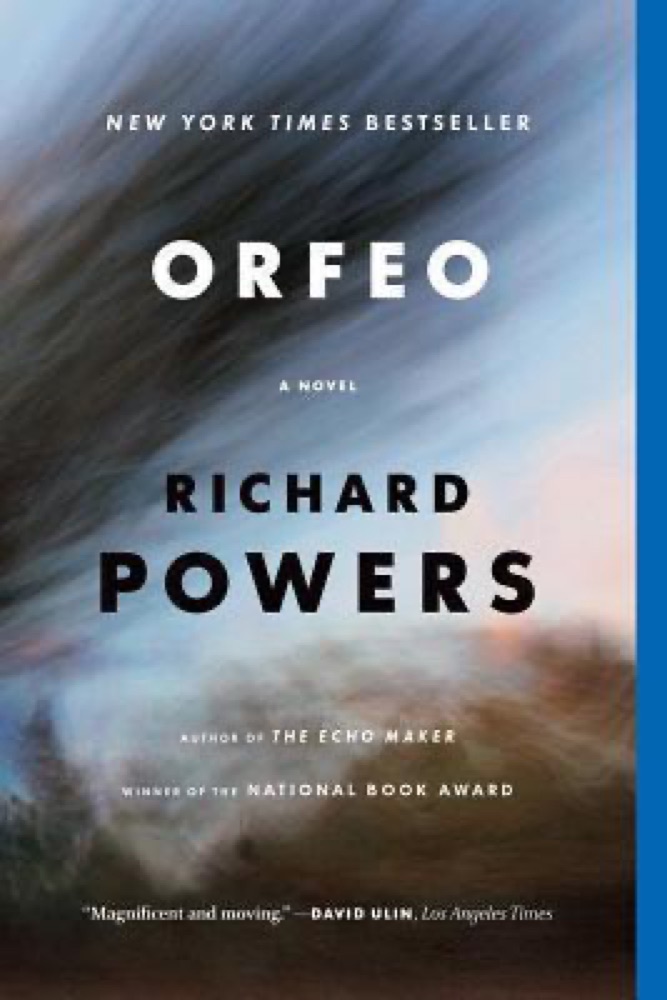
About the book
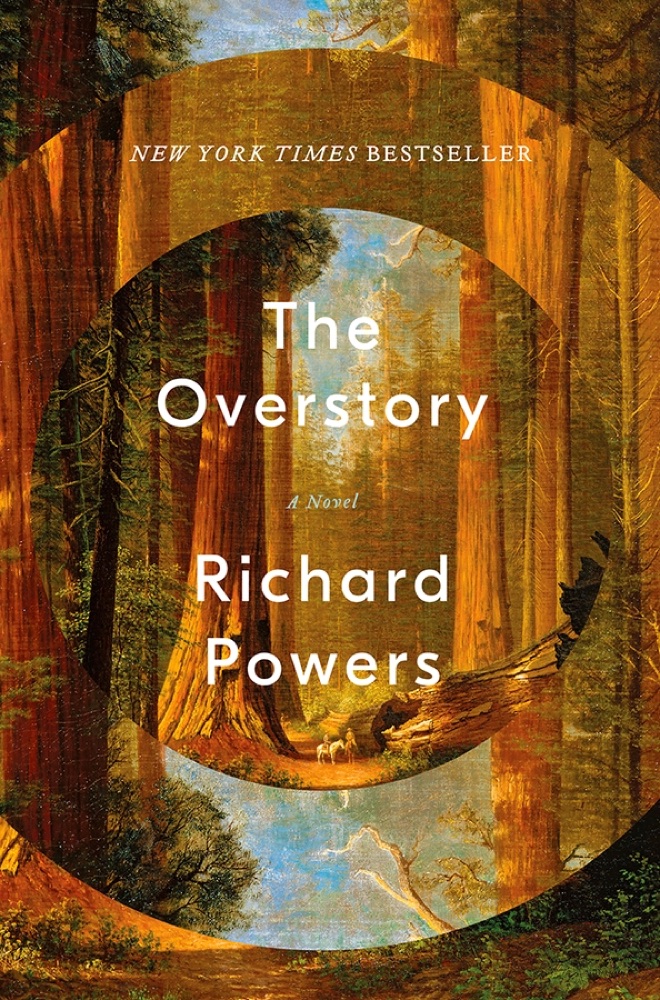
The Overstory is Richard Powers's sprawling novel about trees and the humans whose lives become entangled with them. Structured like a tree itself in sections titled Roots, Trunk, Crown, and Seeds, it braids together nine separate characters across the United States and across generations, from a chestnut planted by a Norwegian immigrant in the nineteenth century to a paralyzed video-game designer and a botanist who discovers that trees communicate. Several of these strands converge as a loose group of environmental activists who move from peaceful protest to acts of sabotage against logging operations.
The novel's central concern is humanity's relationship with the natural world, and it argues forcefully that trees are intelligent, communicative, time-bound beings whose slow lives unfold beneath human notice. Drawing on real forest science about how trees share resources and signal one another, Powers presses questions of deep time, complicity in ecological destruction, activism and its costs, and what it would mean to truly decenter the human perspective. The book treats trees not as scenery but as protagonists in their own right.
Published by W. W. Norton in 2018, The Overstory was widely acclaimed for its ambition and intricate construction and went on to win the 2019 Pulitzer Prize for Fiction and the 2020 William Dean Howells Medal. It was shortlisted for the Man Booker Prize and won France's Grand Prix de Littérature Américaine. The novel became a bestseller and was credited with shaping public conversation about forests and the climate, though some critics found its activist message heavy-handed.
Key characters
- Nicholas HoelArtist descended from Iowa farmers who tend a rare blight-resistant chestnut tree
- Olivia VandergriffCollege student turned committed environmental activist after a near-death experience
- Patricia WesterfordHearing-impaired botanist who discovers that trees communicate
- Adam AppichPsychologist who joins the activists and is later imprisoned
- Mimi MaEngineer and daughter of a Chinese immigrant who becomes an activist
- Douglas PavlicekVietnam veteran who turns to tree-planting and forest activism
- Neelay MehtaVideo-game designer paralyzed after a childhood fall from a tree
Book details
- First published
- 2018
- Length
- 512 pages
- Reading time
- 18 hours
- Author
- Richard Powers
- Genre
- Fiction
- Goodreads rating
- 4.11 (205k ratings)
- First line
- “First there was nothing. Then there was everything.”
Critical reception
- Won the 2019 Pulitzer Prize for Fiction.
- Shortlisted for the 2018 Man Booker Prize and praised for its ambitious scope and intricate structure.
- Awarded the 2020 William Dean Howells Medal by the American Academy of Arts and Letters.
Movie & TV adaptations
- IMDb
Keep reading
 The Dark Forest
 The Fifth Science
 The Eagle Tree
 The Light Eaters: How the Unseen World of Plant Intelligence Offers a New Understanding of Life on Earth
 Gathering Moss: A Natural and Cultural History of Mosses
 The Stone Gods
 The Forest Unseen: A Year’s Watch in Nature
 Greenwood
 Vanishing Treasures: A Bestiary of Extraordinary Endangered Creatures
 Why Fish Don’t Exist: A Story of Loss, Love, and the Hidden Order of Life
 Small Wonder
 The Island of Missing Trees
 Genome
 To Be Taught, If Fortunate
 The Hidden Life of Trees: What They Feel, How They Communicate: Discoveries from a Secret World
 Bewilderment
 The Lost World
 Winter
 The Abundance
 Autumn
 Semiosis
 Drive Your Plow Over the Bones of the Dead
 West with the Night
 Playground
 The Future
 The Botany of Desire: A Plant's-Eye View of the World
 The World-Ending Fire: The Essential Wendell Berry
 Jurassic Park
 Always Coming Home
 Death's End
 The World Without Us
 There Are Rivers in the Sky
 All Our Wrong Todays
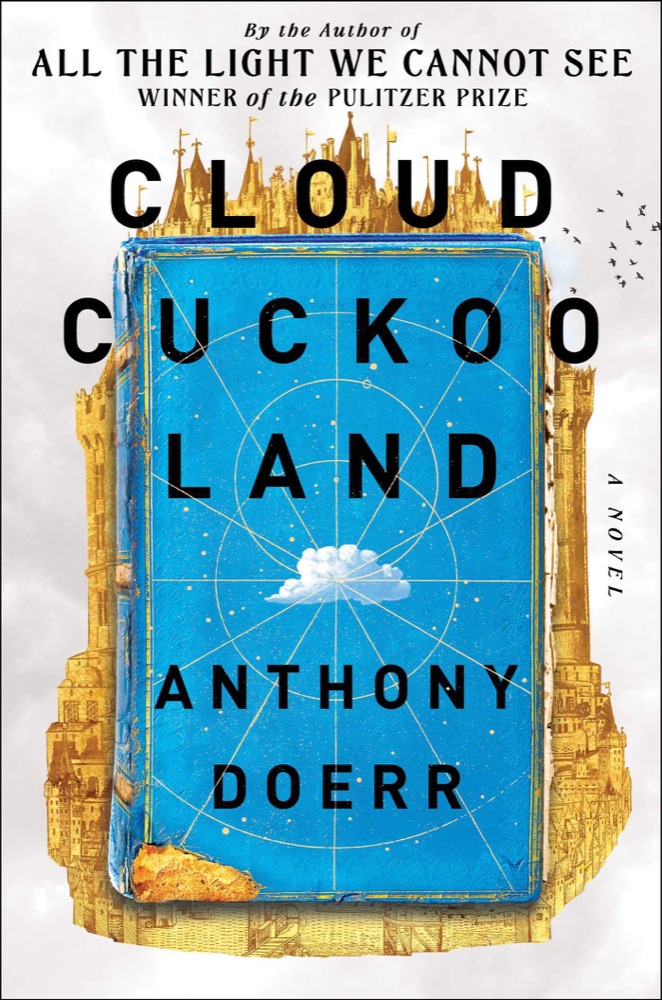 Cloud Cuckoo Land
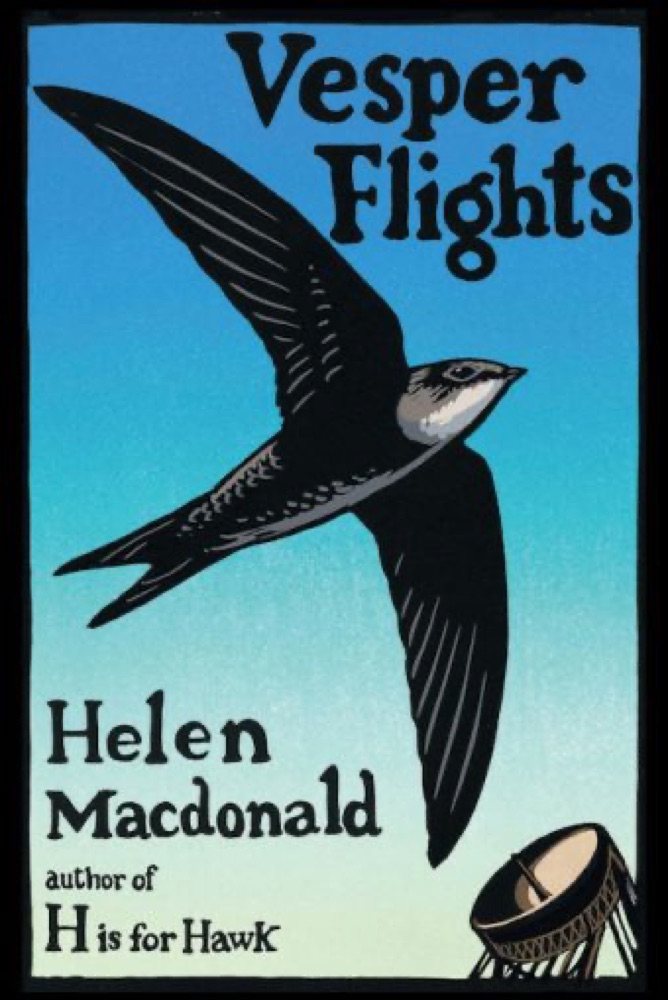 Vesper Flights
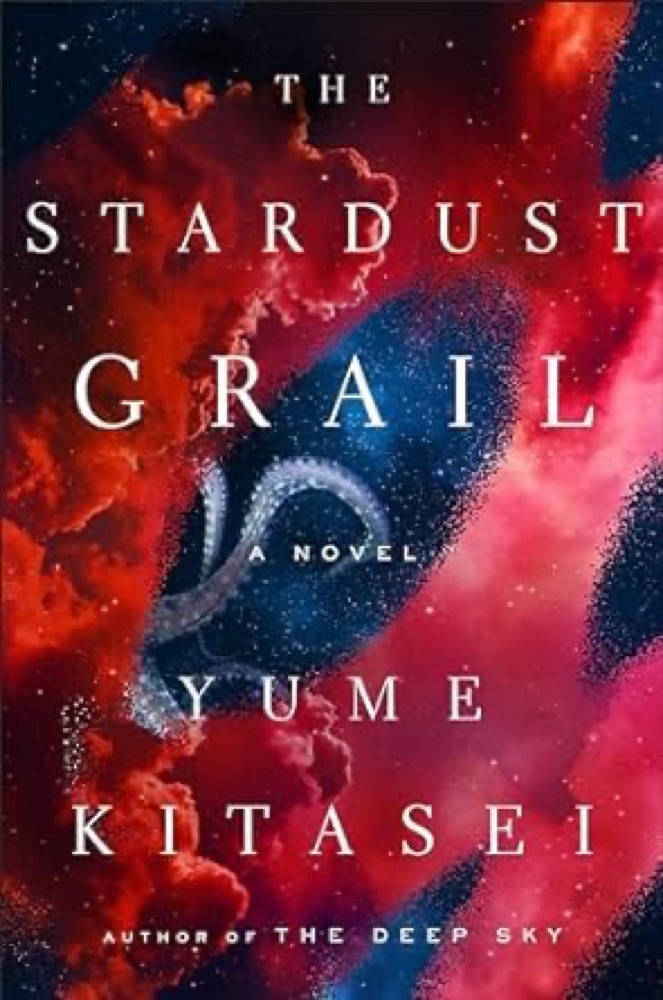 The Stardust Grail
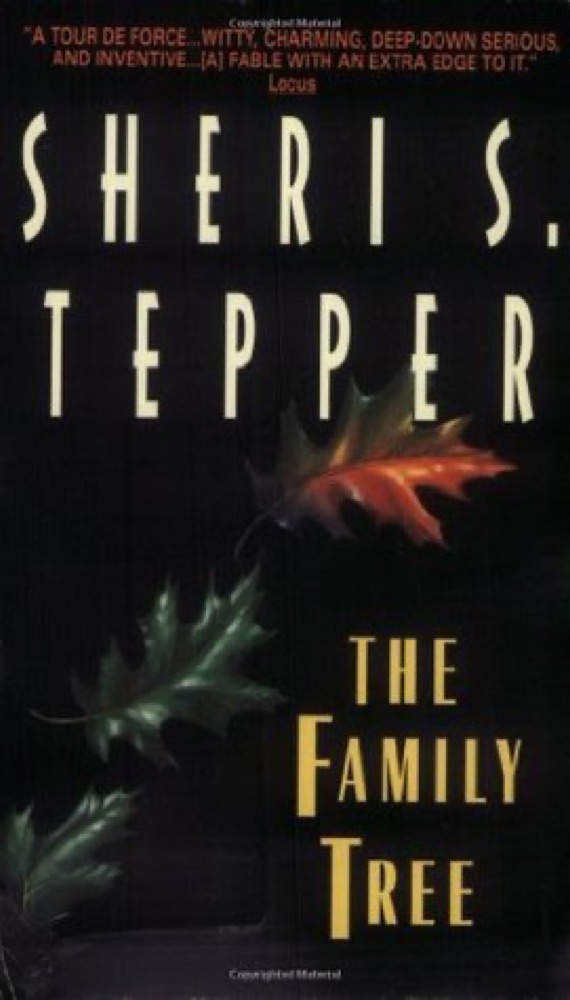 The Family Tree
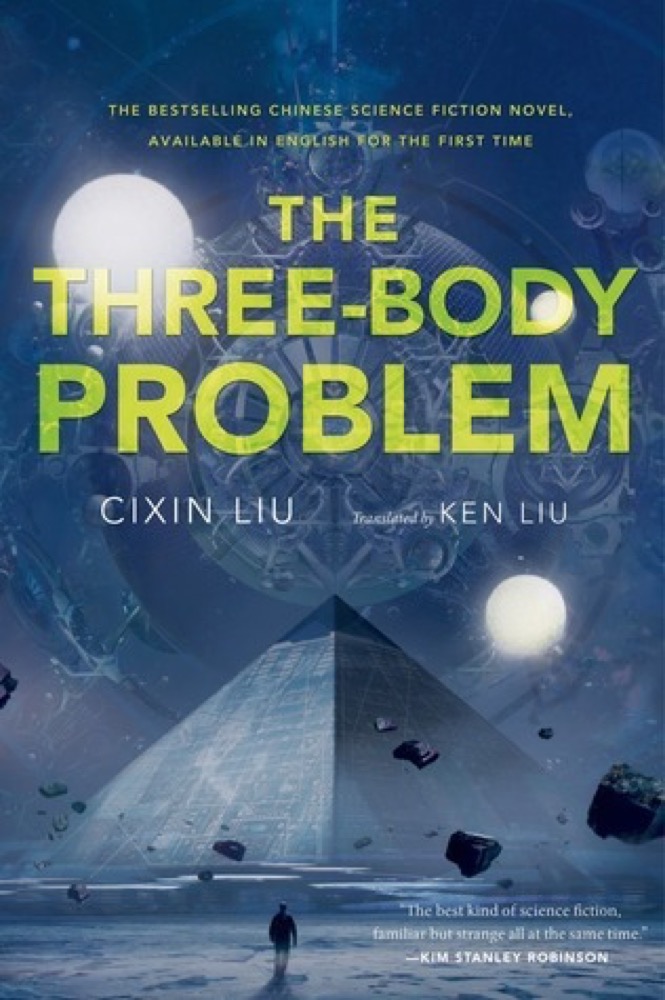 The Three-Body Problem
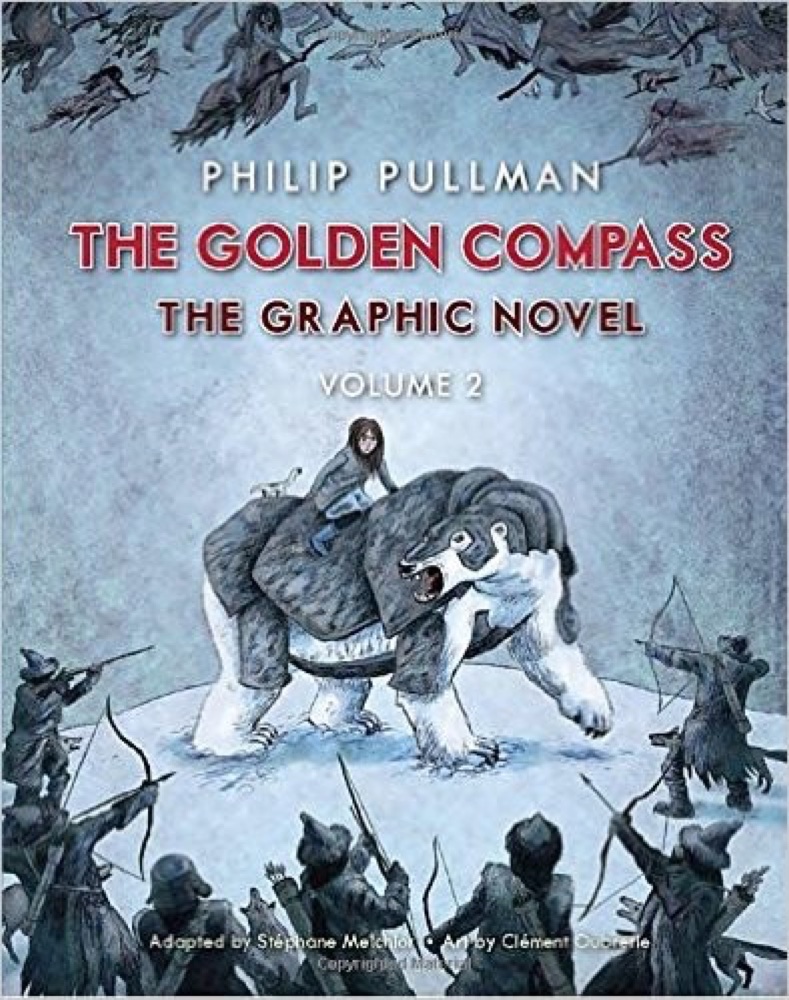 The Golden Compass
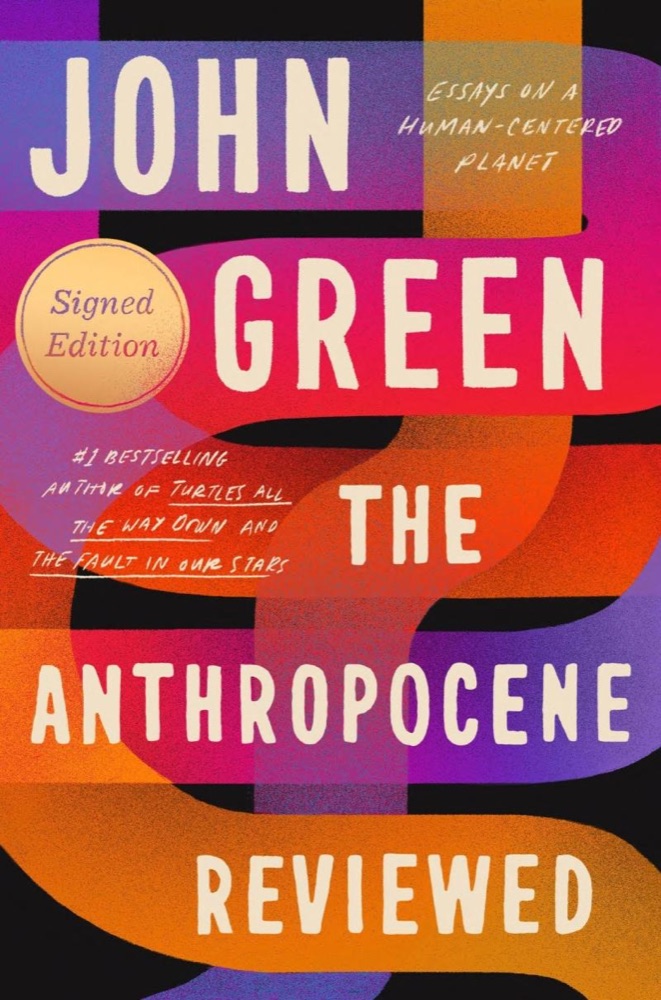 The Anthropocene Reviewed: Essays on a Human-Centered Planet
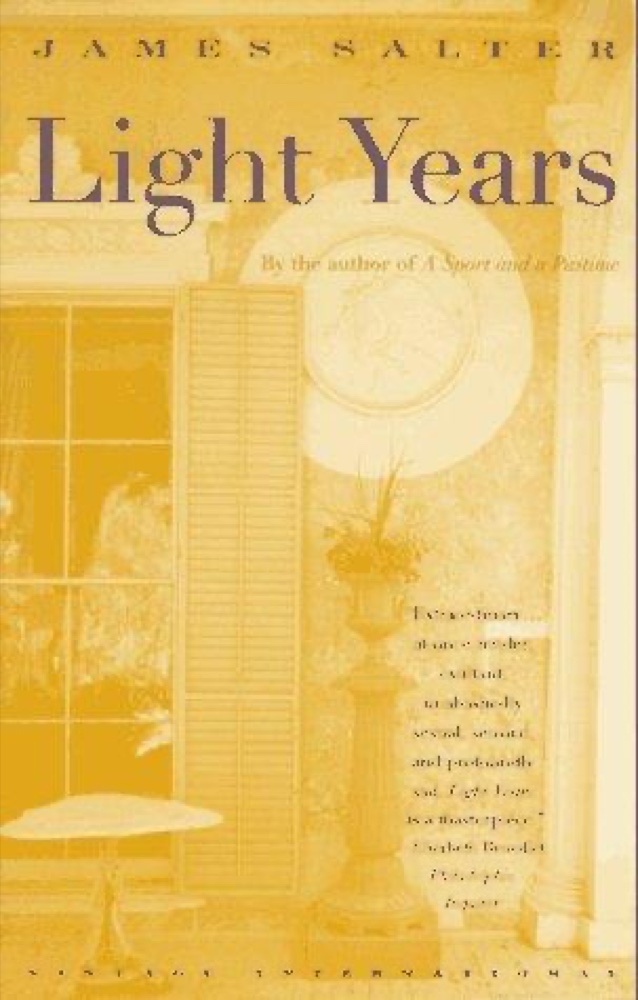 Light Years
 Villa Incognito
 Seven Surrenders
 The Gone-Away World
 The Shape of Water
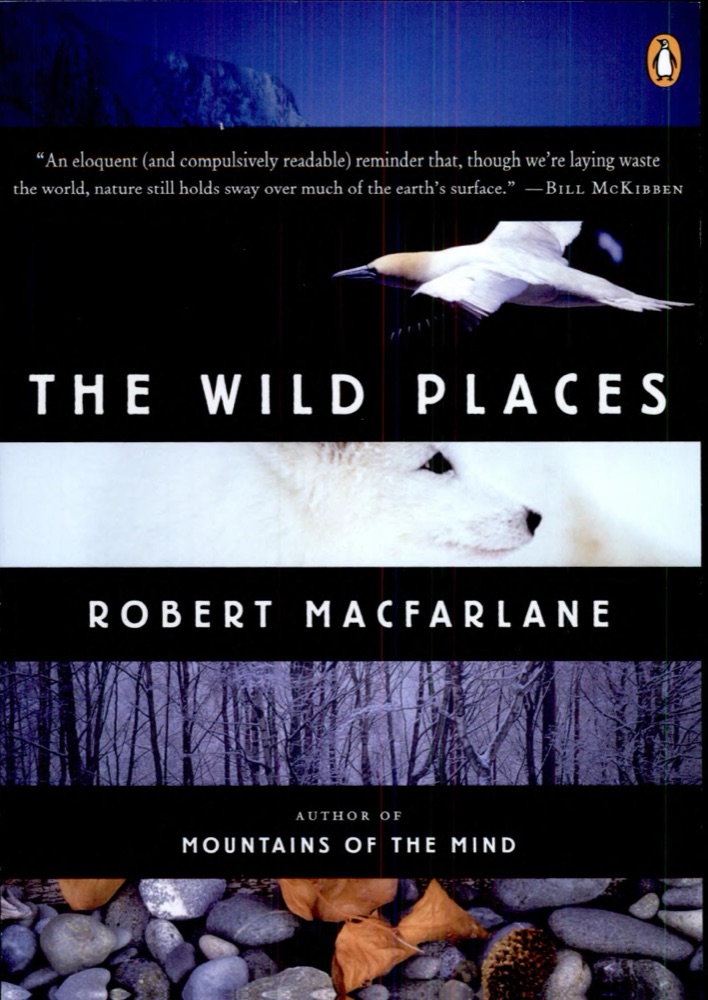 The Wild Places
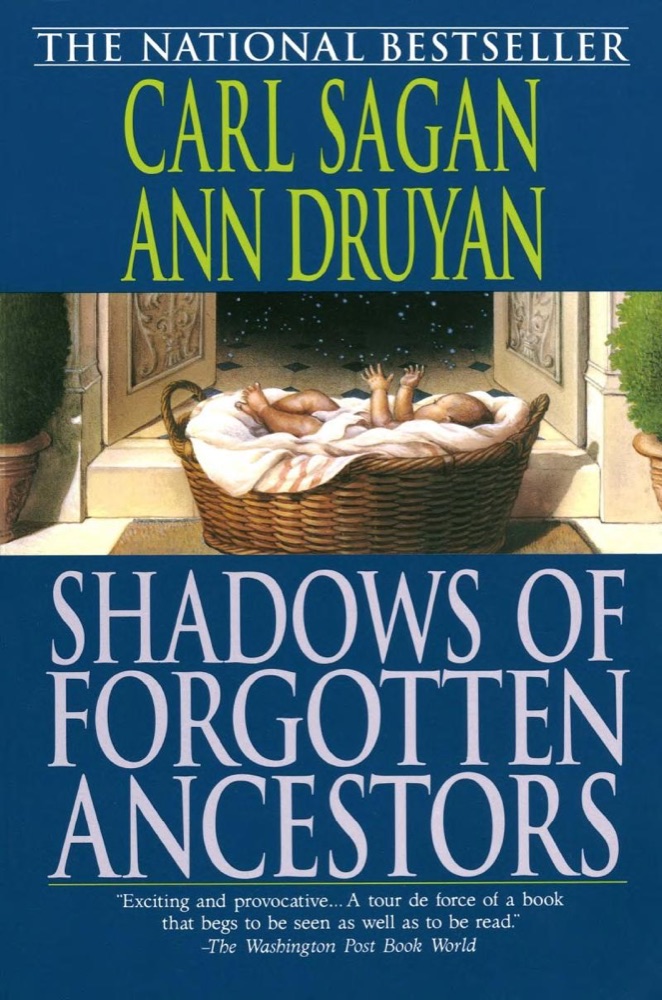 Shadows of Forgotten Ancestors
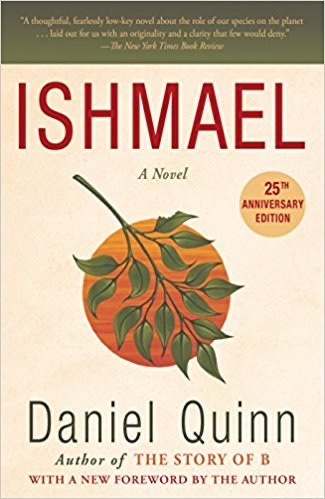 Ishmael: An Adventure of the Mind and Spirit
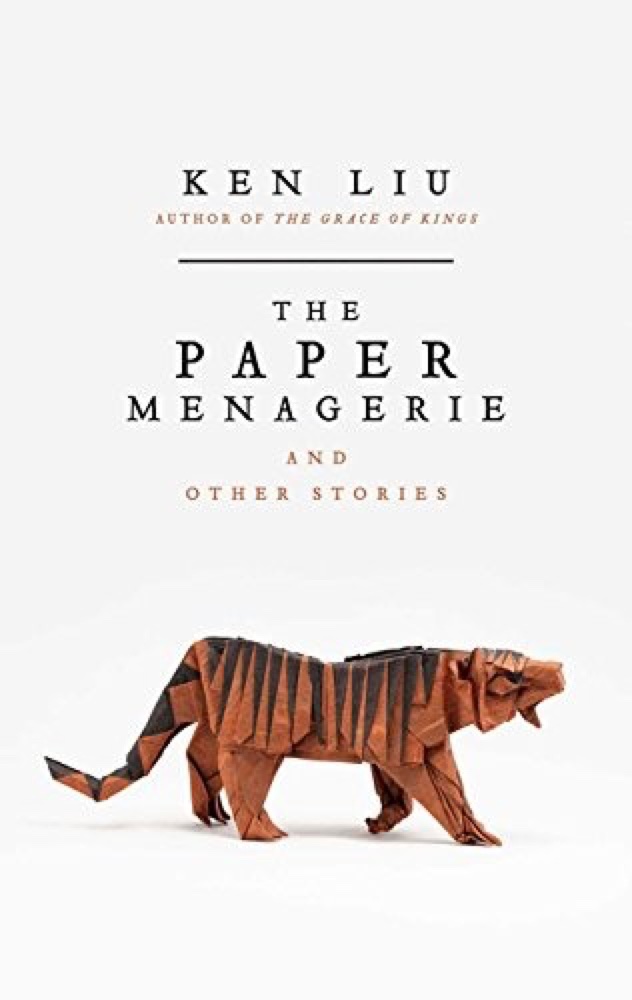 The Paper Menagerie and Other Stories
 Utopia Avenue
 A Luminous Republic
 The Beauty
 Billions & Billions: Thoughts on Life and Death at the Brink of the Millennium
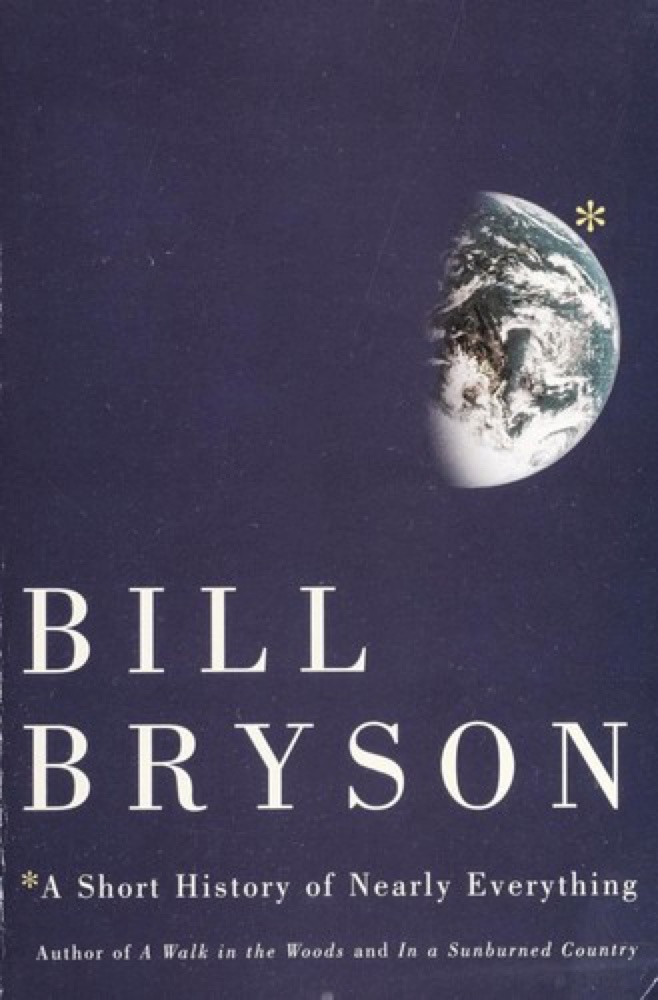 A Short History of Nearly Everything
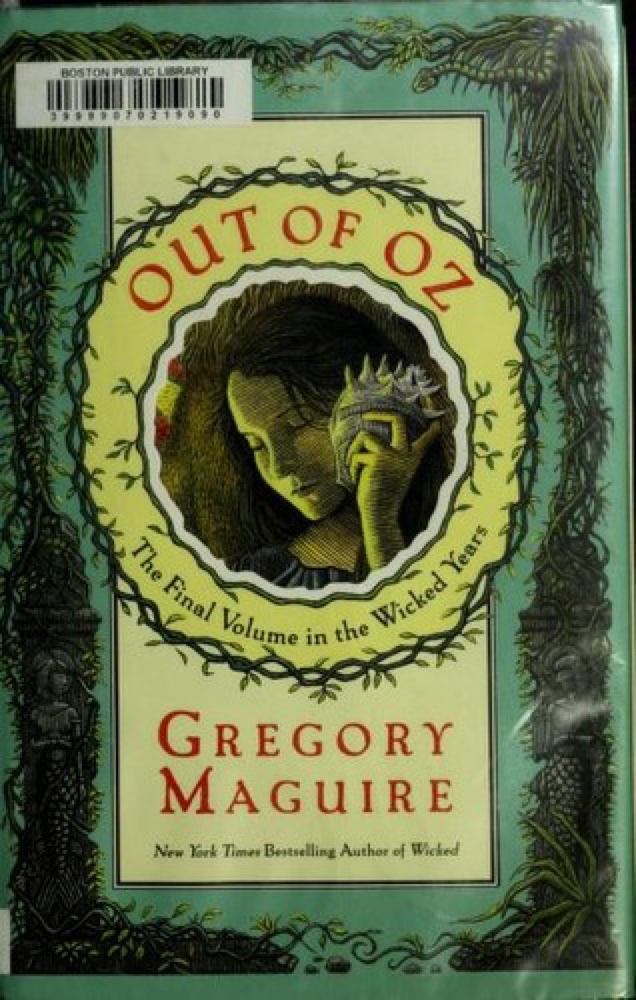 Out of Oz
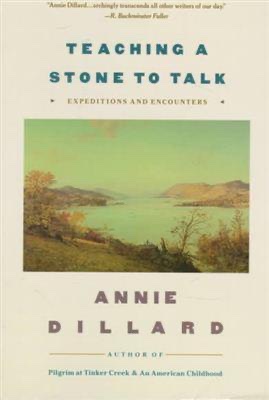 Teaching a Stone to Talk: Expeditions and Encounters
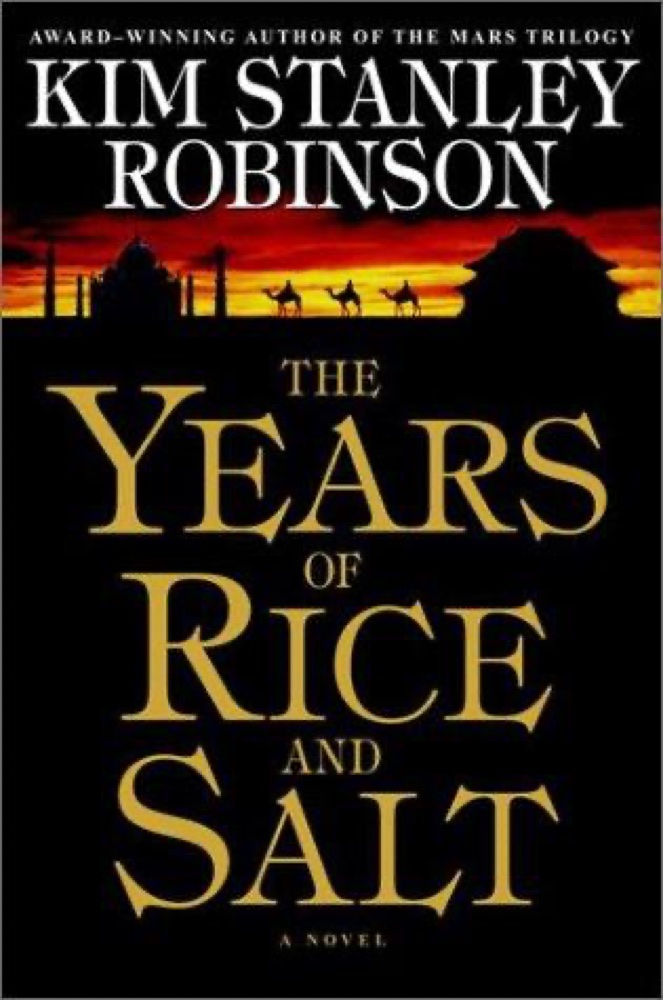 The Years of Rice and Salt
 The Mere Wife
 Silver on the Tree
 A Sudden Light