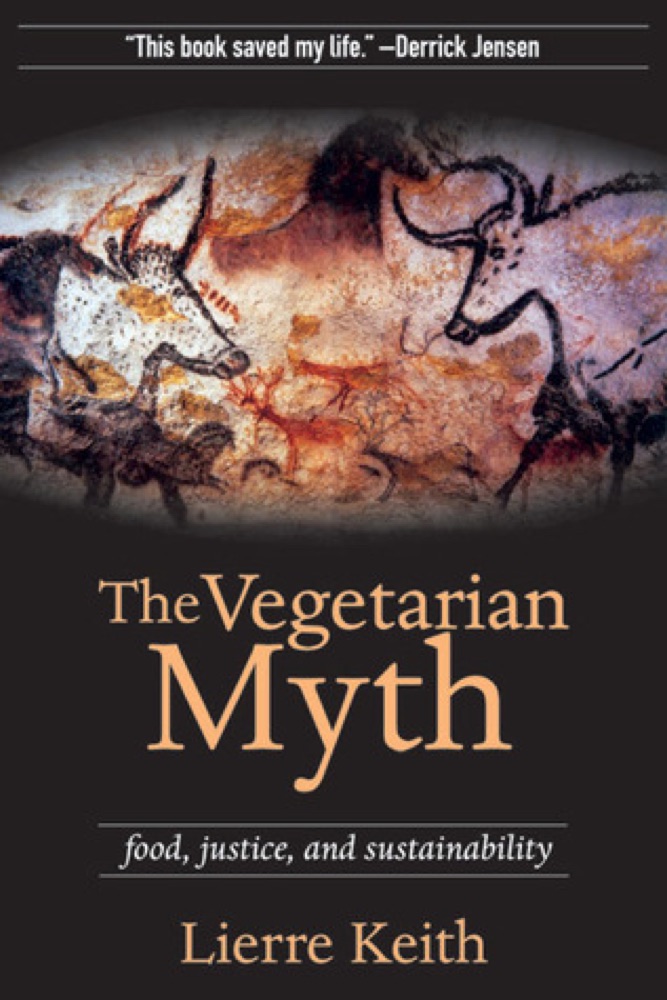
 This is Vegan Propaganda
Quotes from the Book
Understand: the task of an activist is not to negotiate systems of power with as much personal integrity as possible--it's to dismantle those systems.
57
Plants have to eat, too,” I tried to explain. “They need nitrogen, they need minerals. You have to replace what you’re taking out. Your choices are fossil fuels or animal products.
3
everything is eating and then being eaten, and through it all life endures. There is no hierarchy, only hunger. And it’s through our hunger that we participate in the cosmos, in an endless cycle of life, death, and regeneration. For 98 percent of our time on Earth this was our religion.
2
Dr. Steven Bratman has coined the term orthorexia nervosa, a pathological fixation on eating proper food.
2
The author clearly yearns for food - for a life based on reciprocity, not exploitation, and he believes that plants count as partners, as participants. Having included them in the "us" of sentience and agency, he can't just take. He needs to know that he is giving back, part of a circle of exchange, instead of a one-way extraction that he identifies as death. This sentence embodies one of the impulses that is salutary in the vegetarian myth: the attempt to take humans down from our perch above and return us to our hones place in a circle. But it also reflects the ignorance. He doesn't know that apples eat, and what they eat is animals, including us. They need our excrement - the nitrogen, the minerals, the microbes - and our flesh and bones. There is a reciprocal relationship between animals and plants: predator and prey, until the prey becomes predator. It is only our attempt to remove ourselves from that circle that destroys it.
1
So you’re an environmentalist; why are you supporting commodities instead of food, corporate profits over local, living economies, and power over justice?
1
There is no place left for the buffalo to roam. There’s only corn, wheat, and soy. About the only animals that escaped the biotic cleansing of the agriculturalists are small animals like mice and rabbits, and billions of them are killed by the harvesting equipment every year. Unless you’re out there with a scythe, don’t forget to add them to the death toll of your vegetarian meal. They count, and they died for your dinner, along with all the animals that have dwindled past the point of genetic feasibility.
1
Inhabitants of urban industrial cultures have no point of contact with grain, chickens, cows, or, for that matter, with topsoil. We have no basis of experience to outweigh the arguments of political vegetarians. We have no idea what plants, animals, or soil eat, or how much. Which means we have no idea what we ourselves are eating.
1
Soil, species, rivers. That’s the death in your food. Agriculture is carnivorous: what it eats is ecosystems, and it swallows them whole.
This was not an easy book to write. For many of you, it won’t be an easy book to read. I know. I was a vegan for almost twenty years. I know the reasons that compelled me to embrace an extreme diet and they are honorable, ennobling even.
This is why militarism is a feminist issue, why rape is an environmental issue, why environmental destruction is a peace issue.
Watch on YouTube
About Lierre Keith
About the book
Part memoir, nutritional primer, and political manifesto, this controversial examination exposes the destructive history of agriculture—causing the devastation of prairies and forests, driving countless species extinct, altering the climate, and destroying the topsoil—and asserts that, in order to save the planet, food must come from within living communities. In order for this to happen, the argument champions eating locally and sustainably and encourages those with the resources to grow their own food. Further examining the question of what to eat from the perspective of both human and environmental health, the account goes beyond health choices and discusses potential moral issues from eating—or not eating—animals. Through the deeply personal narrative of someone who practiced veganism for 20 years, this unique exploration also discusses alternatives to industrial farming, reveals the
Book details
- First published
- 2009
- Author
- Lierre Keith
- Genre
- Nonfiction
- Goodreads rating
- 3.72 (3k ratings)
Keep reading
This is Vegan Propaganda
 The Omnivore's Dilemma: A Natural History of Four Meals
 Bringing it to the Table: On Farming and Food
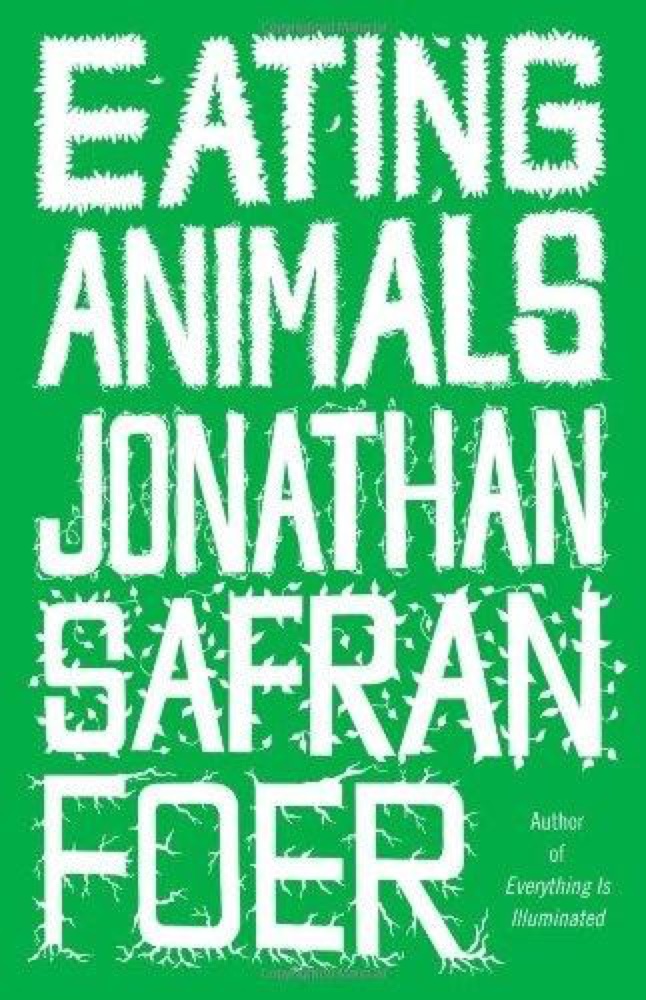 Eating Animals
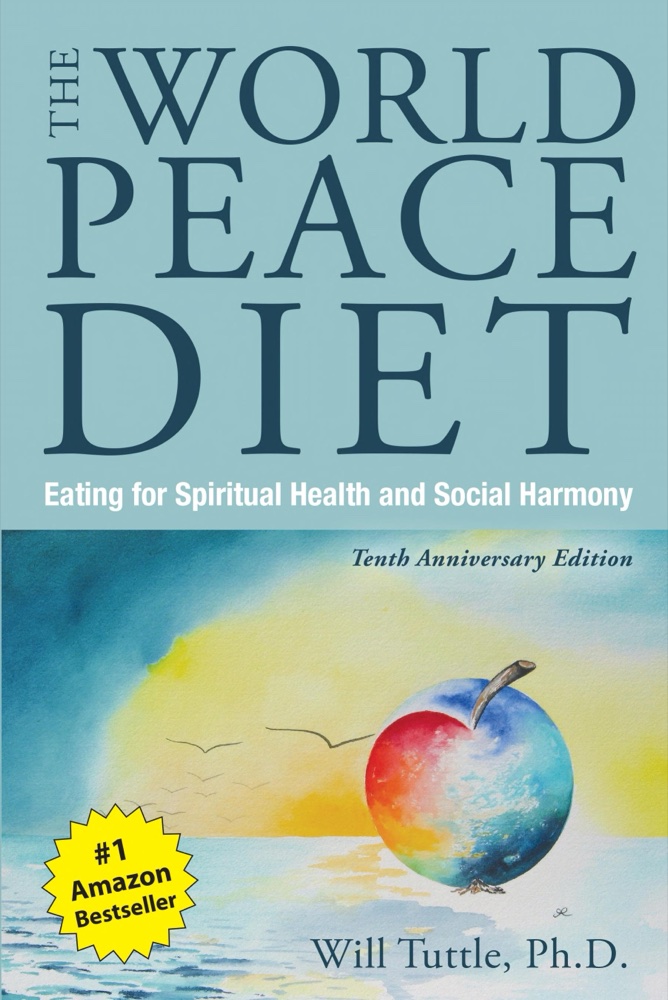 The World Peace Diet
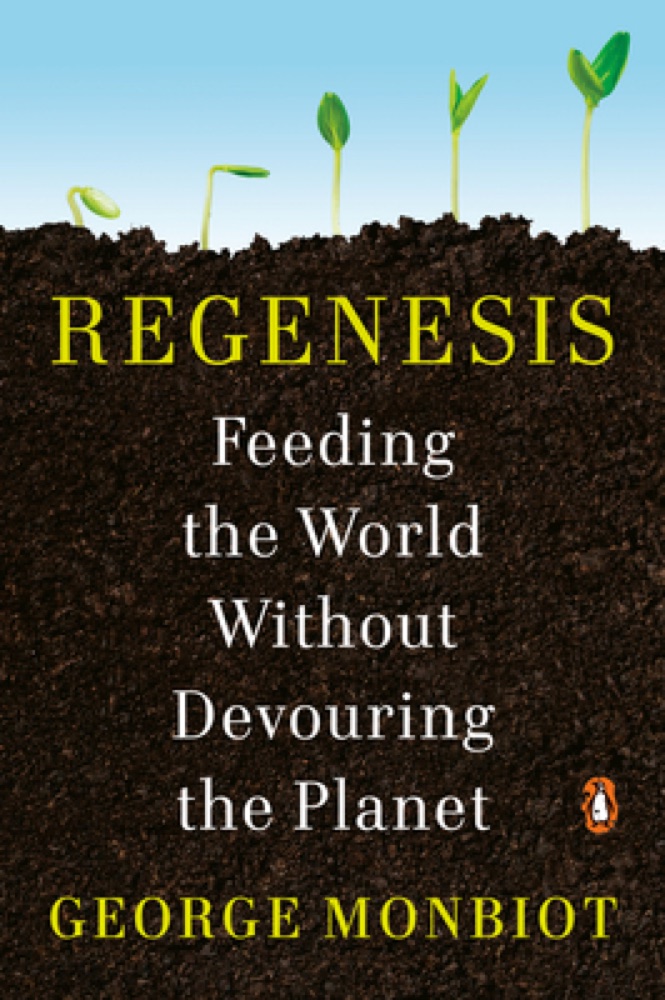 Regenesis: Feeding the World Without Devouring the Planet
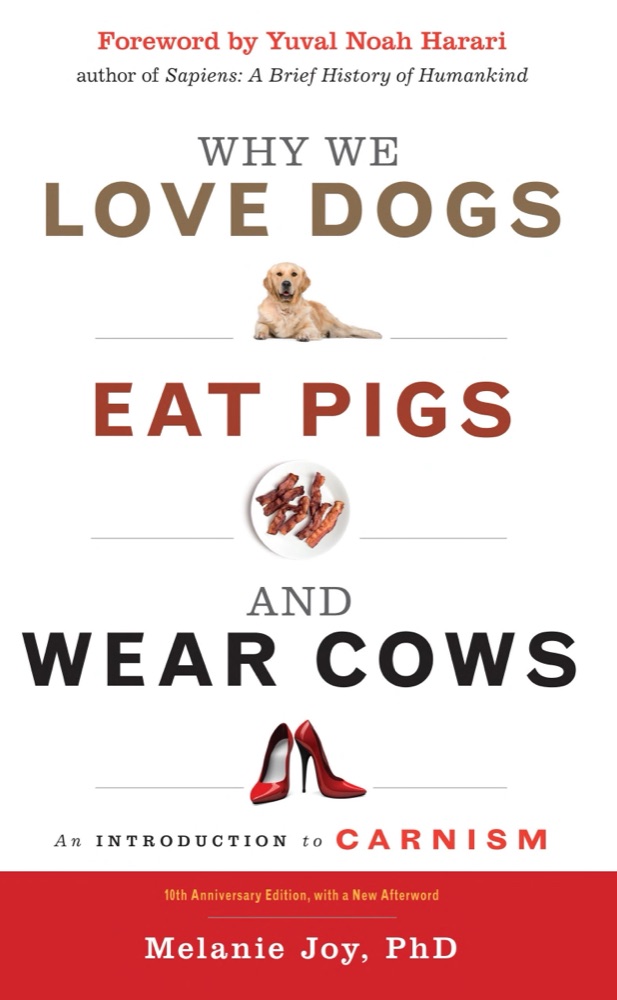 Why We Love Dogs, Eat Pigs, and Wear Cows
 Folks, This Ain't Normal: A Farmer's Advice for Happier Hens, Healthier People, and a Better World
 Endgame, Vol. 1: The Problem of Civilization
 The One-Straw Revolution
 Animal Liberation
 In Defense of Food: An Eater's Manifesto
 The Third Plate: Field Notes on the Future of Food
 The Art of the Commonplace: The Agrarian Essays
 Feral: Rewilding the Land, the Sea and Human Life
 Whole: Rethinking the Science of Nutrition
 The Story of More: How We Got to Climate Change and Where to Go from Here
 The Culture of Make Believe
 Pastoral Song: A Farmer’s Journey
 On Fire: The Case for the Green New Deal
 A Life on Our Planet: My Witness Statement and a Vision for the Future
 Animal, Vegetable, Miracle: A Year of Food Life
 Under a White Sky: The Nature of the Future
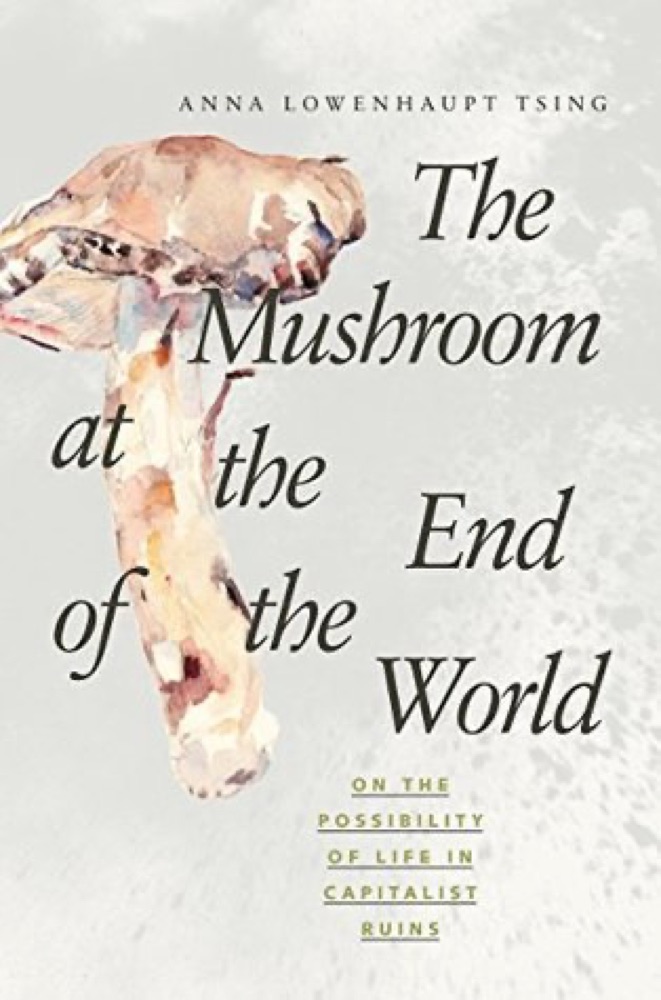 The Mushroom at the End of the World: On the Possibility of Life in Capitalist Ruins
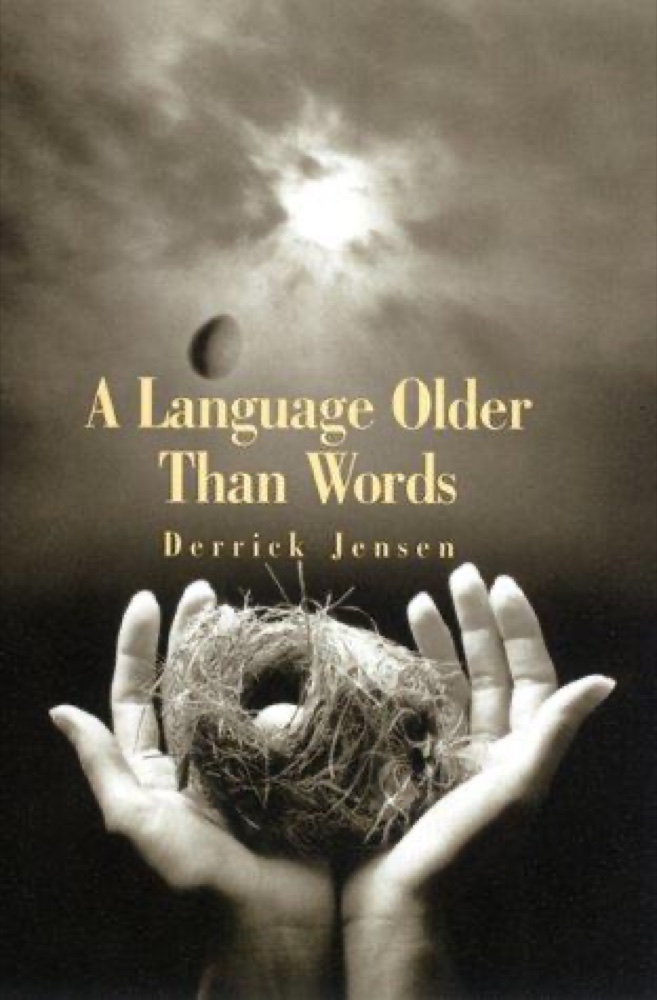 A Language Older Than Words
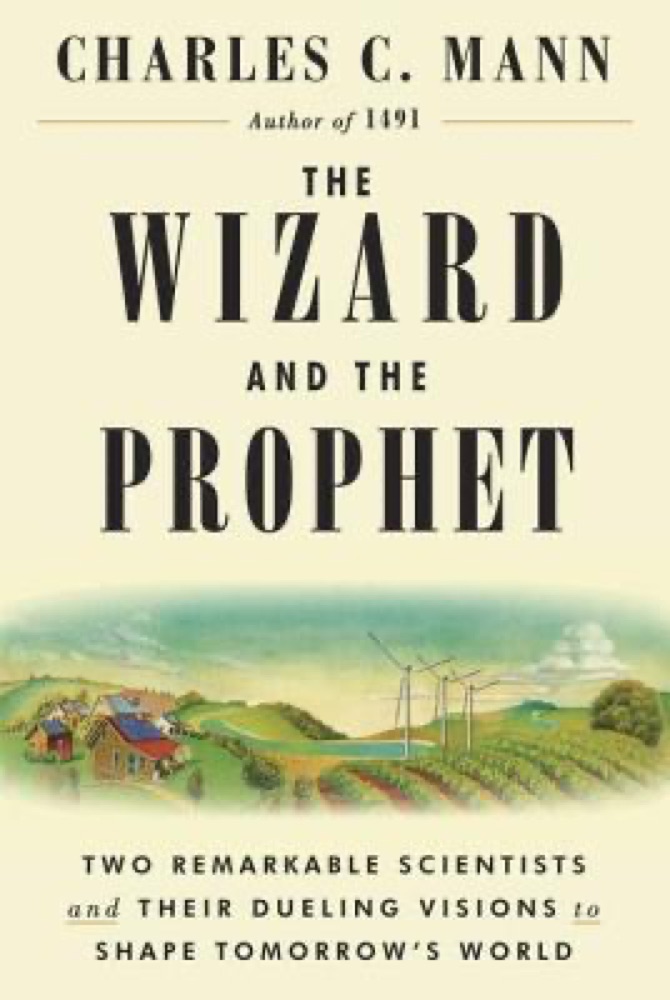 The Wizard and the Prophet: Two Remarkable Scientists and Their Dueling Visions to Shape Tomorrow's World
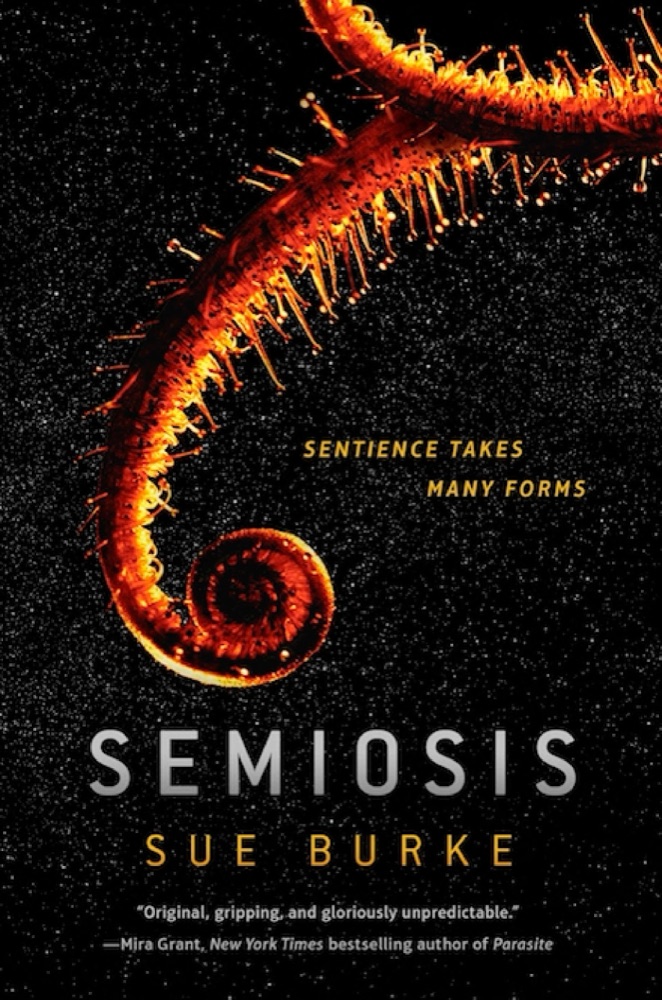 Semiosis
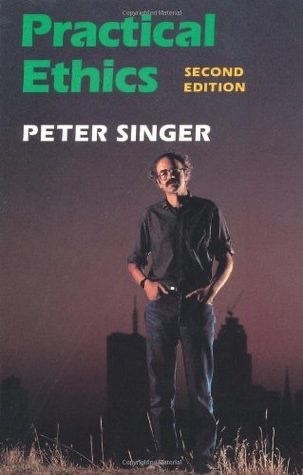 Practical Ethics
 The World-Ending Fire: The Essential Wendell Berry
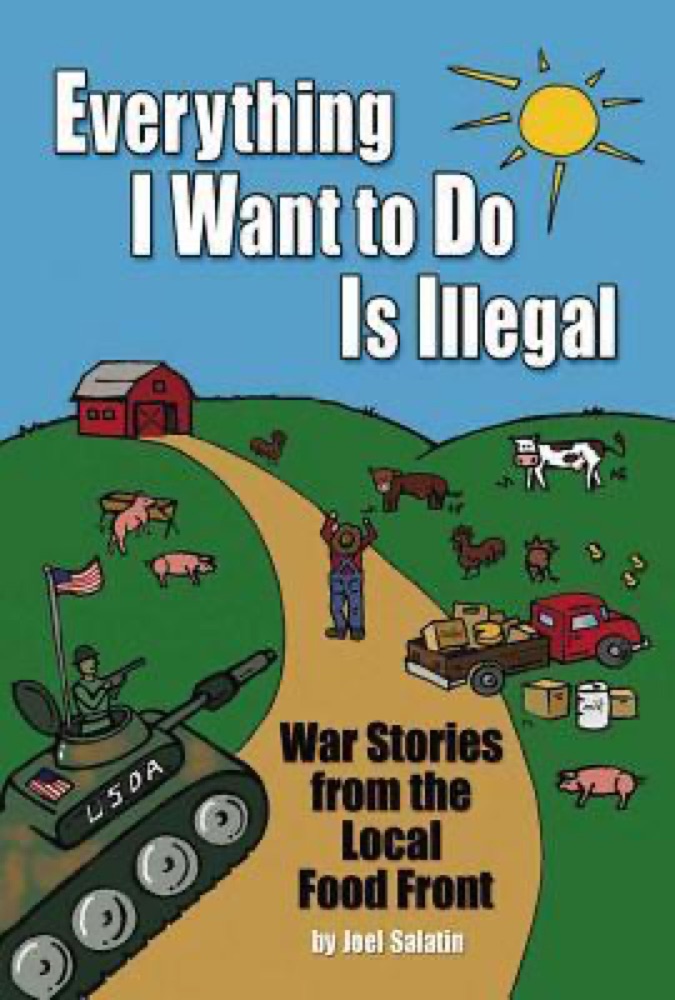 Everything I Want To Do Is Illegal: War Stories from the Local Food Front
 Sapiens: A Brief History of Humankind
 All We Can Save: Truth, Courage, and Solutions for the Climate Crisis
 Cooked: A Natural History of Transformation
 A Short History of Progress
 A Hunter-Gatherer's Guide to the 21st Century: Evolution and the Challenges of Modern Life
 The Forest Unseen: A Year’s Watch in Nature
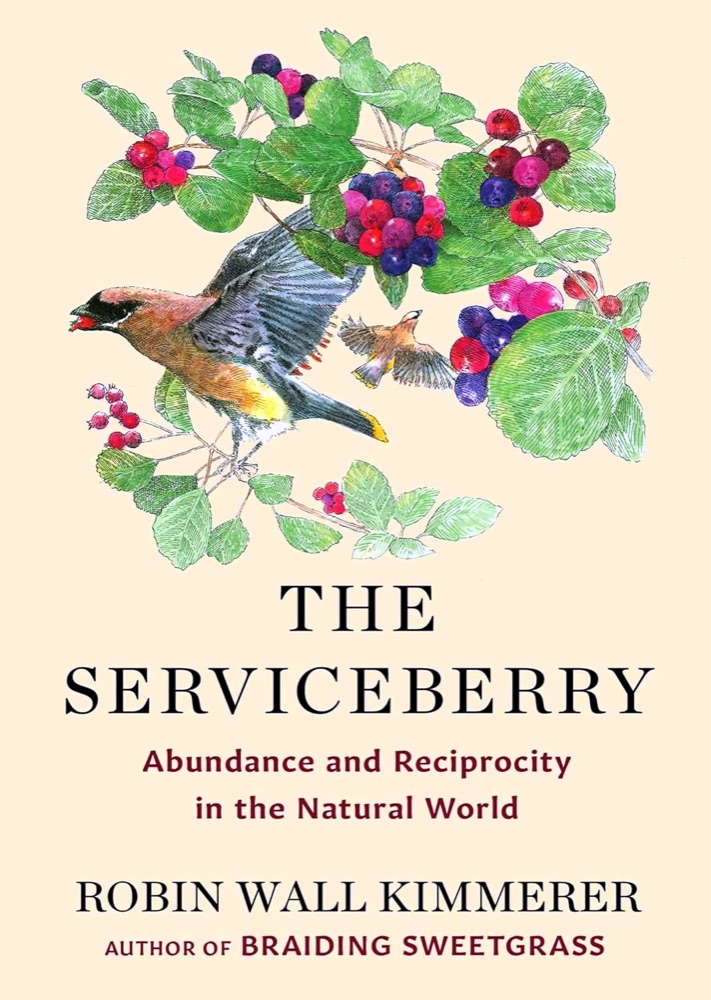 The Serviceberry: Abundance and Reciprocity in the Natural World
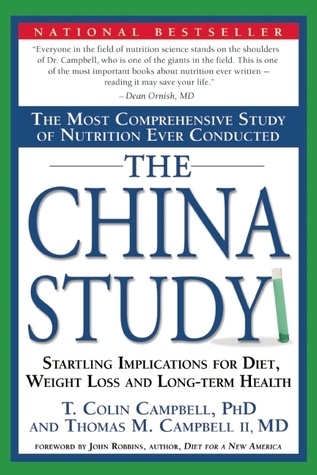 The China Study: The Most Comprehensive Study of Nutrition Ever Conducted and the Startling Implications for Diet, Weight Loss, and Long-term Health
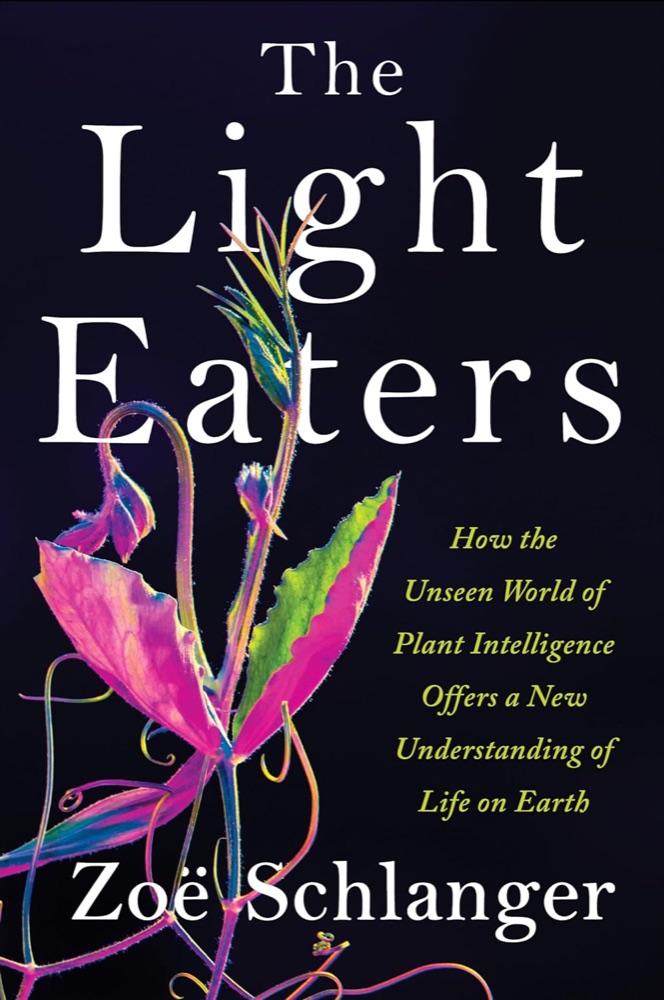 The Light Eaters: How the Unseen World of Plant Intelligence Offers a New Understanding of Life on Earth
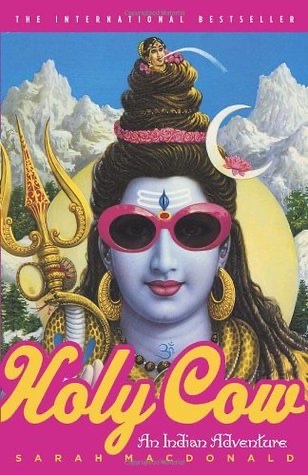 Holy Cow
 The Ministry for the Future
 Earth
Earth
 Fuzz: When Nature Breaks the Law
 The Fifth Sacred Thing
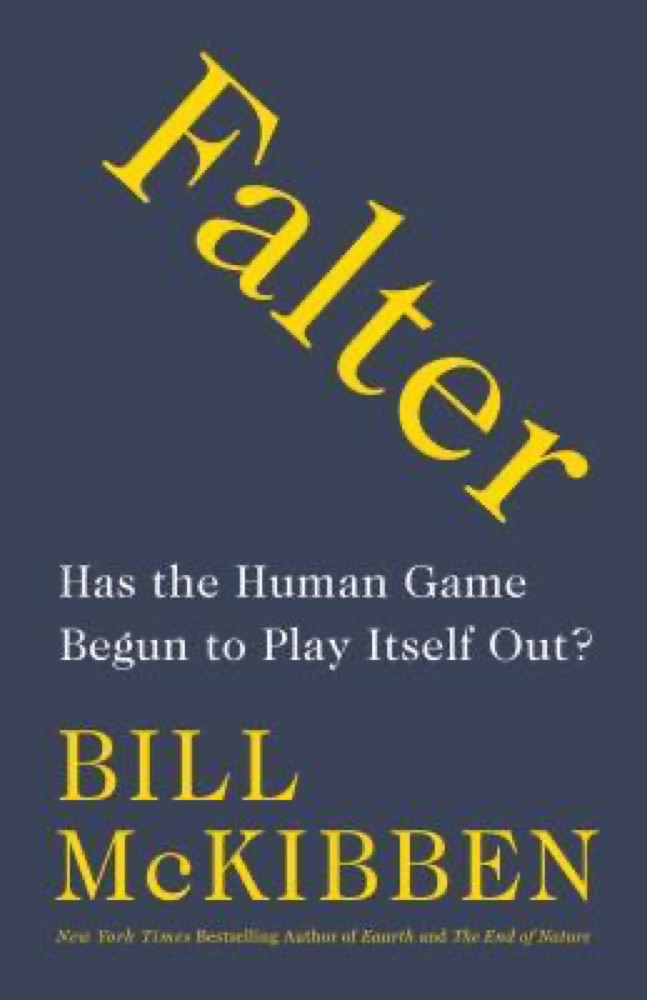 Falter: Has the Human Game Begun to Play Itself Out?
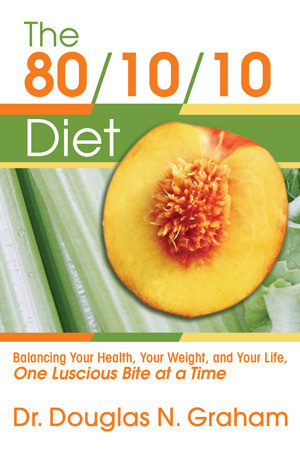 The 80/10/10 Diet: Balancing Your Health, Your Weight, and Your Life, One Luscious Bite at a Time
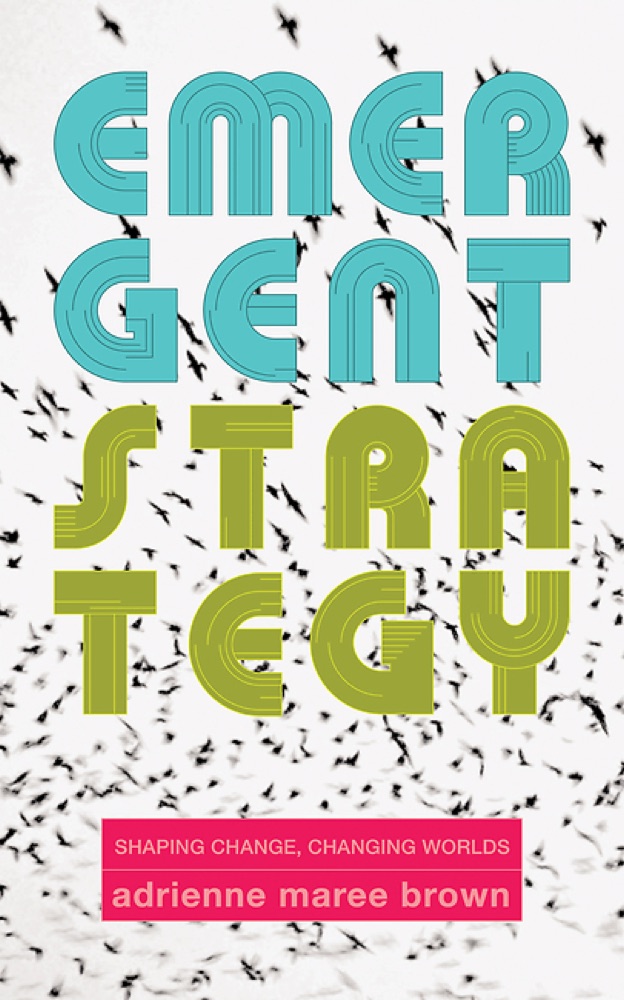 Emergent Strategy: Shaping Change, Changing Worlds
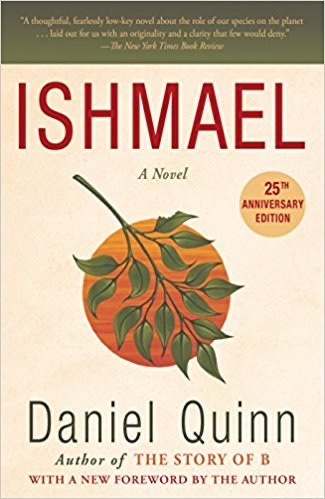 Ishmael: An Adventure of the Mind and Spirit
 Food of the Gods: The Search for the Original Tree of Knowledge
 Straw Dogs: Thoughts on Humans and Other Animals
 Fast Food Nation: The Dark Side of the All-American Meal
 Catching Fire: How Cooking Made Us Human
 The Nutmeg's Curse: Parables for a Planet in Crisis
 Wild Ones: A Sometimes Dismaying, Weirdly Reassuring Story About Looking at People Looking at Animals in America
 The Log from the Sea of Cortez
 The Family Tree
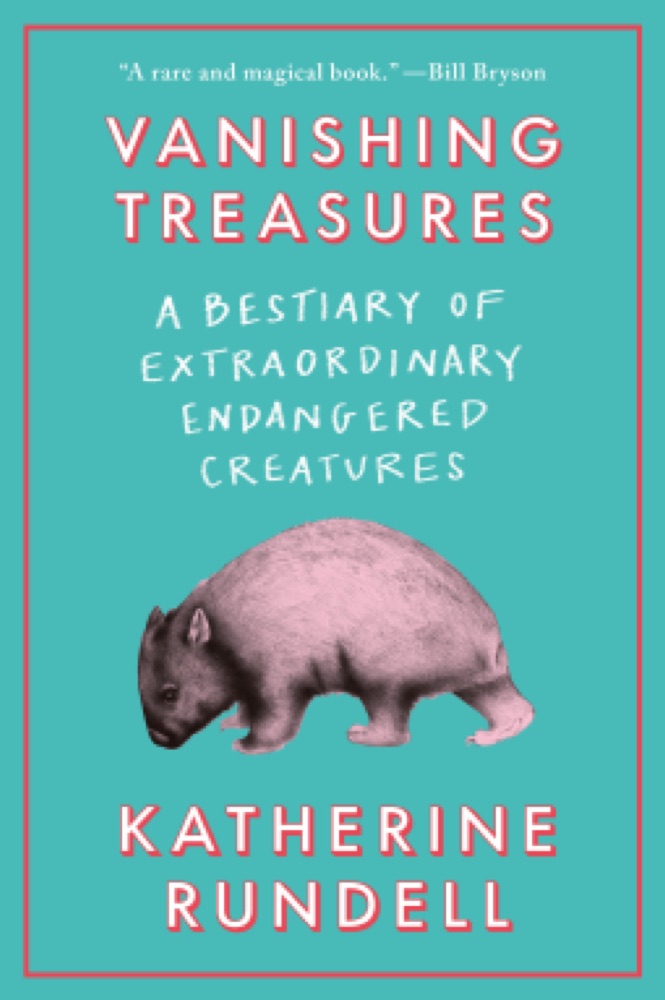 Vanishing Treasures: A Bestiary of Extraordinary Endangered Creatures
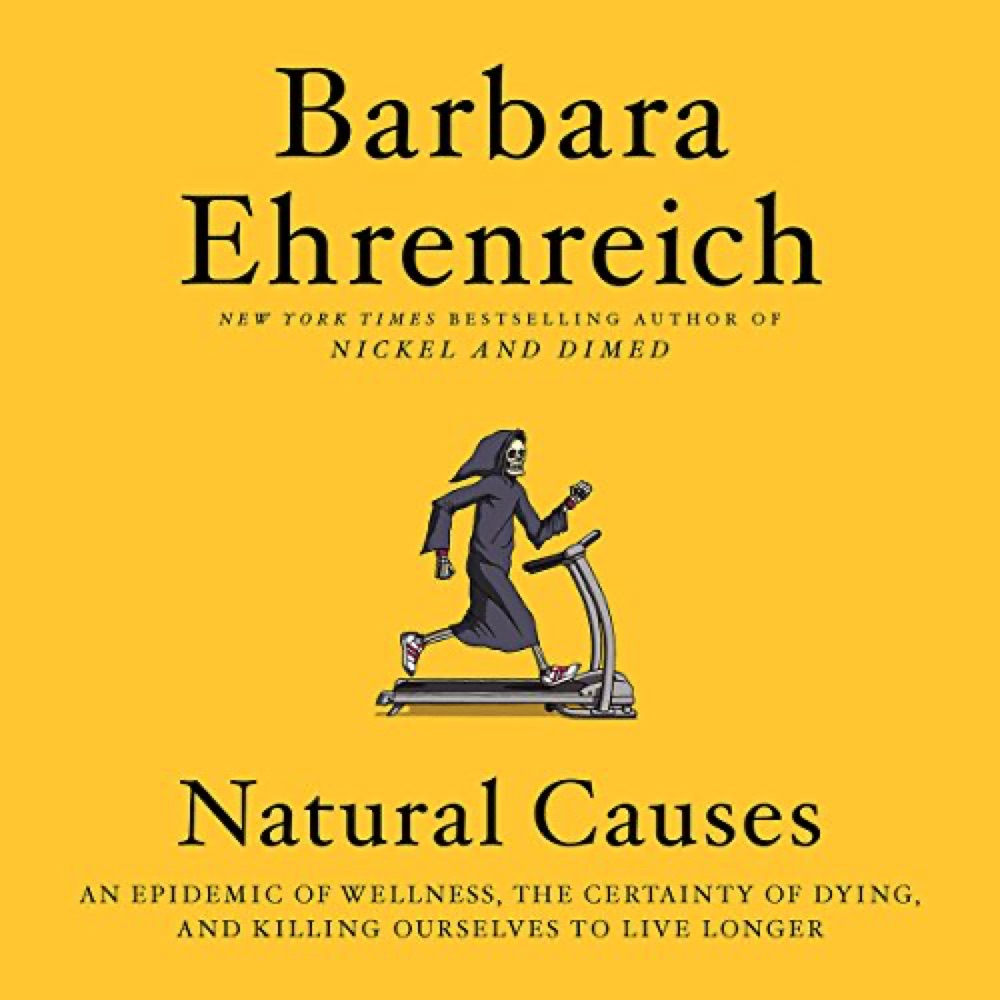 Natural Causes: An Epidemic of Wellness, the Certainty of Dying, and Killing Ourselves to Live Longer
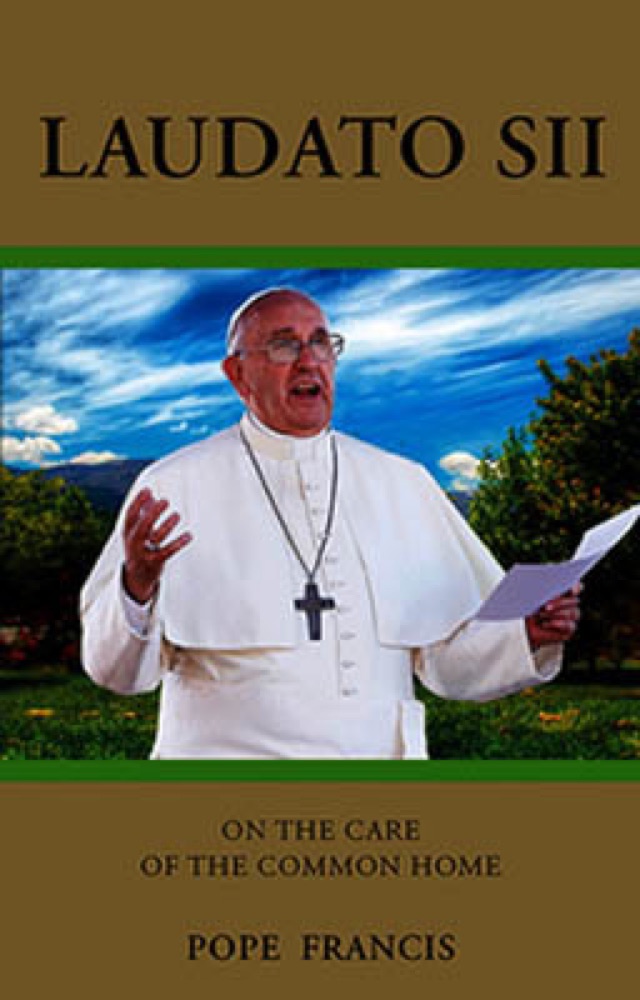 Laudato Si': On the Care of Our Common Home
 Burning Questions: Essays and Occasional Pieces, 2004 to 2021