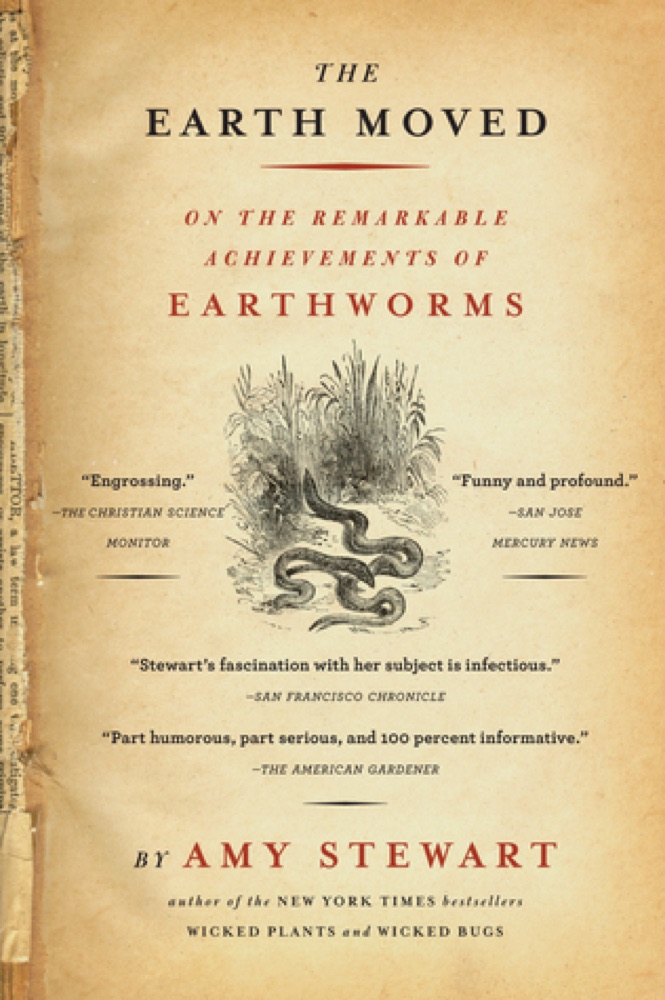

 Vanishing Treasures: A Bestiary of Extraordinary Endangered Creatures
Quotes from the Book
Eternity can be found in the minuscule, in the place where earthworms, along with billions of unseen soil-dwelling microorganisms, engage in a complex and little-understood dance with the tangle of plant roots that make up their gardens, their cities.
5
Perhaps it makes sense that a creature that doesn't get ill and has few enemies among its neighbors would also live agelessly and die without explanation or cause--would simply vanish without a trace.
4
I have come to understand, like Darwin had, that earthworms are not destroyers, but redeemers. They move through waste and decay in their contemplative way, sifting, turning it into something else, something that is better.
3
Any environment, any single life is in a continuous state of change. This is just more obvious when you pay attention to earthworms. Their work may seem unspectacular at first. They don't chirp or sing, they don't gallop or soar, they don't hunt or make tools or write books. But they do something just as powerful: they consume, they transform, they change the earth.
3
If bacteria can be pictured as teeming black ants under the microscope, imagine fungi as gossamer spider webs. These organisms form long threads called hyphae that stretch between plant roots. Some form into even larger masses called mycelium that can span an entire backyard.
2
Are we so hierarchical that we can't respect a creature that lives beneath our feet?
1
If you allow a creek to go back to being a creek, if you let the trees and the bramble get overgrown, and you let the stream overrun its banks whenever it wants to, the wetland will take care of itself. The water that trickles into the ocean will be clean and pristine if everything is just left alone to work the way it was designed to work. Earthworms have shown that they can take care of the soil in the same way that a wetland takes care of the water. Nature regenerates. It Cleans. It hides a multitude of sins.
1
One is deep indigo blue," he said. "Eighteen inches long and about a thumb's width in diameter. It's got big white spots with yellow centers, like fried eggs, all over its back, if you can imagine that. And get this—it crawls on the forest floor, doesn't burrow in the ground, and its infants live in trees until they're mature.
Sometimes I wonder if it is too much of an imposition on earthworms to push them into polluted ground, or to force-feed them a particular bacteria because we'd like to see it spread around. Darwin noticed that humans tend to exploit any characteristic for their own good, writing that "in the process of selection man almost invariably wishes to go to an extreme point." Are we taking advantage of earthworms? Shouldn't we clean up our own messes, or learn not to make them in the first place?
I wish I could say that over the years I've gained some insight into the intelligence of my worms, but the most I've seen them do is act out of instinct or hunger, moving up to higher ground in the bin if water pools in the bottom, or gravitating towards food they like and away from food they don't. If they have an intellect, I don't suppose I've provided much to stimulate it.
Why is it that a worm can regrow most of its body, but we can't replace so much as a finger? I am left with the troubling conclusion that the worm's survival may, in the grand scheme of things, be more important than my own.
People ask me, why bother cataloging earthworms? Well, why catalog anything? It's how we learn about the world we live in. Besides, some of these worms are going extinct. How do you know what you're losing if you don't know what you have?
We may therefore infer—” he writes, “improbable as is the inference—that worms are able by some means to judge which is the best end by which to draw triangles of paper into their burrows.
Watch on YouTube
About Amy Stewart
We have collected 13 quotes from 1 book by Amy Stewart on BookQuoters.
More about the author →About the book
In The Earth Moved, Amy Stewart takes us on a journey through the underground world and introduces us to one of its most amazing denizens. The earthworm may be small, spineless, and blind, but its impact on the ecosystem is profound. It ploughs the soil, fights plant diseases, cleans up pollution, and turns ordinary dirt into fertile land. Who knew? In her witty, offbeat style, Stewart shows that much depends on the actions of the lowly worm. Charles Darwin devoted his last years to the meticulous study of these creatures, praising their remarkable abilities. With the august scientist as her inspiration, Stewart investigates the worm's subterranean realm, talks to oligochaetologists—the unsung heroes of earthworm science—who have devoted their lives to unearthing the complex life beneath our feet, and observes the thousands of worms in her own garden. From the legendary giant Australian
Book details
- First published
- 2004
- Author
- Amy Stewart
- Genre
- Nonfiction
- Goodreads rating
- 3.92 (3k ratings)
Keep reading
Vanishing Treasures: A Bestiary of Extraordinary Endangered Creatures
 The Light Eaters: How the Unseen World of Plant Intelligence Offers a New Understanding of Life on Earth
 The Forest Unseen: A Year’s Watch in Nature
 Other Minds
 Gathering Moss: A Natural and Cultural History of Mosses
 The Lives of a Cell: Notes of a Biology Watcher
 Entangled Life: How Fungi Make Our Worlds, Change Our Minds & Shape Our Futures
 The Ancestor's Tale: A Pilgrimage to the Dawn of Evolution
 Regenesis: Feeding the World Without Devouring the Planet
 The Soul of an Octopus: A Surprising Exploration into the Wonder of Consciousness
 Wild Ones: A Sometimes Dismaying, Weirdly Reassuring Story About Looking at People Looking at Animals in America
 Shadows of Forgotten Ancestors
 Undeniable: Evolution and the Science of Creation
 Feral: Rewilding the Land, the Sea and Human Life
 Martin Marten
 The Log from the Sea of Cortez
 The Blind Watchmaker: Why the Evidence of Evolution Reveals a Universe Without Design
 The Last Days of the Dinosaurs: An Asteroid, Extinction, and the Beginning of Our World
 How Far the Light Reaches: A Life in Ten Sea Creatures
 Wilding
 Why Fish Don’t Exist: A Story of Loss, Love, and the Hidden Order of Life
 The World Without Us
 Underland: A Deep Time Journey
 The Genius of Birds
 The Hidden Life of Trees: What They Feel, How They Communicate: Discoveries from a Secret World
 Silent Spring
 The Greatest Show on Earth: The Evidence for Evolution
 The Overstory
 The Origin of Species
 A Short History of Nearly Everything
 Mycelium Running: How Mushrooms Can Help Save the World
 Under a White Sky: The Nature of the Future
 Last Chance to See
 The Lost World
 Your Inner Fish: A Journey Into the 3.5-Billion-Year History of the Human Body
 A Life on Our Planet: My Witness Statement and a Vision for the Future
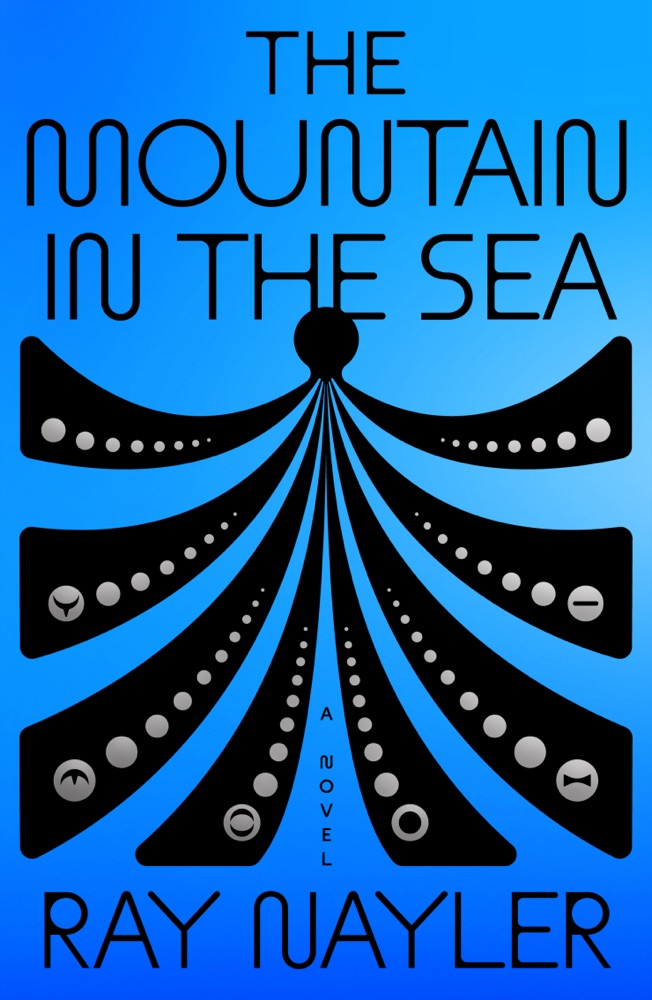 The Mountain in the Sea
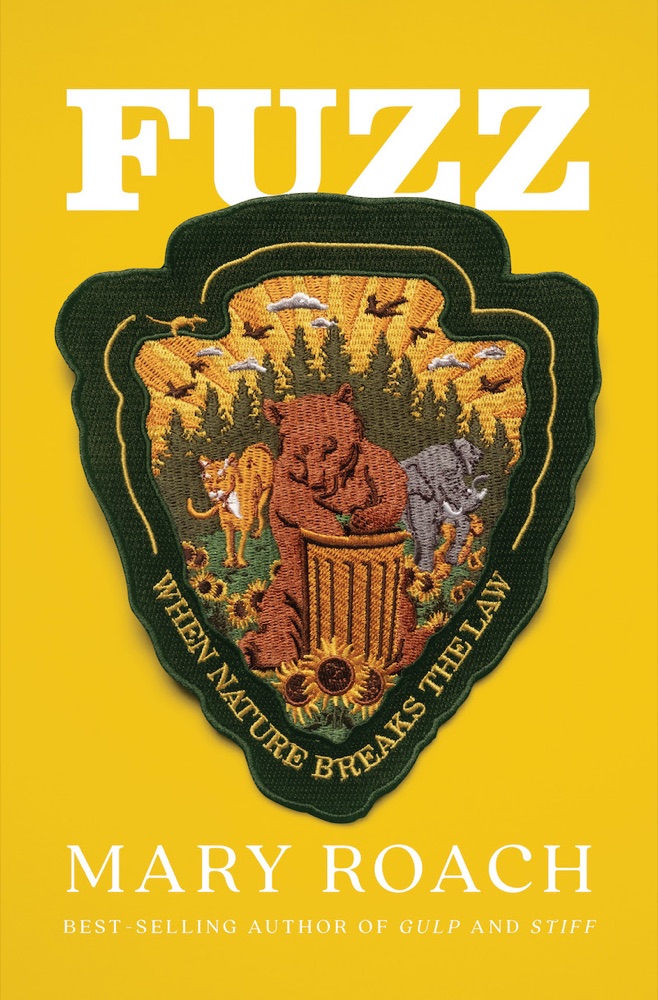 Fuzz: When Nature Breaks the Law
 Maelstrom
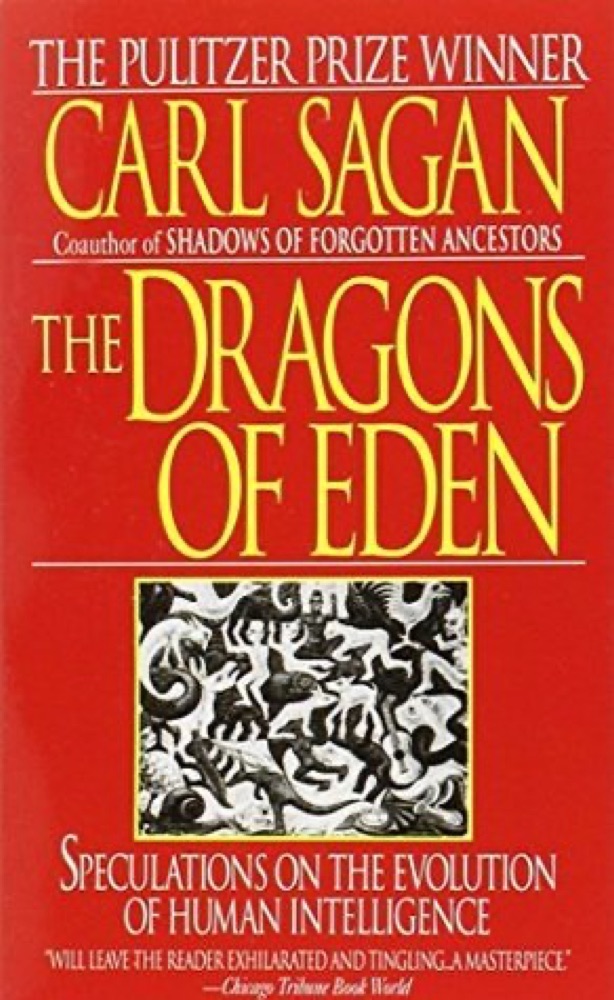 Dragons of Eden: Speculations on the Evolution of Human Intelligence
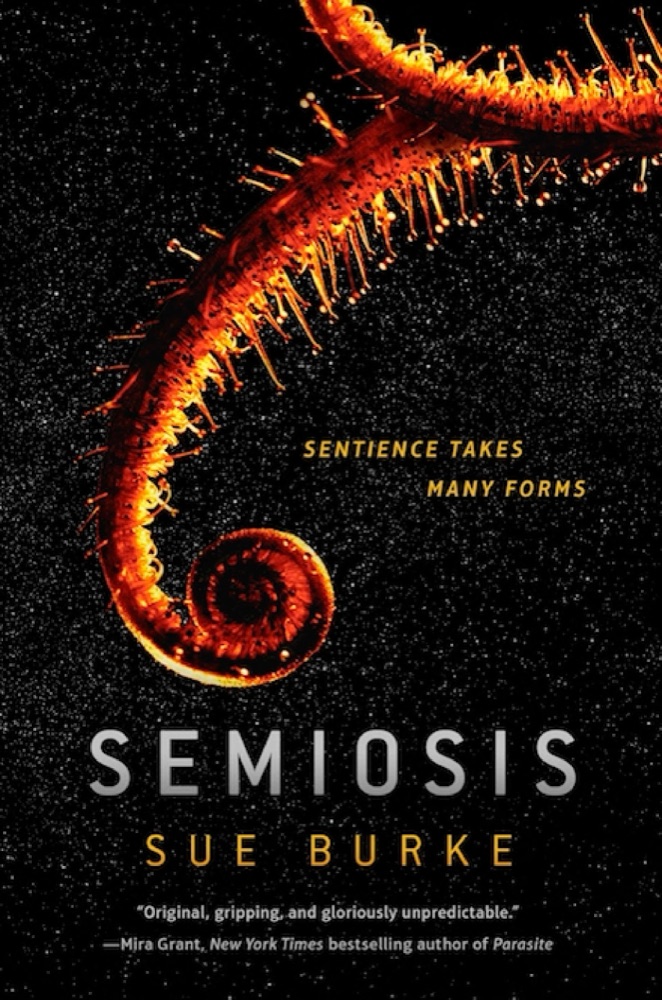 Semiosis
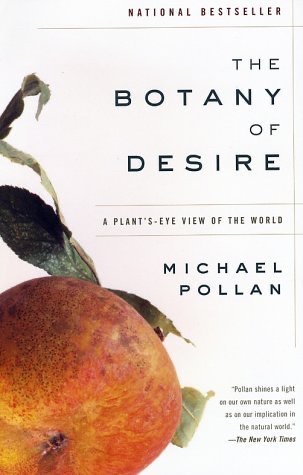 The Botany of Desire: A Plant's-Eye View of the World
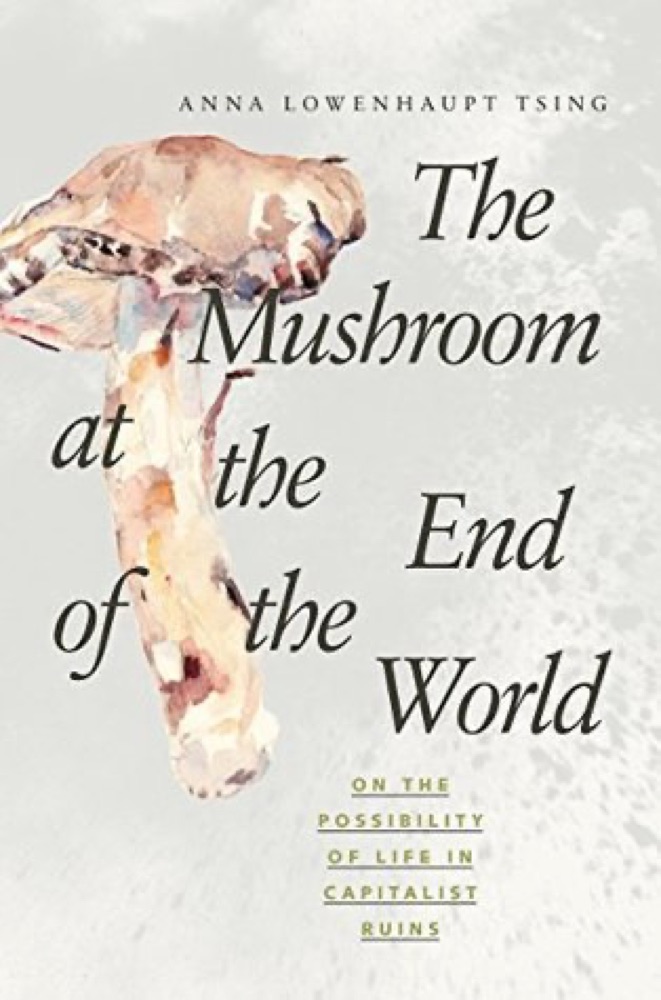 The Mushroom at the End of the World: On the Possibility of Life in Capitalist Ruins
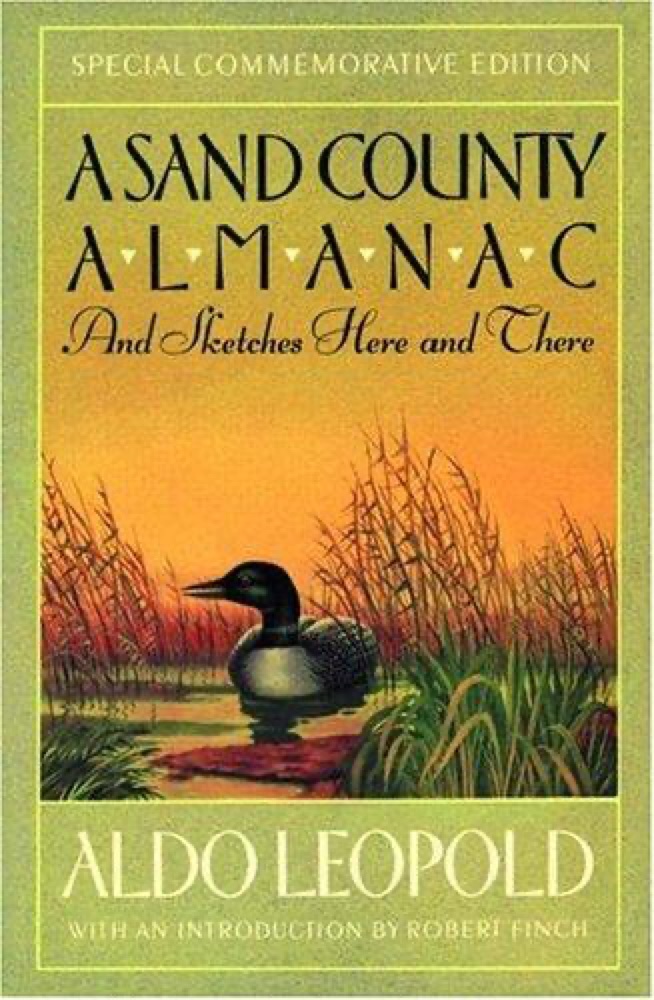 A Sand County Almanac and Sketches Here and There
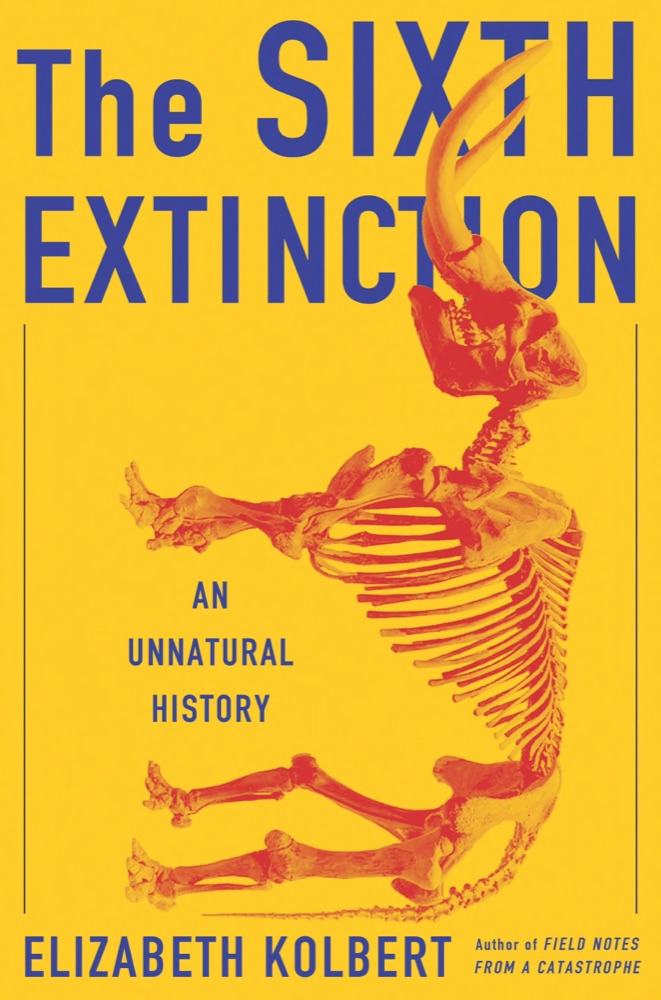 The Sixth Extinction: An Unnatural History
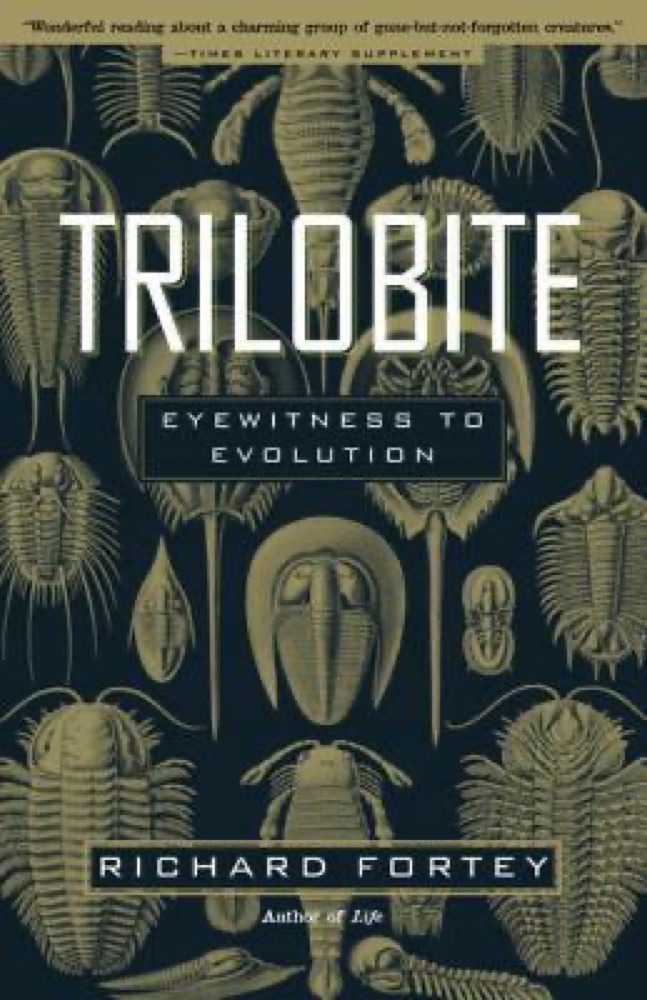 Trilobite: Eyewitness to Evolution
 Echopraxia
 The Fifth Science
 Venomous Lumpsucker
 Jurassic Park
 The Song of the Cell: An Exploration of Medicine and the New Human
 Beyond Words: What Animals Think and Feel
 Genome
 Darwin's Dangerous Idea: Evolution and the Meanings of Life
 How To Catch A Mole
 The One-Straw Revolution
 Drive Your Plow Over the Bones of the Dead
 Roadside Picnic
 The Third Chimpanzee: The Evolution and Future of the Human Animal
 Billions & Billions: Thoughts on Life and Death at the Brink of the Millennium