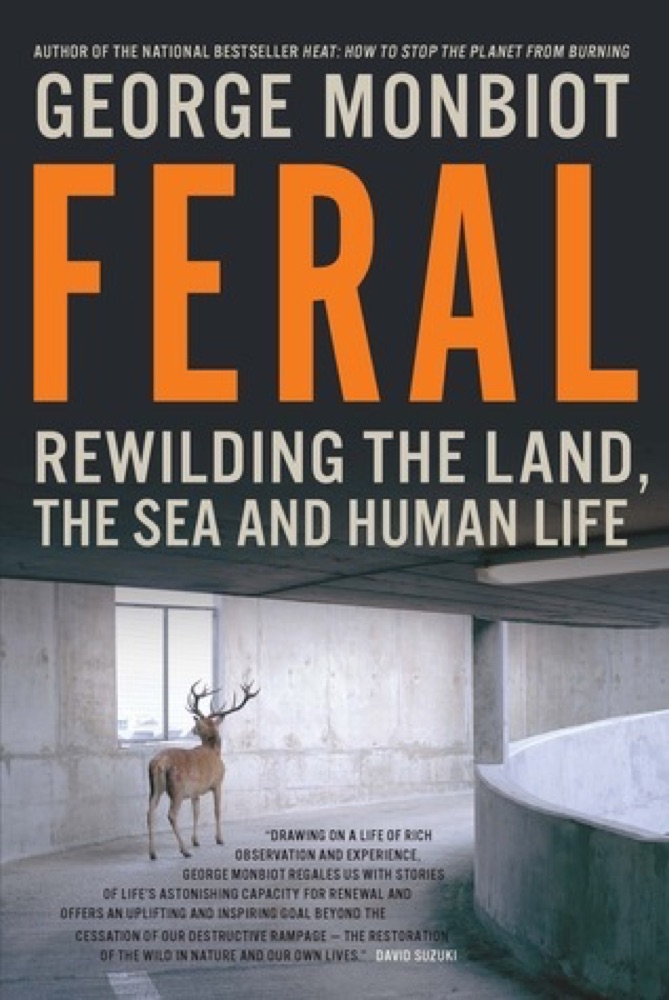
 Feral: Rewilding the Land, the Sea and Human Life
Quotes from the Book
The Everglades was the only place on earth where alligators (broad snout, fresh water, darker skin) and crocodiles (pointy snout, salt water, toothy grin) lived side by side. It was the only home of the Everglades mink, Okeechobee gourd, and Big Cypress fox squirrel. It had carnivorous plants, amphibious birds, oysters that grew on trees, cacti that grew in water, lizards that changed colors, and fish that changed genders. It had 1,100 species of trees and plants, 350 birds, and 52 varieties of porcelain-smooth, candy-striped tree snails. It had bottlenose dolphins, marsh rabbits, ghost orchids, moray eels, bald eagles, and countless other species that didn't seem to belong on the same continent, much less in the same ecosystem.
4
Of course, this anti sprawl letter-writers all lived in sprawling suburbs in the former Everglades. Now that they were settled in their gated communities, they wanted to slam the gate behind them. It is easy to fulminate about the costs of south Florida’s growth- its gridlock, environmental degradation, inadequate municipal services, and cookie-cutter landscape- but there is no denying the allure of its 75-degree January afternoons. Even in south Florida fails to manage its growth or preserve its natural beauty, it will still be more attractive than Cleveland or Buffalo in the winter. And even if it fails to diversity its economy or protect its aquifers, it will still look like paradise to residents of Havana or Caracas.
Smith was as conservative as it got in American politics, but he figured that part of conservatism meant conserving things.
John Ogden, Appelbaum’s counterpart at the water management district, joked that CERP was exactly like the Apollo mission- except no one was sure where the moon was, or how to find it, or whether it was made of cheese. But the plan at least recognized these uncertainties, and included $100 million for pilot projects that would test the four speculative technologies before they were deployed. And if one of them didn’t work, the Corps intended to adjust the plan. CERP called for “Adaptive management,” a scientific way of saying the plan would be flexible.
millions of dollars have been spent over issues that could have been settled by men and women of good intentions
if you don’t synthesize knowledge, scientific journals become spare-arts catalogues for machines that are never built,” he explained. “I am as good a diagnostician of ecosystems as any doctor is of human beings, and I’m not on any damn ego trip when I say that. Sometimes I wish I did’t have the knowledge hat I do, because I can get pretty damn glum.
Leopold would have mourned mans’ brutalization of the wilderness even if he believed it was economically and ecologically sustainable- he believed that man’s ability to mourn this brutalization was what set him apart form the beasts-bt he also noticed that the destruction of natural ecosystems often had harmful consequences for people.
…”this is the wish of the majority of the people. The aesthetic appeal of the Park can never be as strong as the demands of home and livelihood. The manatee and the orchids mean something to people in an abstract way, but he former can’t line their purse, nor the latter fill their empty bellies.
Coe’s expansive boundaries encompassed more than two million acres of the southern Everglades, Florida Bay, Ten Thousand Islands, Big Cypress, and the upper Keys, stretching as far north as fifteen miles above the Tamiami Trail highway and as far east as the barrier reefs in the Atlantic. The primary goa was the preserve the ecosystems’ vast diversity of habitats in their primitive condition- pinelands and marshlands, estuaries and sloughs, dwarf cypress and elk horn coral. A secondary goal was half a million annual visitors, buts the botanist David Fairchild explained at a congresisonal hearing, the Everglades was not Yosemite, and its entertainment value would be only part of its appeal. It would also educate children, provide a unique laboratory for scientists, protect rare flora and fauna from extinction, and “Startle Americans out of the runs which an exclusive association with he human animal produces in the mind of man.
This was a new way of thinking about national parks. “I have been laboring under the impression that the yardstick to use in selecting national parks ws that of the showman, that it was the spectacular we were to consider,” one congressman told Fairchild, the founder of Miami’s Fairchild Tropical Gardens. “Now you were giving us a new thought, and a very interesting one, that a piece of ground which has educational value, scientific value, rises to the heigh of national park value.
Broward had been vilified by modern environmentalists for his intense assautl on the everglades, but he was considered a staunch conversvationist in his day. he supported strict laws to protect fish, game, birds, and oysters, and his top priority was the reclamation of a swamp for agriculture and envelopment. Brossard never stopped to think what draining the Everglades might do to the fish, game, birds, and oysters that lived there, but hardly anyone did. The conservationist John Giford dedicated his book of Everglades essays to Broward, explaining that “the man who makes two blades of grass grow where only one grew before is the proverbial public benefactor, bu the man who inaugurates a movement to render 3,000,000 acres of waste land highly productive deserves endless commendation.” Broward was also a progressive- an anti railroad, anti corporation, anti-Flagler populist. His crusade for Everglades drainage was not just a fight for man against nature; it was a fight for ordinary Floridians angst’s the “seductive and enslaving power of corporate interests” who monopolized state lands without improving them. Flagler and other railroad barons, he complained, were “draining the people instead of the swamps” At a time when the richest one percent of Americans owned halfthe nation’s wealth, when forty-two corporate trusts controlled at least 70 percent of their industries, Broward wanted to turn the Everglades into a place where ordinary people could deprive their lot in life through hard work. That’s what he had done.
Watch on YouTube
About Michael Grunwald
About the book
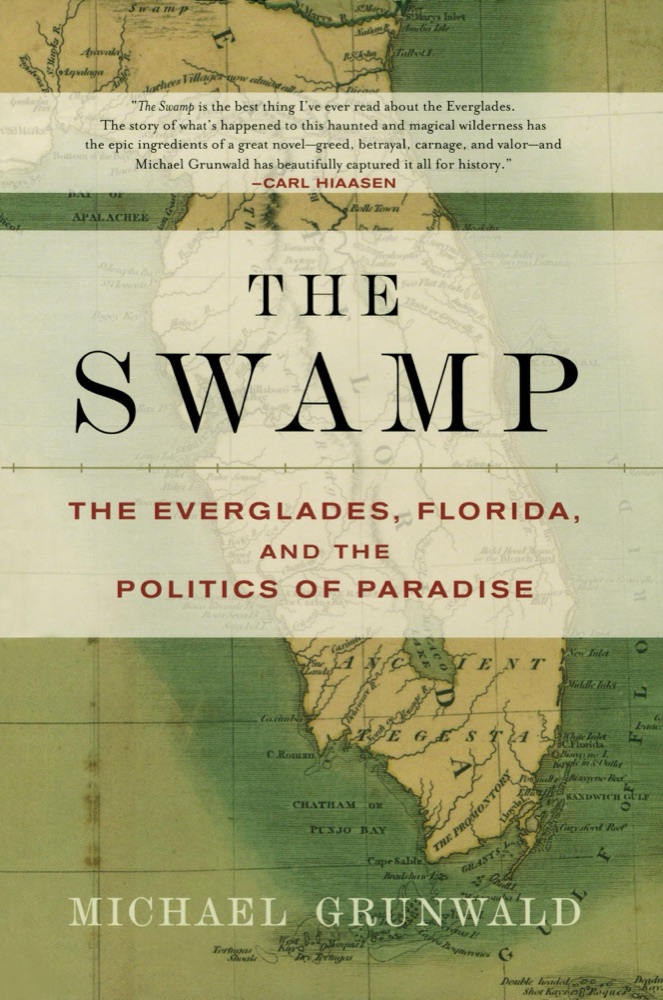
The Swamp is the story of the destruction and possible resurrection of the Everglades, the saga of man's abuse of nature in southern Florida and his unprecedented efforts to make amends. Michael Grunwald, a prize-winning national reporter for The Washington Post, takes readers on a journey from the Ice Ages to the present, illuminating the natural, social and political history of one of America's most beguiling but least understood patches of land.
Book details
- First published
- 2006
- Author
- Michael Grunwald
- Genre
- History
- Goodreads rating
- 4.19 (2k ratings)
Keep reading
Feral: Rewilding the Land, the Sea and Human Life
 Wild Ones: A Sometimes Dismaying, Weirdly Reassuring Story About Looking at People Looking at Animals in America
 Under a White Sky: The Nature of the Future
 A Sand County Almanac and Sketches Here and There
 The Wizard and the Prophet: Two Remarkable Scientists and Their Dueling Visions to Shape Tomorrow's World
 Mother of God: An Extraordinary Journey into the Uncharted Tributaries of the Western Amazon
 Falter: Has the Human Game Begun to Play Itself Out?
 Wilding
 Ripple
 Second Nature: A Gardener's Education
 The Log from the Sea of Cortez
 Strangers in Their Own Land: Anger and Mourning on the American Right
 The Path Between the Seas: The Creation of the Panama Canal, 1870-1914
 The World-Ending Fire: The Essential Wendell Berry
 Venomous Lumpsucker
 The Emerald Mile: The Epic Story of the Fastest Ride in History Through the Heart of the Grand Canyon
 New York 2140
 Antarctica
 The Ends of the World
 The Power Broker: Robert Moses and the Fall of New York
 Orwell's Roses
 The Mushroom at the End of the World: On the Possibility of Life in Capitalist Ruins
 Babylon's Ark: The Incredible Wartime Rescue of the Baghdad Zoo
 Bringing it to the Table: On Farming and Food
 Desert Solitaire
 The Nature Fix: Why Nature Makes Us Happier, Healthier, and More Creative
 All We Can Save: Truth, Courage, and Solutions for the Climate Crisis
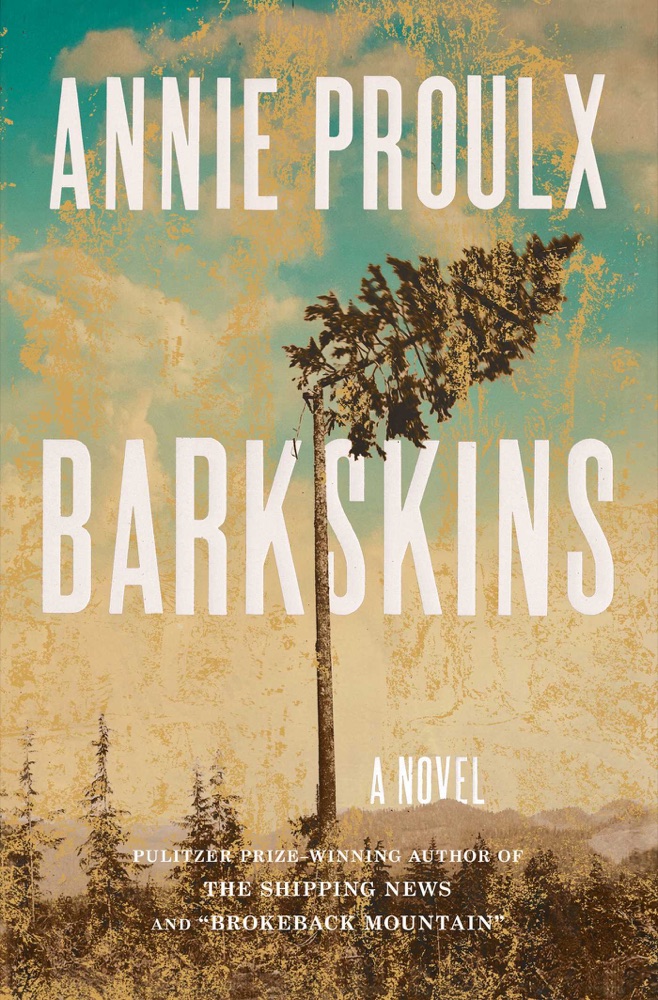 Barkskins
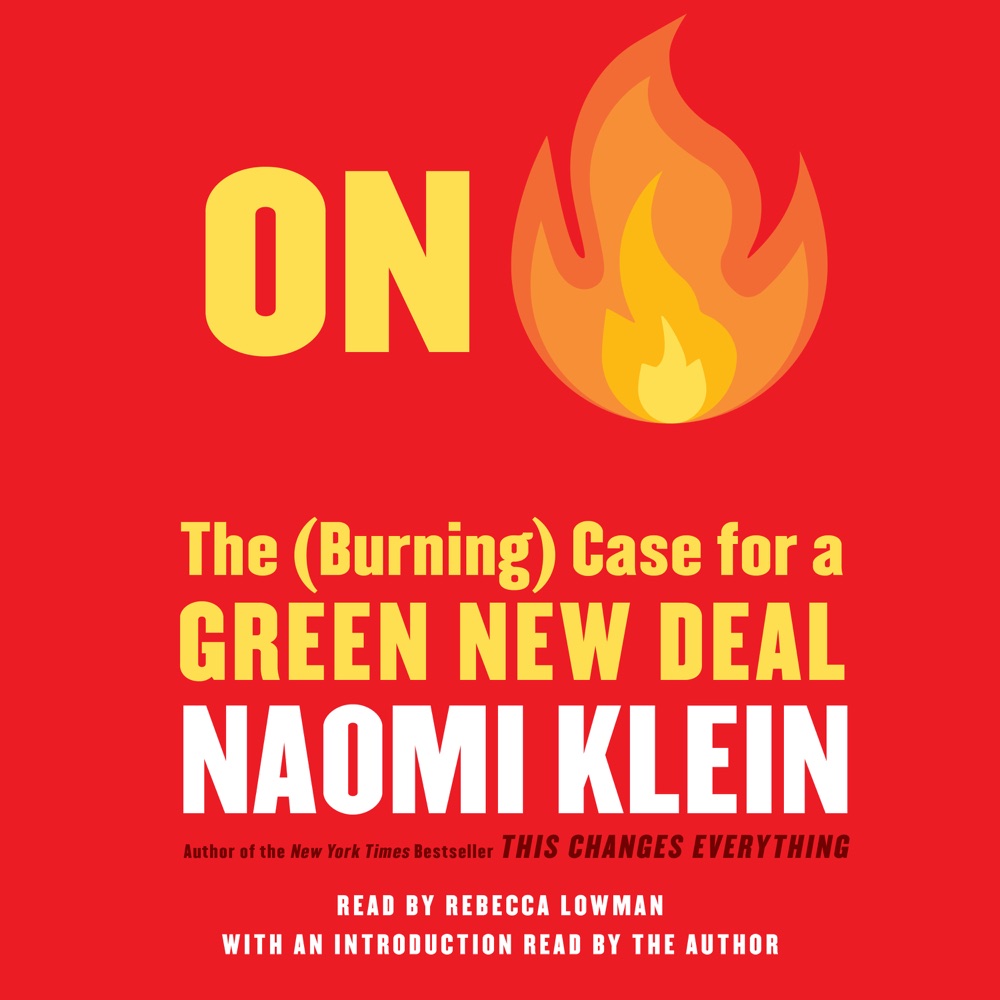 On Fire: The Case for the Green New Deal
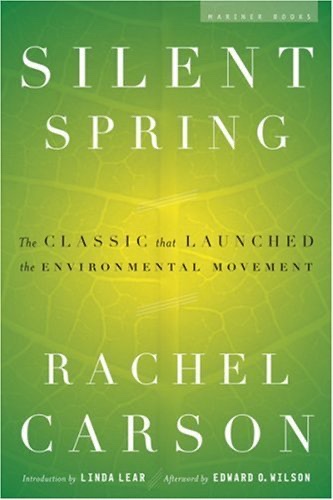 Silent Spring
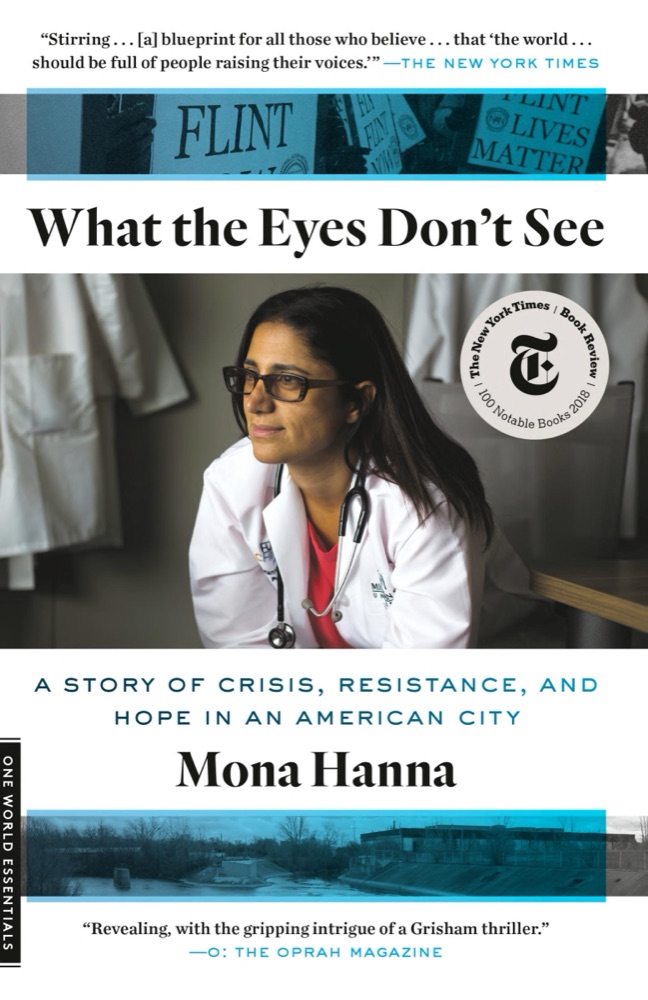 What the Eyes Don't See: A Story of Crisis, Resistance, and Hope in an American City
 American Colossus: The Triumph of Capitalism, 1865-1900
 The World Without Us
 The Nutmeg's Curse: Parables for a Planet in Crisis
 Collapse: How Societies Choose to Fail or Succeed
 Endgame, Vol. 1: The Problem of Civilization
 The Lost City of Z: A Tale of Deadly Obsession in the Amazon
 A Short History of Progress
 Jaguars Ripped My Flesh
 Voyage of the Beagle
 A Life on Our Planet: My Witness Statement and a Vision for the Future
 Green Mars
 The Last Ranger
 The Hour of Land: A Personal Topography of America's National Parks
 Pastoral Song: A Farmer’s Journey
 Billions & Billions: Thoughts on Life and Death at the Brink of the Millennium
 The Story of More: How We Got to Climate Change and Where to Go from Here
 Life on the Mississippi
 The Last Train to Zona Verde: My Ultimate African Safari
 1491: New Revelations of the Americas Before Columbus
 Merchants of Doubt: How a Handful of Scientists Obscured the Truth on Issues from Tobacco Smoke to Global Warming
 Hocus Pocus
 The Evolution of Everything: How New Ideas Emerge
 Regenesis: Feeding the World Without Devouring the Planet
 Maelstrom
 Where the Bluebird Sings to the Lemonade Springs: Living and Writing in the West
 Vanishing Treasures: A Bestiary of Extraordinary Endangered Creatures
 Eaarth: Making a Life on a Tough New Planet
 Small Is Beautiful: Economics as if People Mattered
 A Full Life: Reflections at Ninety