 The Omnivore's Dilemma: A Natural History of Four Meals
Quotes from the Book
The greatest lesson came with the realization that good food cannot be reduced to single ingredients. It requires a web of relationships to support it.
10
After a glass of fino, warm bread was served. It was dark green and smelled overwhelmingly of the sea. “Plankton bread,” said the server, but he didn’t have to. I had heard about Ángel’s signature bread, with its homemade brew of phytoplankton, which Ángel had a laboratory grow for him. “You mix the yeast with the plankton,” he said, “and it gives you a 70 percent better rise in the dough.
3
In the rush to industrialize farming, we’ve lost the understanding, implicit since the beginning of agriculture, that food is a process, a web of relationships, not an individual ingredient or commodity.
3
Eliot claims that a healthy plant, living in healthy soil, doesn’t need pest eradication, because pests don’t attack healthy plants. It’s a simple idea, but powerful. Feed the soil, and the tiny creatures that live in it, with care and attention, and the pests will almost always be incapable of inflicting damage. In
2
It was an awakening. But the question for me was: Why? How had I assumed all those years that polenta smelled of nothing more than dried meal? It’s really not too much to ask of polenta to actually taste like the corn.
1
modern agriculture has thoroughly separated the agri from the culture. They’ve killed the meaning of the word—bifurcated it, completely, in just the last thirty or so years.
1
With few ingrained food habits, Americans are among the least tradition-bound of food cultures, easily swayed by fashions and influences from other countries.
1
its rhythmic pulsations—its systole and diastole—the heart responds to what takes place in the circulation of the blood. It is the blood that drives the heart and not the other way around.” The heart doesn’t pump the blood. The blood pumps the heart.
Today, birds’ biggest threat, especially in Western countries, isn’t from hunting or predation. Their greatest foe is unrelenting, intensive agriculture. Fertilizers, pesticides, modern seed varieties,
the glistening fat onto a warm slice of bread. Some of the most memorable moments as a chef—at once revelatory and revealing—are
me tell you: it is not foie gras. Call it a nice liver. Call it a delicious, lovely liver. Call it anything you want, just don’t call it foie gras, because it’s not.
I’m looking at flour like you would a carton of milk or a bag of peaches. Because it’s a fresh product. It’s alive.” “Versus everyone else?” I asked. “Everyone else pursues shelf life. Most flour preservation is done by toasting it slightly—it’s called kilning—and what you’re doing is drying out the grain further so there’s absolutely no moisture. That’s what we eat. Wheat picked long past ripeness, then broken apart, and then mummified. Mills are abattoirs for wheat.
It is often said,” Vandana Shiva has written, “that the so-called miracle varieties of the Green Revolution in modern industrial agriculture prevented famine because they had higher yields. However, these higher yields disappear in the context of total yields of crops on farms.
I asked Eduardo if his efforts were meant to ensure the highest-quality livers or to guarantee the welfare of his geese. He shook his head slightly and smiled, a sign that he didn’t understand the question. I tried again: “What motivates you? If you had to choose, is it sweet livers you want, or a painless end to life?” Eduardo raised his eyebrows. “What’s the difference?
In the face of weather that is less predictable and more unforgiving, a diversity of locally adapted crops is one way for farmers to hedge their bets. Glenn’s landrace system isn’t just repatriating a lost cuisine. It’s gathering the seed stock for the future of eating.
I was struck as much by the acidity as by the sweetness. It was like a nicely balanced wine.
Historian Donald Worster argues that by the time the war effort ended, the Midwest’s grain economy had become inseparable from the industrial economy. “The War integrated the plains farmers more thoroughly than ever before into the national economy—into its networks of banks, railroads, mills, implement manufacturers, energy companies—and, moreover, integrated them into an international market system.” The grasslands were remade. There was no turning back.
This corn is the rare case of flavor driving genetics,
The world is now awash in monocultures of genetically uniform varieties, fed by chemical fertilizers.
The presence of chicory or wild carrot or the lovely Queen Anne’s lace means the soil is low in fertility, a classic problem that arises when you harvest crops without returning nutrients to the soil. Milkweed is a sign that the soil lacks zinc; wild garlic means low sulfur.
Fixtures of agribusiness such as five-thousand-acre grain monocultures and bloated animal feedlots are no more the future of farming than eighteenth-century factories billowing black smoke are the future of manufacturing.
of some nutrients than we need in an attempt to get enough of others to meet our basic nutritional requirements,” Ikerd once said. “The lack of a few essential nutrients
Then he discovered the library’s collection of agriculture books, which included works by Sir Albert Howard and Rudolf Steiner. “I read them and it clicked,” he said. “I mean, it all just came together.
Watch on YouTube
About Dan Barber
We have collected 23 quotes from 1 book by Dan Barber on BookQuoters.
More about the author →About the book
Barber explores the evolution of American food from the 'first plate,' or industrially-produced, meat-heavy dishes, to the 'second plate' of grass-fed meat and organic greens, and says that both of these approaches are ultimately neither sustainable nor healthy. Instead, Barber proposes Americans should move to the 'third plate,' a cuisine rooted in seasonal productivity, natural livestock rhythms, whole-grains, and small portions of free-range meat.
Book details
- First published
- 2014
- Author
- Dan Barber
- Genre
- Nonfiction
- Goodreads rating
- 4.28 (7k ratings)
Keep reading
The Omnivore's Dilemma: A Natural History of Four Meals
 Animal, Vegetable, Miracle: A Year of Food Life
 Folks, This Ain't Normal: A Farmer's Advice for Happier Hens, Healthier People, and a Better World
 Bringing it to the Table: On Farming and Food
 In Defense of Food: An Eater's Manifesto
 Cooked: A Natural History of Transformation
 Regenesis: Feeding the World Without Devouring the Planet
 The One-Straw Revolution
 An Everlasting Meal: Cooking with Economy and Grace
 Pastoral Song: A Farmer’s Journey
 Whole: Rethinking the Science of Nutrition
 The Vegetarian Myth: Food, Justice, and Sustainability
 The Food Explorer: The True Adventures of the Globe-Trotting Botanist Who Transformed What America Eats
 The Art of Eating
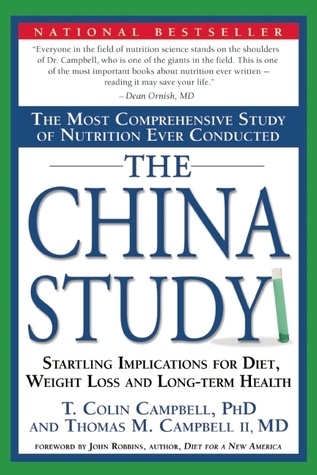 The China Study: The Most Comprehensive Study of Nutrition Ever Conducted and the Startling Implications for Diet, Weight Loss, and Long-term Health
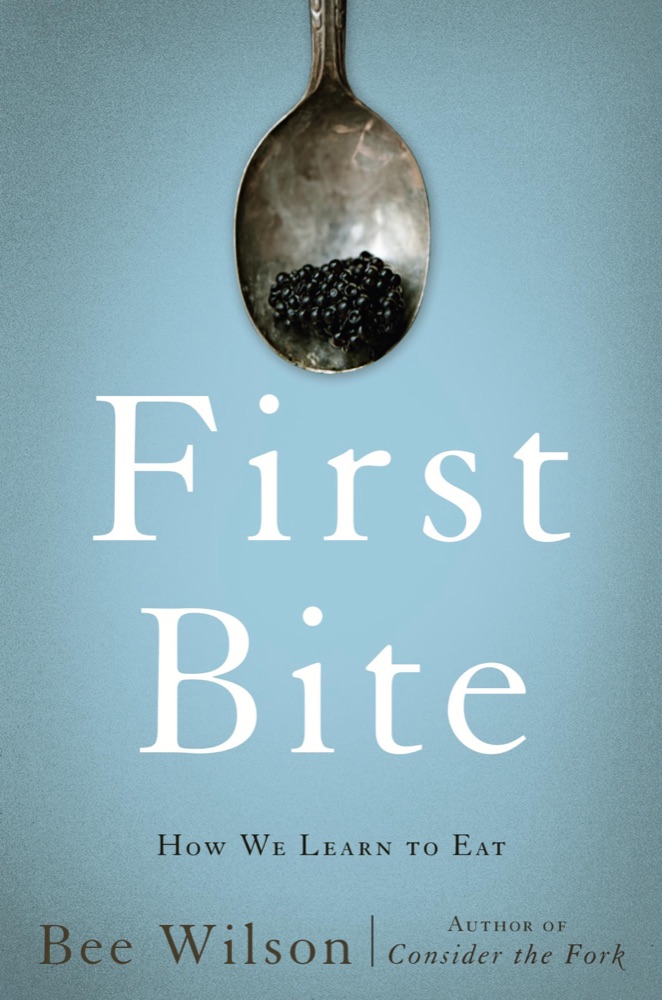 First Bite: How We Learn to Eat
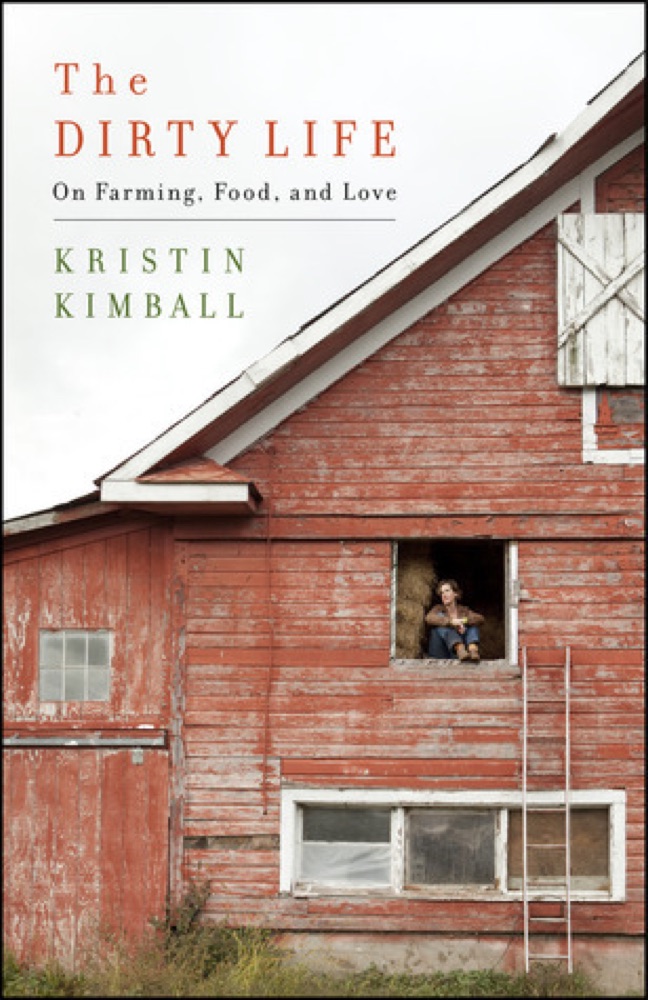 The Dirty Life: On Farming, Food, and Love
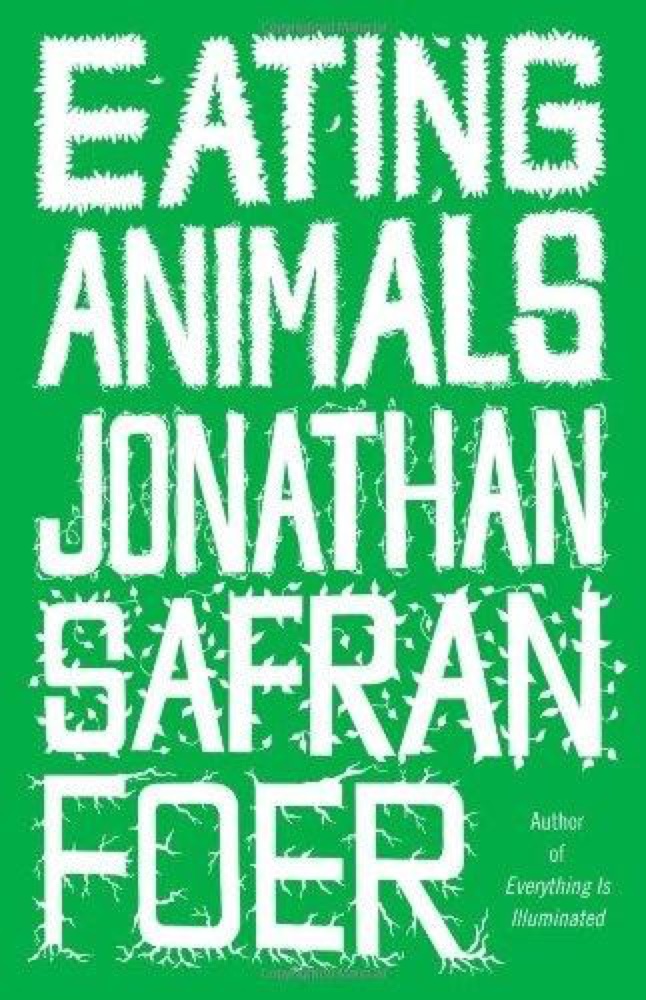 Eating Animals
 The Supper of the Lamb: A Culinary Reflection
 Wilding
 Fast Food Nation: The Dark Side of the All-American Meal
 Land of Milk and Honey
 At Home: A Short History of Private Life
 Buttermilk Graffiti: A Chef’s Journey to Discover America’s New Melting-Pot Cuisine
 The 80/10/10 Diet: Balancing Your Health, Your Weight, and Your Life, One Luscious Bite at a Time
 The World Peace Diet
 Salt Sugar Fat: How the Food Giants Hooked Us
 Gulp: Adventures on the Alimentary Canal
 A Cook's Tour: Global Adventures in Extreme Cuisines
 The Wizard and the Prophet: Two Remarkable Scientists and Their Dueling Visions to Shape Tomorrow's World
 The Light Eaters: How the Unseen World of Plant Intelligence Offers a New Understanding of Life on Earth
 Catching Fire: How Cooking Made Us Human
 Food: A Love Story
 The World-Ending Fire: The Essential Wendell Berry
 This is Vegan Propaganda
 Kitchen Confidential: Adventures in the Culinary Underbelly
 The Secret Life of Plants: A Fascinating Account of the Physical, Emotional and Spiritual Relations Between Plants and Man
 Gathering Moss: A Natural and Cultural History of Mosses
 Medium Raw: A Bloody Valentine to the World of Food and the People Who Cook
 The Mushroom at the End of the World: On the Possibility of Life in Capitalist Ruins
 When in Doubt, Add Butter
 The School of Essential Ingredients
 Semiosis
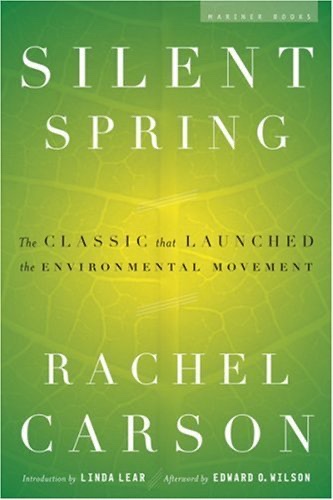 Silent Spring
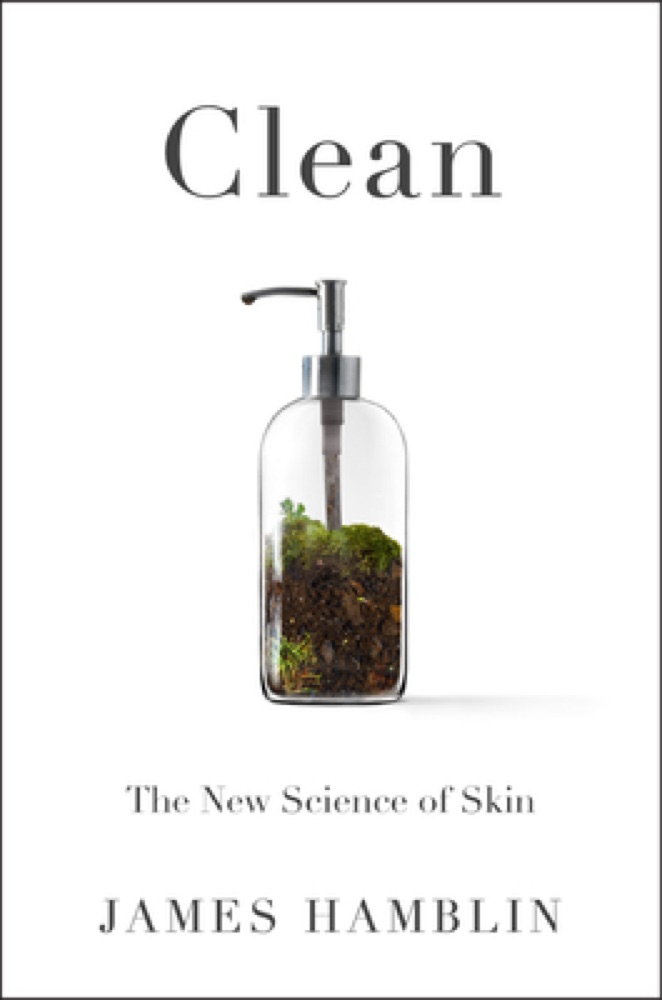 Clean: The New Science of Skin
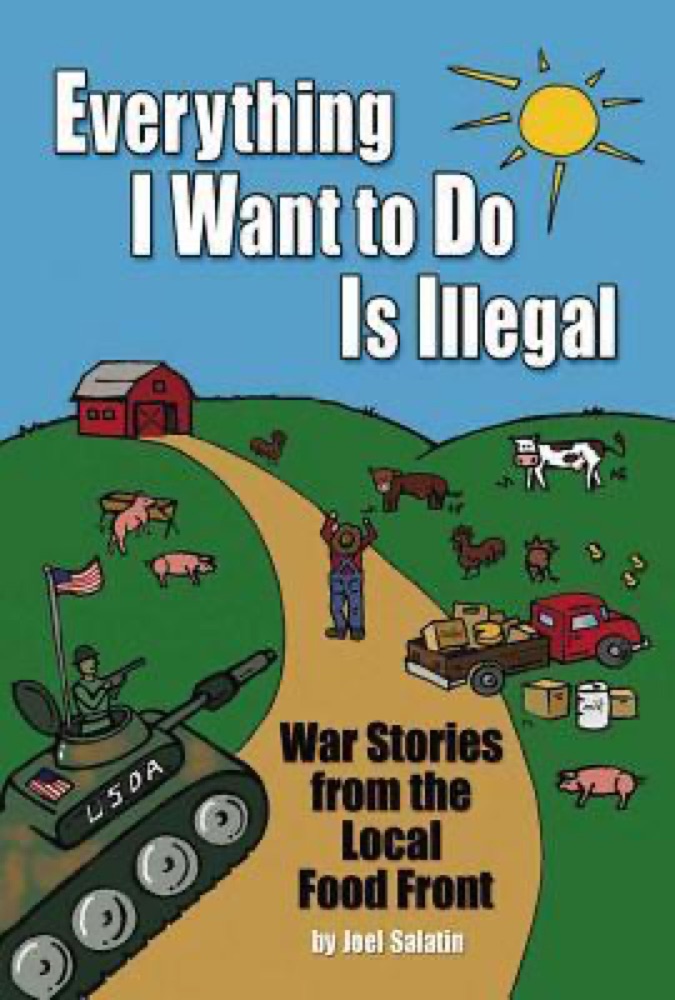 Everything I Want To Do Is Illegal: War Stories from the Local Food Front
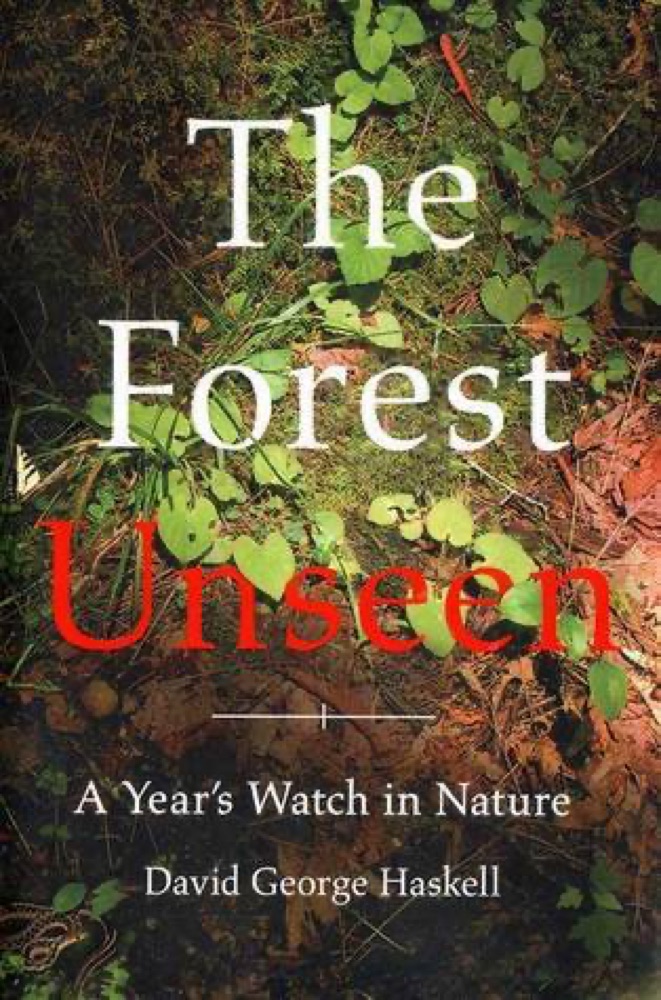 The Forest Unseen: A Year’s Watch in Nature
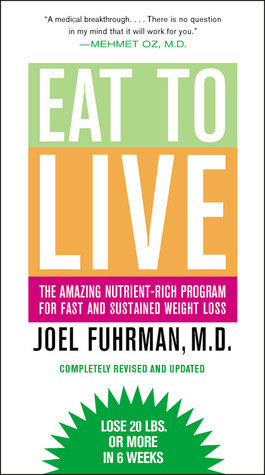 Eat to Live: The Revolutionary Formula for Fast and Sustained Weight Loss
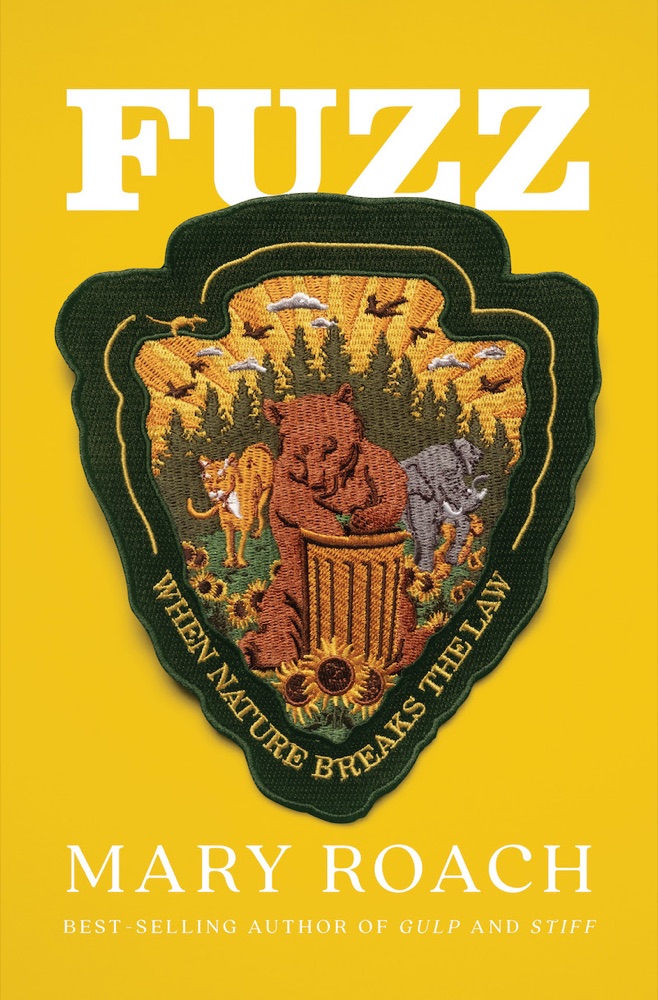 Fuzz: When Nature Breaks the Law
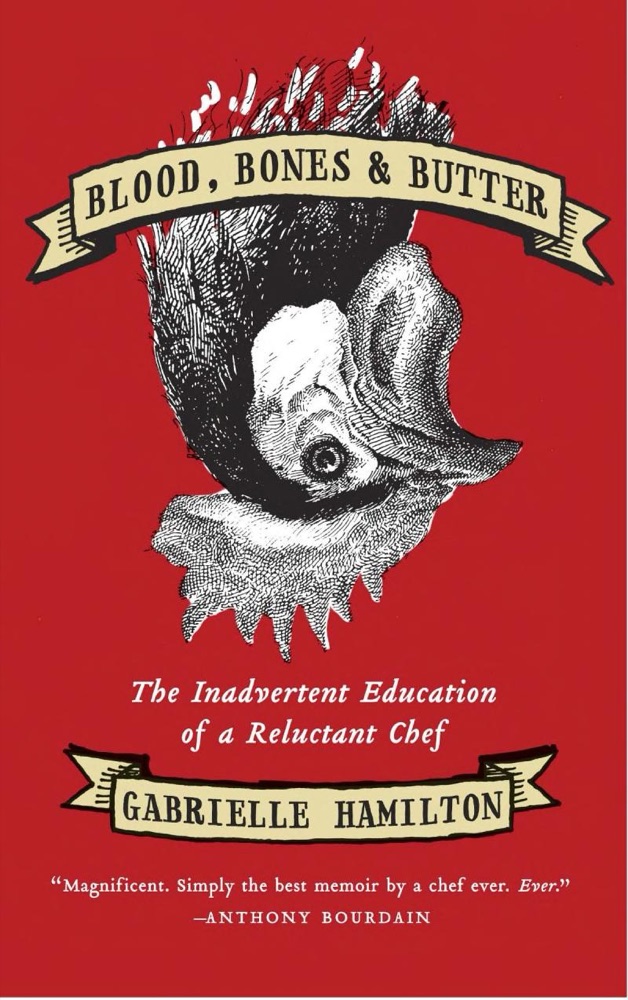 Blood, Bones, and Butter: The Inadvertent Education of a Reluctant Chef
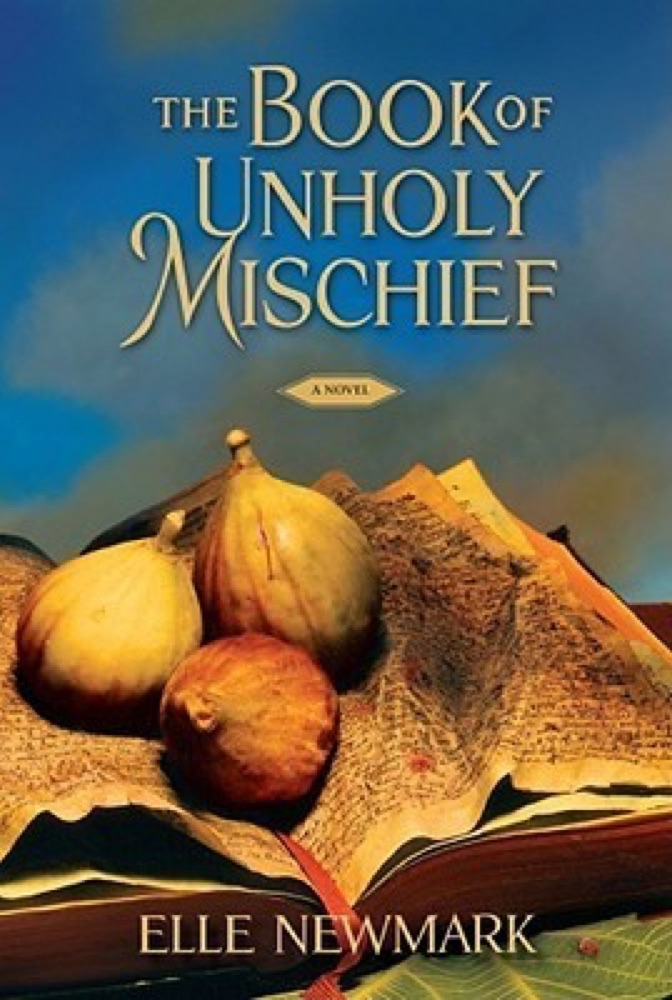 The Book of Unholy Mischief
 Gut: The Inside Story of Our Body's Most Underrated Organ
 The Telling Room: A Tale of Love, Betrayal, Revenge, and the World's Greatest Piece of Cheese
 The Rational Optimist: How Prosperity Evolves
 Cinnamon and Gunpowder
 Under a White Sky: The Nature of the Future
 One Man's Meat
 The Art of the Commonplace: The Agrarian Essays
 Sapiens: A Brief History of Humankind
 Recipes for Love and Murder