 The Story of More: How We Got to Climate Change and Where to Go from Here
Quotes from the Book
We moved from being a part of nature to being apart from nature.
46
We live our comfortable lives in the shadow of a disaster of our own making. That disaster is being brought about by the very things that allow us to live our comfortable lives.
35
We often talk of saving the planet, but the truth is that we must do these things to save ourselves. With or without us, the wild will return.
26
We have come as far as we have because we are the cleverest creatures to have ever lived on Earth. But if we are to continue to exist, we will require more than intelligence. We will require wisdom.
24
We humans, alone on Earth, are powerful enough to create worlds, and then destroy them.
11
Everything is set for us to win this future. We have a plan. We know what to do. There is a path to sustainability. It is a path that could lead to a better future for all life on Earth. We must let our politicians and business leaders know that we understand this, that this vision for the future is not just something we need, it is something, above all, that we want.
9
All we require is the will. The next few decades represent a final opportunity to build a stable home for ourselves and restore the rich, healthy and wonderful world that we inherited from our distant ancestors. Our future on the planet, the only place as far as we know where life of any kind exists, is at stake.
6
Beef makes up about a quarter of the meat that we eat, and only 2 per cent of our calories, yet we dedicate 60 per cent of our farmland to raising it.
4
Ninety-six percent of the mass of all the mammals on Earth is made up of our bodies and those of the animals that we raise to eat.
4
The natural world is fading. The evidence is all around. It has happened during my lifetime. I have seen it with my own eyes. It will lead to our destruction.
3
It seems that, however grave our mistakes, nature will be able to overcome them, given the chance.
3
The greater the biodiversity, the more secure will be all life on Earth,
2
For life to truly thrive on this planet, there must be immense biodiversity. Only when billions of different individual organisms make the most of every resource and opportunity they encounter, and millions of species lead lives that interlock so that they sustain each other, can the planet run efficiently. The greater the biodiversity, the more secure will be all life on Earth, including ourselves. Yet the way we humans are now living on Earth is sending biodiversity into a decline.
2
L’homo sapiens, l’essere umano saggio, deve imparare dai suoi sbagli e dimostrarsi all’altezza del suo nome. Noi che viviamo oggi abbiamo il fondamentale compito di assicurarci che succeda. Non dobbiamo perdere la speranza. Abbiamo tutti gli strumenti che ci servono, i pensieri e le idee di miliardi di menti straordinarie e le incommensurabili energie della natura per sostenere la nostra impresa. E abbiamo un’altra cosa, un’abilità unica tra le creature viventi sul pianeta: quella di immaginare un futuro e impegnarci per realizzarlo.
2
The Earth’s last forests, rainforests, wetlands, grasslands and woodlands are, in fact, priceless. They are the carbon stores that we cannot afford to unlock. They offer environmental services that we cannot do without. They are home to biodiversity that we must not lose. How can we come to represent all that in our value systems?
1
We can’t cut down rainforests forever. And anything that we can’t do forever is by definition, unsustainable. If we do things that are unsustainable, the damage accumulates, ultimately, to a point where the whole system collapses. No ecosystem, not matter how big, is secure. Even one as vast as the ocean.
1
It took a million years of unprecedented volcanic activity during the Permian to poison the ocean. We have begun to do so again in less than two hundred. By burning fossil fuels, we are releasing carbon dioxide captured by prehistoric plants over millions of years in a few decades.
1
As the trees died, their bodies fell into the swamps and accumulated underwater, being slowly entombed by sediment brought down by the rivers. Beyond the reach of oxygen and the normal processes of decomposition, their carbon-laden tissues, buried beneath mud and sand, were compressed and eventually became coal. Subsequently, over several hundred million years, plankton and algae that flourished in ancient seas and stagnant lakes have, on occasions, been buried at depth and turned into oil and inflammable gas.
1
We have less than a decade to switch from fossil fuels to clean energy. We have already increased global temperature by 1oC from pre-industrial levels. If we are to halt its increase at 1.5oC, there is a limit to the amount of carbon we can yet add to the atmosphere–our carbon budget–and, at current emissions rates, we will add this amount before the end of the decade.6 Our careless use of fossil fuels has set us the greatest and most urgent challenge we have ever faced. If we do make the transition to renewables at the lightning speed required, humankind will forever look back on this generation with gratitude, for we are indeed the first to truly understand the problem–and the last with a chance to do anything about it.
1
Invention accumulates. If you combine the diesel engine, GPS, and the echo sounder, the opportunities they create are not just added to one another, they are multiplied.
1
Give and take, that is the essence of what balance is all about.
1
We do not have a special place. We are not the preordained and final pinnacle of evolution. We are just another species in the tree of life.
The work of scientists who study the Earth’s systems gives us the answer. In fact, it’s quite straightforward. It’s been staring us in the face all along. Earth may be a sealed dish, but we don’t live in it alone! We share it with the living world–the most remarkable life-support system imaginable, constructed over billions of years to refresh and renew food supplies, to absorb and reuse waste, to dampen damage and bring balance at the planetary scale. It is no accident that the planet’s stability has wavered just as its biodiversity has declined–the two things are bound together. To restore stability to our planet, therefore, we must restore its biodiversity, the very thing we have removed. It is the only way out of this crisis that we ourselves have created. We must rewild the world! PART THREE A Vision for the
We are all culpable but, it has to be said, through no fault of our own. It is only in the last few decades that we have come to understand that every one of us has been born into a human world that was always inherently unsustainable. But now that we do know this, we have a choice to make. We could carry on living our happy lives, raising our families, busying ourselves with the honest pursuits of the modern society that we have built, whilst choosing to disregard the disaster waiting on our doorstep. Or we could change.
We came to regard the wild world as something to tame, to subdue, to use. There is no doubt that this new approach to life brought us spectacular gains, but over the years, we lost our balance. We moved from being a part of nature to being apart from nature.
Since the 1950s, on average, wild animal populations have more than halved. When I look back at my earlier films now, I realise that, although I felt I was out there in the wild, wandering through a pristine natural world, that was an illusion. Those forests and plains and seas were already emptying. Many of the larger animals were already rare. A shifting baseline has distorted our perception of all life on Earth. We have forgotten that once there were temperate forests that would take days to traverse, herds of bison that would take four hours to pass, and flocks of birds so vast and dense that they darkened the skies. Those things were normal only a few lifetimes ago. Not any more. We have become accustomed to an impoverished planet. We have replaced the wild with the tame. We regard the Earth as our planet, run by humankind for humankind. There is little left for the rest of the living world. The truly wild world–that non-human world–has gone. We have overrun the Earth.
When I look back at my earlier films now, I realise that, although I felt I was out there in the wild, wandering through a pristine natural world, that was an illusion. Those forests and plains and seas were already emptying. Many of the larger animals were already rare. A shifting baseline has distorted our perception of all life on Earth. We have forgotten that once there were temperate forests that would take days to traverse, herds of bison that would take four hours to pass, and flocks of birds so vast and dense that they darkened the skies. Those things were normal only a few lifetimes ago. Not any more. We have become accustomed to an impoverished planet.
Watch on YouTube
About David Attenborough
We have collected 27 quotes from 1 book by David Attenborough on BookQuoters.
More about the author →About the book
*Goodreads Choice Award Winner for Best Science & Technology Book of the Year*
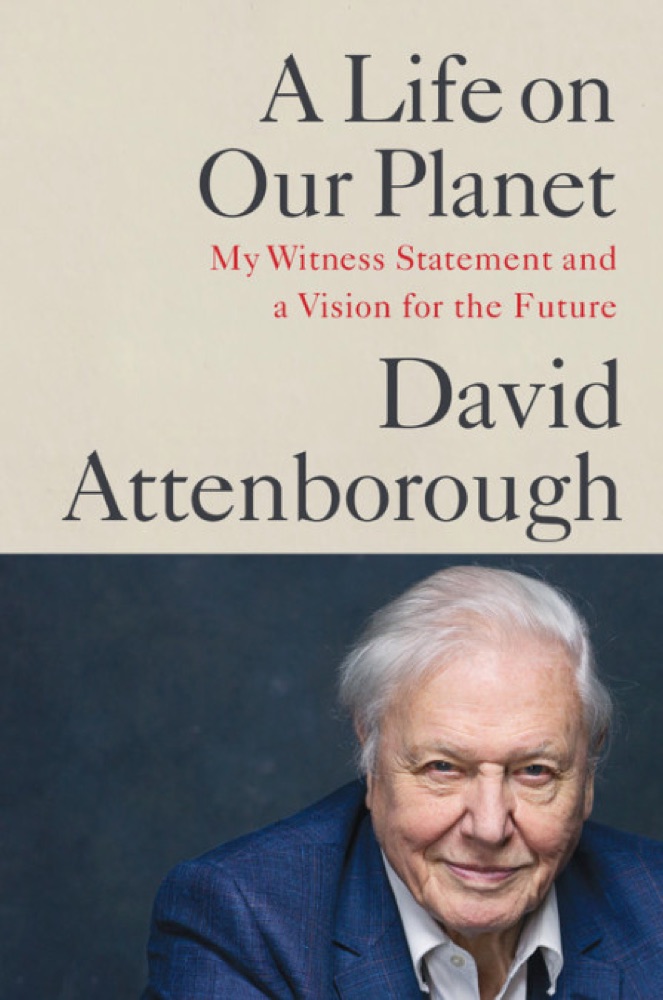
In this scientifically informed account of the changes occurring in the world over the last century, the award-winning broadcaster and natural historian shares a lifetime of wisdom and a hopeful vision for the future. "See the world. Then make it better. I am 93. I've had an extraordinary life. It's only now that I appreciate how extraordinary. As a young man, I felt I was out there in the wild, experiencing the untouched natural world - but it was an illusion. The tragedy of our time has been happening all around us, barely noticeable from day to day -- the loss of our planet's wild places, its biodiversity. I have been witness to this decline. A Life on Our Planet is my witness statement, and my vision for the future. It is the story of how we came to make this, our greatest mistake -- and how, if we a
Book details
- First published
- 2020
- Author
- David Attenborough
- Genre
- Nonfiction
- Goodreads rating
- 4.50 (36k ratings)
Keep reading
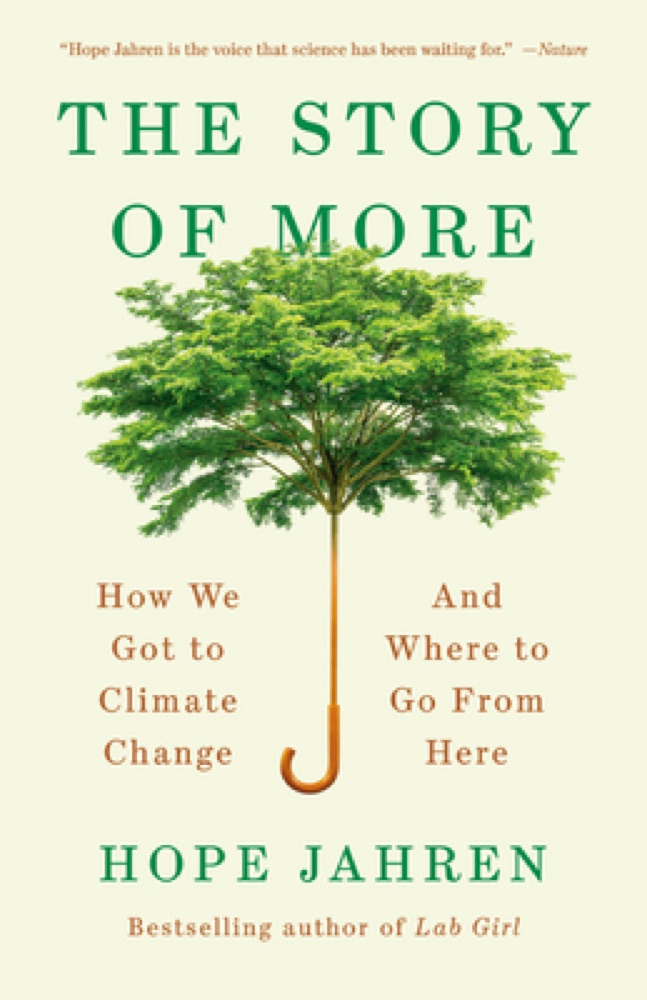
The Story of More: How We Got to Climate Change and Where to Go from Here
 Falter: Has the Human Game Begun to Play Itself Out?
 Under a White Sky: The Nature of the Future
 All We Can Save: Truth, Courage, and Solutions for the Climate Crisis
 Feral: Rewilding the Land, the Sea and Human Life
 Vanishing Treasures: A Bestiary of Extraordinary Endangered Creatures
 The Lost World
 The Sixth Extinction: An Unnatural History
 The Ends of the World
 The World Without Us
 Eaarth: Making a Life on a Tough New Planet
 Billions & Billions: Thoughts on Life and Death at the Brink of the Millennium
 The Forest Unseen: A Year’s Watch in Nature
 Wild Ones: A Sometimes Dismaying, Weirdly Reassuring Story About Looking at People Looking at Animals in America
 Shadows of Forgotten Ancestors
 On Fire: The Case for the Green New Deal
 A Short History of Progress
 The Overstory
 Earth
Earth
 The Uninhabitable Earth: Life After Warming
 The Wizard and the Prophet: Two Remarkable Scientists and Their Dueling Visions to Shape Tomorrow's World
 Pale Blue Dot: A Vision of the Human Future in Space
 The Mushroom at the End of the World: On the Possibility of Life in Capitalist Ruins
 Endgame, Vol. 1: The Problem of Civilization
 The World-Ending Fire: The Essential Wendell Berry
 Genome
 Delta-v
 Jurassic Park
 The Future of Humanity: Terraforming Mars, Interstellar Travel, Immortality and Our Destiny Beyond Earth
 The Last Days of the Dinosaurs: An Asteroid, Extinction, and the Beginning of Our World
 The Mountain in the Sea
 Bringing it to the Table: On Farming and Food
 Laudato Si': On the Care of Our Common Home
 Underland: A Deep Time Journey
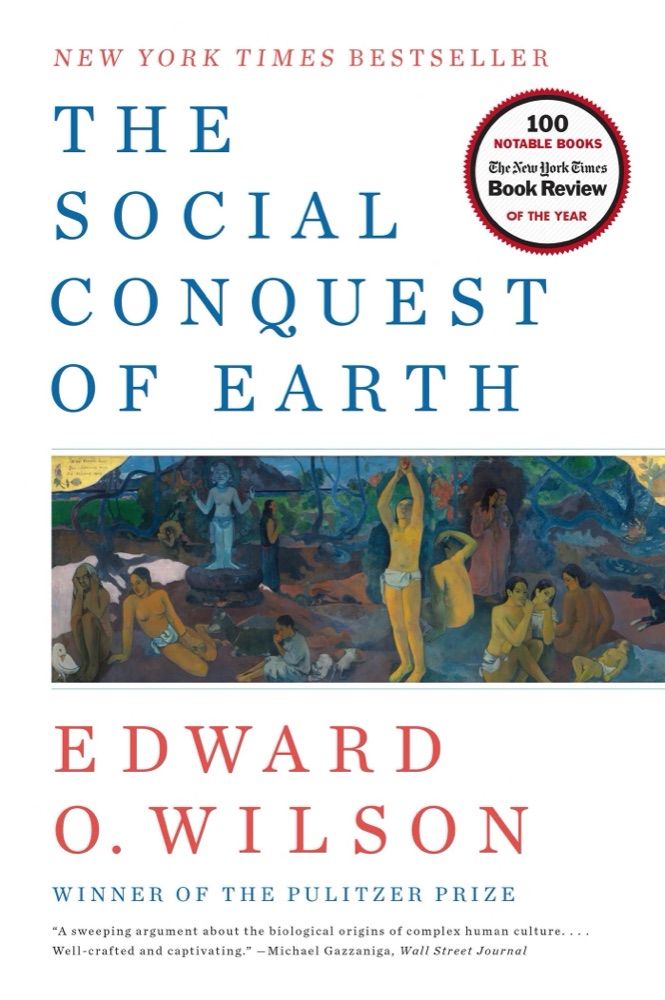 The Social Conquest of Earth
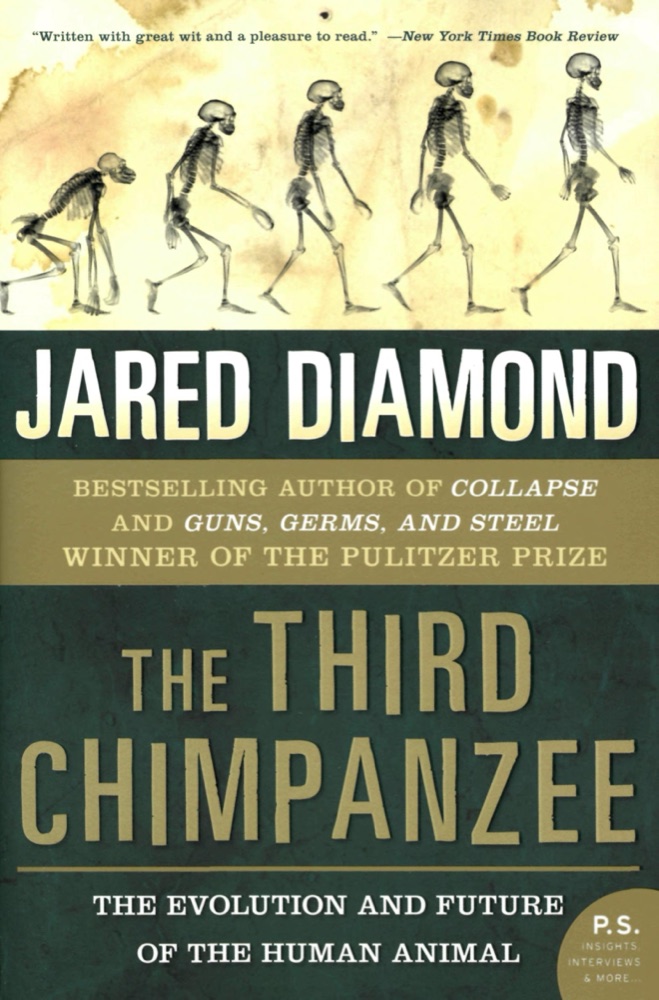 The Third Chimpanzee: The Evolution and Future of the Human Animal
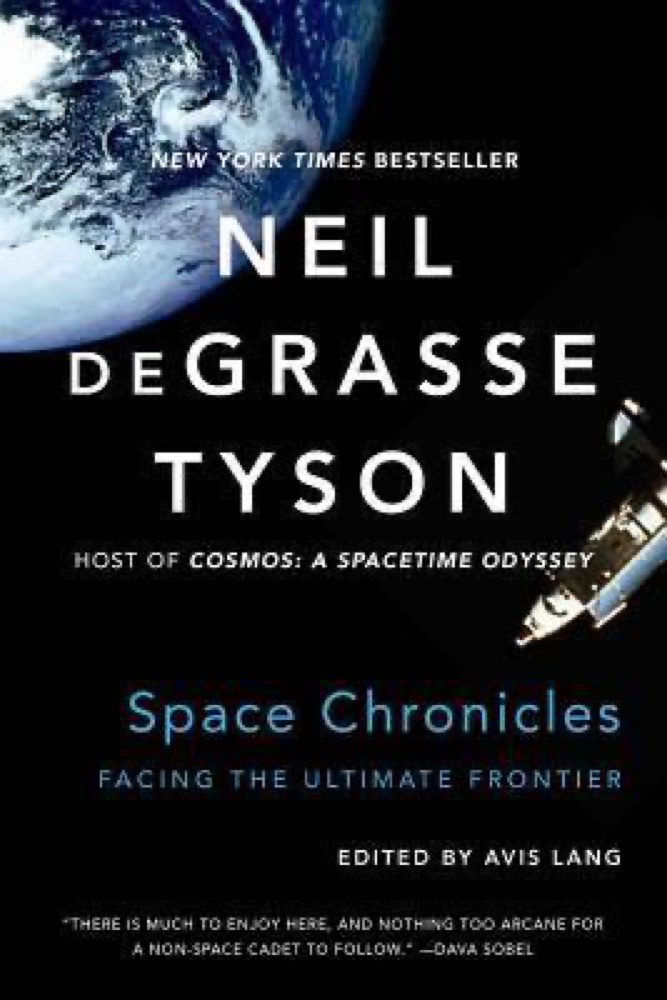 Space Chronicles: Facing the Ultimate Frontier
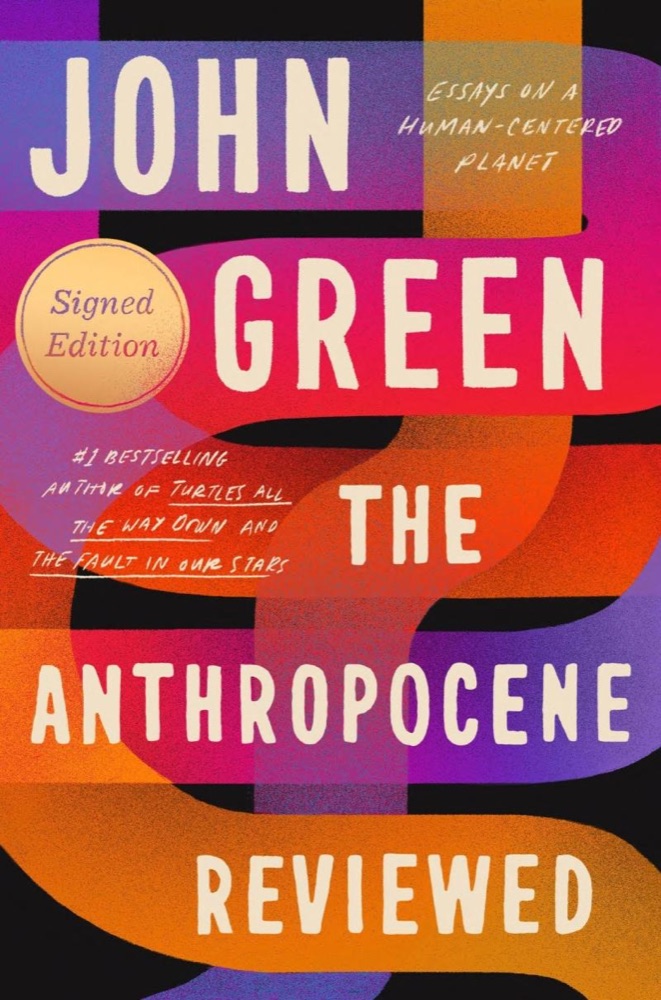 The Anthropocene Reviewed: Essays on a Human-Centered Planet
 The One-Straw Revolution
 The Lives of a Cell: Notes of a Biology Watcher
 The Book of Hope: A Survival Guide for Trying Times
 Silent Spring
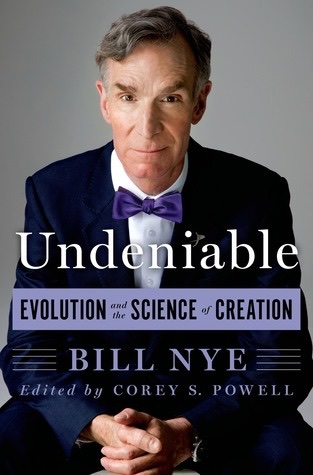 Undeniable: Evolution and the Science of Creation
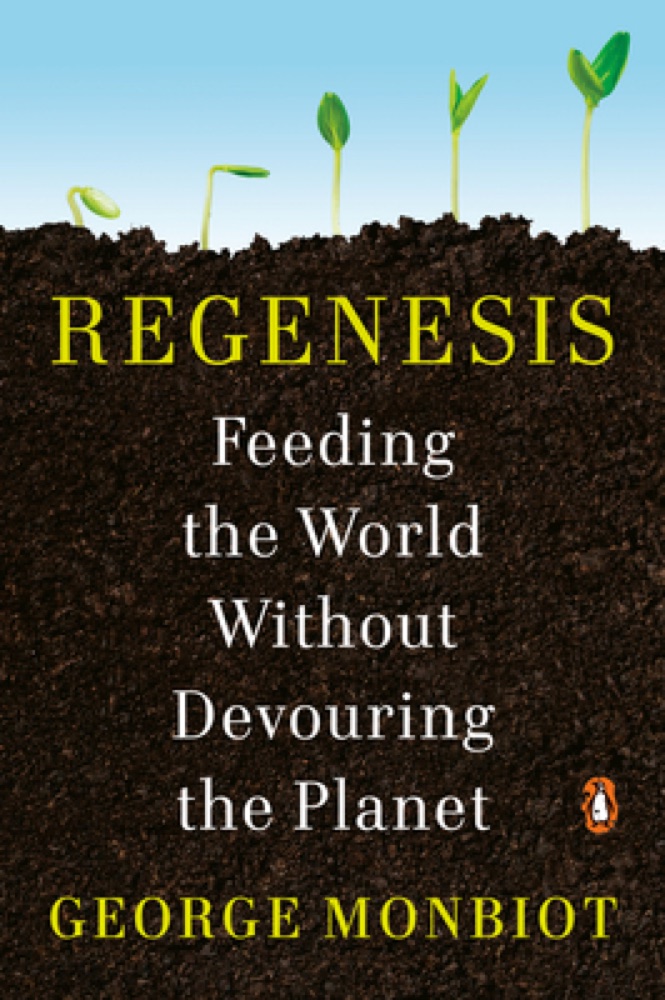 Regenesis: Feeding the World Without Devouring the Planet
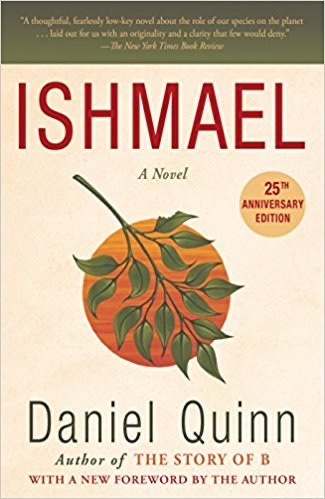 Ishmael: An Adventure of the Mind and Spirit
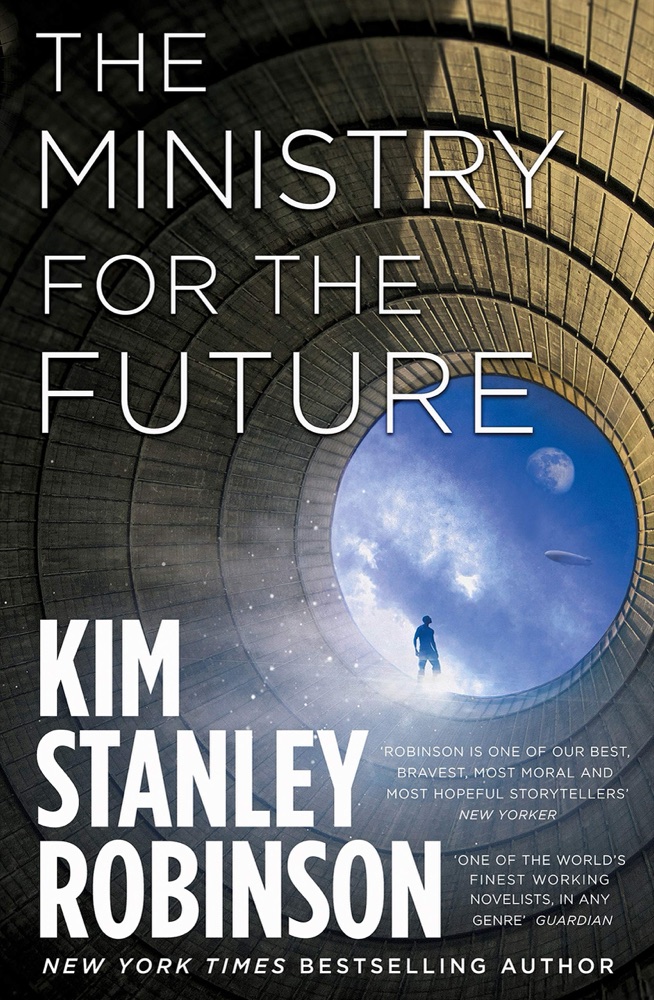 The Ministry for the Future
 A Short History of Nearly Everything
 Why Fish Don’t Exist: A Story of Loss, Love, and the Hidden Order of Life
 Sapiens: A Brief History of Humankind
 Semiosis
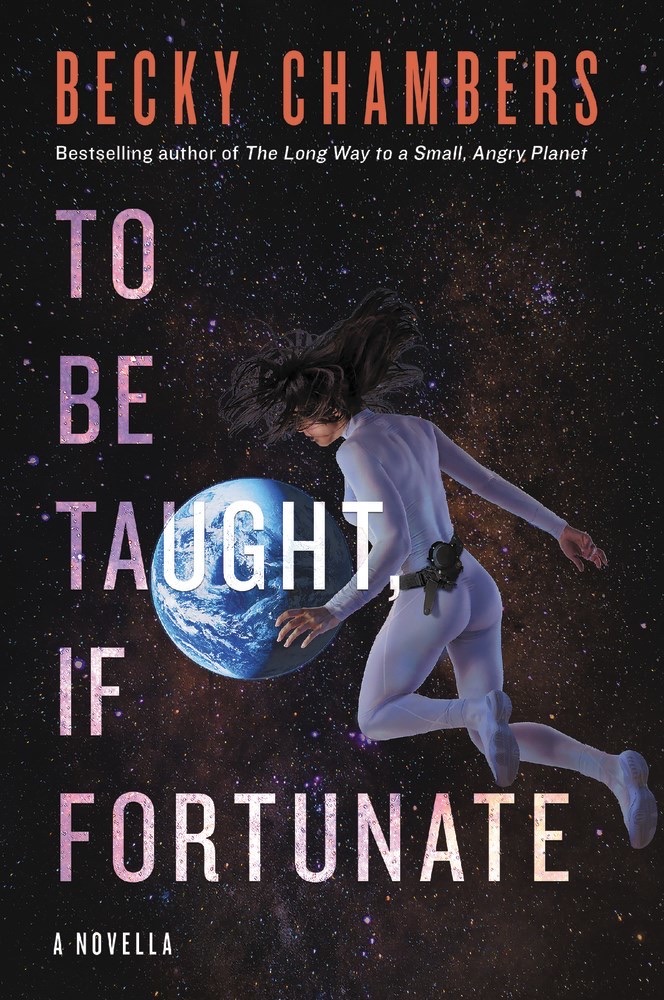 To Be Taught, If Fortunate
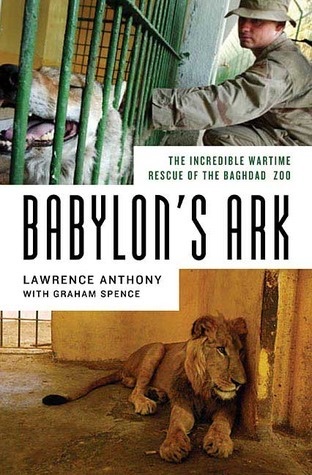 Babylon's Ark: The Incredible Wartime Rescue of the Baghdad Zoo
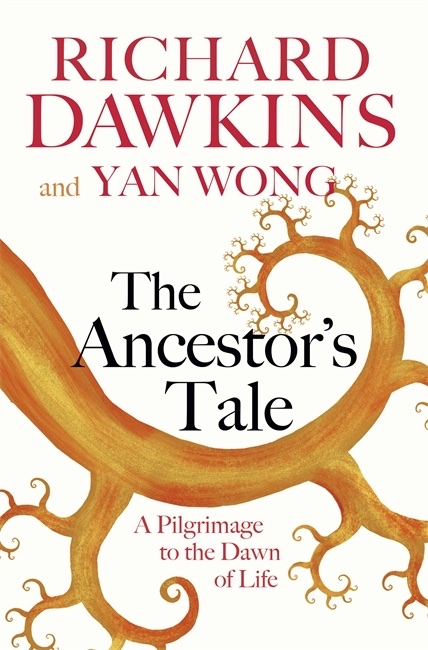 The Ancestor's Tale: A Pilgrimage to the Dawn of Evolution
 The Fifth Science
 The Nutmeg's Curse: Parables for a Planet in Crisis
 Emergency Skin
 Bewilderment
 Gathering Moss: A Natural and Cultural History of Mosses
 Deep Creek: Finding Hope in the High Country
 The Fifth Sacred Thing