
 Appalachian Elegy: Poetry and Place
Quotes from the Book
The process begins with the individual woman’s acceptance that American women, without exception, are socialized to be racist, classist and sexist, in varying degrees, and that labeling ourselves feminists does not change the fact that we must consciously work to rid ourselves of the legacy of negative socialization.
300
It is obvious that many women have appropriated feminism to serve their own ends, especially those white women who have been at the forefront of the movement; but rather than resigning myself to this appropriation I choose to re-appropriate the term “feminism,” to focus on the fact that to be “feminist” in any authentic sense of the term is to want for all people, female and male, liberation from sexist role patterns, domination, and oppression.
160
[Our] struggle for liberation has significance only if it takes place within a feminist movement that has as its fundamental goal the liberation of all people.
29
When feminists acknowledge in one breath that black women are victimized and in the same breath emphasize their strength, they imply that though black women are oppressed they manage to circumvent the damaging impact of oppression by being strong—and that is simply not the case. Usually, when people talk about the “strength” of black women they are referring to the way in which they perceive black women coping with oppression. They ignore the reality that to be strong in the face of oppression is not the same as overcoming oppression, that endurance is not to be confused with transformation.
27
To me feminism is not simply a struggle to end male chauvinism or a movement to ensure that women will have equal rights with men; it is a commitment to eradicating the ideology of domination that permeates Western culture on various levels--sex, race, and class, to name a few--and a commitment to reorganizing U.S. society so that the self-development of people can take precedence over imperialism, economic expansion, and material desires.
23
The idealized woman becomes property, symbol, and ornament; she is stripped of her essential human qualities. The devalued woman becomes a different kind of object; she is the spittoon in which men release their negative anti-woman feelings.
23
If women want a feminist revolution—ours is a world that is crying out for feminist revolution—then we must assume responsibility for drawing women together in political solidarity. That means we must assume responsibility for eliminating all the forces that divide women.
22
In an imperialist racist patriarchal society that supports and condones oppression, it is not surprising that men and women judge their worth, their personal power, by their ability to oppress others.
21
The fear of being alone, or of being unloved, had caused women of all races to passively accept sexism and sexist oppression.
21
Unfortunately, our over-emphasis on the male as oppressor often obscures the fact that men too are victimized. To be an oppressor is dehumanizing and anti-human in nature, as it is to be a victim. Patriarchy forces fathers to act as monsters, encourages husbands and lovers to be rapists in disguise; it teaches our blood brothers to feel ashamed that they care for us, and denies all men the emotional life that would act as a humanizing, self-affirming force in their lives.
19
... I choose to re-appropriate the term "feminism", to focus on the fact that to be "feminist" in any authentic sense of the term is to want for all people, female and male, liberation from sexist role patterns, domination, and oppression.
16
Teaching women how to defend themselves against male rapists is not the same as working to change society so that men will not rape.
15
As far back as slavery, white people established a social hierarchy based on race and sex that ranked white men first, white women second, though sometimes equal to black men, who are ranked third, and black women last. What this means in terms of the sexual politics of rape is that if one white woman is raped by a black man, it is seen as more important, more significant than if thousands of black women are raped by one white man. Most Americans, and that includes black people, acknowledge and accept this hierarchy; they have internalized it either consciously or unconsciously. And for this reason, all through American history, black male rape of white women has attracted much more attention and is seen as much more significant than rape of black women by either white or black men.
14
Consequently, it can be easily argued that even though white men institutionalized slavery, white women were its most immediate beneficiaries. Slavery in no way altered the hierarchical social status of the white male but it created a new status for the white female. The only way that her new status could be maintained was through the constant assertion of her superiority over the black woman and man. All too often colonial white women, particularly those who were slave mistresses, chose to differentiate their status from the slave’s by treating the slave in a brutal and cruel manner. It was in her relationship to the black female slave that the white woman could best assert her power.
13
When black people are talked about the focus tends to be on black men; and when women are talked about the focus tends to be on white women.
13
For how does one overthrow, change or even challenge a system that you have been taught to admire, to love, to believe in?
12
Women, all women, are accountable for racism continuing to divide us. Our willingness to assume responsibility for the elimination of racism need not be engendered by feelings of guilt, moral responsibility, victimization, or rage. It can spring from a heartfelt desire for sisterhood and the personal, intellectual realization that racism among women undermines the potential radicalism of feminism. It can spring from our knowledge that racism is an obstacle in our path that must be removed. More obstacles are created if we simply engage in endless debate as to who put it there.
12
Initially, class privilege was not discussed by white women in the women’s movement. They wanted to project an image of themselves as victims and that could not be done by drawing attention to their class. In fact, the contemporary women’s movement was extremely class bound. As a group, white participants did not denounce capitalism. They chose to define liberation using the terms of white capitalist patriarchy, equating liberation with gaining economic status and money power. Like all good capitalists, they proclaimed work as the key to liberation. This emphasis on work was yet another indication of the extent to which the white female liberationists’ perception of reality was totally narcissistic, classist, and racist. Implicit in the assertion that work was the key to women’s liberation was a refusal to acknowledge the reality that, for masses of American working class women, working for pay neither liberated them from sexist oppression nor allowed them to gain any measure of economic independence.
11
Many black men who express the greatest hostility toward the white male power structure are often eager to gain access to that power. Their expressions of rage and anger are less a critique of the white male patriarchal social order and more a reaction against the fact that they have not been allowed full participation in the power game.
11
To be an oppressor is dehumanizing and anti-human in nature, as it is to be a victim.
11
It is a contradiction that white females have structured a women’s liberation movement that is racist and excludes many non-white women. However, the existence of that contradiction should not lead any woman to ignore feminist issues. Oftentimes I am asked by black women to explain why I would call myself a feminist and by using that term ally myself with a movement that is racist. I say, “The question we must ask again and again is how can racist women call themselves feminists.” It is obvious that many women have appropriated feminism to serve their own ends, especially those white women who have been at the forefront of the movement; but rather than resigning myself to this appropriation I choose to re-appropriate the term “feminism,” to focus on the fact that to be “feminist” in any authentic sense of the term is to want for all people, female and male, liberation from sexist role patterns, domination, and oppression.
9
To Black women, the issue is not whether white women are more or less racist than white men, but that they are racist. If women committed to feminist revolution, be they Black or white, are to achieve any understanding of the charged connections between white women and Black women, we must first be willing to examine woman’s relationship to society, to race, and to American culture - as it is, and not as we would ideally have it be. That means confronting the reality of white female racism. Sexist discrimination has prevented white women from assuming the dominant role in the perpetuation of white racial imperialism, but it has not prevented white women from absorbing, supporting, and advocating racist ideology or acting individually as racist oppressors in various spheres of American life. Every women’s movement in America, from its earliest origin to the present day, has been built on a racist foundation, a fact which in no way invalidates feminism as a political ideology. The racial apartheid social structure that characterized 19th and early 20th century American life was mirrored in the women’s rights movement. The first white women’s rights advocates were never seeking social equality for all women. They were seeking social equality for white women.
7
No other group in America has used black people as metaphors as extensively as white women involved in the women’s movement.
7
All too frequently in the women’s movement it was assumed one could be free of sexist thinking by simply adopting the appropriate feminist rhetoric; it was further assumed that identifying oneself as oppressed freed one from being an oppressor. To a very grave extent such thinking prevented white feminists from understanding and overcoming their own sexist-racist attitudes toward black women. They could pay lip-service to the idea of sisterhood and solidarity between women but at the same time dismiss black women. Just
7
Black women who date or marry white men find that they cannot endure the harassment and persecution by black and white people. In some instances black men who are themselves involved in inter-racial relationships act contemptuously towards black women who exercise the same freedom of choice. They see their own behavior as acceptable because they view white women as victims, while they see white men as oppressors. So in their eyes a black woman involved with a white man is allying herself with a racist oppressor. But their tendency to see white women as innocent, as non-racist is yet another reflection of their acceptance of sexist idealization of woman. For white women have historically shown themselves to be as capable of being racist oppressors as white men.
6
Resolution of the conflict between black and white women cannot begin until all women acknowledge that a feminist movement, which is both racist and classist, is a mere sham, a cover up for women’s continued bondage to materialistic, patriarchal principles, and passive acceptance of the status quo. The sisterhood that is necessary for the making of feminist revolution can be achieved only when all women disengage themselves from the hostility, jealousy, and competition with one another that has kept us vulnerable, weak, and unable to envision new realities. That sisterhood cannot be forged by the mere saying of words. It is the outcome of continued growth and change. It is a goal to be reached, a process of becoming. The process begins with action. With the individual woman’s refusal to accept any set of myths, stereotypes, and false assumptions that deny the shared commonness of her human experience. That deny her capacity to experience the unity of all life. That deny her capacity to bridge gaps created by racism, sexism or classism. That deny her ability to change. The process begins with the individual woman’s acceptance that American women, without exception, are socialized to be racist, classist, and sexist in varying degrees. And that labeling ourselves feminists, does not change the fact that we must consciously work to rid ourselves of the legacy of negative socialization.
5
White feminists did not challenge the racist-sexist tendency to use the word "woman" to refer solely to white women; they supported it. For them it serves two purposes. First, it allowed them to proclaim white men world oppressors while making it appear linguistically that no alliance existed between white women and white men based on shared racial imperialism. Second, it made it possible for white women to act as if alliances did exist between themselves and non-white women in our society, and by so doing they could deflect attention away from their classism and racism. Had feminists chosen to make explicit comparisons between the status of white women and that of black people, or more specifically the status of black women and white women, it would have been more than obvious that the two groups do not share an identical oppression. It would have been obvious that similarities between the women under patriarchy and that of any slave or colonized person do not necessarily exist in a society that is both racially and sexually imperialistic. In such a society, the woman who is seen as inferior because of her sex, can also be seen as superior because of her race, even in relationship to men of another race. Because feminists tended to evoke an image of women as a collective group, their comparisons between "women" and "blacks" were accepted without question. This constant comparison of the plight of "women" and "blacks" deflected attention away from the fact that black women were extremely victimized by both racism and sexism - a fact which, had it been emphasized, might have diverted public attention away from the complaints of middle and upper class white feminists.
5
All too often in our society it is assumed that one can know all there is to know about black people by merely hearing the life story and opinions of one black person.
5
The structure of marriage in a patriarchal society is based on a system of exchange, one in which men are traditionally taught to provide economically for women and children in exchange for sexual, housekeeping, and nurturing services.
4
Watch on YouTube
About bell hooks
We have collected 246 quotes from 11 books by bell hooks on BookQuoters.
More about the author →More by bell hooks
Appalachian Elegy: Poetry and Place
 We Real Cool: Black Men and Masculinity
 All About Love: New Visions
 Communion: The Female Search for Love
About the book
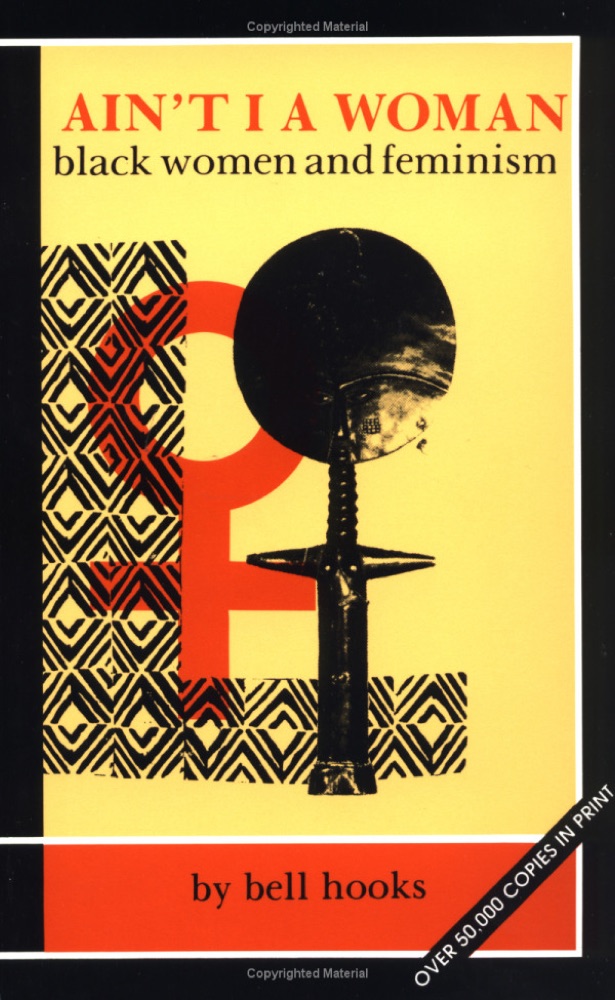
A groundbreaking work of feminist history and theory analyzing the complex relations between various forms of oppression. Ain't I a Woman examines the impact of sexism on black women during slavery, the historic devaluation of black womanhood, black male sexism, racism within the recent women's movement, and black women's involvement with feminism.
Book details
- First published
- 1981
- Author
- bell hooks
- Genre
- Nonfiction
- Goodreads rating
- 4.51 (20k ratings)
Keep reading
 Feminist Theory: From Margin to Center
 Against White Feminism: Notes on Disruption
 White Tears/Brown Scars: How White Feminism Betrays Women of Color
 Feminism Is for Everybody: Passionate Politics
 Black Feminist Thought: Knowledge, Consciousness, and the Politics of Empowerment
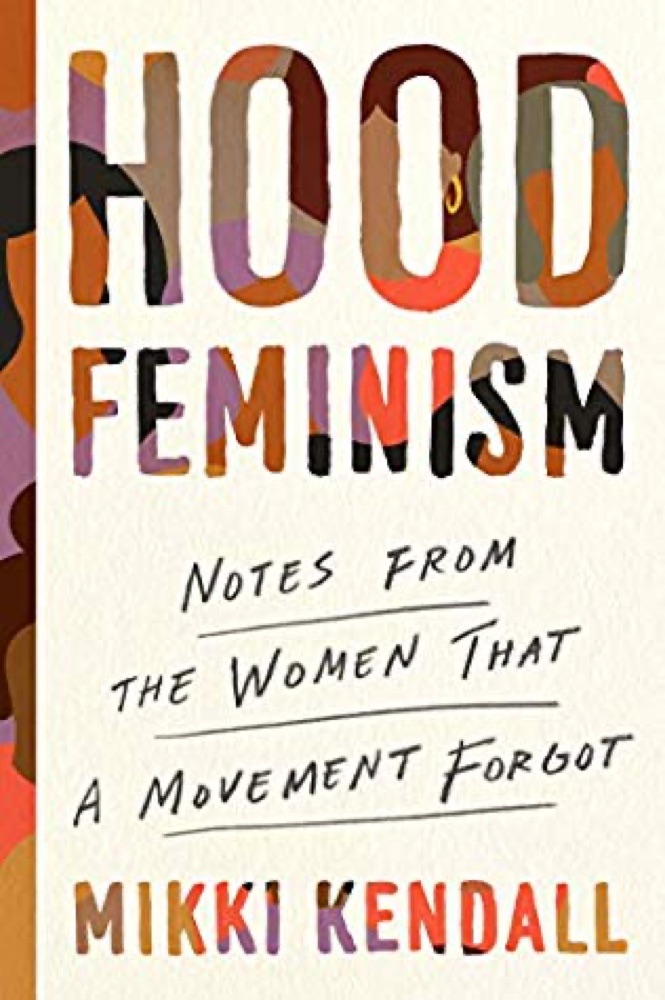 Hood Feminism: Notes from the Women That a Movement Forgot
 Why I'm No Longer Talking to White People About Race
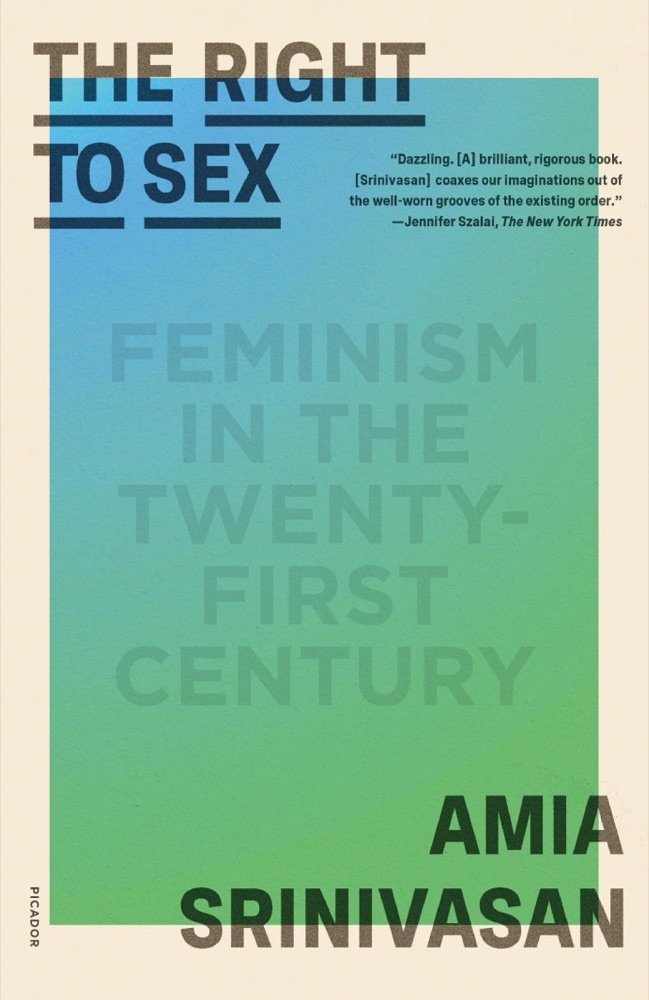 The Right to Sex: Feminism in the Twenty-First Century
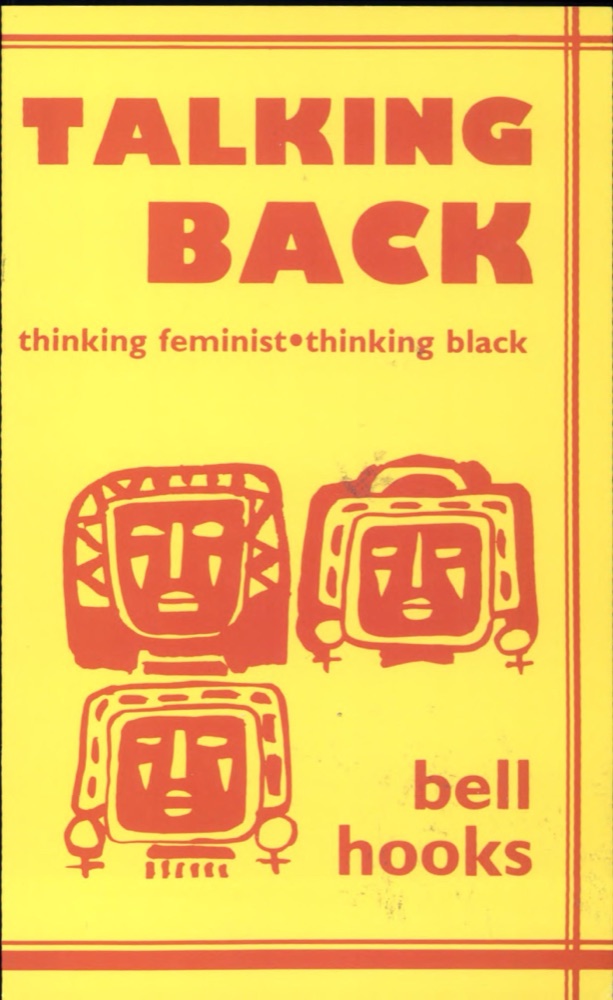 Talking Back: Thinking Feminist, Thinking Black
 Unspeakable Things: Sex, Lies and Revolution
 Why I Am Not a Feminist: A Feminist Manifesto
 Feminism, Interrupted: Disrupting Power
 Women's Liberation and the African Freedom Struggle
 Backlash: The Undeclared War Against American Women
 Headscarves and Hymens: Why the Middle East Needs a Sexual Revolution
 Feminists Don't Wear Pink (And Other Lies): Amazing Women on What the F-Word Means to Them
 Mediocre: The Dangerous Legacy of White Male America
 This Bridge Called My Back: Writings by Radical Women of Color
 Boys Will Be Boys: Power, Patriarchy and the Toxic Bonds of Mateship
 Entitled: How Male Privilege Hurts Women
 Sister Citizen: Shame, Stereotypes, and Black Women in America
 The Master's Tools Will Never Dismantle the Master's House
 We Were Feminists Once: From Riot Grrrl to CoverGirl, the Buying and Selling of a Political Movement
 Right Wing Women
 The Moment of Lift: How Empowering Women Changes the World
 Women & Power: A Manifesto
 The Dialectic of Sex: The Case for Feminist Revolution
 Everyday Sexism
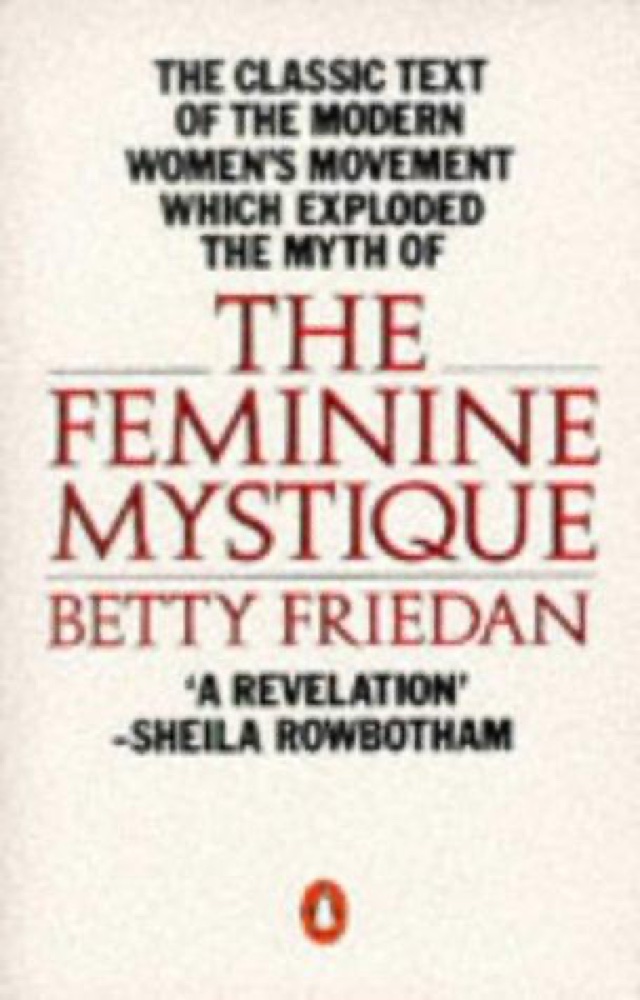 The Feminine Mystique
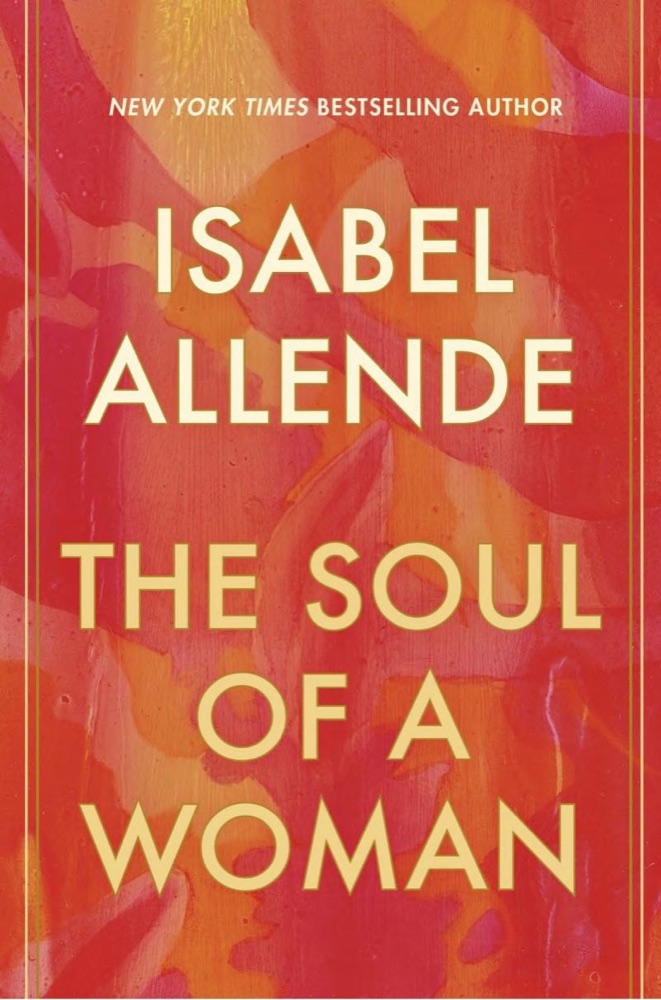 The Soul of a Woman
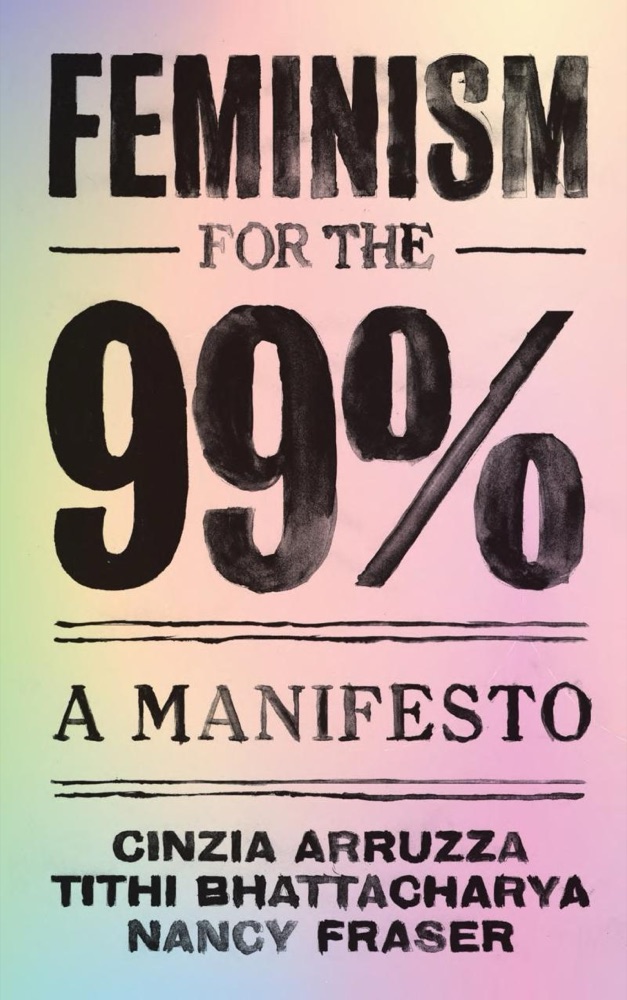 Feminism for the 99%: A Manifesto
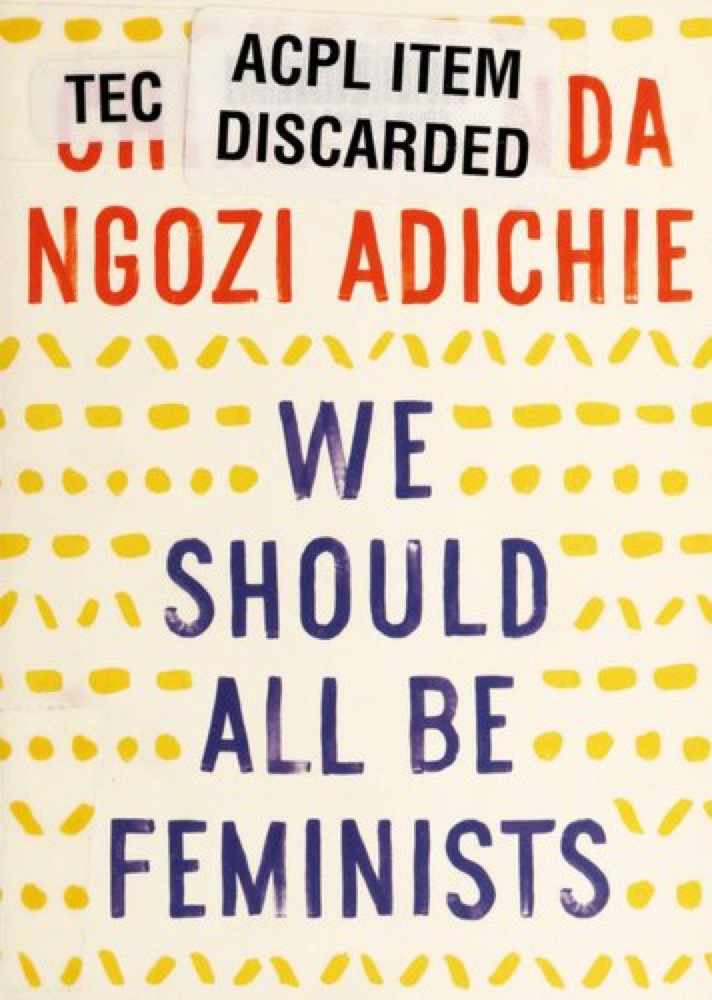 We Should All Be Feminists
 Sexual Politics
 Bad Feminist
 What White People Can Do Next: From Allyship to Coalition – An Empowering Guide to Interrogating Whiteness and Creating Justice
 The Truth Will Set You Free, But First It Will Piss You Off!: Thoughts on Life, Love, and Rebellion
 Living a Feminist Life
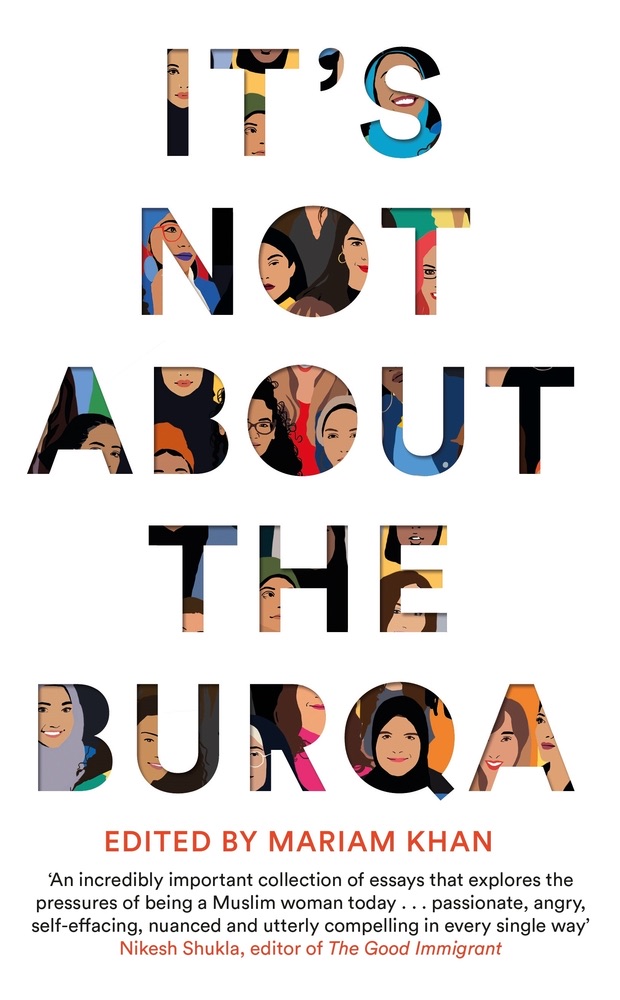 It's Not About the Burqa
 Men Explain Things to Me
 I'm Still Here: Black Dignity in a World Made for Whiteness
 Just Us: An American Conversation
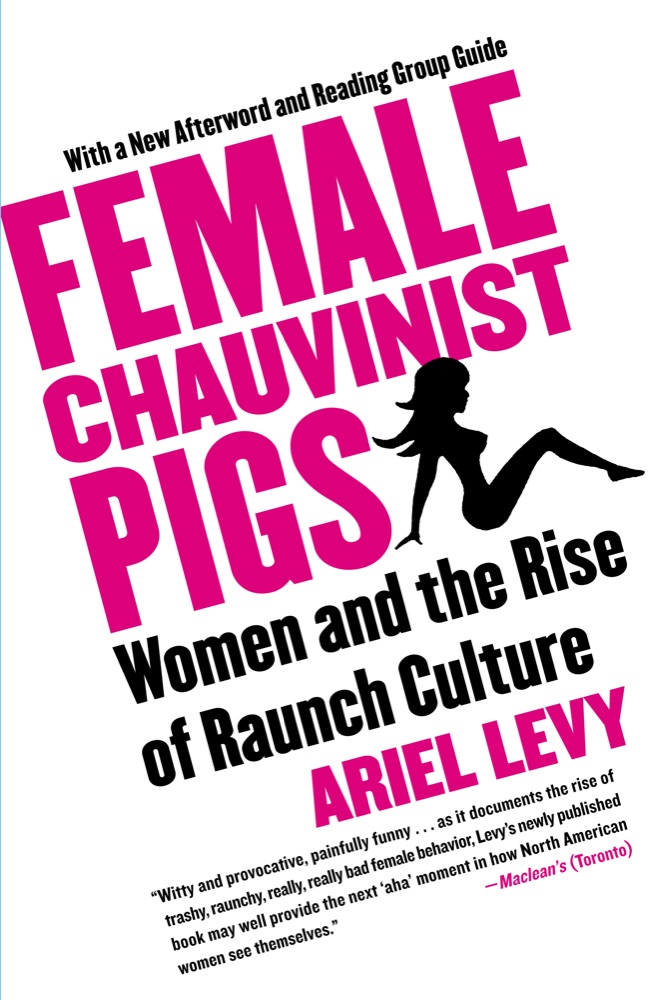 Female Chauvinist Pigs: Women and the Rise of Raunch Culture
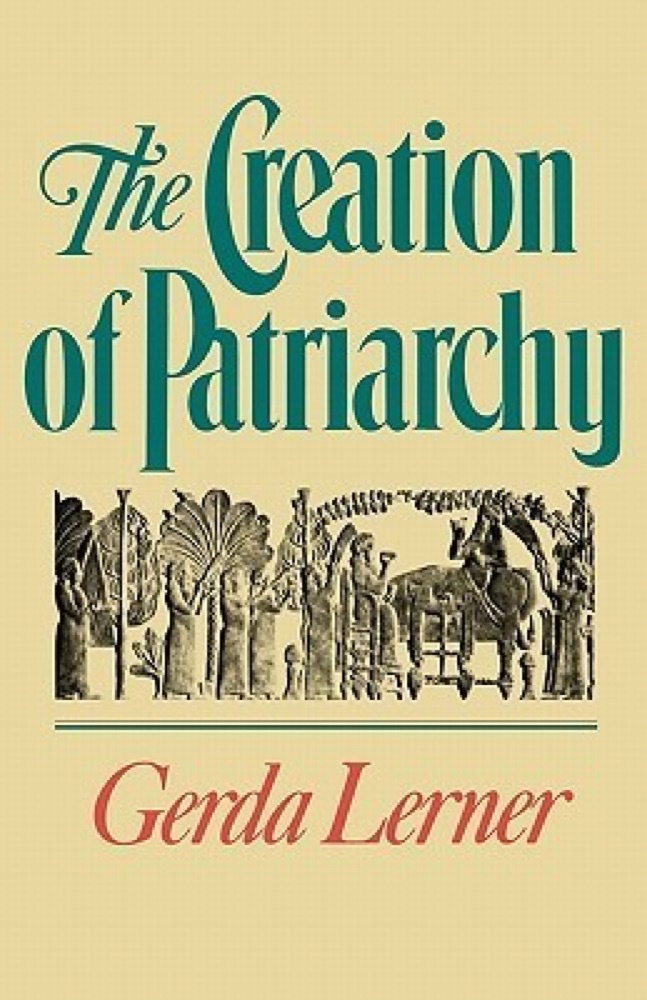 The Creation of Patriarchy
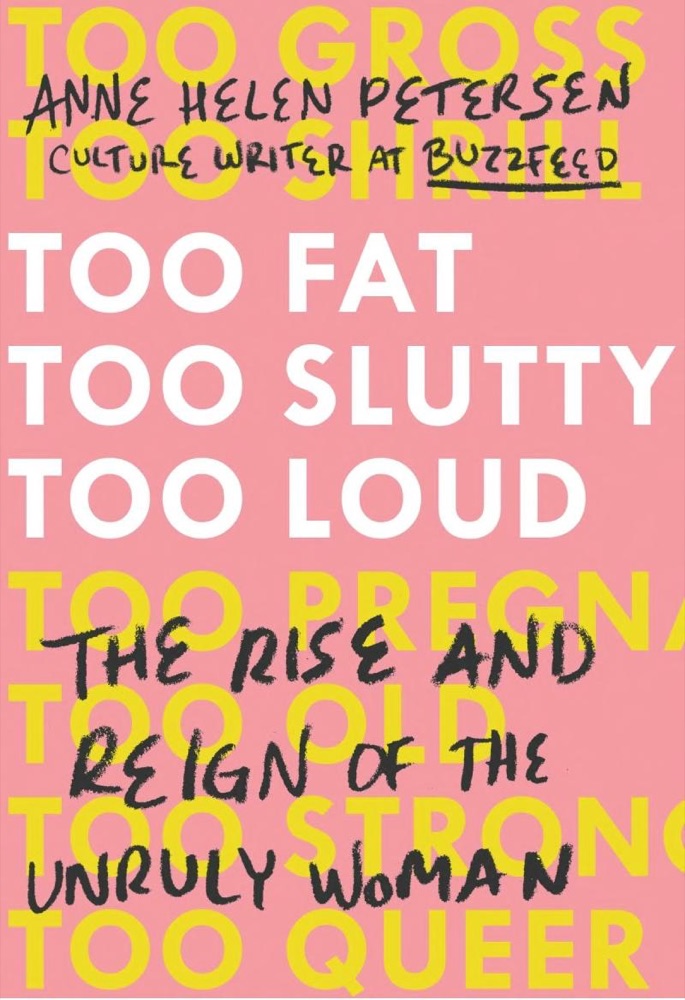 Too Fat, Too Slutty, Too Loud: The Rise and Reign of the Unruly Woman
 Uncomfortable Conversations With a Black Man
 The Madness of Crowds: Gender, Race and Identity
 The Underground Girls of Kabul: In Search of a Hidden Resistance in Afghanistan
 Sister Outsider: Essays and Speeches
 Intercourse
 Why Are All The Black Kids Sitting Together in the Cafeteria?
 White Like Me: Reflections On Race From A Privileged Son
 Thick: And Other Essays
 Girl, Woman, Other
 Difficult Women: A History of Feminism in 11 Fights
 The Tragedy of Heterosexuality
 A Woman's Worth
 How to Be a Woman
 The Mother of All Questions
 She Come By It Natural: Dolly Parton and the Women Who Lived Her Songs
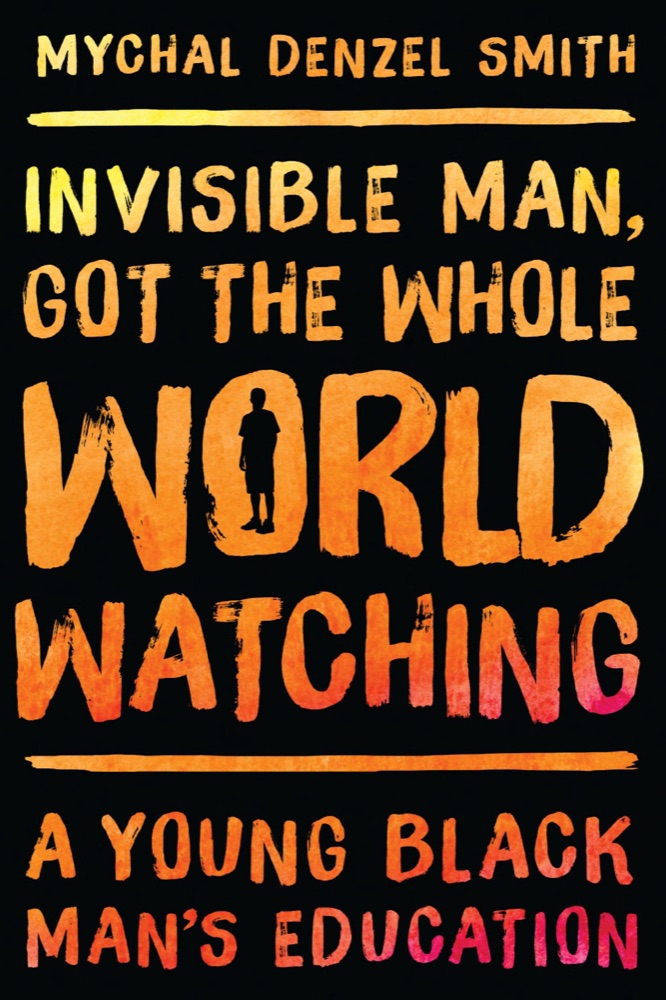 Invisible Man, Got the Whole World Watching: A Young Black Man's Education