
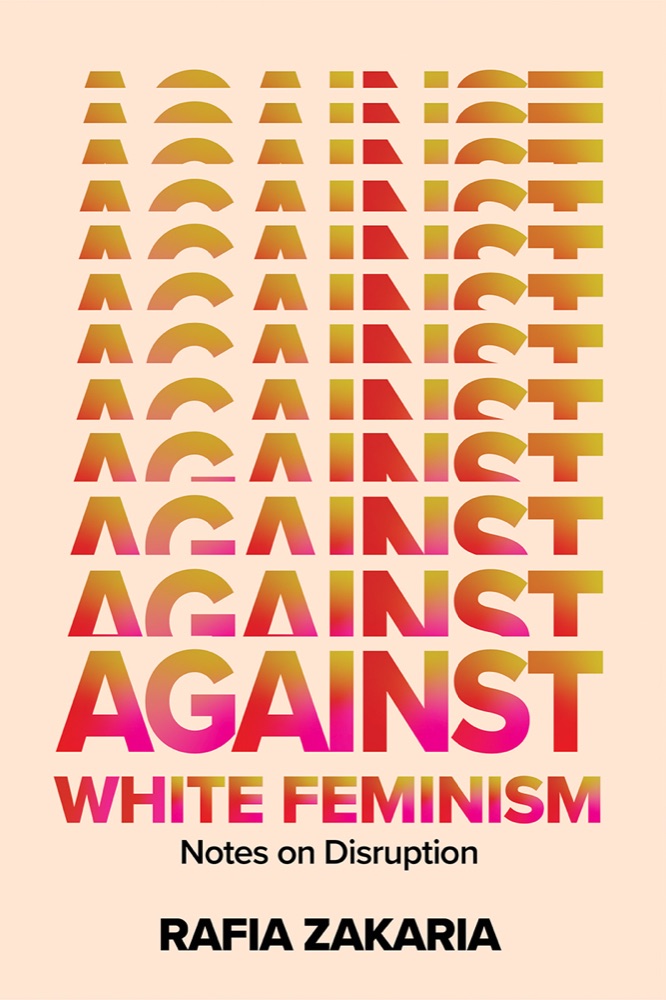
 Against White Feminism: Notes on Disruption
Quotes from the Book
No woman has to be respectable to be valuable.
114
One of the biggest issues with mainstream feminist writing has been the way the idea of what constitutes a feminist issue is framed. We rarely talk about basic needs as a feminist issue. Food insecurity and access to quality education, safe neighborhoods, a living wage, and medical care are all feminist issues. Instead of a framework that focuses on helping women get basic needs met, all too often the focus is not on survival but on increasing privilege. For a movement that is meant to represent all women, it often centers on those who already have most of their needs met.
103
There’s nothing feminist about having so many resources at your fingertips and choosing to be ignorant. Nothing empowering or enlightening in deciding that intent trumps impact. Especially when the consequences aren’t going to be experienced by you, but will instead be experienced by someone from a marginalized community.
88
Sometimes being a good ally is about opening the door for someone instead of insisting that your voice is the only one that matters.
60
Too often white women decide that when they feel uncomfortable, upset, or threatened, they can turn to the patriarchy for protection. Because they don't want to lose that protection (dubious as it is), they stand by when it's convenient, and challenge it only when it directly threatens them. Yet, they know they benefit from it being challenged, and thus rely on others to do the heaviest lifting. They fail to recognize the conflicted relationship they have with the patriarchy includes a certain cowardice around challenging not only it, but other women who have embraced it.
51
Poverty is an apocalypse in slow motion, inexorable and generational.
44
An intersectional approach to feminism requires understanding that too often mainstream feminism ignores that Black women and other women of color are the proverbial canaries in the coal mine of hate.
37
Mainstream, white-centered feminism hasn't just failed women of color, it has failed white women.
31
Feminism as a career is the province of the privileged; it's hard to read dozens of books on feminist theory while you're working in a hair salon or engaged in the kinds of jobs that put food on the table but also demand a lot of physical and mental energy.
31
America loves the myth of a meritocracy more than anything else, because it lets us ignore the reality of the impact of bigotry.
28
No one can live up to the standards set by racist stereotypes like this that position Black women as so strong they don’t need help, protection, care, or concern. Such stereotypes leave little to no room for real Black women with real problems. In fact, even the most “positive” tropes about women of color are harmful precisely because they dehumanize us and erase the damage that can be done to us by those who might mean well, but whose actions show that they don’t actually respect us or our right to self-determine what happens on our behalf.
28
If your child is killed by police, if the water in your community is poisoned, if a mockery is made of your grief, how do you feel? Do you want to be calm and quiet? Do you want to forgive in order to make everyone else comfortable? Or do you want to scream, to yell, to demand justice for the wrongs done? Anger gets the petitions out, it motivates marches, it gets people to the ballot. Anger is sometimes the only fuel left at the end of a long, horrible day, week, month, or generation.
27
The tone policing of respectability ensures that the fight for equality becomes the responsibility of the oppressed.
27
Politeness as filtered through fragility and supremacy isn't about manners; it's about a methodology of controlling the conversation.
23
For women of color, the expectation that we prioritize gender over race, that we treat the patriarchy as something that gives all men the same power, leaves many of us feeling isolated.
23
Ignoring the treatment of the most marginalized women doesn't set a standard that can protect any woman.
21
We expect marginalized voices to ring out no matter what obstacles they face, and then we penalize them for not saying the right thing in the right way.
18
The problem has never been the ways that victims don’t tell, so much as it has been that some victims aren’t seen as valuable enough to protect.
18
Mainstream white feminists will have to confront the racism of white women and the harm it does, without passing the buck to white men.
17
We have to be willing to embrace the full autonomy of people who are less privileged and understand that equity means making access to opportunity easier, not deciding what opportunities they deserve.
15
On average, American states spend $88,000 to incarcerate a young person, but allot an average of $10,000 to educate them.
15
We rarely talk about basic needs as a feminist issue. Food insecurity and access to quality education, safe neighborhoods, a living wage, and medical care are all feminist issues. Instead of a framework that focuses on helping women get basic needs met, all too often the focus is not on survival but on increasing privilege. For a movement that is meant to represent all women, it often centers on those who already have most of their needs met.
14
Girls like me seemed to be the object of the conversations and not full participants, because we were a problem to be solved, not people in our own right.
13
Rape culture, a system that positions some bodies as deserving to be attacked, hinges on ignoring the mistreatment of marginalized women, whether they are in the inner city, on a reservation, are migrant workers, or are incarcerated. Because their bodies are seen as available and often disposable, sexual violence is tacitly normalized even as people decry its impact on those with more privilege.
13
Just as fear of a Black man was used to justify lynching, fear of offending other white women has become the excuse for not confronting the harm white women are doing to themselves in their haste to uphold the limited protections offered by white privilege.
11
Feminism in the hood is for everyone, because everyone needs it.
11
Politeness as filtered through fragility and supremacy isn’t about manners; it’s about a methodology of controlling the conversation. Polite white people who respond to calls for respect, for getting boots off necks with demand for decorum, aren’t interested in resistance or disruption. They are interested in control. They replicate the manners of Jim Crow America, demanding deference and obedience; they want the polite facade instead of disruption. They insist that they know best what should be done when attempting to battle and defeat bias, but in actuality they’re just happy to be useless. They are obstacles to freedom who feel no remorse, who provide no valuable insight, because ultimately, they are content to get in the way. They’re oppression tourists, virtue-signaling volunteers who are really just here to get what they can and block the way, so no others can pass without meeting whatever arbitrary standards they create. And if you get enough of them in one place, they can prevent any real progress from occurring while they reap the benefits of straddling white supremacy and being woke. They have less power than they think, than anyone realizes, but like any small predator, they manage to be flashy enough to be seen.
10
Feminism is the work that you do, and the people you do it for who matter more than anything else.
10
Now mainstream feminism has to step up, has to give itself to a place where it spends more time offering resources and less time demanding validation. Being an accomplice means that white feminism will devote its platform and resources to supporting those in marginalized communities doing feminist work.
10
Attempts to tie access to food programs to labor, to respectability, to anything but being a human in need are ultimately less about solving the problem of hunger and more about shame.
10
Watch on YouTube
About Mikki Kendall
We have collected 30 quotes from 1 book by Mikki Kendall on BookQuoters.
More about the author →About the book
Today's feminist movement has a glaring blind spot, and paradoxically, it is women. Mainstream feminists rarely talk about meeting basic needs as a feminist issue, argues Mikki Kendall, but food insecurity, access to quality education, safe neighborhoods, a living wage, and medical care are all feminist issues. All too often, however, the focus is not on basic survival for the many, but on increasing privilege for the few. That feminists refuse to prioritize these issues has only exacerbated the age-old problem of both internecine discord and women who rebuff at carrying the title. Moreover, prominent white feminists broadly suffer from their own myopia with regard to how things like race, class, sexual orientation, and ability intersect with gender. How can we stand in solidarity as a movement, Kendall asks, when there is the distinct likelihood that some women are oppressing others?
Book details
- First published
- 2020
- Author
- Mikki Kendall
- Genre
- Nonfiction
- Goodreads rating
- 4.35 (65k ratings)
The buzz
- The Washington PostReview in The Washington Postprofessional review (via Book Marks)
- The GuardianReview in The Guardianprofessional review (via Book Marks)
- NPRReview in NPRprofessional review (via Book Marks)
- Kirkus ReviewsReview in Kirkus Reviewsprofessional review (via Book Marks)
- Publishers WeeklyReview in Publishers Weeklyprofessional review (via Book Marks)
- LibraryjournalReview in Libraryjournalprofessional review (via Book Marks)
Keep reading
Against White Feminism: Notes on Disruption
 Feminists Don't Wear Pink (And Other Lies): Amazing Women on What the F-Word Means to Them
 Feminism Is for Everybody: Passionate Politics
 Feminist Theory: From Margin to Center
 Unspeakable Things: Sex, Lies and Revolution
 Bad Feminist
 Ain't I a Woman: Black Women and Feminism
 We Were Feminists Once: From Riot Grrrl to CoverGirl, the Buying and Selling of a Political Movement
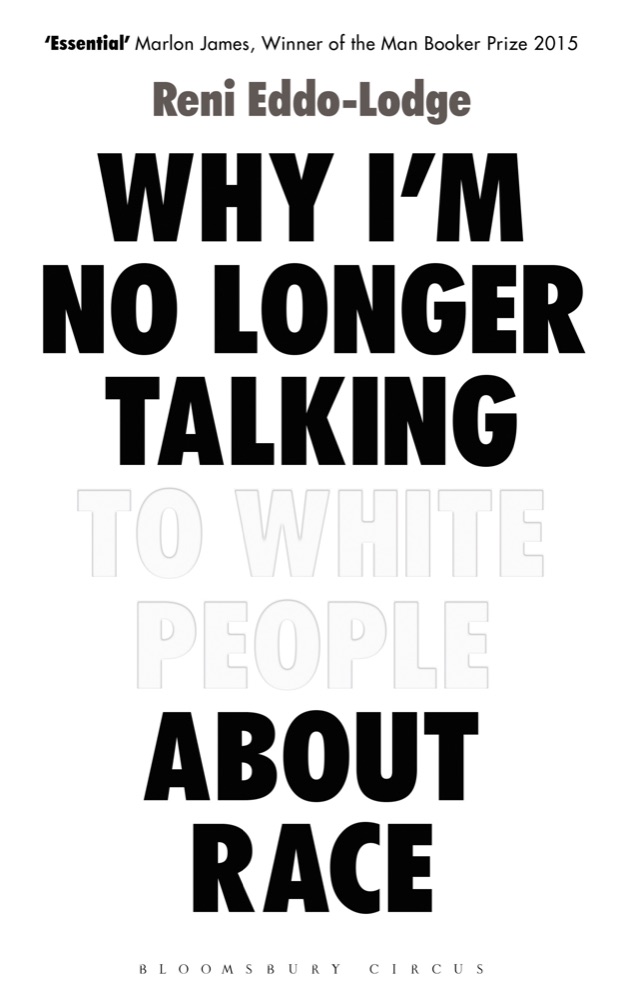 Why I'm No Longer Talking to White People About Race
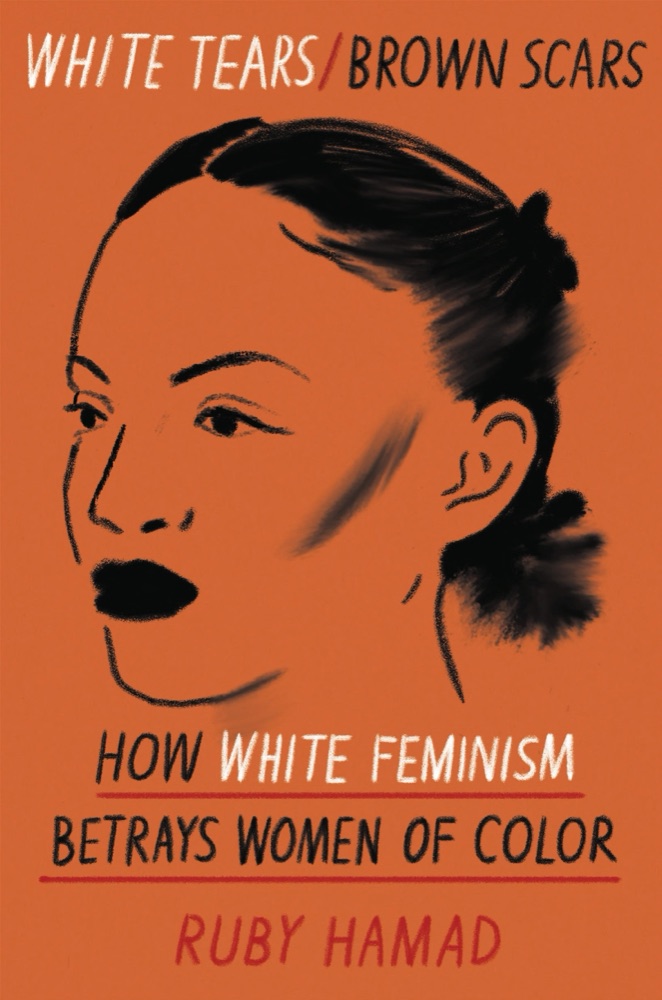 White Tears/Brown Scars: How White Feminism Betrays Women of Color
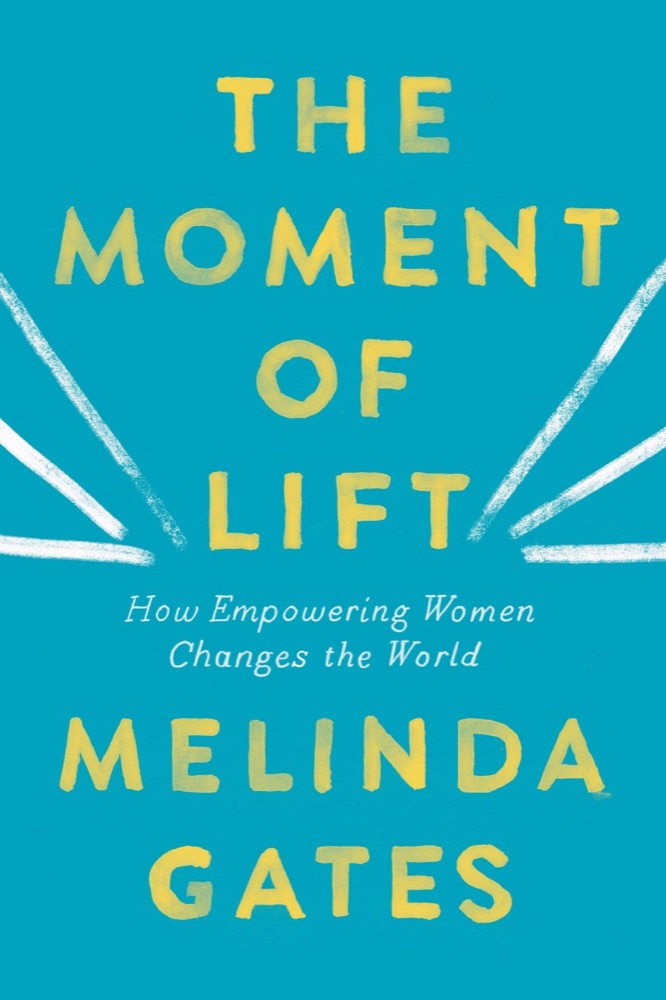 The Moment of Lift: How Empowering Women Changes the World
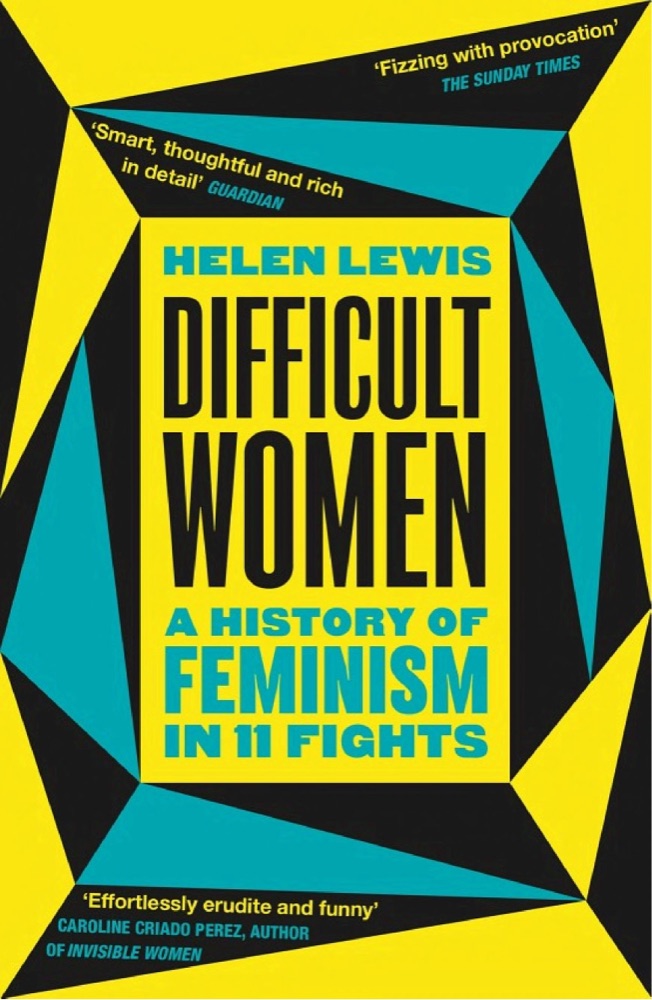 Difficult Women: A History of Feminism in 11 Fights
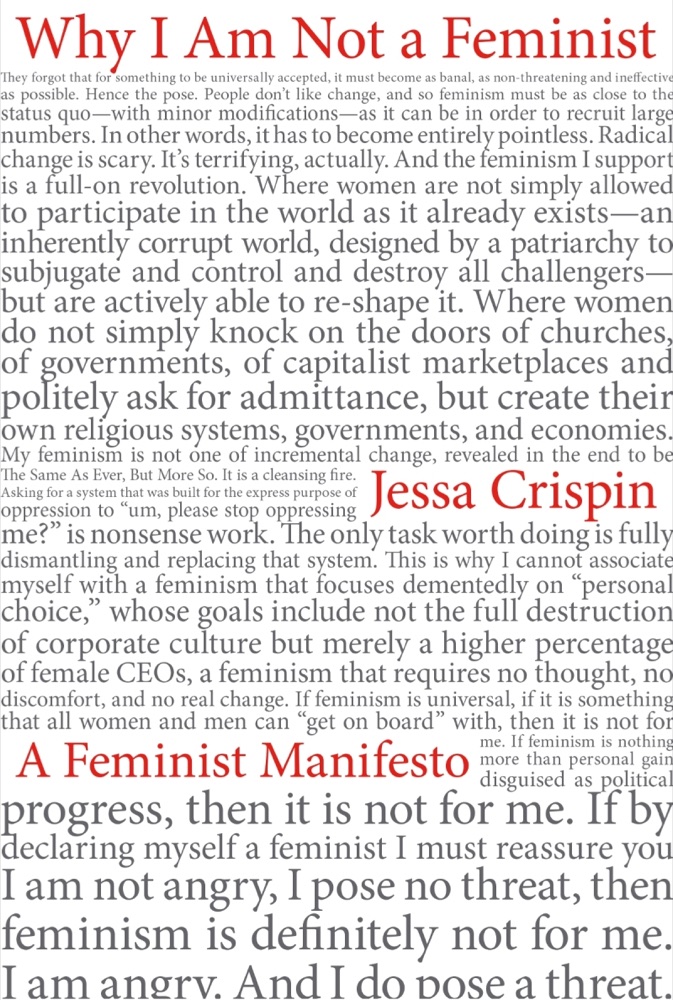 Why I Am Not a Feminist: A Feminist Manifesto
 This Bridge Called My Back: Writings by Radical Women of Color
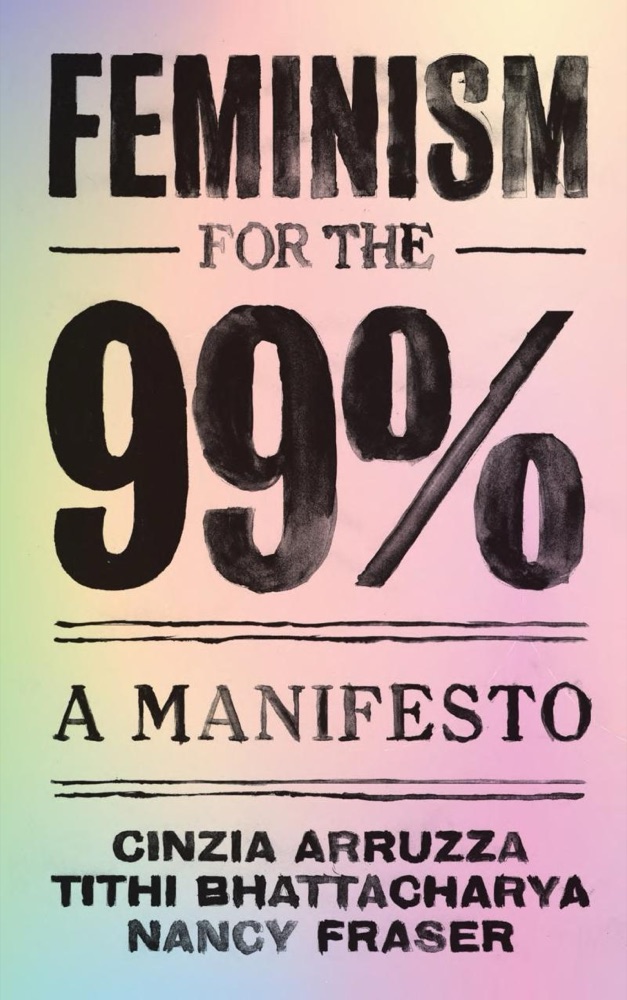 Feminism for the 99%: A Manifesto
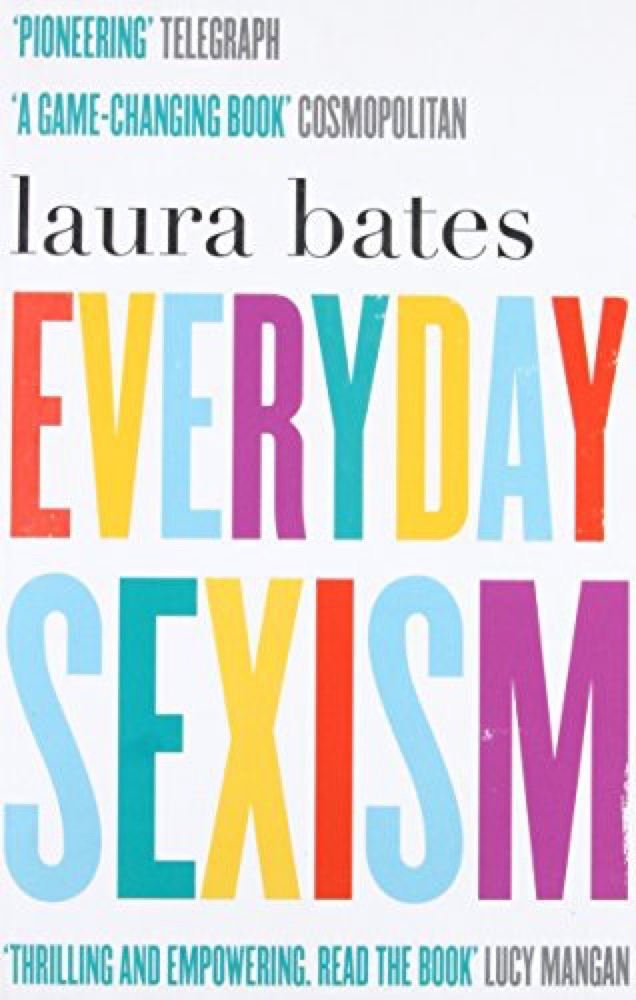 Everyday Sexism
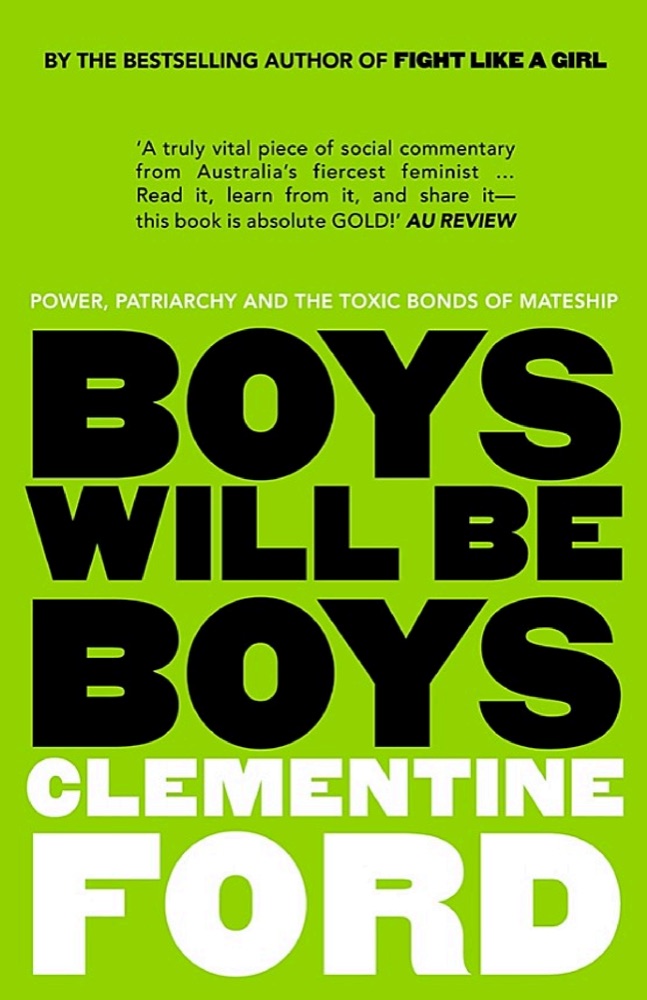 Boys Will Be Boys: Power, Patriarchy and the Toxic Bonds of Mateship
 Mediocre: The Dangerous Legacy of White Male America
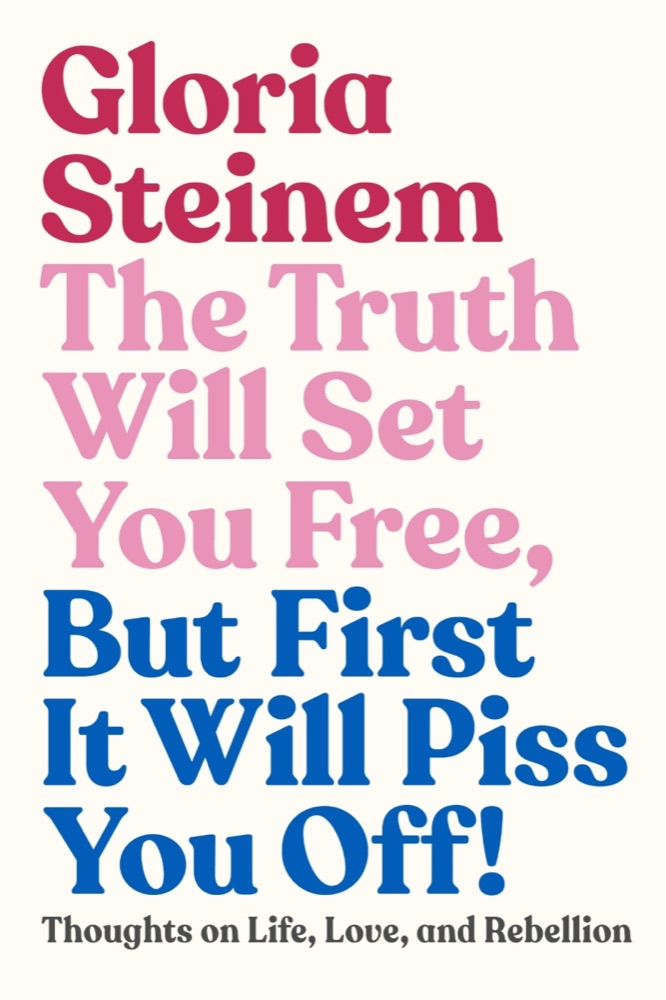 The Truth Will Set You Free, But First It Will Piss You Off!: Thoughts on Life, Love, and Rebellion
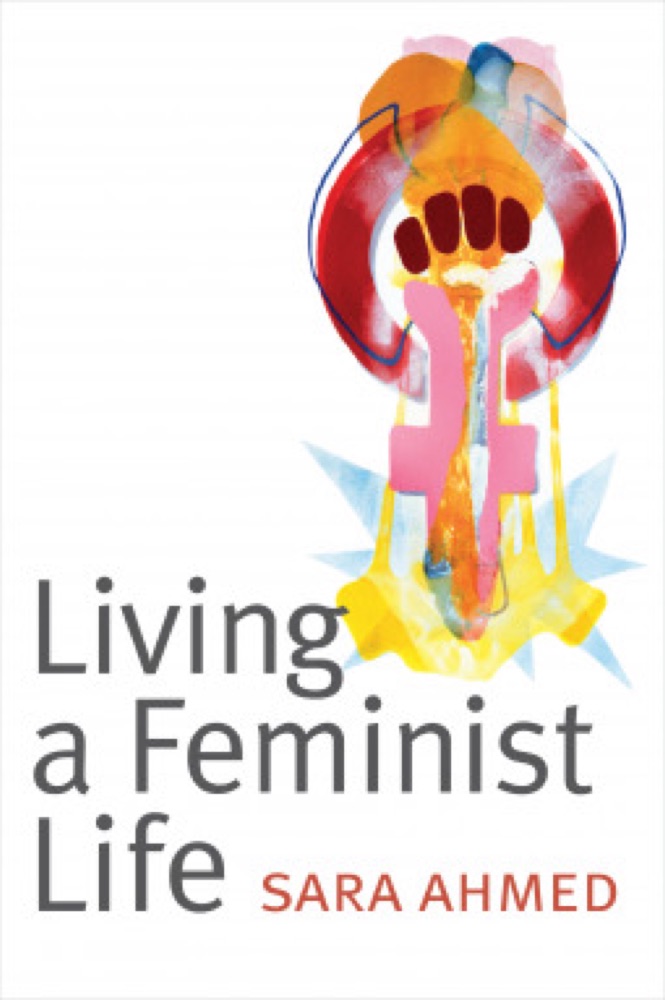 Living a Feminist Life
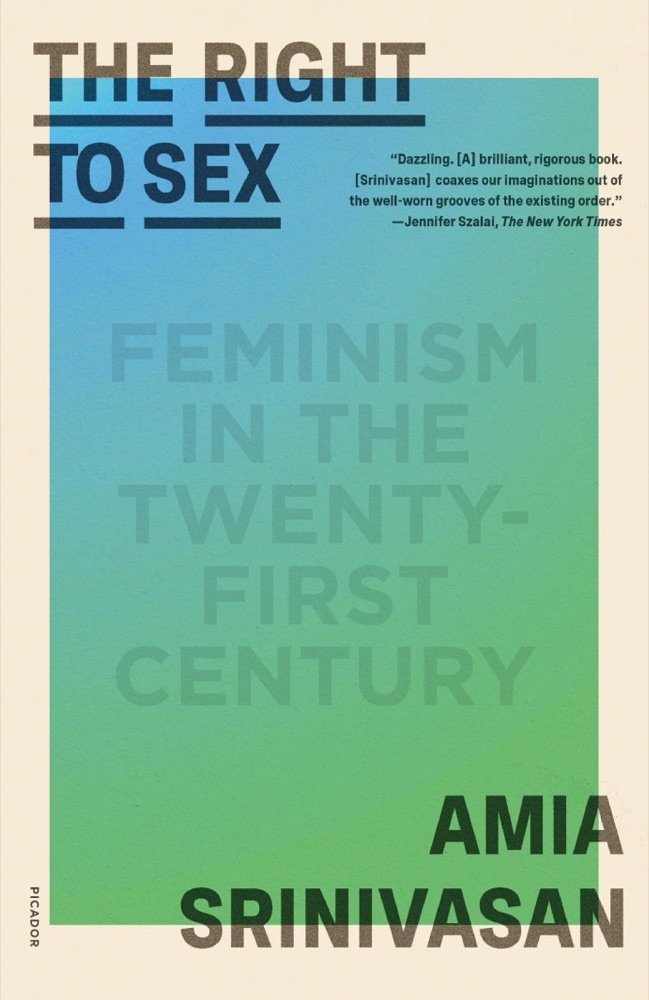 The Right to Sex: Feminism in the Twenty-First Century
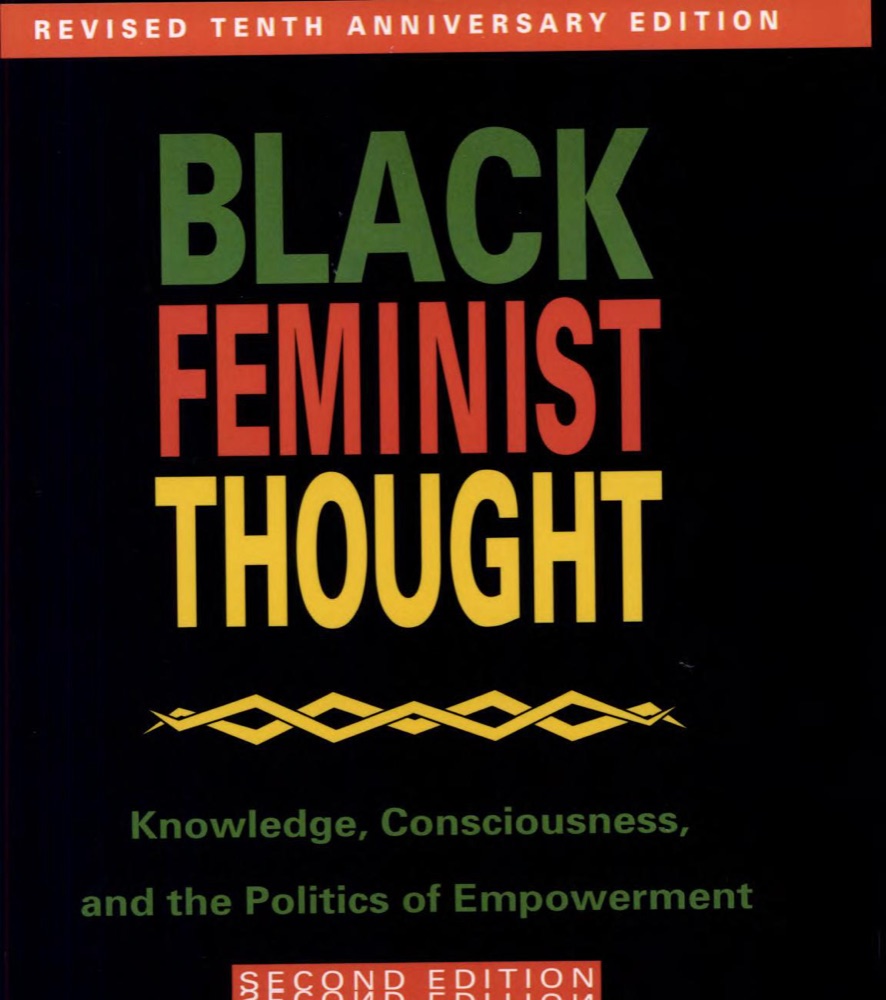 Black Feminist Thought: Knowledge, Consciousness, and the Politics of Empowerment
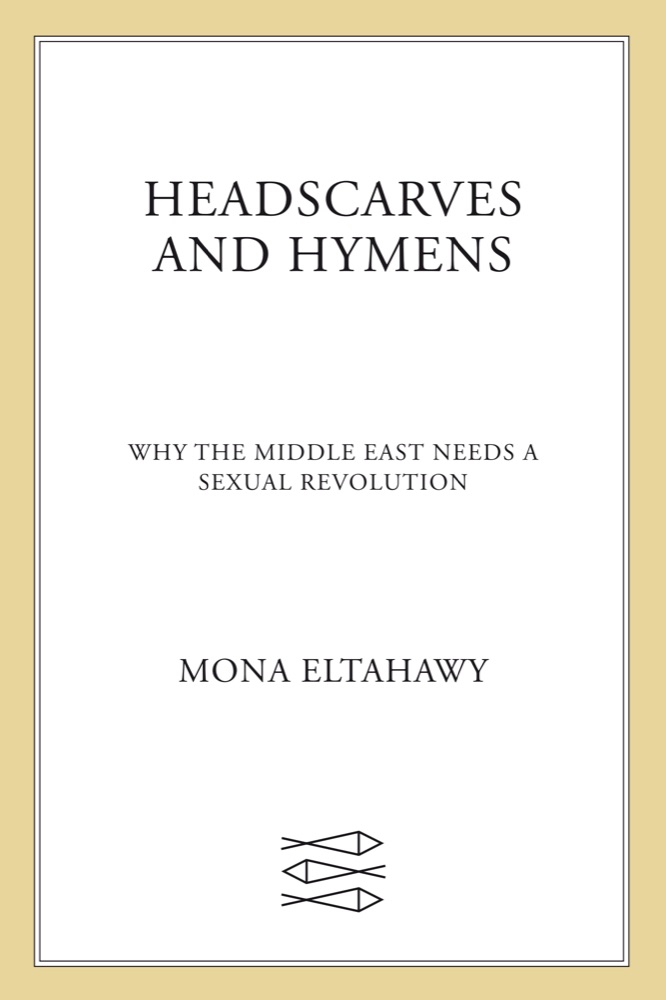 Headscarves and Hymens: Why the Middle East Needs a Sexual Revolution
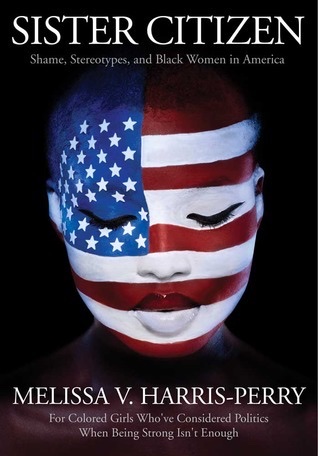 Sister Citizen: Shame, Stereotypes, and Black Women in America
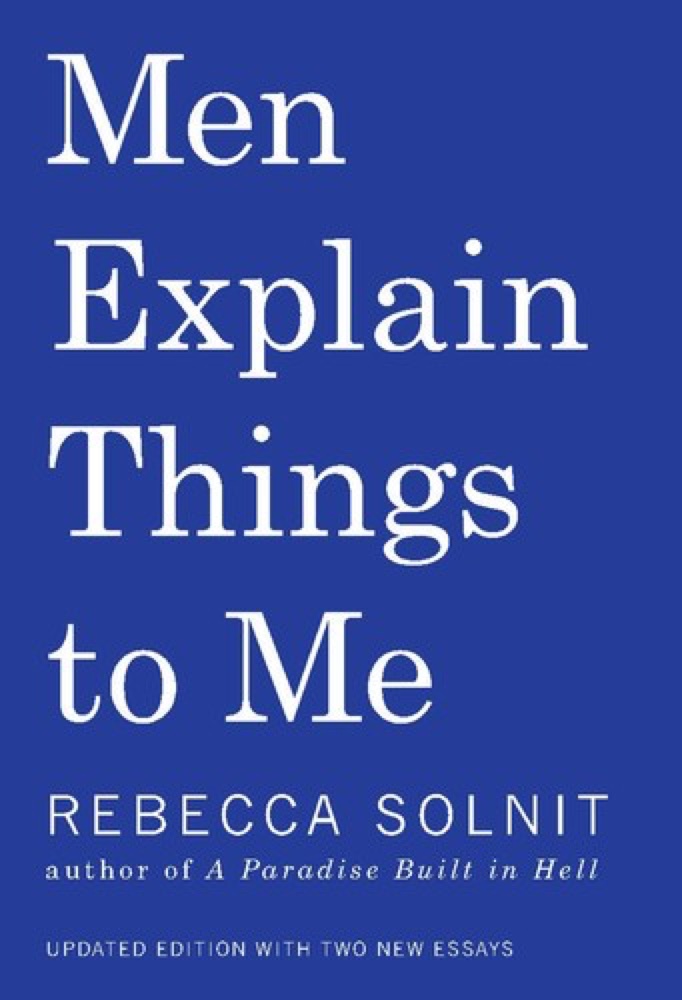 Men Explain Things to Me
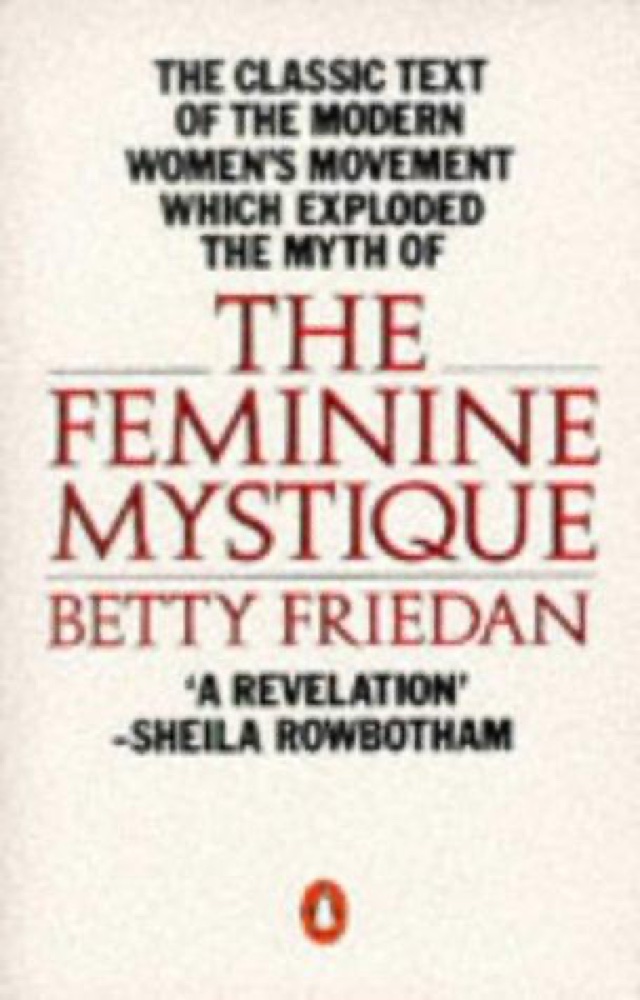 The Feminine Mystique
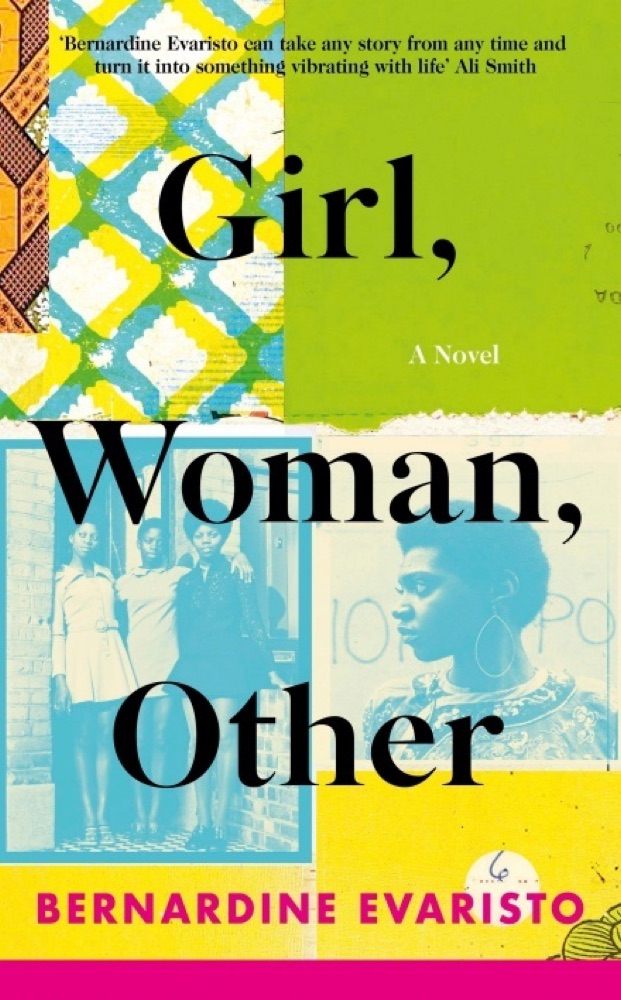 Girl, Woman, Other
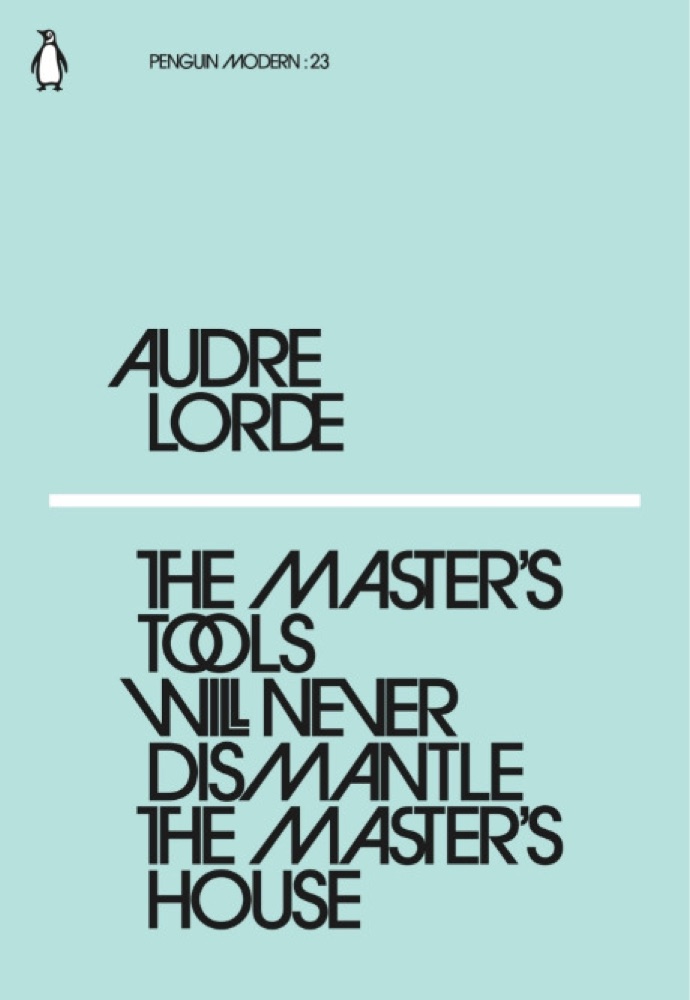 The Master's Tools Will Never Dismantle the Master's House
 Half the Sky: Turning Oppression Into Opportunity for Women Worldwide
 Feminism, Interrupted: Disrupting Power
 On Our Best Behavior: The Seven Deadly Sins and the Price Women Pay to Be Good
 Opinions: A Decade of Arguments, Criticism, and Minding Other People’s Business
 Too Fat, Too Slutty, Too Loud: The Rise and Reign of the Unruly Woman
 Just Us: An American Conversation
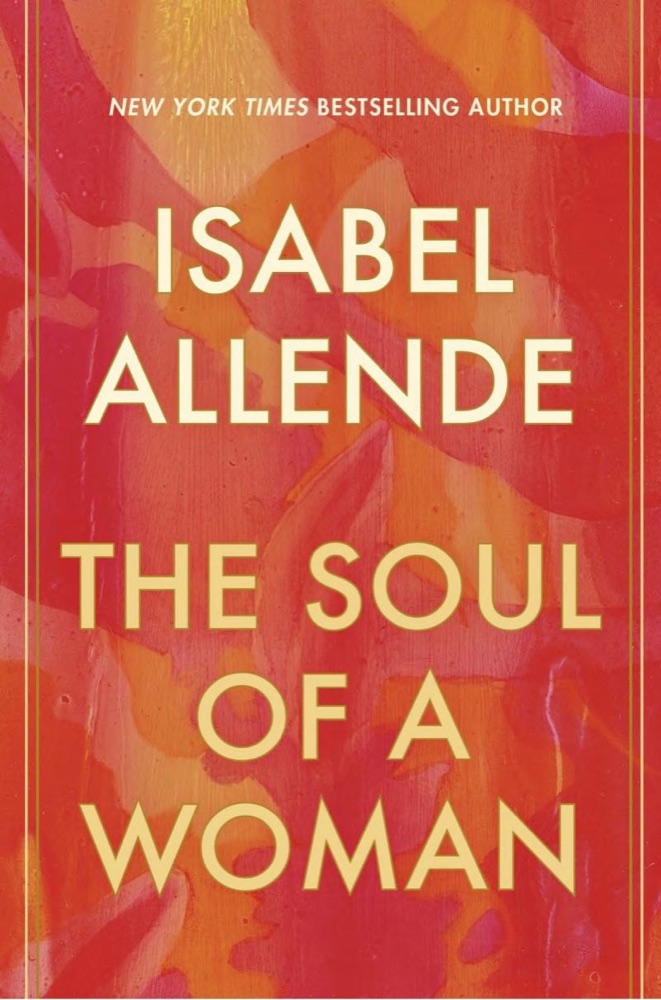 The Soul of a Woman
 Thick: And Other Essays
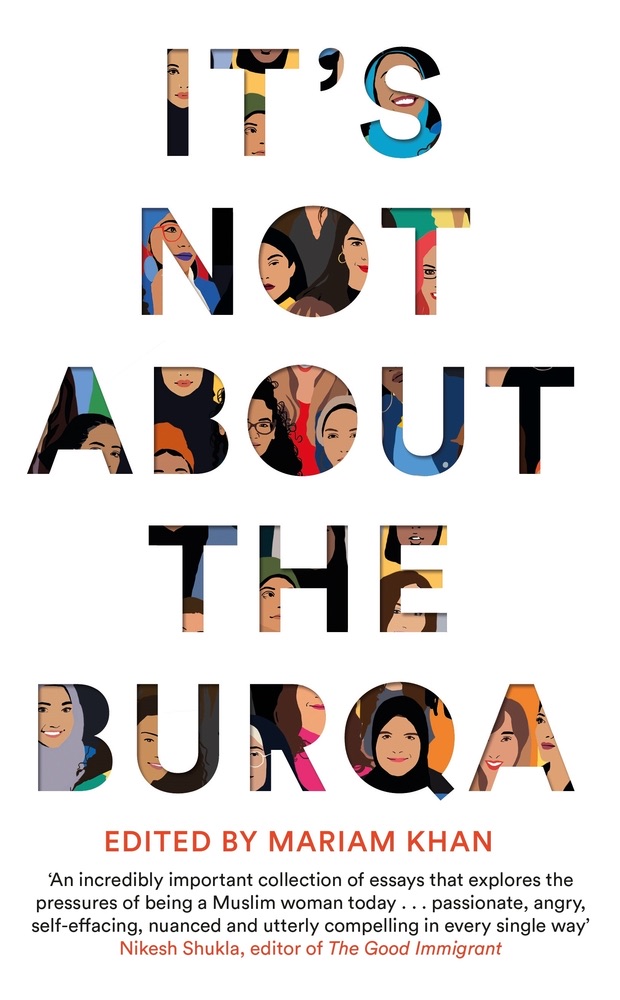 It's Not About the Burqa
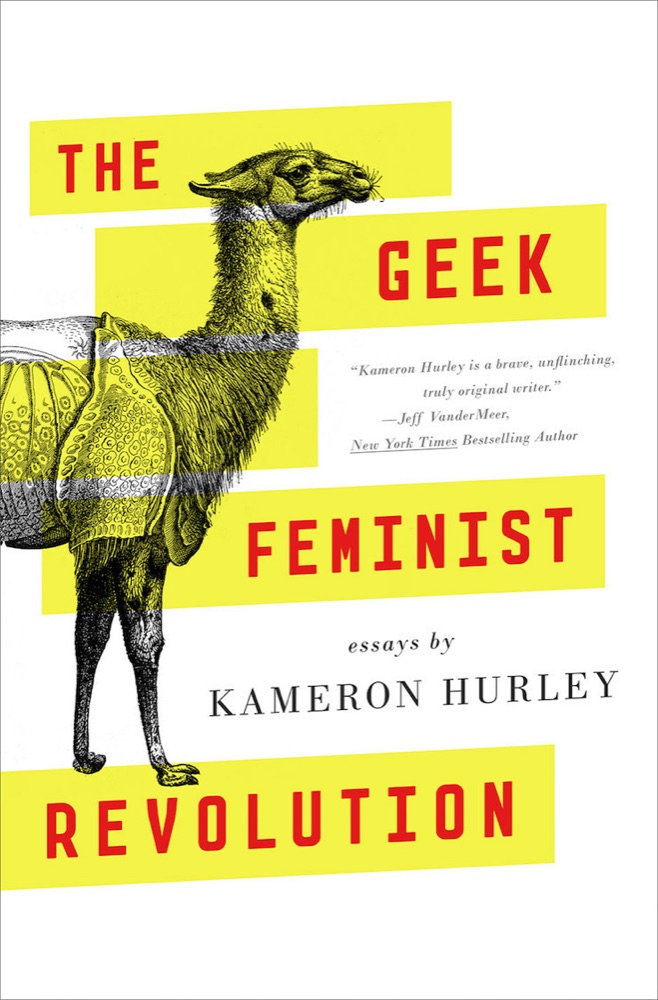 The Geek Feminist Revolution
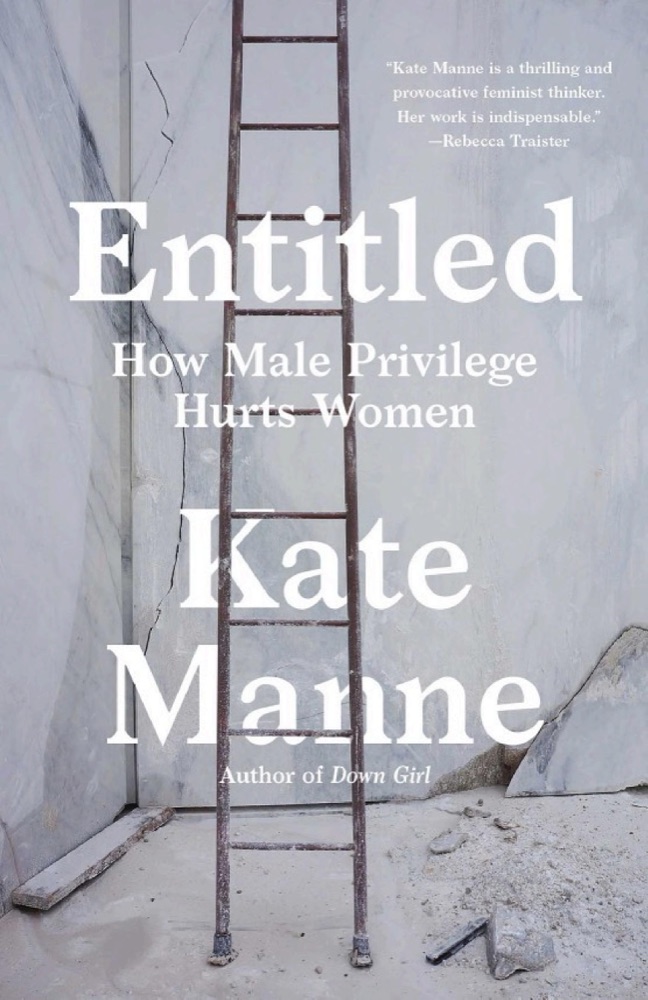 Entitled: How Male Privilege Hurts Women
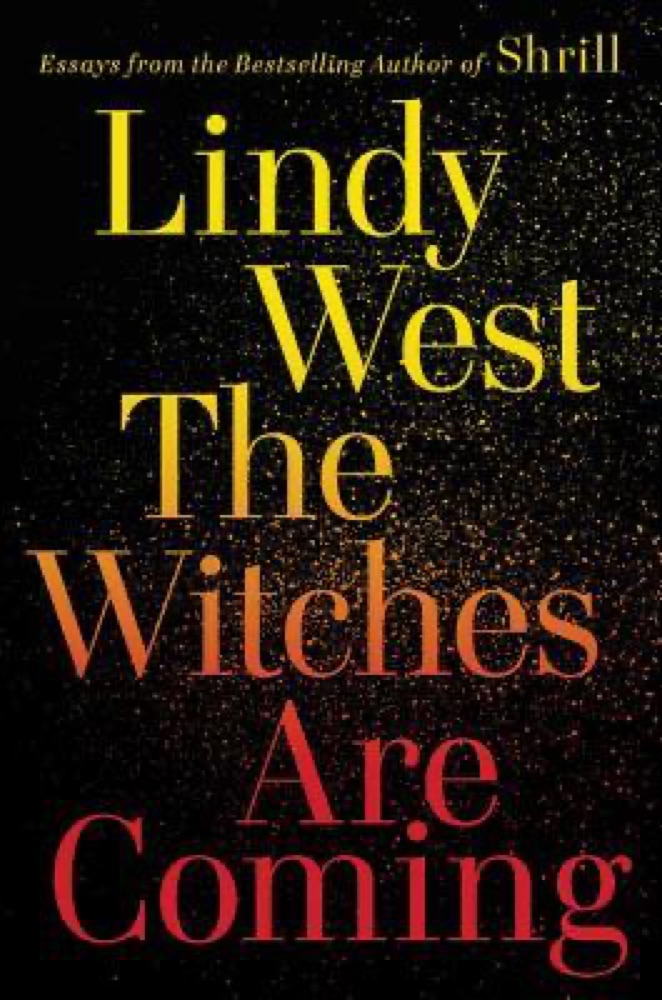 The Witches Are Coming
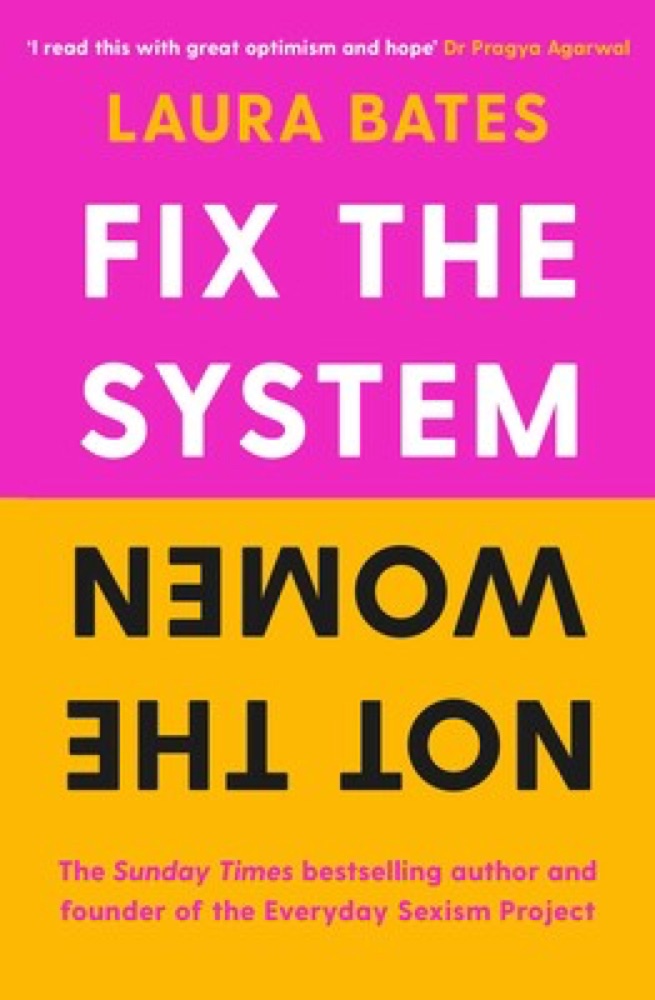 Fix the System, Not the Women
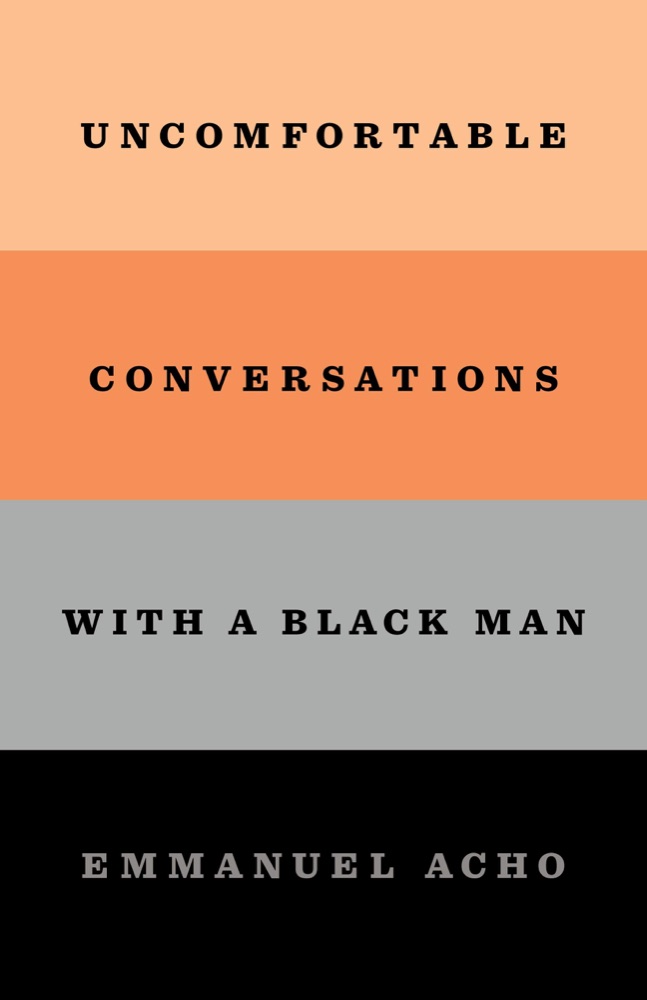 Uncomfortable Conversations With a Black Man
 Sister Outsider: Essays and Speeches
 The Dialectic of Sex: The Case for Feminist Revolution
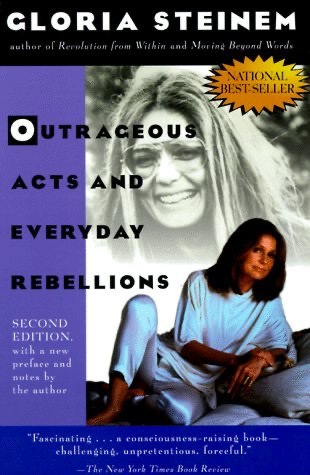 Outrageous Acts and Everyday Rebellions
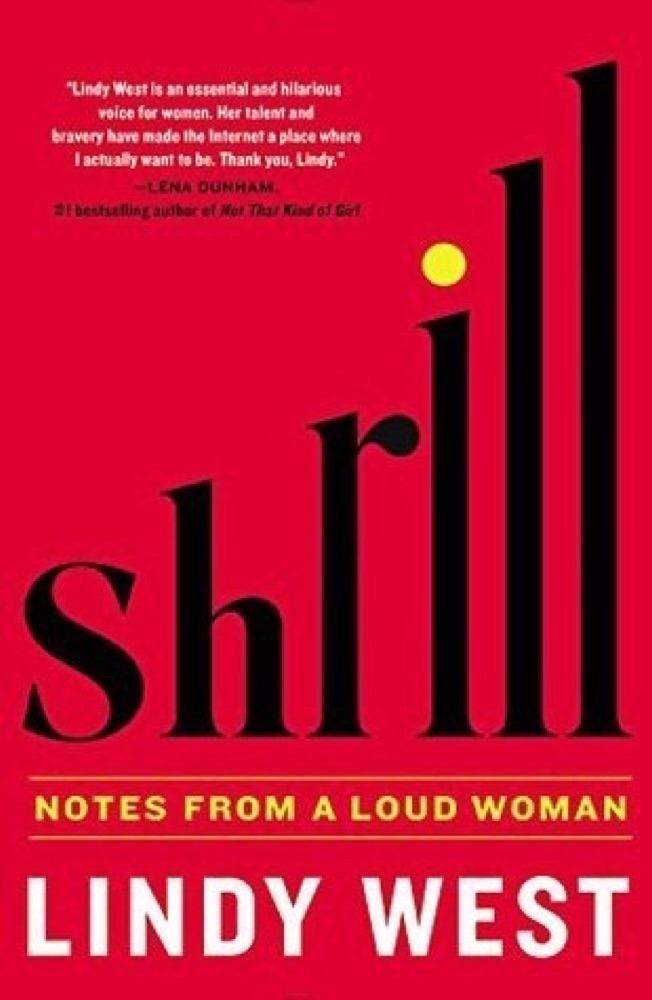 Shrill: Notes from a Loud Woman
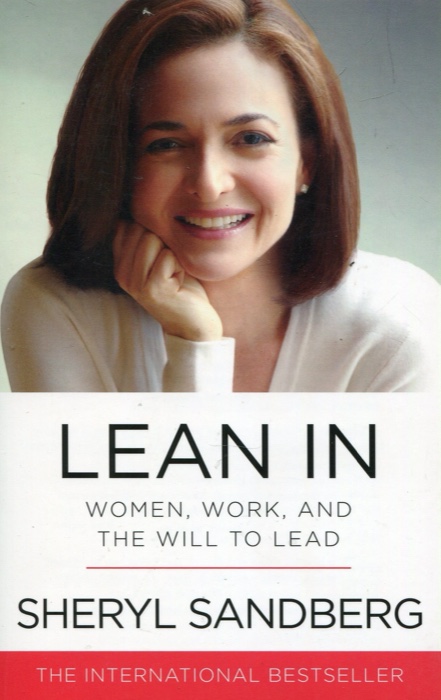 Lean In: Women, Work, and the Will to Lead
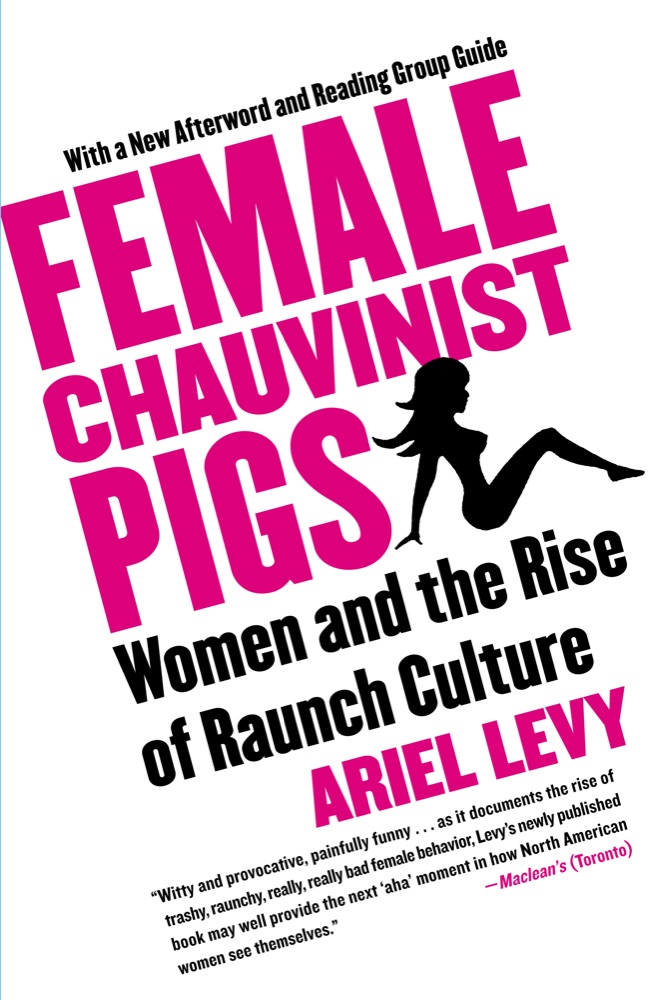 Female Chauvinist Pigs: Women and the Rise of Raunch Culture
 What White People Can Do Next: From Allyship to Coalition – An Empowering Guide to Interrogating Whiteness and Creating Justice
 Backlash: The Undeclared War Against American Women
 Women & Power: A Manifesto
 Cunt: A Declaration of Independence
 Lead from the Outside: How to Build Your Future and Make Real Change
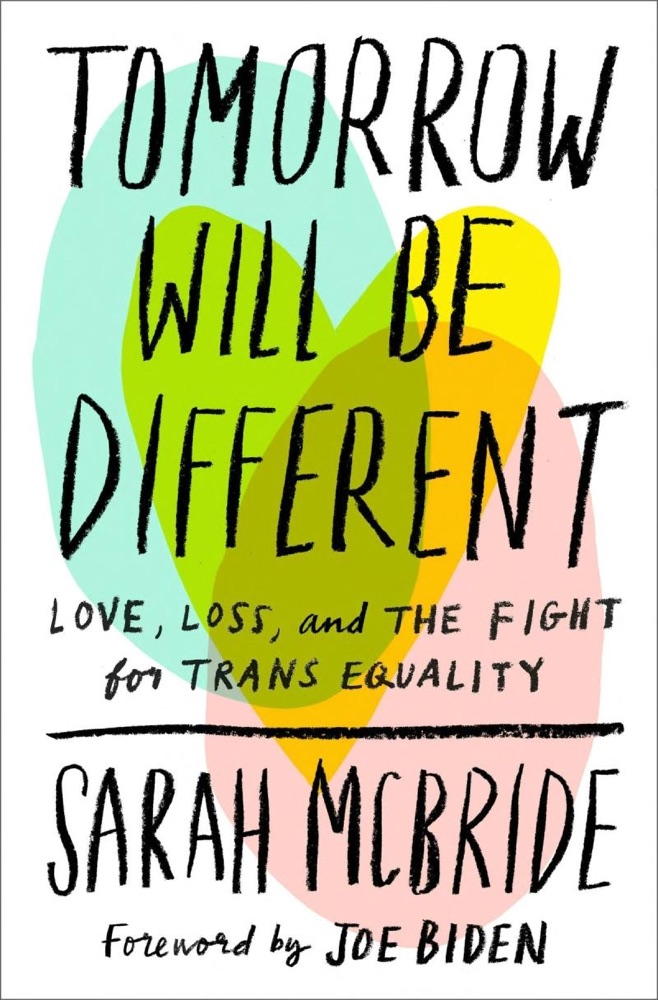 Tomorrow Will Be Different: Love, Loss, and the Fight for Trans Equality
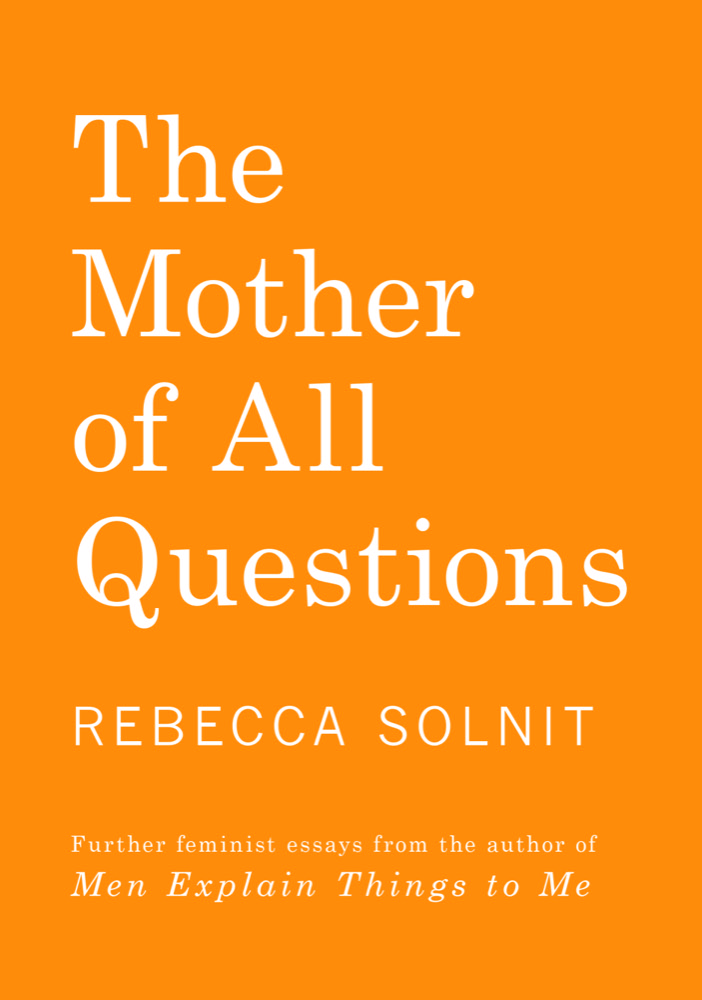 The Mother of All Questions
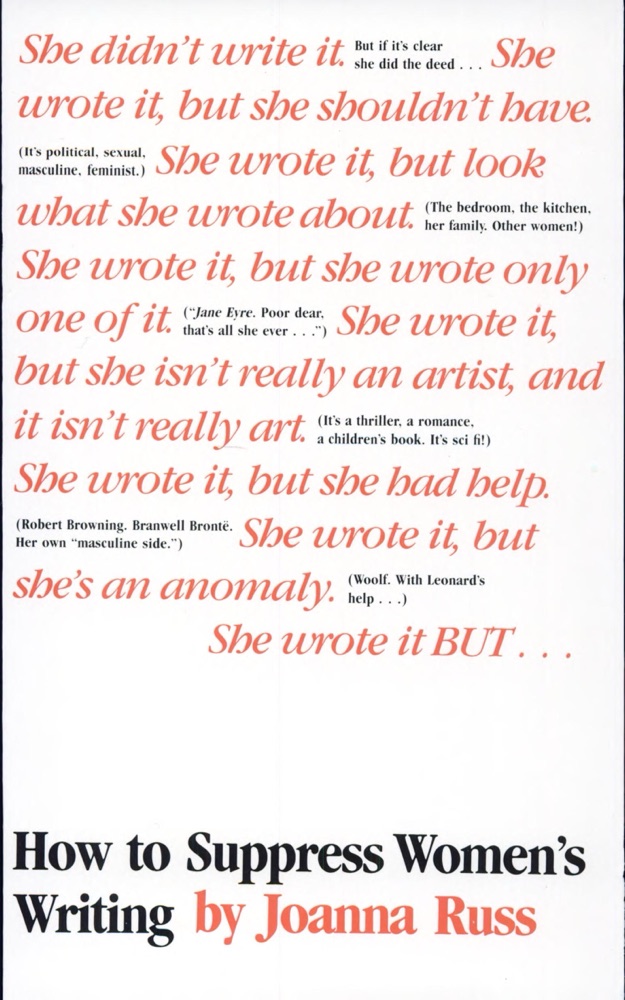 How to Suppress Women's Writing
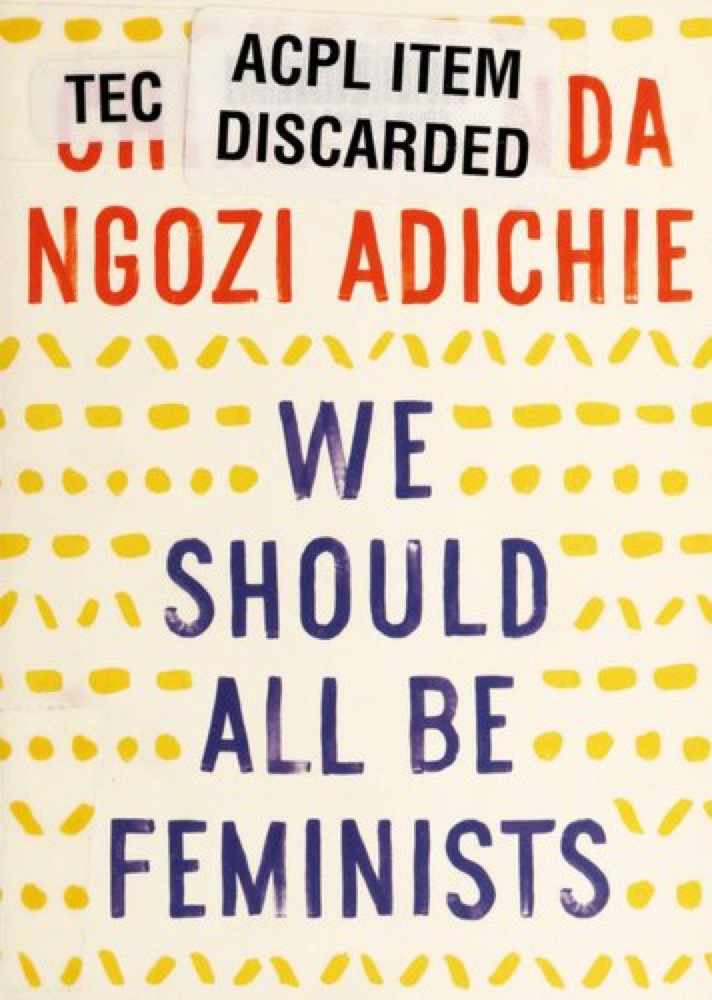 We Should All Be Feminists
 Why Are All The Black Kids Sitting Together in the Cafeteria?
 Elite Capture: How the Powerful Took Over Identity Politics
 The Madness of Crowds: Gender, Race and Identity