
 We Real Cool: Black Men and Masculinity
Quotes from the Book
Poetry is a useful place for lamentation...poems are a place where we can cry out.
16
I have no fear here, in this world of trees, weeds, and growing things.
13
sometimes falling rain carries memories of betrayal there in the woods where she was not meant to be too young she believes in her right to be free in her body free from harm believing nature a wilderness she can enter be solaced believing the power that there be sacred place that there can be atonement now she returns with no fear facing the past ready to risk knowing these woods now hold beauty and danger
9
Folks from the backwoods were certain about two things: that every human soul needed to be free and that the responsibility of being free required one to be a person of integrity, a person who lived in such a way that there would always be congruency between what one thinks, says, and does.
7
All backwoods folks were poor by material standards; they knew how to make do. They were not wanting to tame the wildness, in themselves or nature.
5
all 'people of one blood' who made homeplace in isolated landscapes where they could invent themselves, where they could savor a taste of freedom.
2
threads of power and domination a palimpsest of greed
2
Poems of lamentation allow the melancholic loss that never truly disappears to be given voice. Like a slow solemn musical refrain played again and again, they call us to remember and mourn, to know again that as we work for change our struggle is also a struggle of memory against forgetting.
1
When poetry stirs in my imagination it is almost always from an indirect place, where language is abstract, where the mood and energy is evocative of submerged emotional intelligence and experience.
1
the poems repeat sorrow sounds, connecting the pain of a historical Kentucky landscape ravaged by war and all human conditions that are like war.
1
44. fly high dreaming bird higher and higher on the wire of time no road blocks no stopping to think through why wings flap what makes the worthy soar only this pure heaven right now sky high
1
here in this untouched wood a dirge a lamentation for earth to live again earth that is all at once a grave a resting place a bed of new beginning
1
they have the right to fall when life comes to an end to move in harmony with fate
1
spirits bring contentment for a time carry us closer to the sacred moving through bitterness our yearning to hold on to moments of ecstasy where we imagine we hear clearly destiny calling
1
here I will give you thunder shatter your hearts with rain
mud sliding down wet can do this make danger fall upon us turn the pure in heart away no water for holy cleansing no water for drying thirst just black death smothering earth soot after fire
there is hope that sorrow ends
here I will give you thunder shatter your hearts with rain let snow soothe you make your healing water clear sweet a sacred spring where the thirsty may drink animals all
Living in the Kentucky hills was where I first learned the importance of being wild.
pink and white oleander not native to Appalachian ground still here lies years and years of poison rebel flags heritage and hate in the war to fight hunger and ongoing loss there are no sides there is only the angry mind of hurt bringing death too soon destroying all our dreams of union
there was little attention paid to the black experience of folks living on the land. Just as the work of the amazing naturalist George Washington Carver is often forgotten when lists are made of great black men. We forget our rural black folks, black farmers, folks who long ago made their homes in the hills of Appalachia. All my people come from the hills, from the backwoods, even the ones who ran away from this heritage refusing to look back. No one wanted to talk about the black farmers who lost land to white supremacist violence. No one wanted to talk about the extent to which that racialized terrorism created a turning point in the lives of black folks wherein nature, once seen as a freeing place, became a fearful place. That silence has kept us from knowing the ecohistories of black folks. It has kept folk from claiming an identity and a heritage that is so often forgotten or erased.
fierce unyielding winds pressing pushing against window glass trees swaying branches falling chaos warning of danger she does not want to cut them down she does not want to fear those mighty oaks standing guard for more years than can be counted strong roots sustaining life holding back the rush of time let earth testify they have the right to fall when life comes to an end to move in harmony with fate
15. pink and white oleander not native to Appalachian ground still here lies years and years of poison rebel flags heritage and hate in the war to fight hunger and ongoing loss there are no sides there is only the angry mind of hurt bringing death too soon destroying all our dreams of union
we have earth to bind us
Ethics and aesthetics are deeply intertwined. Art, beauty, and craft have always drawn on the self-organizing ‘wild’ side of language and mind. Human ideas of place and space, our contemporary focus on watersheds, become both models and metaphors. Our hope would be to see the interacting realms, learn where we are, and thereby move towards a style of planetary and ecological cosmopolitanism.
Watch on YouTube
About bell hooks
We have collected 246 quotes from 11 books by bell hooks on BookQuoters.
More about the author →More by bell hooks
We Real Cool: Black Men and Masculinity
 All About Love: New Visions
 Communion: The Female Search for Love
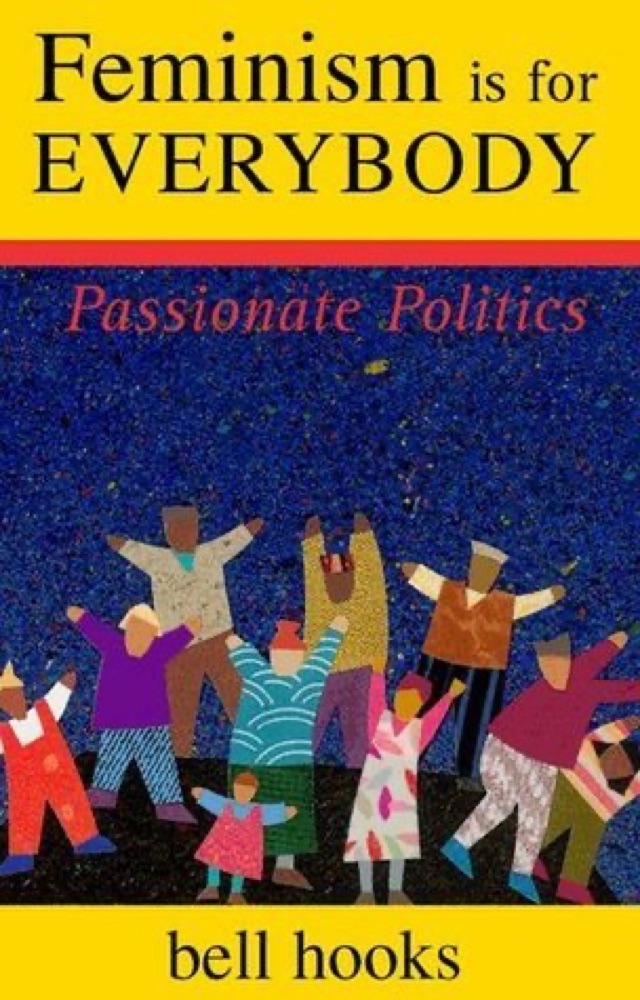 Feminism Is for Everybody: Passionate Politics
About the book
Author, activist, feminist, teacher, and artist bell hooks is celebrated as one of the nation's leading intellectuals. Born in Hopkinsville, Kentucky, hooks drew her unique pseudonym from the name of her grandmother, an intelligent and strong-willed African American woman who inspired her to stand up against a dominating and repressive society. Her poetry, novels, memoirs, and children's books reflect her Appalachian upbringing and feature her struggles with racially integrated schools and unwelcome authority figures. One of Utne Reader 's "100 Visionaries Who Can Change Your Life," hooks has won wide acclaim from critics and readers alike.
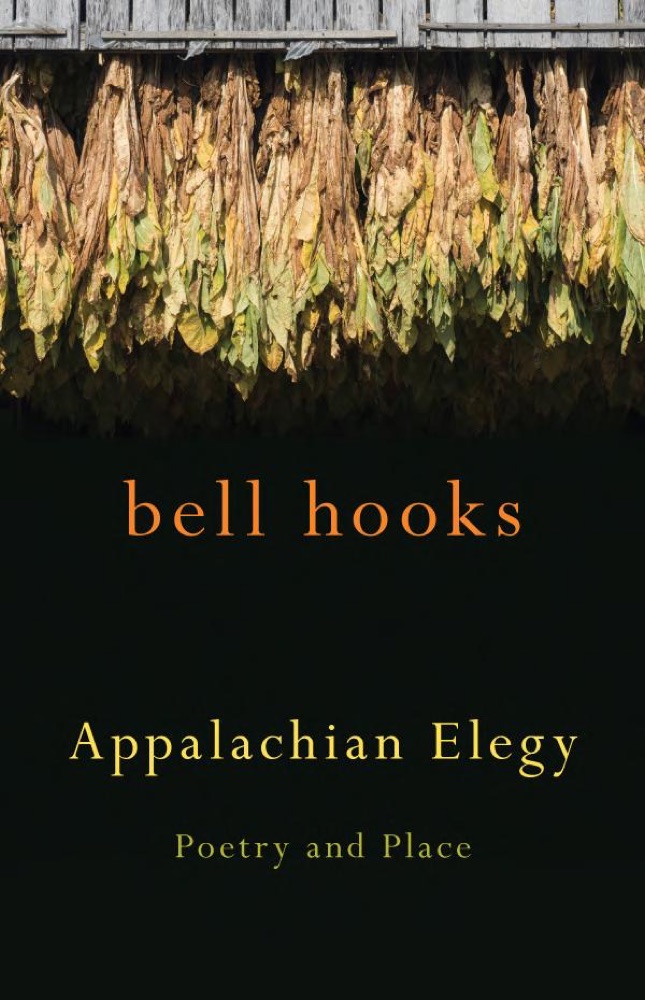
In Appalachian Elegy , bell hooks continues her work as an imagist of life's harsh realities in a collection of poems inspired by her childhood in the isolated hills and hidden hollows of Kentucky. At once meditative, confessional, and political, thi
Book details
- First published
- 2012
- Author
- bell hooks
- Genre
- Literature
- Goodreads rating
- 3.90 (2k ratings)
Keep reading
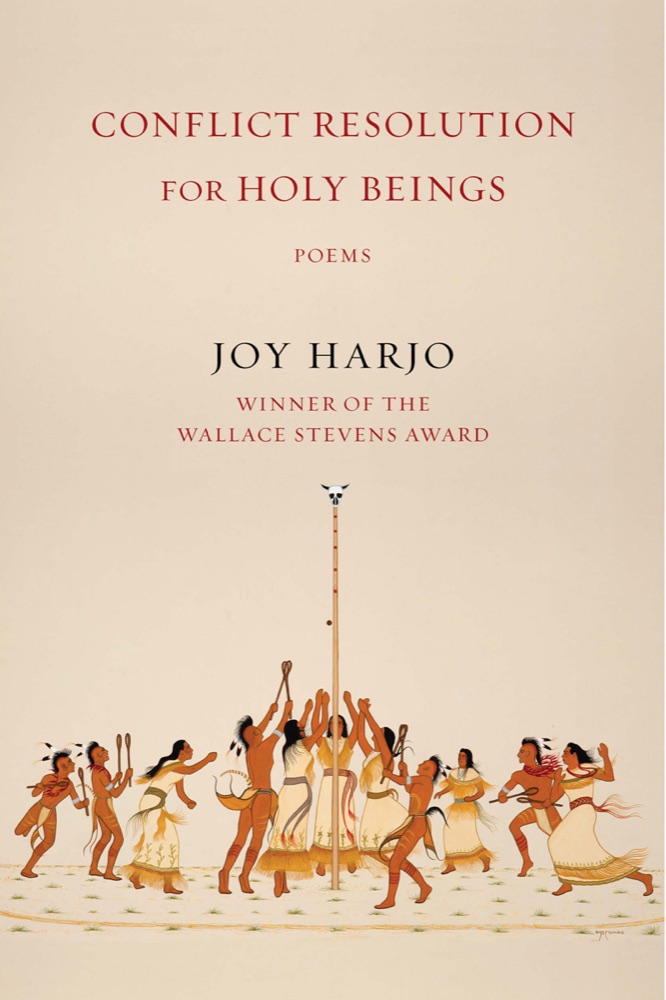 Conflict Resolution for Holy Beings: Poems
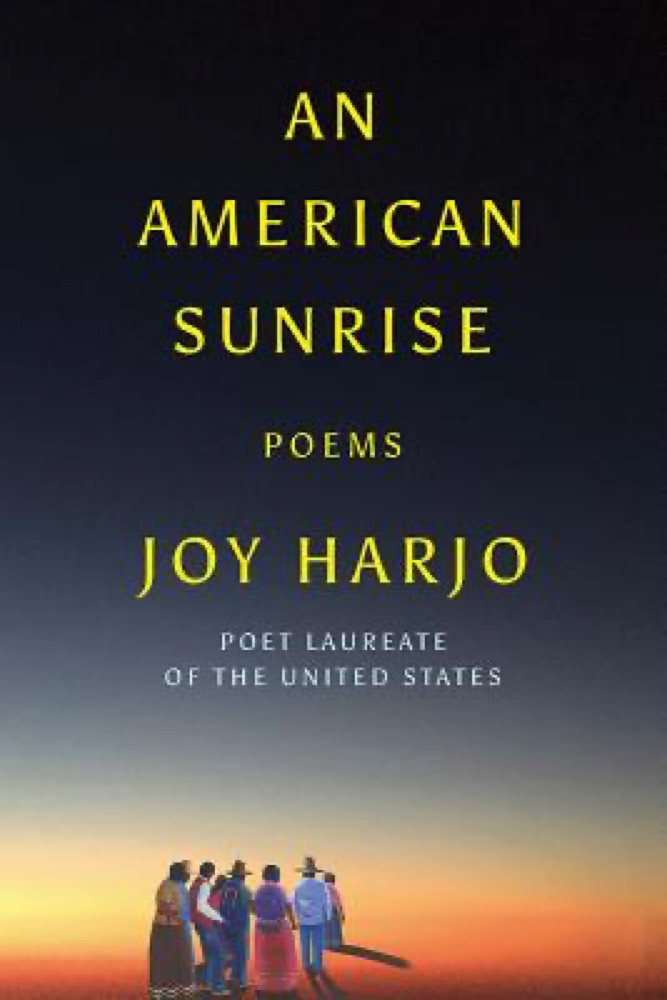 An American Sunrise
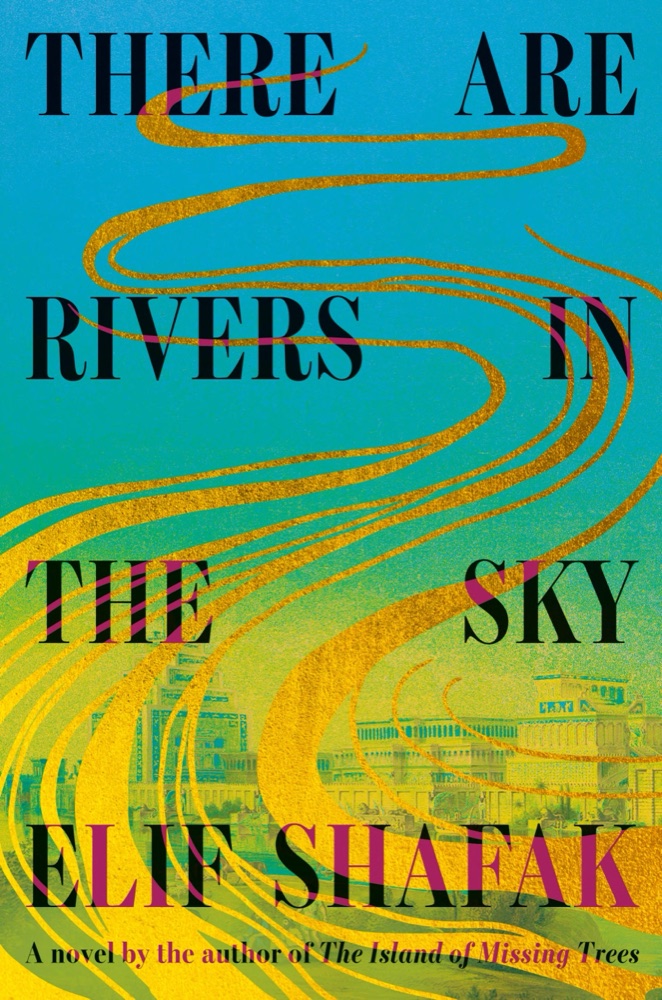 There Are Rivers in the Sky
 Upstream: Selected Essays
 Wandering
 Opened Ground
 Red Bird
 The Waste Land and Other Poems
 Winter Hours: Prose, Prose Poems, and Poems
 Crazy Brave
 The Love Songs of W.E.B. Du Bois
 The Celtic Twilight: Faerie and Folklore
 The Sea Keeper's Daughters
 The Collected Poems of Audre Lorde
 Plainwater: Essays and Poetry
 The Collected Poems
 Heartwood
 One for the Blackbird, One for the Crow
 Refuge: An Unnatural History of Family and Place
 Poems, 1962-2012
 The Treasured Writings of Kahlil Gibran
 Deep Creek: Finding Hope in the High Country
 Split Tooth
 Independent People
 The Poetry of Robert Frost
 The Island of Missing Trees
 H is for Hawk
 House Made of Dawn
 Four Souls
 The Collected Poems, 1957-1982
 Always Coming Home
 In the Heart of the Heart of the Country and Other Stories
 The Mill on the Floss
 In the Wild Light
 The Adventures of China Iron
 The Collected Poems of W.B. Yeats
 In Search of Our Mothers' Gardens: Womanist Prose
 The Complete Poems of Emily Dickinson
 The Complete Poems
 A Little Devil in America: Notes in Praise of Black Performance
 Dust Tracks on a Road
 Corrag
 Where the Bluebird Sings to the Lemonade Springs: Living and Writing in the West
 Junie
Junie
 Spoon River Anthology
 Cry, the Beloved Country
 Weaveworld
 The Covenant of Water
 Yesterday I Was the Moon
 Pilgrim at Tinker Creek
 The Night Watchman
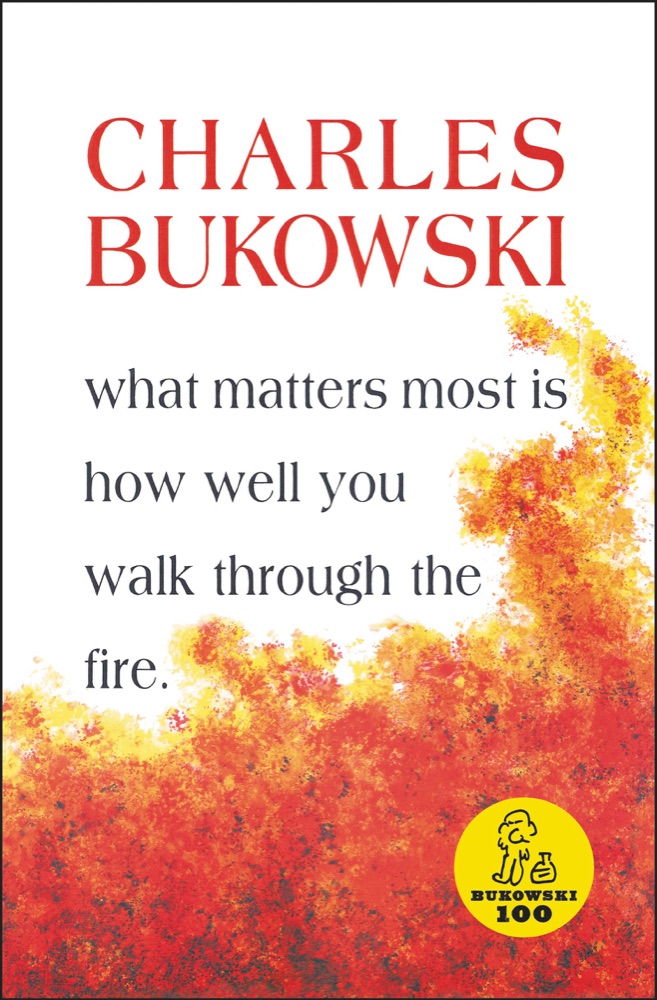 What Matters Most is How Well You Walk Through the Fire
 The Divine Comedy
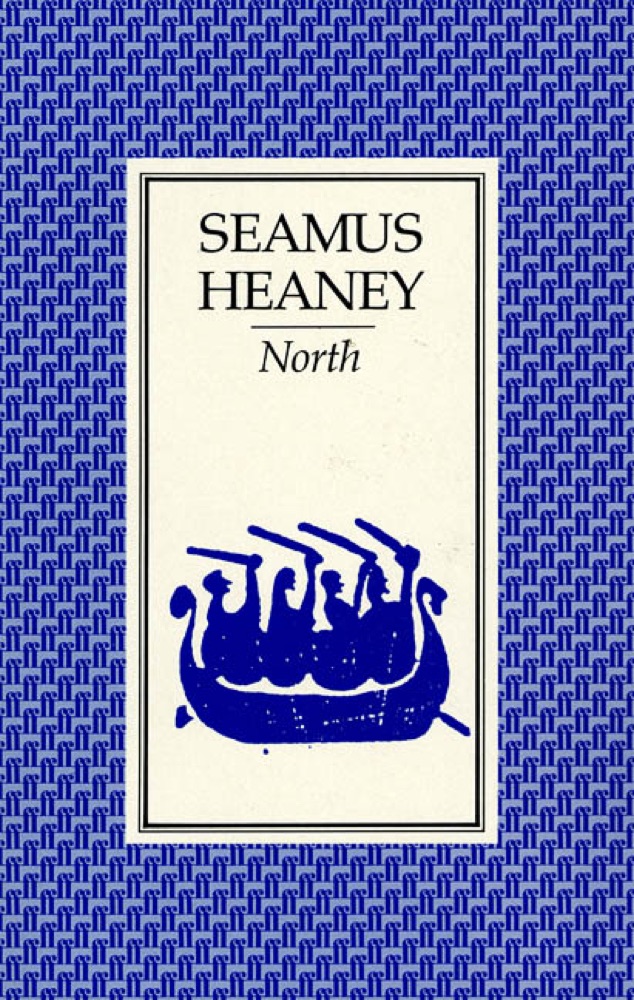 North
North
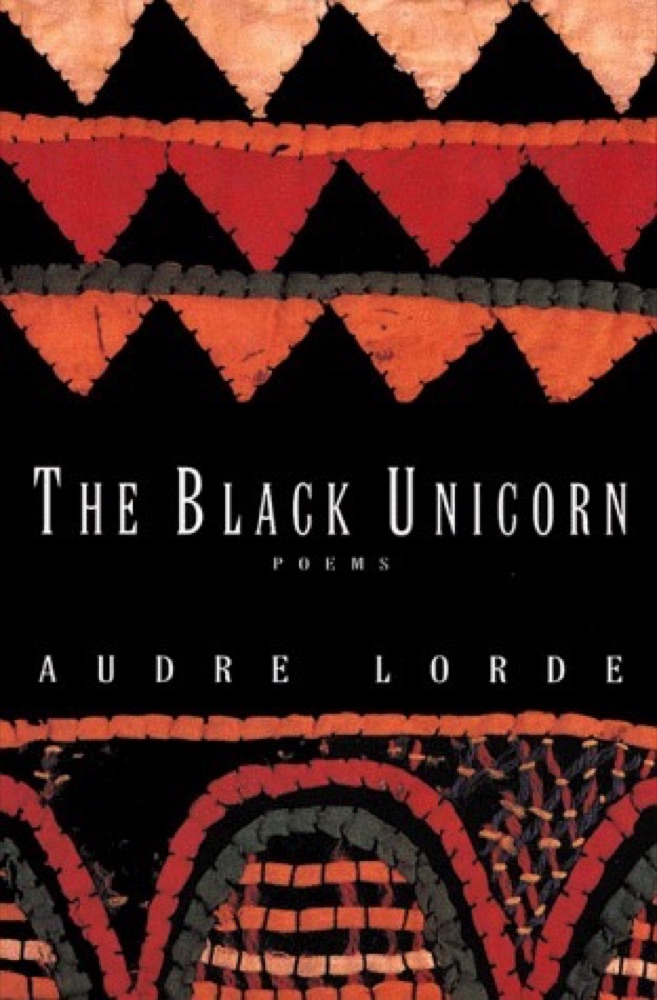 The Black Unicorn: Poems
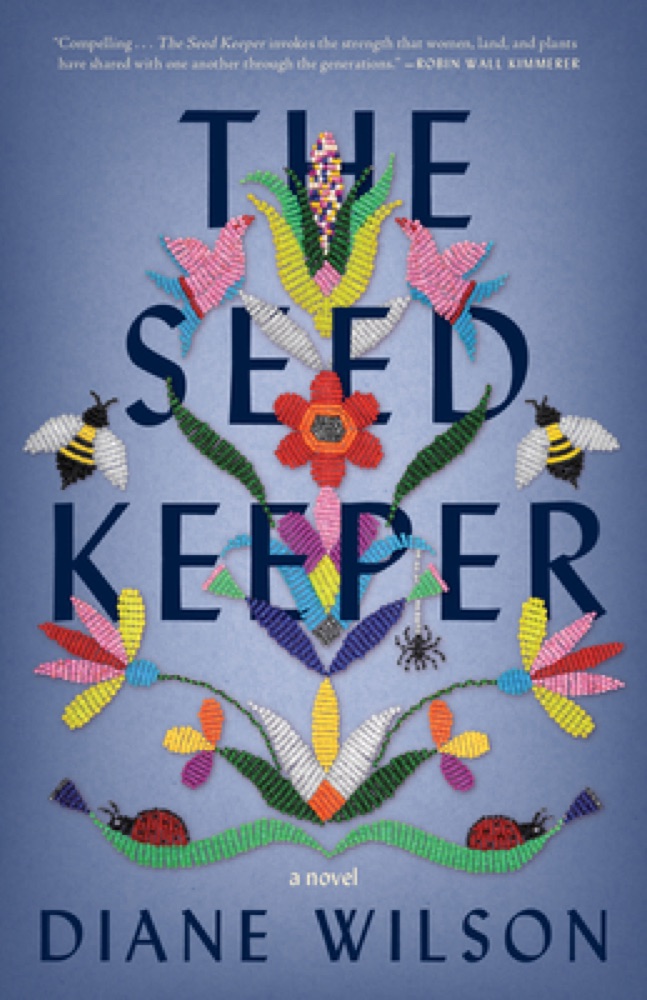 The Seed Keeper
 The Collected Poems of Emily Dickinson
 View with a Grain of Sand: Selected Poems
 The Solace of Open Spaces
 Sacred Journey of the Peaceful Warrior