 Co-Intelligence: Living and Working with AI
Quotes from the Book
Cognitive robotics can integrate information from pre-operation medical records with real-time operating metrics to guide and enhance the precision of physicians’ instruments. By processing data from genuine surgical experiences, they’re able to provide new and improved insights and techniques. These kinds of improvements can improve patient outcomes and boost trust in AI throughout the surgery. Robotics can lead to a 21% reduction in length of stay.
397
AI-powered passive monitoring is taking off and has huge advantages over the traditional way of monitoring patients. The advantage of passive monitoring, as opposed to data collected from wearables, is that it doesn’t require patients or seniors to actively wear a device at all times. Used in a hospital setting, the tech reduces healthcare workers’ risk of exposure to COVID-19 by limiting their contact with patients and automating data collection for vital signs. Also, camera-based monitoring is unpopular for the simple reason that a lot of people don’t like being watched by a camera.
195
Pilots used to fly planes manually, but now they operate a dashboard with the help of computers. This has made flying safer and improved the industry. Healthcare can benefit from the same type of approach, with physicians practicing medicine with the help of data, dashboards, and AI. This will improve the quality of care they provide and make their jobs easier and more efficient
193
An algorithm that expedites care to a stroke patient in a chaotic emergency room (ER) has a good chance of adoption. An algorithm that reads a routine scan and provides some quantification of what the physicians can already estimate won’t be in as much demand. There are good reasons for algorithms to parse patient records to look for signs of rare diseases, but there are fewer good reasons for using them to evaluate clinical symptoms. It’s cool that AI tools can make diagnoses from scratch, but for most clinical encounters doctors are already pretty good at it.
182
It’s true that AI can mimic the human brain, but it can also outperform us mere humans by discovering complex patterns that no human being could ever process and identify.
181
In short, physicians are getting more and more data, which requires more sophisticated interpretation and which takes more time. AI is the solution, enhancing every stage of patient care from research and discovery to diagnosis and therapy selection. As a result, clinical practice will become more efficient, convenient, personalized, and effective.
174
It’s estimated that AI could free up to 25% of clinician time across different specialties. This increased amount of time could mean less hurried encounters and more humane interactions, including more empathy from happier doctors. This is important because empathy has been shown to improve outcomes by boosting patient adherence to the prescribed treatments, increasing motivation, and reducing anxiety and stress.
171
The issue of reimbursement by payers is an important factor that should be discussed. Is it possible that if radiologists use AI to read scans, they’ll receive less reimbursement? Or to approach this from the other angle, if payers are reimbursing for the use of AI, will they pay radiologists less as a result? My discussions with insurance executives have shown that they don’t think this is likely. If the use of these technologies will improve patient outcomes and lead to fewer errors, there are benefits to them that will motivate executives to pay for them in addition to radiologists’ reading fees.
167
Used in combination with genomics, AI could help pharma companies to develop new drugs for rare diseases. The rarer a disease is, the smaller the market is and so the less likely it is to have been addressed. Big pharma is hesitant to take on the high development costs for new drugs if there’s no sign of a return on investment. Biological processes are complex, and that means that they lead to multidimensional data that human beings struggle to wrap their heads around. The good news is that AI is the perfect tool to spot patterns in this kind of data.
154
Much of clinician burnout is due to spending time writing notes, placing orders, generating referrals, writing prior authorization letters, and creating patient communication. In other words, burnout is caused by physicians having to generate output! With the emergence of large language models that are used to train generative AI solutions, these use cases will be at the frontier of AI’s applications in healthcare.
133
Did you know?
- The book's subtitle frames it for four distinct audiences: users, buyers, builders, and investors.
- Author Ronald Razmi is both a practicing-trained cardiologist and a venture capitalist through his firm Zoi Capital.
- It covers generative AI tools such as ChatGPT alongside more established clinical AI applications.
- Razmi argues the book partly explains why earlier digital health technologies underperformed in healthcare.
- The book launched with a global tour that included stops at MIT and the Foreign Press Association.
About Ronald M. Razmi
About the book
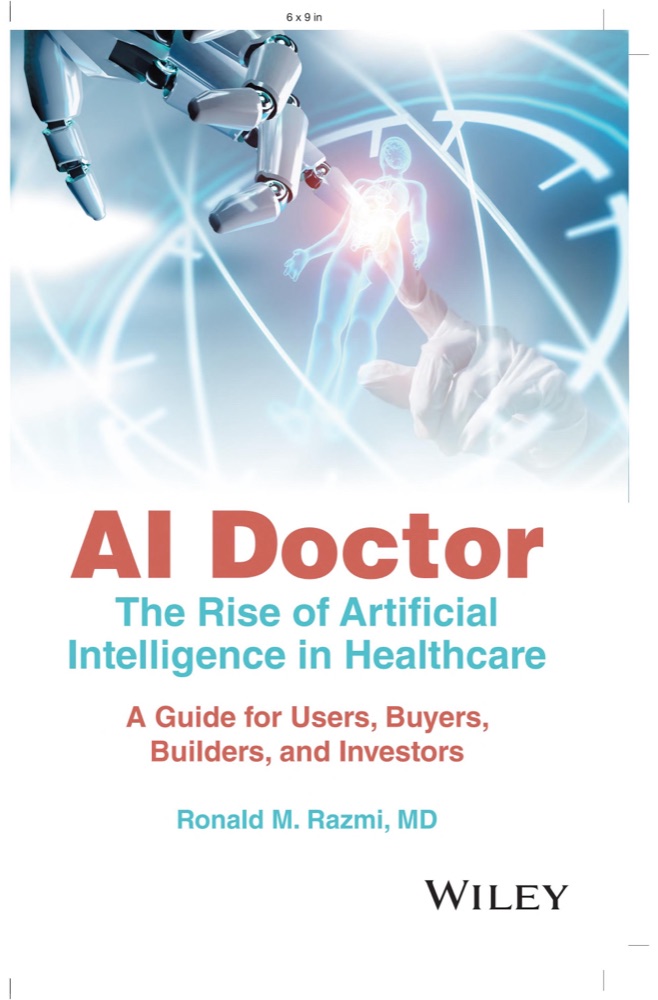
AI Doctor is a non-technical guide to the present and near-future role of artificial intelligence in medicine, written by cardiologist and healthcare investor Ronald M. Razmi. Rather than hyping the technology, the book traces how AI is actually being applied across diagnostics, therapeutics, clinical workflows, population health, drug discovery, and healthcare administration, and asks where it is likely to deliver real value in the coming decade. It also folds in the rapidly emerging wave of generative AI tools such as ChatGPT and what they may mean for clinical practice.
Running through the book are recurring themes about why digital technologies have historically underperformed in healthcare and what would have to change for AI to succeed where earlier efforts stalled. Razmi examines the drivers and barriers to adoption, the difficulty of developing and validating medical algorithms, and the practical frameworks stakeholders can use to decide which applications to use, buy, build, or invest in. The result is aimed squarely at users, buyers, builders, and investors, as the subtitle promises.
Published by Wiley in 2024, the book positions itself as a reader-friendly overview for clinicians, students, entrepreneurs, and investors rather than a technical manual. Razmi promoted it through a multi-stop global book tour with appearances at venues including MIT and the Foreign Press Association, reflecting its intended reach across both the medical and investment communities.
Book details
- First published
- 2024
- Length
- 368 pages
- Reading time
- 22 hours
- Author
- Ronald M. Razmi
- Genre
- Nonfiction
- Goodreads rating
- 4.28 (7k ratings)
Critical reception
- Marketed by Wiley as a reader-friendly, non-technical overview suited to healthcare professionals, students, entrepreneurs, and investors alike.
- Promoted through a multi-event international book tour in 2024 spanning academic and industry venues including MIT.
Keep reading
Co-Intelligence: Living and Working with AI
 Life 3.0: Being Human in the Age of Artificial Intelligence
 Artificial Intelligence: A Guide for Thinking Humans
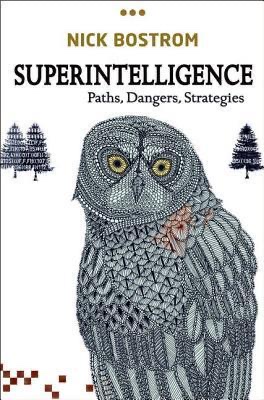 Superintelligence: Paths, Dangers, Strategies
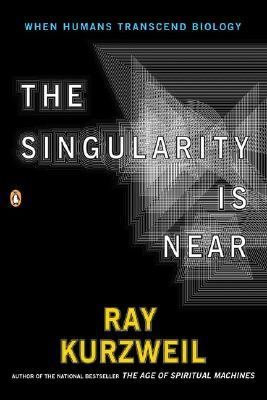 The Singularity is Near: When Humans Transcend Biology
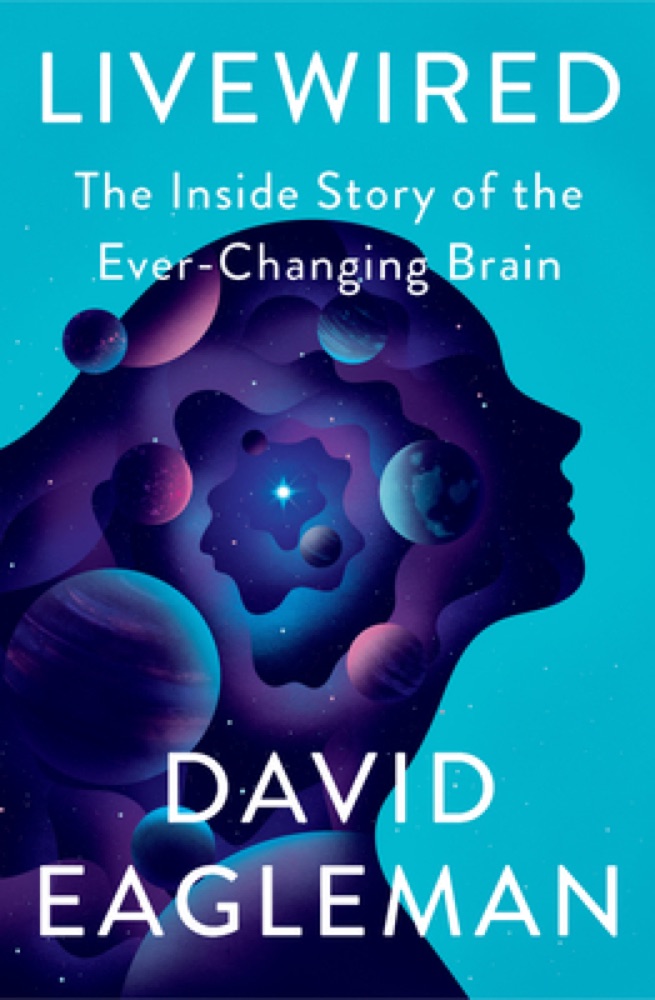 Livewired: The Inside Story of the Ever-Changing Brain
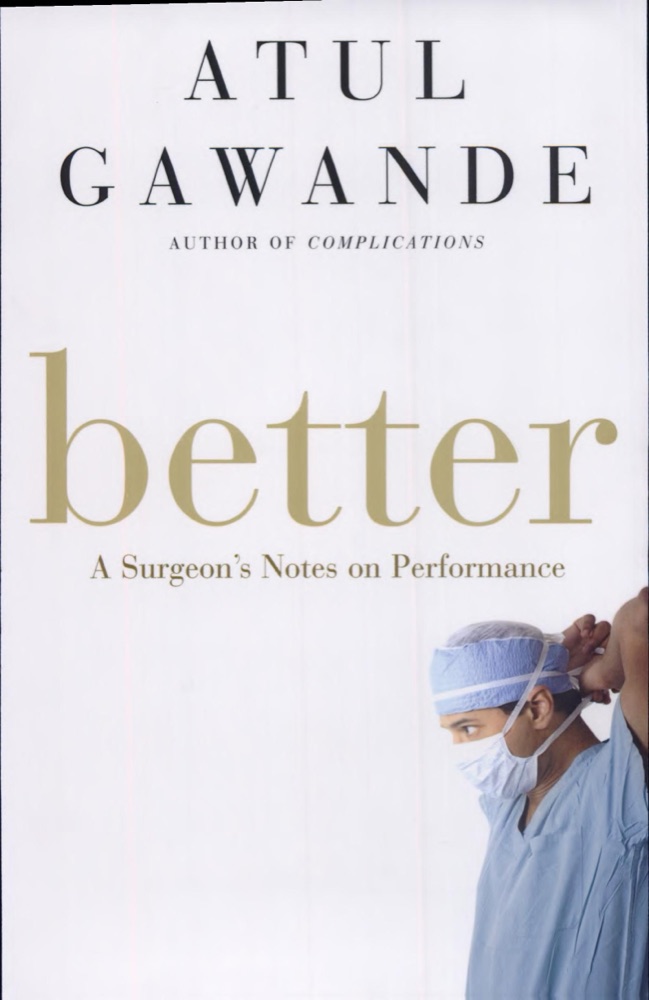 Better: A Surgeon's Notes on Performance
 How We Do Harm: A Doctor Breaks Ranks About Being Sick in America
 Accelerate: Building and Scaling High Performing Technology Organizations
 Emotional Design: Why We Love (or Hate) Everyday Things
 How We Learn: Why Brains Learn Better Than Any Machine . . . for Now
 The Future of the Mind: The Scientific Quest to Understand, Enhance, and Empower the Mind
 What Doctors Feel: How Emotions Affect the Practice of Medicine
 A Thousand Brains: A New Theory of Intelligence
 Outlive: The Science & Art of Longevity
 Right Kind of Wrong: The Science of Failing Well
 If Anyone Builds It, Everyone Dies: Why Superhuman AI Would Kill Us All
 Good Reasons for Bad Feelings: Insights from the Frontier of Evolutionary Psychiatry
 A Whole New Mind: Why Right-Brainers Will Rule the Future
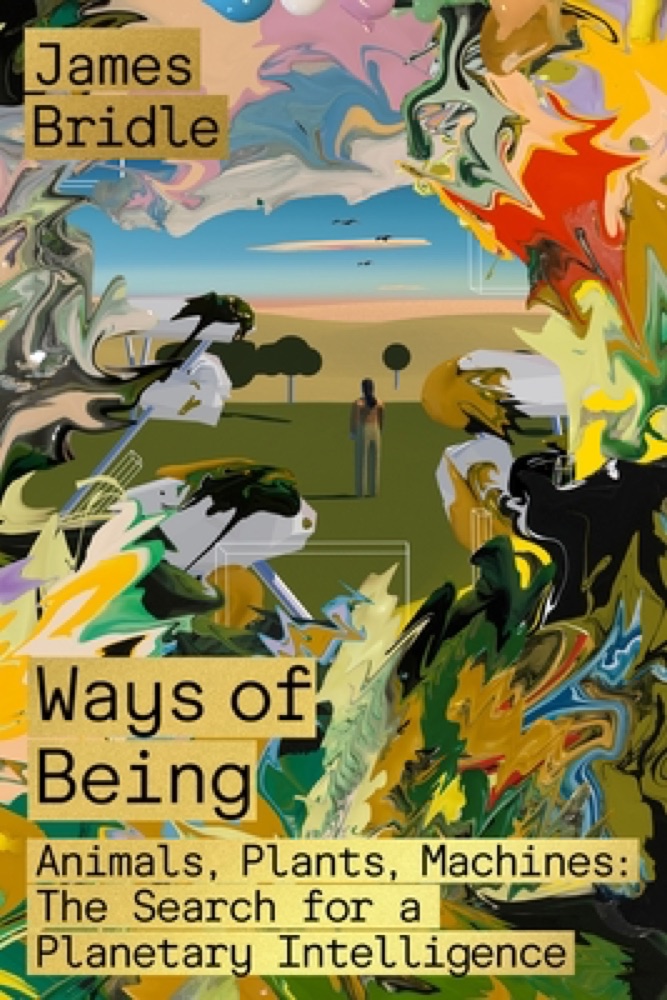 Ways of Being: Animals, Plants, Machines: The Search for a Planetary Intelligence
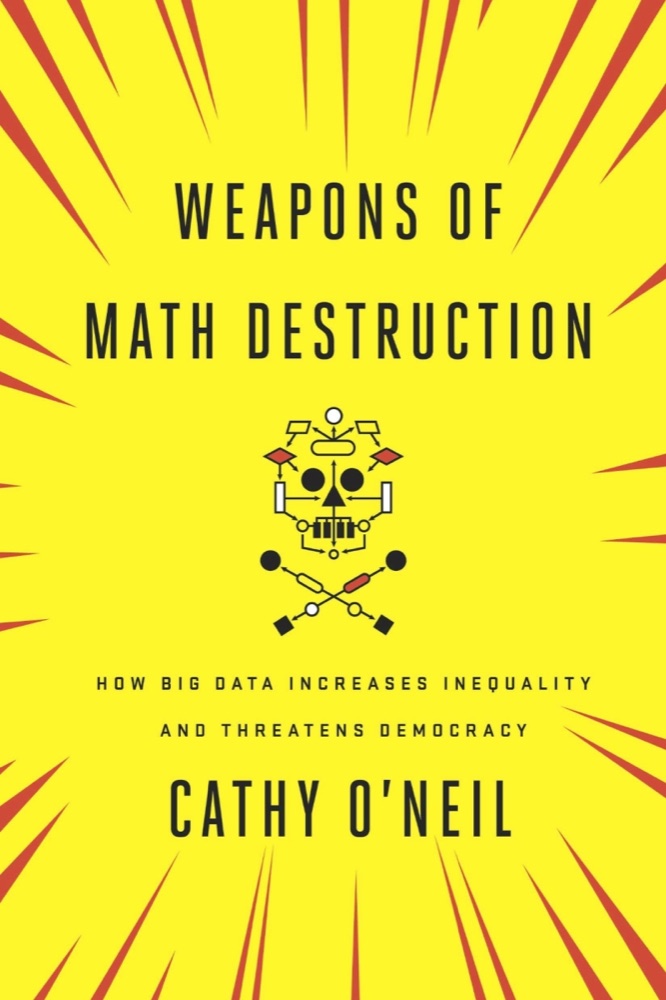 Weapons of Math Destruction: How Big Data Increases Inequality and Threatens Democracy
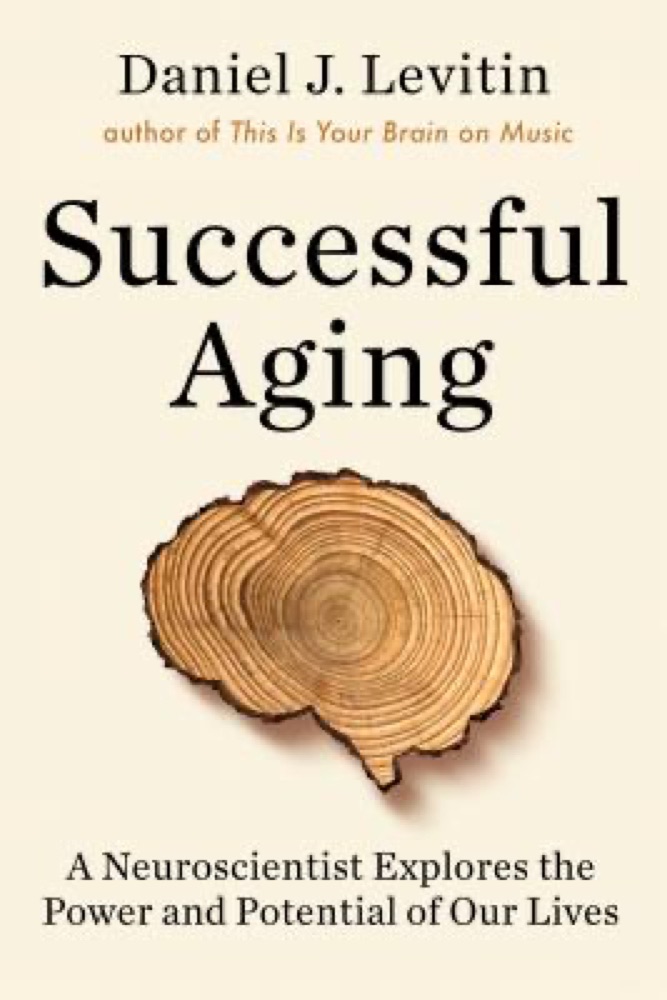 Successful Aging: A Neuroscientist Explores the Power and Potential of Our Lives
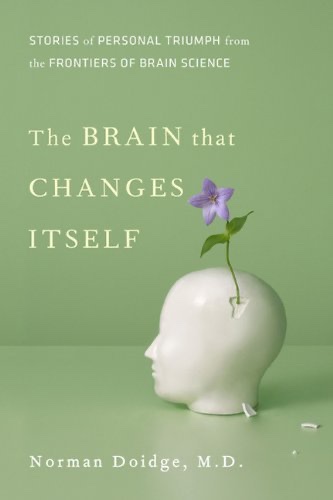 The Brain That Changes Itself: Stories of Personal Triumph from the Frontiers of Brain Science
 Algorithms to Live By: The Computer Science of Human Decisions
 Do No Harm: Stories of Life, Death and Brain Surgery
 Black Box Thinking: Why Some People Never Learn from Their Mistakes - But Some Do
 The Filter Bubble: What the Internet is Hiding From You
 Peak: Secrets from the New Science of Expertise
 Why We Get Sick: The New Science of Darwinian Medicine
 Physics of the Future: How Science Will Shape Human Destiny and Our Daily Lives by the Year 2100
 The Future of Humanity: Terraforming Mars, Interstellar Travel, Immortality and Our Destiny Beyond Earth
 SuperFreakonomics: Global Cooling, Patriotic Prostitutes And Why Suicide Bombers Should Buy Life Insurance
 The Signal and the Noise: Why So Many Predictions Fail—But Some Don't
 Lean Analytics: Use Data to Build a Better Startup Faster
 The Organized Mind: Thinking Straight in the Age of Information Overload
 Behave: The Biology of Humans at Our Best and Worst
 Managing Humans: Biting and Humorous Tales of a Software Engineering Manager
 Brain Energy: A Revolutionary Breakthrough in Understanding Mental Health—and Improving Treatment for Anxiety, Depression, OCD, PTSD, and More
 The Age of Spiritual Machines
 Invent and Wander: The Collected Writings of Jeff Bezos
 Range: Why Generalists Triumph in a Specialized World
 Smarter Faster Better: The Secrets of Being Productive in Life and Business
 The Tell-Tale Brain: A Neuroscientist's Quest for What Makes Us Human
 The Code Breaker: Jennifer Doudna, Gene Editing, and the Future of the Human Race
 The Most Human Human: What Talking with Computers Teaches Us About What It Means to Be Alive
 A World Without Email: Reimagining Work in an Age of Communication Overload
 Complexity: A Guided Tour
 Homo Deus: A History of Tomorrow
 What Technology Wants
 How the Mind Works
 Thinking In Systems: A Primer
 Smartcuts: How Hackers, Innovators, and Icons Accelerate Success
 The Story of the Human Body: Evolution, Health, and Disease
 A User's Guide to the Brain: Perception, Attention, and the Four Theaters of the Brain
 On Call: A Doctor's Journey in Public Service
 Humble Pi: A Comedy of Maths Errors
 The Soul of a New Machine
 Software Engineering at Google: Lessons Learned from Programming Over Time
 Think Like a Rocket Scientist: Simple Strategies You Can Use to Make Giant Leaps in Work and Life