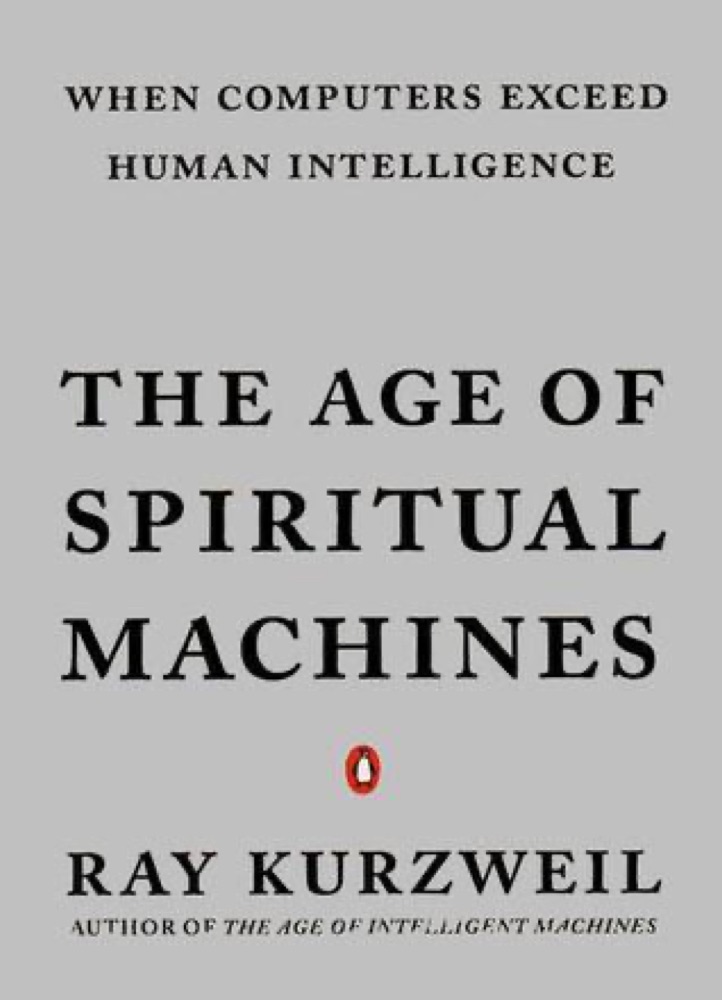
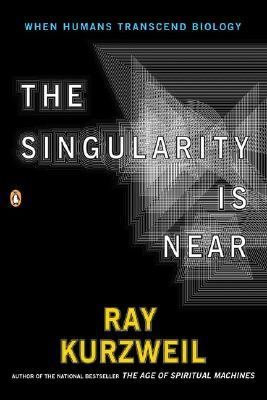
 The Singularity is Near: When Humans Transcend Biology
Quotes from the Book
The purposeful destruction of information is the essence of intelligent work.
48
Yes, well, the subjective experience is the opposite of the objective reality
11
Technology is the continuation of evolution by other means,
Computers are about one hundred million times more powerful for the same unit cost than they were a half century ago. If the automobile industry had made as much progress in the past fifty years, a car today would cost a hundredth of a cent and go faster than the speed of light.
continued exponential growth of technology in the first two decades of the twentieth century matched that of the entire nineteenth century.
This established a pattern that would repeat itself throughout human history, in that the technologically more advanced group ends up becoming dominant.
Any sufficiently advanced technology is indistinguishable from magic. —Arthur C. Clarke’s three laws of technology
heritage. Their DNA is 98.6 percent the same as the lowland gorilla, and 97.8 percent the same as the orangutan.12 The story of evolution since that time now focuses in on a human-sponsored variant of evolution: technology.
The further backward you look, the further forward you can see. —Winston Churchill
The twenty-first century will be different. The human species, along with the computational technology it created, will be able to solve age-old problems of need, if not desire, and will be in a position to change the nature of mortality in a postbiological future. Do we have the psychological capacity for all the good things that await us? Probably not.
The state of the art in computer technology is anything but static.
Furthermore, neurons are extremely slow; electronic circuits are at least a million times faster. Once a computer achieves a human level of ability in understanding abstract concepts, recognizing patterns, and other attributes of human intelligence, it will be able to apply this ability to a knowledge base of all human-acquired—and machine-acquired—knowledge.
Computers doubled in speed every three years at the beginning of the twentieth century, every two years in the 1950s and 1960s, and are now doubling in speed every twelve months.
The Law of Accelerating Returns: As order exponentially increases, time exponentially speeds up (that is, the time interval between salient events grows shorter as time passes).
The early Wittgenstein and the logical positivists that he inspired are often thought to have their roots in the philosophical investigations of René Descartes.9 Descartes’s famous dictum “I think, therefore I am” has often been cited as emblematic of Western rationalism. This view interprets Descartes to mean “I think, that is, I can manipulate logic and symbols, therefore I am worthwhile.” But in my view, Descartes was not intending to extol the virtues of rational thought. He was troubled by what has become known as the mind-body problem, the paradox of how mind can arise from nonmind, how thoughts and feelings can arise from the ordinary matter of the brain. Pushing rational skepticism to its limits, his statement really means “I think, that is, there is an undeniable mental phenomenon, some awareness, occurring, therefore all we know for sure is that something—let’s call it I—exists.” Viewed in this way, there is less of a gap than is commonly thought between Descartes and Buddhist notions of consciousness as the primary reality. Before 2030, we will have machines proclaiming. Descartes’s dictum. And it won’t seem like a programmed response. The machines will be earnest and convincing. Should we believe them when they claim to be conscious entities with their own volition?
Watch on YouTube
About Ray Kurzweil
We have collected 44 quotes from 2 books by Ray Kurzweil on BookQuoters.
More about the author →More by Ray Kurzweil
The Singularity is Near: When Humans Transcend Biology
About the book
Ray Kurzweil is the inventor of the most innovative and compelling technology of our era, an international authority on artificial intelligence, and one of our greatest living visionaries. Now he offers a framework for envisioning the twenty-first century--an age in which the marriage of human sensitivity and artificial intelligence fundamentally alters and improves the way we live. Kurzweil's prophetic blueprint for the future takes us through the advances that inexorably result in computers exceeding the memory capacity and computational ability of the human brain by the year 2020 (with human-level capabilities not far behind); in relationships with automated personalities who will be our teachers, companions, and lovers; and in information fed straight into our brains along direct neural pathways. Optimistic and challenging, thought-provoking and engaging, The Age of Spiritual Machine
Book details
- First published
- 1998
- Author
- Ray Kurzweil
- Genre
- Nonfiction
- Goodreads rating
- 3.89 (5k ratings)
Keep reading
The Singularity is Near: When Humans Transcend Biology
 Physics of the Future: How Science Will Shape Human Destiny and Our Daily Lives by the Year 2100
 What Technology Wants
 Life 3.0: Being Human in the Age of Artificial Intelligence
 The Information: A History, a Theory, a Flood
 Superintelligence: Paths, Dangers, Strategies
 The Future of the Mind: The Scientific Quest to Understand, Enhance, and Empower the Mind
 The Future of Humanity: Terraforming Mars, Interstellar Travel, Immortality and Our Destiny Beyond Earth
 Understanding Media: The Extensions of Man
 The Code Breaker: Jennifer Doudna, Gene Editing, and the Future of the Human Race
 Genome
 Technopoly: The Surrender of Culture to Technology
 Distrust That Particular Flavor
 The Rational Optimist: How Prosperity Evolves
 Wired
Wired
 The Price of Tomorrow: Why Deflation is the Key to an Abundant Future
 Homo Deus: A History of Tomorrow
 My Inventions
 The Medium is the Massage
 You Are Not a Gadget
 The Grand Design
 The Most Human Human: What Talking with Computers Teaches Us About What It Means to Be Alive
 The Gene: An Intimate History
 Artificial Intelligence: A Guide for Thinking Humans
 The Lost World
 Machinehood
 From Bacteria to Bach and Back: The Evolution of Minds
 The Ascent of Man
 The Social Conquest of Earth
 The Blind Watchmaker: Why the Evidence of Evolution Reveals a Universe Without Design
 How We Got to Now: Six Innovations That Made the Modern World
 The Big Picture: On the Origins of Life, Meaning, and the Universe Itself
 The Innovators: How a Group of Hackers, Geniuses and Geeks Created the Digital Revolution
 Influx
 A Whole New Mind: Why Right-Brainers Will Rule the Future
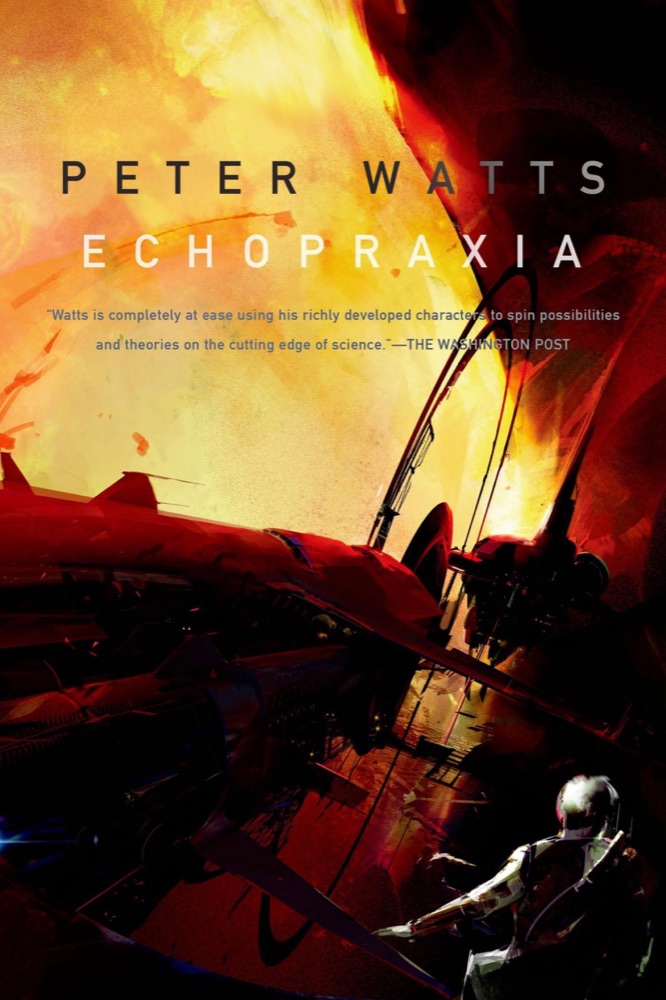 Echopraxia
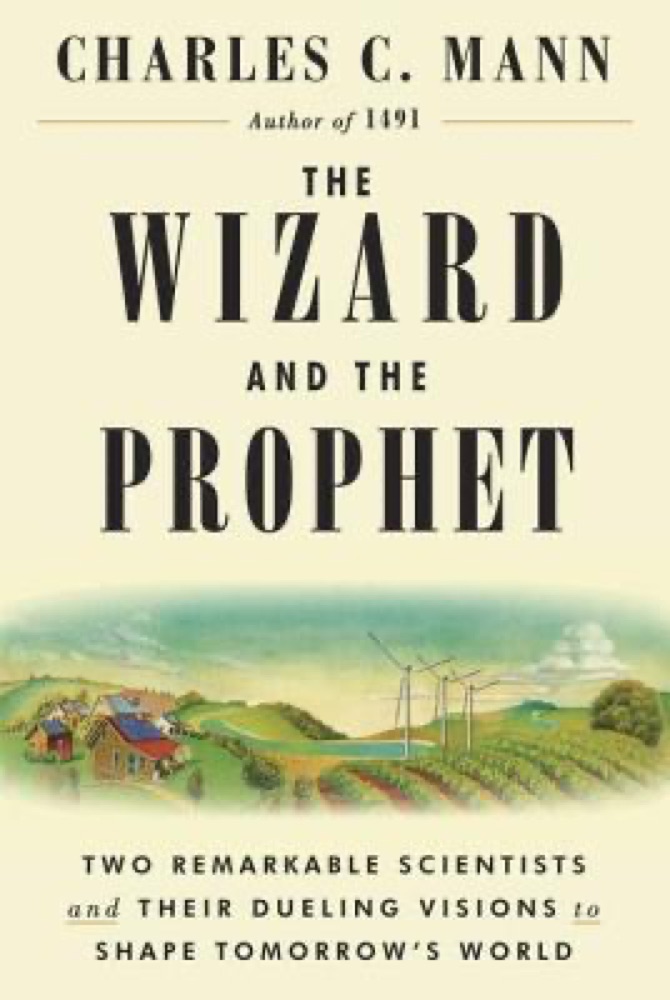 The Wizard and the Prophet: Two Remarkable Scientists and Their Dueling Visions to Shape Tomorrow's World
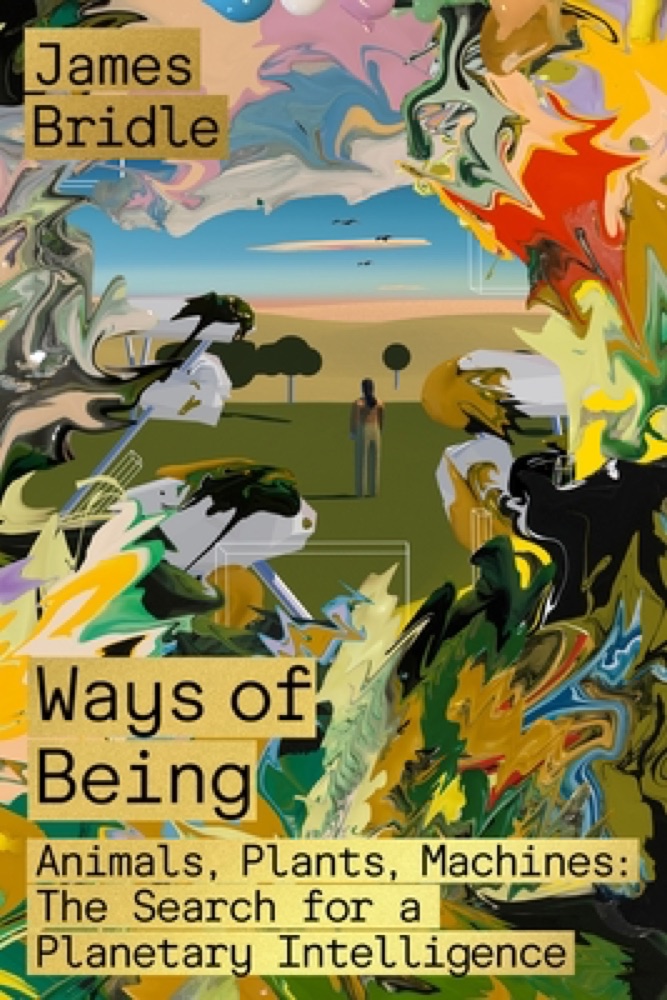 Ways of Being: Animals, Plants, Machines: The Search for a Planetary Intelligence
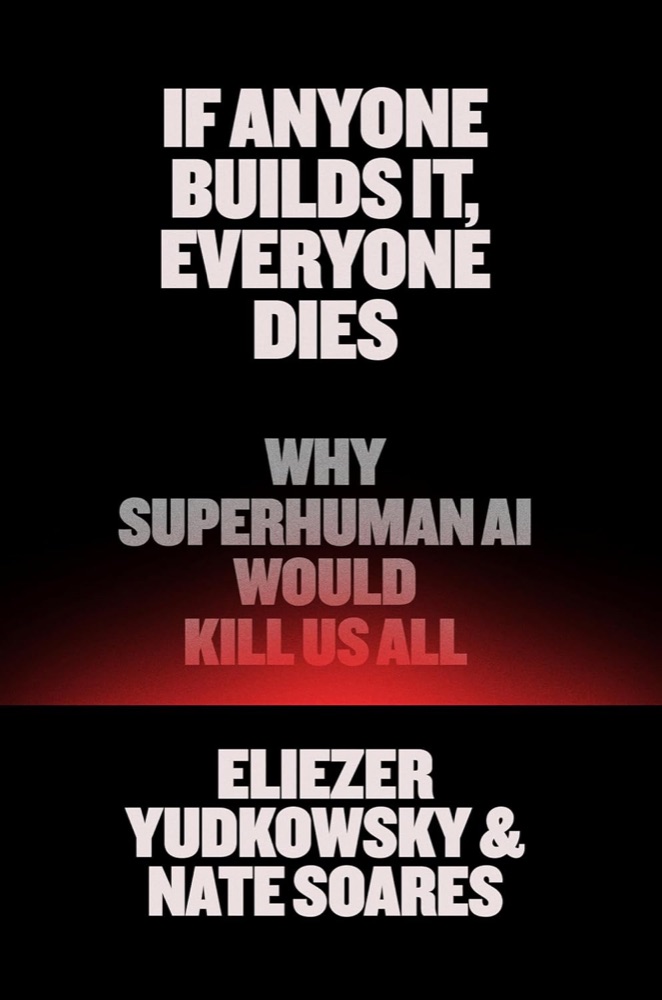 If Anyone Builds It, Everyone Dies: Why Superhuman AI Would Kill Us All
 Abundance: The Future Is Better Than You Think
 The Case Against Reality: Why Evolution Hid the Truth from Our Eyes
 A Devil's Chaplain: Reflections on Hope, Lies, Science, and Love
 2312
2312
 The Pythagorean
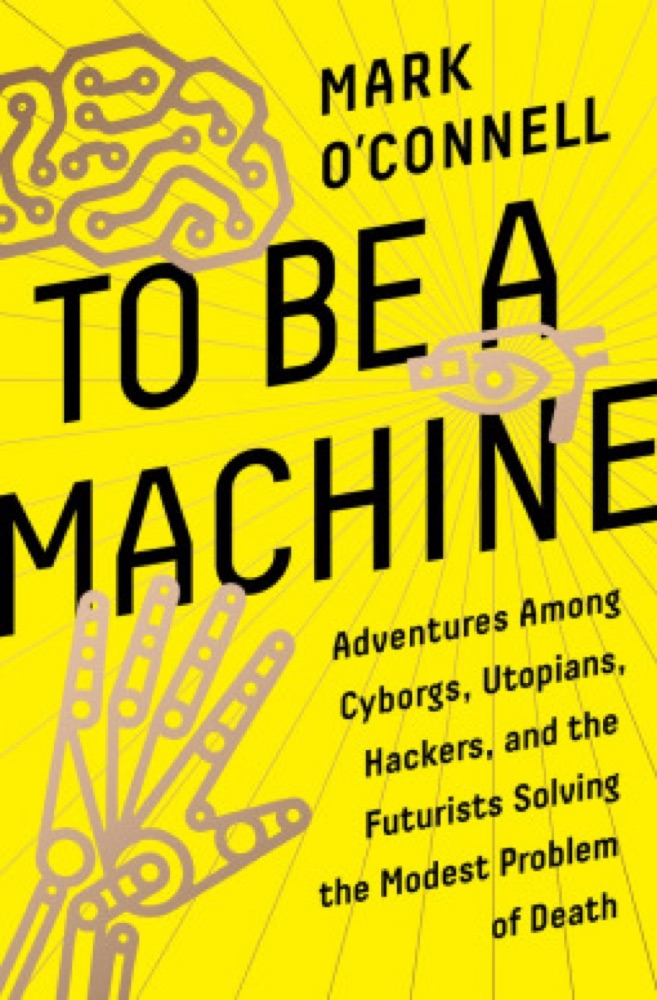 To Be a Machine : Adventures Among Cyborgs, Utopians, Hackers, and the Futurists Solving the Modest Problem of Death
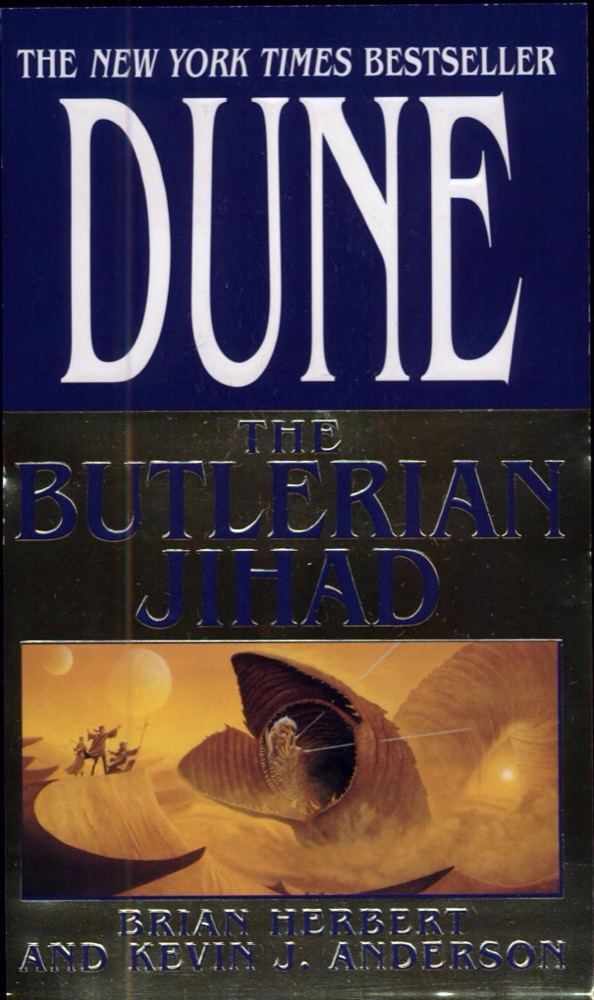 The Butlerian Jihad
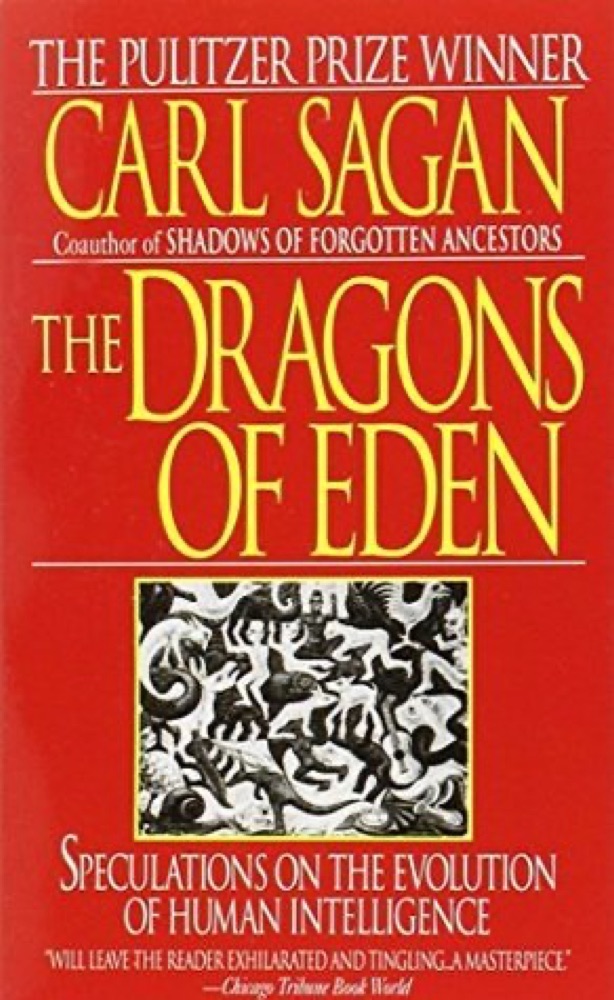 Dragons of Eden: Speculations on the Evolution of Human Intelligence
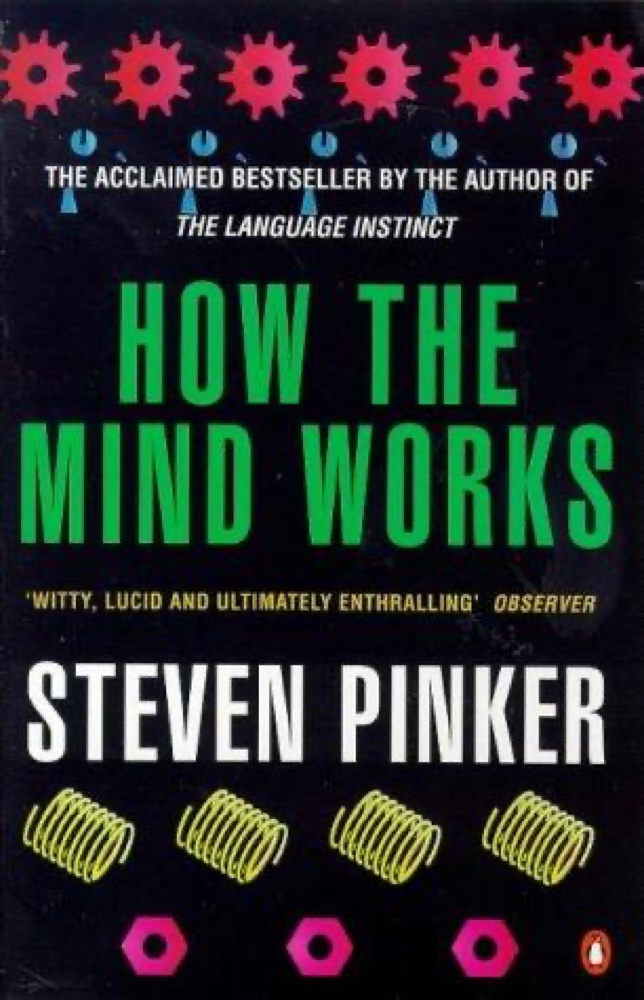 How the Mind Works
 The Technological Republic: Hard Power, Soft Belief, and the Future of the West
 Death's End
 A Short History of Progress
 Consilience: The Unity of Knowledge
 Where Good Ideas Come From: The Natural History of Innovation
 The Futurological Congress: From the Memoirs of Ijon Tichy
 Co-Intelligence: Living and Working with AI
 Billions & Billions: Thoughts on Life and Death at the Brink of the Millennium
 Jurassic Park
 Hackers & Painters: Big Ideas from the Computer Age
 Exhalation
 Destination: Void