
 Better: A Surgeon's Notes on Performance
Quotes from the Book
Here is the problem: Poor Americans consume too little healthcare, especially preventive healthcare. Other Americans—often rich Americans—consume too much healthcare, often unwisely, and sometimes to their detriment. The American healthcare system combines famine with gluttony.
17
When it comes to screening, a doctor who says ‘Let’s err on the side of caution,’ may actually err on the side of reckless ignorance and grave harm.
5
Generally places that are comfortable with excellence don’t call themselves centers of excellence. Has anyone heard of a Princeton University Center of Excellence? Memorial Sloan-Kettering Cancer Center of Excellence?
1
The system is not failing. It’s functioning exactly as designed. It’s designed to run up health-care costs. It’s about the greedy serving the gluttonous. Americans consume more health care per capita than the people of any other country.
Us TOO, which claims to be the world’s largest “grassroots, independent, patient-focused charitable organization” with more than 380 chapters in nine countries, is funded almost completely by the pharmaceutical industry.
When cure is possible, is it necessary, and when cure is necessary, is it possible?
She is also a victim of being well insured and perhaps too sophisticated, but not wise enough.
Americans don’t understand death. We cannot accept that death will come, and thus we cannot make a plan, talk reasonably about it, work our way to understanding, to the basic part of our humanity. This attitude—a combination of perpetual optimism, refusing the dark, and not living in reality—is unfair to patients, doctors, and insurance companies.
There is an underlying trust patients and consumers have in scientists, doctors, and the FDA regulators to look after their best interests as you evaluate the benefits and harms of the drugs, tests, and all interventions that become available to fight cancer.
Some advocacy groups do what doctors and drug companies tell them to do. Share is different. Share members are hard-nosed New Yorkers who seem to have an unlimited number of ways to make it amply clear that they don’t tolerate nonsense.
In fact, the company manufactured a medical condition: cancer fatigue. What cancer patient isn’t going to report feeling fatigued? Their bodies are being undermined by both the disease and interventions seeking to control it.
Many American cancer patients have to confront the same dilemma. Recently, the American Cancer Society found that one in four Americans undergoing cancer treatment had to put off getting a test or treatment. Among people older than sixty-five, one in five said they had used up all or most of their savings in getting cancer care, and one in seven reported incurring thousands of dollars of medical debt.
But our professional societies tend to choose misguided collegiality over the well-being of our patients, the people who trust us with their lives.
A rational system of health care has to have the ability to say no, and to have it stick. This is the only way to protect patients from misguided, scientifically unproven interventions, to cut out waste, fraud, and abuse. Those who pay—private insurers or the government—need to be able to protect the public from the miscarriage of medicine.
Here’s a secret: wealth in America is no protection from getting lousy care. Wealth can increase your risk of getting lousy care. I spend a lot of time explaining to wealthy, insured patients that treatments they are convinced they need can’t be expected to make them live longer or better lives.
In the back rooms of American medicine, the analysis of the patient’s financial durability has a glib name: a wallet biopsy. If it returns positive, you stay in the hospital, you get more treatment, you can make a follow-up appointment. If it returns negative, you have little hope of getting consistent care.
The system is not failing. It's functioning exactly as designed. It's designed to run up health-care costs. It's about the greedy serving the gluttonous. Americans consume more health care per capita than the people of any other country.
Proponents of science as a foundation for health care have not come together to form a grassroots movement, and until this happens, all of us will have to live with a system based on pseudoscience, greed, myths, lies, fraud, and looking the other way. Patients need to understand that more care is not better care, that doctors are not necessarily right, and that some doctors are not even truthful. Genuine health-care reform--like the right to vote--will not be granted magnanimously. Like civil rights, the right to good health care will have to be won in public struggle. To bring about real change, real people will have to say, "Enough!
Martin and Rae find an elevator bank. One of the doors is gold-colored (it’s bronze, actually). A placard says it leads to the Georgia Cancer Center of Excellence. Generally, places that are comfortable with excellence don’t call themselves centers of excellence. Has anyone heard of a Princeton University Center of Excellence? Memorial Sloan-Kettering Cancer Center of Excellence?
Watch on YouTube
About Otis Webb Brawley
We have collected 19 quotes from 1 book by Otis Webb Brawley on BookQuoters.
More about the author →About the book
How We Do Harm exposes the underbelly of healthcare today―the overtreatment of the rich, the under treatment of the poor, the financial conflicts of interest that determine the care that physicians' provide, insurance companies that don't demand the best (or even the least expensive) care, and pharmaceutical companies concerned with selling drugs, regardless of whether they improve health or do harm. Dr. Otis Brawley is the chief medical and scientific officer of The American Cancer Society, an oncologist with a dazzling clinical, research, and policy career. How We Do Harm pulls back the curtain on how medicine is really practiced in America. Brawley tells of doctors who select treatment based on payment they will receive, rather than on demonstrated scientific results; hospitals and pharmaceutical companies that seek out patients to treat even if they are not actually ill (but as long
Book details
- First published
- 2012
- Author
- Otis Webb Brawley
- Genre
- Nonfiction
- Goodreads rating
- 4.18 (2k ratings)
Keep reading
Better: A Surgeon's Notes on Performance
 On Call: A Doctor's Journey in Public Service
 Do No Harm: Stories of Life, Death and Brain Surgery
 The Emperor of All Maladies: A Biography of Cancer
 Natural Causes: An Epidemic of Wellness, the Certainty of Dying, and Killing Ourselves to Live Longer
 The Invisible Kingdom: Reimagining Chronic Illness
 Everything Is Tuberculosis: The History and Persistence of Our Deadliest Infection
 Being Mortal: Medicine and What Matters in the End
 Elderhood: Redefining Aging, Transforming Medicine, Reimagining Life
 Ladyparts
 SuperFreakonomics: Global Cooling, Patriotic Prostitutes And Why Suicide Bombers Should Buy Life Insurance
 Poor Economics: A Radical Rethinking of the Way to Fight Global Poverty
 Whole: Rethinking the Science of Nutrition
 Cancer Ward
 The China Study: The Most Comprehensive Study of Nutrition Ever Conducted and the Startling Implications for Diet, Weight Loss, and Long-term Health
 Bad Science
 Clean: The New Science of Skin
 Just Like Someone Without Mental Illness Only More So
 Pathologies of Power: Health, Human Rights, and the New War on the Poor
 Doing Good Better: How Effective Altruism Can Help You Make a Difference
 Doing Harm: The Truth About How Bad Medicine and Lazy Science Leave Women Dismissed, Misdiagnosed, and Sick
 Dopesick: Dealers, Doctors, and the Drug Company that Addicted America
 The Life You Can Save: How to Do Your Part to End World Poverty
 The House of God
 Nickel and Dimed: On (Not) Getting by in America
 What the Eyes Don't See: A Story of Crisis, Resistance, and Hope in an American City
 When the Air Hits Your Brain: Tales of Neurosurgery
 Mountains Beyond Mountains: The Quest of Dr. Paul Farmer, A Man Who Would Cure the World
 Doctors
 All in Her Head: The Truth and Lies Early Medicine Taught Us About Women’s Bodies and Why It Matters Today
 In Shock: My Journey from Death to Recovery and the Redemptive Power of Hope
 Get Well Soon: History's Worst Plagues and the Heroes Who Fought Them
 Practical Ethics
 A Fighting Chance
 Naked Economics: Undressing the Dismal Science
 The Immortal Life of Henrietta Lacks
 Why We Get Sick: The New Science of Darwinian Medicine
 The Truths We Hold: An American Journey
 What Doctors Feel: How Emotions Affect the Practice of Medicine
 Antifragile: Things That Gain from Disorder
 Illness as Metaphor and AIDS and Its Metaphors
 Friday
 Weapons of Math Destruction: How Big Data Increases Inequality and Threatens Democracy
 Bright-Sided: How the Relentless Promotion of Positive Thinking Has Undermined America
 Parasite
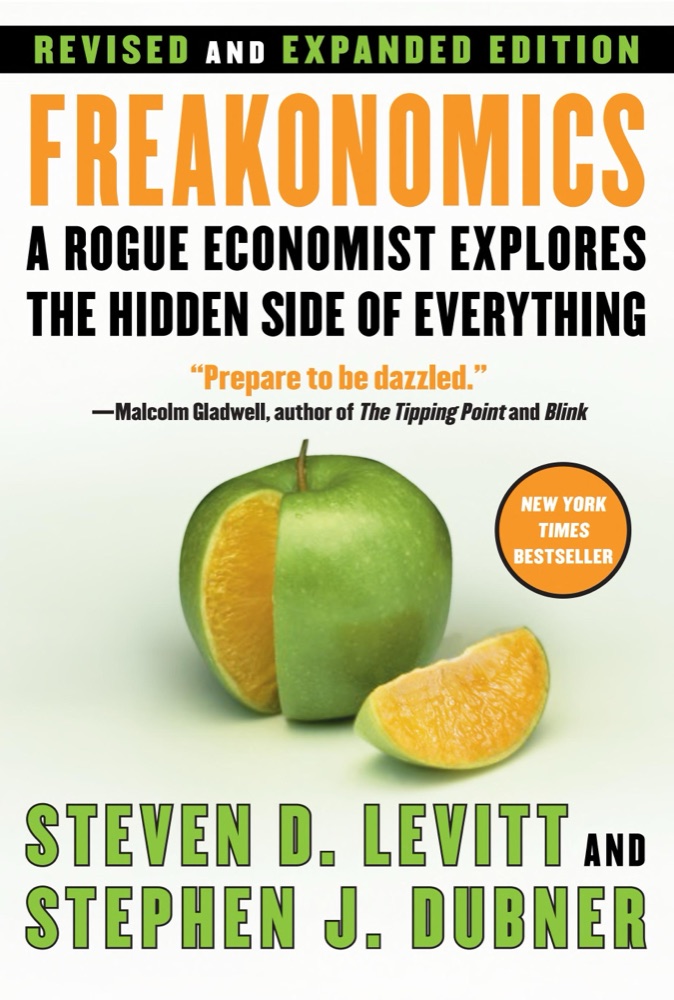 Freakonomics: A Rogue Economist Explores the Hidden Side of Everything
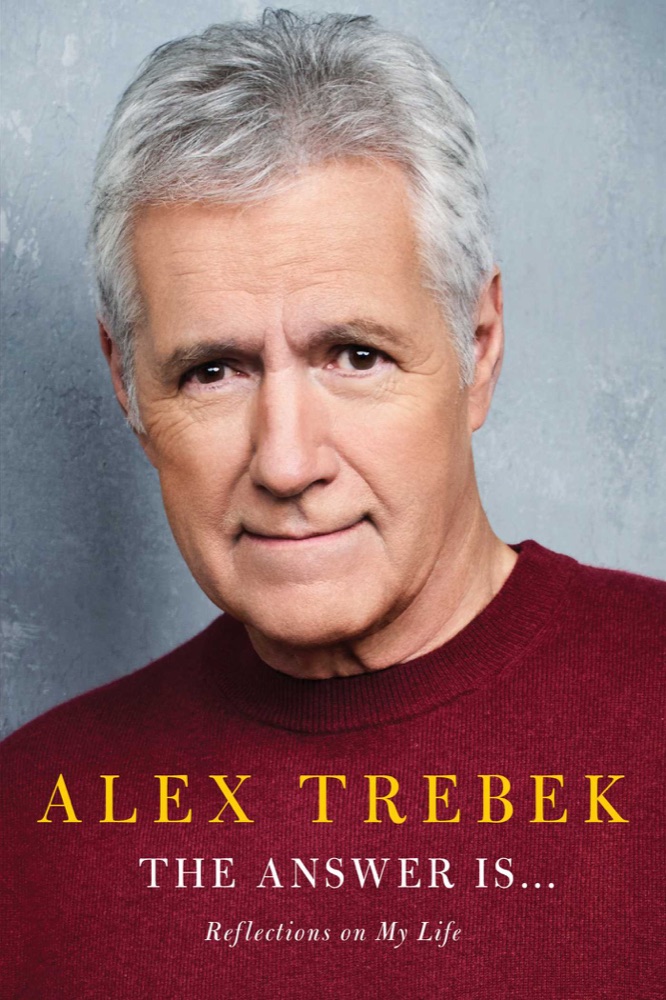 The Answer Is…: Reflections on My Life
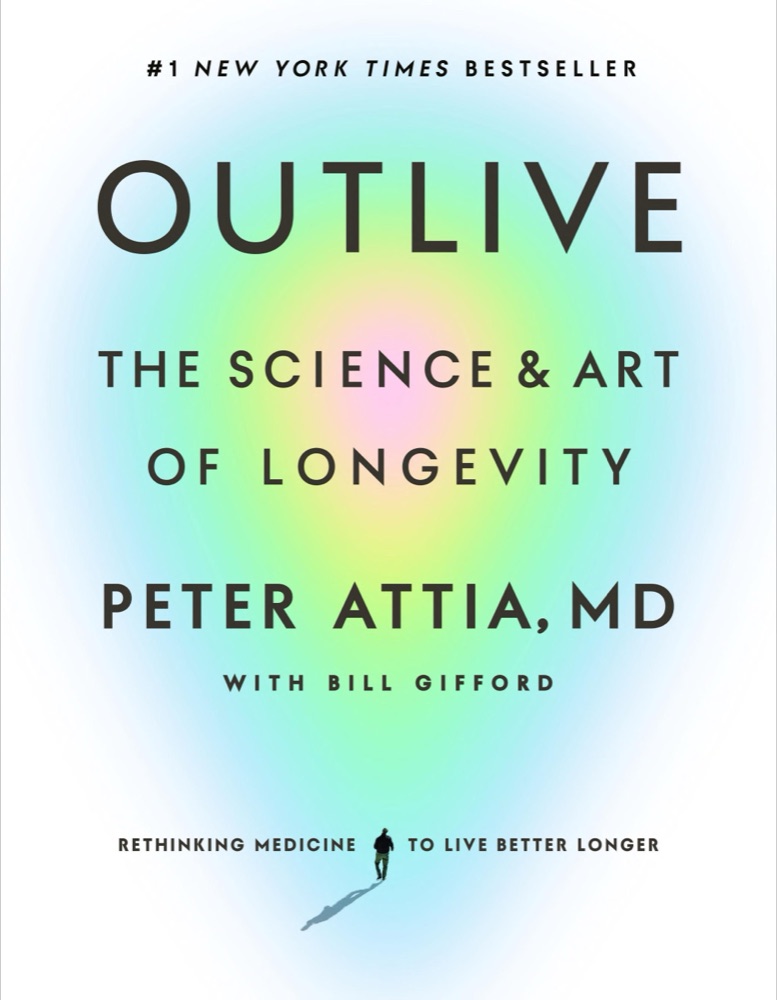 Outlive: The Science & Art of Longevity
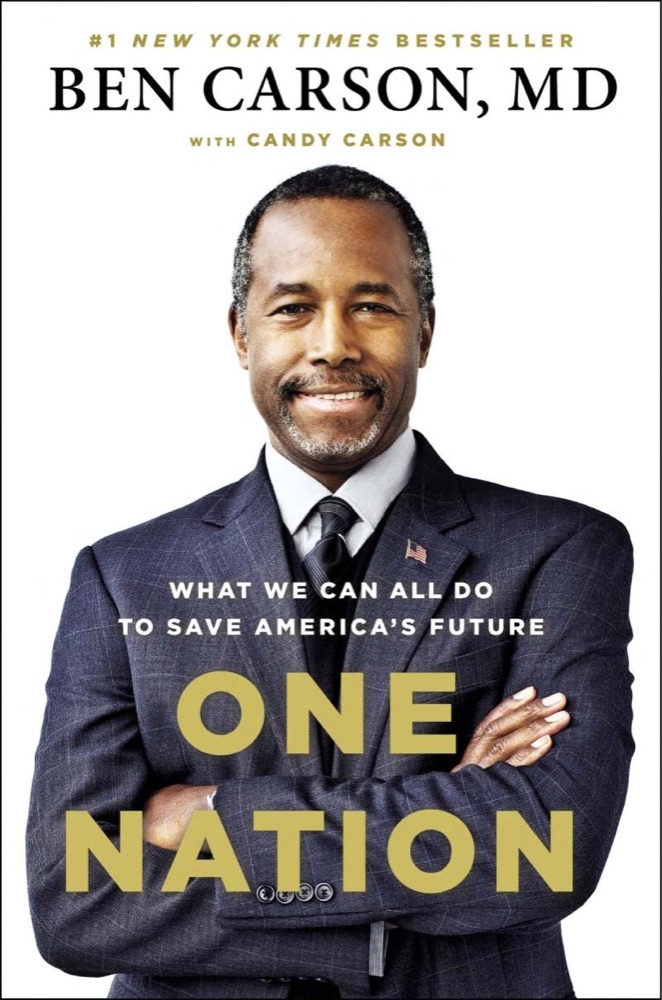 One Nation: What We Can All Do to Save America's Future
 Free to Choose: A Personal Statement
 Persist
 The View From Flyover Country: Essays by Sarah Kendzior
 No One Cares About Crazy People: The Chaos and Heartbreak of Mental Health in America
 The Spirit Level: Why More Equal Societies Almost Always Do Better
 A Higher Loyalty: Truth, Lies, and Leadership
 The Mandibles: A Family, 2029–2047
 Walden Two
 Ask Me About My Uterus: A Quest to Make Doctors Believe in Women's Pain
 Disability Visibility: First-Person Stories from the Twenty-first Century
 The Sleeping Beauties: And Other Stories of Mystery Illness