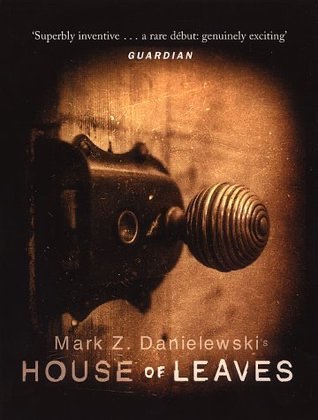

 Tom's Crossing
Quotes from the Book
Who has never killed an hour? Not casually or without thought, but carefully: a premeditated murder of minutes. The violence comes from a combination of giving up, not caring, and a resignation that getting past it is all you can hope to accomplish. So you kill the hour. You do not work, you do not read, you do not daydream. If you sleep it is not because you need to sleep. And when at last it is over, there is no evidence: no weapon, no blood, and no body. The only clue might be the shadows beneath your eyes or a terribly thin line near the corner of your mouth indicating something has been suffered, that in the privacy of your life you have lost something and the loss is too empty to share.
Passion has little to do with euphoria and everything to do with patience. It is not about feeling good. It is about endurance. Like patience, passion comes from the same Latin root: pati. It does not mean to flow with exuberance. It means to suffer.
This much I'm certain of: it doesn't happen immediately. You'll finish [the book] and that will be that, until a moment will come, maybe in a month, maybe a year, maybe even several years. You'll be sick or feeling troubled or deeply in love or quietly uncertain or even content for the first time in your life. It won't matter. Out of the blue, beyond any cause you can trace, you'll suddenly realize things are not how you perceived them to be at all. For some reason, you will no longer be the person you believed you once were. You'll detect slow and subtle shifts going on all around you, more importantly shifts in you. Worse, you'll realize it's always been shifting, like a shimmer of sorts, a vast shimmer, only dark like a room. But you won't understand why or how. You'll have forgotten what granted you this awareness in the first place ... You might try then, as I did, to find a sky so full of stars it will blind you again. Only no sky can blind you now. Even with all that iridescent magic up there, your eye will no longer linger on the light, it will no longer trace constellations. You'll care only about the darkness and you'll watch it for hours, for days, maybe even for years, trying in vain to believe you're some kind of indispensable, universe-appointed sentinel, as if just by looking you could actually keep it all at bay. It will get so bad you'll be afraid to look away, you'll be afraid to sleep. Then no matter where you are, in a crowded restaurant or on some desolate street or even in the comforts of your own home, you'll watch yourself dismantle every assurance you ever lived by. You'll stand aside as a great complexity intrudes, tearing apart, piece by piece, all of your carefully conceived denials, whether deliberate or unconscious. And then for better or worse you'll turn, unable to resist, though try to resist you still will, fighting with everything you've got not to face the thing you most dread, what is now, what will be, what has always come before, the creature you truly are, the creature we all are, buried in the nameless black of a name. And then the nightmares will begin.
Maturity, one discovers, has everything to do with the acceptance of ‘not knowing.
It may be the wrong decision, but fuck it, it's mine.
Little solace comes to those who grieve when thoughts keep drifting as walls keep shifting and this great blue world of ours seems a house of leaves moments before the wind.
We all create stories to protect ourselves.
You shall be my roots and I will be your shade, though the sun burns my leaves. You shall quench my thirst and I will feed you fruit, though time takes my seed. And when I'm lost and can tell nothing of this earth you will give me hope. And my voice you will always hear. And my hand you will always have. For I will shelter you. And I will comfort you. And even when we are nothing left, not even in death, I will remember you.
I still get nightmares. In fact, I get them so often I should be used to them by now. I'm not. No one ever really gets used to nightmares.
Scars are the paler pain of survival received unwillingly and displayed in the language of injury.
For some reason, you will no longer be the person you believed you once were. You'll detect slow and subtle shifts going on all around you, more importantly shifts in you. Worse, you'll realize it's always been shifting, like a shimmer of sorts, a vast shimmer, only dark like a room. But you won't understand why or how.
Sublime is something you choke on after a shot of tequila.
Losing the possibility of something is the exact same thing as losing hope and without hope nothing can survive.
I am not a fool. I am wise. I will run from my fear, I will outdistance my fear, then I will hide from my fear, I will wait for my fear, I will let my fear run past me, then I will follow my fear, I will track my fear until I can approach my fear in complete silence, then I will strike at my fear, I will charge my fear, I will grab hold of my fear, I will sink my fingers into my fear, then I will bite my fear, I will tear the throat of my fear, I will break the neck of my fear, I will drink the blood of my fear, I will gulp the flesh of my fear, I will crush the bones of my fear, and I will savor my fear, I will swallow my fear, all of it, and then I will digest my fear until I can do nothing else but shit out my fear. In this way I will be made stronger
Why did god create a dual universe? So he might say ‘Be not like me. I am alone.' And it might be heard.
I took my morning walk, I took my evening walk, I ate something, I thought about something, I wrote, I napped and dreamt something too, and with all that something, I still have nothing because so much of sum’thing has always been and always will be you. I miss you.
Prometheus, thief of light, giver of light, bound by the gods, must have been a book.
What miracle is this? This giant tree. It stands ten thousand feet high But doesn't reach the ground. Still it stands. Its roots must hold the sky.
Love of love written by the broken hearted, love of life written by the dead.
Some people reflect light, some deflect it, you by some miracle, seem to collect it.
Here then at long last is my darkness. No cry of light, no glimmer, not even the faintest shard of hope to break free across the hold.
What can I say, I'm a sucker for abandoned stuff, misplaced stuff, forgotten stuff, any old stuff which despite the light of progress and all that, still vanishes every day like shadows at noon, goings unheralded, passings unmourned, well, you get the drift. As a counselor once told me -a counselor for Disaffected Yought, I might add: "You like that crap because it reminds you of you." Couldn't of said it better or put it more bluntly. Don't even disagree with it either.
And where there is no Echo there is no description of space or love. There is only silence.
No one ever really gets used to nightmares.
The ruminations are mine, let the world be yours.
You'll be sick or feeling troubled or deeply in love or quietly uncertain or even content for the first time in your life. It won't matter. Out of the blue, beyond any cause you can trace, you'll suddenly realize things are not how you perceived them to be at all. For some reason, you will no longer be the person you believed you once were. You'll detect slow and subtle shifts going on all around you, more importantly shifts in you. Worse, you'll realize it's always been shifting, like a shimmer of sorts, a vast shimmer, only dark like a room. But you won't understand why or how.
The greatest of love letters are always coded for the one and not the many.
By now you've probably noticed that except when safely contained by quotes, Zampanò always steers clear of such questionable four-letter language. This instance in particular proves that beneath all that cool psuedo-academic hogwash lurked a very passionate man who knew how important it was to say "fuck" now and then, and say it loud too, relish its syllabic sweetness, its immigrant pride, a great American epic word really, starting at the lower lip, often the very front of the lower lip, before racing all the way to the back of the throat, where it finishes with a great blast, the concussive force of the K catching up then with the hush of the F already on its way, thus loading it with plenty of offense and edge and certainly ambiguity. FUCK. A great by-the-bootstrap prayer or curse if you prefer, depending on how you look at it, or use it, suited perfectly for hurling at the skies or at the world, or sometimes, if said just right, for uttering with enough love and fire, the woman beside you melts inside herself, immersed in all that word-heat.
Did you know?
- The word "house" is printed in blue throughout the book.
- Author Mark Z. Danielewski personally handled the novel's typesetting in QuarkXPress at Pantheon's offices.
- The companion album Haunted (2000) was recorded by Danielewski's sister, the musician Poe.
- The novel circulated in parts online before its official print publication and built an early cult following.
- Some pages contain only a few words and must be turned or rotated to be read.
About Mark Z. Danielewski
Mark Z. Danielewski is an American novelist born in 1966, best known for his experimental debut House of Leaves (2000). He began the project after learning his father was dying, working on it for about ten years while supporting himself in jobs such as tutor and barista, and personally oversaw the book's intricate typesetting.
More about the author →More by Mark Z. Danielewski
Tom's Crossing
About the book
House of Leaves is the debut novel of Mark Z. Danielewski, published in 2000. At its core is a fictional documentary called The Navidson Record, in which photojournalist Will Navidson and his family discover that their new home is inexplicably larger on the inside than on the outside. A dark hallway appears where none should exist, opening onto a vast, shifting labyrinth with an endless descending staircase. This account survives only as an unfinished manuscript by a dead blind man named Zampano, which is in turn discovered, edited, and annotated by a troubled young tattoo-parlor apprentice named Johnny Truant, whose own unraveling life spills into the footnotes.
House of Leaves is celebrated as a landmark of postmodern metafiction and so-called ergodic literature, in which the physical act of reading becomes part of the experience. The text uses nested footnotes, multiple narrators in distinct typefaces, colored words, mirrored and fragmented page layouts, and passages that must be rotated or read across near-empty pages. These devices make the book's structure echo the maze it describes, blurring the lines between the house, the manuscript, and the reader's own navigation of the page.
The novel explores themes of space, absence, love, obsession, memory, and the instability of narrative truth, filtered through layers of unreliable narration. Written over roughly a decade, it became a word-of-mouth cult phenomenon that helped define a wave of experimental fiction in the 2000s. Its companion album Haunted, by Danielewski's sister, the musician Poe, was released the same year and shares cross-references with the book, extending its world beyond the page.
Key characters
- Johnny TruantTattoo-parlor apprentice who finds and annotates Zampano's manuscript
- ZampanoDeceased blind man whose scholarly manuscript on The Navidson Record forms the core text
- Will NavidsonPhotojournalist whose family films the impossible house
- Karen GreenNavidson's partner, a former fashion model
- Holloway RobertsProfessional explorer who leads an expedition into the labyrinth
Book details
- First published
- 2000
- Length
- 709 pages
- Reading time
- 11 hours
- Author
- Mark Z. Danielewski
- Genre
- Fiction
- Goodreads rating
- 4.09 (209k ratings) →
If you liked this, read…
- 1Infinite JestAnother sprawling, footnote-heavy postmodern novel that rewards obsessive reading
- 2S. by J.J. Abrams and Doug DorstA novel built from annotations and marginalia within a found manuscript
- 3The Raw Shark TextsExperimental typography and a mind-bending, self-referential structure
Keep reading
 Kafka on the Shore
 Pandemonium
 Requiem
 Lighthousekeeping
 The Blind Assassin
 Cloud Atlas
 The Secret History
 Nutshell
 A Tale of Love and Darkness
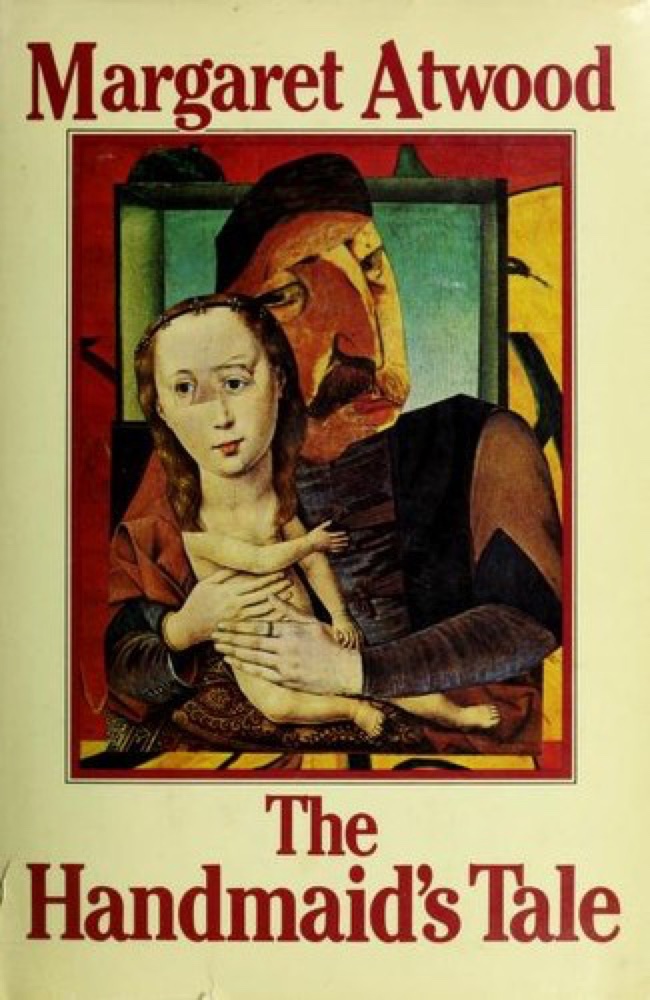 The Handmaid's Tale
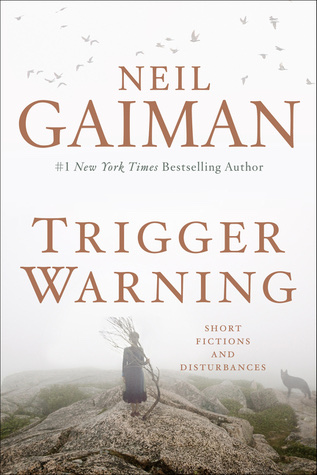 Trigger Warning: Short Fictions and Disturbances
 1Q84
1Q84
 Invisibility
 The Dream of Perpetual Motion
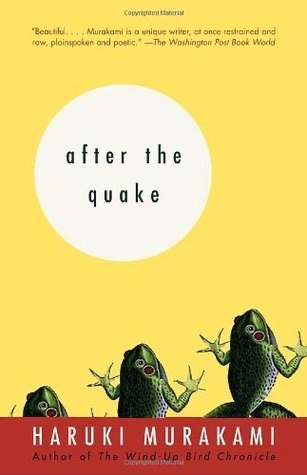 After the Quake
 Betting on the Muse: Poems & Stories
 Sexing the Cherry
 Goodbye Days
 Life After Death
 The Fault in Our Stars
 The Angel's Game
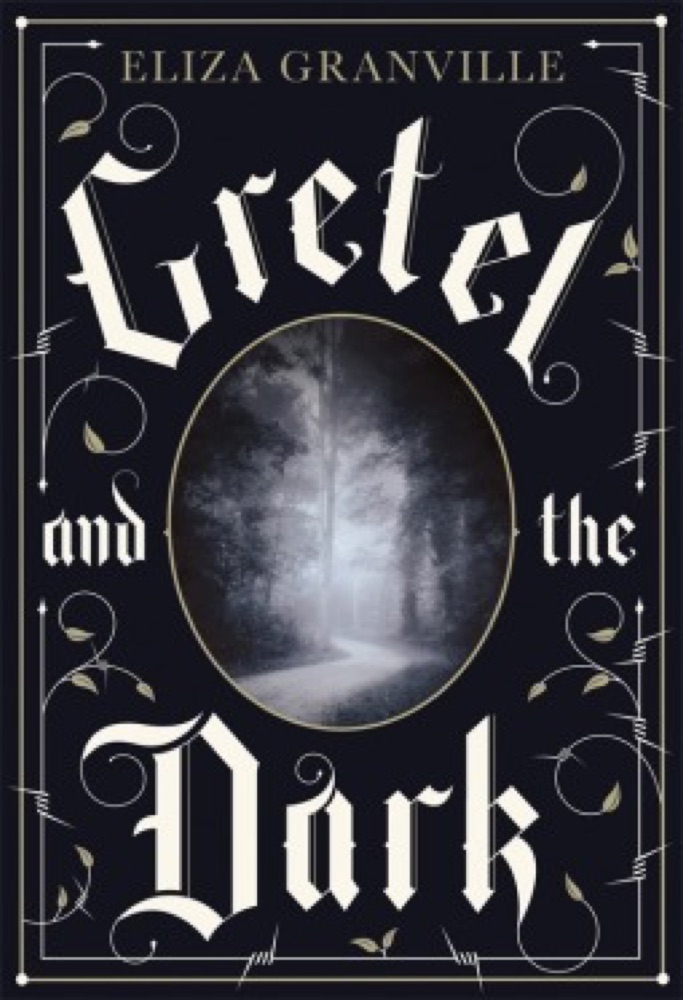 Gretel and the Dark
 Embers
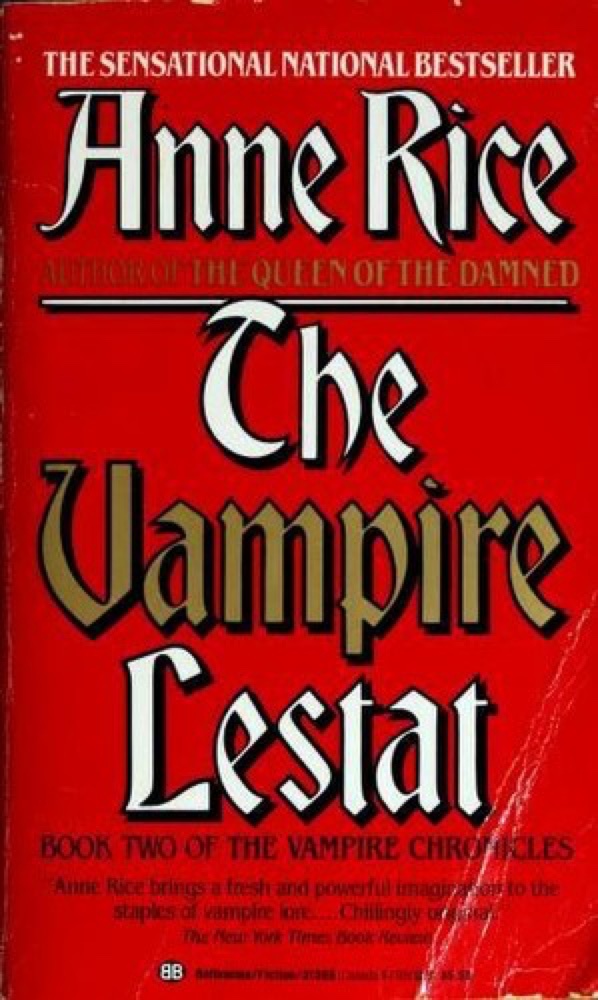 The Vampire Lestat
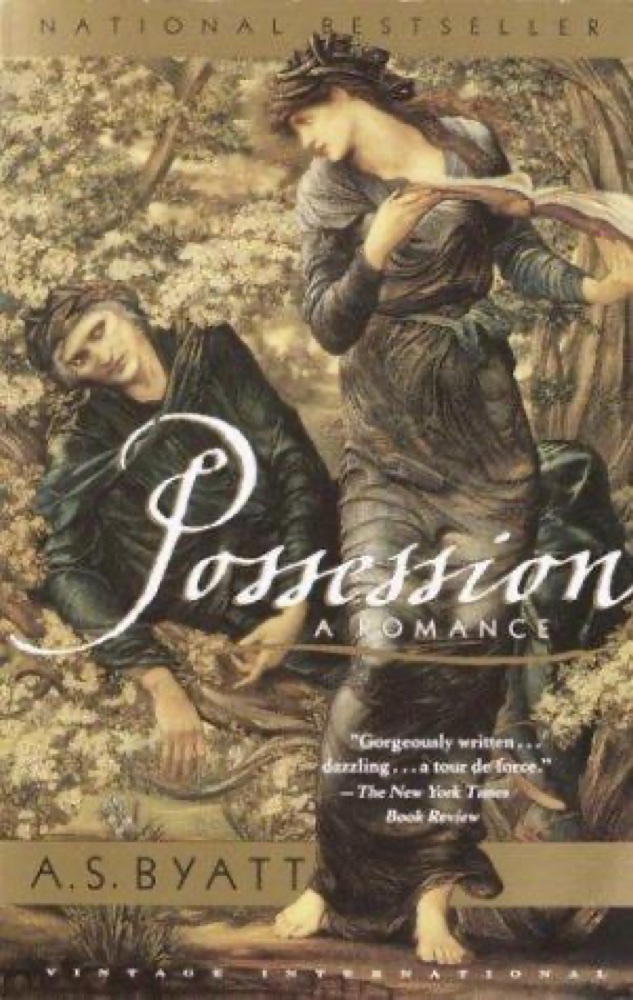 Possession
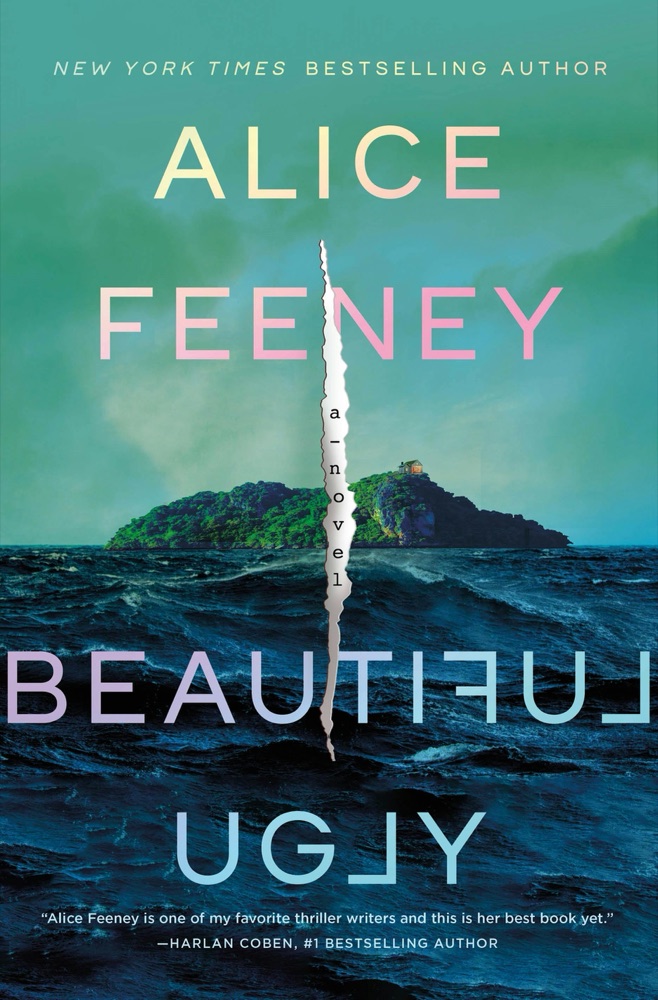 Beautiful Ugly
 The Burning World
 The Graveyard Book
 Tropic of Cancer
 Infinite Jest
 The Poisonwood Bible
 Housekeeping
 The Enchanted
 The Magus
 Marrow
 The Name of the Wind
 The Pale King
 The Stone Gods
 Acceptance
 The Dog Stars
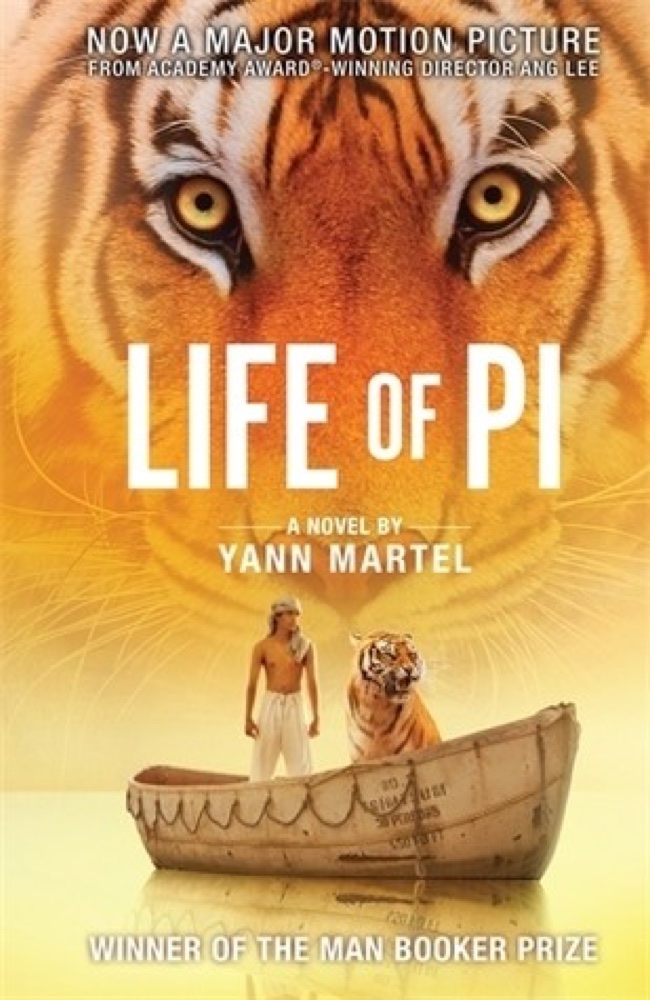 Life of Pi
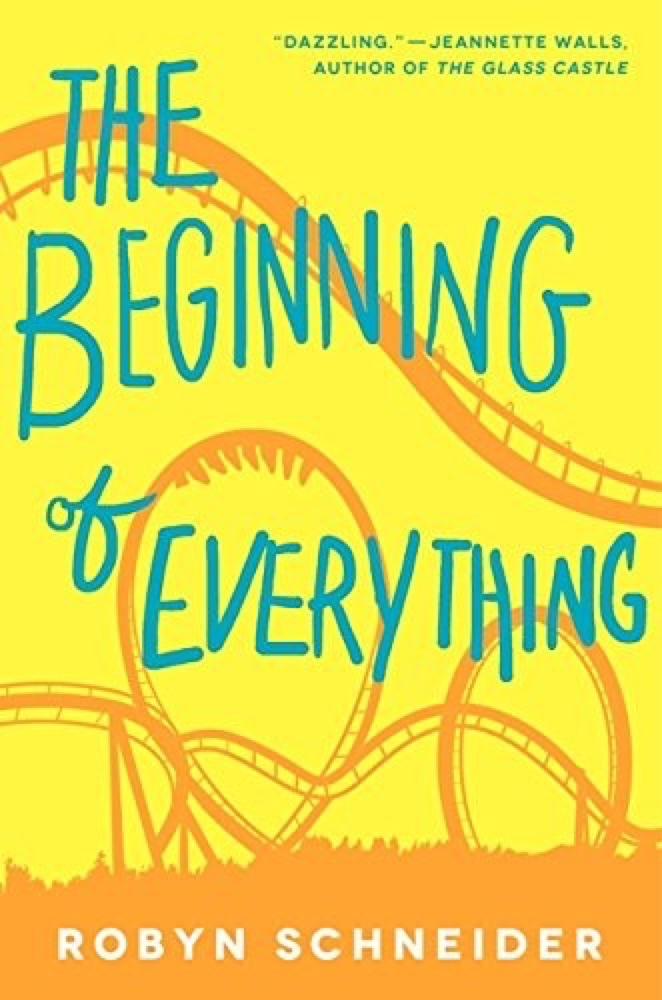 The Beginning of Everything
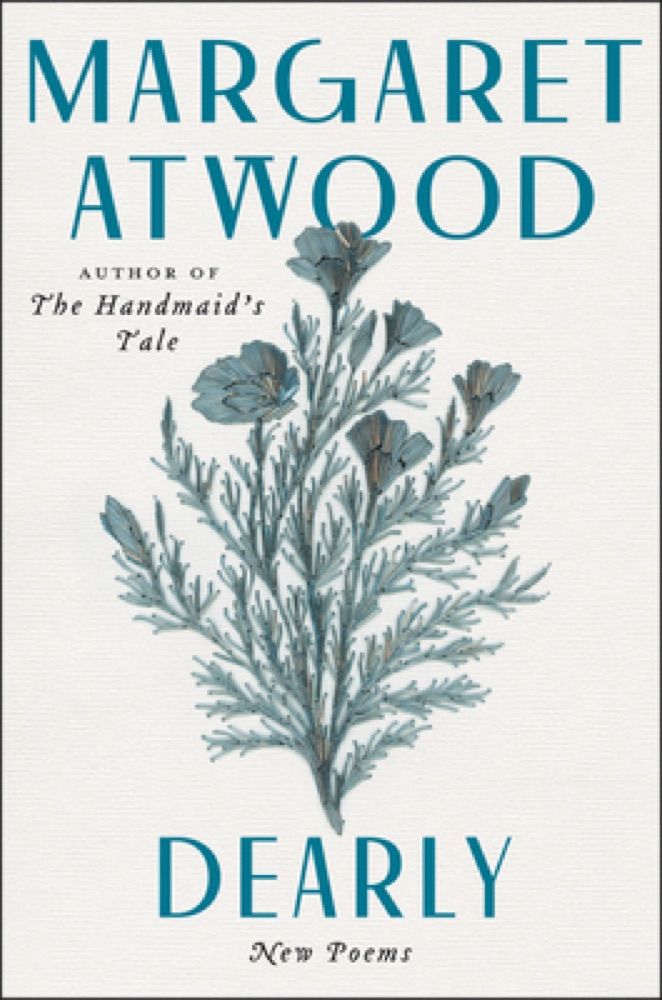 Dearly
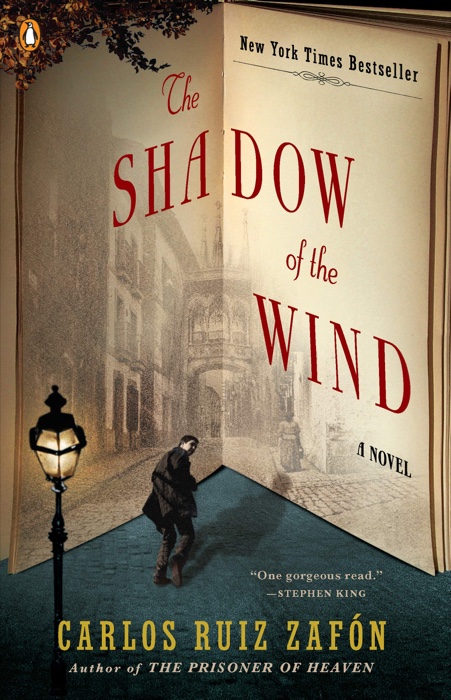 The Shadow of the Wind
 Delirium
 Absalom, Absalom!
 S.
S.
 Light Years
 The Shock of the Fall
 What Matters Most is How Well You Walk Through the Fire
 Ilustrado
 Watchmen
 Three Comrades
 Everything Is Illuminated
 Millennium Approaches
 The Book of Dreams
 The Invisible Life of Addie LaRue
 M Train
 A Million Little Pieces
 I Fell in Love With Hope