
 Ragnarok
Quotes from the Book
I cannot let you burn me up, nor can I resist you. No mere human can stand in a fire and not be consumed.
No mere human can stand in a fire and not be consumed.
They took to silence. They touched each other without comment and without progression. A hand on a hand, a clothed arm, resting on an arm. An ankle overlapping an ankle, as they sat on a beach, and not removed. One night they fell asleep, side by side... He slept curled against her back, a dark comma against her pale elegant phrase.
My Solitude is my Treasure, the best thing I have. I hesitate to go out. If you opened the little gate, I would not hop away—but oh how I sing in my gold cage.
What is it my dear?" Ah, how can we bear it?" Bear what?" This. For so short a time. How can we sleep this time away?" We can be quiet together, and pretend - since it is only the beginning - that we have all the time in the world." And every day we shall have less. And then none." Would you rather, therefore, have had nothing at all?" No. This is where I have always been coming to. Since my time began. And when I go away from here, this will be the mid-point, to which everything ran, before, and from which everything will run. But now, my love, we are here, we are now, and those other times are running elsewhere.
Only write to me, write to me, I love to see the hop and skip and sudden starts of your ink.
There are things that happen and leave no discernible trace, are not spoken or written of, though it would be very wrong to say that subsequent events go on indifferently, all the same, as though such things had never been.
I am a creature of my pen. My pen is the best of me.
Mine the long night The secret place Where lovers meet In long embrace In purple dark In silvered kiss Forget the world And grasp your bliss
An odd phrase, "by heart," he would add, as though poems were stored in the bloodstream.
Think of this - that the writer wrote alone, and the reader read alone, and they were alone with each other.
He knew her, he believed. He would teach her that she was not his possession, he would show her she was free, he would see her flash her wings.
That is human nature, that people come after you, willingly enough, provided only that you no longer love or want them.
Now and then there are readings that make the hairs on the neck, the non-existent pelt, stand on end and tremble, when every word burns and shines hard and clear and infinite and exact, like stones of fire, like points of stars in the dark—readings when the knowledge that we shall know the writing differently or better or satisfactorily, runs ahead of any capacity to say what we know, or how. In these readings, a sense that the text has appeared to be wholly new, never before seen, is followed, almost immediately, by the sense that it was always there, that we the readers, knew it was always there, and have always known it was as it was, though we have now for the first time recognised, become fully cognisant of, our knowledge.
…words have been all my life, all my life--this need is like the Spider's need who carries before her a huge Burden of Silk which she must spin out--the silk is her life, her home, her safety--her food and drink too--and if it is attacked or pulled down, why, what can she do but make more, spin afresh, design anew….
Coherence and closure are deep human desires that are presently unfashionable. But they are always both frightening and enchantingly desirable. "Falling in love," characteristically, combs the appearances of the word, and of the particular lover's history, out of a random tangle and into a coherent plot.
I cannot bear not to know the end of a tale. I will read the most trivial things – once commenced – only out of a feverish greed to be able to swallow the ending – sweet or sour – and to be done with what I need never have embarked on. Are you in my case? Or are you a more discriminating reader? Do you lay aside the unprofitable?
The individual appears for an instant, joins the community of thought, modifies it and dies; but the species, that dies not, reaps the fruit of his ephemeral existence.
We must come to grief and regret anyway - and I for one would rather regret the reality than its phantasm, knowledge than hope, the deed than the hesitation, true life and not mere sickly potentialities.
For my true thoughts have spent more time in your company than in anyone else's, these last two or three months, and where my thoughts are, there am I, in truth".
Independent women must expect more of themselves, since neither men nor other more conventionally domesticated women will hope for anything, or expect any result other than utter failure.
How true it was that one needed to be seen by others to be sure of one's own existence.
This is where I have always been coming to. Since my time began. And when I go away from here, this will be the mid-point, to which everything ran, before, and from which everything will run. But now, my love, we are here, we are now, and those other times are running elsewhere.
Things had changed between them nevertheless. They were children of a time and culture which mistrusted love, 'in love', romantic love, romance in toto, and which nevertheless in revenge proliferated sexual language, linguistic sexuality, analysis, dissection, deconstruction, exposure. They were theoretically knowing: they knew about phallocracy and penisneid, punctuation, puncturing and penetration, about polymorphous and polysemous perversity, orality, good and bad breasts, clitoral tumescence, vesicle persecution, the fluids, the solids, the metaphors for these, the systems of desire and damage, infantile greed and oppression and transgression, the iconography of the cervix and the imagery of the expanding and contracting Body, desired, attacked, consumed, feared.
A beautiful woman, Simone Weil said, seeing herself in the mirror, knows "This is I." An ugly woman knows with equal certainty, "This is not I." Maud knew this neat division represented an over-simplification. The doll-mask she saw had nothing to do with her, nothing.
We two remake our world by naming it / Together, knowing what words mean for us / And for the other for whom current coin / Is cold speech--but we say, the tree, the pool, / And see the fire in the air, the sun, our sun, / Anybody's sun, the world's sun, but here, now / Particularly our sun....
All these are true and none. The place is there Is what we name it, and is not. It is.
Above his head at street level, he saw an angled aileron of a scarlet Porsche, its jaunty fin more or less at the upper edge of his window frame. A pair of very soft, clean glistening black shoes appeared, followed by impeccably creased matt charcoal pinstriped light woollen legs, followed by the beautifully cut lower hem of a jacket, its black vent revealing a scarlet silk lining, its open front revealing a flat muscular stomach under a finely-striped red and white shirt. Val’s legs followed, in powder-blue stockings and saxe-blue shoes, under the limp hem of a crêpey mustard-coloured dress, printed with blue moony flowers. The four feet advanced and retreated, retreated and advanced, the male feet insisting towards the basement stairs, the female feet resisting, parrying. Roland opened the door and went into the area, fired mostly by what always got him, pure curiosity as to what the top half looked like.
He hesitated. “They were what stayed alive, when I’d been taught and examined everything else.” Maud smiled then. “Exactly. That’s it. What could survive our education.
Watch on YouTube
About A.S. Byatt
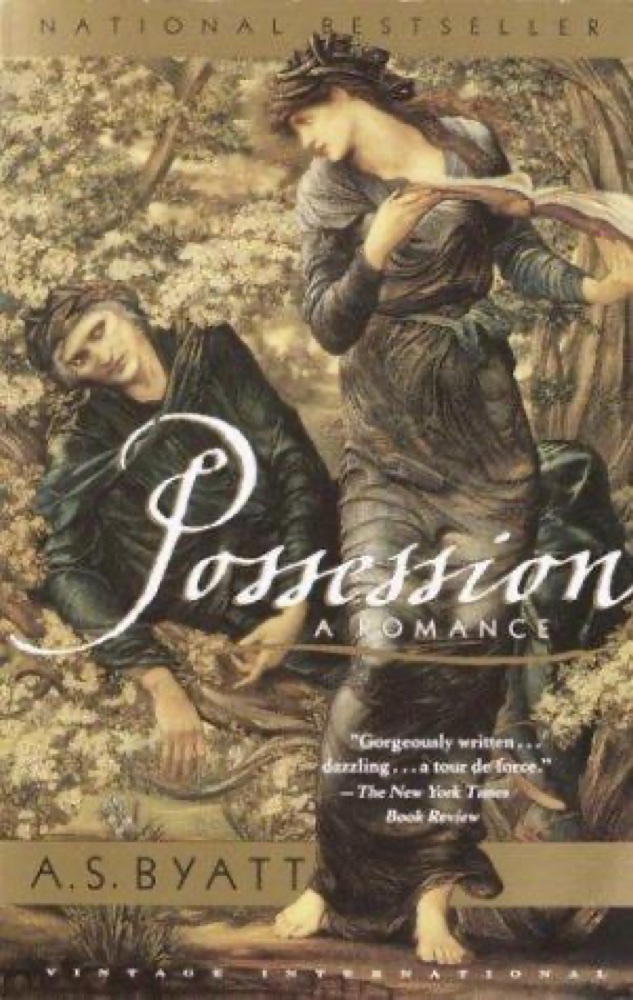
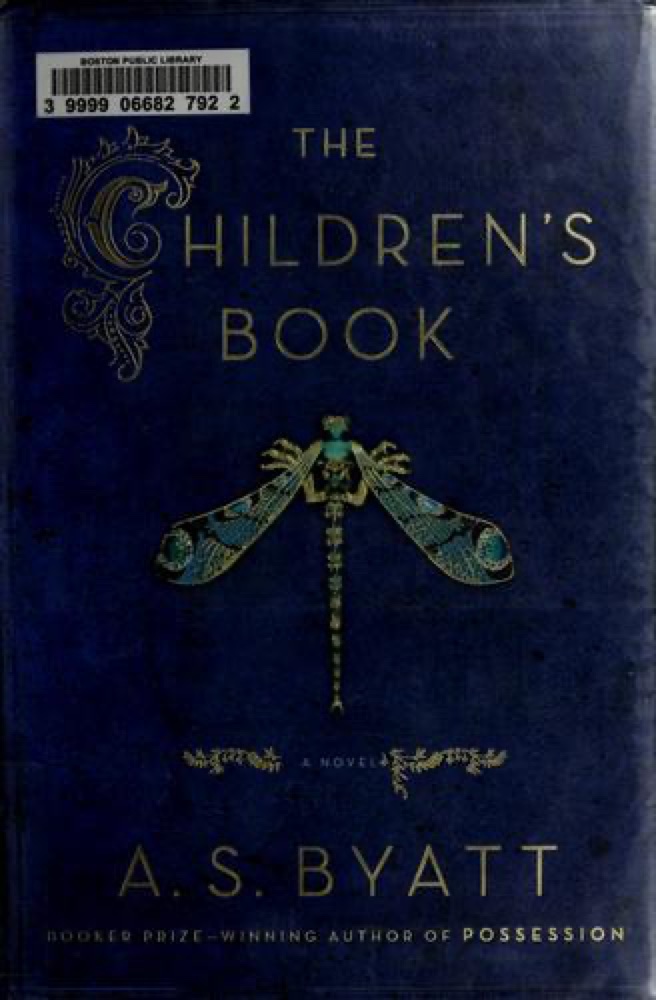
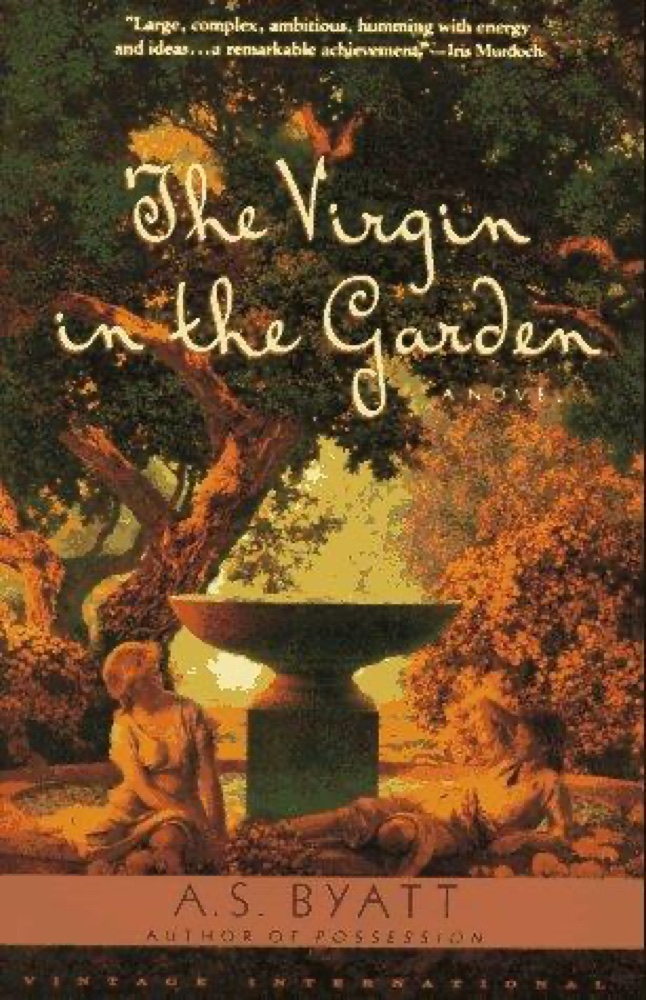
We have collected 89 quotes from 6 books by A.S. Byatt on BookQuoters.
More about the author →More by A.S. Byatt
All books by A.S. Byatt →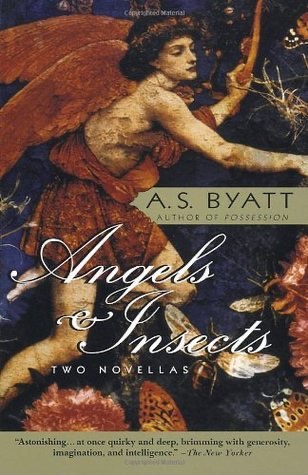
Book details
- Author
- A.S. Byatt
- Genre
- Classics
- Goodreads rating
- 3.90 (86k ratings) →
Keep reading
 Embers
 Atonement
 The Complete Poems of Emily Dickinson
 Women in Love
 Sexing the Cherry
 Sexus
Sexus
 Beloved
 Palimpsest
 Orlando
 House of Leaves
 Light Years
 The English Patient
 Sword & Citadel
 Monday or Tuesday
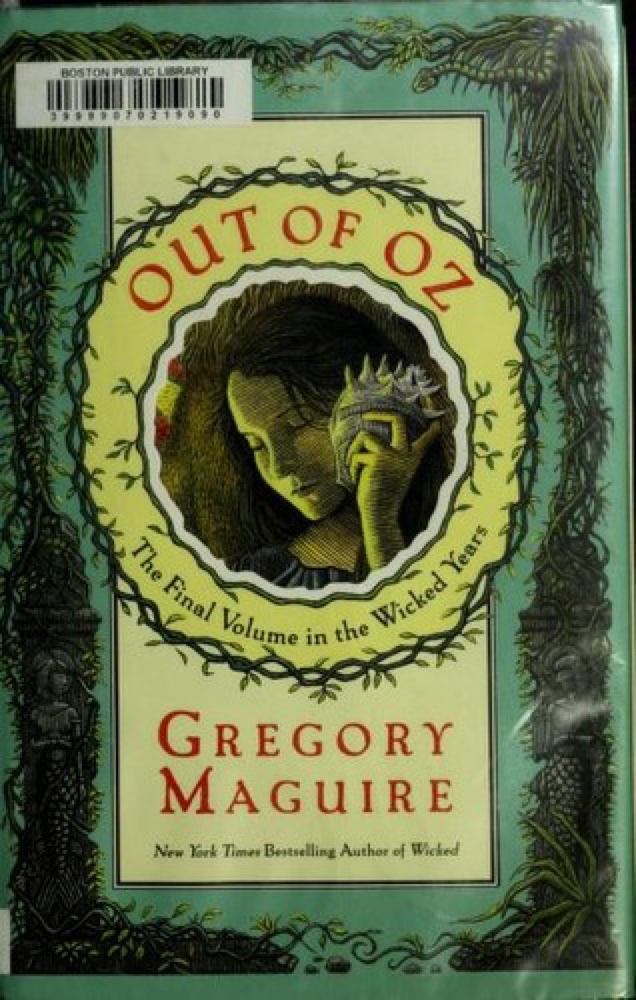 Out of Oz
 S.
S.
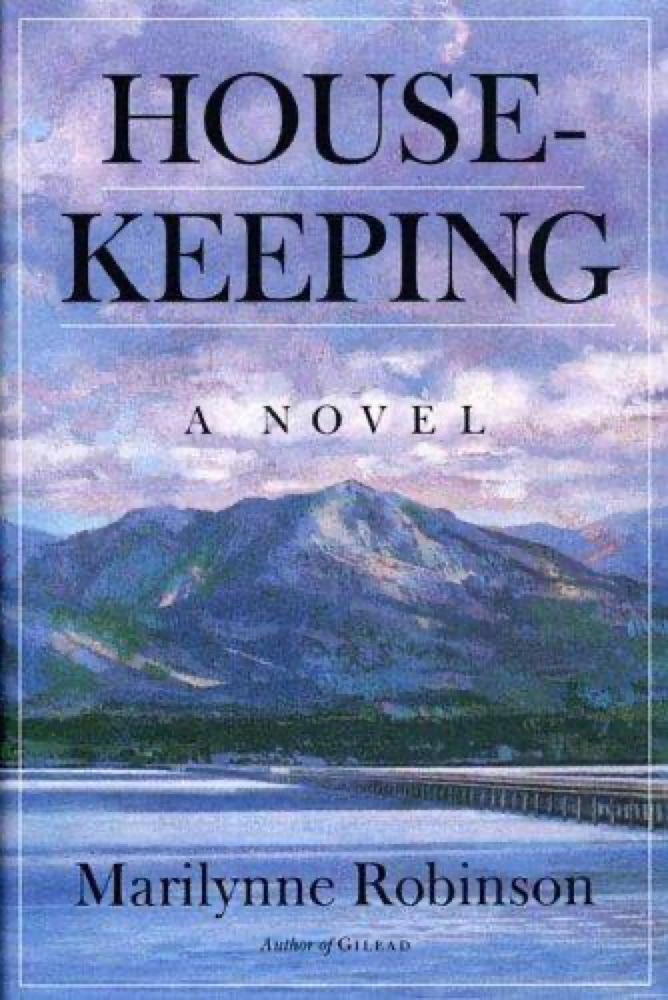 Housekeeping
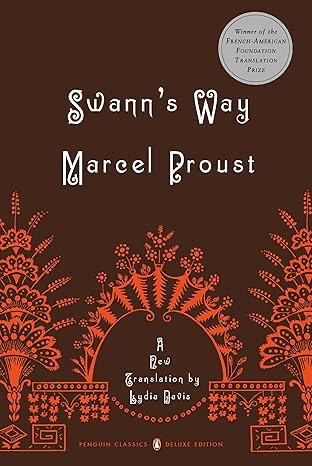 Swann's Way
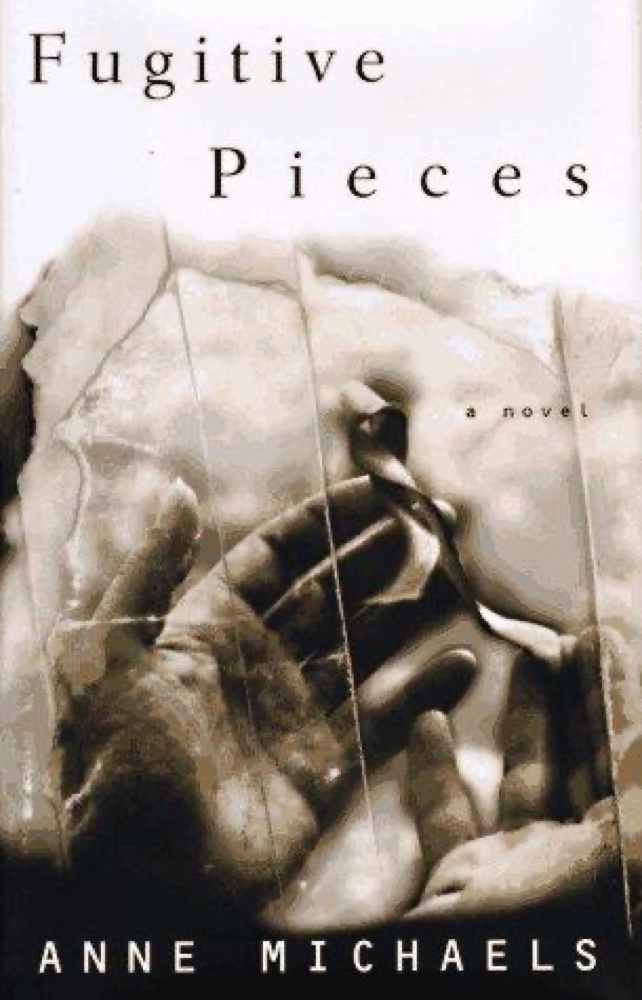 Fugitive Pieces
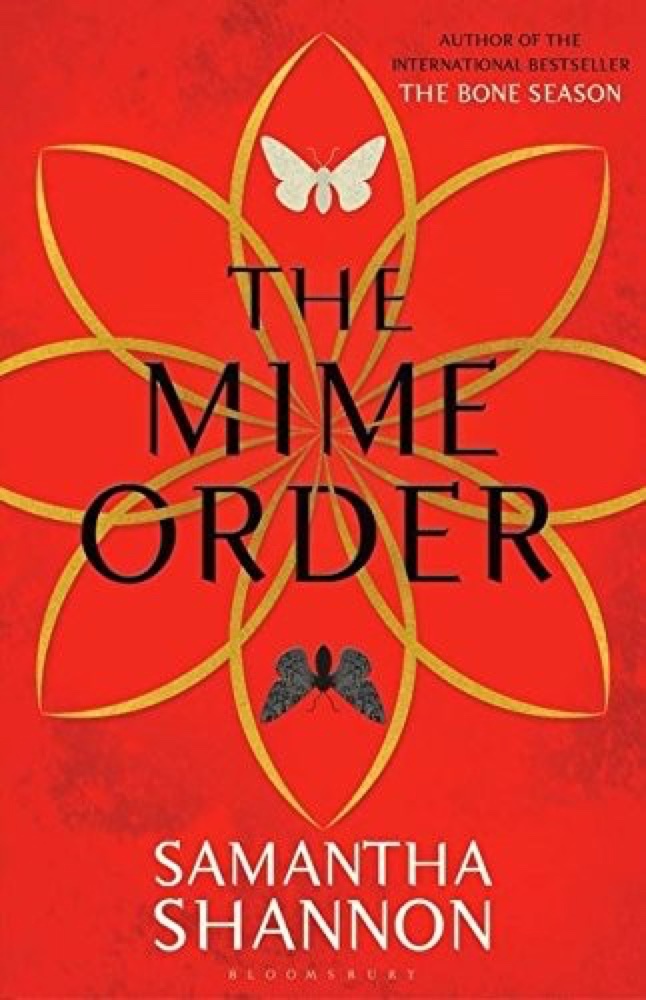 The Mime Order
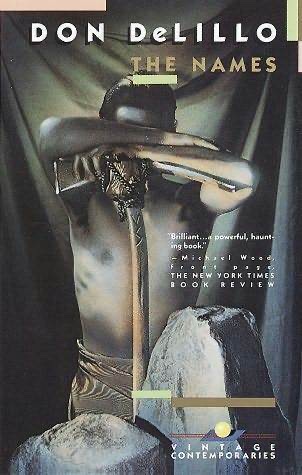 The Names
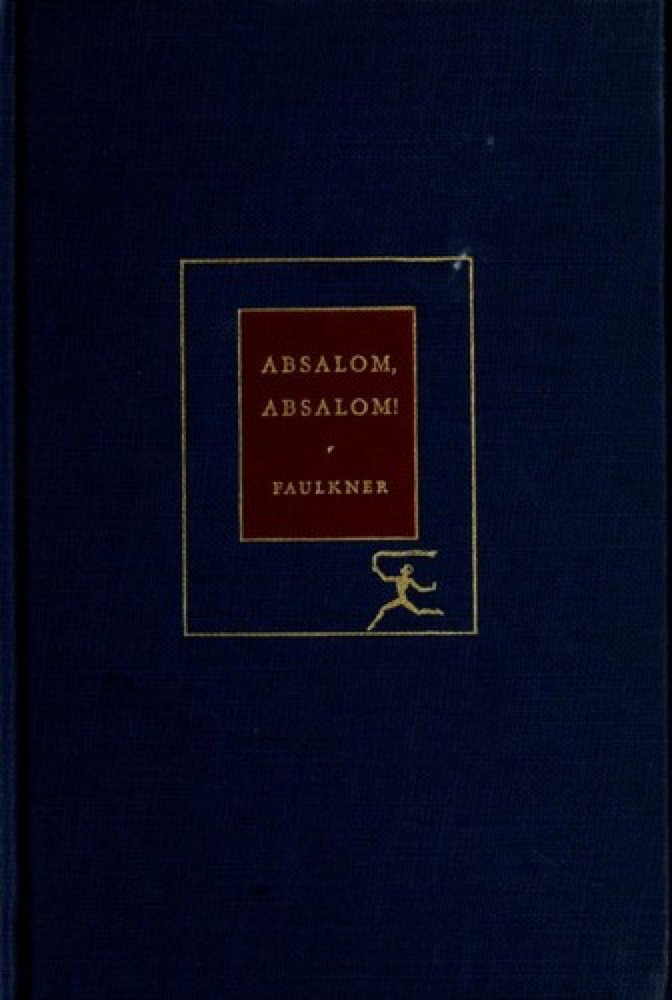 Absalom, Absalom!
 The Signature of All Things
 Divisadero
 Daniel Deronda
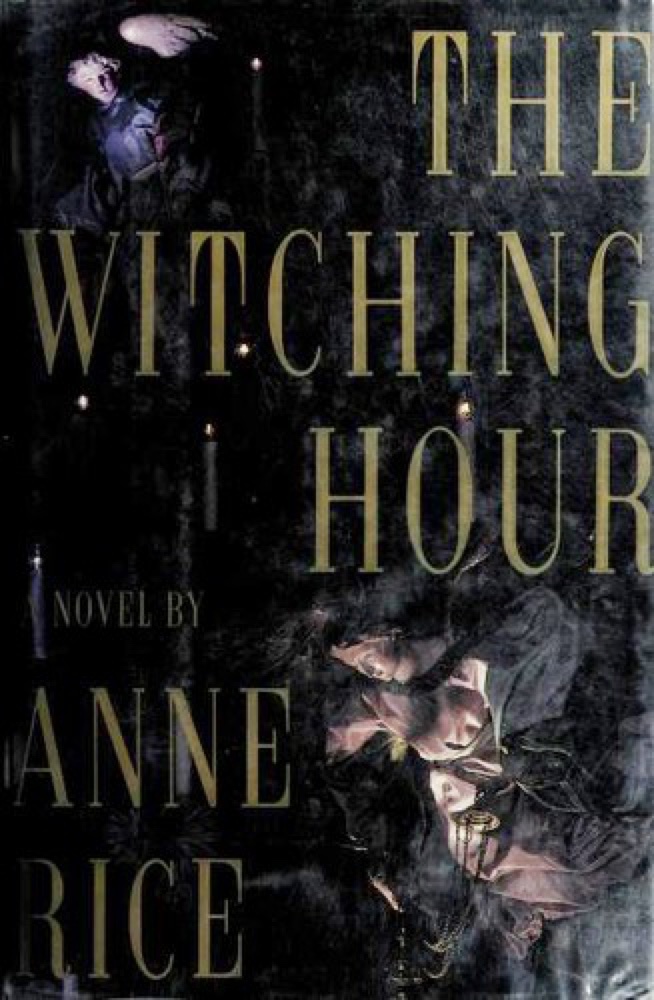 The Witching Hour
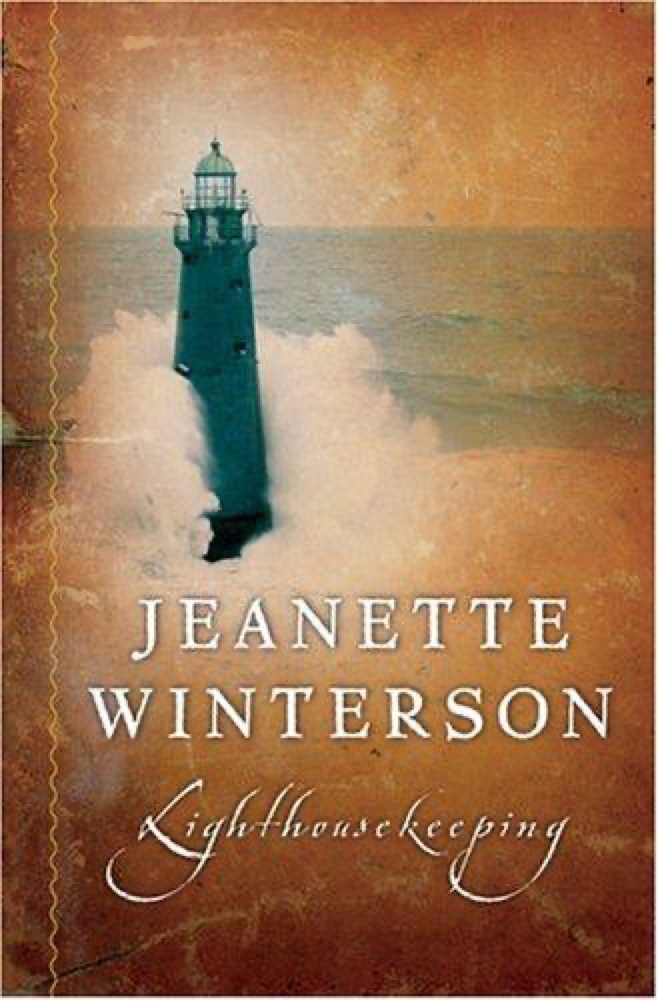 Lighthousekeeping
 Lord Jim
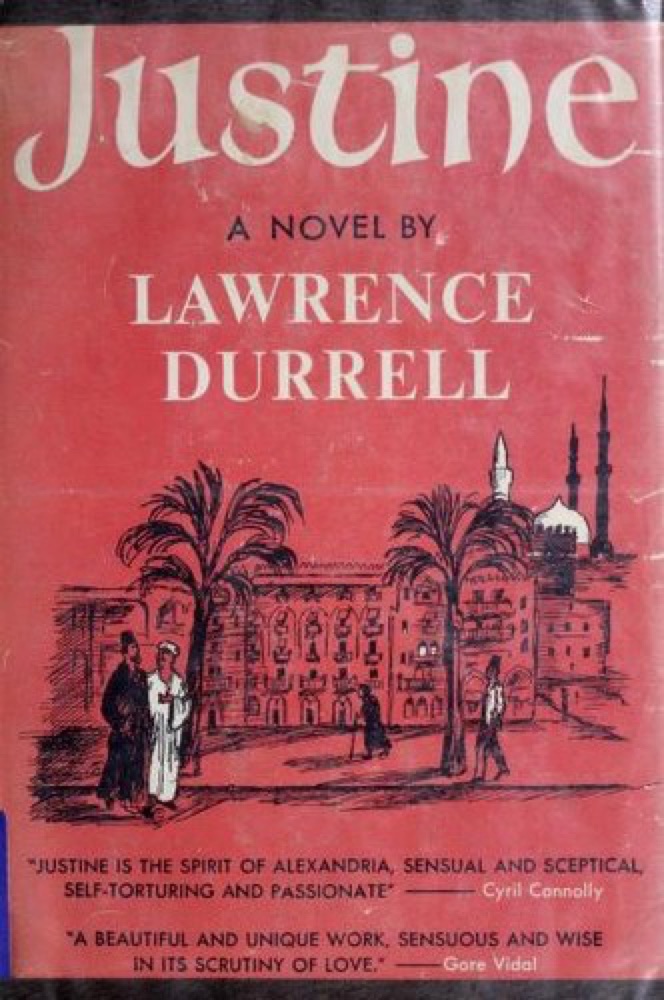 Justine
 The Dream of Perpetual Motion
 What I Loved
 We
We
 Alone With You in the Ether
 Rebecca
 Plainwater: Essays and Poetry
 The Blind Assassin
 Prince Lestat
 Crossed
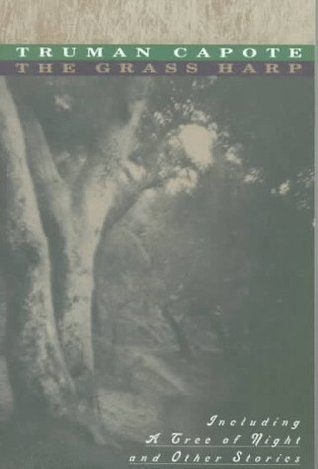 The Grass Harp, Including A Tree of Night and Other Stories
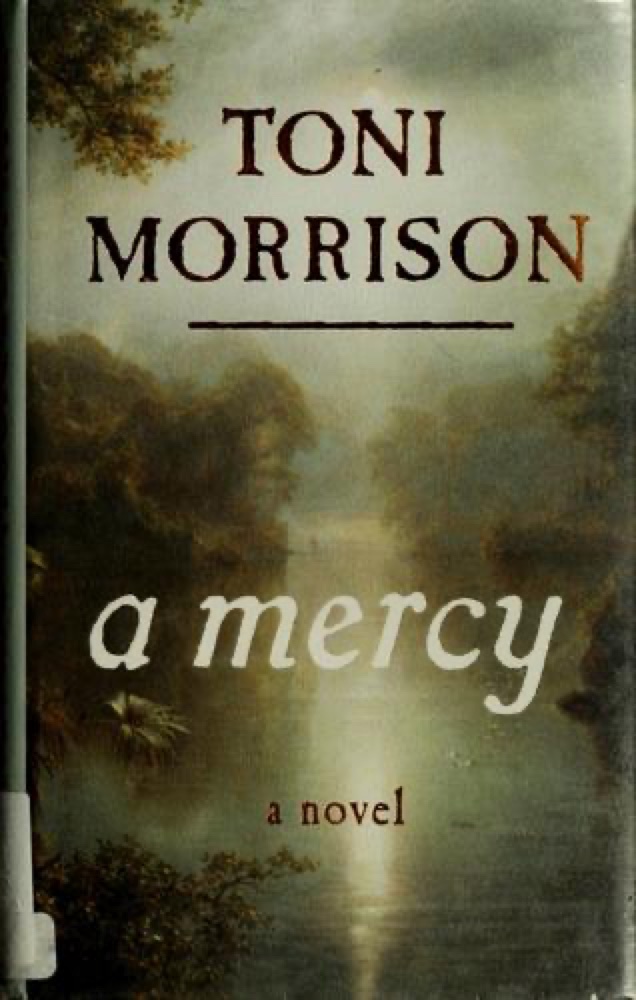 A Mercy
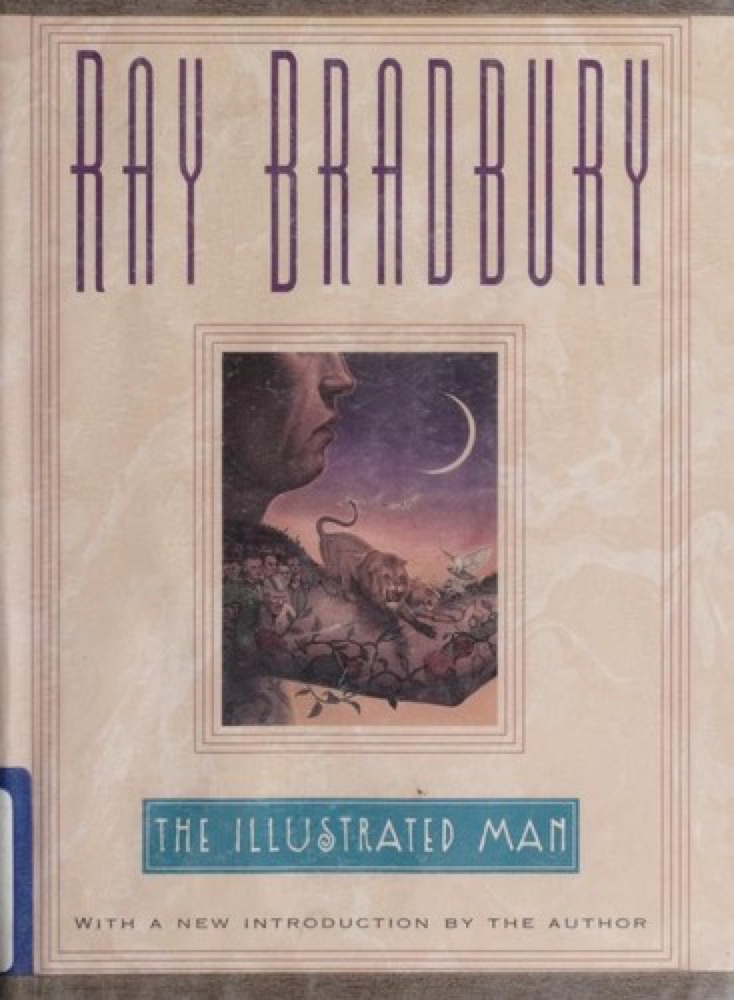 The Illustrated Man
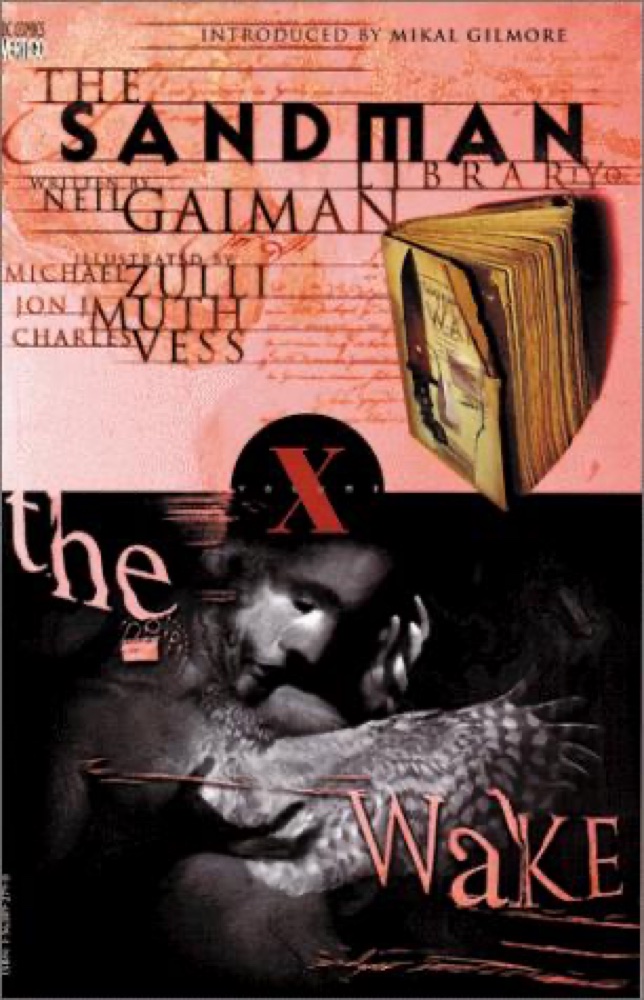 The Wake
 Faust
Faust
 His Dark Materials
 The Recognitions
 The Magus
 My Friends
 Angle of Repose
 The Story of the Lost Child
 The Death of the Heart
 The Lover
 The Secret History
 Shadow & Claw
 A Tale of Love and Darkness
 Imajica
 Nightwood
 Underworld
 Dearly
 Brideshead Revisited: The Sacred and Profane Memories of Captain Charles Ryder
 Mao II