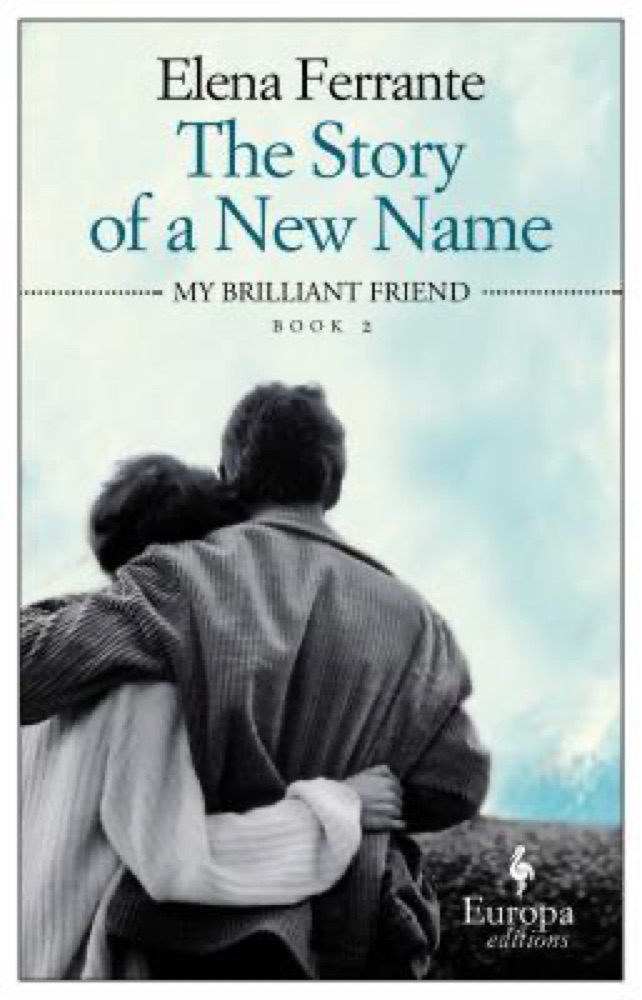
 The Story of a New Name
Quotes from the Book
In what disorder we lived, how many fragments of ourselves were scattered, as if to live were to explode into splinters.
Unlike stories, real life, when it has passed, inclines toward obscurity, not clarity.
Every intense relationship between human beings is full of traps, and if you want it to endure you have to learn to avoid them. I did so then, and finally it seemed that I had only come up against yet another proof of how splendid and shadowy our friendship was, how long and complicated Lila’s suffering had been, how it still endured and would endure forever.
To write, you have to want something to survive you.
As for infidelities, he said, if you don’t find out about them at the right moment they’re of no use: when you’re in love you forgive everything. For infidelities to have their real impact some lovelessness has to develop first. And he went on like that, piling up painful remarks about the blindness of people in love.
I soon discovered that I was getting used to being happy and unhappy at the same time, as if that were the new, inevitable law of my life.
No, to produce ideas you don't have to be a saint. And anyway there are very few true intellectuals. The mass of the educated spend their lives commenting lazily on the ideas of others. They engage their best energies in sadistic practices against every possible rival.
the laws work for those who fear them, not for those who violate them.
Where is it written that lives should have a meaning?
It's only and always the two of us who are involved, she who wants me to give her what nature and circumstances kept, I who can't give what she demands; she who gets angry at my inadequacy and out of spite wants to reduce me to nothing, as she has done with herself, I who have written for months and months to give her a form whose boundaries won't dissolve, and defeat her, and calm her, and so in turn, calm myself.
They were complicated years. The order of the world in which we had grown up was dissolving. The old skills resulting from long study and knowledge of the correct political line suddenly seemed senseless. Anarchist, Marxist, Gramscian, Communist, Leninist, Trotskyite, Maoist, worker were quickly becoming obsolete labels or, worse, a mark of brutality. The exploitation of man by man and the logic of maximum profit, which before had been considered an abomination, had returned to become the linchpins of freedom and democracy everywhere. Meanwhile, by means legal and illegal, all the accounts that remained open in the state and in the revolutionary organizations were being closed with a heavy hand. One might easily end up murdered or in jail, and among the common people a stampede had begun.
She possessed intelligence and didn't put it to use but, rather, wasted it, like a great lady for whom all the riches of the world are merely a sign of vulgarity. That was the fact that must have beguiled Nino: the gratuitousness of Lila's intelligence.
The depressed don’t write books. People who are happy write, people who travel, are in love, and talk and talk with the conviction that, one way or another, their words always go to the right place.” “Isn’t that how it is?” No, words rarely go to the right place, and if they do, it’s only for a very brief time. Otherwise they’re useful for speaking nonsense, as now. Or for pretending that everything is under control.
In the wealthier countries a mediocrity that hides the horrors of the rest of the world has prevailed.
I’m laughing, I apologized, at the situation, at you, who’ve wanted to kill Nino forever, and at me, who if he showed up now would say to you: Yes, kill him. I’m laughing out of despair, because I’ve never been so offended, because I feel humiliated in a way that I don’t know if you can imagine, because at this moment I’m so ill that I think I’m fainting.
What a waste it would be, I said to myself, to ruin our story by leaving too much space for ill feelings: ill feelings are inevitable, but the essential thing is to keep them in check.
I was so afraid that I thought I was sick. But was I sick? Did I really have a murmur in my heart? No. The only problem has always been the disquiet of my mind. I can’t stop it, I always have to do, redo, cover, uncover, reinforce, and then suddenly undo, break.
To be born in that city is useful for only one thing: to have always known, almost instinctively, what today, with endless fine distinctions, everyone is beginning to claim: that the dream of unlimited progress is in reality a nightmare of savagery and death.
It was marvelous to cross borders, to let oneself go within other cultures, discover the provisional nature of what I had taken for absolute.
A woman's body does a thousand different things, toils, runs, studies, fantasizes, invents, wearies, and meanwhile the breasts enlarge, the lips of the sex swell, the flesh throbs with a round life that is yours, your life, and yet pushes elsewhere, draws away from you although it inhabits your belly, joyful and weighty, felt as a greedy impulse and yet repellent, like an insect's poison injected into a vein.
Ah, the violence: tearing, killing, ripping. Lila, between fascination and horror, spoke to me in a mixture of dialect, Italian, and very educated quotations that she had taken from who knows where and remembered by heart. The entire planet, she said, is a big Fosso Carbonario.
Eliminating herself was a sort of aesthetic project. One can't go on anymore, she said, electronics seems so clean and yet it dirties, dirties tremendously, and it obliges you to leave traces of yourself everywhere as if you were shitting and peeing on yourself continuously: I want to leave nothing, my favorite key is the one that deletes.
Good feelings are fragile, with me love doesn’t last. Love for a man doesn’t last, not even love for a child, it soon gets a hole in it. You look in the hole and you see the nebula of good intentions mixed up with the nebula of bad.
The exploitation of man by man and the logic of maximum profit, which before had been considered an abomination, had returned to become the linchpins of freedom and democracy everywhere.
To carry out any project to which you attach your own name you have to love yourself.
When there’s too much silence, she said, so many ideas come to mind, I don’t pay attention. Only in bad novels people always think the right thing, always say the right thing, every effect has its cause, there are the likable ones and the unlikable, the good and the bad, everything in the end consoles
21
You can be hurt only if you love someone. But I don’t love anyone.
17
I had long since realized that each of us organizes memory as it suits him, I'm still surprised when I do it myself. But it surprised me that one could go so far as to give the facts an arrangement that went against one's own interests.
17
Perhaps Lila was right: my book—even though it was having so much success—really was bad, and this was because it was well organized, because it was written with obsessive care, because I hadn’t been able to imitate the disjointed, unaesthetic, illogical, shapeless banality of things.
16
in his view love ended only when it was possible to return to oneself without fear or disgust,
13
What a fuss for a name: famous or not, it's only a ribbon tied around a sack randomly filled with blood, flesh, words, shit, and petty thoughts.
12
The mass of the educated spend their lives commenting lazily on the ideas of others. They engage their best energies in sadistic practices against every possible rival.
9
Did you know?
- The novel was originally published in Italian in 2014 as 'Storia della bambina perduta'.
- It is the fourth and final book in Ferrante's Neapolitan Novels quartet.
- The English translation by Ann Goldstein was published by Europa Editions in 2015.
- It was shortlisted for the 2016 Man Booker International Prize.
- The author writes under the pseudonym Elena Ferrante and has never publicly revealed her identity.
- The Neapolitan Novels were adapted into the television series 'My Brilliant Friend' by HBO and RAI.
About Elena Ferrante
Elena Ferrante is the pseudonym of an Italian novelist whose true identity remains undisclosed. She is best known for the Neapolitan Novels, an internationally bestselling quartet that brought her global acclaim.
More about the author →More by Elena Ferrante
The Story of a New Name
 My Brilliant Friend
 Those Who Leave and Those Who Stay
 The Lying Life of Adults
About the book
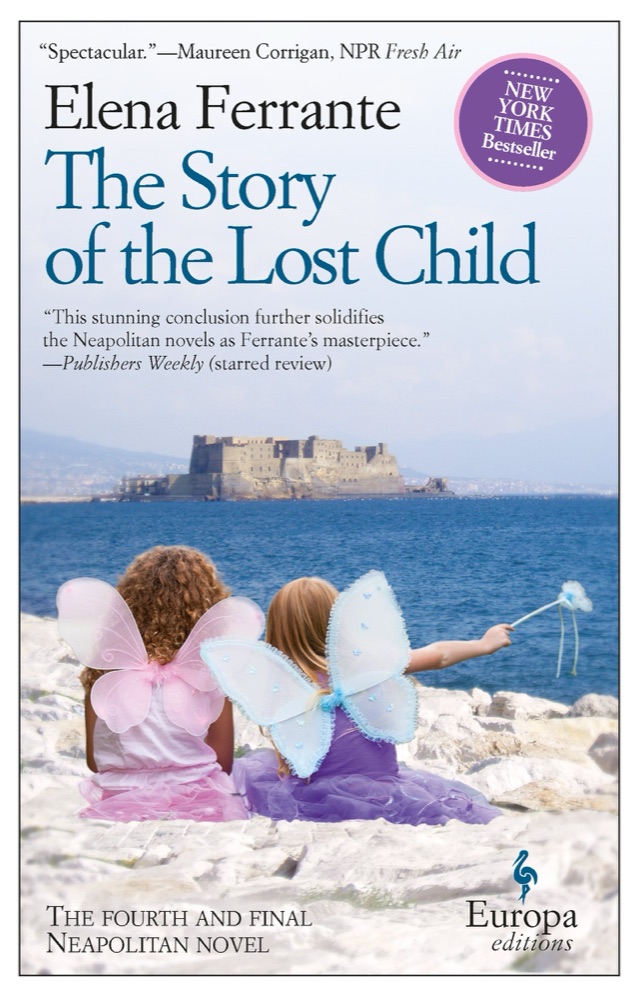
The Story of the Lost Child is the fourth and final volume in Elena Ferrante's Neapolitan Novels, completing the decades-spanning chronicle of the friendship between the narrator Elena Greco (Lenu), a writer who has escaped her impoverished Naples neighborhood, and Raffaella Cerullo (Lila), the brilliant, volatile friend who stayed behind. Returning to Naples after a turbulent affair, Lenu raises her children near Lila as the two women become entangled once more in the life of the old neighborhood, until a sudden tragedy reshapes both their lives.
Across the quartet, Ferrante examines female friendship in all its rivalry, devotion, and ambivalence, alongside themes of class mobility, motherhood, the constraints placed on women, and the violence and corruption woven through postwar Naples. This concluding volume sharpens questions of authorship and memory, as Lenu reckons with the cost of having built her own writing out of the material of her friend's life.
Published in English by Europa Editions in 2015 in Ann Goldstein's translation, the novel was widely praised as a powerful capstone to the series and was shortlisted for the 2016 Man Booker International Prize. The Neapolitan Novels as a whole fueled a global wave of 'Ferrante Fever' and were adapted into the acclaimed HBO/RAI television series My Brilliant Friend.
Key characters
- Elena Greco (Lenu)Narrator; a writer who left the Naples neighborhood
- Raffaella Cerullo (Lila)Lenu's lifelong friend, fiercely intelligent and unpredictable
- Nino SarratoreThe man at the center of Lenu's affair
- Enzo ScannoLila's devoted partner
- Michele SolaraAntagonist connected to the neighborhood's organized crime
Book details
- First published
- 2014
- Length
- 480 pages
- Series
- Neapolitan Novels #4
- Reading time
- 9 hours
- Author
- Elena Ferrante
- Genre
- Fiction
- Goodreads rating
- 4.47 (190k ratings)
Critical reception
- Shortlisted for the 2016 Man Booker International Prize.
- Widely praised by critics as a powerful conclusion to the Neapolitan quartet.
- The New York Times included it among notable books of the 21st century in a 2024 list.
Series & reading order
- 1 My Brilliant Friend
- 2 The Story of a New Name
- 3 Those Who Leave and Those Who Stay
- 4 The Story of the Lost Child
Movie & TV adaptations
- IMDb
Keep reading
The Story of a New Name
 Biography of X
 Purity
 Too Much Happiness: Stories
 Ilustrado
 The Secret History
 Outline
 The Golden Notebook
 The Eighth Life
 The Fall of Babel
 Dream Count
 Embers
 Humboldt's Gift
 The Woman Destroyed
Those Who Leave and Those Who Stay
The Woman Destroyed
Those Who Leave and Those Who Stay
 The Tsar of Love and Techno
 A Fraction of the Whole
 Alias Grace
 The Death of the Heart
 The Adventures of Augie March
 The Book of My Lives
 Warlight
 My Friends
 A Tale of Love and Darkness
 The God of Small Things
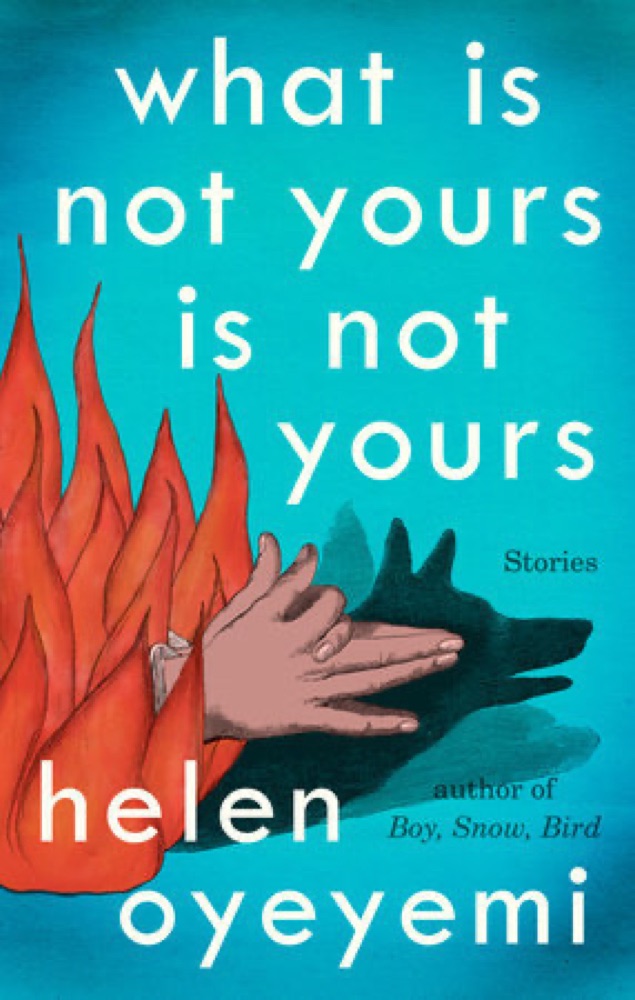 What Is Not Yours Is Not Yours
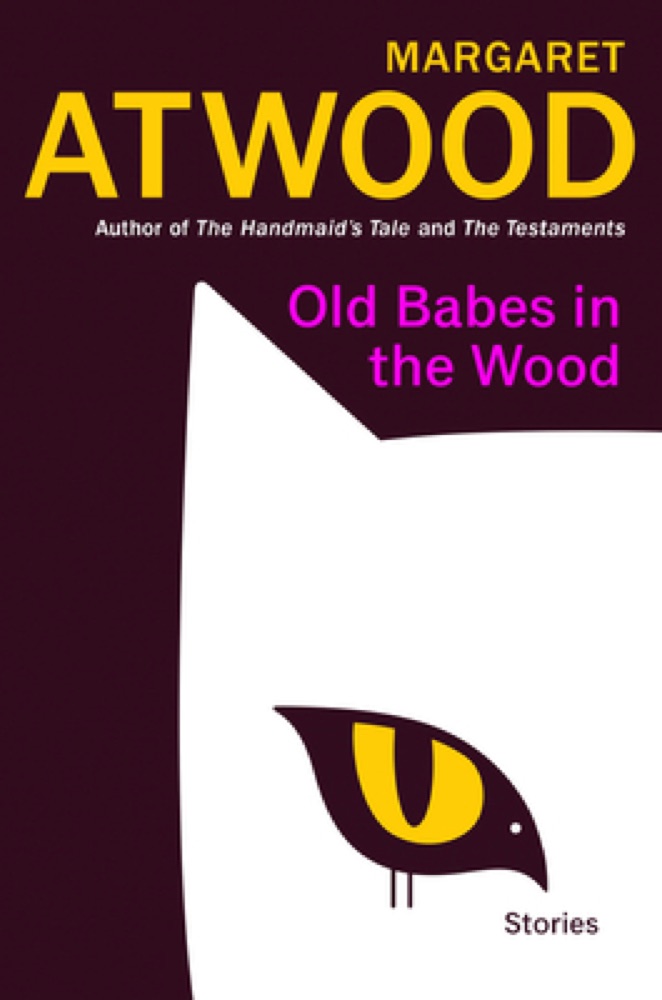 Old Babes in the Wood: Stories
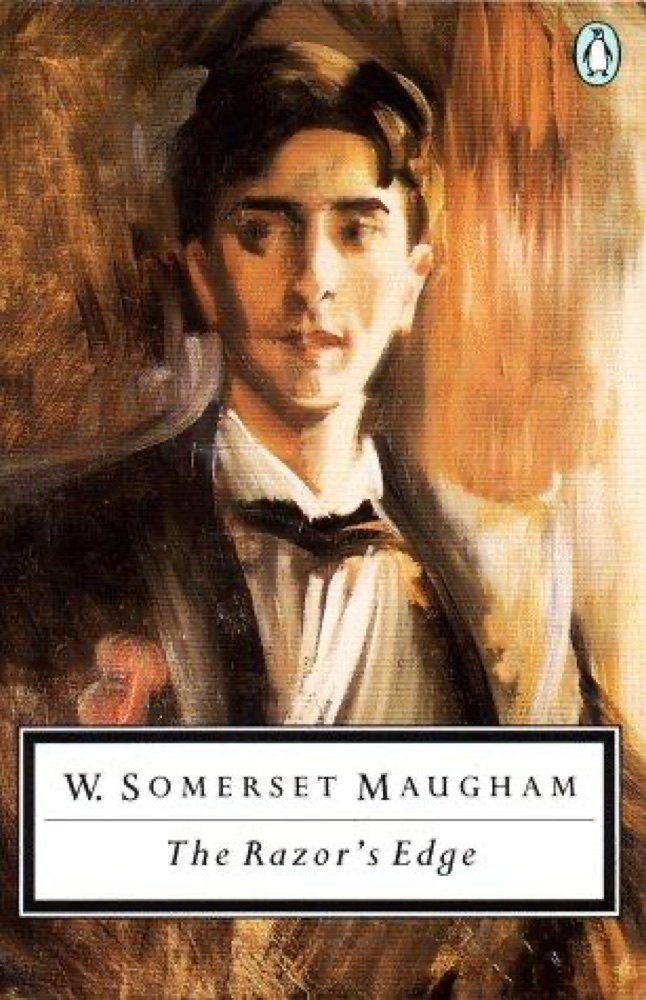 The Razor's Edge
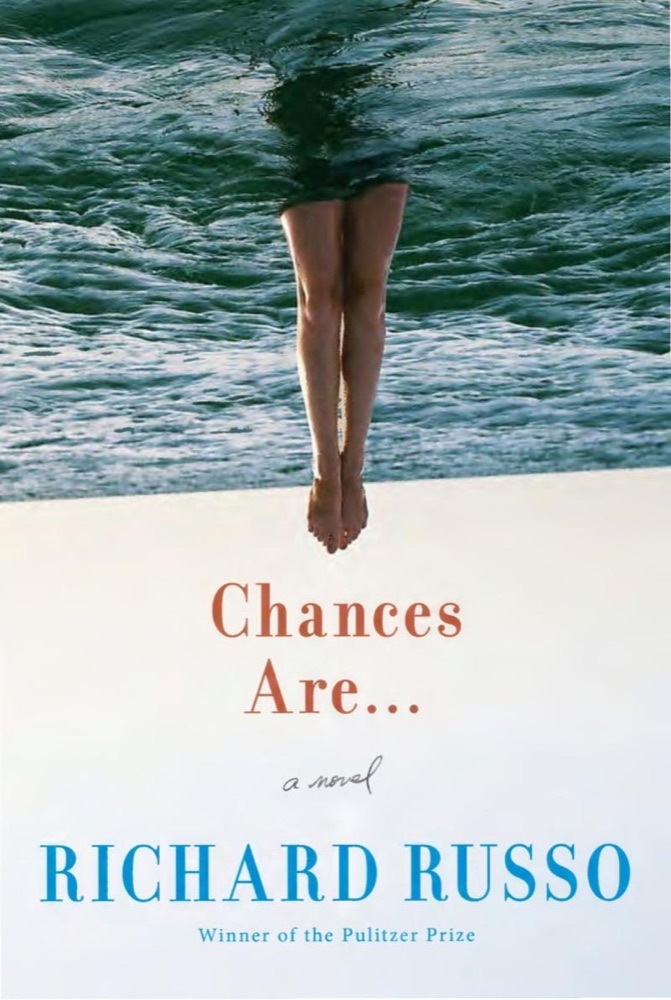 Chances Are...
 And the Mountains Echoed
 V.
V.
 The Likeness
 Conviction
 The Magus
 Transit
 A Rule Against Murder
 Brideshead Revisited: The Sacred and Profane Memories of Captain Charles Ryder
 Library of Souls
 Giovanni's Room
 An Unnecessary Woman
 The Marriage Plot
 False Memory
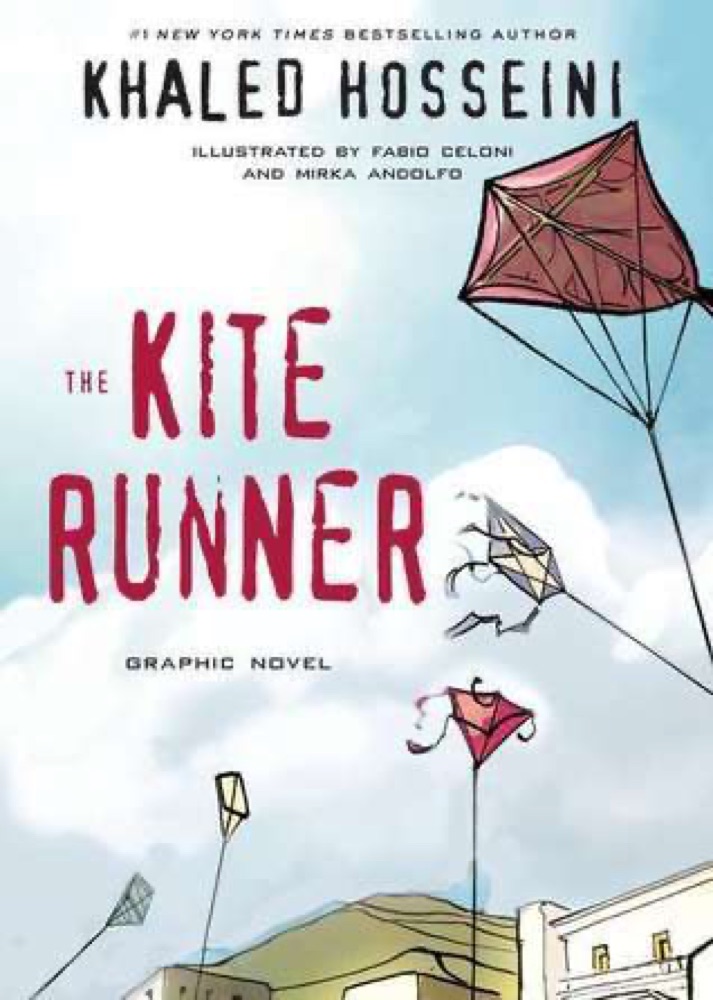 The Kite Runner
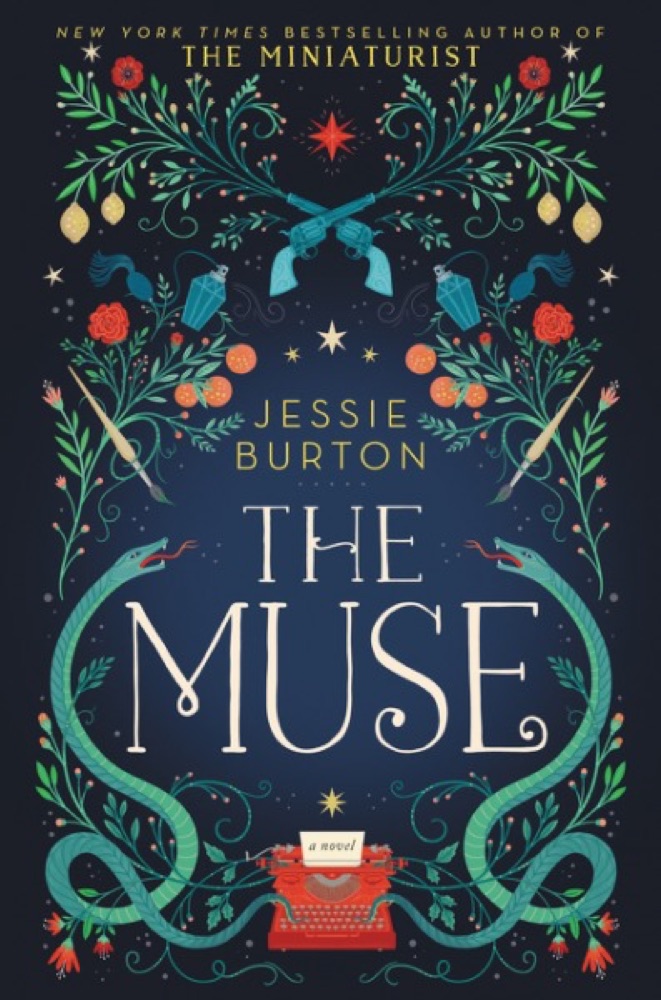 The Muse
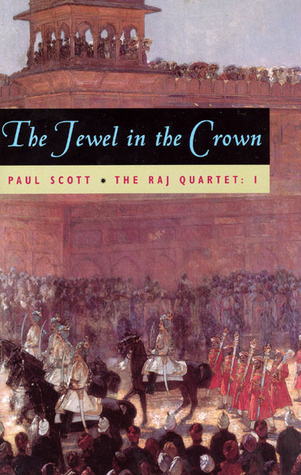 The Jewel in the Crown
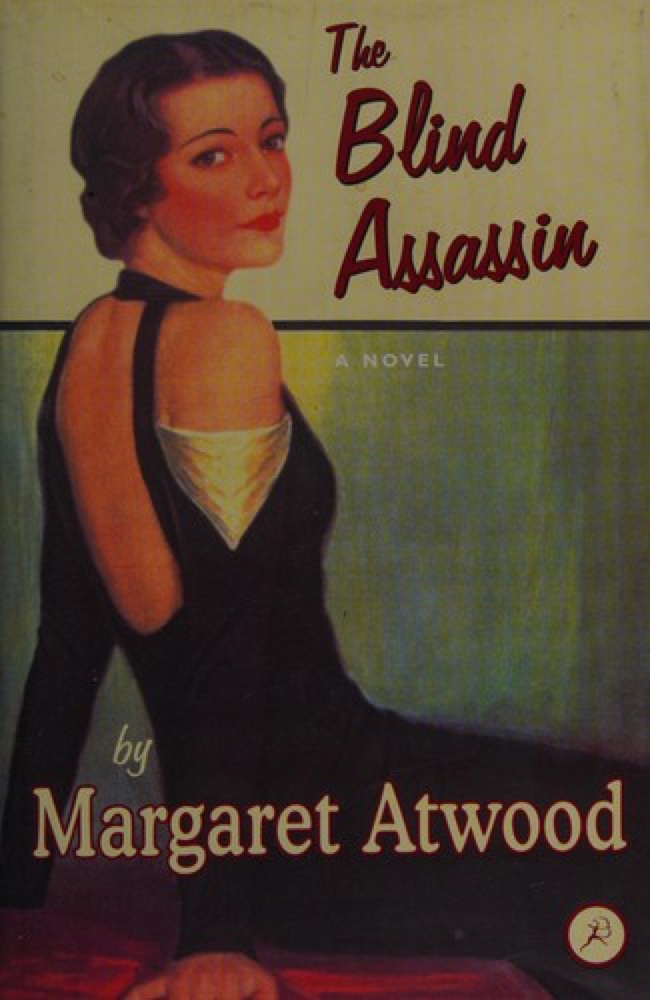 The Blind Assassin
 Special Topics in Calamity Physics
 Trust
Trust
 Blueberries: Essays Concerning Understanding
 The Guermantes Way
 No One Writes Back
 Sixty Stories
 Another Country
 The Storyteller
 The Corrections
 The Cost of Living: A Working Autobiography
 The Sea, the Sea
 1Q84
1Q84
 In Search of Lost Time
 Jane Steele