 G.
G.
Quotes from the Book
My heart born naked was swaddled in lullabies. Later alone it wore poems for clothes. Like a shirt I carried on my back the poetry I had read. So I lived for half a century until wordlessly we met. From my shirt on the back of the chair I learn tonight how many years of learning by heart I waited for you.
119
Poems, even when narrative, do not resemble stories. All stories are about battles, of one kind or another, which end in victory or defeat. Everything moves towards the end, when the outcome will be known. Poems, regardless of any outcome, cross the battlefields, tending the wounded, listening to the wild monologues of the triumphant or the fearful. They bring a kind of peace. Not by anaesthesia or easy reassurance, but by recognition and the promise that what has been experienced cannot disappear as if it had never been. Yet the promise is not of a monument. (Who, still on a battlefield, wants monuments?) The promise is that language has acknowledged, has given shelter, to the experience which demanded, which cried out.
27
The boon of language is not tenderness. All that it holds, it holds with exactitude and without pity, even a term of endearment; the word is impartial: the usage is all. The boon of language is that potentially it is complete, it has the potentiality of holding with words the totality of human experience--everything that has occurred and everything that may occur. It even allows space for the unspeakable. In this sense one can say of language that it is potentially the only human home, the only dwelling place that cannot be hostile to man. For prose this home is a vast territory, a country which it crosses through a network of tracks, paths, highways; for poetry this home is concentrated on a single center, a single voice, and this voice is simultaneously that of an announcement and a response to it.
8
The inability to remember is itself perhaps a memory.
7
Emigration does not only involve leaving behind, crossing water, living amongst strangers, but, also, undoing the very meaning of the world and—at its most extreme—abandoning oneself to the unreal which is the absurd. […] to emigrate is always to dismantle the center of the world, and so to move into a lost, disoriented one of fragments.
4
At that moment I saw you at the end of the platform. You were wearing trousers. On the long platform beside the stranded train, in the vast white diffused late-afternoon light of the rift valley, you looked very small. With your appearance everything changed. Everything from the passage under the railway tracks to the sun setting, from the Arabic numerals on the board which announced the times of the trains, to the gulls perched on a roof, from the invisible stars to the taste of coffee on my palate. The world of circumstance and contingency, into which, long before, I had been born, became like a room. I was home.
4
Gerçekte hep iki zaman arasındayızdır: Gövdenin ve bilincin zamanı arasında. Bütün öbür kültürlerdeki ruh ve gözde arasındaki ayrım işte buradan kaynaklanır. Öncelik her zaman ruhundur ve yeri bir başka zamanın aktığı çizgidedir.
4
One’s death is already one’s own. It belongs to nobody else: not even to a killer. This means that it is already part of one’s life.
3
Yıldız kümelerni ilk keşfedip onlara ad veren öykücülerdi. Bir avuç yıldız arasına düşsel bir çizgi çekince kimlik ve birer imge kazanıyordu yıldızlar. Çizgiye işlenmiş yıldızlar bir anlatıya işlenmiş olaylar gibiydi. Yıldızların küme oluşturduğunu düşlemek kuşkusuz ne yıldızları ne de onları çeviren kara boşluğu değiştirdi. Değiştirdiği şey insanların geceleyin göğü okuma biçimiydi.
3
Partir est mourir un peu. I was very young when I first heard this sentence quoted and it expressed a truth I already knew. I remember it now because the experience of living in you as if you were a country, the only country in the world where I can never conceivably meet you face to face, this is a little like the experience of living with the memory of the dead. What I did not know when I was very young was that nothing can take the past away: the past grows gradually around one, like a placenta for dying.
2
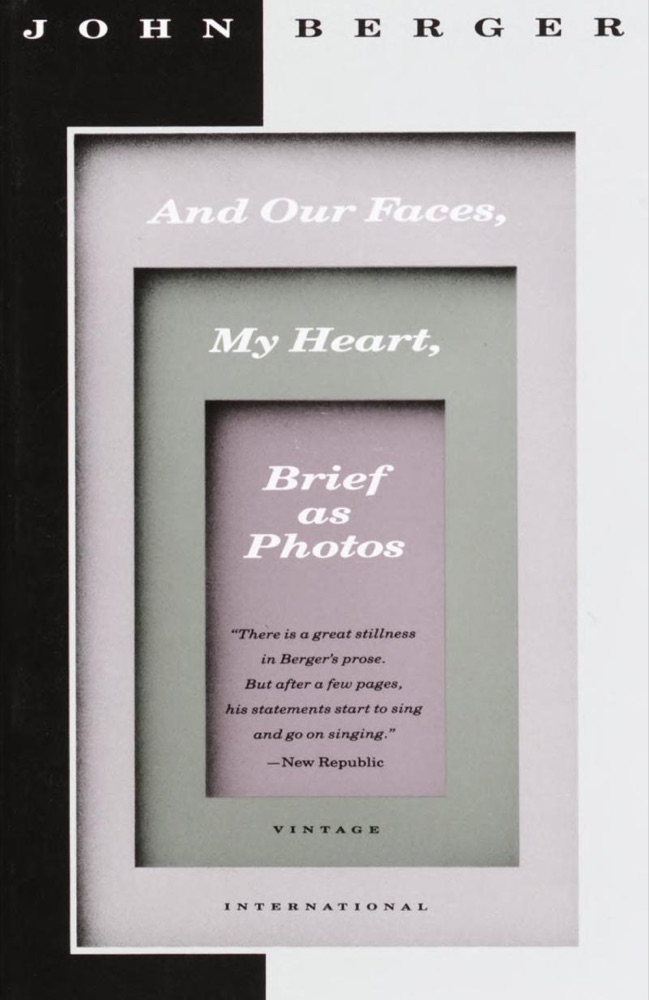
When I open my wallet to show my papers pay money or check the time of a train I look at your face. The flower's pollen is older than the mountains Aravis is young as mountains go. The flower's ovules will be seeding still when Aravis then aged is no more than a hill. The flower in the heart's wallet, the force of what lives us outliving the mountain. And our faces, my heart, brief as photos.
1
Those who read or listen to our stories see everything as through a lens. This lens is the secret of narration, and it is ground anew in every story, ground between the temporal and the timeless. If we storytellers are Death’s Secretaries, we are so because, in our brief mortal lives, we are grinders of these lenses.
1
I saw only the village street, which is so familiar to me that I could walk down it blindfolded if I had a stick. A blind man died a few years back. Blind from birth, he could walk down to the village from the hamlet where he lived four kilometers away. The bees he kept gave more honey than any others in the village. And he axed his own wood on a chopping block, without ever cutting his hand. At 11 A.M. it was sunny with a blue sky. The few white clouds were moving fast above the mountains. A north wind. I saw the village street at that moment, as seen from the future. What I was seeing had become the distant past. This transformation was calm, so calm that it resembled a stillness.
The silence after a felled tree has fallen is like the silence immediately after a death.
The tombstones are not very different from those in other European cemeteries. Many record the deaths of several generations: the name, the year of birth, the day of death and the place of death, if it was not on the island. A name and two dates, the last one precise to the very day. This is what is recorded. About what happened between, apart from the bare fact of survival, not a word is written.
Watch on YouTube
About John Berger
We have collected 61 quotes from 4 books by John Berger on BookQuoters.
More about the author →More by John Berger
About the book
"Those who read or listen to our stories see everything as through a lens. This lens is the secret of narration, and it is ground anew in every story, ground between the temporal and the timeless . . . . In our brief mortal lives, we are grinders of these lenses."
This brooding, provocative, and almost unbearably lovely book displays one of the great writers of our time at his freest and most direct, addressing the themes that run beneath the surface of all his work, from Ways of Seeing to his Into Their Labours trilogy.
In an extraordinary distillation of his gifts as a novelist, poet, art critic, and social historian, John Berger reveals the ties between love and absence, the ways poetry endows language with the assurance of prayer, and the tensions between the forward movement of sexuality and the steady backward tug of time. He re-creates the mysterious forces at work in a Remb
Book details
- First published
- 1984
- Author
- John Berger
- Genre
- Literature
- Goodreads rating
- 4.19 (3k ratings)
Keep reading
 Plainwater: Essays and Poetry
 Autumn
 The Notebooks of Malte Laurids Brigge
 Toward Eternity
 The Paper Menagerie and Other Stories
 The Telling
 Identity
 Flights
 Fugitive Pieces
 Lost Children Archive
 The Invention of Solitude
 The Island of Missing Trees
 Greek Lessons
 Kafka on the Shore
 The Faraway Nearby
 Always Coming Home
 Night Train to Lisbon
 Just Above My Head
 Divisadero
 In Search of Lost Time
 The Aleph and Other Stories
 The Postcard
 Split Tooth
 The Book of Form and Emptiness
 Memories, Dreams, Reflections
 Malina
 A Luminous Republic
 Speak, Memory
 The Wars
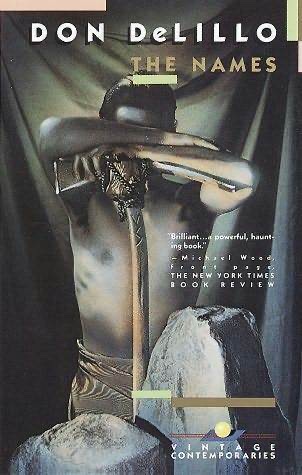 The Names
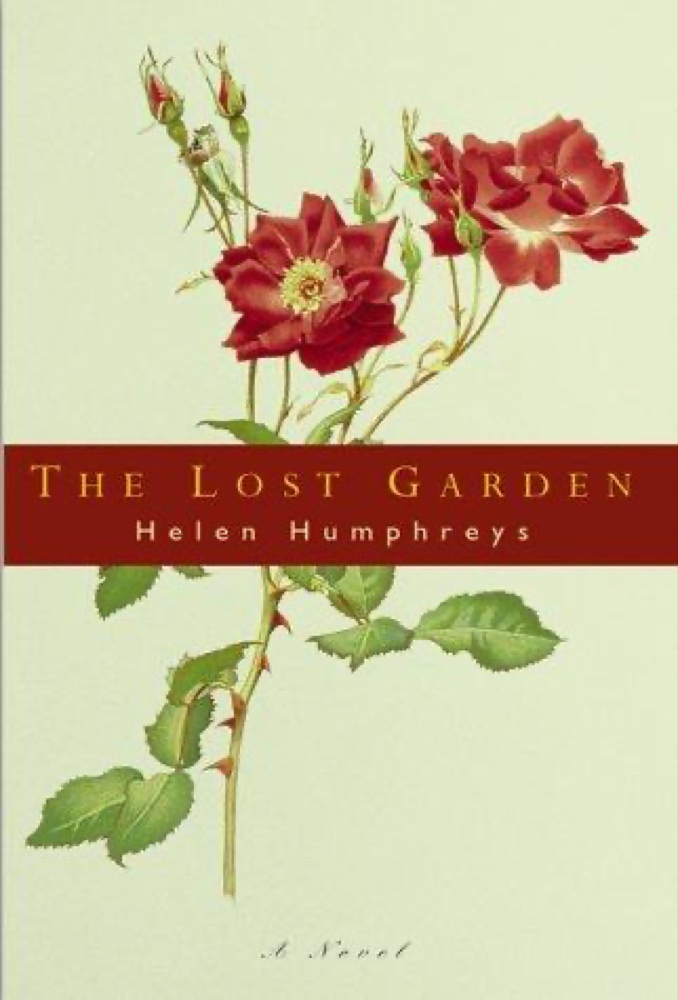 The Lost Garden
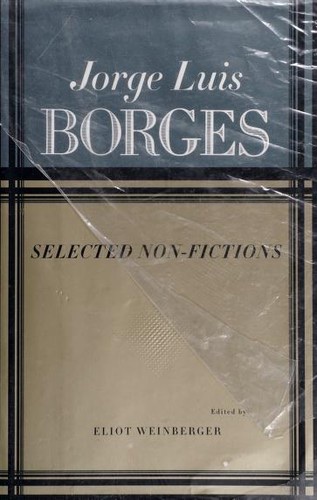 Selected Non-Fictions
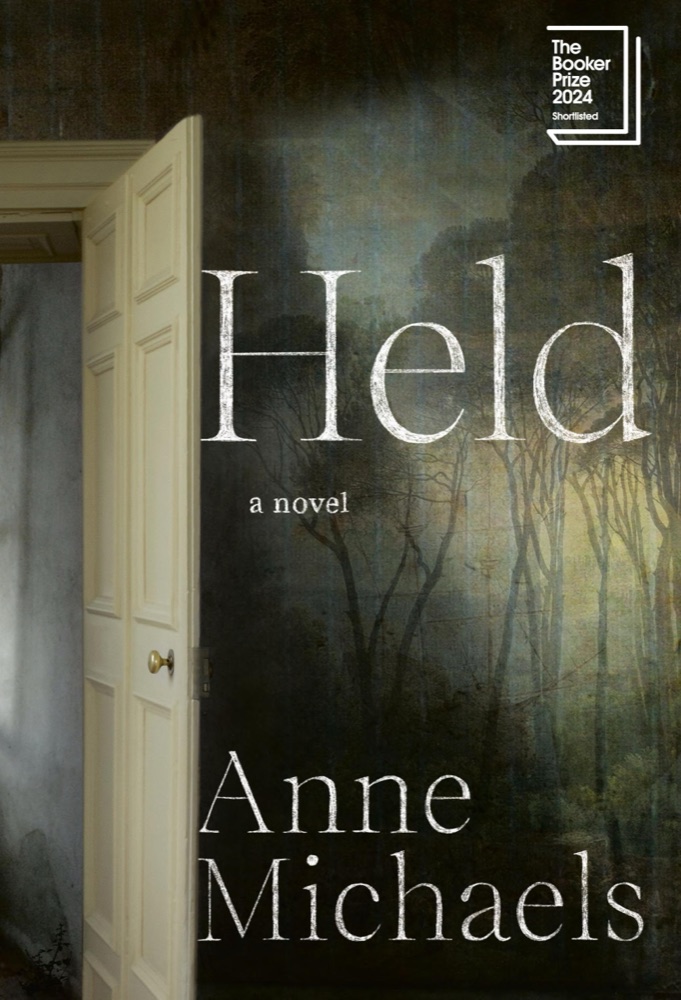 Held
Held
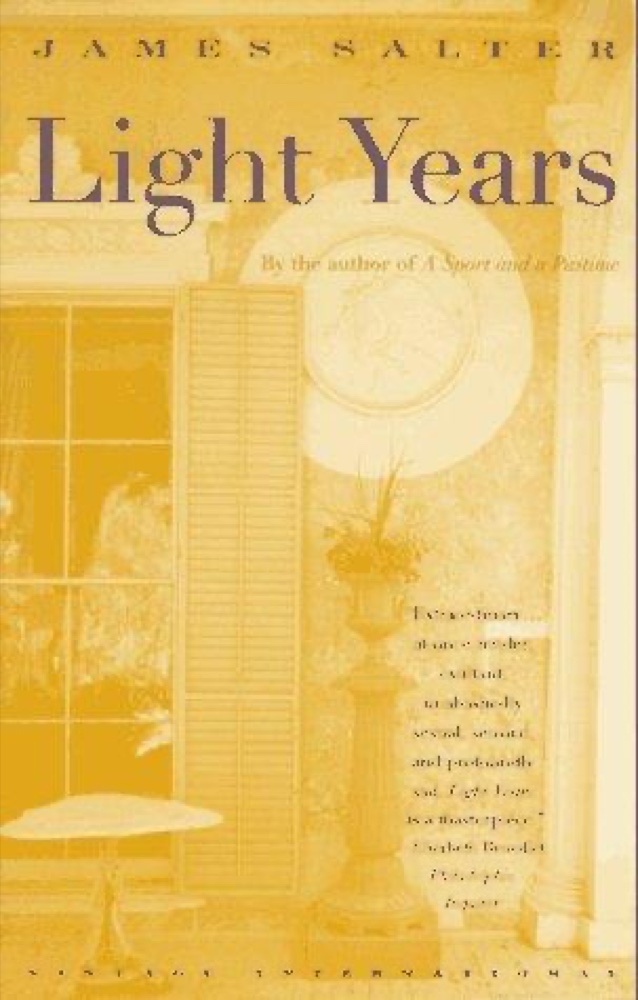 Light Years
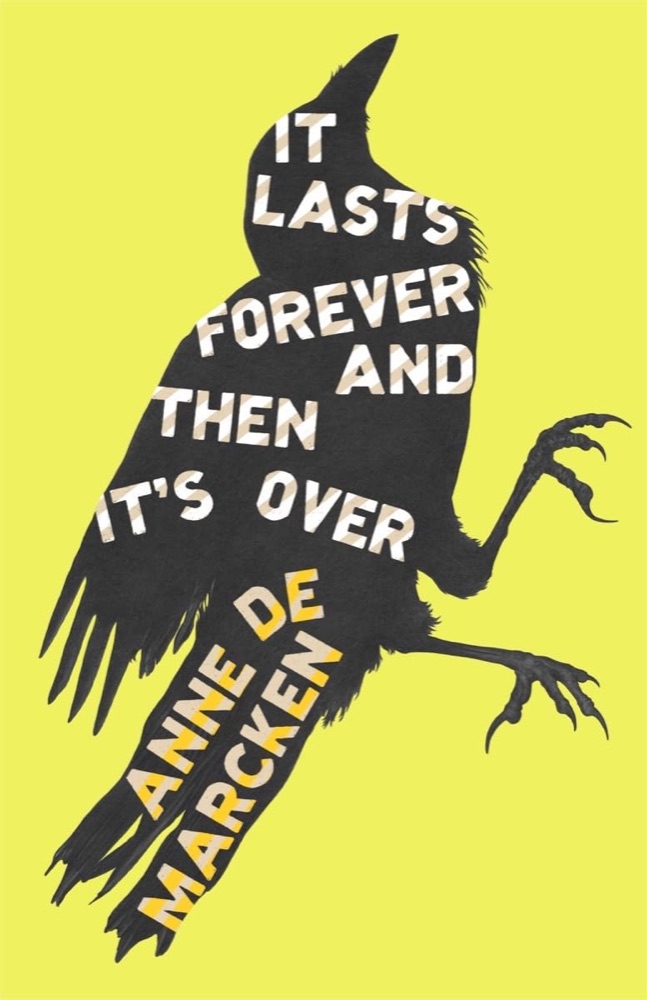 It Lasts Forever and Then It's Over
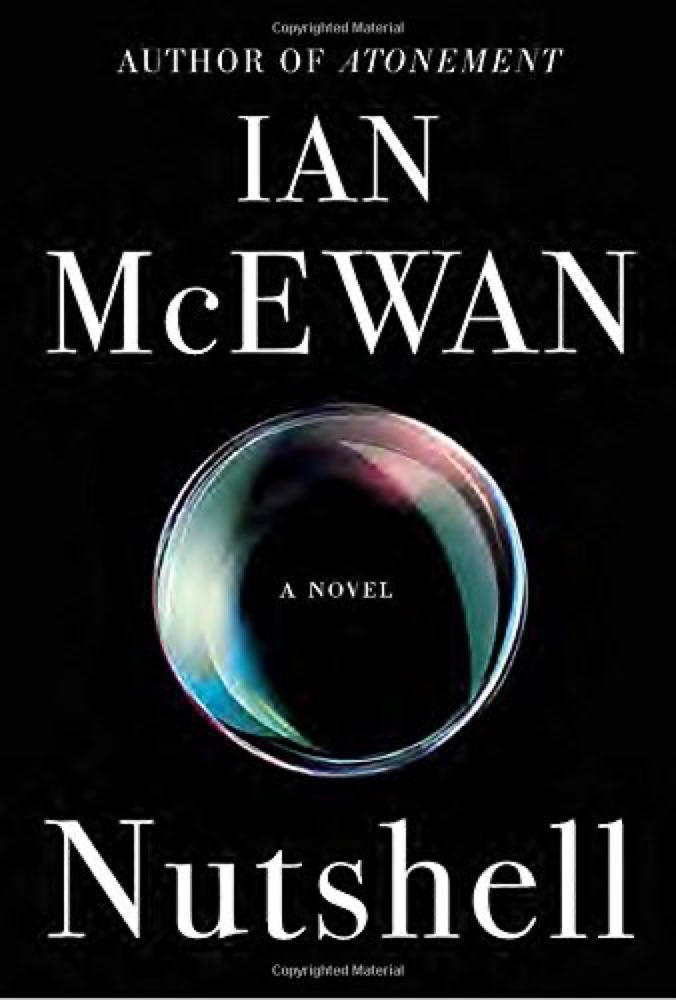 Nutshell
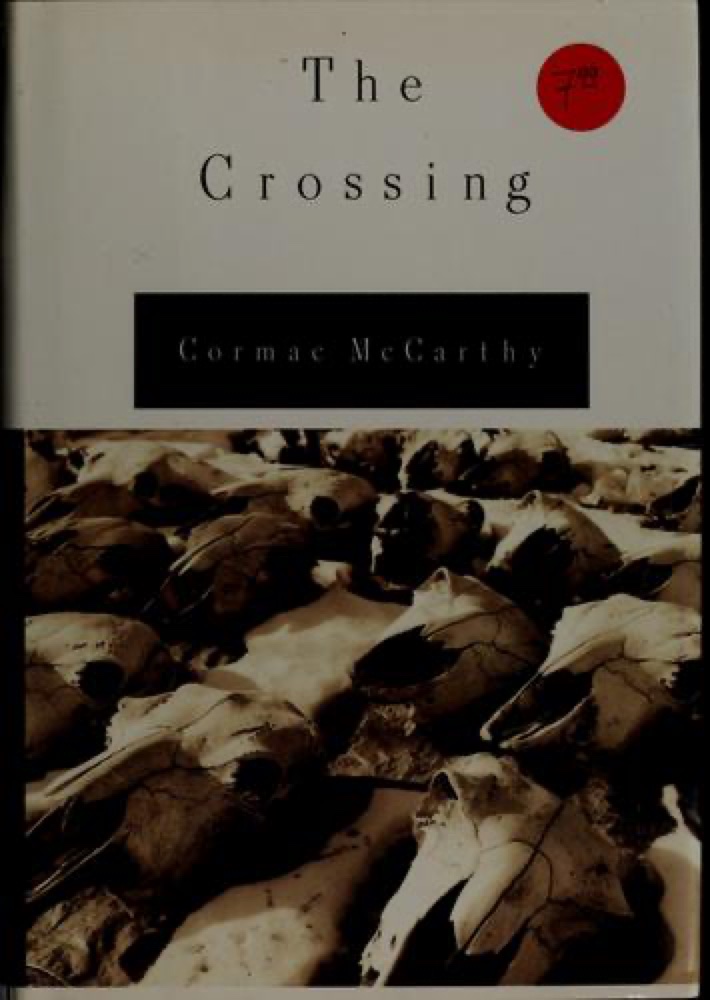 The Crossing
 Running in the Family
 The Book That Broke the World
 Shame
Shame
 The Art of Hearing Heartbeats
 The White Book
 You Can't Go Home Again
 The Book of Dreams
 Fragile Things: Short Fictions and Wonders
 The Offing
 The Book of Laughter and Forgetting
 The Book of Sand and Shakespeare's Memory
 Traveler of the Century
 There Are Rivers in the Sky
 The Tunnel
 Housekeeping
 Flight To Arras
 Poems New and Collected
 Independent People
 Hardboiled & Hard Luck
 Invictus
 Duino Elegies
 Possession