
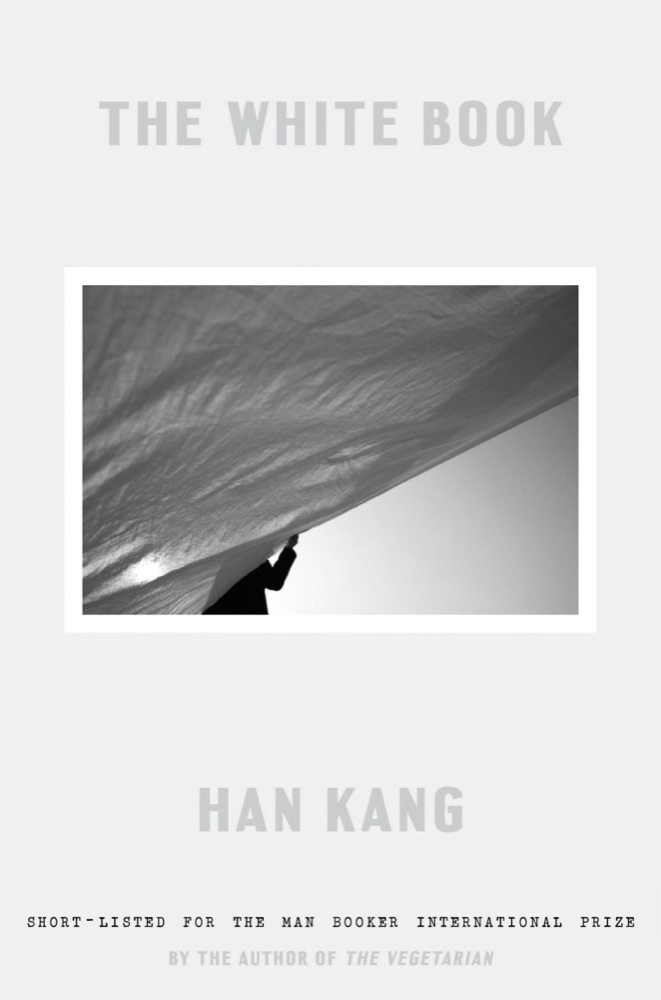
 The White Book
Quotes from the Book
If snow is the silence that falls from the sky, perhaps rain is an endless sentence.
36
You said, This thing we call life mustn’t ever become something endured.
20
Do you ever wonder at the strangeness of it? That our bodies have eyelids and lips, that they can at times be made to close from the outside, and at other times to lock fast from within.
16
You said, Beauty is only that which is intense, has a vibrant energy. You said, This thing we call life mustn't ever become something endured.
13
To her, there was no touch as instantaneous and intuitive as the gaze. It was close to being the only way of touching without touch. Language, by comparison, is an infinitely more physical way to touch. It moves lungs and throat and tongue and lips, it vibrates the air as it wings its way to the listener. The tongue grows dry, saliva spatters, the lips crack. When she found that physical process too much to bear, she became paradoxically more verbose.
12
Me aterra el silencio del espacio por el que se expande mi voz. Me aterra no poder enmendar las palabras una vez pronunciadas, que esas palabras sepan mucho más de lo que yo sé.
10
No lo puedo entender. Tú eres el que ha muerto, pero siento que todo me abandona. Tú eres el que ha muerto, pero son mis recuerdos los que sangran, se manchan, se oxidan y resquebrajan.
8
Si tomamos como cierta la premisa que dice que, cuando perdemos algo, ganamos otra cosa, ¿Qué es lo que he ganado yo al perderte a ti?
8
Falling in love is like being haunted
6
The world is an illusion, and living is dreaming, it read: How is that dream so vivid? How does blood flow and hot tears gush forth?
6
The sadness of the human body. The human body, with its many indented, tender, vulnerable parts. I realized something with armpits. The chest.The groin. A body born to embrace someone, to desire to embrace someone. I should have embraced you as hard as I could, at least once before that period of our lives passed us by. It wouldn't have hurt or harmed me to do so. I would have withstood it, survived it.
6
Pronto llegará el día en que no podré distinguir mi reflejo en el espejo de todo lo demás. Todos los rostros que recuerdo se quedarán congelados en mi memoria.
5
If only she’d made a map of the route her tears used to take. If only she’d used a needle to engrave pinpricks, or even just traces of blood, over the route where the words used to flow. But, she mutters, from a place deeper than tongue and throat, that was too terrible a route.
4
The world is an illusion, and living is dreaming,” I muttered. Yet blood runs and tears gush forth.
3
It’s a common belief that blind or partially sighted people will pick up on sounds first and foremost, but that isn’t the case with me. The first thing I perceive is time. I sense it as a slow, cruel current of enormous mass passing constantly through my body to gradually overcome me.
3
A person lies prone in the snow. Snow in their throat. Earth in their eyes. Seeing nothing. A person stands next to them. Hearing nothing.
3
In the part that argues everything has within it that which harms it, he uses the example of how the inflammation of the eye ruins the eye and blinds it, and how rust ruins iron and completely shatters it. Why, then, isn't the human soul, which is analogous to such things, ruined by its foolish, bad attributes?
3
Who would be best able to think about life? Someone who faces death at every turn, someone who, for that reason, is inevitably thinking of death, always, necessarily, urgently
2
Me aterra no poder enmendar las palabras una vez pronunciadas, que esas palabras sepan mucho más de lo que yo sé.
2
language as cold and hard as a pillar of ice. A language that does not wait to be combined with any other prior to use, a supremely self-sufficient language. A language that can part the lips only after irrevocably determining causality and manner.
2
She knows that no single specific experience led to her loss of language. Language worn ragged over thousands of years, from wear and tear by countless tongues and pens. Language worn ragged over the course of her life, by her own tongue and pen. Each time she tried to begin a sentence, she could feel her aged heart. Her patched and repatched, dried-up, expressionless heart. The more keenly she felt it, the more fiercely she clasped the words. Until all at once, her grip slackened. The dulled fragments dropped to her feet. The saw-toothed cogs stopped turning. A part of her, the place within her that had been worn down from hard endurance, fell away like flesh, like soft tofu dented by a spoon.
2
When I walk into complete darkness, is it all right if I remember you without this unrelenting ache?
2
¿Por qué me acerqué a ti de esa manera tan estúpida? Puede que mi amor no fuera estúpido, pero como yo sí lo era, se contaminó de mi estupidez. O quizá yo no era tan estúpido, pero la estupidez inherente al amor despertó la estupidez que había en mí y terminó por arruinarlo todo.
2
There was not yet a knife between me and the world, so at this time this was enough.
1
There is evil in this world, and it causes the suffering of innocent people. If God is good but unable to redress this, he is impotent. If God is not good and merely omnipotent, and does not redress these things, he is evil. If God is neither good nor omnipotent, he cannot be called God. Therefore the real existence of a good and omnipotent God is an impossible fallacy.
1
The beautiful is beautiful. The beautiful is noble. The beautiful is difficult.
1
Watch on YouTube
About Han Kang
We have collected 139 quotes from 5 books by Han Kang on BookQuoters.
More about the author →More by Han Kang
About the book
“Now and then, language would thrust its way into her sleep like a skewer through meat, startling her awake several times a night.”
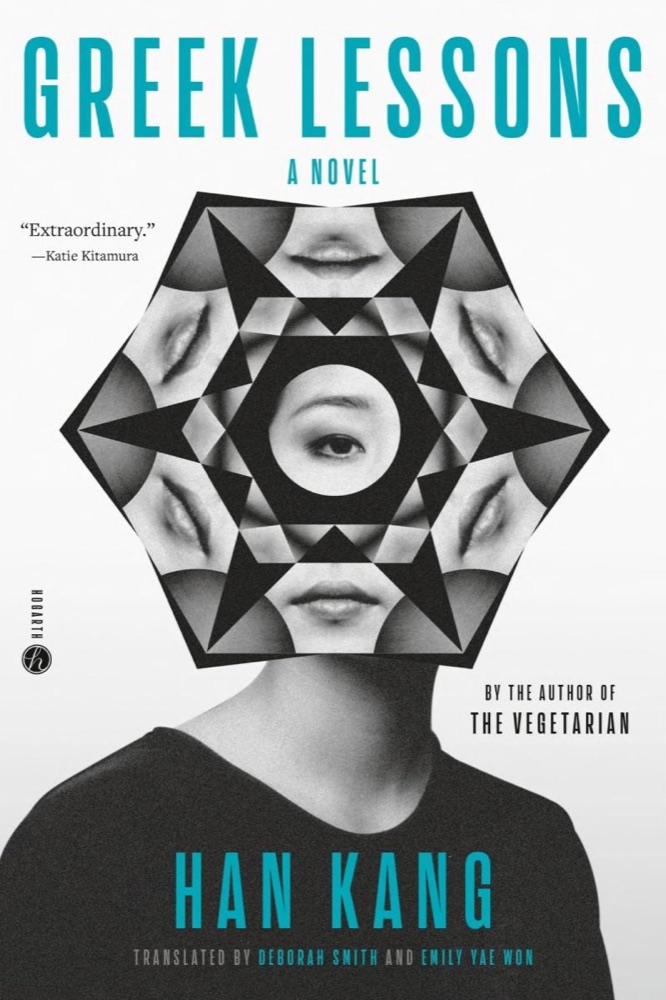
In a classroom in Seoul, a young woman watches her Greek language teacher at the blackboard. She tries to speak but has lost her voice. Her teacher finds himself drawn to the silent woman, for day by day he is losing his sight.
Soon the two discover a deeper pain binds them together. For her, in the space of just a few months, she has lost both her mother and the custody battle for her nine-year-old son. For him, it’s the pain of growing up between Korea and Germany, being torn between two cultures and languages, and the fear of losing his independence.
Greek Lessons tells the story of two ordinary people brought together at a moment of private anguish—the fading light of a man losing his vision meeting the silence of a woman who has lost her langu
The buzz
- The New York TimesReview in The New York Timesprofessional review (via Book Marks)
- The Washington PostReview in The Washington Postprofessional review (via Book Marks)
- The Wall Street JournalReview in The Wall Street Journalprofessional review (via Book Marks)
- The GuardianReview in The Guardianprofessional review (via Book Marks)
- The AtlanticReview in The Atlanticprofessional review (via Book Marks)
- Los Angeles TimesReview in Los Angeles Timesprofessional review (via Book Marks)
Keep reading
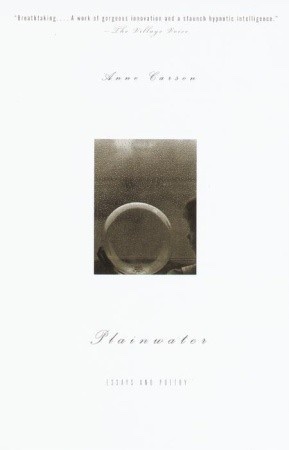 Plainwater: Essays and Poetry
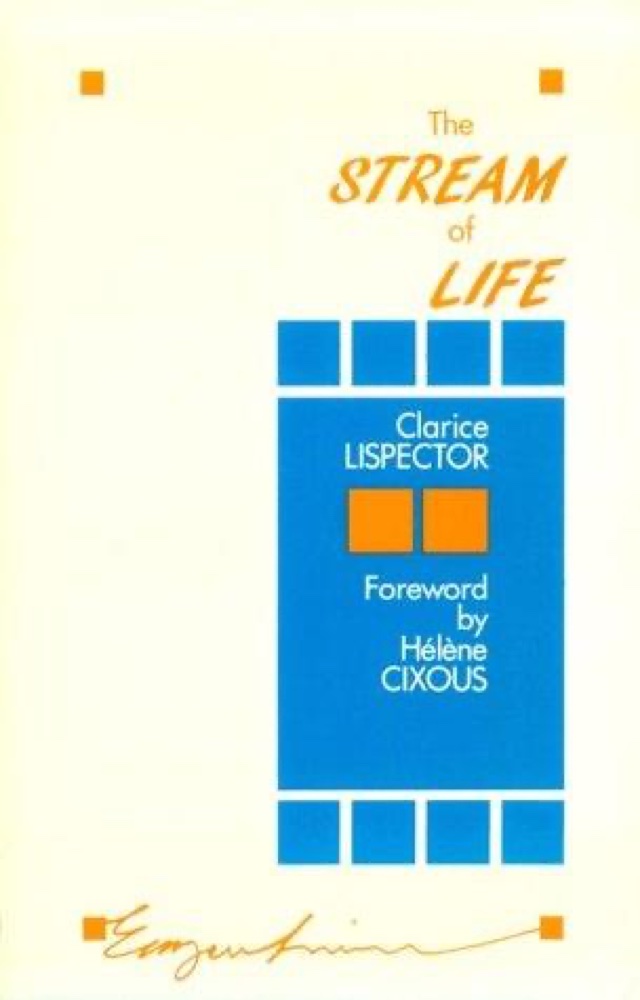 The Stream of Life
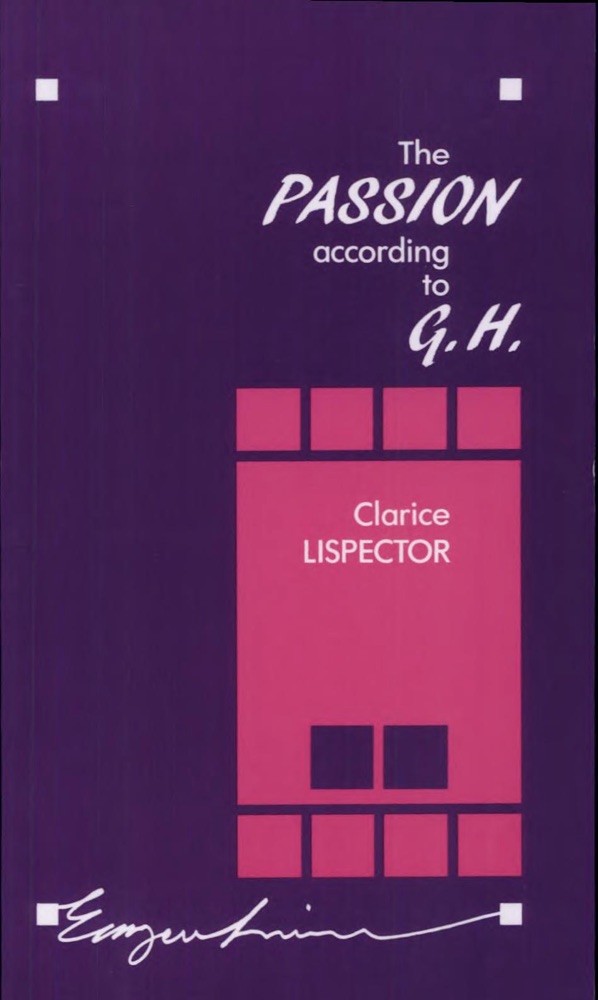 The Passion According to G.H.
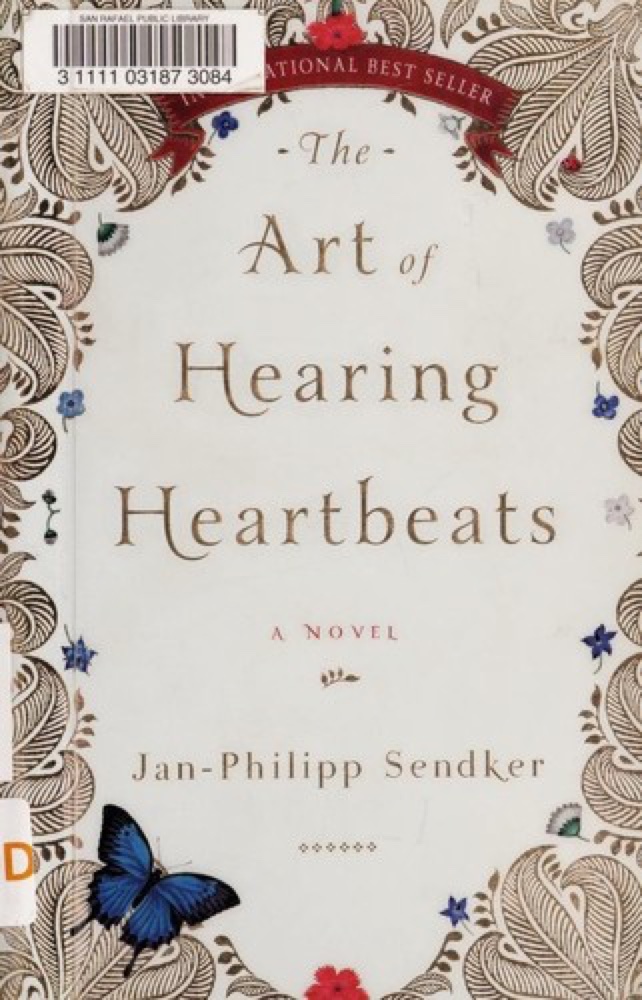 The Art of Hearing Heartbeats
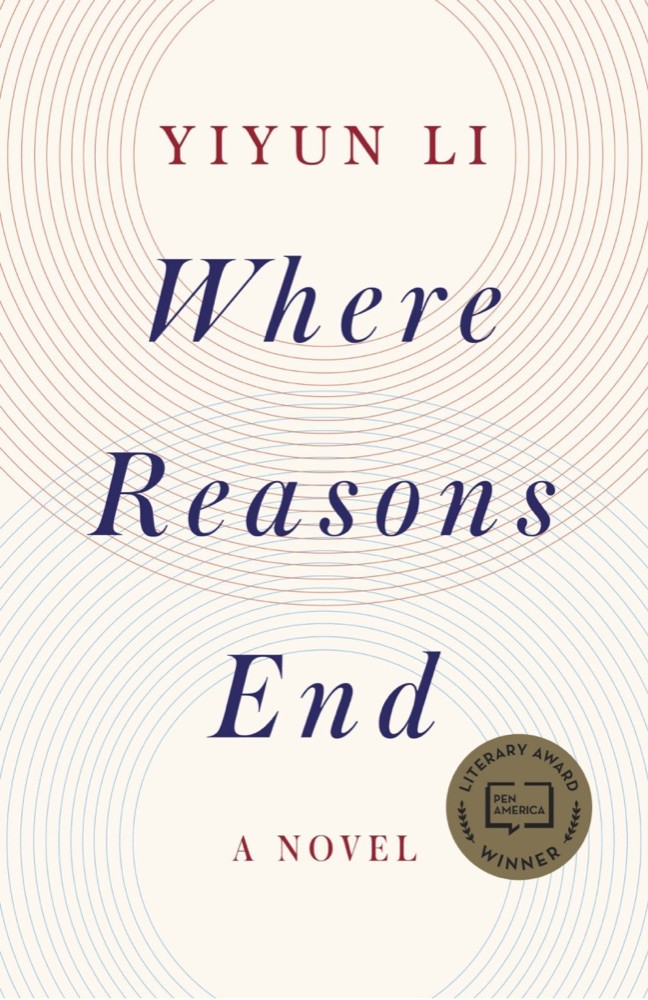 Where Reasons End
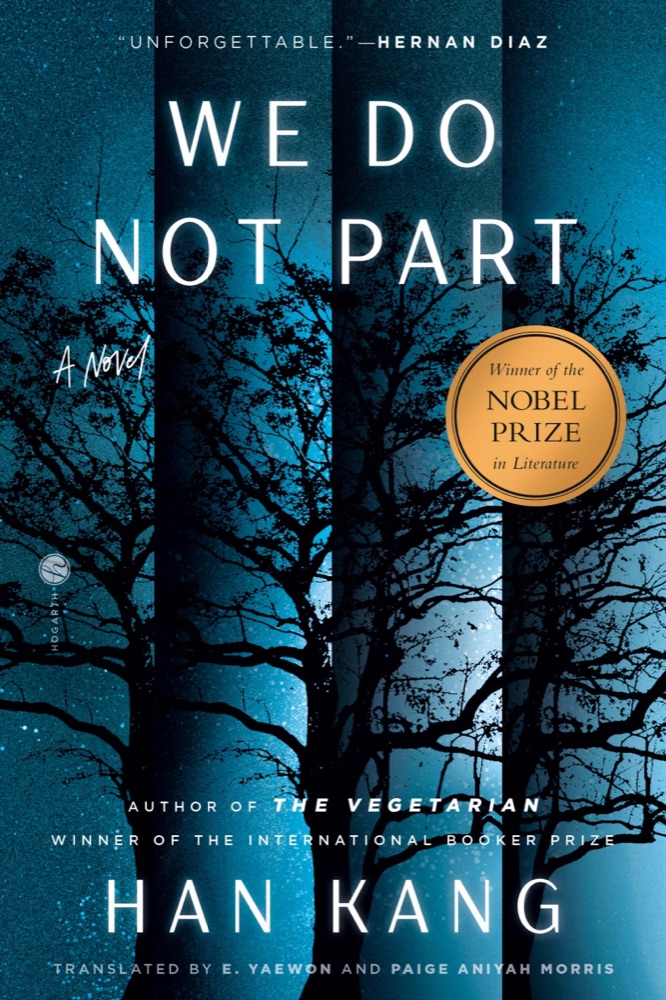 We Do Not Part
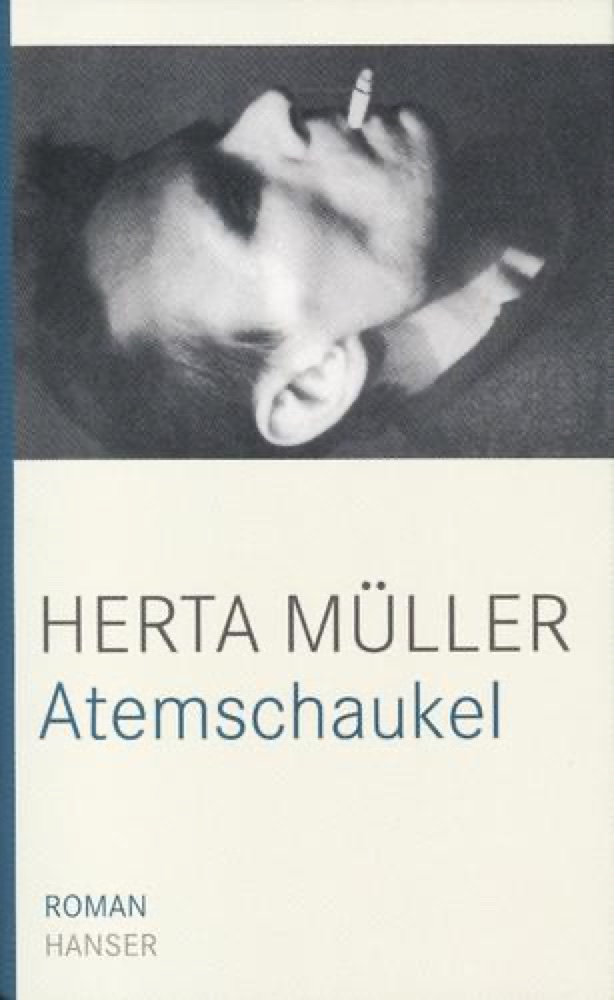 Atemschaukel
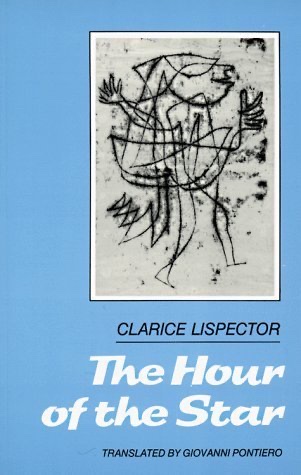 The Hour of the Star
 Hardboiled & Hard Luck
The White Book
Hardboiled & Hard Luck
The White Book
 Sexing the Cherry
 The Blind Assassin
 The Shape of Water
 The Lover
 Poems New and Collected
 Arch of Triumph
 After the Quake
 House of Leaves
 Identity
 Sexus
Sexus
 Smilla's Sense of Snow
 Possession
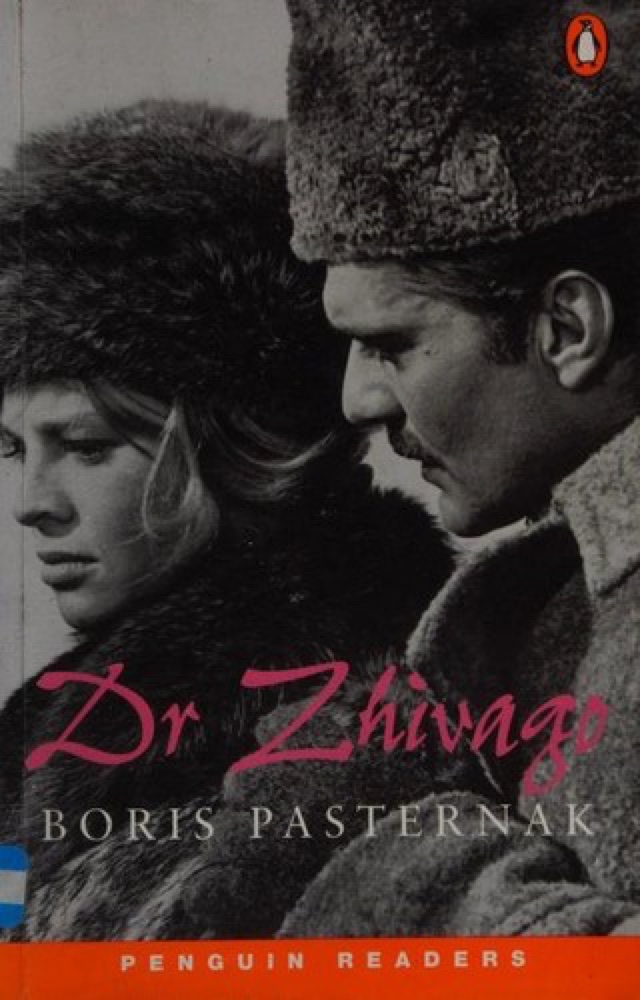 Doctor Zhivago
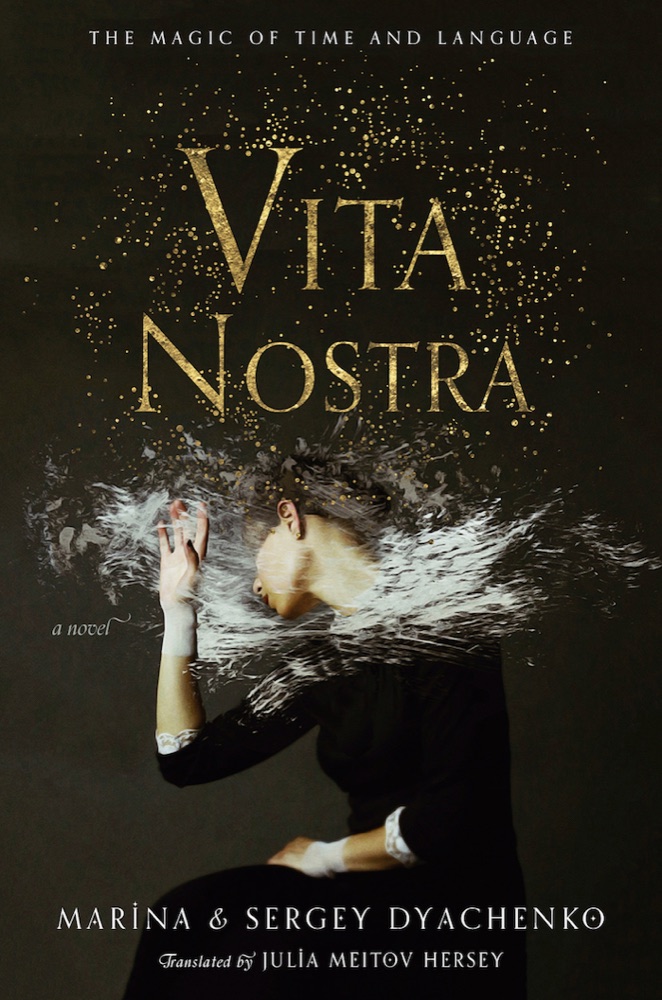 Vita Nostra
 Embers
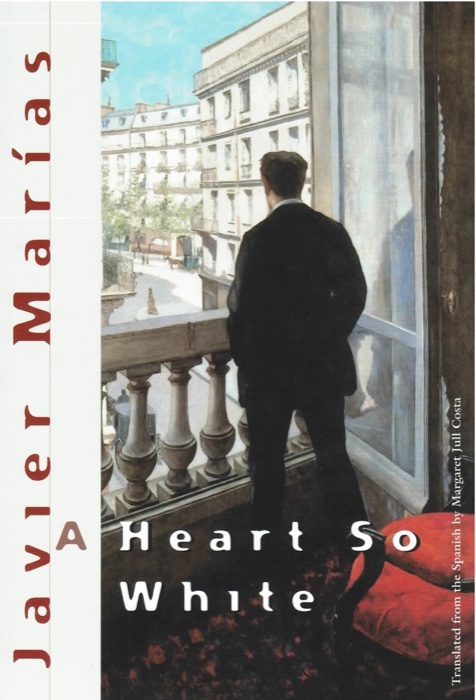 A Heart So White
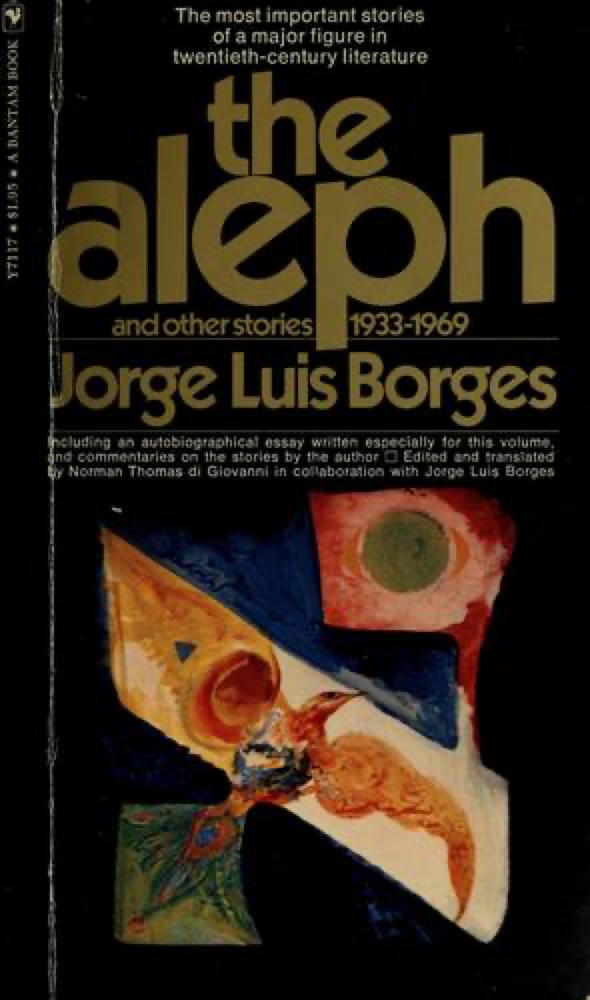 The Aleph and Other Stories
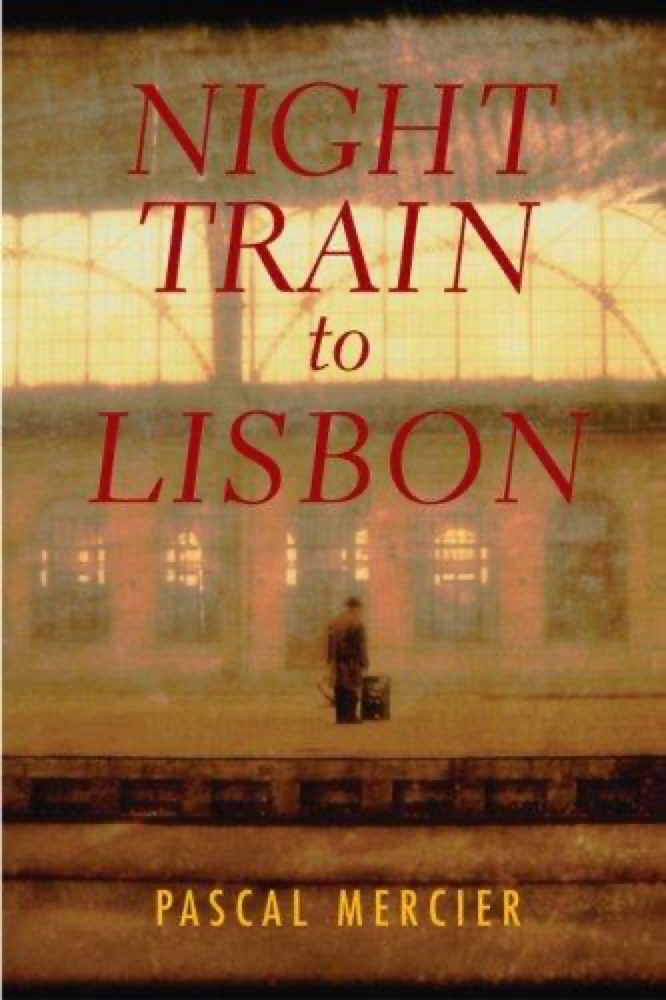 Night Train to Lisbon
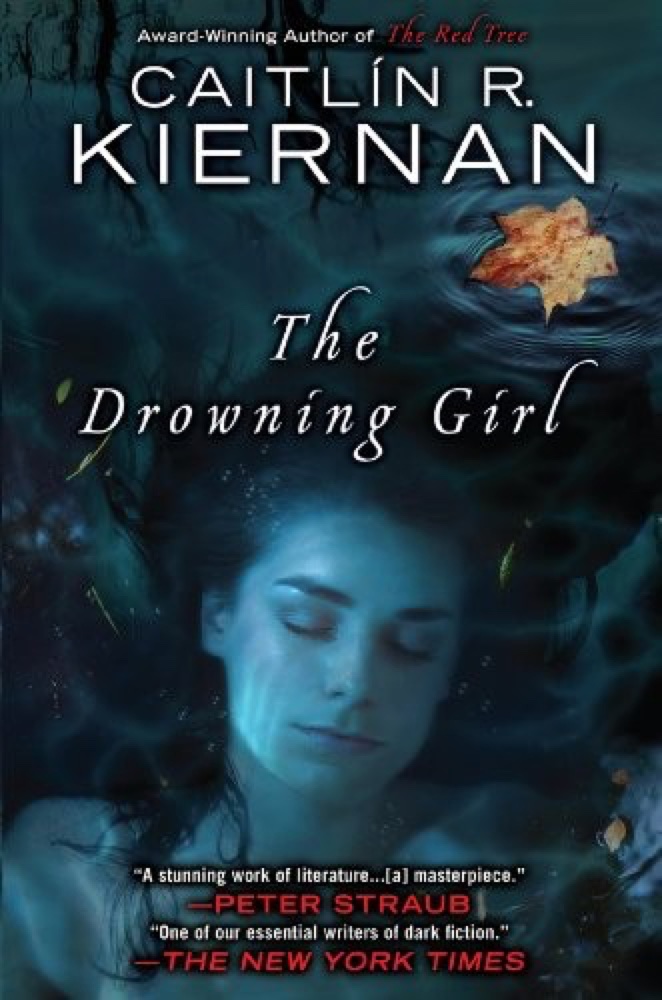 The Drowning Girl
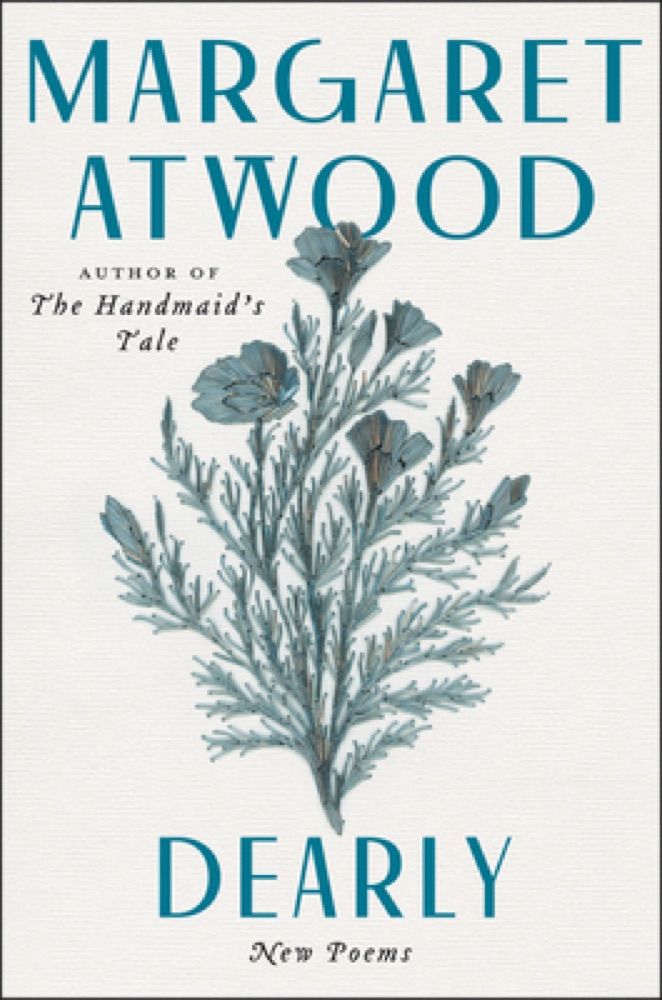 Dearly
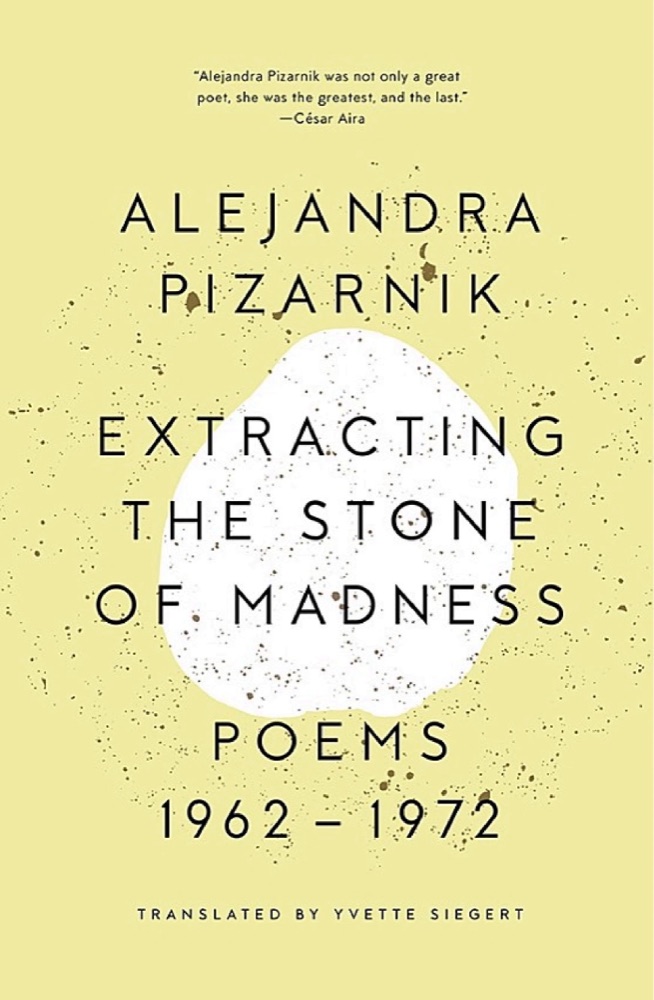 Extracting the Stone of Madness: Poems 1962 - 1972
 A General Theory of Oblivion
 Nutshell
 Acceptance
 How We Are Hungry
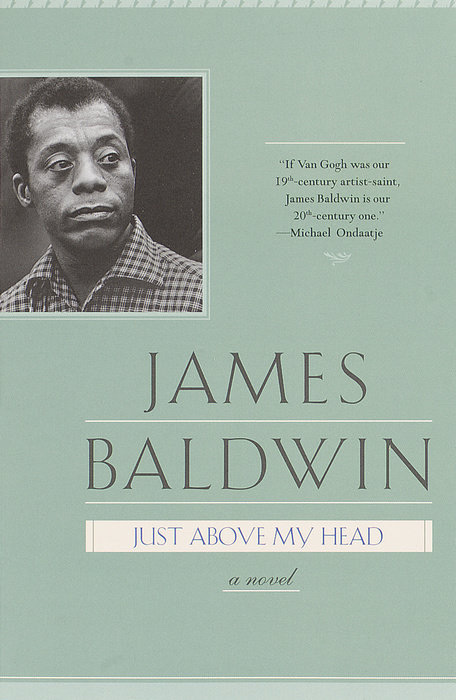 Just Above My Head
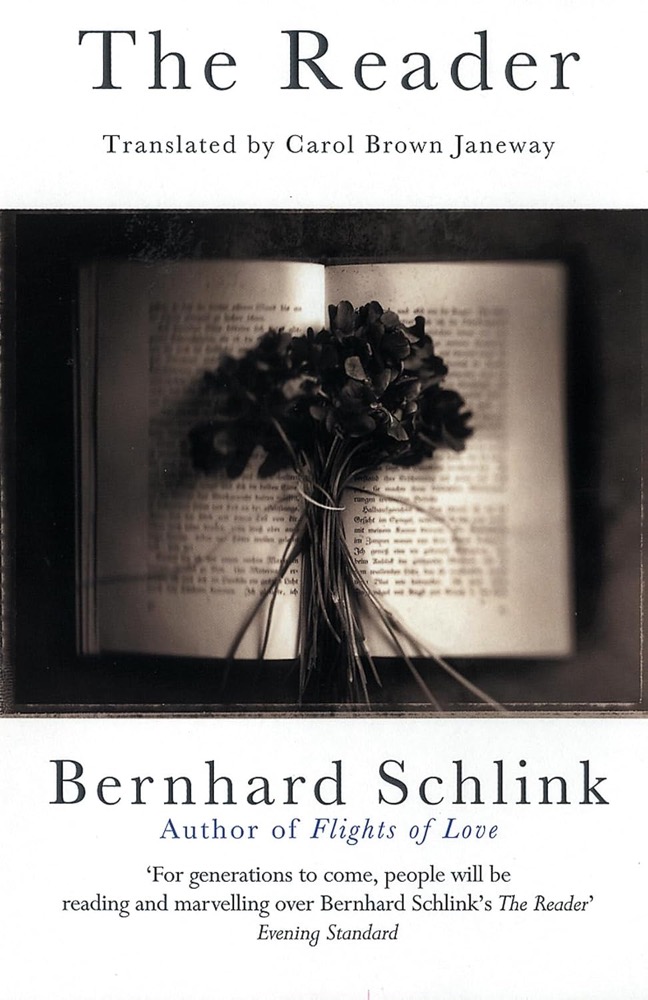 The Reader
 Johnny Panic and the Bible of Dreams: Short Stories, Prose and Diary Excerpts
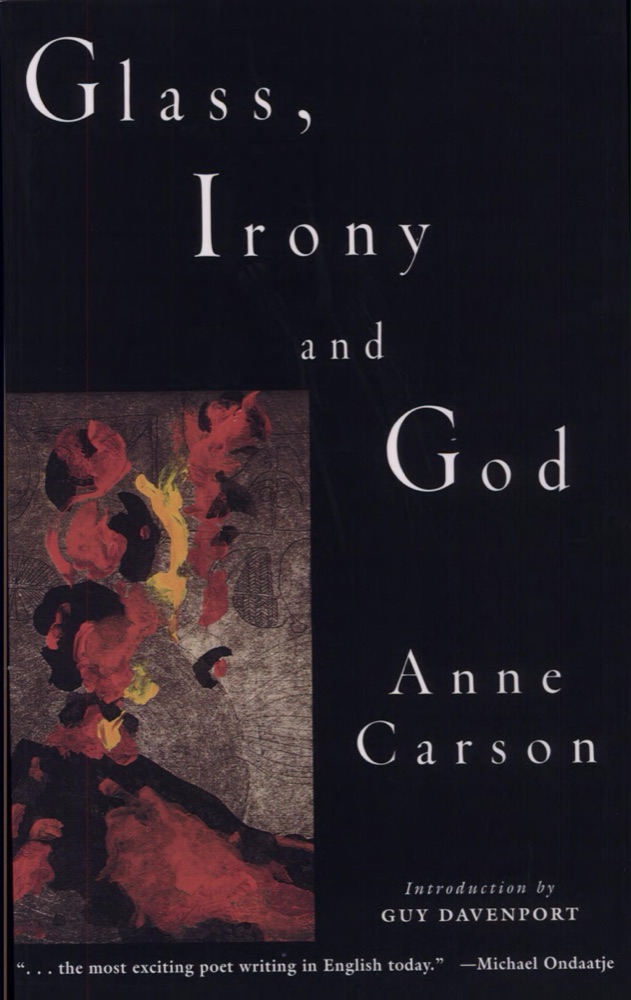 Glass, Irony and God
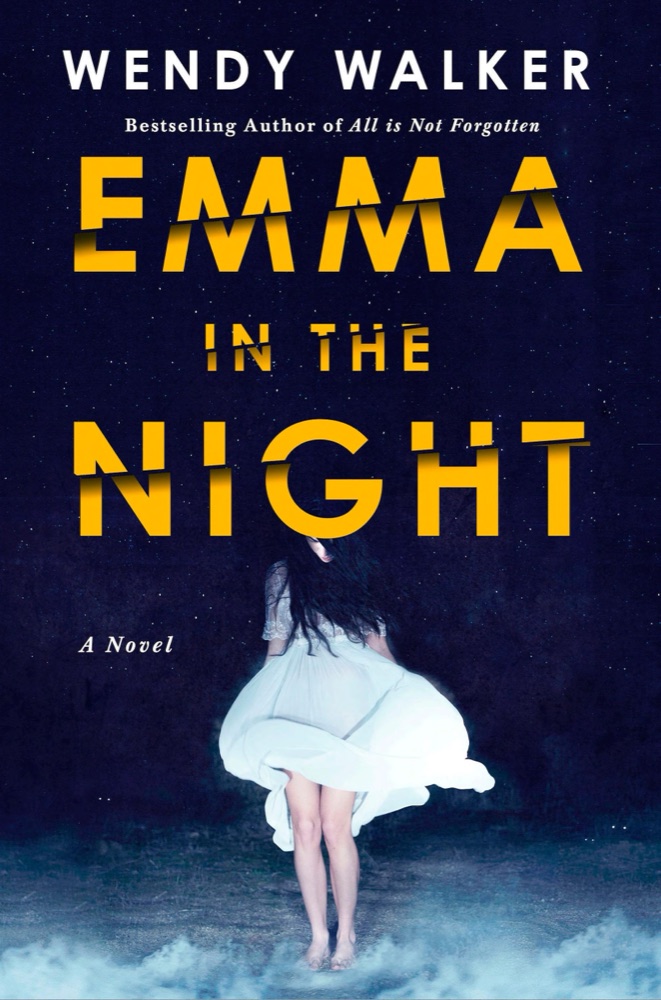 Emma in the Night
 The Name of the Wind
 Men Without Women
 1Q84
1Q84
 The Stone Gods
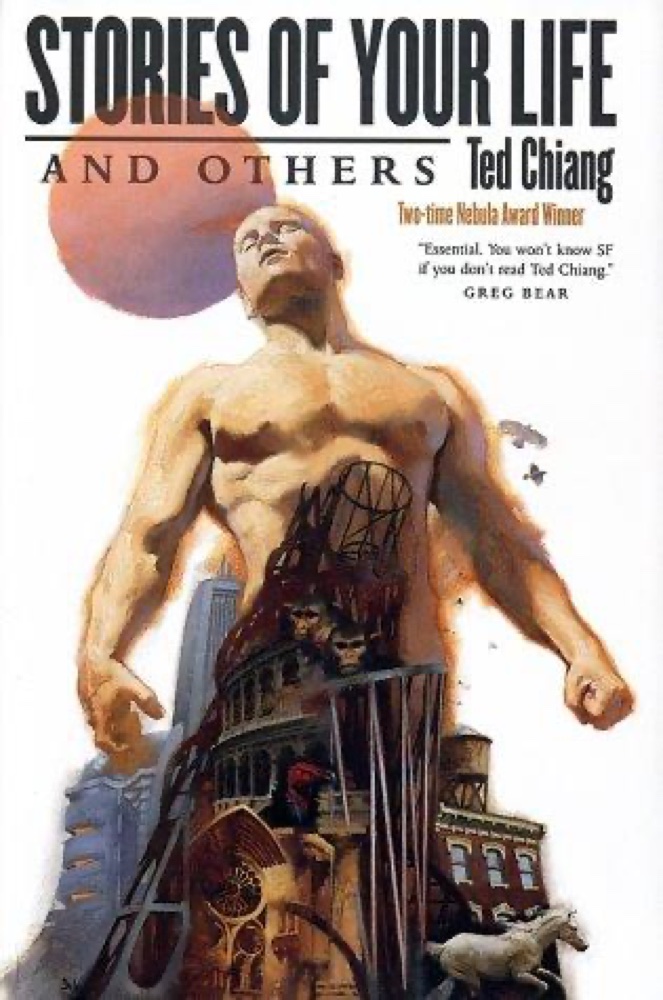 Stories of Your Life and Others
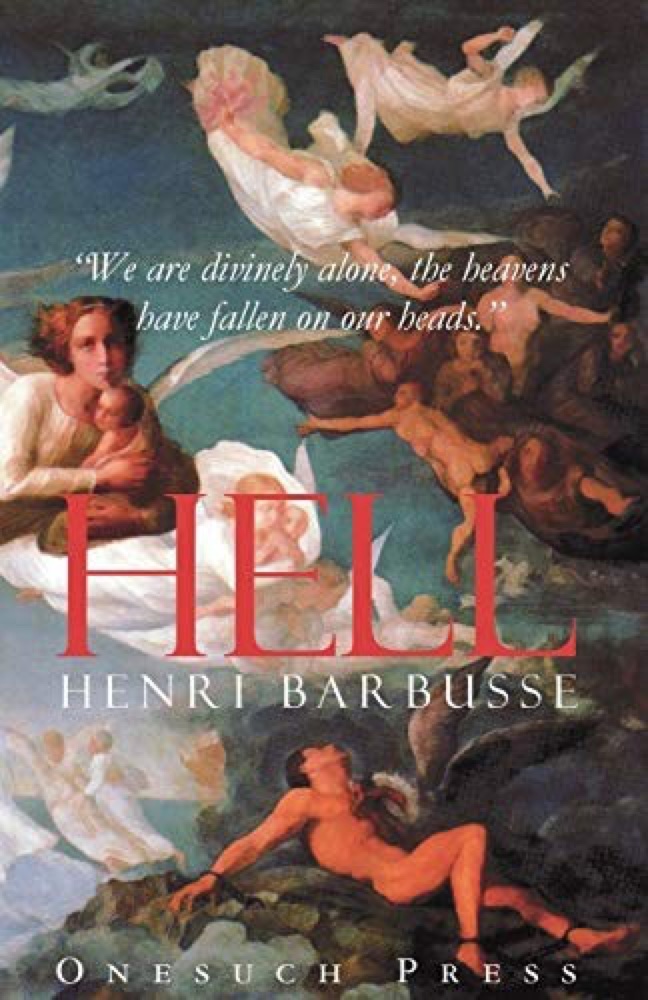 Hell
Hell
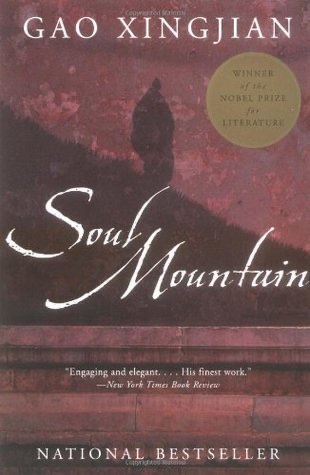 Soul Mountain
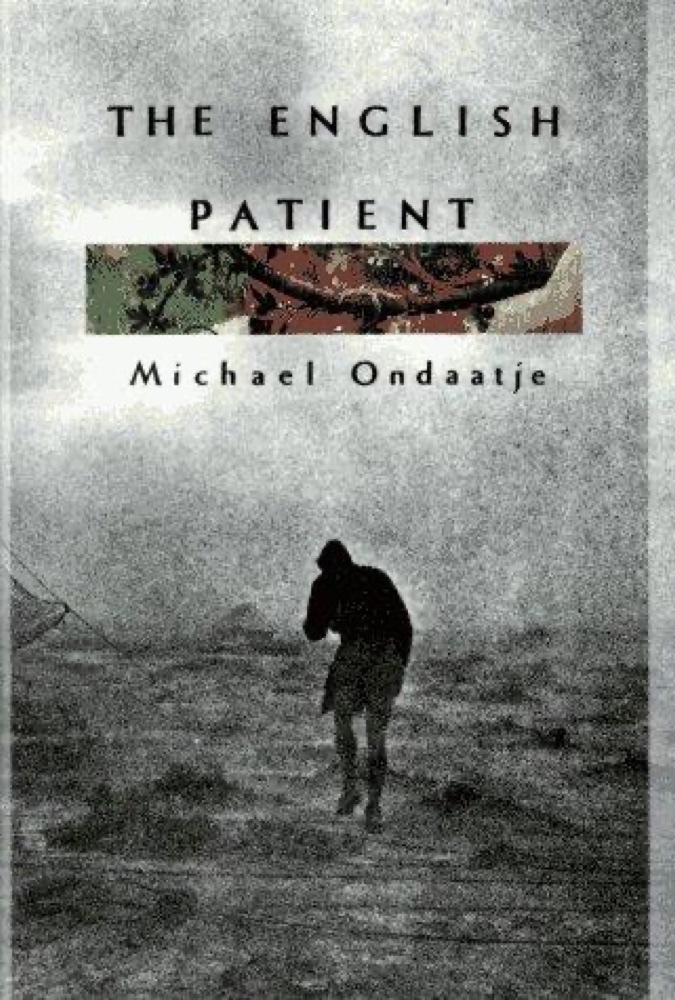 The English Patient
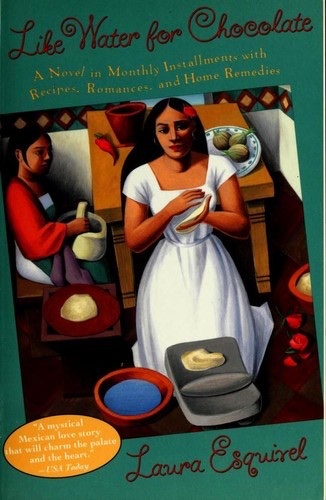 Like Water for Chocolate
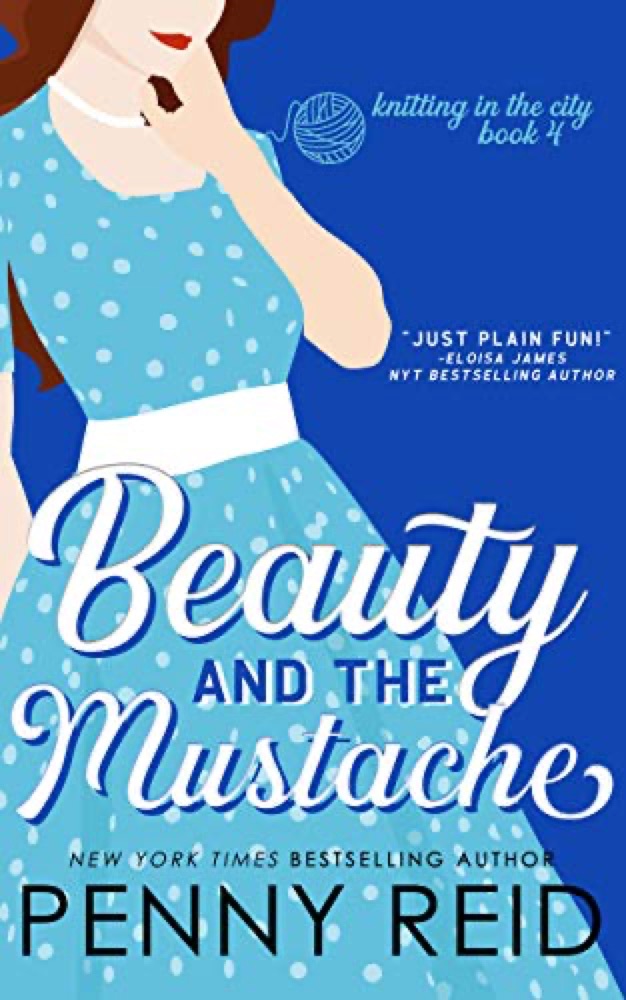 Beauty and the Mustache
 The Dream of Perpetual Motion
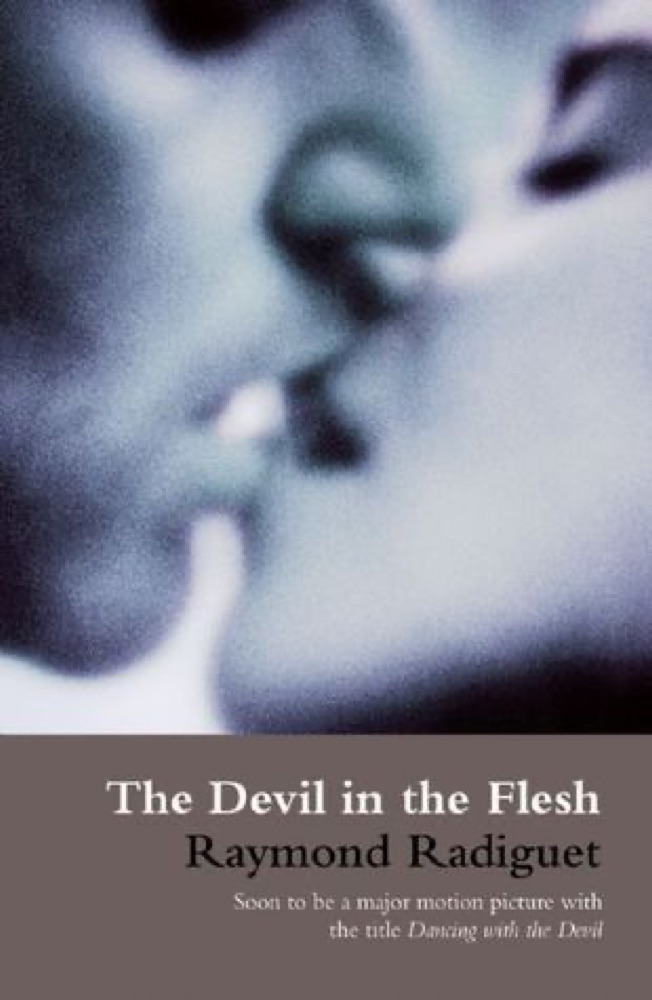 The Devil in the Flesh
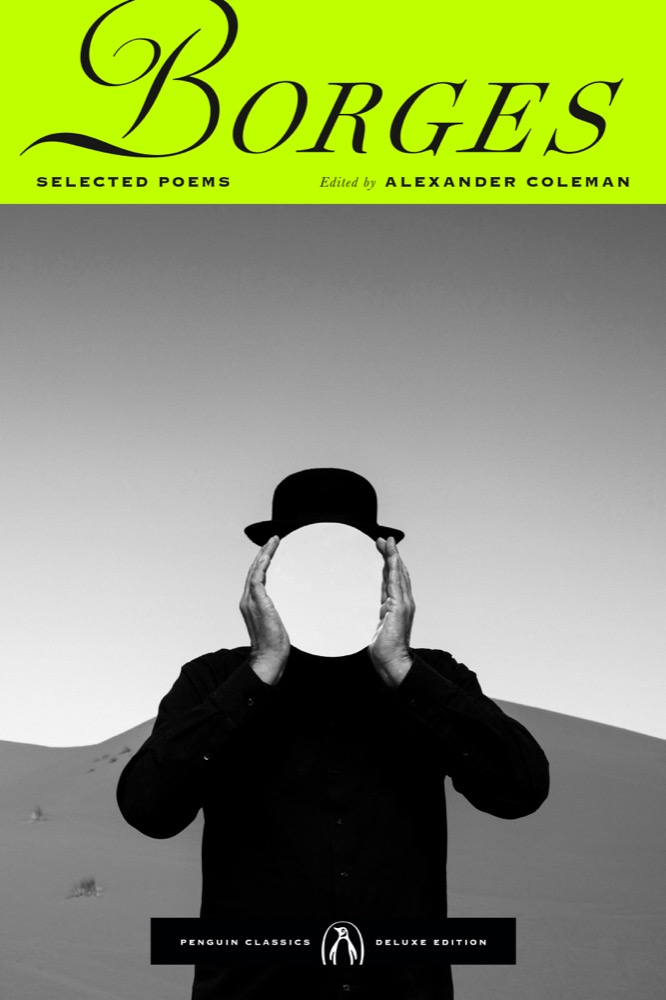 Selected Poems
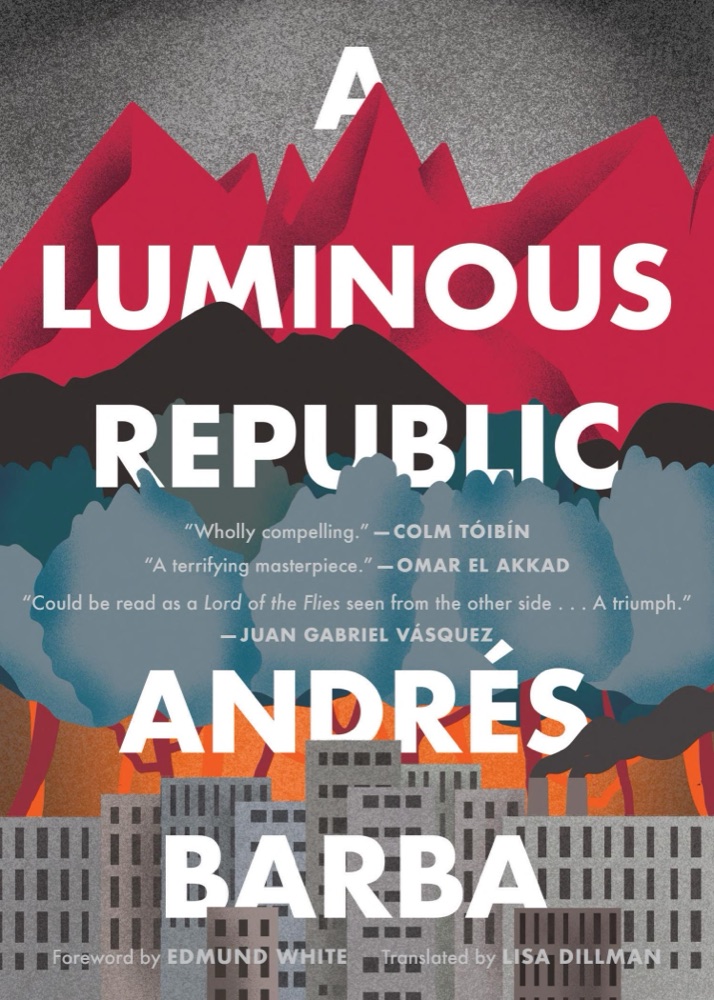 A Luminous Republic
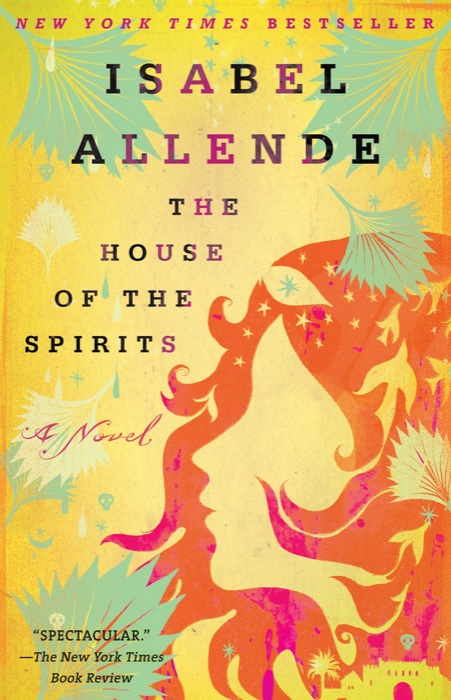 The House of the Spirits
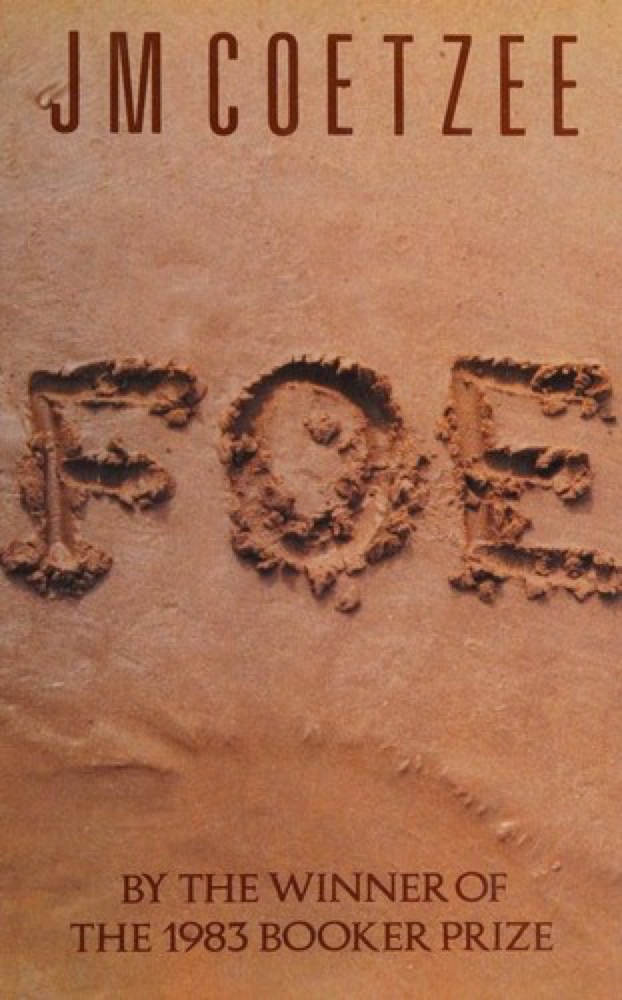 Foe
Foe
 View with a Grain of Sand: Selected Poems
 The Complete Poems of Emily Dickinson
 The Enchanted
 The Time in Between