
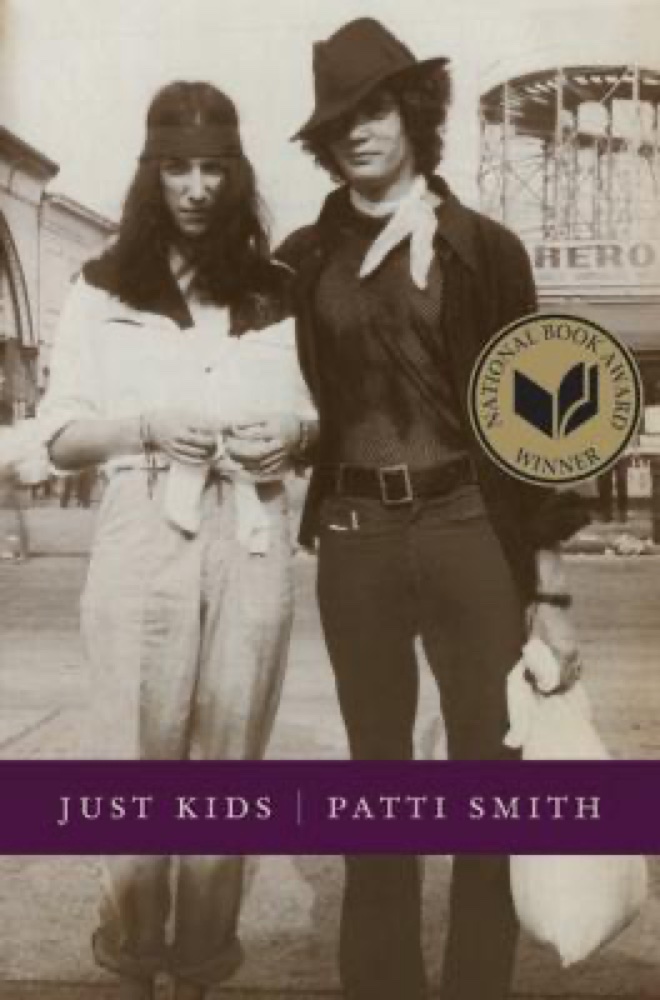
 Just Kids
Quotes from the Book
Why do we write? A chorus erupts. Because we cannot simply live.
47
We would all like to believe that we came from nowhere but ourselves, every gesture is our own. But then we find we belong to the history and fate of a long line of beings that also may have wished to be free.
20
Why is one compelled to write? To set oneself apart, cocooned, rapt in solitude, despite the wants of others. Virginia Woolf had her room. Proust his shuttered windows. Marguerite Duras her muted house. Dylan Thomas his modest shed. All seeking an emptiness to imbue with words. The words that will penetrate virgin territory, crack unclaimed combinations, articulate the infinite. The words that formed Lolita, The Lover, Our Lady of the Flowers.
17
Tearing things apart (is) a powerful aspect of human nature.
15
I climb the side of a volcano carved from ice, heat drawn from the well of devotion that is the female heart.
14
..slowly I discerned a familiar shift in my concentration. That compulsion that prohibits me from completely surrendering to a work of art, drawing me from the halls of a favored museum to my own drafting table. Pressing me to close Songs of Innocence in order to experience, as Blake, a glimpse of the divine that may also become a poem. That is the decisive power of a singular work:a call to action. And I, time and again, am overcome with the hubris to believe I can answer that call
10
Fate has a hand but is not the hand.
8
The priest had been kind but could not draw her out. Instead she chose to tell her story in the greater church, the green cathedral that is nature. For nature too is holy, more holy than the icons, more holy than the relics of saints. These were dead things compared to the most insignificant living thing. The fox knows this, and the deer, and the pine.
8
When does it cease to be something beautiful, a faithful aspect of the heart, to become off-center, slightly off the axis, and then hurled into an obsessional void?
7
I can examine how, but not why, I wrote what I did, or why I had so perversely deviated from my original path. Can one, tracking and successfully collaring a criminal, truly comprehend the criminal mind? Can we truly separate the how and the why?
3
she experienced the melancholy luxury of solitary joy
2
Theirs was a story that could not resolve, only unravel.
2
A language without words, where the mind must bow to instinct
2
Having no past we have only present and future. We would all like to believe that we came from nowhere but ourselves, every gesture is our own. But then we find we belong to the history and fate of a long line of beings that also may have wished to be free
2
It occurs to me that the young look beautiful as they sleep and the old, such as myself, look dead.
2
I seldom visit people's homes, for despite the hospitality offered I often suffer a feeling of confinement or imagined pressure.
2
There are stacks of notebooks that speak of years of aborted efforts, deflated euphoria, a relentless pacing of the boards. We must write, engaging in a myriad of struggles, as if breaking in a willful foal. We must write, but not without consistent effort and a measure of sacrifice: to channel the future, to revisit childhood, and to rein in the follies and horrors of the imagination for a pulsating race of readers.
2
The process of boarding a plane without a book produces a wave of panic. The right book can serve as a docent of sorts, setting a tone or even altering the course of a journey.
2
What is the dream? To write something fine, that would be better than I am, and that would justify my trials and indiscretions. To offer proof, through a scramble of words, that God exists.
1
The unexpected gift suggested small hopes, a vague but promising human connection. She felt a delight but also a fear of it, for it momentarily seemed to eclipse her impatience to skate. She lived only for skating, she told herself; there was no room for anything else. Not love, school, or scraping the walls of memory. Negotiating a bouquet of confusion, the lace on her skate broke in her hand. She quickly knotted it, then unfastened the skirt of her new coat and stepped onto the ice. -I am Eugenia, she said, to no one in particular.
1
He wrote of lifting her in the air and delighting in the fact that she had his mother’s eyes, deep brown eyes that seemed to contain everything.
1
Stirred by a chorus of sensations, she was at once liberated and trapped.
1
The confession booth is not wide enough to hold my sins. It is but a small boat in the center of a terrible sea.
1
And that’s how I became Philadelphia, she wrote later in her journal. Like the city of freedom. Yet I was not free. Hunger is its own warden.
1
It cost me a lot, she was thinking, not with regret, but with pride.
1
I felt helplessly at peace. The rain dissipated. My shoes were muddied. There was an absence of light, but not of love.
1
One could not help but thank the gods for apportioning Camus with a righteous and judicious pen.
1
Free of all expectation or desire, she spun, and was at once the loom, the thread, the strand of gold
1
Watch on YouTube
About Patti Smith
We have collected 117 quotes from 4 books by Patti Smith on BookQuoters.
More about the author →More by Patti Smith
About the book
A work of creative brilliance may seem like magic—its source a mystery, its impact unexpectedly stirring. How does an artist accomplish such an achievement, connecting deeply with an audience never met? In this groundbreaking book, one of our culture’s beloved artists offers a detailed account of her own creative process, inspirations, and unexpected connections.
Patti Smith, a National Book Award-winning author, first presents an original and beautifully crafted tale of obsession—a young skater who lives for her art, a possessive collector who ruthlessly seeks his prize, a relationship forged of need both craven and exalted. She then takes us on a second journey, exploring the sources of her story. We travel through the South of France to Camus’s house, and visit the garden of the great publisher Gallimard where the ghosts of Mishima, Nabokov, and Genet mingle. Smith tracks down Sim
Book details
- First published
- 2017
- Author
- Patti Smith
- Genre
- Nonfiction
- Goodreads rating
- 3.84 (17k ratings) →
The buzz
- Kirkus ReviewsReview in Kirkus Reviewsprofessional review (via Book Marks)
- Publishers WeeklyReview in Publishers Weeklyprofessional review (via Book Marks)
- New York Journal of BooksReview in New York Journal of Booksprofessional review (via Book Marks)
- BooklistReview in Booklistprofessional review (via Book Marks)
- CriminalelementReview in Criminalelementprofessional review (via Book Marks)
Keep reading
 The Mill on the Floss
 Now Is the Time to Open Your Heart
 The Muse
 Johnny Panic and the Bible of Dreams: Short Stories, Prose and Diary Excerpts
 Justine
 Outline
 The Story of the Lost Child
 The Stone Diaries
 My Friends
 Atonement
 Palimpsest
 In the Heart of the Heart of the Country and Other Stories
 Possession
 Glass, Irony and God
 The Awakening
 Swann's Way
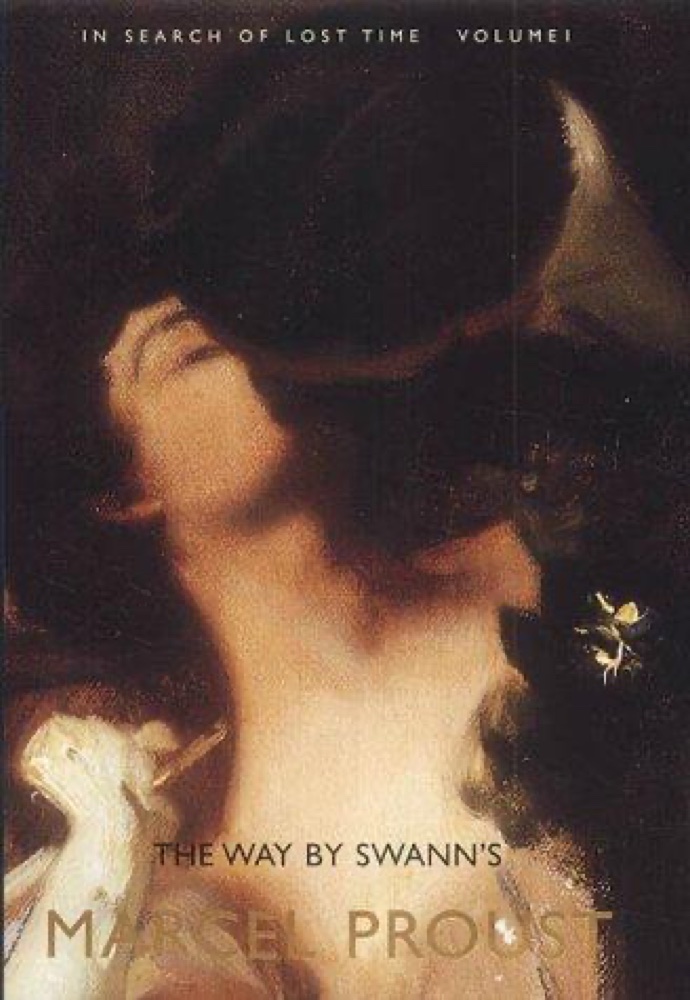 In Search of Lost Time
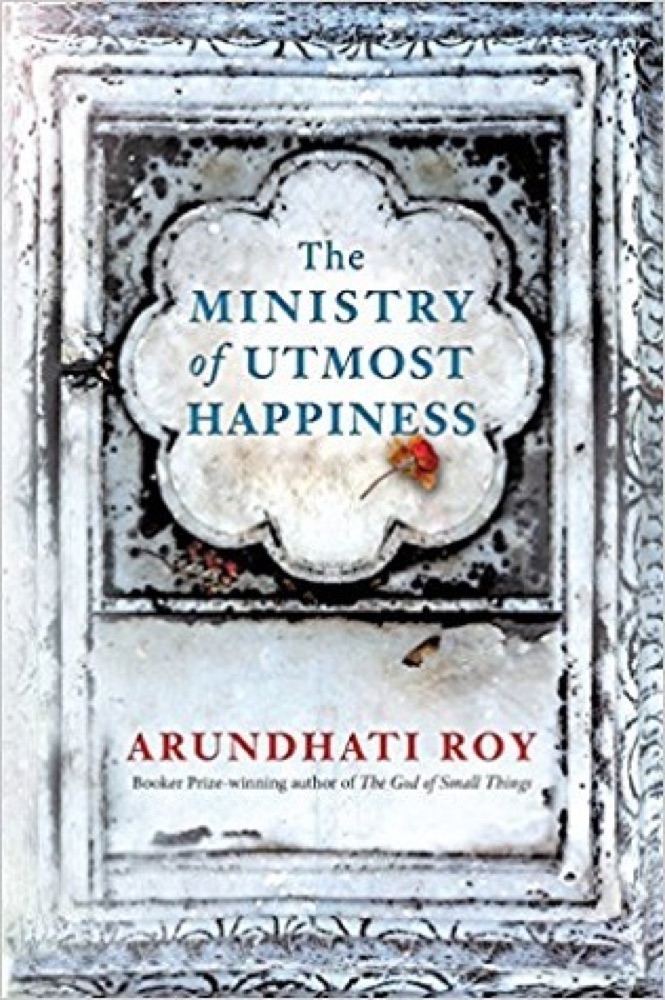 The Ministry of Utmost Happiness
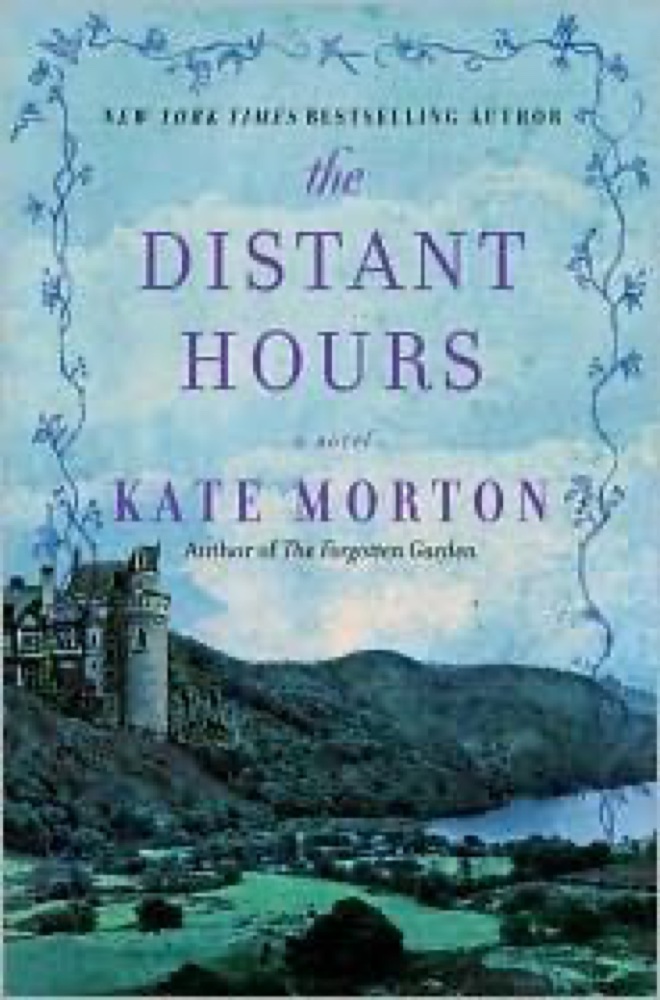 The Distant Hours
 Mother Mary Comes to Me
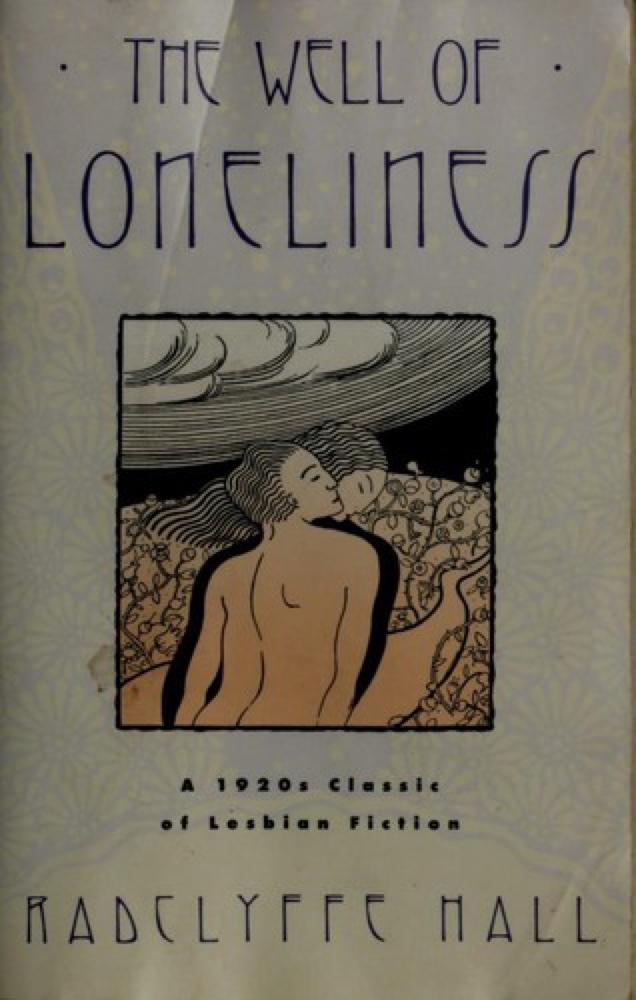 The Well of Loneliness
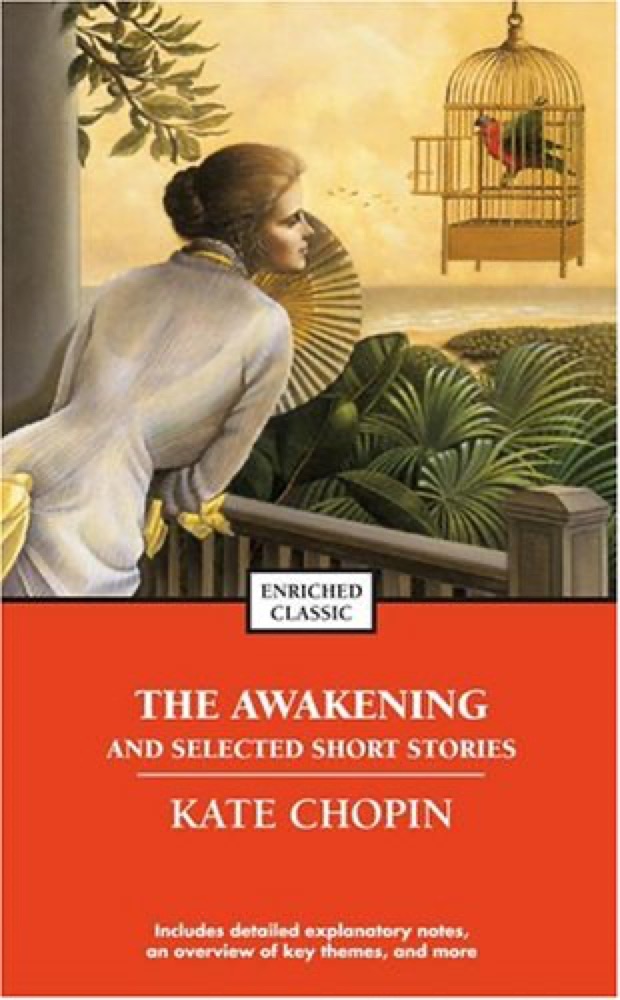 The Awakening and Selected Stories
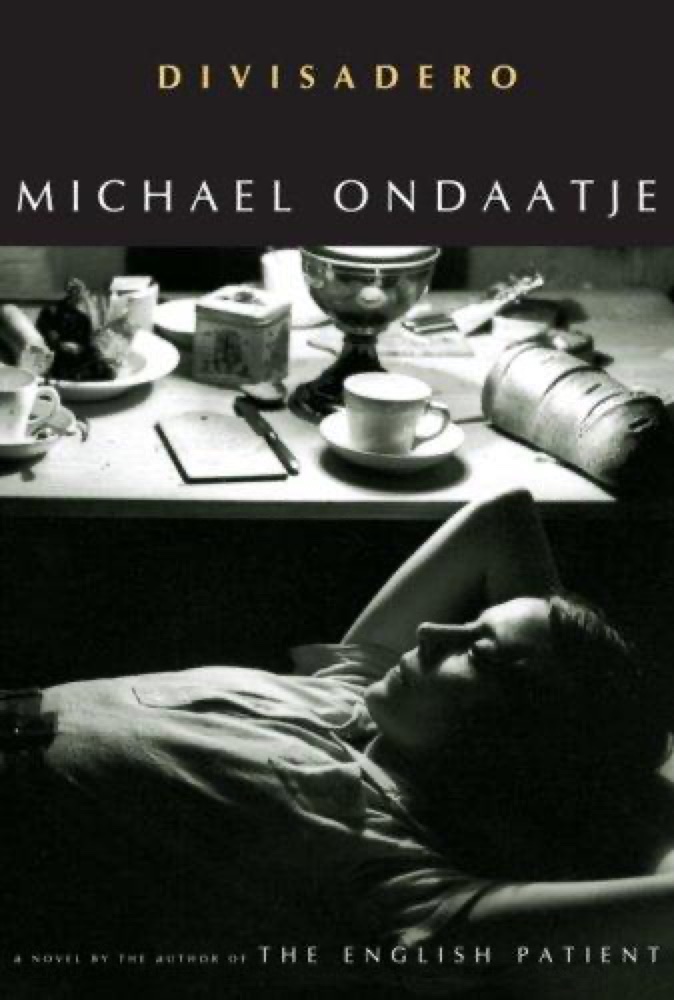 Divisadero
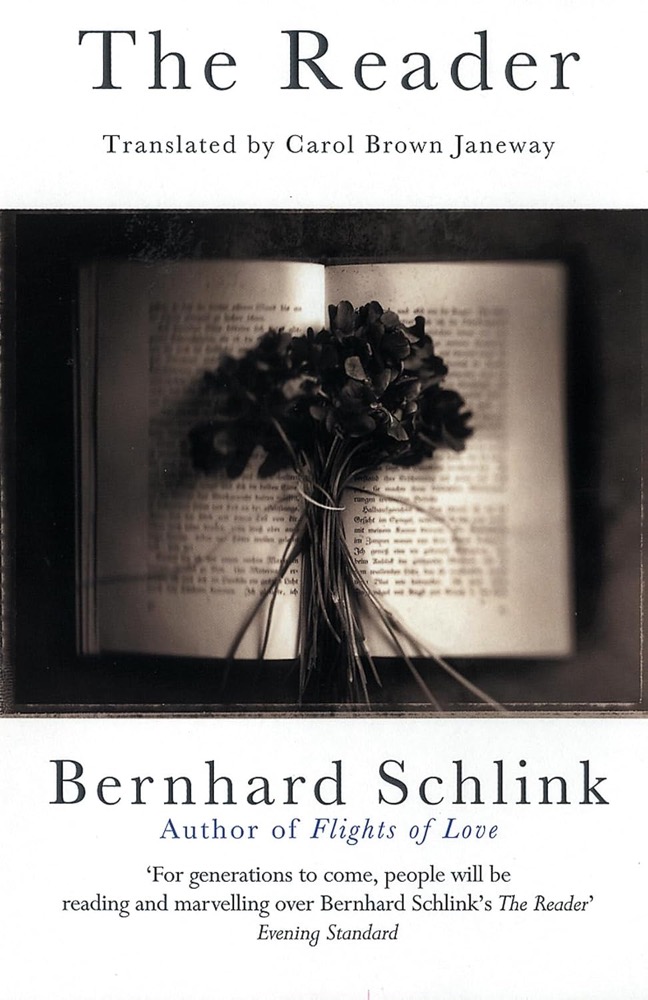 The Reader
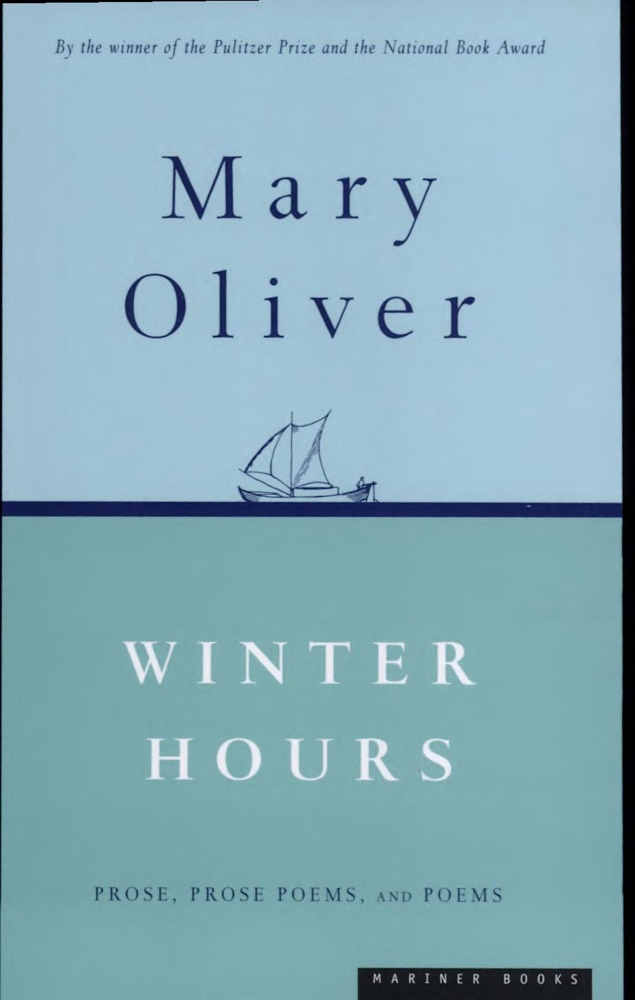 Winter Hours: Prose, Prose Poems, and Poems
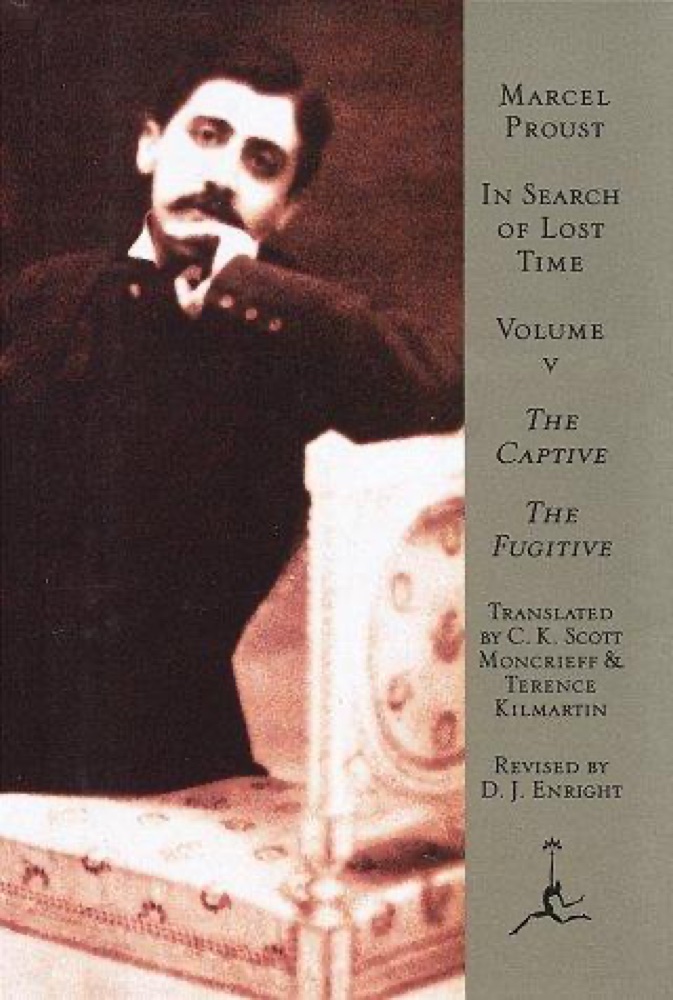 The Captive & The Fugitive
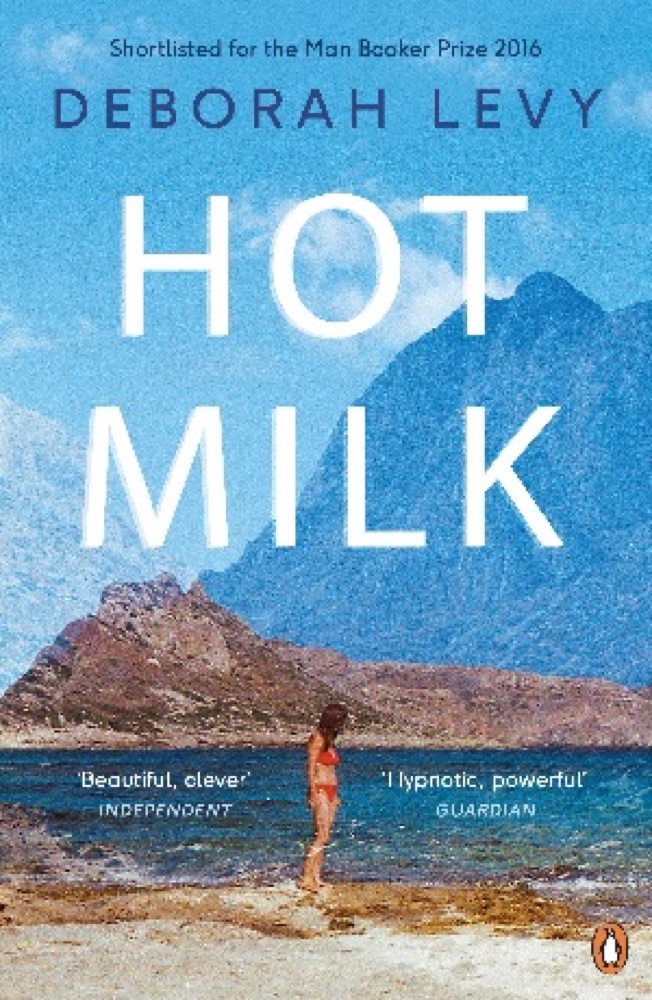 Hot Milk
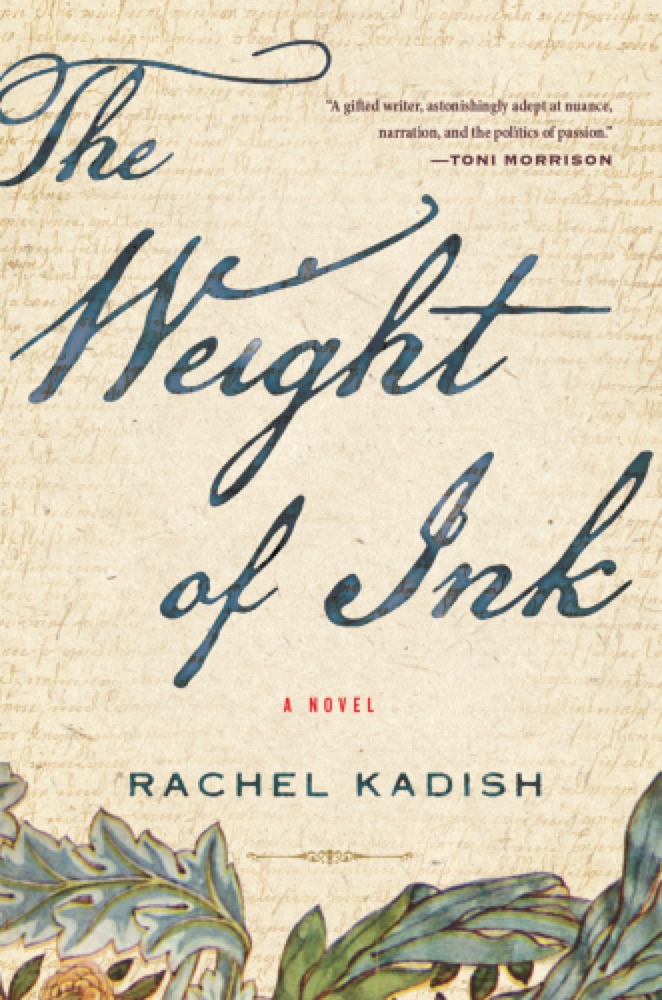 The Weight of Ink
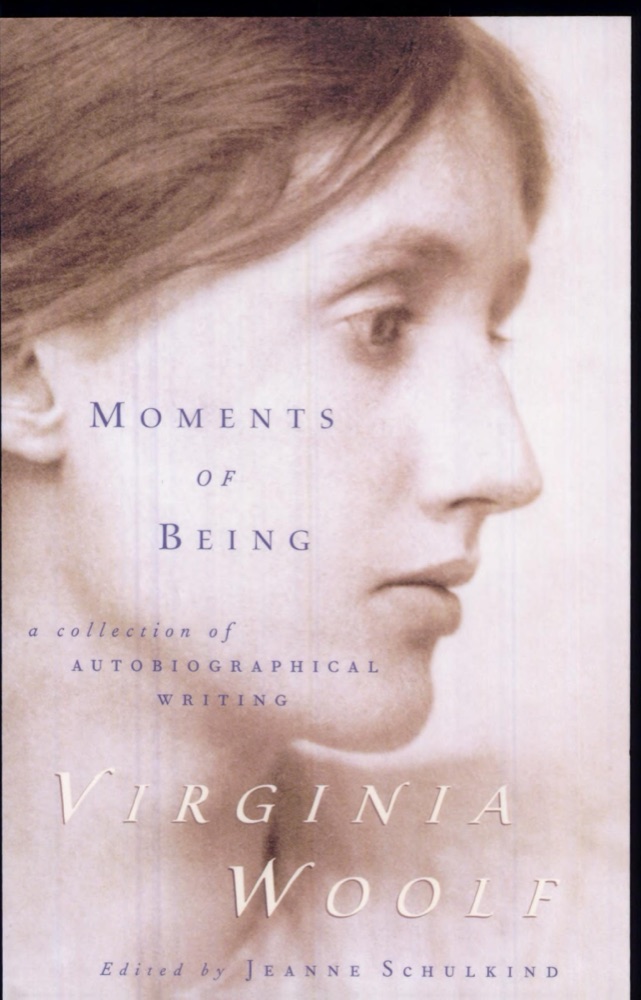 Moments of Being: A Collection of Autobiographical Writing
 Those Who Leave and Those Who Stay
 The Song of the Lark
 Too Much Happiness: Stories
 The English Patient
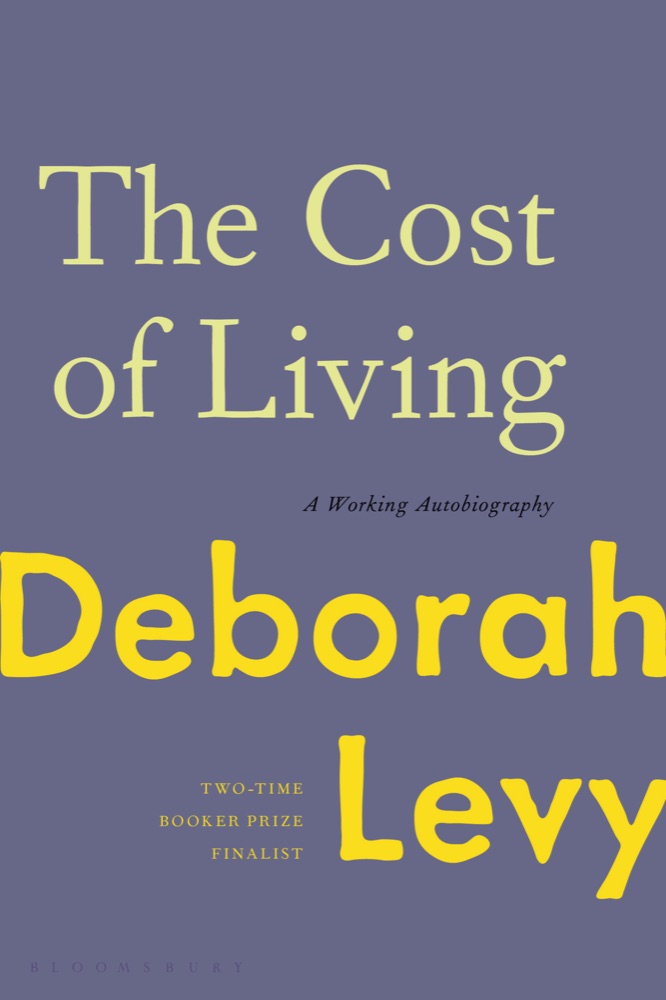 The Cost of Living: A Working Autobiography
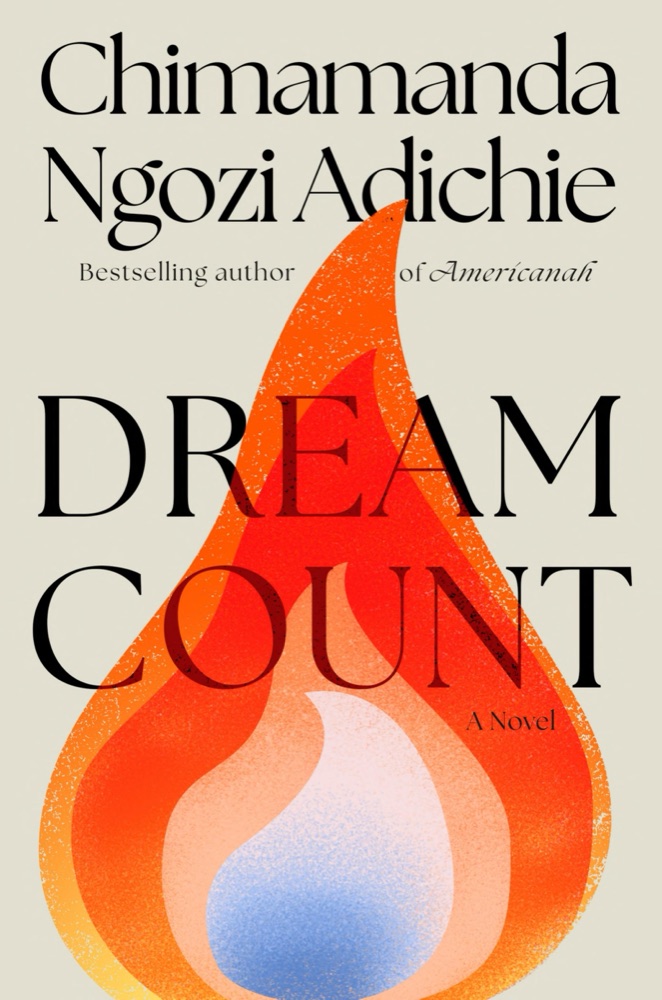 Dream Count
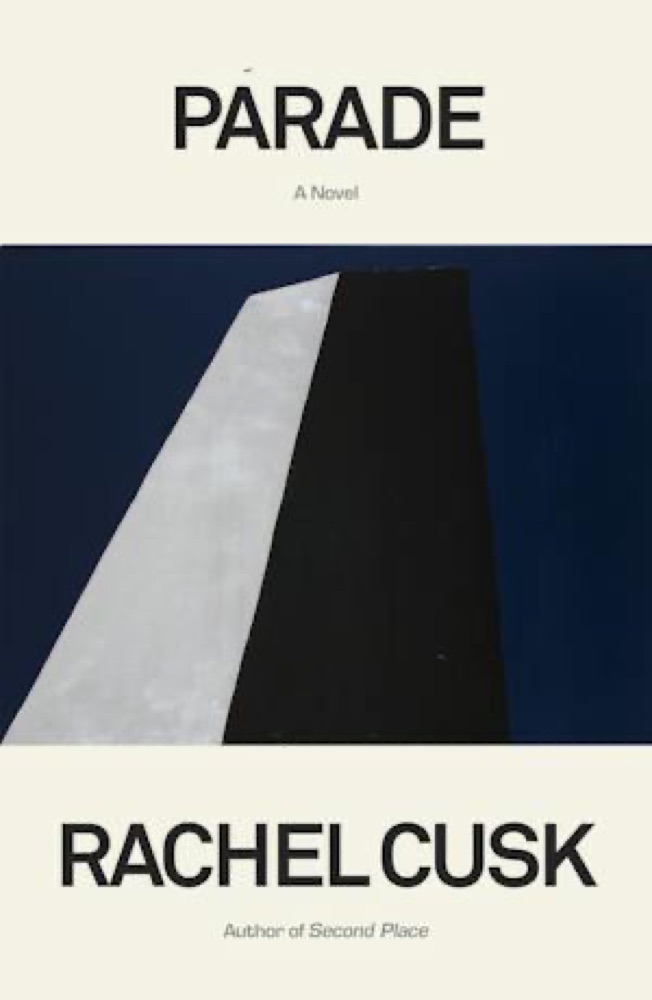 Parade
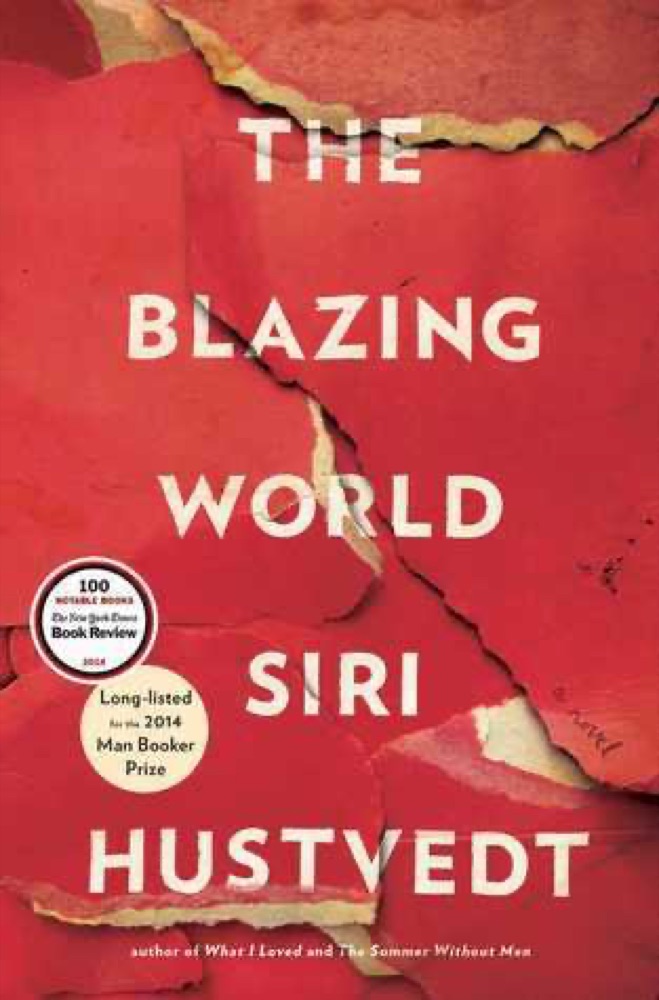 The Blazing World
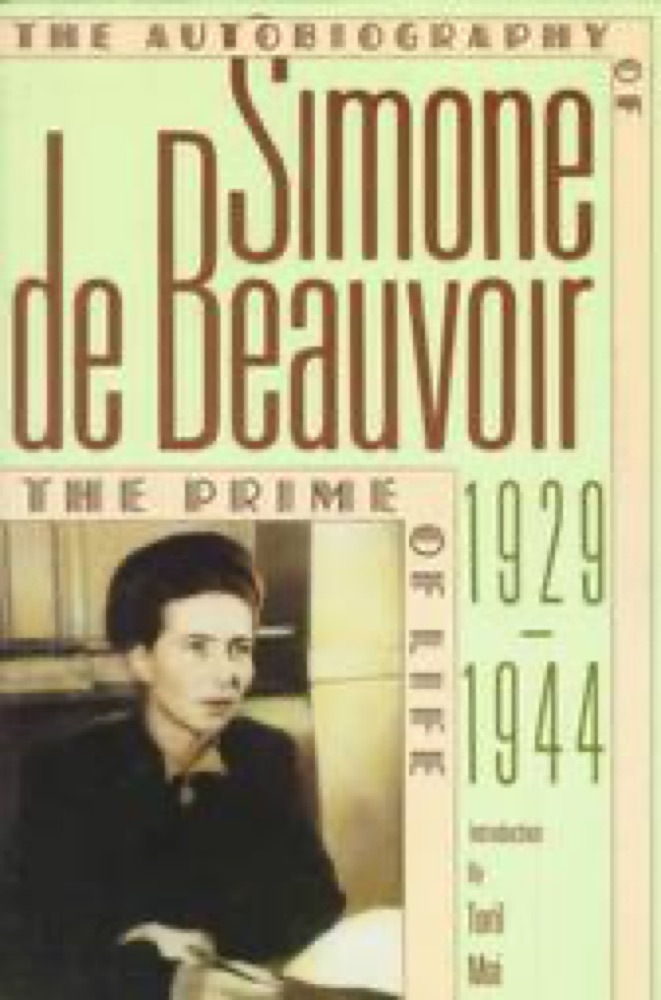 Prime of Life
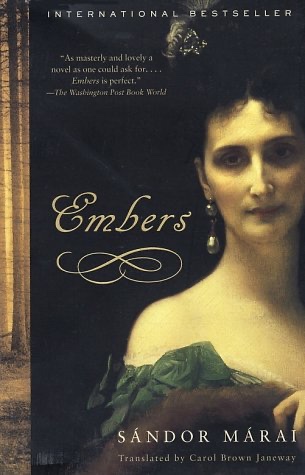 Embers
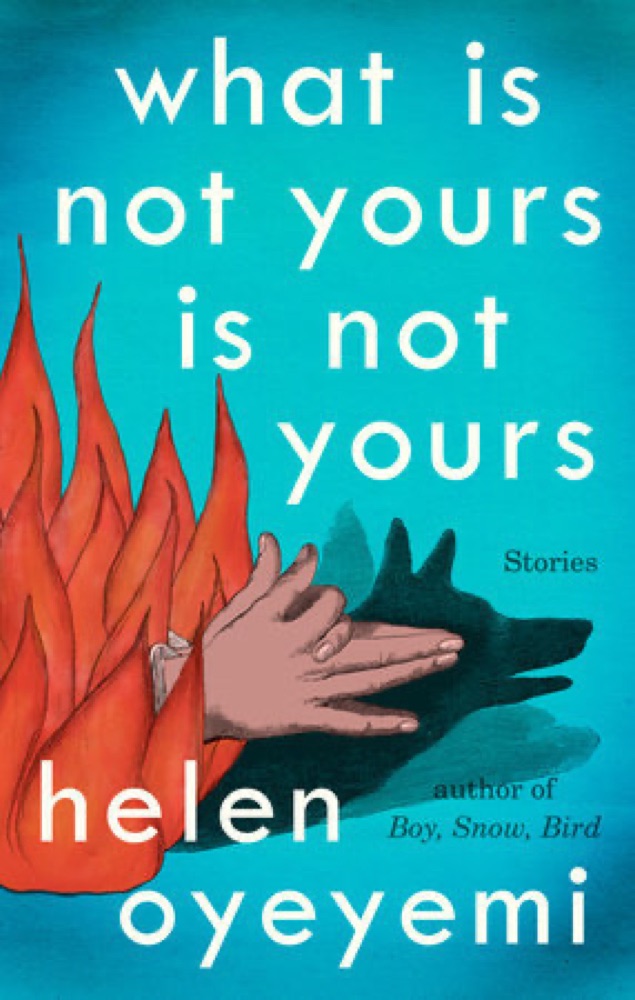 What Is Not Yours Is Not Yours
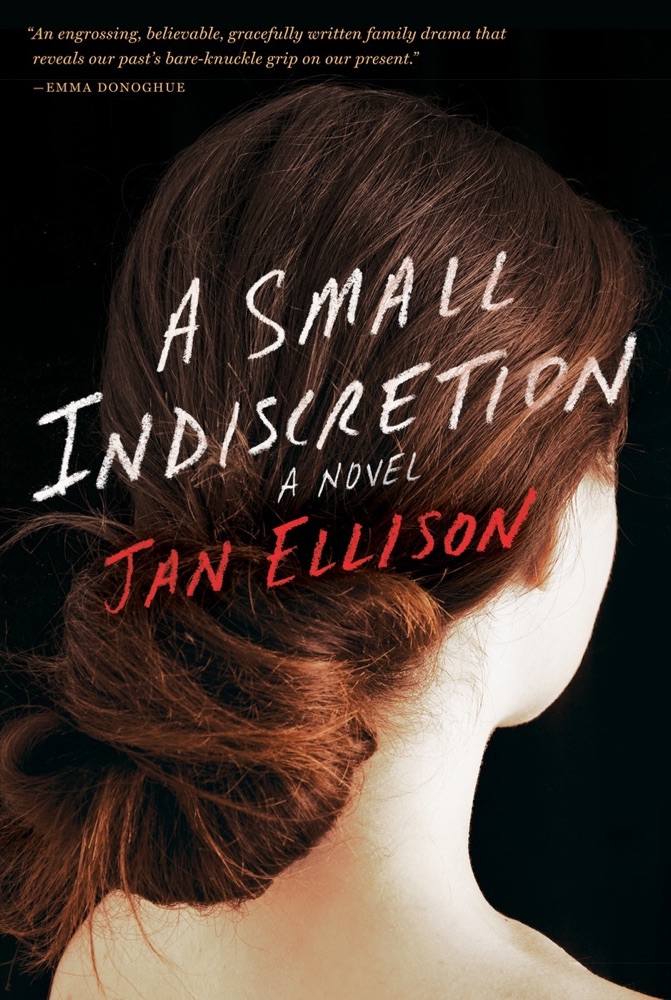 A Small Indiscretion
 Upstream: Selected Essays
 Ada, or Ardor: A Family Chronicle
 The Scent of Water
 The Ground Beneath Her Feet
 Notes on an Execution
 Birds of America
 Near to the Wild Heart
 Warlight
 Year of Wonders
 The Mermaid Chair
 Biography of X
 Orlando
 The Jewel of Seven Stars
 A Ghost in the Throat
 Villette
 Library of Souls
 The Invention of Wings
 The Tsar of Love and Techno
 The Pox Party