
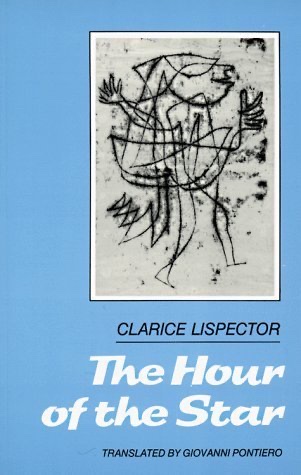
 The Hour of the Star
Quotes from the Book
Do you ever suddenly find it strange to be yourself?
223
I write as if to save somebody’s life. Probably my own. Life is a kind of madness that death makes. Long live the dead because we live in them.
198
I've never been free in my whole life. Inside I've always chased myself. I've become intolerable to myself. I live in a lacerating duality. I'm seemingly free, but I'm a prisoner inside of me.
186
I'm afraid to write. It's so dangerous. Anyone who's tried, knows. The danger of stirring up hidden things - and the world is not on the surface, it's hidden in its roots submerged in the depths of the sea. In order to write I must place myself in the void. In this void is where I exist intuitively. But it's a terribly dangerous void: it's where I wring out blood. I'm a writer who fears the snare of words: the words I say hide others - Which? maybe I'll say them. Writing is a stone cast down a deep well.
67
Here is a moment of extravagant beauty: I drink it liquid from the shells of my hands and almost all of it runs sparkling through my fingers: but beauty is like that, it is a fraction of a second, quickness of a flash and then immediately it escapes.
67
They gave me a name and alienated me from myself.
56
Something broke in me and left me with a nerve split in two. In the beginning the extremities linked to the cut hurt me so badly that I paled in pain and perplexity. However the split places gradually scarred over. Until coldly, I no longer hurt. I changed, without planning to. I used to look at you from my inside outward and from the inside of you, which because of love, I could guess. After the scarring I started to look at you from the outside in. And also to see myself from the outside in: I had transformed myself into a heap of facts and actions whose only root was in the domain of logic. At first I couldn't associate me with myself. Where am I? I wondered. And the one who answered was a stranger who told me coldly and categorically: you are yourself.
47
Reality doesn't surprise me. But that's not true: I suddenly feel such a hunger for the "thing to really happen" that I cry out and bite into reality with my lacerating teeth. And afterwards give a sigh over the captive whose flesh I ate. And again, for a long while, I do without real reality and find comfort in living from my imagination.
35
Obsessed with the desire to be happy I lost my life. I moved with the tension of a bow and arrow in an unreality of desires.
34
I write very simple and very naked. That's why it wounds. I'm a grey and blue landscape. I rise in a dry fountain and in the cold light.
29
To know when to quit. Whether to give up--this is often the question facing the gambler. No one is taught the art of walking away. And the anguish of deciding if I should keep playing is hardly unusual. Will I be able to quit honorably? or am I the type who waits stubbornly for something to happen? something like, for instance, the end of the world? or whatever it might be, maybe my own sudden death, in which case my decision to give up would be beside the point.
28
Ser feliz é uma responsabilidade muito grande. Pouca gente tem coragem. Tenho coragem mas com um pouco de medo. Pessoa feliz é quem aceitou a morte. Quando estou feliz demais, sinto uma angústia amordaçante: assusto-me.
25
I really like things I don't understand: when I read a thing I don't understand I feel a sweet and abysmal vertigo.
21
Sometimes writing a single line is enough to save your own heart.
21
The difference between the insane and the not-insane person is that the latter doesn't do or say the things he thinks.
17
Danger is what makes life precious. Death is the constant danger of life.
17
Are we fruit of the same tree? No - Angela is everything I wanted to be and never was. What is she? She's the waves of the sea. While I'm the dense and gloomy forest. I'm in the depths. Angela scatters in sparkling fragments. Angela is my vertigo. Angela is my reverberation.
12
Saying meaningless words is my great freedom.
11
I read what I'd written and thought once again: from what violent chasms is my most intimate intimacy nourished, why does it deny itself so much and flee to the domain of ideas? I feel within me a subterranean violence, a violence that only comes to the surface during the act of writing.
11
Suffering for a being deepens the heart within the heart.
10
I'm no more than a comma in life. I who am a colon. Thou, thou art my exclamation.
9
I don't have anything to nourish me: I eat myself
8
And I scream: I feel, I suffer, I am happy, I am moved. Only my enigma interests me. More than anything, I search for myself in my great void.
7
What an effort I make to be myself. I struggle against a tide in a boat with just enough room for my two feet in a perilous and fragile balance. Living is an act I did not premeditate. I blossomed in the dark. I am only valid for myself. I must live little by little, it's no good living everything at once.
7
Refugiei-me na doideira porque a razão não me bastava.
6
I wonder: why does God demand our love? possible answer: so that we might love ourselves and in loving ourselves, forgive ourselves.
5
I feel as though I've already achieved what I wanted and I still don't know what I achieved. Could that be the somewhat dubious and elusive thing vaguely called 'experience'?
5
These fragments of book mean that I work in ruins.
5
Watch on YouTube
About Clarice Lispector
We have collected 141 quotes from 5 books by Clarice Lispector on BookQuoters.
More about the author →More by Clarice Lispector
About the book
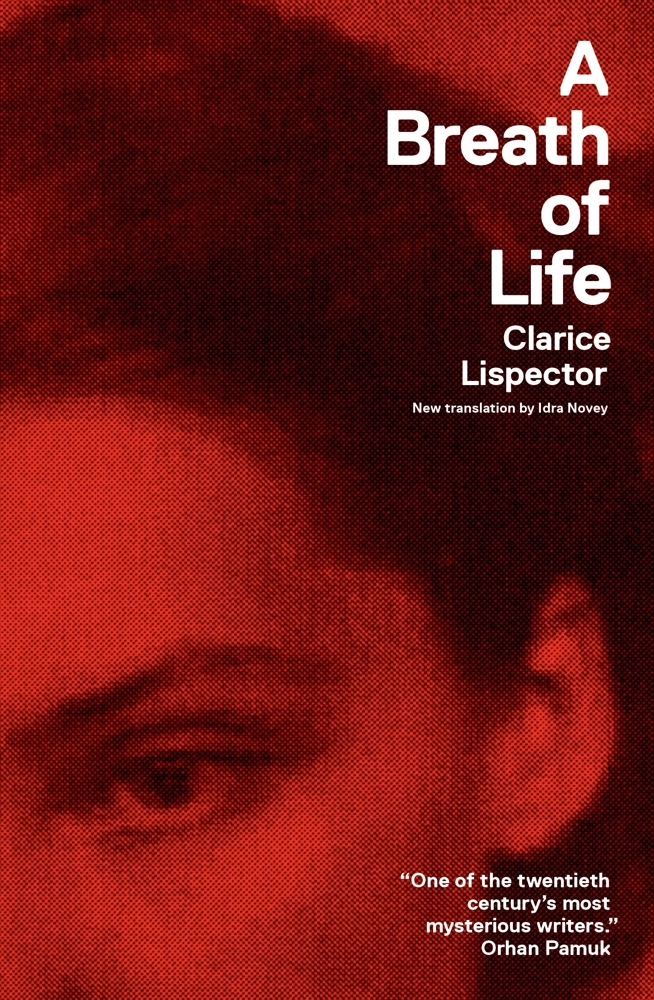
A mystical dialogue between a male author and his creation, this posthumous work has never before been translated, and is a book of particular beauty and strangeness.
A mystical dialogue between a male author (a thinly disguised Clarice Lispector) and his/her creation, a woman named Angela, this posthumous work has never before been translated. Lispector did not even live to see it published.
At her death, a mountain of fragments remained to be “structured” by Olga Borelli. These fragments form a dialogue between a god-like author who infuses the breath of life into his creation: the speaking, breathing, dying creation herself, Angela Pralini. The work’s almost occult appeal arises from the perception that if Angela dies, Clarice will have to die as well. And she did.
Book details
- First published
- 1978
- Author
- Clarice Lispector
- Genre
- Fiction
- Goodreads rating
- 4.28 (6k ratings)
Keep reading
 The Stream of Life
 The Journals of Sylvia Plath
 Near to the Wild Heart
 Diaries, 1910-1923
 The Passion According to G.H.
 The Unabridged Journals of Sylvia Plath
 Blueberries: Essays Concerning Understanding
 The Diary of Anaïs Nin, Vol. 1: 1931-1934
 The Book of Disquiet
 Gut Symmetries
 Last Words from Montmartre
 Nausea
 Henry and June: From "A Journal of Love"--The Unexpurgated Diary of Anaïs Nin
 The World and Other Places: Stories
 Sexus
Sexus
 Tropic of Capricorn
 A Hero of Our Time
 All of Us: The Collected Poems
 A History of My Brief Body
 Confessions
 Tropic of Cancer
 The Chronology of Water
 Either/Or: A Fragment of Life
 Lost in Translation: A Life in a New Language
 No Exit and Three Other Plays
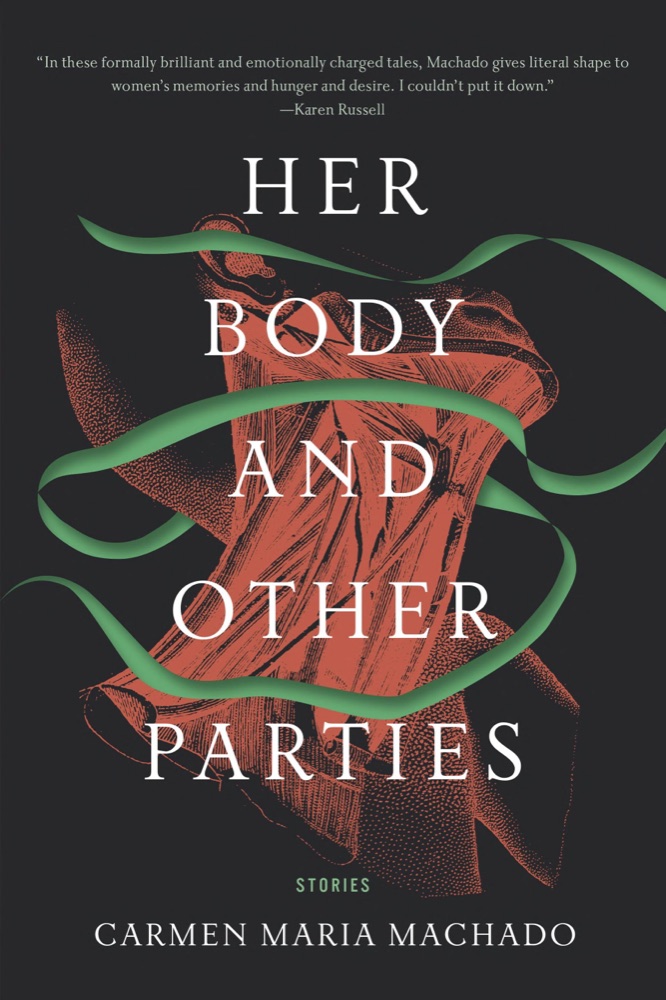 Her Body and Other Parties
 In the Heart of the Heart of the Country and Other Stories
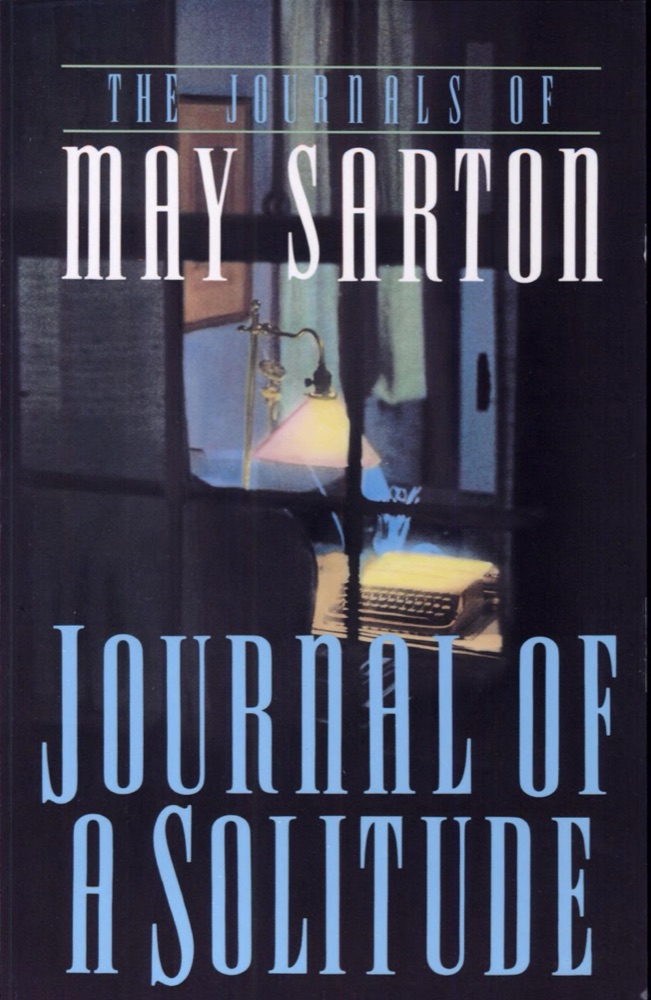 Journal of a Solitude
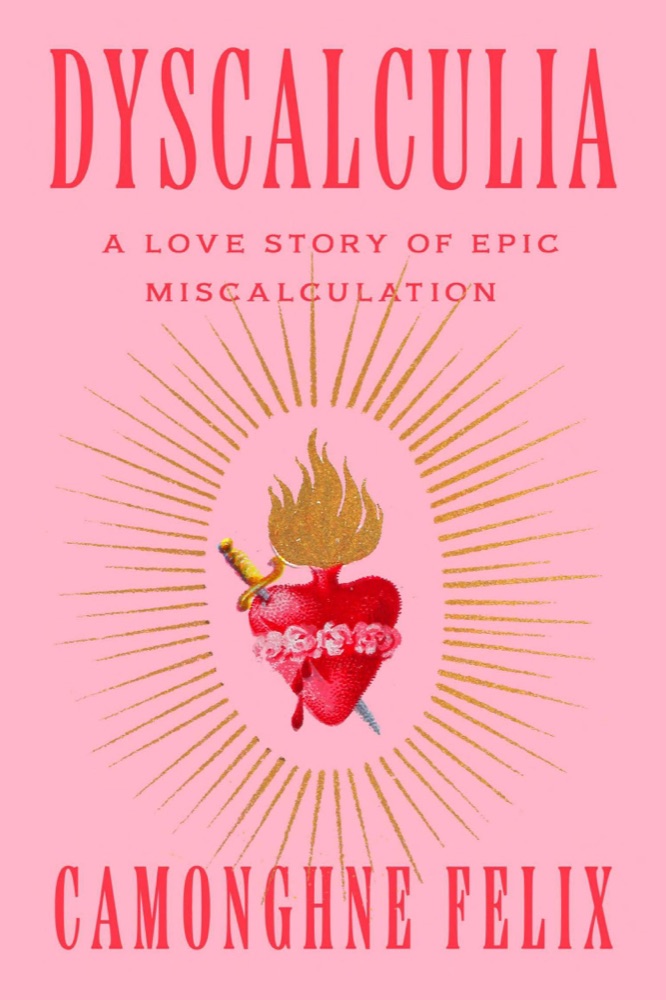 Dyscalculia: A Love Story of Epic Miscalculation
 The Lover
 Falling Back in Love with Being Human: Letters to Lost Souls
 A Writer's Diary
 Like Streams to the Ocean: Notes on Ego, Love, and the Things That Make Us Who We Are
 Notes To Self
 Doctor Zhivago
 An Interrupted Life: The Diaries, 1941-1943; and Letters from Westerbork
 Hunger
 Notes of a Crocodile
 The Star Rover
 The Days of Abandonment
 An Unnecessary Woman
 Art and Lies
 The Nobleman's Guide to Scandal and Shipwrecks
 The Gargoyle
 Girl in the Dark
 The Black Prince
 Lucy Undying
 No Longer Human
 Hell
Hell
 Inferno
 The Reader
 Calling a Wolf a Wolf
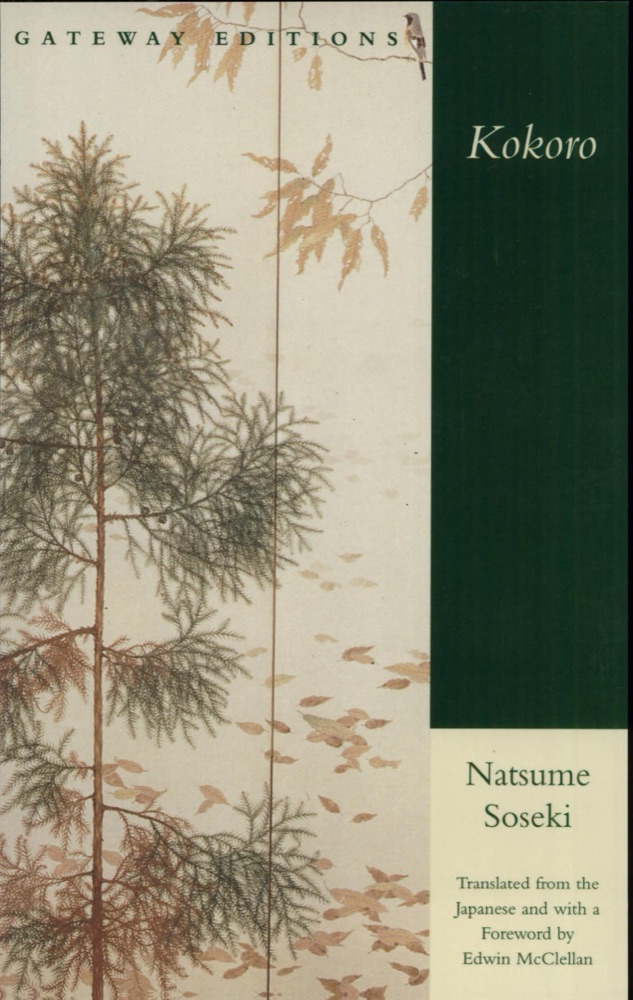 Kokoro
 Smilla's Sense of Snow
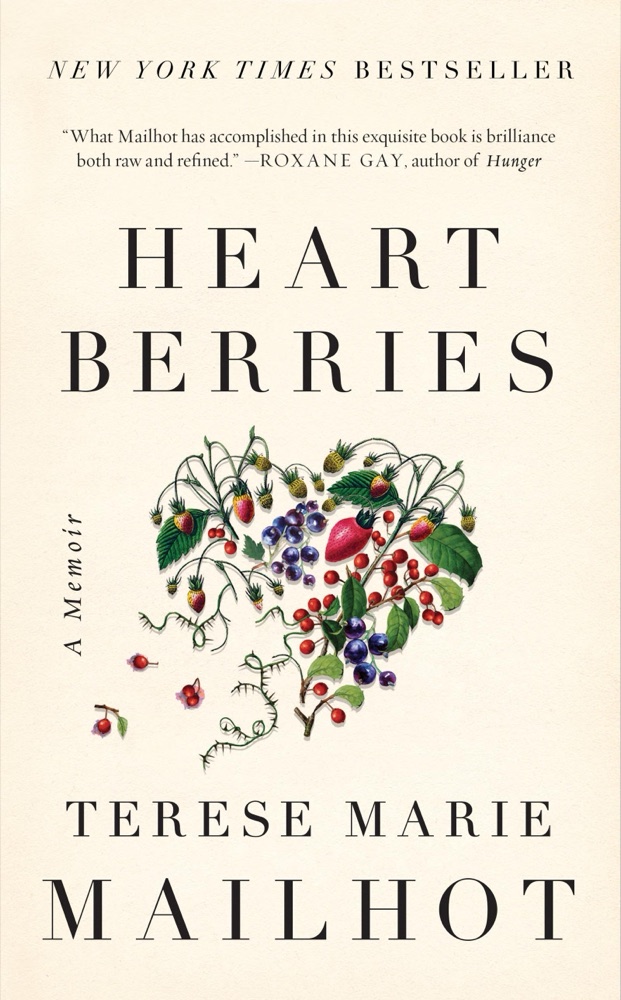 Heart Berries
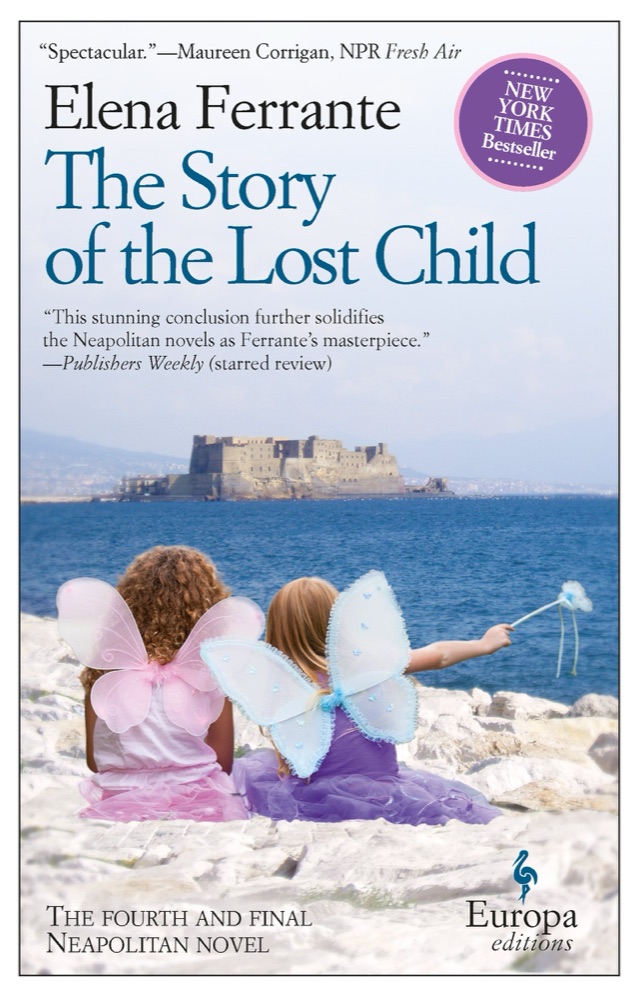 The Story of the Lost Child
 The Gentle Spirit
 Trigger Warning: Short Fictions and Disturbances
 Autobiography
 The Folded Clock: A Diary