 H is for Hawk
Quotes from the Book
What science does is what I would like more literature to do too: show us that we are living in an exquisitely complicated world that is not all about us. It does not belong to us alone. It never has done.
17
The attempt to see through eyes that are not your own. To understand that your way of looking at the world is not the only one. To think what it might mean to love those that are not like you. To rejoice in the complexity of things.
15
(T)he world is full of people busily making things into how they think the world ought to be, and burning huge parts of it to the ground, utterly and accidentally destroying things in the process without even knowing they are doing so. And that any of us might be doing that without knowing it, any of us, all the time.
10
Literature can teach us the qualitative texture of the world. And we need it to. We need to communicate the value of things, so that more of us might fight to save them.
7
There's a special phenomenology to walking in woods in winter.
7
So many of our stories about nature are about testing ourselves against it, setting ourselves against it, defining our humanity against it.
6
(N)ot everything fits easily into our systems of classification. The world might be, it turns out, too complicated for us to know.
6
Most of all I hope my work is about a thing that seems to me of the deepest possible importance in our present-day historical moment: finding ways to recognise and love difference. The attempt to see through eyes that are not your own. To understand that your way of looking at the world is not the only one. To think what it might mean to love those that are not like you. To rejoice in the complexity of things.
4
We call them murmurations, but the Danish term, sort sol, is better: black sun.
4
When we meet animals for the first time, we expect them to conform to the stories we've heard about them. But there is always, always a gap. The boar was still a surprise. Animals are.
4
Someone once told me that every writer has a subject that underlies everything they write. It can be love or death, betrayal or belonging, home or hope or exile. I choose to think that my subject is love, and most specifically love for the glittering world of non-human life around us.
3
At times of difficulty, watching birds ushers you into a different world, where no words need to be spoken.
3
I’ve used tarot too. Not often. But sufficient to know how little use the cards are in divining the future and to see how unerringly the cards reflect my deepest states of being, emotions I’d not let myself feel at the time.
2
For there’s an immense intellectual pleasure involved in making identifications, and each time you learn to recognise a new species of animal or plant, the natural world becomes a more complicated and remarkable place, pulling intricate variety out of a background blur of nameless grey and green.
2
Coming along the road towards me on his way to the covert, his head high, his body smeared all breast-deep in clay that stained the lower half of him copper ochre, came a fox hound, a pale hound. He was alone which was wrong. But being alone made him the type of all hounds that ever existed. He was running as if he'd been running all day, and he was running as if he would never stop, tongue out and eyes fixed. He was running to be with the rest of the hounds and the sound was drawing him along the rainy roads as if he were underwater and swimming up to the light to breathe. I was transfixed. I'd never seen a hound be a hound before. He was doing exactly what he needed to be doing. He was tired but joyful. He was late but getting there. Lost but catching up.
2
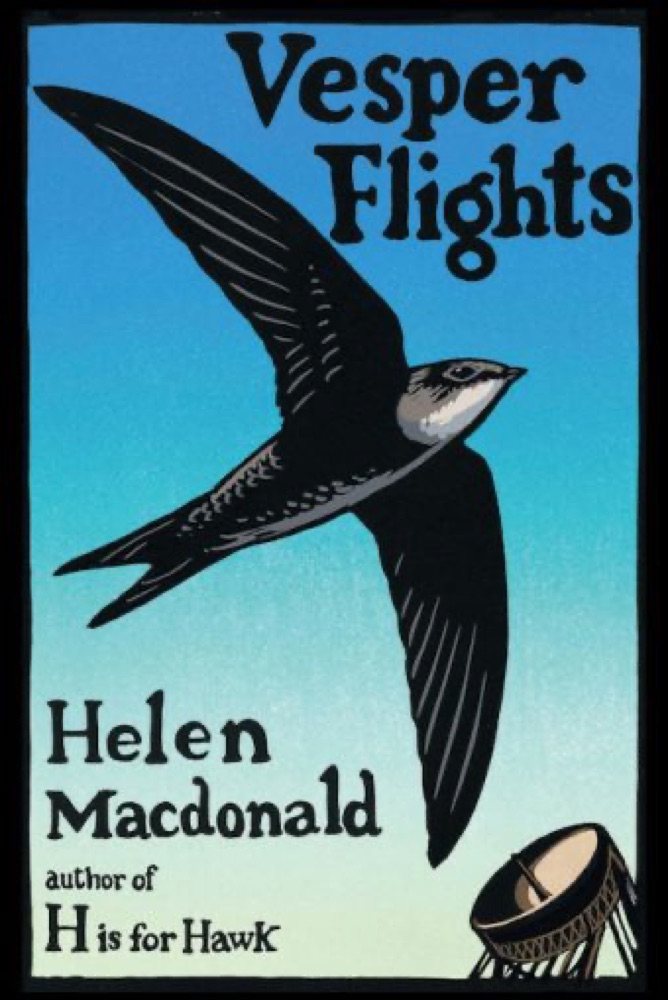
Later (swifts) gather higher in the sky...And then, all at once, as if summoned by a call or a bell, they rise higher and higher until they disappear from view. These ascents are called vesper flights....Vespers are evening devotional prayers, the last and the most solemn of the day, and I have always thought 'vesper flights' the most beautiful phrase, an ever-falling blue.
2
When I saw Jurassic Park in the cinema something unexpected happened when the first dinosaur came on screen: I felt a huge, hopeful pressure in my chest and my eyes filled with tears. It was miraculous: a thing I'd seen representations of since I was a child had come alive.
2
You cannot know what it is like to be a bat by screwing your eyes tight, imagining membranous wings, finding your way through darkness by talking to it in tones that reply to you with the shape of the world.
1
There are actions we can take that seem impossible and pointless and yet they are entirely, and precisely, and absolutely required. We can exert pressure, we can speak up, we can march and cry and mourn and sing and hope and fight for the world, standing with others, even if we don’t believe it. Even if change seems an impossibility. For even if we don’t believe in miracles, they are there, and they are waiting for us to find them.
1
We need hard science to establish the rate and scale of these declines, to work out why it is occurring and what mitigation strategies can be brought into play. But we need literature, too; we need to communicate what the losses mean. I think of the wood warbler, a small citrus-coloured bird fast disappearing from British forests. It is one thing to show the statistical facts about this species’ decline. It is another thing to communicate to people what wood warblers are, and what that loss means, when your experience of a wood that is made of light and leaves and song becomes something less complex, less magical, just less, once the warblers have gone.
1
I watch the cranes scratching their beaks with their toes and think of how the starling flocks that pour into reed beds like grain turn all of a sudden into birds perching on bowed stems, bright-eyed, their feathers spangled with white spots that glow like small stars. I marvel at how confusion can be resolved by focusing on the things from which it is made. The magic of the flocks is this simple switch between geometry and family.
1
Swifts aren't always cresting the atmospheric boundary layer at dizzying heights; most of the time they are living below it in thick and complicated air. That's where they feed and mate and bathe and drink and are. But to find out about the important things that affect their lives, they must go higher to survey the wider scene, and there communicate with others about the larger forces impinging on their realm....Not all of us need to make that climb...but as a community, surely some of us are required, by dint of flourishing life and the well-being of us all, to look clearly at the things that are so easily obscured by the everyday.
1
For even if we don't believe in miracles, they are there, and they are waiting for us to find them.
1
The best thing for being sad,’ said T. H. White’s Merlin, ‘is to learn something.’ All of us have to live our lives most of the time inside the protective structures that we have built; none of us can bear too much reality. We need our books, our craft projects, our dogs and knitting, our movies, gardens and gigs. It’s who we are. We’re held together by our lives, our interests, and all our chosen comforts. But we can’t have only those things, because then we can’t work out where we should be headed.
It’s reassuring to view the world on your own. You can gaze at a landscape and see it peopled by things – trees, clouds, hills and valleys – which have no voice except the ones you give them in your imagination; none can challenge who you are. So often we see solitary contemplation as simply the correct way to engage with nature. But it is always a political act, bringing freedom from the pressures of other minds, other interpretations, other consciousnesses competing with your own.
So often we see solitary contemplation as simply the correct way to engage with nature. But it is always a political act, bringing freedom from the pressures of other minds, other interpretations, other consciousnesses competing with your own.
These alarm calls remind me that we have consequential presence, that the animals we like to watch are creatures with their own needs, desires, emotions, lives.
Something impossibly heavy that held me in thrall, a scrap of the divine not good for my soul, a thing that should never have been fixed in place on tape to be repeatedly overheard, a thing that stood between me and the telling of secrets.
It was science that taught me how the flights of tens of millions of migrating birds across Europe and Africa, lines on the map drawn in lines of feather and starlight and bone, are stranger and more astonishing than I could ever have imagined, for these creatures navigate by visualising the Earth’s magnetic field through detecting quantum entanglement taking place in the receptor cells of their eyes.
You are a man whose eyes are bright with unspilled tears when you tell me of the horror of your journey here.
Watch on YouTube
About Helen Macdonald
We have collected 59 quotes from 2 books by Helen Macdonald on BookQuoters.
More about the author →More by Helen Macdonald
H is for Hawk
About the book
Animals don't exist in order to teach us things, but that is what they have always done, and most of what they teach us is what we think we know about ourselves.
Helen Macdonald's bestselling debut H is for Hawk brought the astonishing story of her relationship with goshawk Mabel to global critical acclaim and announced Macdonald as one of this century's most important and insightful nature writers. H is for Hawk won the Samuel Johnson Prize for Nonfiction and the Costa Book Award, and was a finalist for the National Book Critics Circle Award and the Kirkus Prize for Nonfiction, launching poet and falconer Macdonald as our preeminent nature essayist, with a semi-regular column in the New York Times Magazine.
In Vesper Flights Helen Macdonald brings together a collection of her best loved essays, along with new pieces on topics ranging from nostalgia for a vanishing countryside to
Book details
- First published
- 2020
- Author
- Helen Macdonald
- Genre
- Nonfiction
- Goodreads rating
- 4.08 (8k ratings)
The buzz
- The New York TimesReview in The New York Timesprofessional review (via Book Marks)
- The Washington PostReview in The Washington Postprofessional review (via Book Marks)
- The Wall Street JournalReview in The Wall Street Journalprofessional review (via Book Marks)
- The GuardianReview in The Guardianprofessional review (via Book Marks)
- NPRReview in NPRprofessional review (via Book Marks)
- The TimesReview in The Timesprofessional review (via Book Marks)
Keep reading
H is for Hawk
 Martin Marten
 Drive Your Plow Over the Bones of the Dead
 The Paper Menagerie and Other Stories
 Arctic Dreams
 Winter
 Deep Creek: Finding Hope in the High Country
 Winter Hours: Prose, Prose Poems, and Poems
 Why Fish Don’t Exist: A Story of Loss, Love, and the Hidden Order of Life
 Teaching a Stone to Talk: Expeditions and Encounters
 Split Tooth
 The Fifth Science
 Hollow Kingdom
 The Anthropocene Reviewed: Essays on a Human-Centered Planet
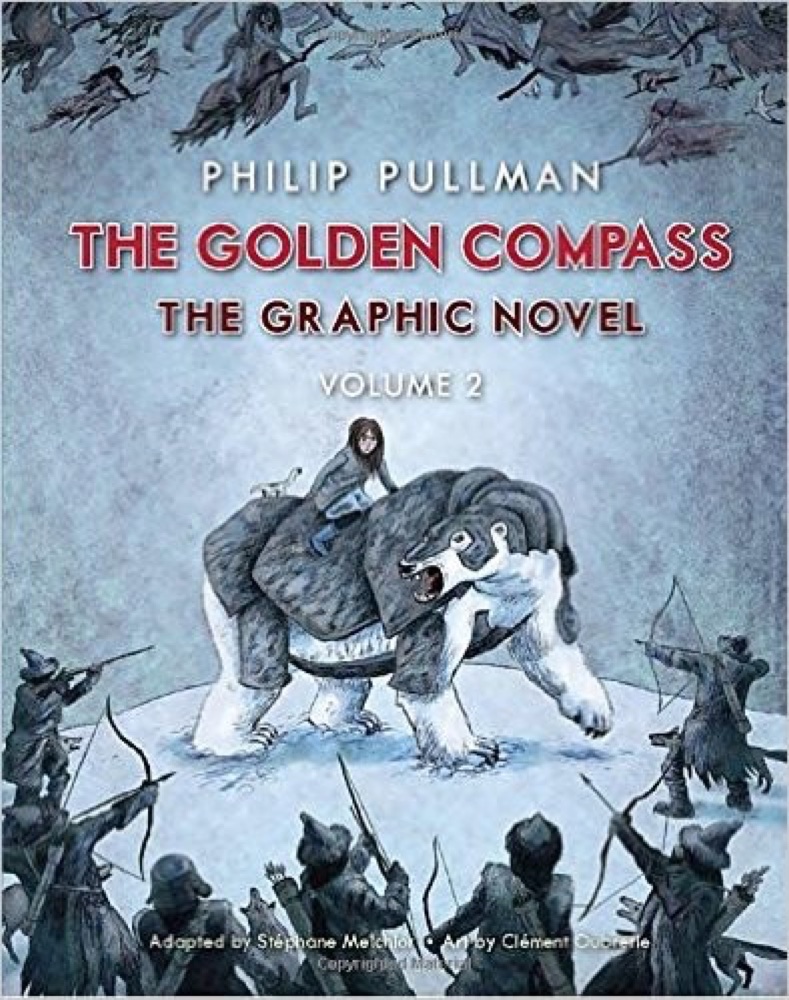 The Golden Compass
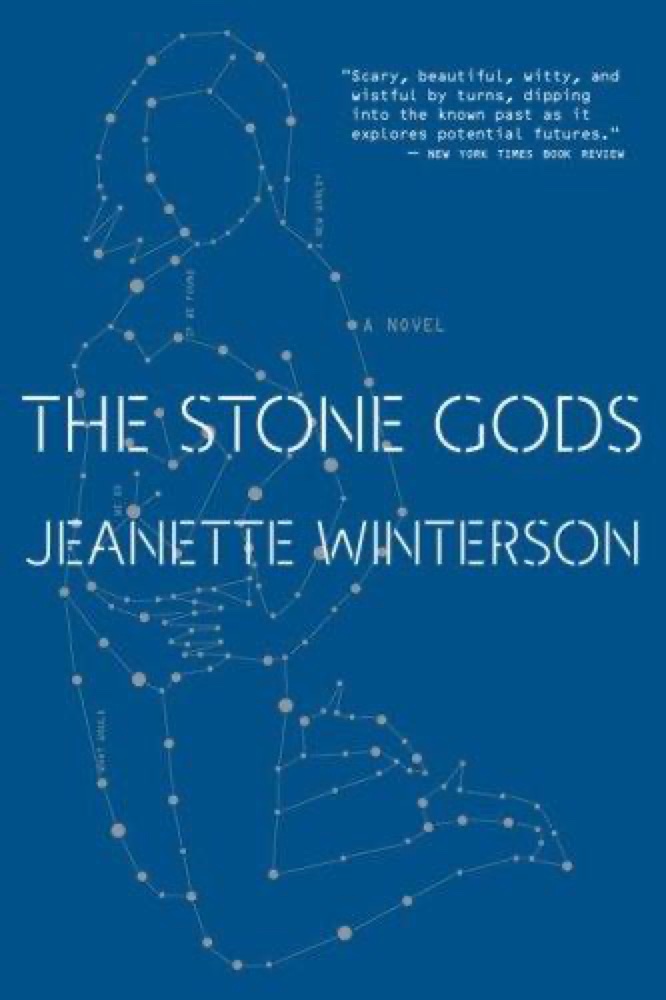 The Stone Gods
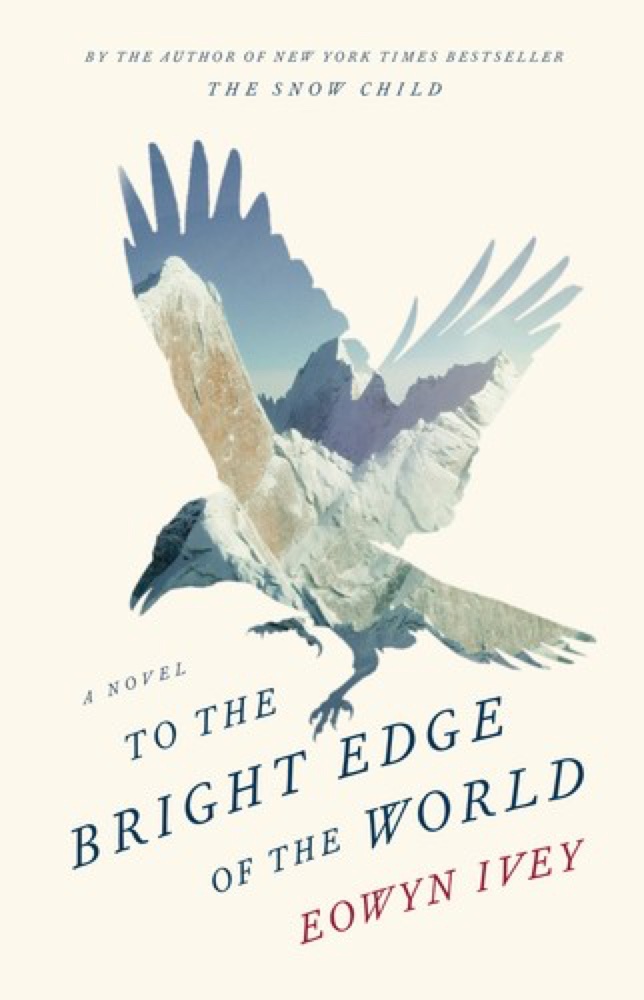 To The Bright Edge of the World
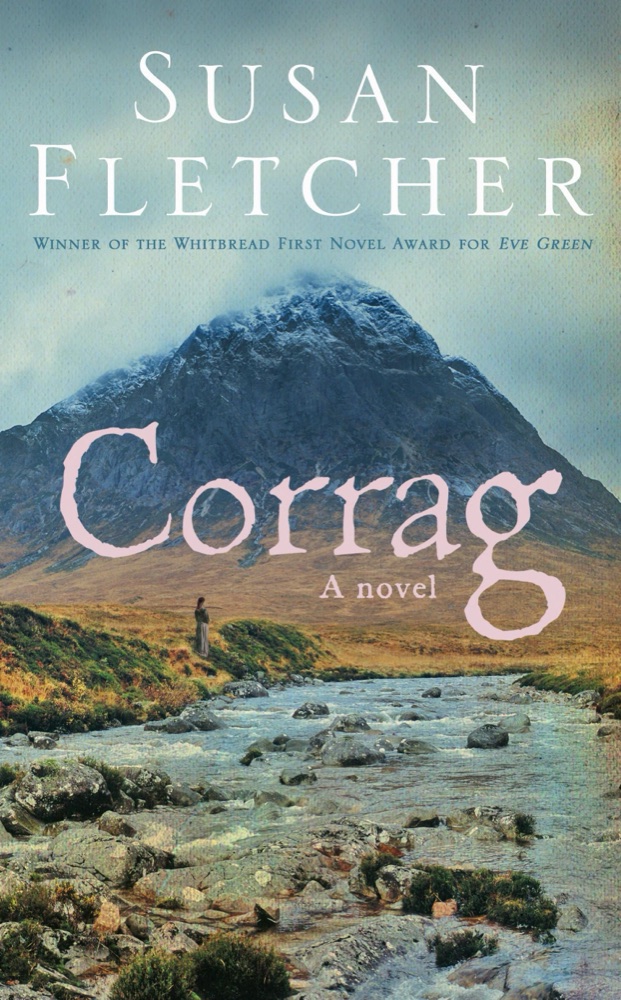 Corrag
 The Abundance
 Flights
 Autumn
 A Fisherman of the Inland Sea
 Gathering Moss: A Natural and Cultural History of Mosses
 The Island of Missing Trees
 The Outermost House: A Year of Life on the Great Beach of Cape Cod
 Upstream: Selected Essays
 The Shape of Water
 Slow Gods
 Vanishing Treasures: A Bestiary of Extraordinary Endangered Creatures
 Mozart's Starling
 Stories of Your Life and Others
 Madness, Rack, and Honey: Collected Lectures
 Pilgrim at Tinker Creek
 The Notebooks of Malte Laurids Brigge
 Refuge: An Unnatural History of Family and Place
 The Wild Places
 The Book of Form and Emptiness
 When Women Were Dragons
 Diary of a Young Naturalist
 The Goldfinch
 Sexing the Cherry
 A Luminous Republic
 The Faraway Nearby
 For Small Creatures Such as We: Rituals for Finding Meaning in Our Unlikely World
 Last Chance to See
 Make It Scream, Make It Burn
 West with the Night
 There Are Rivers in the Sky
 Small Wonder
 Impossible Creatures
 Bewilderment
 Kafka on the Shore
 The Bee Sting
 Shadow Scale
 The Snow Leopard
 Dearly
 The Hurting Kind: Poems
 World of Wonders: In Praise of Fireflies, Whale Sharks, and Other Astonishments
 The Book That Broke the World
 Innocence