 The Plover
Quotes from the Book
He is only one of a million no, a billion stories you could tell about the living beings on just this side of the mountain. The fact is that there are more stories in the space of a single second, in a single square foot of dirt and air and water, then we could tell in a hundred years. The word amazing isn't much of a word for how amazing it is. The fact is that there are more stories in the world than there are fish in the sea or birds in the air or lies among politicians. You could be sad at how many stories go untold, but you could also be delighted at how many stories we catch and share in delight and wonder and astonishment and illumination and sometimes even epiphany.
16
It’s wrong to say that animals do not feel what we feel; indeed, they may feel far more than we do and in far different emotional shades.
11
I am a puzzle and a conundrum and a thunderstorm.
10
Is this why we write and read, in the end, in order to find new words for the things we feel but do not have words for?
9
On any one day on Wy'East, one million living things lose their lives. They die, are killed, are shredded, fade out, are gulped, expire, decease, pass from this plane, cease to function, demise, commence decomposition, transition to the next stage, initiate cellular breakdown. This is the way it is. Some live a day, and some live a thousand years. Some are smaller than this comma, and some are taller than you can measure with your eye. Some are serence and eat sunlight and rain and do not slay theyir neighbors and do not battle for supremacy and sex and speak a patient green language. Others are vigorous and furious and muscular and speak the languages of blood and bone. This is the way it is...They change, they morph, they evolve, they go extinct, they sink back into the earth from which we all came and shall return. This is the way it is. It may be that every death is mourned, though most go unremarked, and every day's million deaths causes a million other hearts to sag. Who is to say that is not the way it is?
7
How very many scatters of stars are named for animals, thinks Miss Moss. Eagle, swan, crab, bull, bear, fish, lion, goat, scorpion, horse. We see animals everywhere. We are animals. Or we used to be animals, and mostly now we forget how to be animals, which is why we look for them everywhere.
5
Some things sing and some are mute.
3
Most of a place is not what human beings think. Maybe we will be better human beings when we begin to see all the other things a place is besides all the things we think it is or wanted it to be.
2
... We would be foolish to say of Miss Moss, for example, that the words female and store owner and tall and thirtyish and kindly an unmarried describe much of real substance about her, isn't that so? A great deal of who she really is are stories we do not know, stories she may or may not share, stories perhaps even she does not know the meaning and shape of quite yet. People are stories aren't they? And their stories keep changing and opening and closing and braiding and weaving and stitching and slamming to a halt and finding new doors and windows through which to tell themselves, isn't that so? Isn't that what happens to you all the time? It used to be when you were little that other people told you stories about yourself and where you came from, but then you begin to tell your own story, and you find that your story keeps changing in thrilling and painful ways and it's never in one place. Maybe each of us is a sort of village with lots of different beings living together under one head of hair, around the river of your pulse, the crossroads of who you were and who you wish to be.
2
The whole point of our evolution, it seems to me, is for us to find a way to fit back into the world as it is, rather than try to remake the world to fit us, but not everybody thinks like me.
1
He can climb anything lightning fast and is the king of the forest insofar as using the canopy as a highway. While his favorite food is voles, caught on the floors of forest and meadow, he much enjoys squirrels of all kinds and is the only hunter of squirrels who can follow them to the highest, thinnest branches; not even the fisher, eing heavier, can achieve that dangerous elevation. He eats everything else he can find, of course, but given his druthers, like today's late-summer bounty, he would have a vole for breakfast and then some thimbleberries and a cricket as a midmorning snack and then another vole for late lunch, followed by huckleberries in the afternoon, most of a dead White-crowned sparrow, some early white-oak acorns...and then, delightfully a young flying squirrel...
1
...sometimes it just sort of floods in on you that you survive by killing other creatures, and you get a little sad. An excellent point, said his dad. But at least you are sensitive to it. That's a step in the right direction...at least you have a certain respect and honesty about the system. That's good. That's a step toward reverence. Better that than the arrogant assumption that you can kill anything you like any time you like. That's the wrong direction. That direction leads to more killing. Trust me on this one.
1
And we are wild animals too, of course. We forget that. We're just mammals with attitude. In a lot of ways our skills pale before their skills, and in a lot of ways we are terrible at fitting into our environmental niche. Why we achieved this dominance is sometimes a mystery to me, and a dangerous dominance it is too. The whole point of our evolution, it seems to me, is for us to find a way to fit back into the world as it is, rather than try to remake the world to fit us, but not everybody thinks like me
Watch on YouTube
About Brian Doyle
We have collected 35 quotes from 2 books by Brian Doyle on BookQuoters.
More about the author →More by Brian Doyle
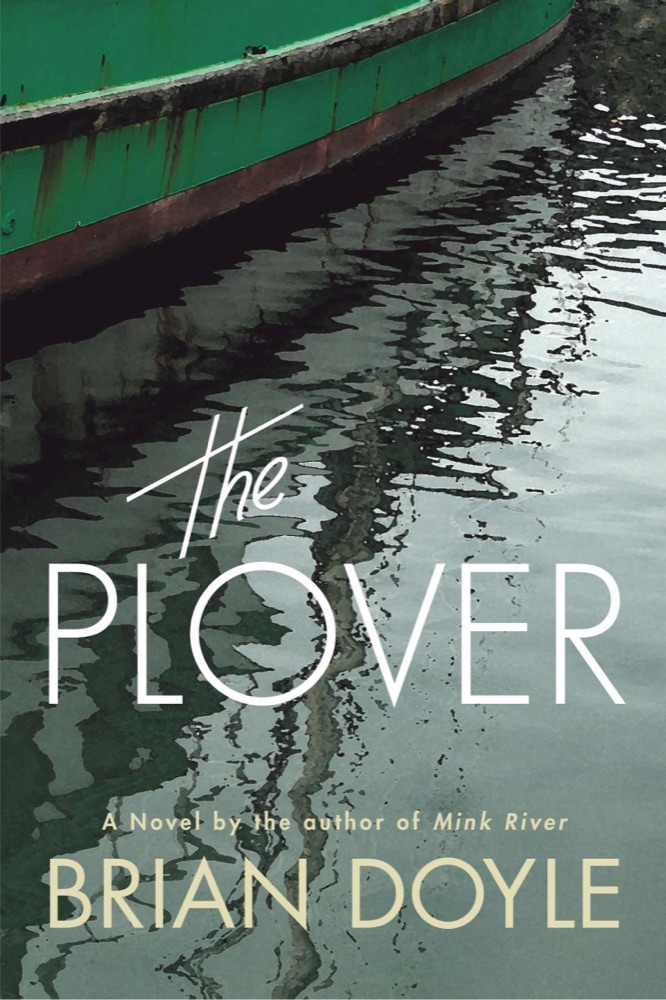
The Plover
About the book
Dave is fourteen years old, living with his family in a cabin on Oregon's Mount Hood (or as Dave prefers to call it, like the Native Americans once did, Wy'east). He is entering high school, adulthood on the horizon not far off in distance, and contemplating a future away from his mother, father, and his precocious younger sister.
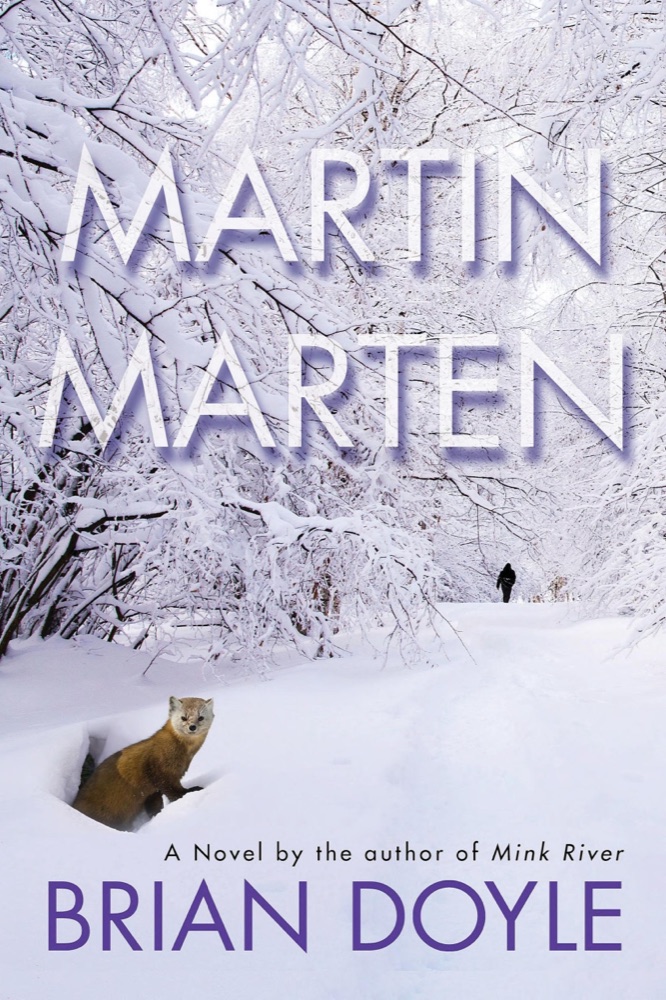
And Dave is not the only one approaching adulthood and its freedoms on Wy'east that summer. Martin, a pine marten (a small animal of the deep woods, of the otter/mink family), is leaving his own mother and siblings and setting off on his own as well. As Martin and Dave's paths cross on forest trails and rocky mountaintops, they—and we—witness the full, unknowable breadth and vast sweep of life, and the awe-inspiring interconnectedness of the world and its many inhabitants, human and otherwise.
Martin Marten is a coming-of-age tale like no other, told in
Book details
- First published
- 2015
- Author
- Brian Doyle
- Genre
- Fiction
- Goodreads rating
- 4.34 (3k ratings)
Keep reading
 Vesper Flights
 Last Chance to See
 H is for Hawk
 Beyond Words: What Animals Think and Feel
 The Stone Gods
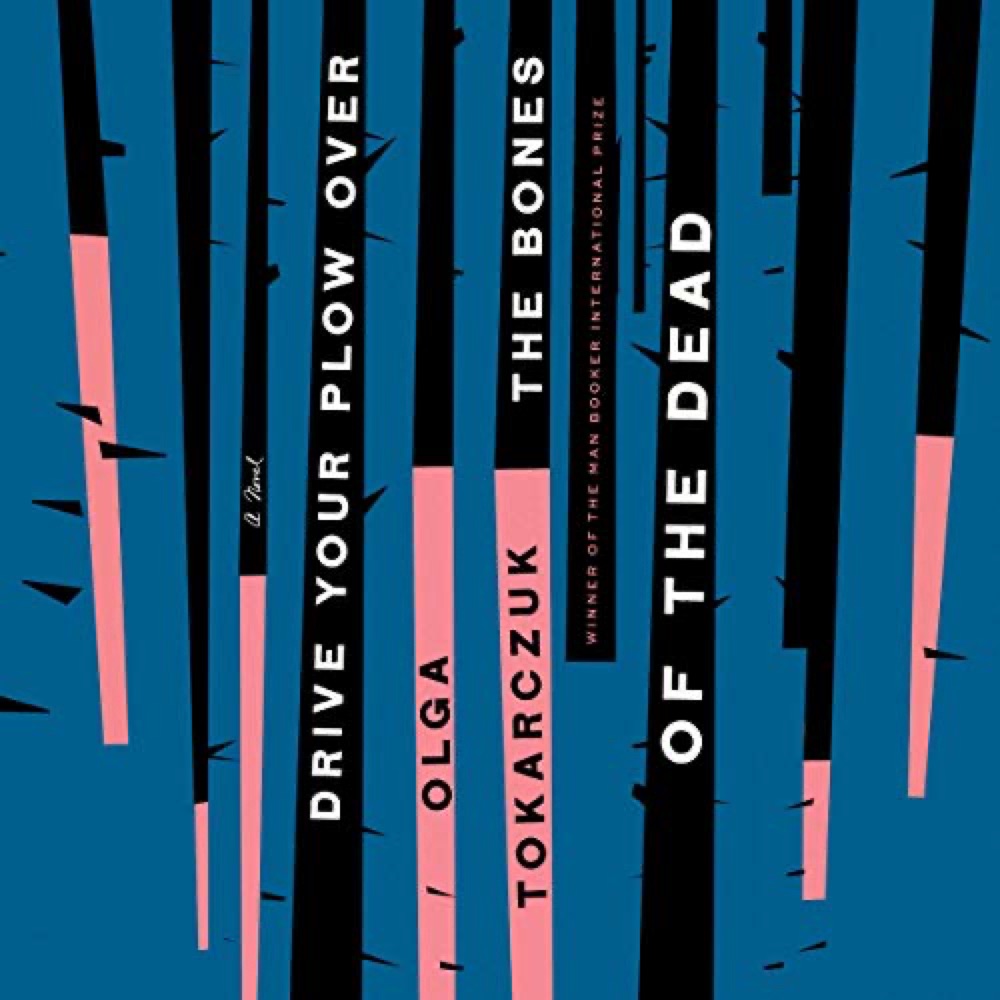 Drive Your Plow Over the Bones of the Dead
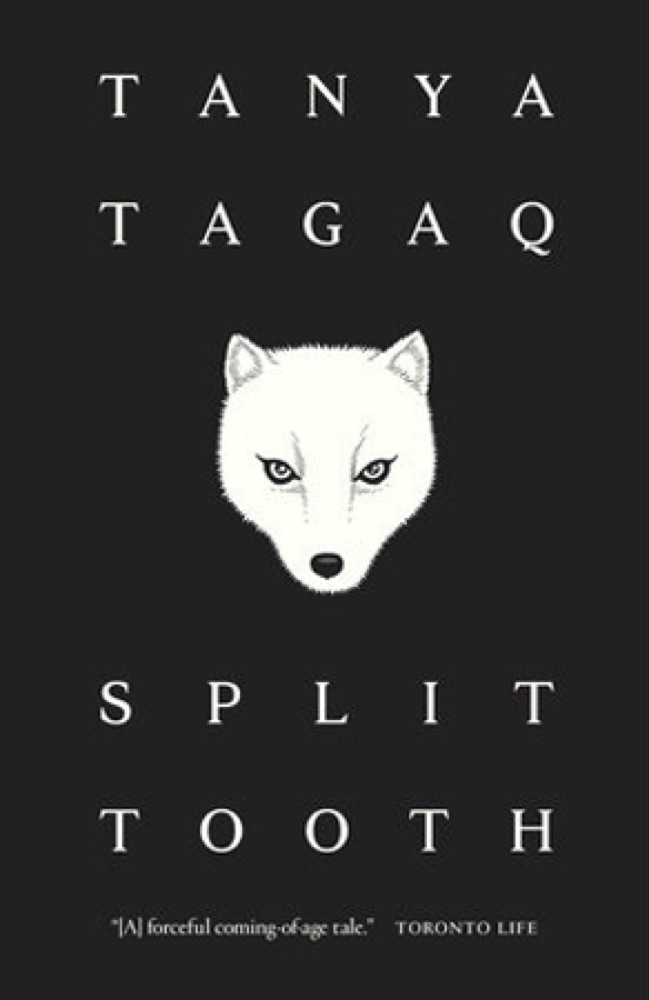 Split Tooth
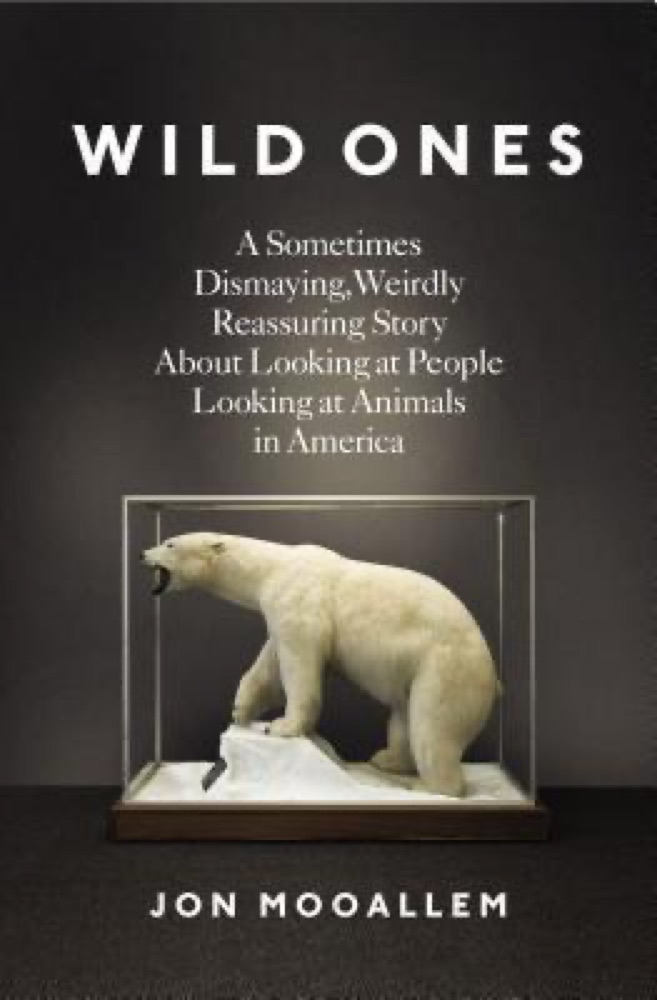 Wild Ones: A Sometimes Dismaying, Weirdly Reassuring Story About Looking at People Looking at Animals in America
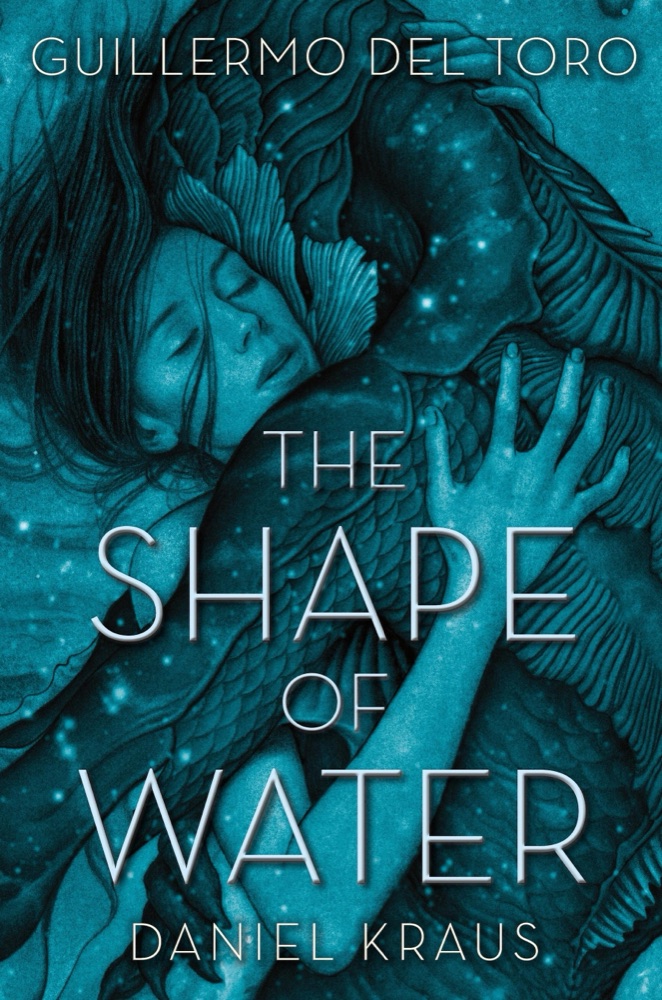 The Shape of Water
 The Mountain in the Sea
 Deep Creek: Finding Hope in the High Country
 Memoirs of a Polar Bear
 The Friend
 Why Fish Don’t Exist: A Story of Loss, Love, and the Hidden Order of Life
 Vanishing Treasures: A Bestiary of Extraordinary Endangered Creatures
 West with the Night
 Oryx and Crake
 Girlfriend in a Coma
 Roadside Picnic
 The Dog Stars
The Plover
The Dog Stars
The Plover
 Turtle Diary
 The Tent
 Semiosis
 The Log from the Sea of Cortez
 A Language Older Than Words
 The One and Only Ivan
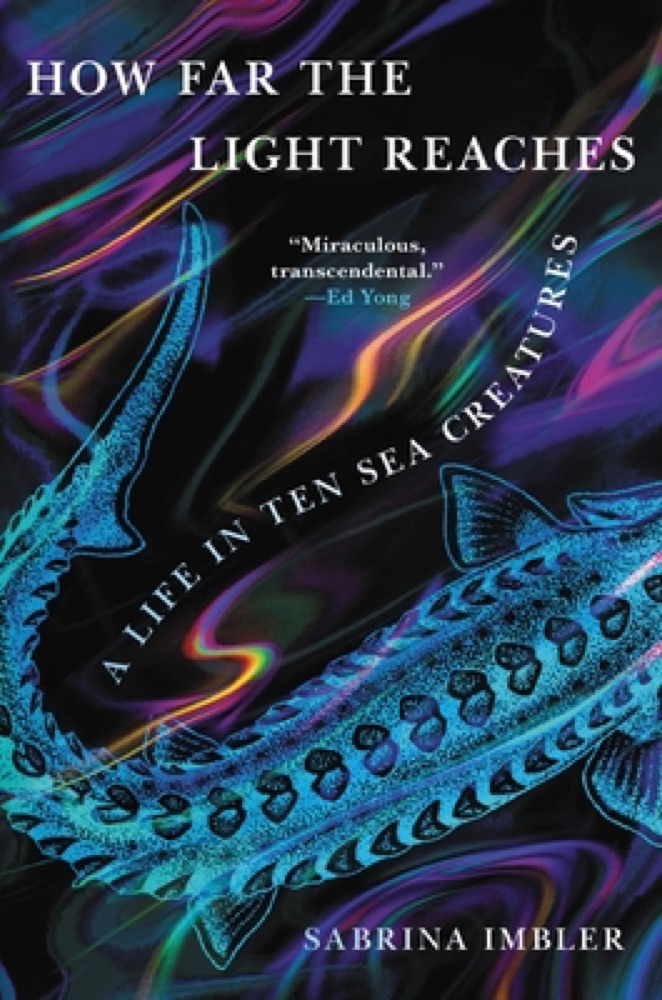 How Far the Light Reaches: A Life in Ten Sea Creatures
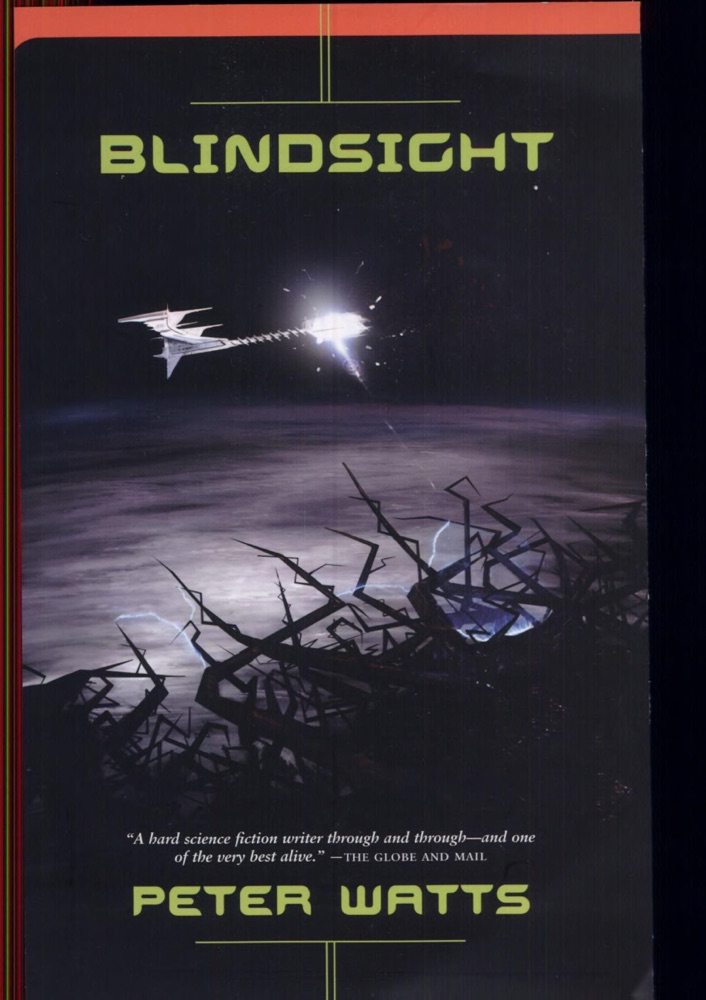 Blindsight
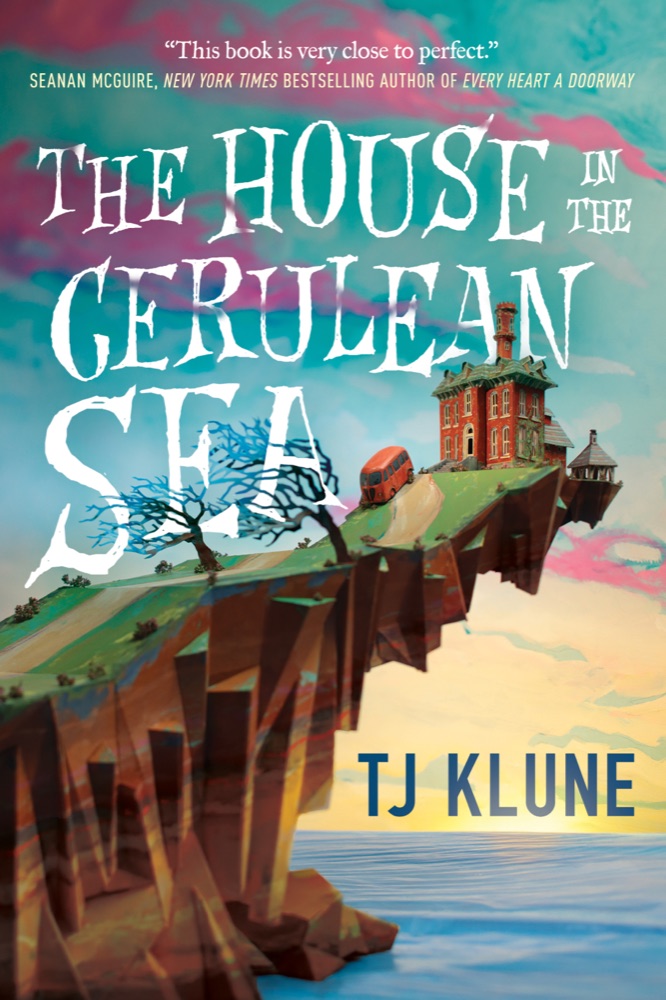 The House in the Cerulean Sea
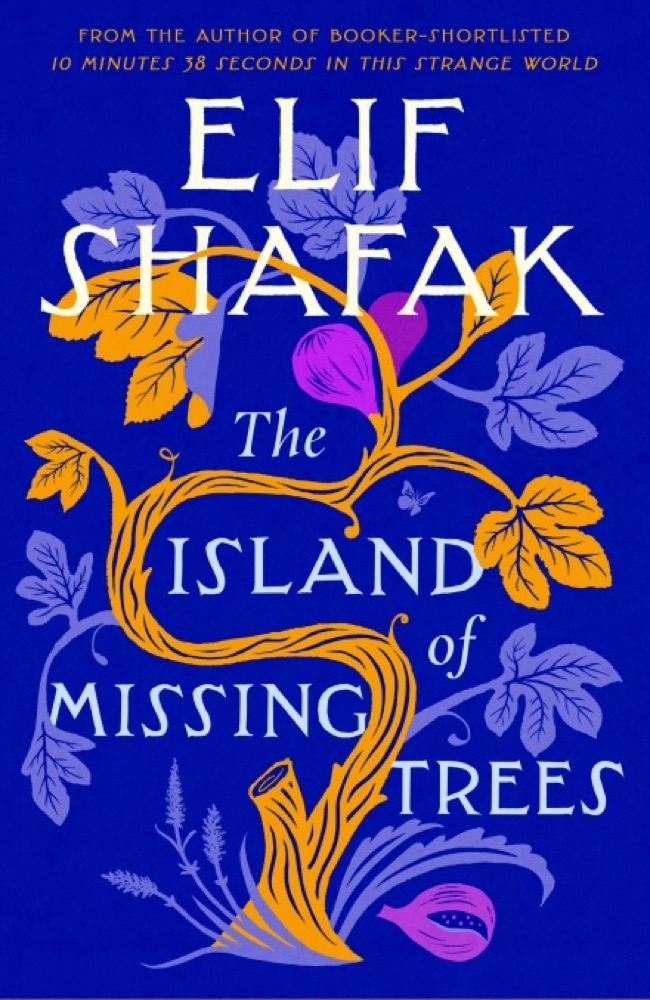 The Island of Missing Trees
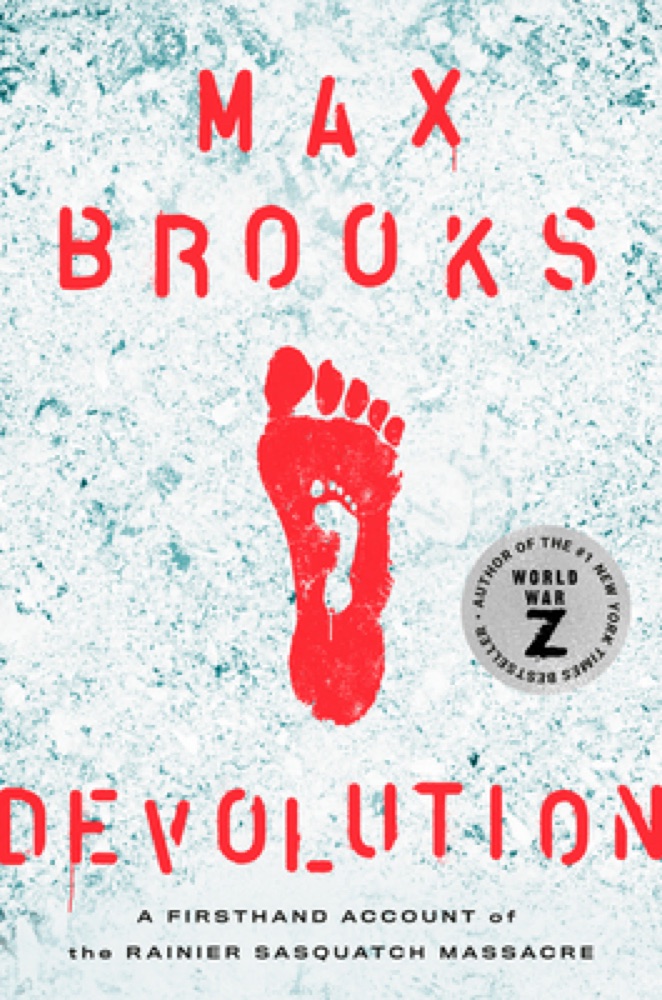 Devolution: A Firsthand Account of the Rainier Sasquatch Massacre
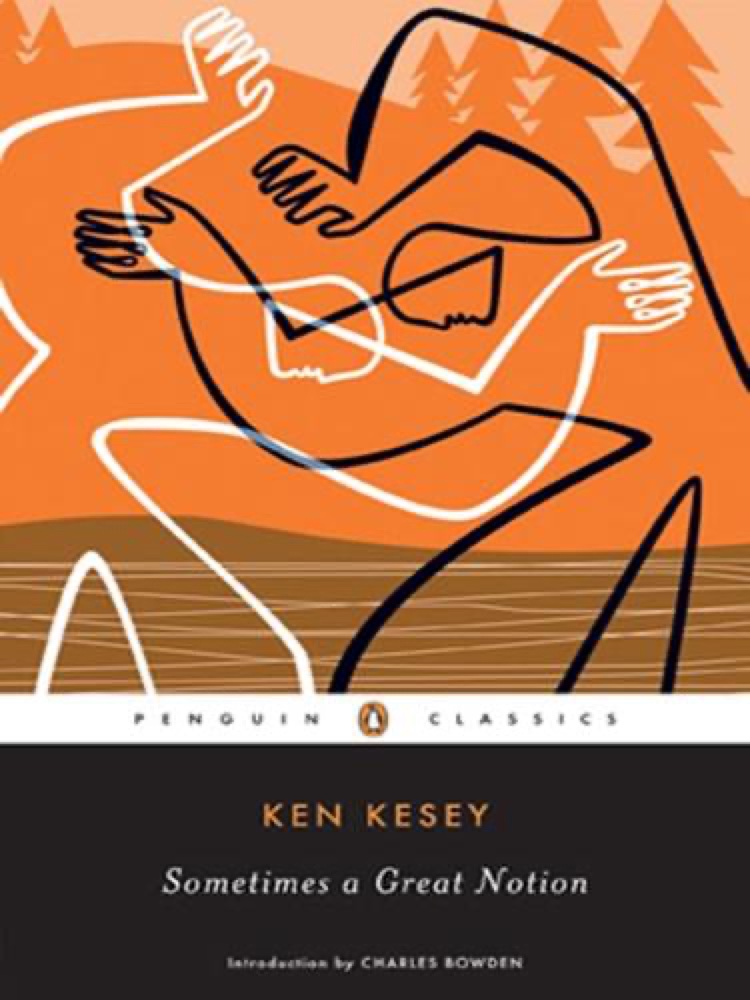 Sometimes a Great Notion
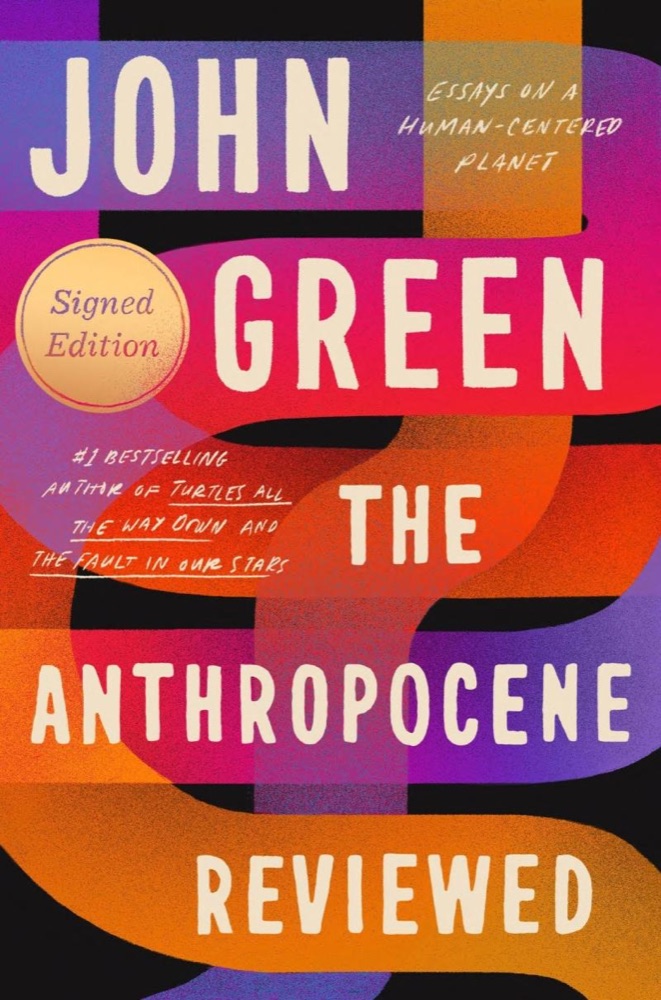 The Anthropocene Reviewed: Essays on a Human-Centered Planet
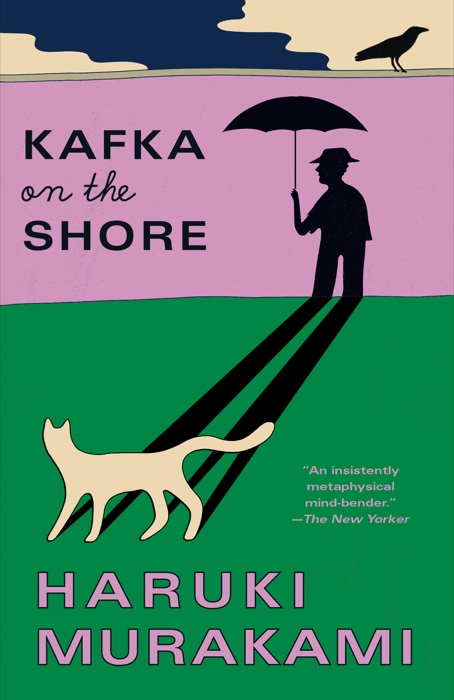 Kafka on the Shore
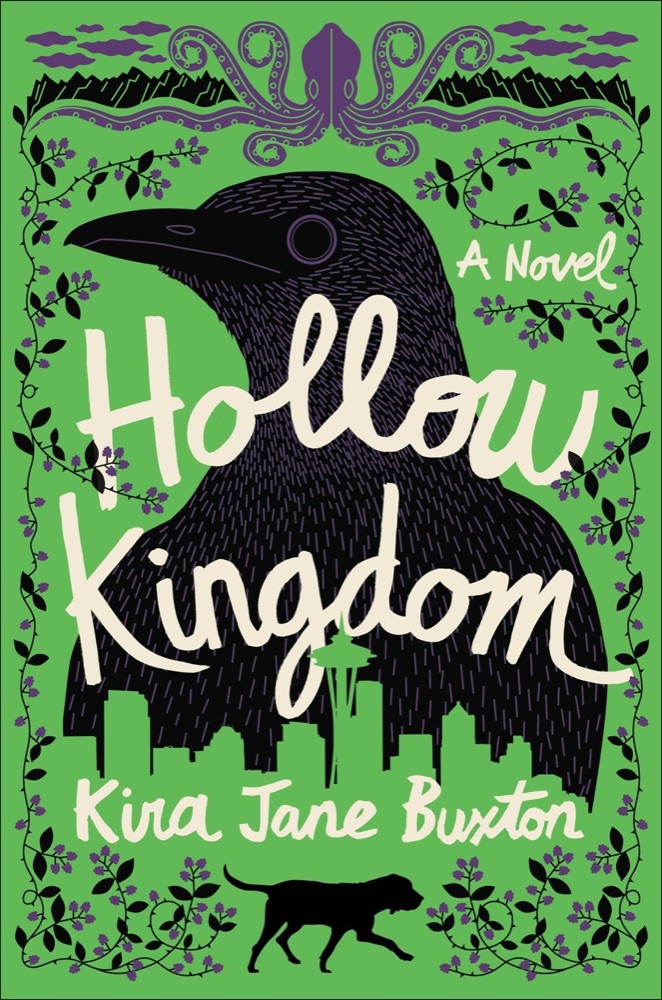 Hollow Kingdom
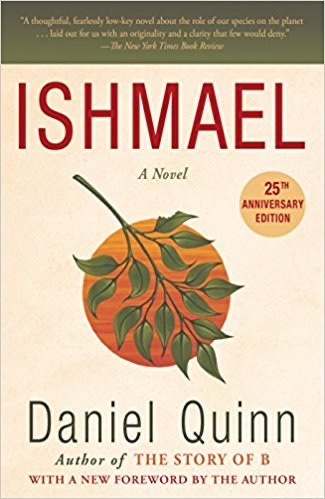 Ishmael: An Adventure of the Mind and Spirit
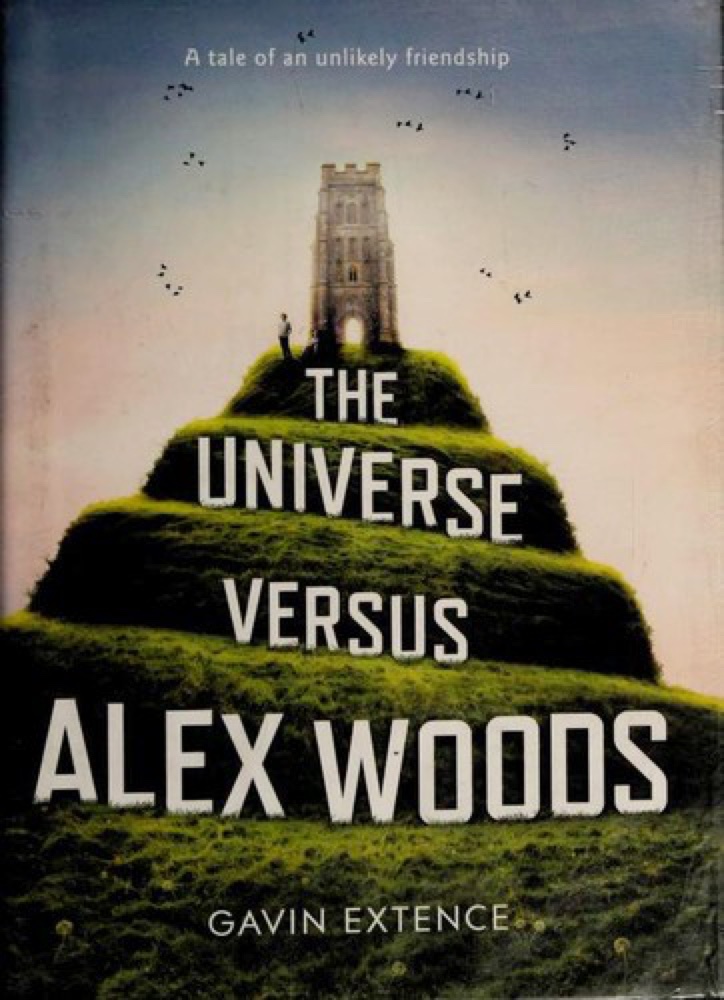 The Universe Versus Alex Woods
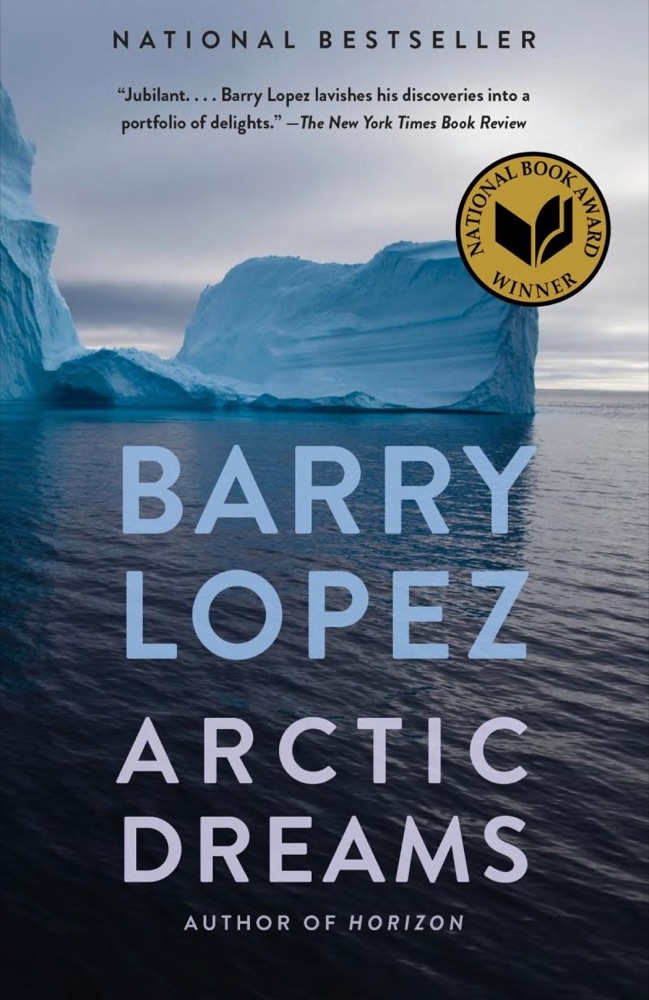 Arctic Dreams
 The Long Way to a Small, Angry Planet
 Winter
 The Many Daughters of Afong Moy
 A Boy and His Dog at the End of the World
 Shadows of Forgotten Ancestors
 The Fifth Science
 The Lost World
 The Golden Compass
 Different Seasons
 The End of the World Running Club
 Watership Down
 Fifteen Dogs
 Always Coming Home
 Rosewater
 Sexing the Cherry
 The Fresco
 A Closed and Common Orbit
 Holy Cow
 Migrations
 The Empusium
 Everything Sad Is Untrue