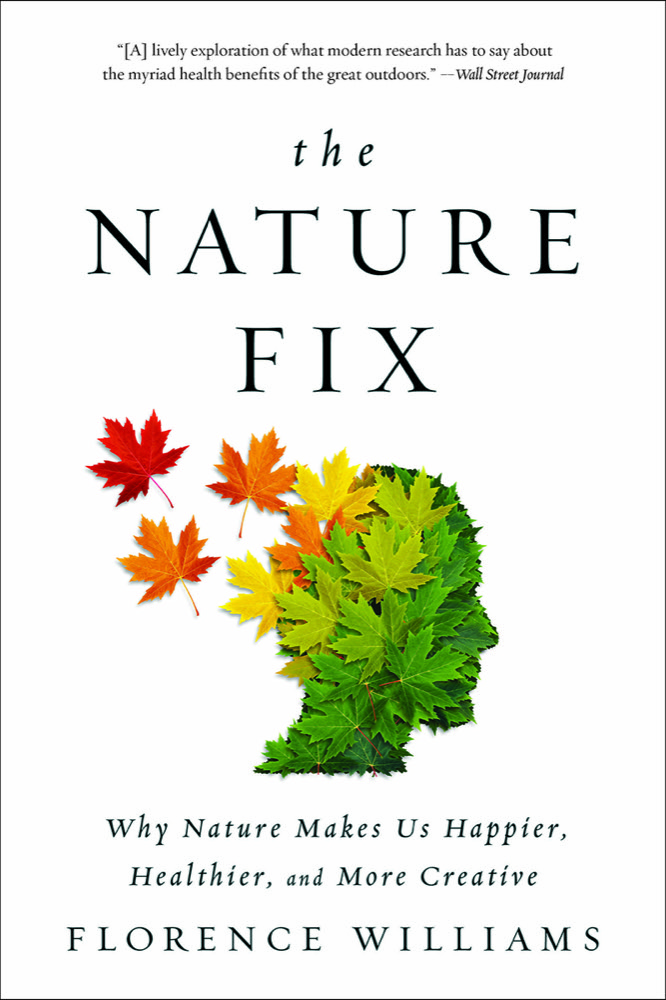
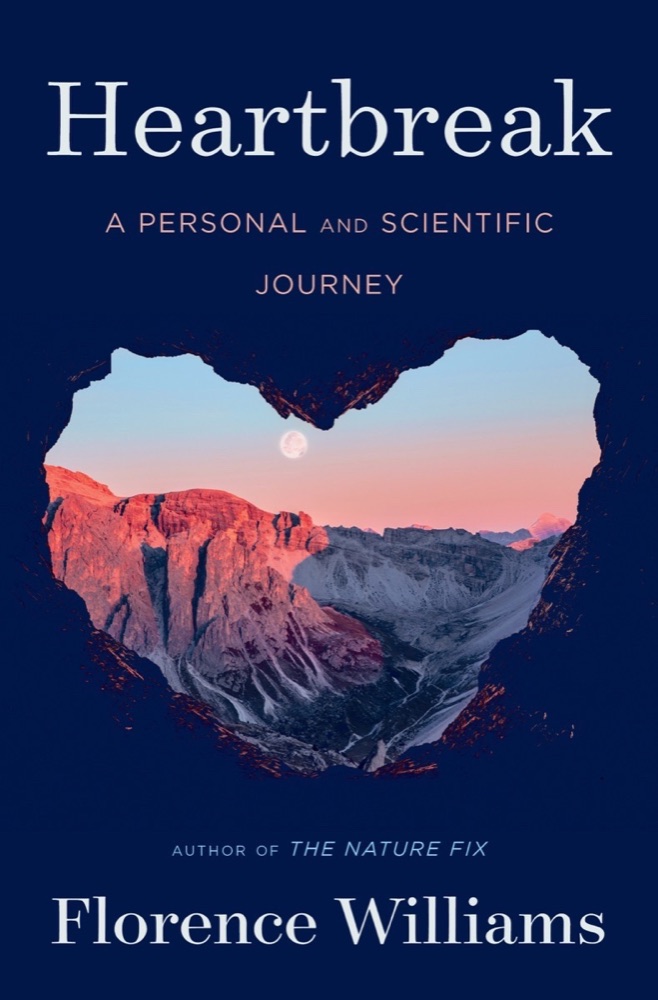
 Heartbreak: A Personal and Scientific Journey
Quotes from the Book
Distilling what I learned, I came up with a kind of ultrasimple coda: Go outside, often, sometimes in wild places. Bring friends or not. Breathe.
15
Here are some of the essential take-homes: we all need nearby nature: we benefit cognitively and psychologically from having trees, bodies of water, and green spaces just to look at; we should be smarter about landscaping our schools, hospitals, workplaces and neighborhoods so everyone gains. We need quick incursions to natural areas that engage our senses. Everyone needs access to clean, quiet and safe natural refuges in a city. Short exposures to nature can make us less aggressive, more creative, more civic minded and healthier overall. For warding off depression, lets go with the Finnish recommendation of five hours a month in nature, minimum. But as the poets, neuroscientists and river runners have shown us, we also at times need longer, deeper immersions into wild spaces to recover from severe distress, to imagine our futures and to be our best civilized selves.
15
We don’t experience natural environments enough to realize how restored they can make us feel, nor are we aware that studies also show they make us healthier, more creative, more empathetic and more apt to engage with the world and with each other. Nature, it turns out, is good for civilization.
7
Muir wrote of time not in the wilderness: “I am degenerating into a machine for making money.
6
If you have time for vacation, don’t go to a city. Go to a natural area. Try to go one weekend a month. Visit a park at least once a week. Gardening is good. On urban walks, try to walk under trees, not across fields. Go to a quiet place. Near water is also good.
5
Between every two pine trees there is a door leading to a new way of life. — JOHN MUIR
4
May your trails be crooked, winding, lonesome, dangerous, leading to the most amazing view. —EDWARD ABBEY
4
I personally like Oscar Wilde’s broad definition: “a place where birds fly around uncooked.
4
A 2014 study estimated that trees in the United States remove 17.4 million tons of air pollution per year, providing 6.8 billion dollars in human health benefits.
4
Nature appears to act directly upon our autonomic systems, calming us, but it also works indirectly, through facilitating social contact and through encouraging exercise and physical movement. (p,166)
4
The idea of solvitur ambulando (in walking it will be solved) has been around since St. Augustine, but well before that Aristotle thought and taught while walking the open-air parapets of the Lyceum. It has long been believed that walking in restorative settings could lead not only to physical vigor but to mental clarity and even bursts of genius, inspiration (with its etymology in breathing) and overall sanity. As French academic Frederic Gros writes in A Philosophy of Walking, it’s simply “the best way to go more slowly than any other method that has ever been found.” Jefferson walked to clear his mind, while Thoreau and Nietzsche, like Aristotle, walked to think. “All truly great thoughts are conceived while walking,” wrote Nietzsche in Twilight of the Idols. And Rousseau wrote in Confessions, “I can only meditate when I am walking. When I stop, I cease to think; my mind only works with my legs.” Scotland
4
What else do you recommend?” I asked the middle-aged man with the bowl haircut. Clearly, Li gets asked this a lot. He had a small list. “If you have time for vacation, don’t go to a city. Go to a natural area. Try to go one weekend a month. Visit a park at least once a week. Gardening is good. On urban walks, try to walk under trees, not across fields. Go to a quiet place. Near water is also good.
3
Analyzing 98 buildings over two years, they found a striking correlation between the level of greenery and the number of assaults, homicides, vehicle thefts, burglary and arson.
2
When we are relaxed and at ease in our environment, our parasympathetic system—sometimes called the “rest and digest” branch—kicks in. This is why food tastes better in the outdoors, explains Miyazaki.
2
As French academic Frederic Gros writes in A Philosophy of Walking, it’s simply “the best way to go more slowly than any other method that has ever been found.” Jefferson walked to clear his mind, while Thoreau and Nietzsche, like Aristotle, walked to think. “All truly great thoughts are conceived while walking,” wrote Nietzsche in Twilight of the Idols. And Rousseau wrote in Confessions, “I can only meditate when I am walking. When I stop, I cease to think; my mind only works with my legs.
2
The difference in joy respondents felt in urban versus natural settings (especially coastal environments) was greater than the difference they experienced from being alone versus being with friends, and about the same as doing favored activities like singing and sports versus not doing those things. Yet, remarkably, the respondents, like me, were rarely caught outside. Ninety-three percent of the time, they were either indoors or in vehicles.
2
By his count, the entire continental United States has fewer than a dozen sites where you can’t hear human-made noise for at least fifteen minutes at dawn.
1
In the greener neighborhoods, death rates were lower for everyone after adjusting for income.
1
To prove this, researchers collected undershirts of men who went skydiving for the first time. They then presented study subjects with either those shirts or ones worn by men who did nothing scary. The researchers measured elevated stress hormones only in the subjects who smelled the skydiver sweat. They smelled the terror and then caught it too. Fear detection is a handy skill in a social animal.
1
Dirt can heal: in two separate experiments in England and the United States in 2007 and 2010, the mice lucky enough to be exposed to a common soil bacterium, Mycobacterium vaccae, performed better in a maze, showed less anxiety and produced more serotonin, a neurotransmitter many scientists think is associated with happiness. To test the phytoncide theory, Li locked thirteen subjects in hotel rooms for three nights.
1
I use a humidifier with cypress oil almost every night in the winter!” You don’t need to harvest your own; he said standard health-store aromatherapy oils should do the job.
1
The biophilia hypothesis posits that peaceful or nurturing elements of nature helped us regain equanimity, cognitive clarity, empathy and hope. When love, laughter and music weren’t around, there was always a sunset. The humans who were most attuned to the cues of nature were the ones who survived to pass on those traits.
1
On average, study participants are significantly and substantially happier outdoors in all green or natural habitat types than they are in urban environments.
1
You can see poverty from space.
1
As the epidemiologist Ian Alcock put it, if you want to be happy, there is a simple, scientific formula: “get married, get a job and live near the coast.
1
One-fifth of Japan’s residents live in greater Tokyo, and 8.7 million people have to ride the metro every day. Rush hour is so crowded that white-gloved workers help shove people onto the trains, leading to another unique term, tsukin jigoku— commuting hell.
1
Walking was a philosophical act, facilitating a direct experience with divinity. It was a political act, mixing the educated classes up with the poor (who had always walked, doh). And it was an intellectual act, generating ideas and art. The ramblers of yore embraced a kind of radical common sense.
1
Buddha, Jesus, and Reese Witherspoon all went to the desert to seek wisdom.
1
I find the intellectual compulsion to break apart the pieces of nature and examine them one by one both interesting and troubling. I understand it's the way science typically works: to understand a system, you have to understand the parts, find the mechanism, put your flag on a piece of new ground. The poets would find this is nonsense. It's not just the smell of a cypress, or the sound of the birds, or the color green that unlocks the pathway to health in our brains. We're full sensory beings, or at least we were once built to be. Isn't it possible that it's only when you open all the doors - literally and figuratively - that the real magic happens? (p. 127)
1
Watch on YouTube
About Florence Williams
We have collected 58 quotes from 2 books by Florence Williams on BookQuoters.
More about the author →More by Florence Williams
Heartbreak: A Personal and Scientific Journey
About the book
An intrepid investigation into nature’s restorative benefits by a prize-winning author.
For centuries, poets and philosophers extolled the benefits of a walk in the woods: Beethoven drew inspiration from rocks and trees; Wordsworth composed while tromping over the heath; Nikola Tesla conceived the electric motor while visiting a park. Intrigued by our storied renewal in the natural world, Florence Williams sets out to uncover the science behind nature’s positive effects on the brain.
From forest trails in Korea, to islands in Finland, to groves of eucalyptus in California, Williams investigates the science at the confluence of environment, mood, health, and creativity. Delving into completely new research, she uncovers the powers of the natural world to improve health, promote reflection and innovation, and ultimately strengthen our relationships. As our modern lives shift dramatic
Book details
- First published
- 2017
- Author
- Florence Williams
- Genre
- Nonfiction
- Goodreads rating
- 3.97 (15k ratings)
The buzz
- The New York TimesReview in The New York Timesprofessional review (via Book Marks)
- The Wall Street JournalReview in The Wall Street Journalprofessional review (via Book Marks)
- SfgateReview in Sfgateprofessional review (via Book Marks)
Keep reading
 The Forest Unseen: A Year’s Watch in Nature
 The Well-Gardened Mind: The Restorative Power of Nature
 On Trails: An Exploration
 Feral: Rewilding the Land, the Sea and Human Life
 Happy City: Transforming Our Lives Through Urban Design
 The Wild Places
 Desert Solitaire
 Alone Time: Four Seasons, Four Cities, and the Pleasures of Solitude
 Walking
 The Outermost House: A Year of Life on the Great Beach of Cape Cod
 Wanderlust: A History of Walking
 The Last American Man
 The Socrates Express: In Search of Life Lessons from Dead Philosophers
 The Last Englishman
 The Hour of Land: A Personal Topography of America's National Parks
 The Journey Home: Some Words in Defense of the American West
 Life in Five Senses: How Exploring the Senses Got Me Out of My Head and Into the World
 Silence: In the Age of Noise
 What Doesn't Kill Us: How Freezing Water, Extreme Altitude, and Environmental Conditioning Will Renew Our Lost Evolutionary Strength
 Drive Your Plow Over the Bones of the Dead
 The Happiness Hypothesis: Finding Modern Truth in Ancient Wisdom
 A Book of Simple Living
 Gathering Moss: A Natural and Cultural History of Mosses
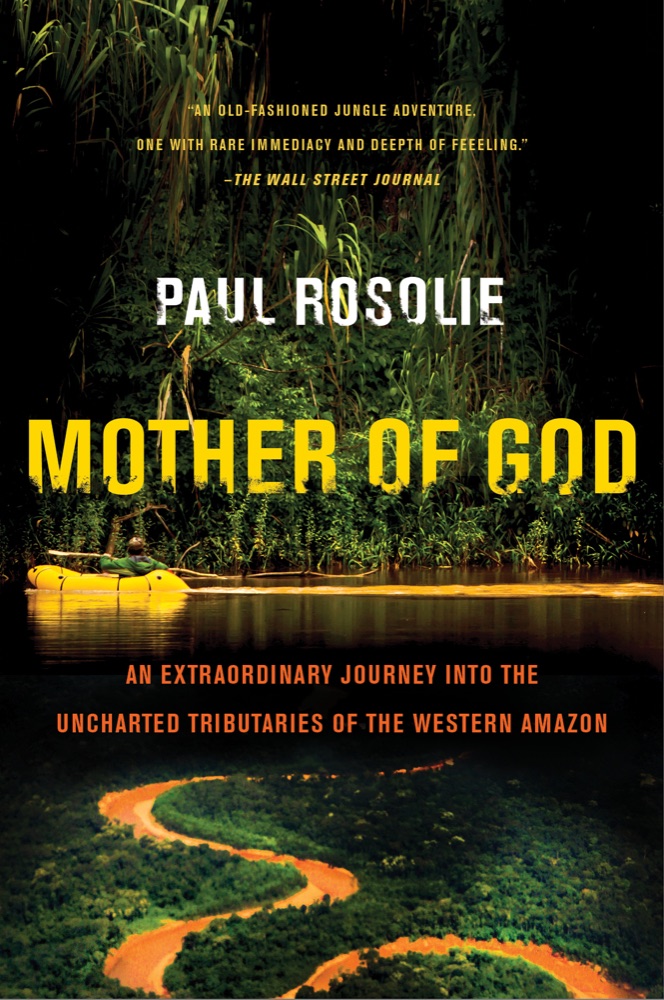 Mother of God: An Extraordinary Journey into the Uncharted Tributaries of the Western Amazon
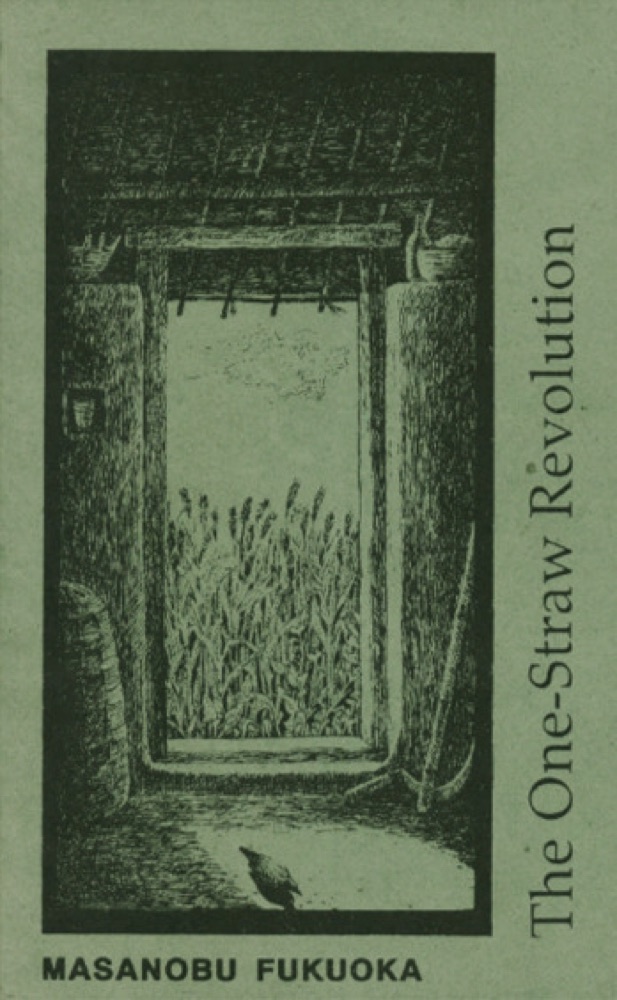 The One-Straw Revolution
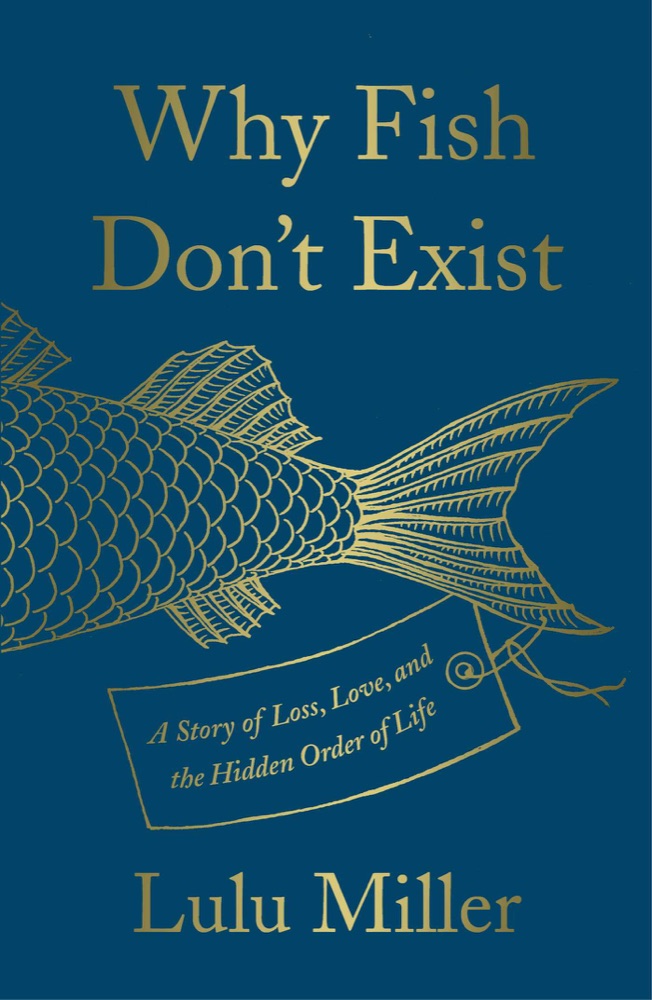 Why Fish Don’t Exist: A Story of Loss, Love, and the Hidden Order of Life
 Arctic Dreams
 Bicycle Diaries
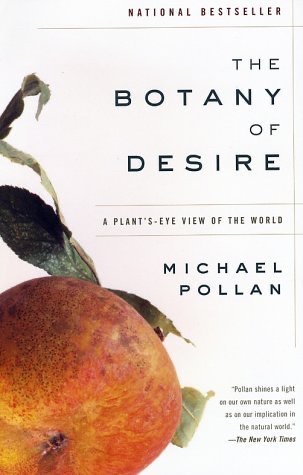 The Botany of Desire: A Plant's-Eye View of the World
 A Sand County Almanac and Sketches Here and There
 Zen and the Art of Motorcycle Maintenance
 The Log from the Sea of Cortez
 The Happiness Equation: Want Nothing + Do Anything = Have Everything
 Blue Mind: The Surprising Science That Shows How Being Near, In, On, or Under Water Can Make You Happier, Healthier, More Connected, and Better at What You Do
 Deep Creek: Finding Hope in the High Country
 Second Nature: A Gardener's Education
 The Sun is a Compass: A 4,000-Mile Journey into the Alaskan Wilds
 The Geography of Bliss: One Grump's Search for the Happiest Places in the World
 The Fifth Science
 Wilding
 Walden
 Successful Aging: A Neuroscientist Explores the Power and Potential of Our Lives
 The Art of the Commonplace: The Agrarian Essays
 The Secret Life of Plants: A Fascinating Account of the Physical, Emotional and Spiritual Relations Between Plants and Man
 Phosphorescence: On Awe, Wonder and Things That Sustain You When the World Goes Dark
 The World-Ending Fire: The Essential Wendell Berry
 The Overstory
 Where the Bluebird Sings to the Lemonade Springs: Living and Writing in the West
 All We Can Save: Truth, Courage, and Solutions for the Climate Crisis
 H is for Hawk
 A Monk’s Guide to A Clean House & Mind
 A Natural History of the Senses
 The Abundance
 Wild Ducks Flying Backward
 Nature and Selected Essays
 First, We Make the Beast Beautiful: A New Story About Anxiety
 Silence: The Power of Quiet in a World Full of Noise
 West with the Night
 Creativity: Flow and the Psychology of Discovery and Invention