 Fooled by Randomness: The Hidden Role of Chance in Life and in the Markets
Quotes from the Book
Smart people learn from their mistakes and wise people learn from somebody else’s mistakes.
9
Experience is the worst teacher. It gives the test before giving the lesson. —UNKNOWN
9
Personalizing successes sets people up for disastrous failure. They begin to treat the successes totally as a personal reflection of their abilities rather than the result of capitalizing on a good opportunity, being at the right place at the right time, or even being just plain lucky. They think their mere involvement in an undertaking guarantees success.
6
A fool must now and then be right by chance. —WILLIAM COWPER
5
Success can be built upon repeated failues when the failures aren't taken personally; likewise, failure can be built upon repeated successes when the successes are taken personally.
2
There’s nothing worse than two people who have on the same position talking to each other about the position.
2
Speculating is the application of intellectual examination and systematic analysis to the problem of the uncertain future.
2
Man is extremely uncomfortable with uncertainty. To deal with his discomfort, man tends to create a false sense of security by substituting certainty for uncertainty. It becomes the herd instinct. —BENNETT W. GOODSPEED, THE TAO JONES AVERAGES
2
the herd instinct and crowd behavior arise out of our desire to replace uncertainty with certainty,
1
The basic distinction between the individual and the crowd is that the individual acts after reasoning, deliberation, and analysis; a crowd acts on feeling, emotion, and impulses.
1
Are you long because you are bullish or bullish because you are long?
1
Speculating (and this includes investing and trading) is the only human endeavor in which what feels good is the right thing to do.
1
The minute it doesn’t feel good, stop doing it. It’s that simple.
The lesson here is: Taking either success or failure personally means, by definition, that your ego has become involved and you are in jeopardy of incurring losses due to psychological factors.
The only way to combat falling into the opinion trap is to follow Rand’s lead: think before you answer—if you even answer.
One of the most incomprehensible features of a crowd is the tenacity with which the members adhere to erroneous assumptions despite mounting evidence to challenge them.
The aim of the “professional gambler,” as he is called, is to make money. He can be recognized by deliberate and extremely disciplined wagering. His wagering is systematic and usually limited to infrequent but highly favorable opportunities. The behavior of the professional gambler is highly controlled and usually the result of a studied approach to his chosen game. He concentrates on games where the element of skill is sufficient to produce the possibility of a player advantage, such as blackjack and parimutuel betting. The professional gambler is similar to the stock arbitrageur in that they both take calculated risks. They are dealing with an uncertain outcome and seek to profit from their ability to anticipate the future or to see the future—in other words, to speculate. Professional gamblers are actually speculators because of the characteristics they exhibit when risking money. They are not seeking entertainment at the tables like gamblers do, and they are not trying to be right. They are trying to make money.
gambling creates risk while investing/speculating assumes and manages risk that already exists.
In betting and gambling games if you stop acting and do nothing, the losses will stop. But when investing, trading, or speculating, if you’re losing and stop acting, the losses don’t stop; they can continue to grow almost indefinitely.
The gambler isn’t playing a game; he is just playing.
trading is not about discovering a great strategy for making money but rather a matter of learning how to lose.
The truth is that trading, both successful and unsuccessful, is more about psychology than tactics.
The majority of unskilled investors stubbornly hold onto their losses when the losses are small and reasonable. They could get out cheaply, but being emotionally involved and human, they keep waiting and hoping until their loss gets much bigger and costs them dearly.20 (William O’Neil)
The objective of the scenario approach is not to decide which scenario is right…. There is no ‘right’ answer.
you have prepared for different scenarios and know how you will react to each of them. This doesn’t mean you’re predicting the future. It means you know ahead of time what alternative courses of action you will take if event A, B, or C happens. The soundness of this approach for both markets and business is evidenced by something called scenario planning: “a structured, disciplined method for thinking about the future and a technique for anticipating developments in fluid political and economic situations.”9 The scenario technique was developed by strategists at the RAND Corporation to think through issues involving the nature of nuclear warfare
Your plan is a script of what you expect to happen based on your particular method of analysis and provides a clear course of action if it doesn’t happen;
Once you specify what price or under what circumstances you would no longer want the position, and specify how much money you are willing to lose, then, and only then, can you start thinking about where to enter the market.
Watch on YouTube
About Jim Paul
About the book
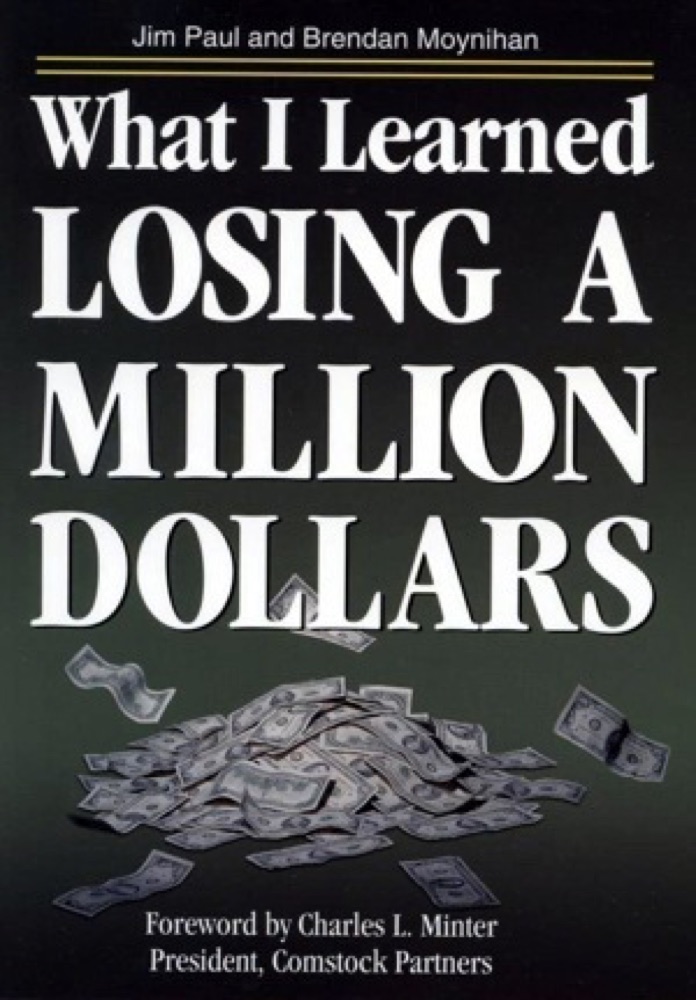
Jim Paul's meteoric rise took him from a small town in Northern Kentucky to governor of the Chicago Mercantile Exchange, yet he lost it all—his fortune, his reputation, and his job—in one fatal attack of excessive economic hubris. In this honest, frank analysis, Paul and Brendan Moynihan revisit the events that led to Paul's disastrous decision and examine the psychological factors behind bad financial practices in several economic sectors.
This book—winner of a 2014 Axiom Business Book award gold medal—begins with the unbroken string of successes that helped Paul achieve a jet-setting lifestyle and land a key spot with the Chicago Mercantile Exchange. It then describes the circumstances leading up to Paul's $1.6 million loss and the essential lessons he learned from it—primarily that, although there are as many ways to make money in the markets as there are people participating in th
Book details
- First published
- 1994
- Author
- Jim Paul
- Genre
- Nonfiction
- Goodreads rating
- 3.89 (6k ratings)
Keep reading
Fooled by Randomness: The Hidden Role of Chance in Life and in the Markets
 The Little Book of Behavioral Investing: How not to be your own worst enemy
 Reminiscences of a Stock Operator
 Skin in the Game: The Hidden Asymmetries in Daily Life
 The Intelligent Investor
 The Most Important Thing: Uncommon Sense for the Thoughtful Investor
 The Art of Thinking Clearly
 The Black Swan: The Impact of the Highly Improbable
 Rich Dad's Guide to Investing: What the Rich Invest in That the Poor and Middle Class Do Not!
 Same as Ever: A Guide to What Never Changes
 Your Next Five Moves: Master the Art of Business Strategy
 The Essays of Warren Buffett: Lessons for Corporate America
 Liar's Poker
 The Snowball: Warren Buffett and the Business of Life
 The Monk and the Riddle: The Education of a Silicon Valley Entrepreneur
 Predictably Irrational: The Hidden Forces That Shape Our Decisions
 Think Like a Freak
 Adapt: Why Success Always Starts with Failure
 Superforecasting: The Art and Science of Prediction
 The Dip: A Little Book That Teaches You When to Quit (and When to Stick)
 Do Epic Shit
 How to Fail at Almost Everything and Still Win Big: Kind of the Story of My Life
 Think and Grow Rich
 Trump: The Art of the Deal
 Barking Up the Wrong Tree: The Surprising Science Behind Why Everything You Know About Success Is (Mostly) Wrong
 Algorithms to Live By: The Computer Science of Human Decisions
 The Undoing Project: A Friendship That Changed Our Minds
 Principles: Life and Work
 The Success Principles: How to Get from Where You Are to Where You Want to Be
 The Algebra of Wealth: A Simple Formula for Financial Security
 Secrets of the Millionaire Mind: Mastering the Inner Game of Wealth
 Influence: The Psychology of Persuasion
 Paradigm Shift: How proper organization and preparation are the back-bones of any trading success (Trading Easyread Series Book 1)
 How To Get Rich
 Winning
 EntreLeadership: 20 Years of Practical Business Wisdom from the Trenches
 The 7 Habits of Highly Effective People: Personal Workbook
 You Can Win: A Step by Step Tool for Top Achievers
 David and Goliath: Underdogs, Misfits, and the Art of Battling Giants
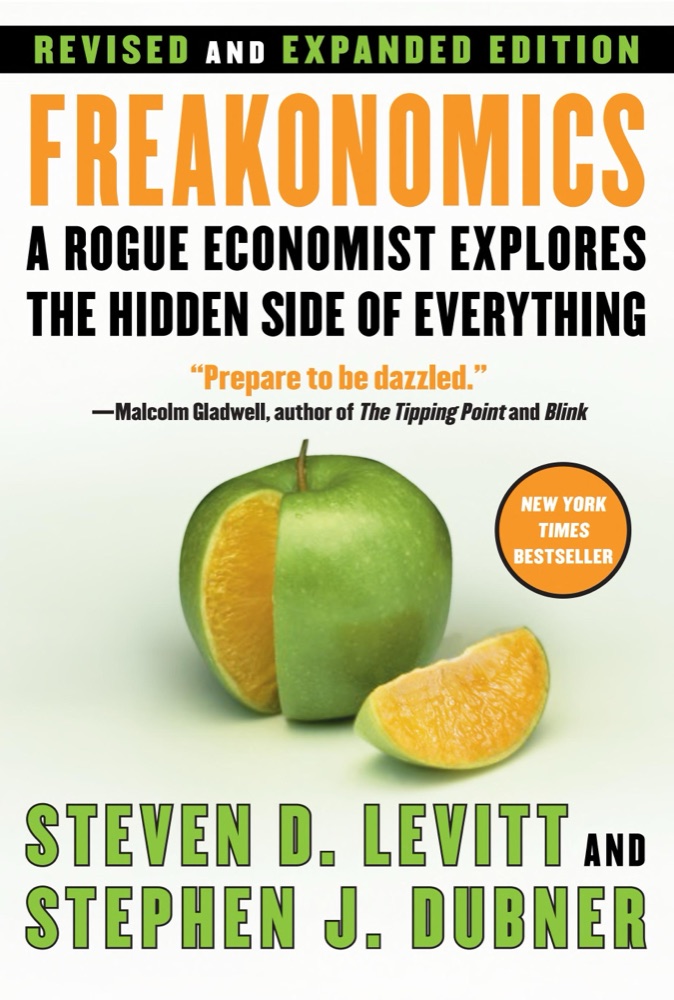 Freakonomics: A Rogue Economist Explores the Hidden Side of Everything
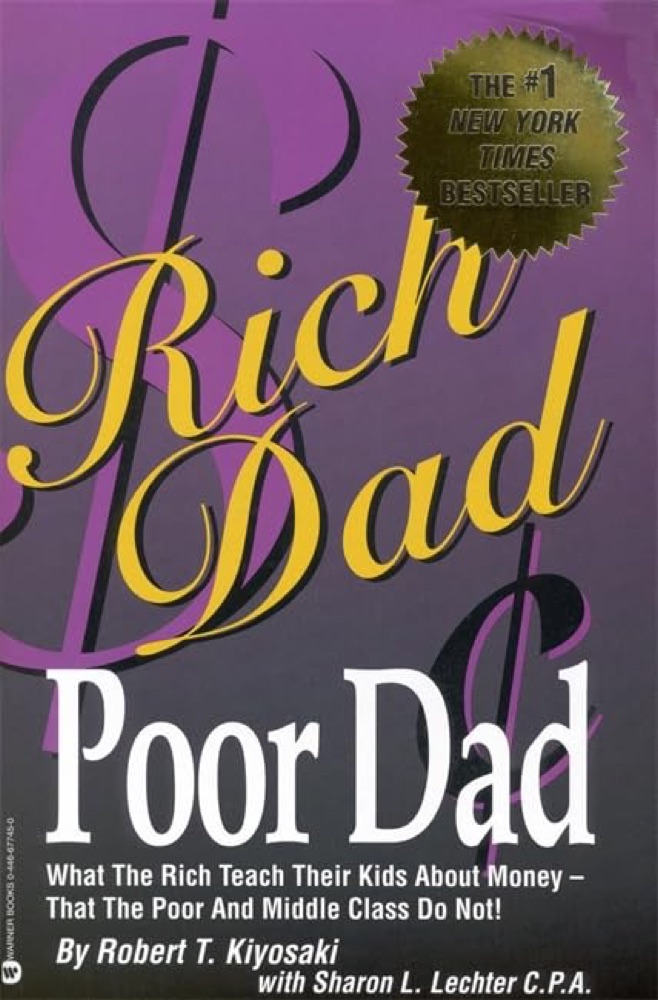 Rich Dad Poor Dad
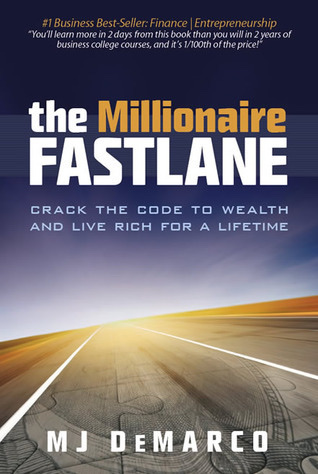 The Millionaire Fastlane: Crack the Code to Wealth and Live Rich for a Lifetime!
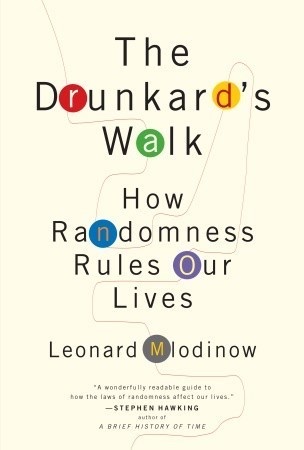 The Drunkard's Walk: How Randomness Rules Our Lives
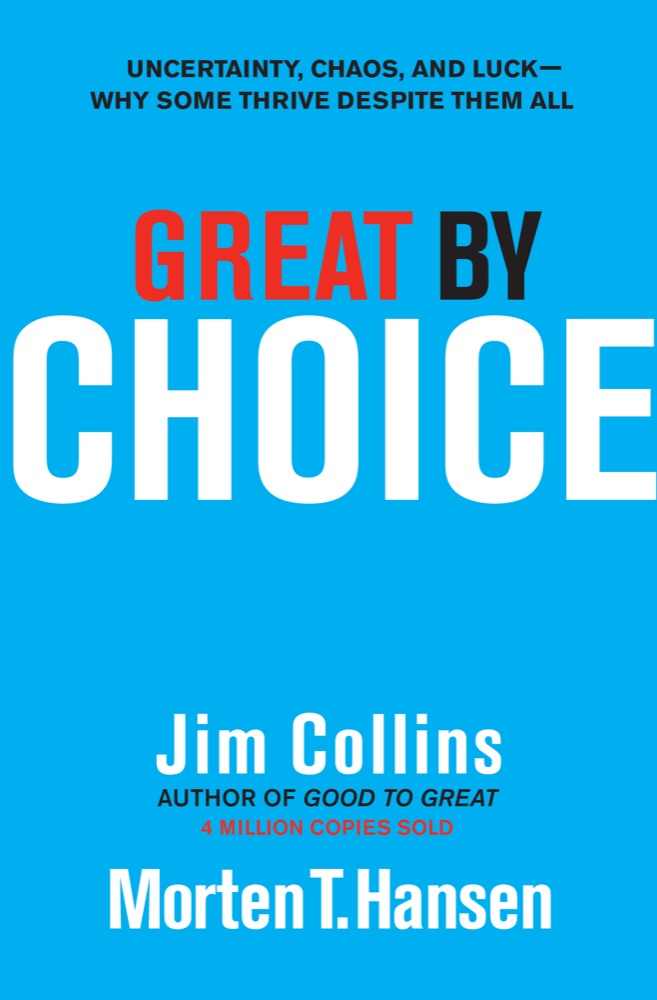 Great by Choice: Uncertainty, Chaos, and Luck—Why Some Thrive Despite Them All
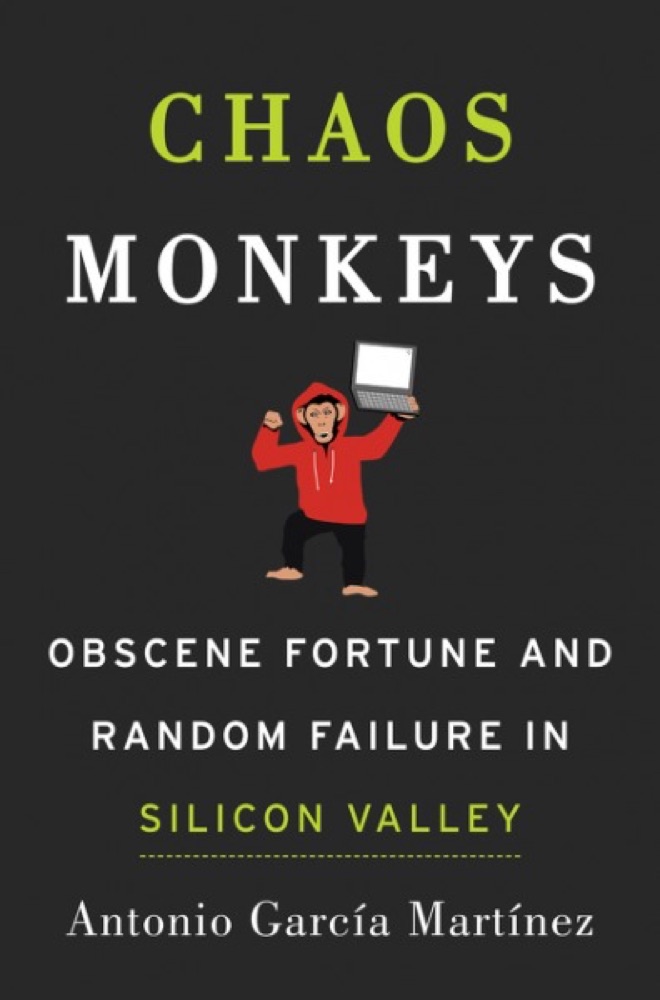 Chaos Monkeys: Obscene Fortune and Random Failure in Silicon Valley
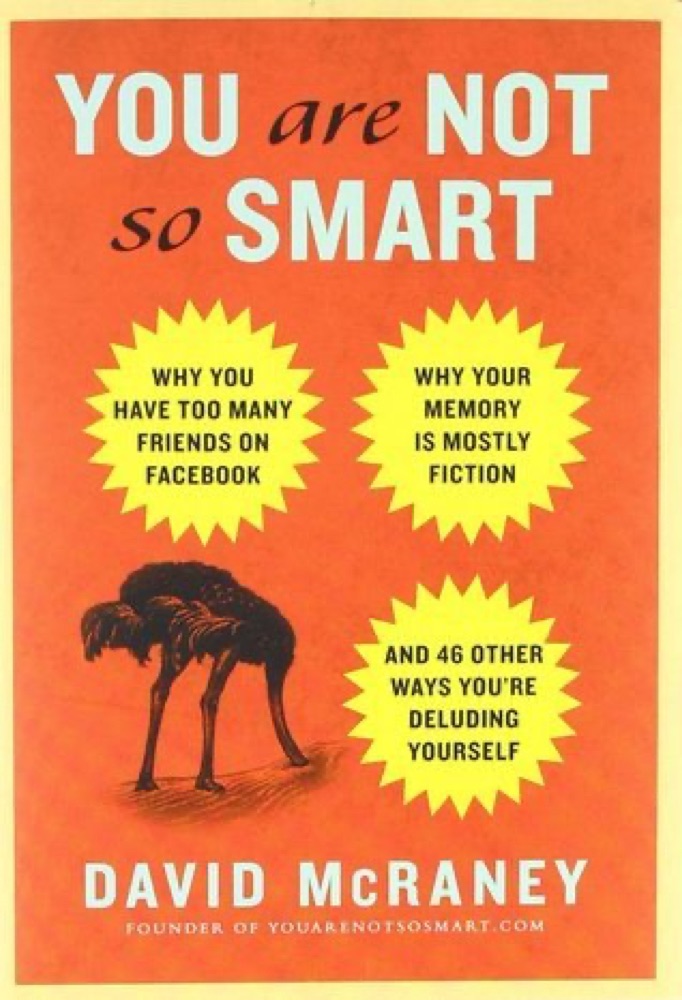 You Are Not So Smart
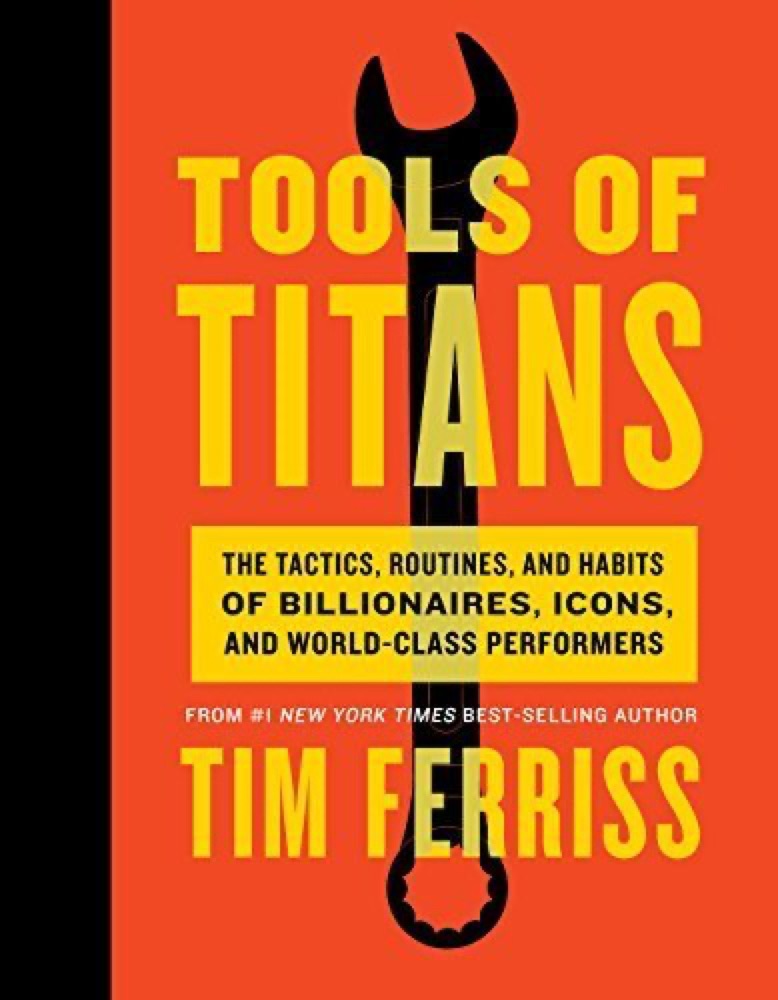 Tools of Titans: The Tactics, Routines, and Habits of Billionaires, Icons, and World-Class Performers
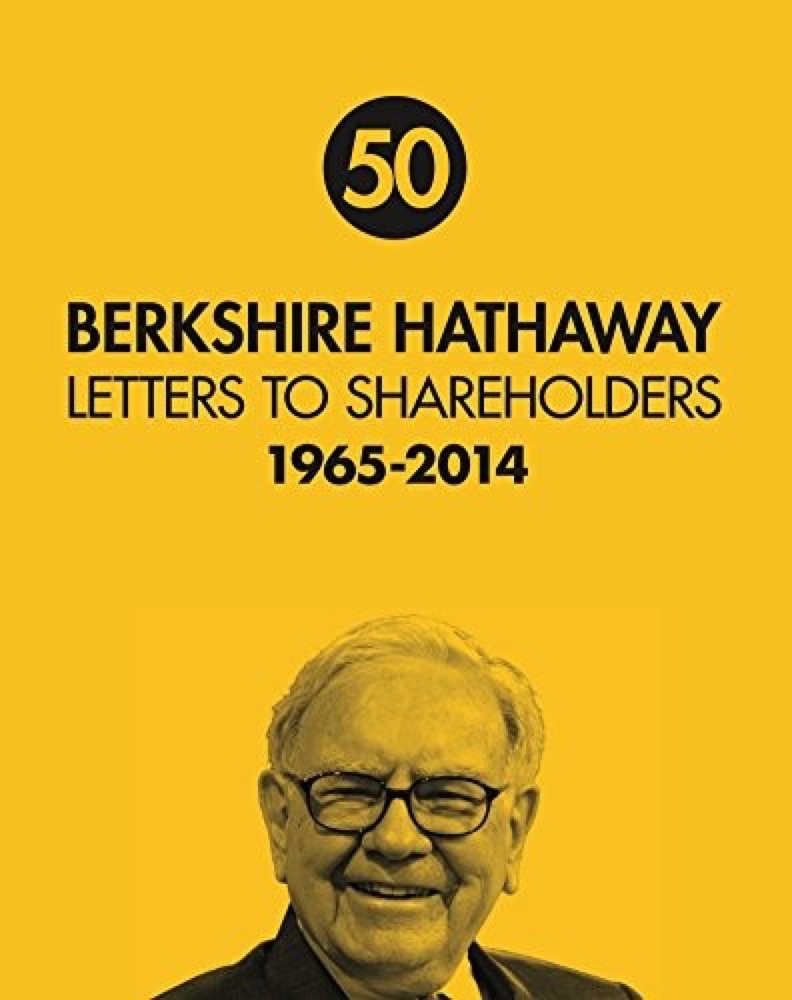 Berkshire Hathaway Letters to Shareholders
 Creativity, Inc.: Overcoming the Unseen Forces That Stand in the Way of True Inspiration
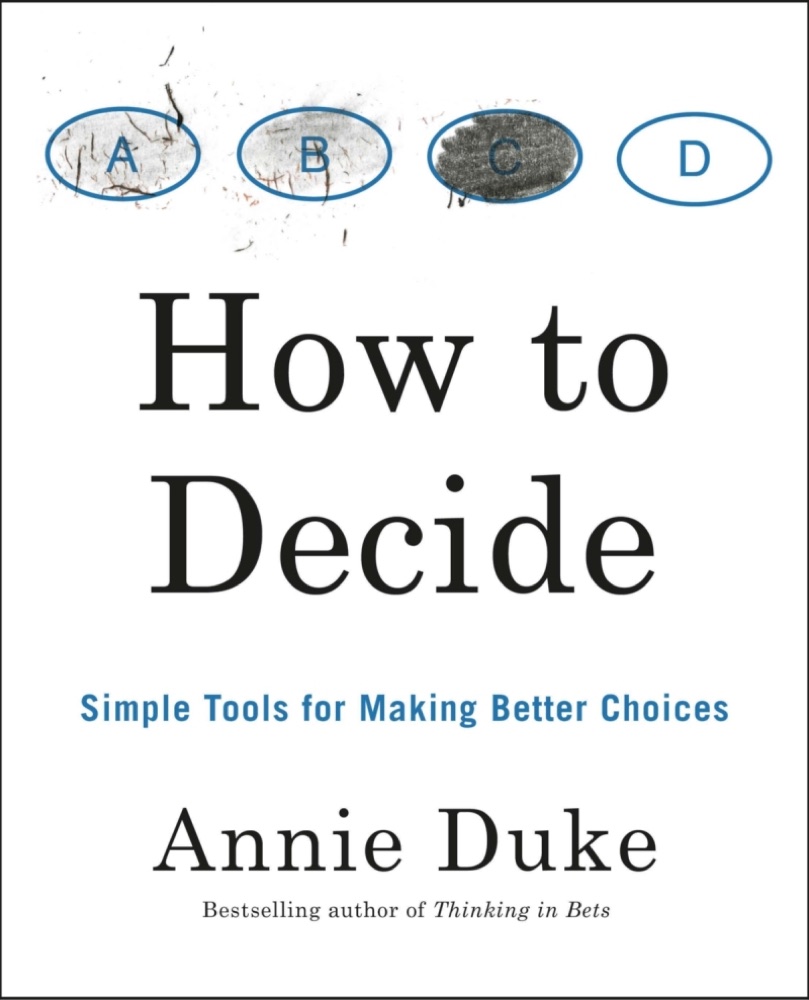 How to Decide: Simple Tools for Making Better Choices
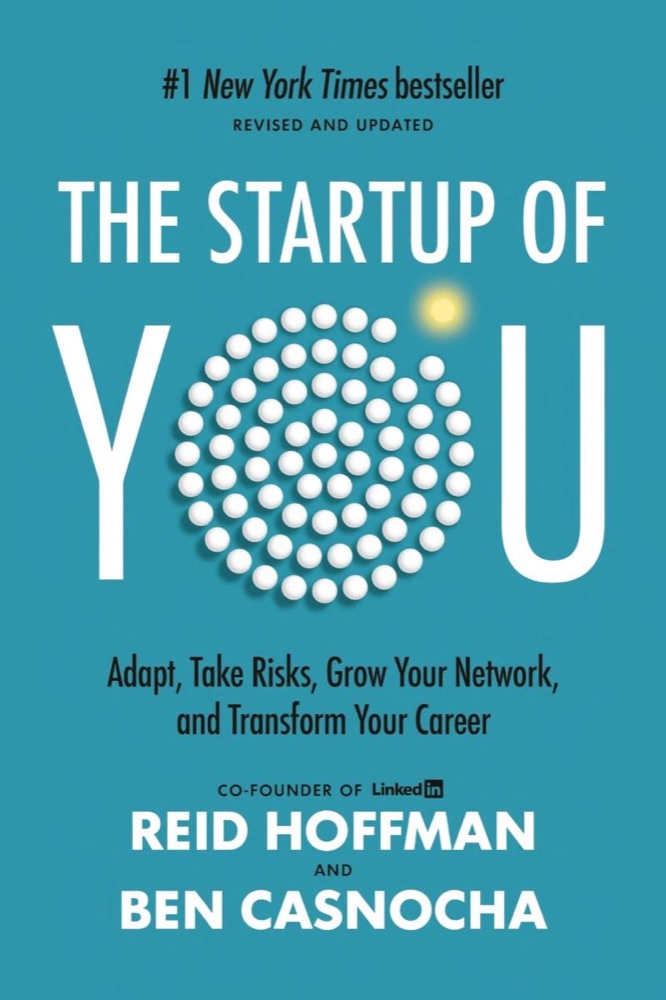 The Startup of You: Adapt to the Future, Invest in Yourself, and Transform Your Career
 It Takes What It Takes: How to Think Neutrally and Gain Control of Your Life
 Invent and Wander: The Collected Writings of Jeff Bezos
 Rationality: From AI to Zombies
 Black Box Thinking: Why Some People Never Learn from Their Mistakes - But Some Do
 Getting There: A Book of Mentors
 The Halo Effect: ... and the Eight Other Business Delusions That Deceive Managers
 Shoe Dog: A Memoir by the Creator of NIKE
 Stay Hungry Stay Foolish