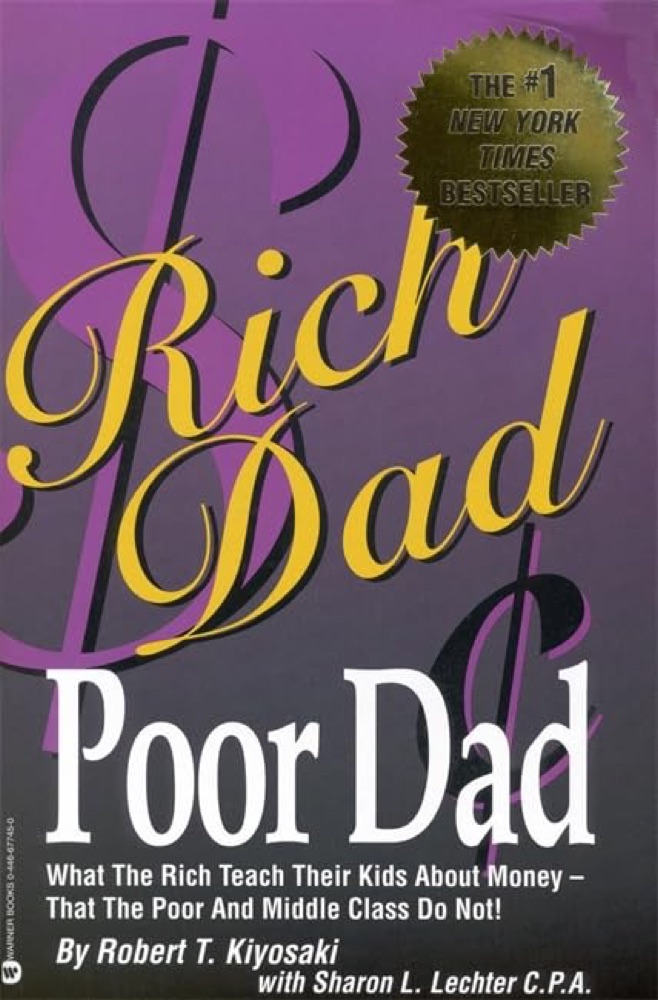

 Rich Dad's Guide to Investing: What the Rich Invest in That the Poor and Middle Class Do Not!
Quotes from the Book
In school we learn that mistakes are bad, and we are punished for making them. Yet, if you look at the way humans are designed to learn, we learn by making mistakes. We learn to walk by falling down. If we never fell down, we would never walk.
Winners are not afraid of losing. But losers are. Failure is part of the process of success. People who avoid failure also avoid success.
You’re only poor if you give up. The most important thing is that you did something. Most people only talk and dream of getting rich. You’ve done something.
If you’re the kind of person who has no guts, you just give up every time life pushes you. If you’re that kind of person, you’ll live all your life playing it safe, doing the right things, saving yourself for something that never happens. Then, you die a boring old man.
I’d rather welcome change than cling to the past.
The love of money is the root of all evil." The lack of money is the root of all evil.
Emotions are what make us human. Make us real. The word 'emotion' stands for energy in motion. Be truthful about your emotions, and use your mind and emotions in your favor, not against yourself.
The single most powerful asset we all have is our mind. If it is trained well, it can create enormous wealth in what seems to be an instant.
If you realize that you're the problem, then you can change yourself, learn something and grow wiser. Don't blame other people for your problems.
Workers work hard enough to not be fired, and owners pay just enough so that workers won't quit.
I like Texas and Texans. In Texas, everything is bigger. When Texans win, they win big. And when they lose, it's spectacular. If you really want to learn the attitude of how to handle risk, losing and failure, go to San Antonio and visit the Alamo. The Alamo is a great story of brave people who chose to fight, knowing there was no hope of success against overwhelming odds. They chose to die instead of surrendering. It's an inspiring story worthy of study; nonetheless, it's still a tragic military defeat. They got their butts kicked. A failure if you will. They lost. So how do Texans handle failure? They still shout, "Remember the Alamo!" That's why I like Texans so much. They took a great failure and turned it into a tourist destination that makes them millions. Texans don't bury their failures. They get inspired by them. They take their failures and turn them into rallying cries. Failure inspires Texans to become winners. But that formula is not just the formula for Texans. It is formula for all winners.
As I said, I wish I could say it was easy. It wasn't, but it wasn't hard either. But without a strong reason or purpose, anything in life is hard.
I am concerned that too many people are focused too much on money and not on their greatest wealth, which is their education. If people are prepared to be flexible, keep an open mind and learn, they will grow richer and richer through the changes. If they think money will solve the problems, I am afraid those people will have a rough ride. Intelligence solves problems and produces money. Money without financial intelligence is money soon gone.
To know a little about a lot.
It is said that the fear of public speaking is a fear greater than death for most people. According to psychiatrists, the fear of public speaking is caused by the fear of ostracism, the fear of standing out, the fear of criticism, the fear of ridicule, the fear of being an outcast. THE FEAR OF BEING DIFFERENT PREVENTS MOST PEOPLE FROM SEEKING NEW WAYS TO SOLVE THEIR PROBLEMS.
Whenever you feel ‘short’ or in ‘need’ of something, give what you want first and it will come back in buckets. That is true for money, a smile, love, friendship. I know it is often the last thing a person may want to do, but it has always worked for me. I just trust that the principle of reciprocity is true, and I give what I want.
I find so many people struggling, often working harder, simply because they cling to old ideas. They want things to be the way they were; they resist change. I know people who are losing their jobs or their houses, and they blame technology or the economy or their boss. Sadly they fail to realize that they might be the problem. Old ideas are their biggest liability. It is a liability simply because they fail to realize that while that idea or way of doing something was an asset yesterday, yesterday is gone.
We all have tremendous potential, and we all are blessed with gifts. Yet, the one thing that holds all of us back is some degree of self-doubt. It is not so much the lack of technical information that holds us back, but more the lack of self-confidence.
In the real world outside of academics, something more than just grades is required. I have heard it called "guts," "chutzpah," "balls," "audacity," "bravado," "cunning," "daring," "tenacity" and "brilliance." This factor, whatever it is labeled, ultimately decides one's future much more than school grades.
Stop blaming me, thinking I'm the problem. If you think I'm the problem, then you have to change me. If you realize that you're the problem, then you can change yourself, learn something and grow wiser. Most people want everyone else in the world to change themselves. Let me tell you, it's easier to change yourself than everyone else.
Just know that it’s fear that keeps most people working at a job. The fear of not paying their bills. The fear of being fired. The fear of not having enough money. the fear of starting over. That’s the price of studying to learn a profession or trade, and then working for money. Most people become a slave to money… and then get angry at their boss.
Excessive fear and self-doubt that were the greatest detractors of personal genius.
There is a difference between being poor and being broke. Broke is temporary. Poor is eternal.
I can't afford it' shut down your brain. it didn't have to think anymore. besides, it also brings up sadness. a helplessness that leads to despondency and often depression. 'How can I afford it?' opened up the brain. forced it to think and search fro answers. it also opens up possibilities, excitement and dreams and created a stronger mind and dynamic spirit.
Most people fail to realize that in life, it’s not how much money you make, it’s how much money you keep.
Learn to use your emotions to think, not think with your emotions.
Leadership is what you need to learn next
Going into our fear and confronting our greed, our weaknesses, our neediness is the way out. And the way out is through the mind, by choosing our thoughts.
Did you know?
- The book was co-authored by Robert T. Kiyosaki and Sharon Lechter.
- It was originally self-published in 1997 before being picked up commercially and becoming a New York Times bestseller.
- The book has sold tens of millions of copies worldwide and been translated into dozens of languages.
- It contrasts the money lessons of Kiyosaki's own educated but financially struggling father with those of his best friend's wealthy father.
- A central lesson is learning the difference between assets and liabilities.
- The book spawned the wider Rich Dad brand, including the Cashflow board game.
About Robert T. Kiyosaki
Robert Toru Kiyosaki (born April 8, 1947, in Hilo, Hawaii) is an American businessman, investor, and author of Japanese descent who served as a Marine Corps helicopter pilot in the Vietnam War before becoming an entrepreneur and financial educator. In 1997 he founded Cashflow Technologies, the company behind the Rich Dad brand of personal-finance books, games, and seminars.
More about the author →More by Robert T. Kiyosaki
Rich Dad's Guide to Investing: What the Rich Invest in That the Poor and Middle Class Do Not!
 Rich Dad's Retire Young, Retire Rich: How to Get Rich Quickly and Stay Rich Forever!
About the book
"Rich Dad Poor Dad" is Robert T. Kiyosaki's personal-finance classic, first self-published in 1997 and co-written with Sharon Lechter. Framed as an autobiographical parable, it contrasts the money philosophies of two father figures from Kiyosaki's youth: his own highly educated but financially struggling father (the "poor dad") and the entrepreneurial, less-formally-educated father of his best friend (the "rich dad"). Through their opposing lessons, the book argues that a high income does not make a person wealthy and that most people are never taught how money actually works.
At the heart of the book is a call for financial literacy. Kiyosaki urges readers to understand the difference between assets and liabilities, to make their money work for them rather than working only for money, and to build wealth by acquiring income-producing assets such as businesses, real estate, and investments. He challenges the conventional path of studying hard, getting a secure job, and saving, presenting instead an entrepreneurial, investment-focused mindset centered on raising one's "financial IQ."
Since its release the book has become one of the best-selling personal-finance titles ever, selling tens of millions of copies, being translated into dozens of languages, and spending years on bestseller lists. It launched the wider Rich Dad brand of books, seminars, and games. It has also drawn sustained criticism, with financial commentators questioning the accuracy and practicality of some of its advice, yet it remains an influential and widely recommended introduction to thinking about money.
Book details
- First published
- 1997
- Author
- Robert T. Kiyosaki
- Genre
- Nonfiction
- Goodreads rating
- 4.09 (750k ratings) →
If you liked this, read…
- 1The Richest Man in BabylonA classic parable-driven primer on saving and building wealth.
- 2Think and Grow RichA foundational mindset-focused book on wealth and success.
- 3The Millionaire Next DoorResearch on how ordinary people quietly accumulate wealth.
Keep reading
Rich Dad's Guide to Investing: What the Rich Invest in That the Poor and Middle Class Do Not!
 The Last Lecture
 How to Fail at Almost Everything and Still Win Big: Kind of the Story of My Life
 The Millionaire Fastlane: Crack the Code to Wealth and Live Rich for a Lifetime!
 The Algebra of Wealth: A Simple Formula for Financial Security
 Choose Yourself: Be Happy, Make Millions, Live the Dream
 How To Get Rich
 Think and Grow Rich
 Secrets of the Millionaire Mind: Mastering the Inner Game of Wealth
 7 Strategies for Wealth & Happiness: Power Ideas from America's Foremost Business Philosopher
 You Are a Badass at Making Money: Master the Mindset of Wealth
 David and Goliath: Underdogs, Misfits, and the Art of Battling Giants
 Tools of Titans: The Tactics, Routines, and Habits of Billionaires, Icons, and World-Class Performers
 I Can't Make This Up: Life Lessons
 Barking Up the Wrong Tree: The Surprising Science Behind Why Everything You Know About Success Is (Mostly) Wrong
 Principles: Life and Work
 The Success Principles: How to Get from Where You Are to Where You Want to Be
 Tribe Of Mentors: Transformative Wisdom From Icons and Innovators to Help You Navigate Life's Challenges
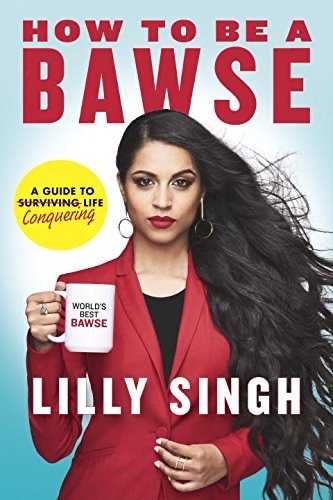 How to Be a Bawse: A Guide to Conquering Life
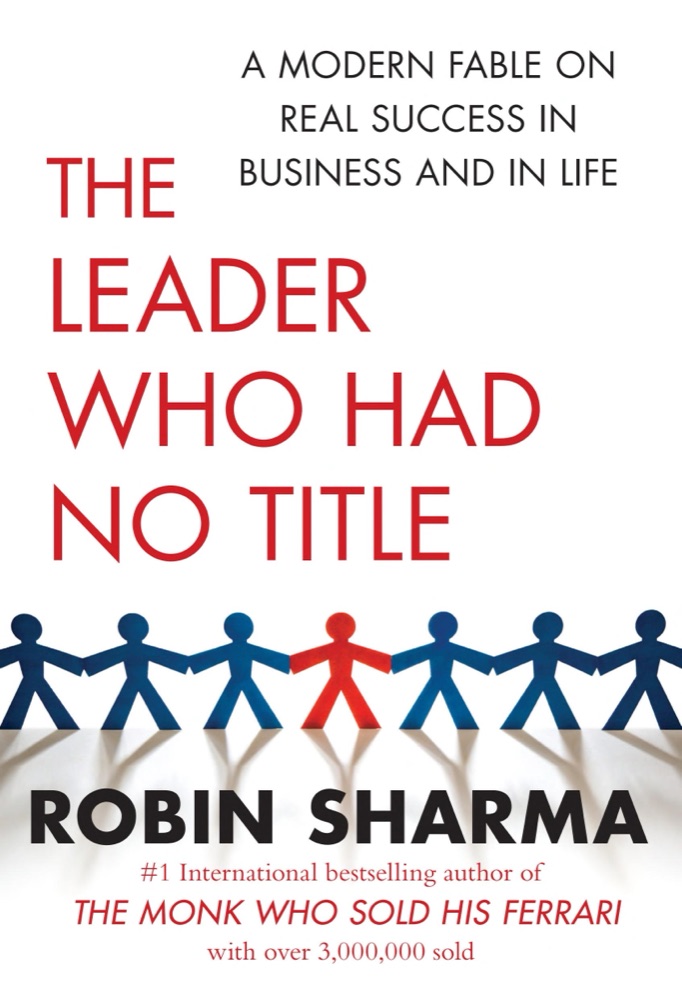 The Leader Who Had No Title: A Modern Fable on Real Success in Business and in Life
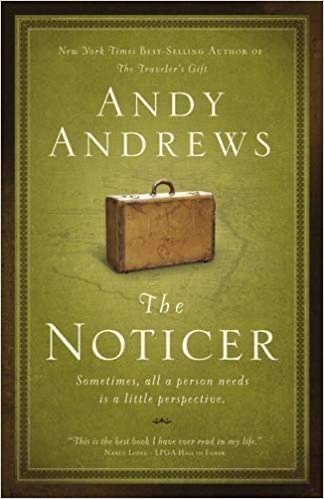 The Noticer: Sometimes, All a Person Needs Is a Little Perspective
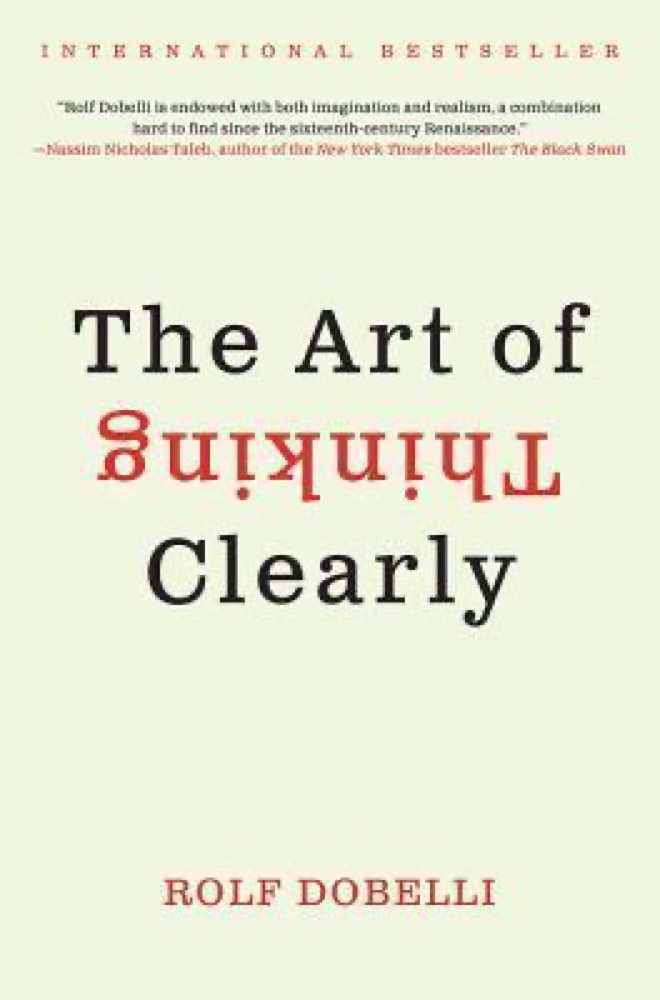 The Art of Thinking Clearly
 Be Useful: Seven Tools for Life
 Ego Is the Enemy
 Secrets of Jewish Wealth Revealed!
 Getting There: A Book of Mentors
 Same as Ever: A Guide to What Never Changes
 The Art of Spending Money: Simple Choices for a Richer Life
 Capital Gaines: Smart Things I Learned Doing Stupid Stuff
 #Girlboss
 The Algebra of Happiness: Notes on the Pursuit of Success, Love, and Meaning
 EntreLeadership: 20 Years of Practical Business Wisdom from the Trenches
 Antifragile: Things That Gain from Disorder
 Financial Feminist: Overcome the Patriarchy's Bullsh*t to Master Your Money and Build a Life You Love
 Your Next Five Moves: Master the Art of Business Strategy
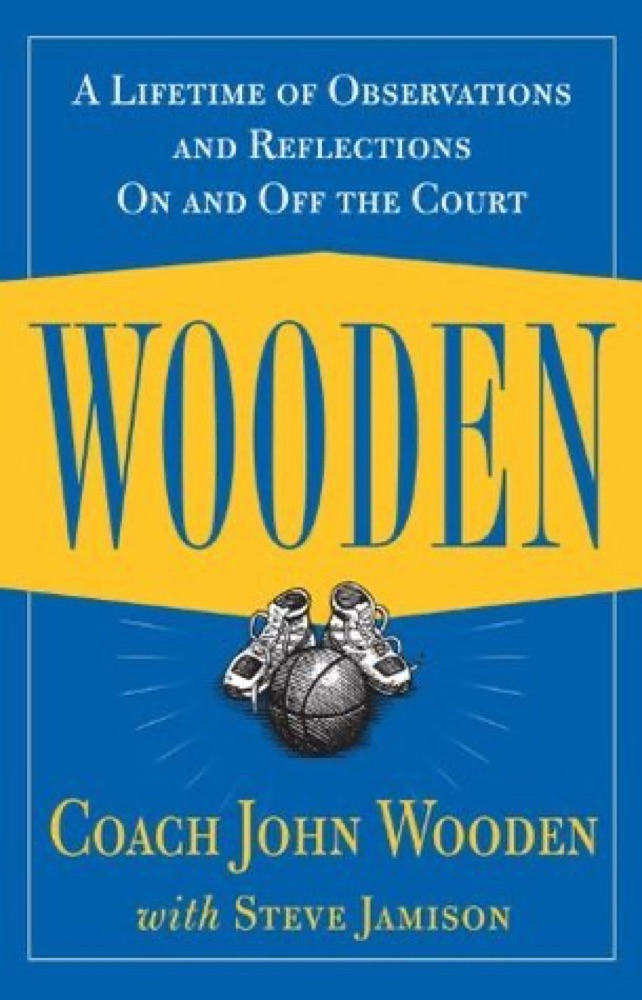 Wooden: A Lifetime of Observations and Reflections On and Off the Court
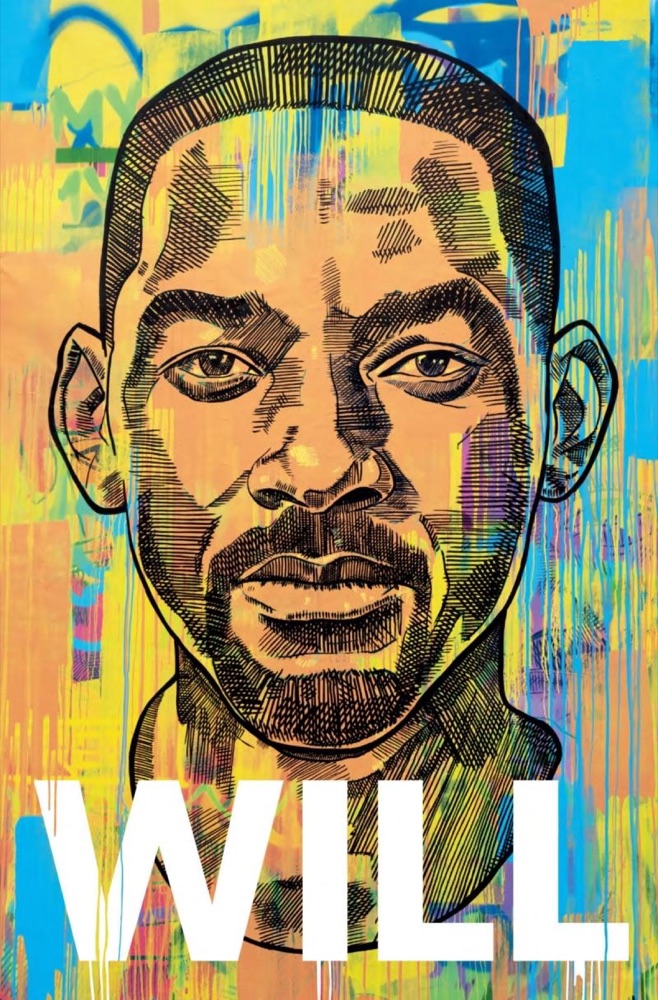 Will
Will
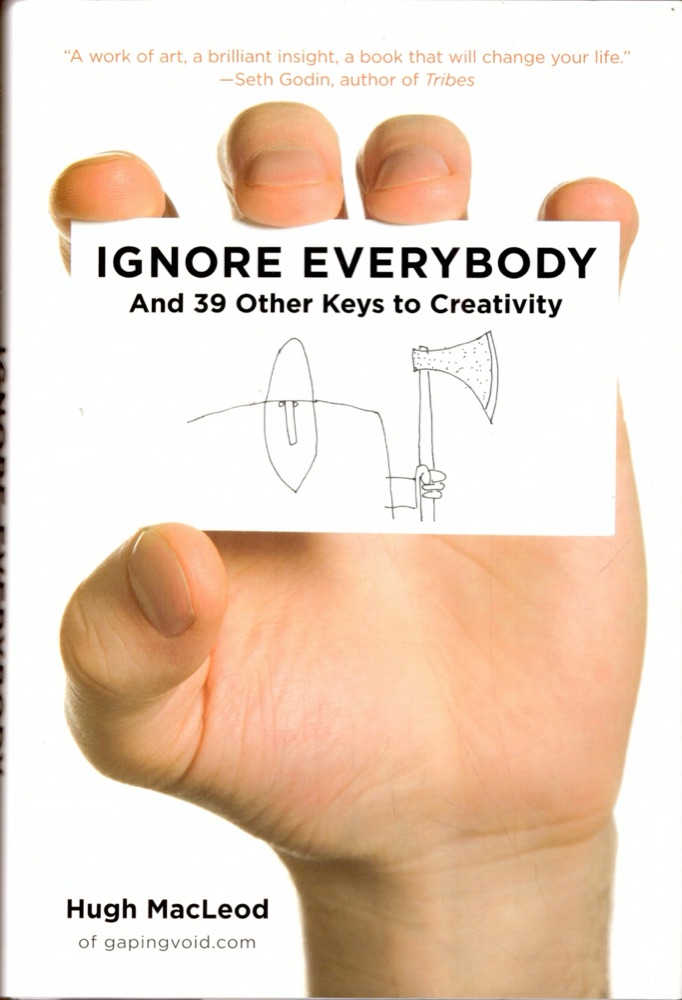 Ignore Everybody: and 39 Other Keys to Creativity
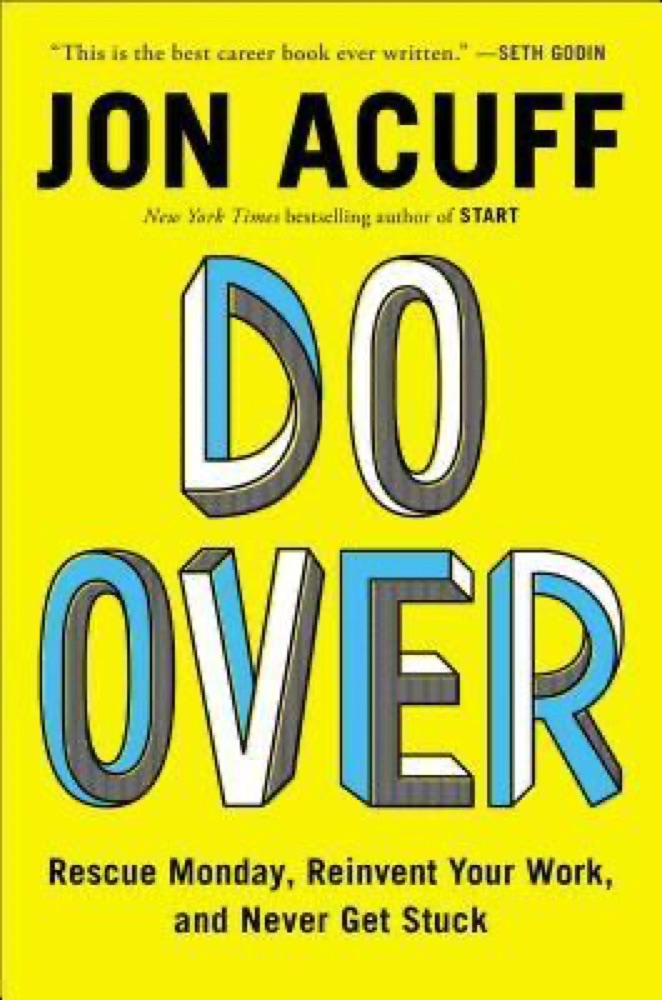 Do Over: Rescue Monday, Reinvent Your Work, and Never Get Stuck
 The Comfort Book
 The Compound Effect: Jumpstart Your Income, Your Life, Your Success
 It Worked for Me: In Life and Leadership
 The 50th Law
 The 7 Habits Of Highly Effective Teens
 The Obstacle Is the Way: The Timeless Art of Turning Trials into Triumph
 The Ultimate Gift
 The Total Money Makeover: A Proven Plan for Financial Fitness
 Riding the Elephant: A Memoir of Altercations, Humiliations, Hallucinations, and Observations
 Born a Crime: Stories From a South African Childhood
 You Can Win: A Step by Step Tool for Top Achievers
 Think Like a Freak
 Notes on a Nervous Planet
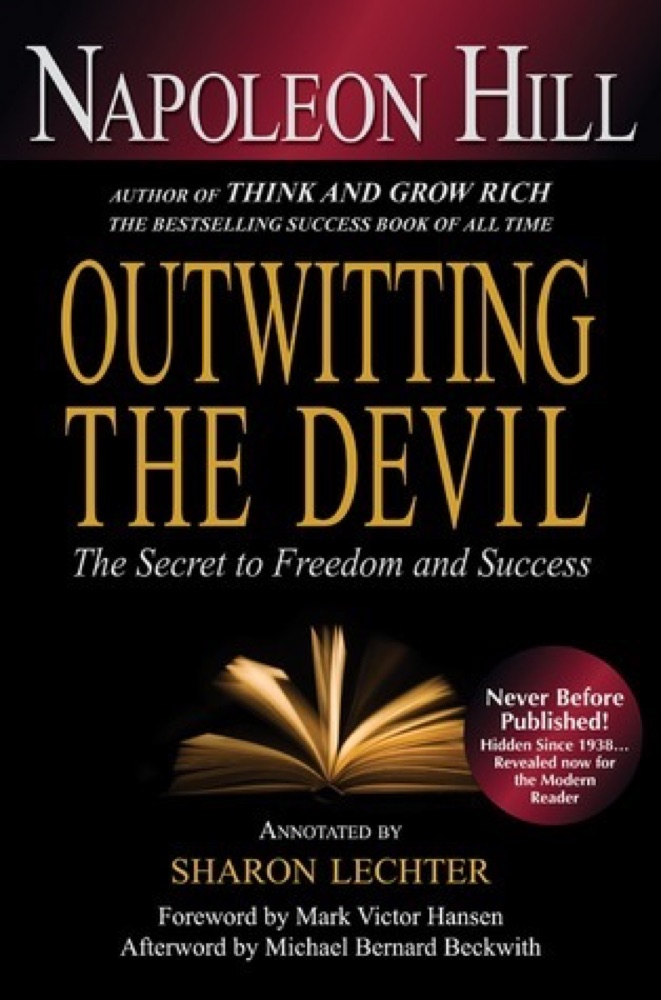 Outwitting the Devil: The Secret to Freedom and Success
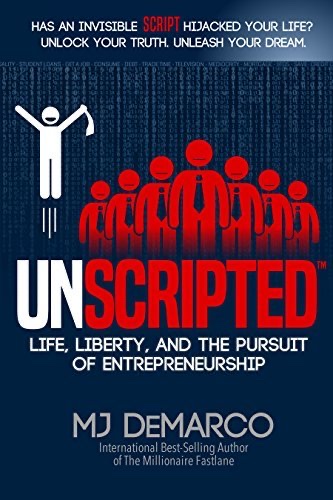 Unscripted: Life, Liberty, and the Pursuit of Entrepreneurship
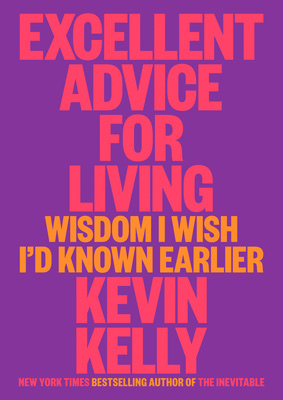 Excellent Advice for Living: Wisdom I Wish I'd Known Earlier
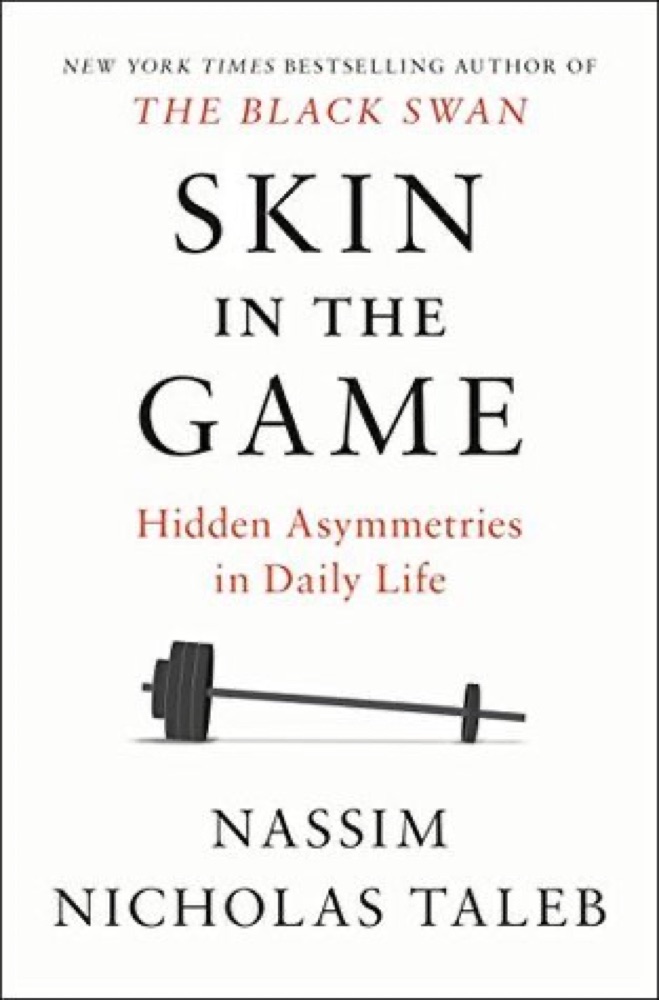 Skin in the Game: The Hidden Asymmetries in Daily Life
 If I Knew Then: Finding Wisdom in Failure and Power in Aging
 Today Matters: 12 Daily Practices to Guarantee Tomorrow's Success
 Gifted Hands: The Ben Carson Story