
 The Intelligent Investor
Quotes from the Book
The nature of the game as it is played is such that the public should realize that the truth cannot be told by the few who know.
17
There is nothing like losing all you have in the world for teaching you what not to do. And when you know what not to do in order not to lose money, you begin to learn what to do in order to win. Did you get that? You begin to learn!
16
That is about all I have learned—to study general conditions, to take a position and stick to it.
11
The sucker has always tried to get something for nothing, and the appeal in all booms is always frankly to the gambling instinct aroused by cupidity and spurred by a pervasive prosperity. People who look for easy money invariably pay for the privilege of proving conclusively that it cannot be found on this sordid earth.
11
A man cannot be convinced against his own convictions, but he can be talked into a state of uncertainty and indecision, which is even worse, for that means that he cannot trade with confidence and comfort.
11
A man must know himself thoroughly if he is going to make a good job out of trading in the speculative markets. To know what I was capable of in the line of folly was a long educational step. I sometimes think that no price is too high for a speculator to pay to learn that which will keep him from getting the swelled head.
10
The game of speculation is the most uniformly fascinating game in the world. But it is not a game for the stupid, the mentally lazy, the person of inferior emotional balance, or the get-rich-quick adventurer. They will die poor.
8
Speculators buy the trend; investors are in for the long haul; "they are a different breed of cats." One reason that people lose money today is that they have lost sight of this distinction; they profess to have the long term in mind and yet cannot resist following where the hot money has led.
8
After spending many years in Wall Street and after making and losing millions of dollars I want to tell you this: It never was my thinking that made the big money for me. It always was my sitting. Got that? My sitting tight! It is no trick at all to be right on the market. You always find lots of early bulls in bull markets and early bears in bear markets. I've known many men who were right at exactly the right time, and began buying or selling stocks when prices were at the very level which should show the greatest profit. And their experience invariably matched mine that is, they made no real money out of it. Men who can both be right and sit tight are uncommon. I found it one of the hardest things to learn. But it is only after a stock operator has firmly grasped this that he can make big money. It is literally true that millions come easier to a trader after he knows how to trade than hundreds did in the days of his ignorance.
7
A stock operator has to fight a lot of expensive enemies within himself.
7
Men who can both be right and sit tight are uncommon. I found it one of the hardest things to learn. But it is only after a stock operator has firmly grasped this that he can make big money. It is literally true that millions come easier to a trader after he knows how to trade than hundreds did in the days of his ignorance.
7
To learn that a man can make foolish plays for no reason whatever was a valuable lesson. It cost me millions to learn that another dangerous enemy to a trader is his susceptibility to the urgings of a magnetic personality when plausibly expressed by a brilliant mind. It has always seemed to me, however, that I might have learned my lesson quite as well if the cost had been only one million. But Fate does not always let you fix the tuition fee. She delivers the educational wallop and presents her own bill, knowing you have to pay it, no matter what the amount may be.
7
Never try to sell at the top. It isn't wise. Sell after a reaction if there is no rally.
6
Another lesson I learned early is that there is nothing new in Wall Street. There can't be because speculation is as old as the hills. Whatever happens in the stock market to-day has happened before and will happen again. I've never forgotten that. I suppose I really manage to remember when and how it happened. The fact that I remember that way is my way of capitalizing experience.
6
A man must believe in himself and his judgment if he expects to make a living at this game.
6
My losses have taught me that I must not begin to advance until I am sure I shall not have to retreat. But
6
If a man didn't make mistakes he'd own the world in a month. But if he didn't profit by his mistakes he wouldn't own a blessed thing.
6
The desire for constant action irrespective of underlying conditions is responsible for many losses in Wall Street even among the professionals, who feel that they must take home some money every day, as though they were working for regular wages.
5
Fear and hope remain the same; therefore the study of the psychology of speculators is as valuable as it ever was. Weapons change, but strategy remains strategy, on the New York Stock Exchange as on the battlefield. I think the clearest summing up of the whole thing was expressed by Thomas F. Woodlock when he declared: "The principles of successful stock speculation are based on the supposition that people will continue in the future to make the mistakes that they have made in the past.
5
It takes a man a long time to learn all the lessons of all his mistakes. They say there are two sides to everything. But there is only one side to the stock market; and it is not the bull side or the bear side, but the right side. It took me longer to get that general principle fixed firmly in my mind
5
No man can always have adequate reasons for buying or selling stocks daily - or sufficient knowledge to make his play an intelligent play.
5
Money does not give a trader more comfort, because, rich or poor, he can make mistakes and it is never comfortable to be wrong.
4
I quite cold-bloodedly reached the conclusion that I would never be able to accomplish anything useful so long as I was worried.
4
No, sir, nobody can make big money on what someone else tells him to do.
4
The reason is that a man may see straight and clearly and yet become impatient or doubtful when the market takes its time about doing as he figured it must do. That is why so many men in Wall Street, who are not at all in the sucker class, not even in the third grade, nevertheless lose money. The market does not beat them. They beat themselves, because though they have brains they cannot sit tight.
3
Without faith in his own judgment no man can go very far in this game. That is about all I have learned to study general conditions, to take a position and stick to it.
3
They say you never grow poor taking profits. No, you don't. But neither do you grow rich taking a four-point profit in a bull market.
3
We talked of many things, for he is a widely read man with an amazing grasp of many subjects and a remarkable gift for interesting generalization. The wisdom of his speech is impressive; and as for plausibility, he hasn't an equal. I have heard many people accuse Percy Thomas of many things, including insincerity, but I sometimes wonder if his remarkable plausibility does not come from the fact that he first convinces himself so thoroughly as to acquire thereby a greatly increased power to convince others.
3
A man has to have experience and he has to pay for it.
2
Watch on YouTube
About Edwin Lefèvre
About the book
First published in 1923, "Reminiscences of a Stock Operator" is the most widely read, highly recommended investment book ever. Generations of readers have found that it has more to teach them about markets and people than years of experience. This is a timeless tale that will enrich your life--and your portfolio.
Book details
- First published
- 1923
- Author
- Edwin Lefèvre
- Genre
- Nonfiction
- Goodreads rating
- 4.18 (20k ratings)
Keep reading
The Intelligent Investor
 The Little Book of Behavioral Investing: How not to be your own worst enemy
 What I Learned Losing a Million Dollars
 Liar's Poker
 The Snowball: Warren Buffett and the Business of Life
 The Essays of Warren Buffett: Lessons for Corporate America
 The Most Important Thing: Uncommon Sense for the Thoughtful Investor
 Common Stocks and Uncommon Profits and Other Writings
 Rich Dad's Guide to Investing: What the Rich Invest in That the Poor and Middle Class Do Not!
 Berkshire Hathaway Letters to Shareholders
 How To Get Rich
 Paradigm Shift: How proper organization and preparation are the back-bones of any trading success (Trading Easyread Series Book 1)
 The Great Crash 1929
 Same as Ever: A Guide to What Never Changes
 Trump: The Art of the Deal
 Letters from a Self-Made Merchant to His Son
 Fooled by Randomness: The Hidden Role of Chance in Life and in the Markets
 A Short History of Financial Euphoria
 Skin in the Game: The Hidden Asymmetries in Daily Life
 Security Analysis: The Classic 1940 Edition
 Your Next Five Moves: Master the Art of Business Strategy
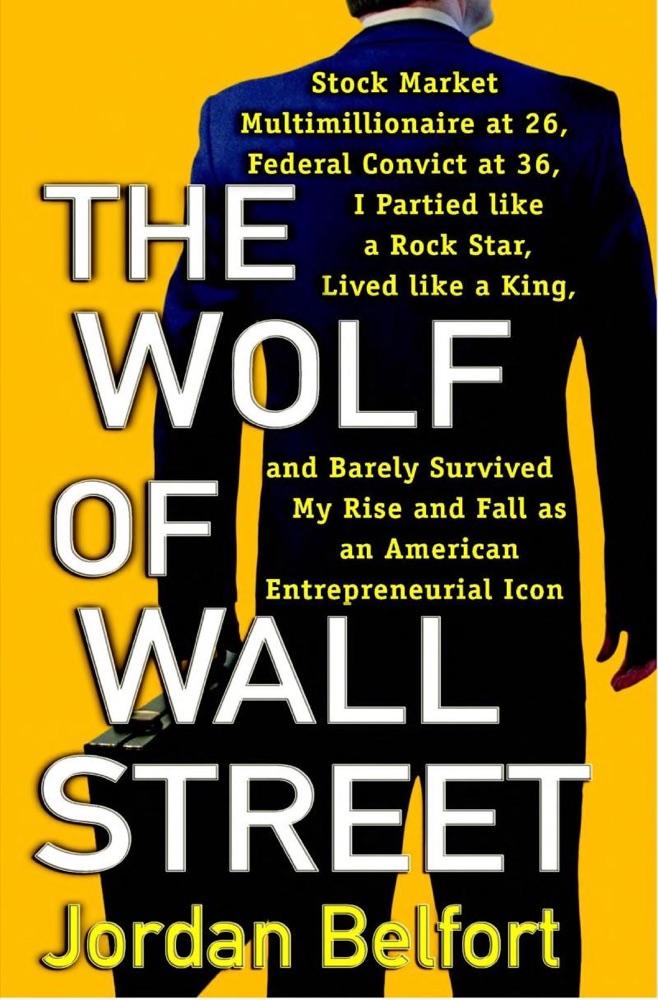 The Wolf of Wall Street
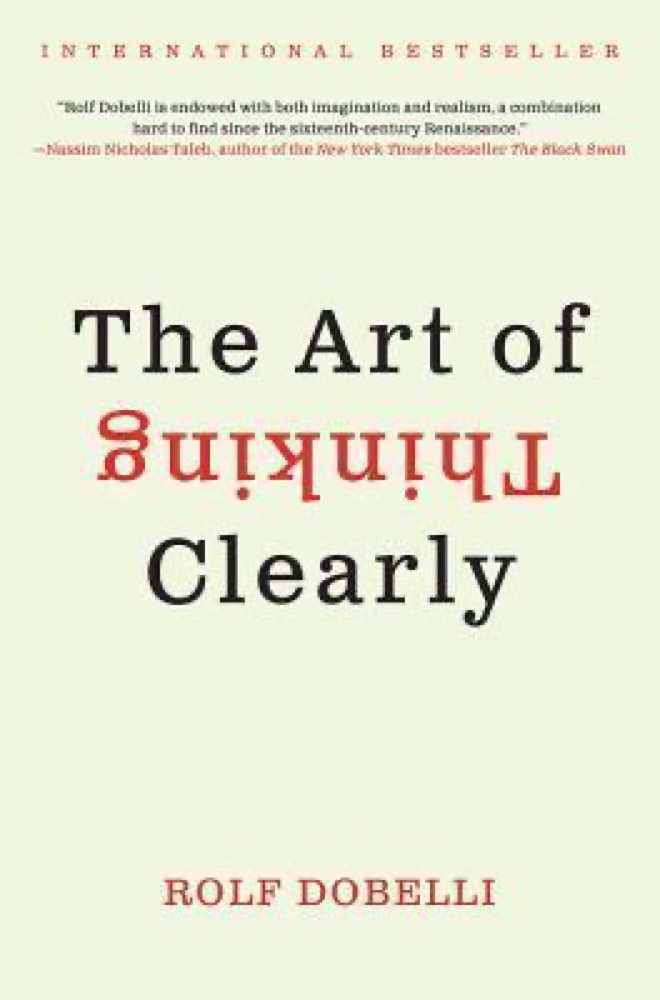 The Art of Thinking Clearly
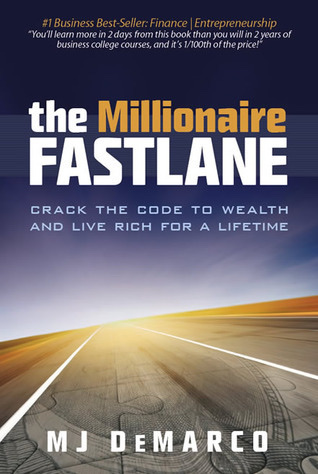 The Millionaire Fastlane: Crack the Code to Wealth and Live Rich for a Lifetime!
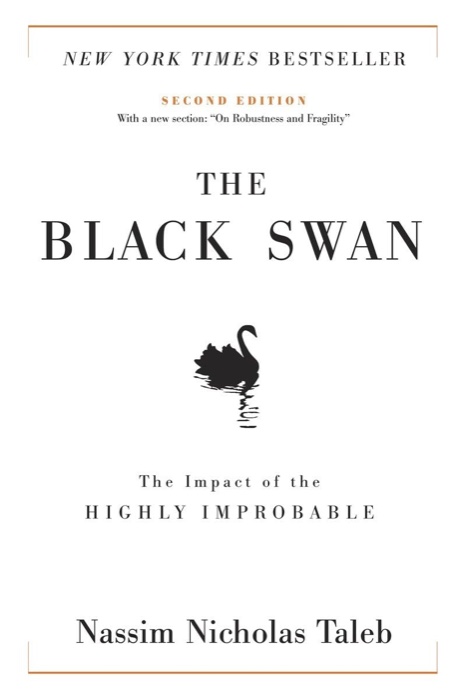 The Black Swan: The Impact of the Highly Improbable
 Rich Dad Poor Dad
 The Big Short: Inside the Doomsday Machine
 Acres of Diamonds
 The Algebra of Wealth: A Simple Formula for Financial Security
 Stay Hungry Stay Foolish
 Flash Boys: A Wall Street Revolt
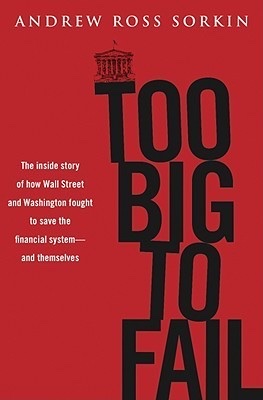 Too Big to Fail: The Inside Story of How Wall Street and Washington Fought to Save the Financial System from Crisis — and Themselves
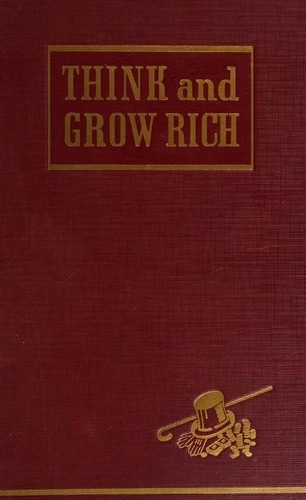 Think and Grow Rich
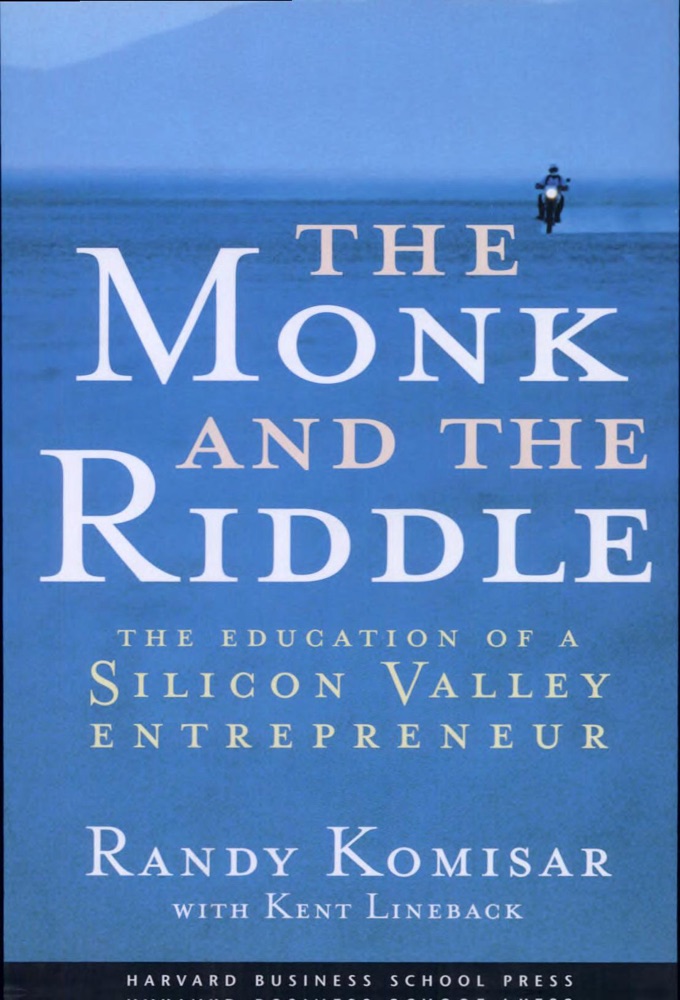 The Monk and the Riddle: The Education of a Silicon Valley Entrepreneur
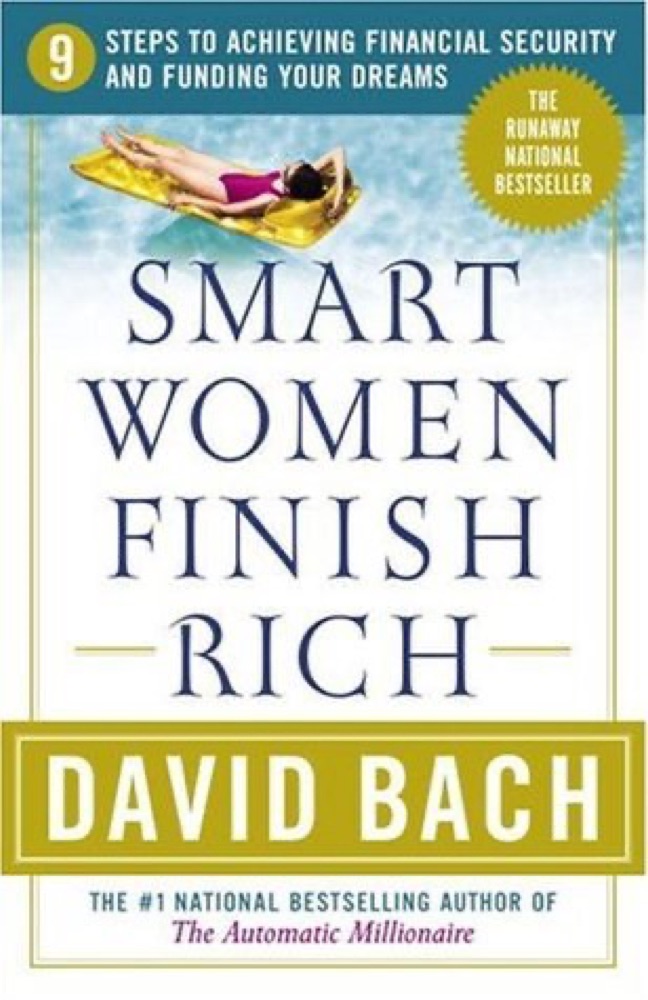 Smart Women Finish Rich: 9 Steps to Achieving Financial Security and Funding Your Dreams
 The Total Money Makeover: A Proven Plan for Financial Fitness
 Shoe Dog: A Memoir by the Creator of NIKE
 Pour Your Heart Into It: How Starbucks Built a Company One Cup at a Time
 Secrets of the Millionaire Mind: Mastering the Inner Game of Wealth
 The Dip: A Little Book That Teaches You When to Quit (and When to Stick)
 Chaos Monkeys: Obscene Fortune and Random Failure in Silicon Valley
 Think Like a Freak
 EntreLeadership: 20 Years of Practical Business Wisdom from the Trenches
 Invent and Wander: The Collected Writings of Jeff Bezos
 Foundation
 The Art of Spending Money: Simple Choices for a Richer Life
 Superforecasting: The Art and Science of Prediction
 The Smartest Guys in the Room: The Amazing Rise and Scandalous Fall of Enron
 Principles: Life and Work
 A Conspiracy of Paper
 Barking Up the Wrong Tree: The Surprising Science Behind Why Everything You Know About Success Is (Mostly) Wrong
 The Halo Effect: ... and the Eight Other Business Delusions That Deceive Managers
 Poor Charlie's Almanack: The Wit and Wisdom of Charles T. Munger
 I Survived Capitalism and All I Got Was This Lousy T-Shirt: Everything I Wish I Never Had to Learn About Money
 Zero to One: Notes on Startups, or How to Build the Future
 The Richest Man in Babylon
 Getting There: A Book of Mentors
 How to Fail at Almost Everything and Still Win Big: Kind of the Story of My Life