
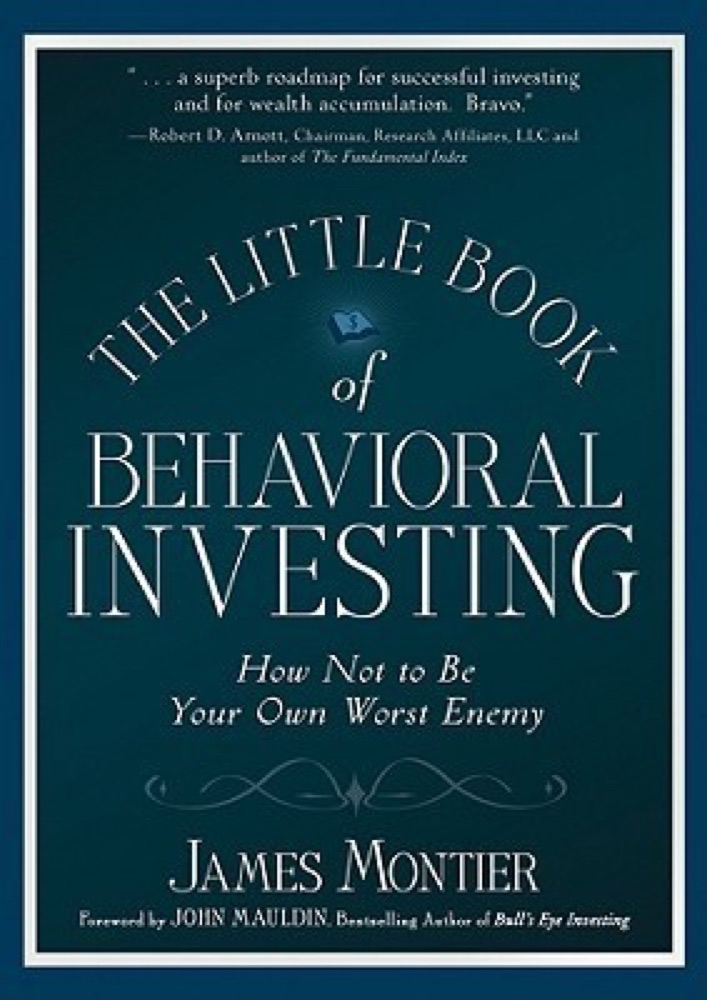
 The Little Book of Behavioral Investing: How not to be your own worst enemy
Quotes from the Book
I like to say, “Experience is what you got when you didn’t get what you wanted.
Prices are too high” is far from synonymous with “the next move will be downward.” Things can be overpriced and stay that way for a long time . . . or become far more so.
There are old investors, and there are bold investors, but there are no old bold investors.
We have to practice defensive investing, since many of the outcomes are likely to go against us. It’s more important to ensure survival under negative outcomes than it is to guarantee maximum returns under favorable ones.
There’s a big difference between probability and outcome. Probable things fail to happen—and improbable things happen—all the time.” That’s one of the most important things you can know about investment risk.
Every once in a while, an up-or-down-leg goes on for a long time and/or to a great extreme and people start to say "this time it's different." They cite the changes in geopolitics, institutions, technology or behaviour that have rendered the "old rules" obsolete. They make investment decisions that extrapolate the recent trend. And then it turns out that the old rules still apply and the cycle resumes. In the end, trees don't grow to the sky, and few things go to zero.
Here’s the key to understanding risk: it’s largely a matter of opinion.
Being too far ahead of your time is indistinguishable from being wrong.” So
little known and not fully understood; fundamentally questionable on the surface; controversial, unseemly or scary; deemed inappropriate for “respectable” portfolios; unappreciated, unpopular and unloved; trailing a record of poor returns; and recently the subject of disinvestment, not accumulation.
Everything you needed to know in the years leading up to the crash could be discerned through awareness of what was going on in the present.
Risk is incredibly important to investors. It’s also ephemeral and unmeasurable. All of this makes it very hard to recognize, especially when emotions are running high. But recognize it we must.
The most dangerous thing is to buy something at the peak of its popularity. At that point, all favourable facts and opinions are already factored into its price and no new buyers are left to emerge
Once in a while, however, the future turns out to be very different from the past. It’s at these times that accurate forecasts would be of great value. It’s also at these times that forecasts are least likely to be correct. Some forecasters may turn out to be correct at these pivotal moments, suggesting that it’s possible to correctly
The biggest investing errors come not from factors that are informational or analytical, but from those that are psychological. Investor
If one is approached with a deal predicated on cycles having ceased to occur, remember that invariably that’s a losing bet.
We conclude that most of the time, the future will look a lot like the past, with both up cycles and down cycles. There is a right time to argue that things will be better, and that's when the market is on its backside and everyone is selling things at giveaway prices. It's dangerous when the market's at record levels to reach for a positive rationalisation that has never held true in the past.
There’s a big difference between probability and outcome. Probable things fail to happen—and improbable things happen—all the time.” That
Most people strive to adjust their portfolios based on what they think lies ahead. At the same time, however, most people would admit forward visibility just isn't that great. That's why I make the case for responding to the current realities and their implications, as opposed to expecting the future to be made clear.
Voltaire: “The perfect is the enemy of the good.” This
SETH KLARMAN: Most of these characteristics are not permanent. Something broadly accepted can become controversial or even taboo. Information can become more or less available. Thus, an asset class deemed close to efficient at one point may become quite inefficient at another. European
when risk bearing doesn’t work, it really doesn’t work, and people are reminded what risk’s all about.
The correctness of a decision can’t be judged from the outcome. Nevertheless, that's how people assess it. A good decision is one that’s optimal at the time it’s made, when the future is by definition unknown. Thus, correct decisions are often unsuccessful, and vice versa.
Risk means uncertainty about which outcome will occur and about the possibility of loss when the unfavorable ones do.
If your behavior is conventional, you’re likely to get conventional results—either good or bad. Only if your behavior is unconventional is your performance likely to be unconventional, and only if your judgments are superior is your performance likely to be above average.
The last four and a half years have been carefree, halcyon times for investors. That doesn’t mean it’ll stay that way. I’ll give Warren Buffett the last word, as I often do: “It’s only when the tide goes out that you find out who’s been swimming naked.” Pollyannas take note: the tide cannot come in forever.
There's only one way to describe most investors: trend followers.
It's worth noting that the assumption that something can't happen has the potential to make it happen, since people who believe it can't happen will engage in risky behaviour, and thus alter the environment.
If everyone likes it, it's probably because it has been doing well. Most people seem to think that outstanding performance to dates presages outstanding future performance. Actually, it's more likely that outstanding future performance to date has borrowed from the future and thus presages subpar performance from her on out.
Selling for more than your asset’s worth. Everyone hopes a buyer will come along who’s willing to overpay for what they have for sale. But certainly the hoped-for arrival of this sucker can’t be counted on. Unlike having an underpriced asset move to its fair value, expecting appreciation on the part of a fairly priced or overpriced asset requires irrationality on the part of buyers that absolutely cannot be considered dependable.
Watch on YouTube
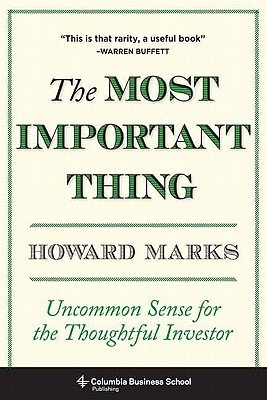
About Howard Marks
We have collected 29 quotes from 1 book by Howard Marks on BookQuoters.
More about the author →Book details
- Author
- Howard Marks
- Genre
- Nonfiction
- Goodreads rating
- 4.32 (17k ratings) →
Keep reading
The Little Book of Behavioral Investing: How not to be your own worst enemy
 The Intelligent Investor
 Security Analysis: The Classic 1940 Edition
 What I Learned Losing a Million Dollars
 Fooled by Randomness: The Hidden Role of Chance in Life and in the Markets
 The Essays of Warren Buffett: Lessons for Corporate America
 The Black Swan: The Impact of the Highly Improbable
 Reminiscences of a Stock Operator
 Same as Ever: A Guide to What Never Changes
 Common Stocks and Uncommon Profits and Other Writings
 Berkshire Hathaway Letters to Shareholders
 Superforecasting: The Art and Science of Prediction
 The Art of Thinking Clearly
 Rich Dad's Guide to Investing: What the Rich Invest in That the Poor and Middle Class Do Not!
 The Snowball: Warren Buffett and the Business of Life
 Predictably Irrational: The Hidden Forces That Shape Our Decisions
 Zero to One: Notes on Startups, or How to Build the Future
 The Monk and the Riddle: The Education of a Silicon Valley Entrepreneur
 A Short History of Financial Euphoria
 Think Like a Freak
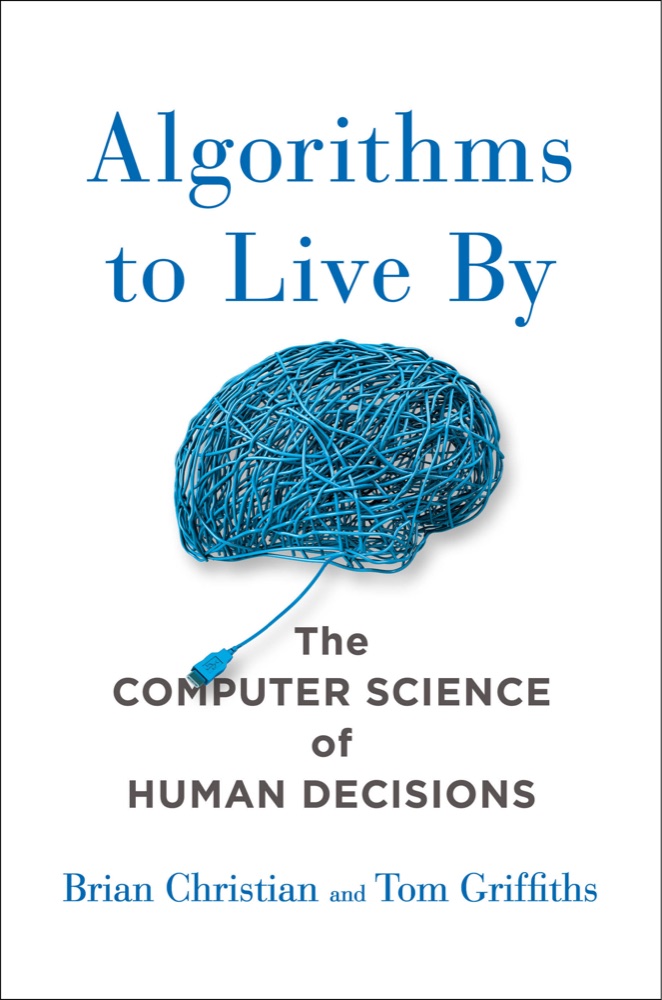 Algorithms to Live By: The Computer Science of Human Decisions
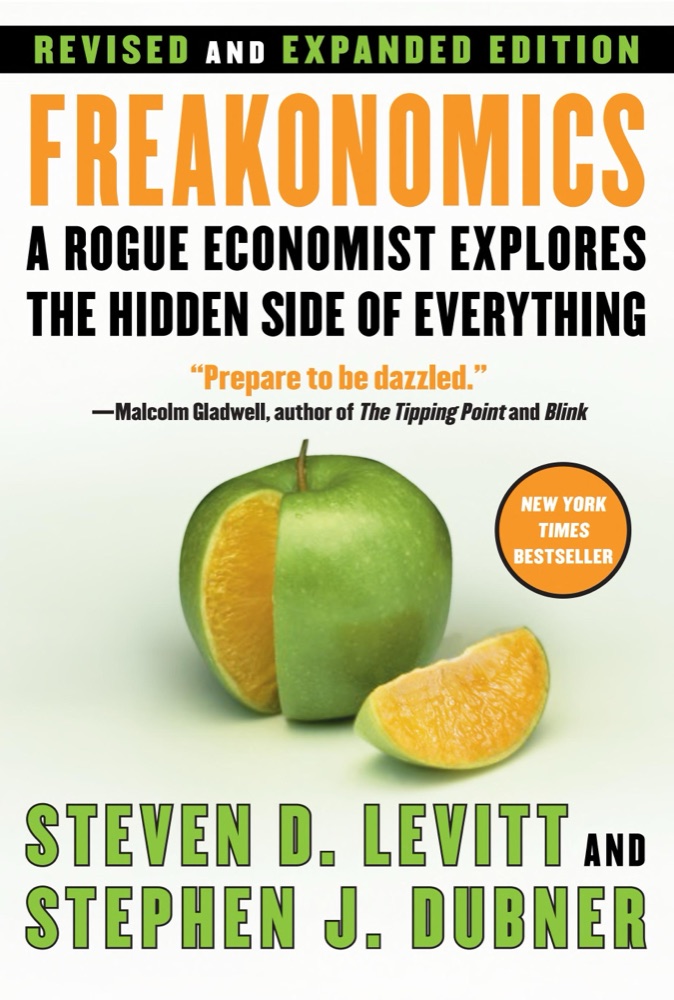 Freakonomics: A Rogue Economist Explores the Hidden Side of Everything
 Adapt: Why Success Always Starts with Failure
 Trump: The Art of the Deal
 The Halo Effect: ... and the Eight Other Business Delusions That Deceive Managers
 The Great Crash 1929
 Amp It Up: Leading for Hypergrowth by Raising Expectations, Increasing Urgency, and Elevating Intensity
 Liar's Poker
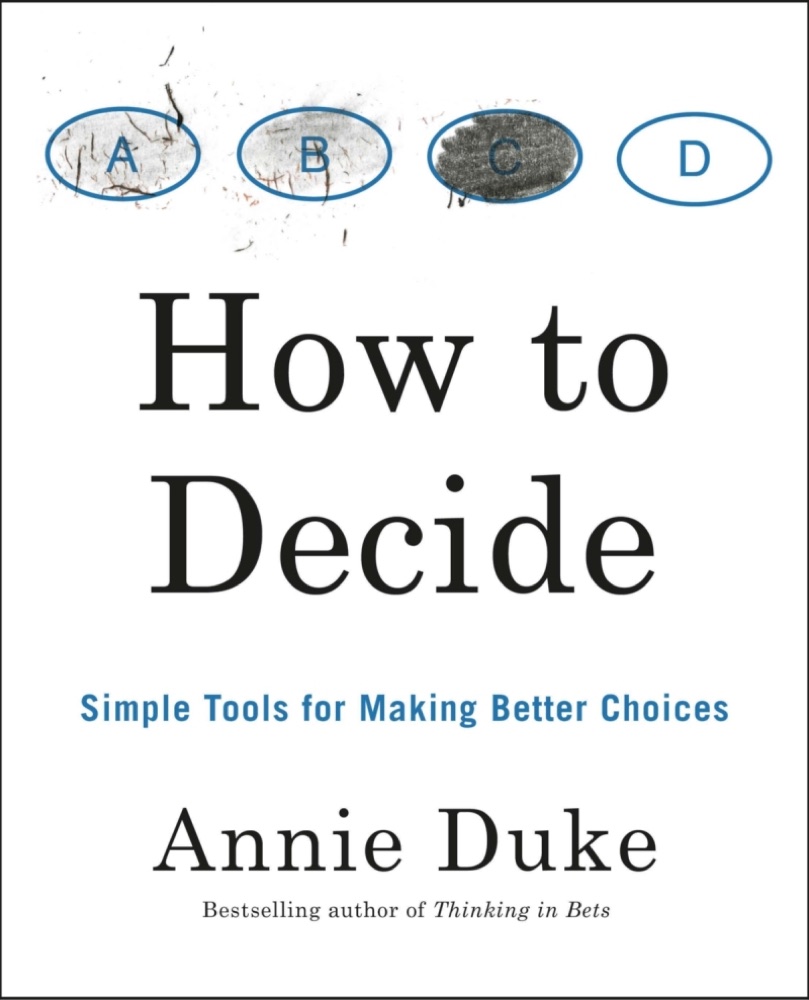 How to Decide: Simple Tools for Making Better Choices
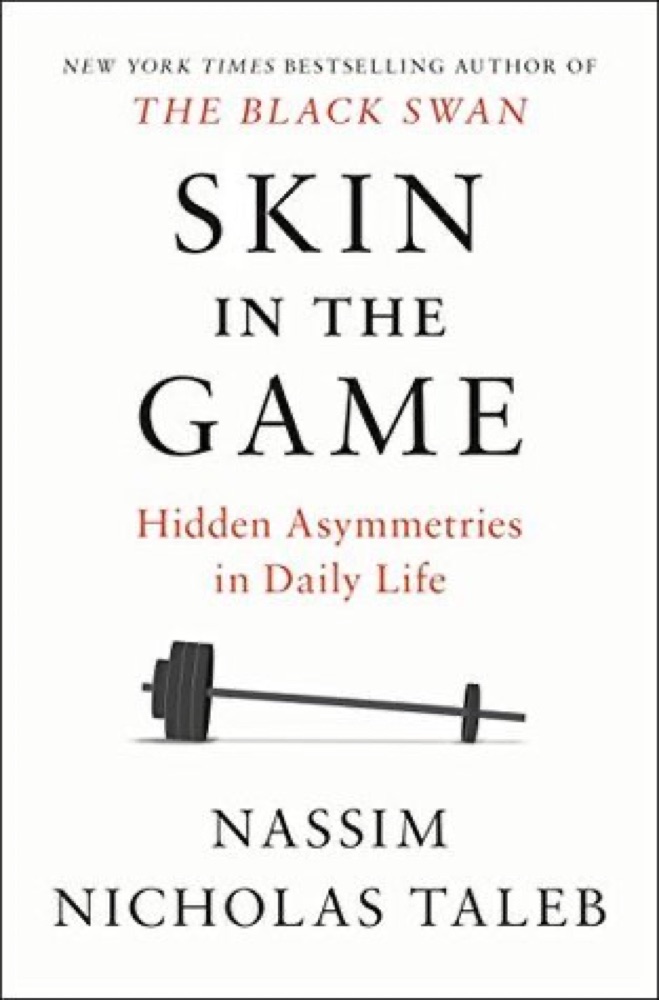 Skin in the Game: The Hidden Asymmetries in Daily Life
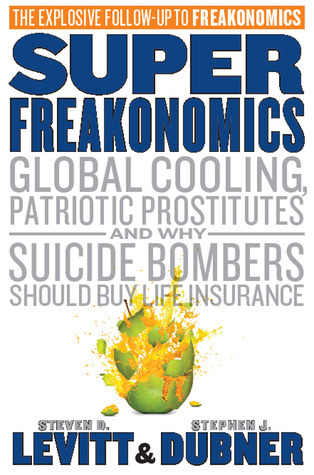 SuperFreakonomics: Global Cooling, Patriotic Prostitutes And Why Suicide Bombers Should Buy Life Insurance
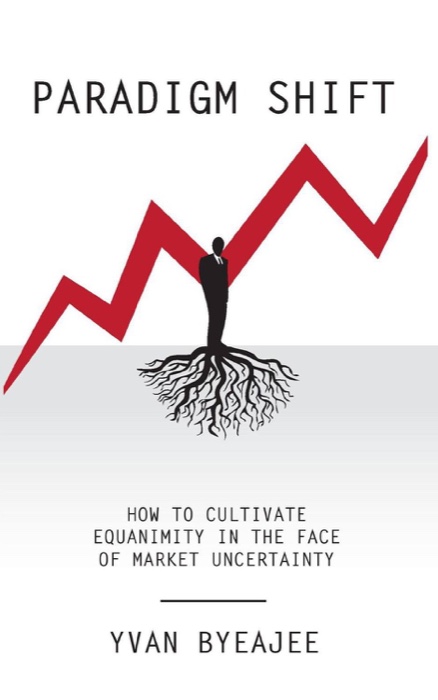 Paradigm Shift: How proper organization and preparation are the back-bones of any trading success (Trading Easyread Series Book 1)
 The Algebra of Wealth: A Simple Formula for Financial Security
 The Total Money Makeover: A Proven Plan for Financial Fitness
 The Signal and the Noise: Why So Many Predictions Fail—But Some Don't
 Invent and Wander: The Collected Writings of Jeff Bezos
 The Dip: A Little Book That Teaches You When to Quit (and When to Stick)
 The Millionaire Fastlane: Crack the Code to Wealth and Live Rich for a Lifetime!
 How To Get Rich
 Stay Hungry Stay Foolish
 Smart Women Finish Rich: 9 Steps to Achieving Financial Security and Funding Your Dreams
 Chaos Monkeys: Obscene Fortune and Random Failure in Silicon Valley
 Barking Up the Wrong Tree: The Surprising Science Behind Why Everything You Know About Success Is (Mostly) Wrong
 The Price of Tomorrow: Why Deflation is the Key to an Abundant Future
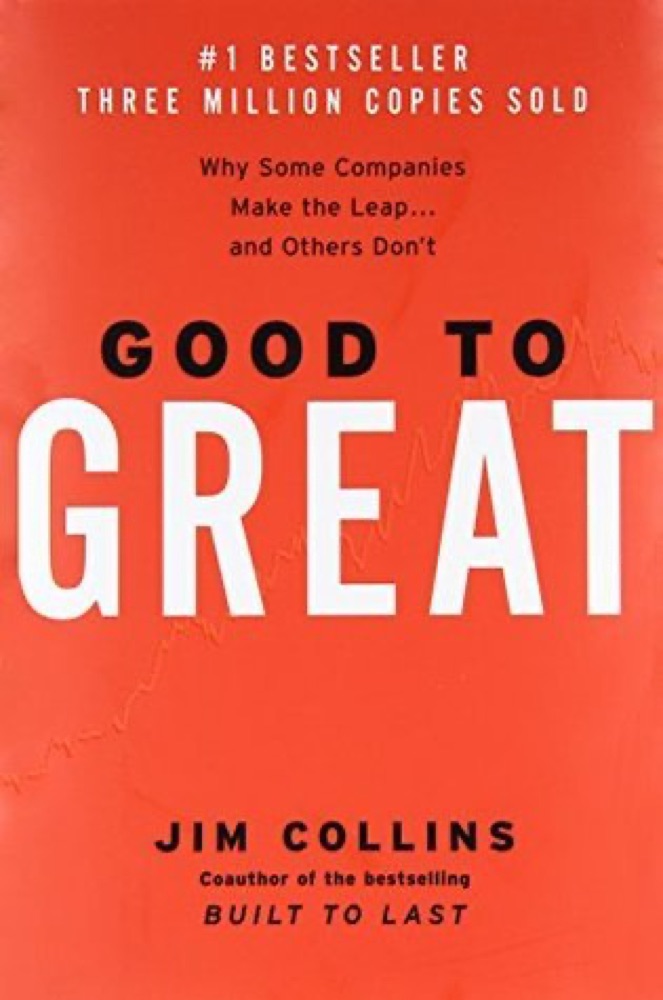 Good to Great: Why Some Companies Make the Leap... and Others Don't
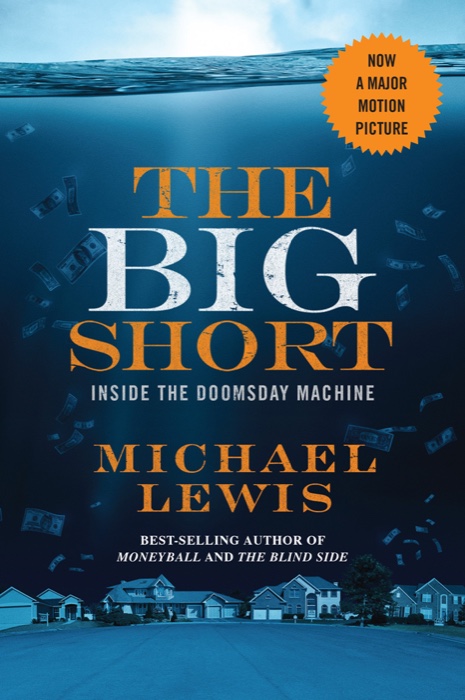 The Big Short: Inside the Doomsday Machine
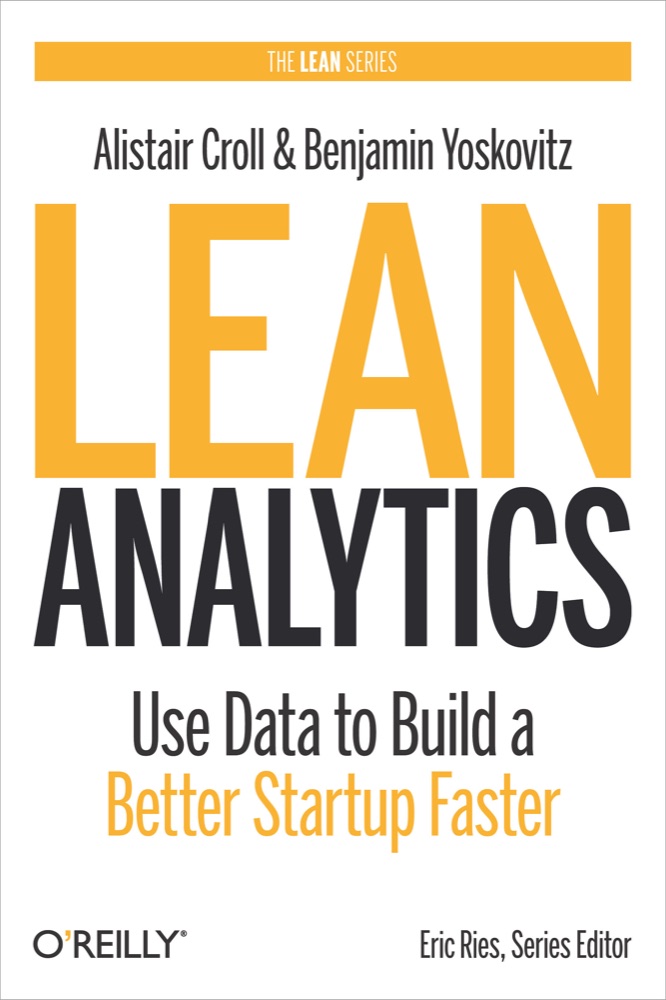 Lean Analytics: Use Data to Build a Better Startup Faster
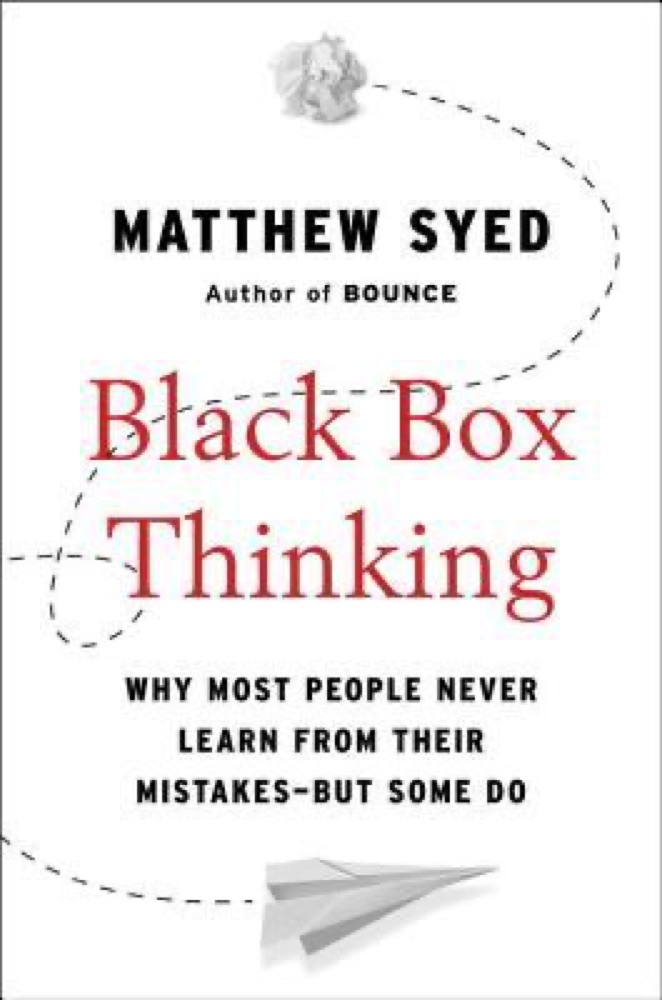 Black Box Thinking: Why Some People Never Learn from Their Mistakes - But Some Do
 Principles: Life and Work
 Your Next Five Moves: Master the Art of Business Strategy
 The Drunkard's Walk: How Randomness Rules Our Lives
 Creativity, Inc.: Overcoming the Unseen Forces That Stand in the Way of True Inspiration
 Think Like a Rocket Scientist: Simple Strategies You Can Use to Make Giant Leaps in Work and Life
 The Undoing Project: A Friendship That Changed Our Minds
 Pour Your Heart Into It: How Starbucks Built a Company One Cup at a Time
 The Startup of You: Adapt to the Future, Invest in Yourself, and Transform Your Career
 Rework
 David and Goliath: Underdogs, Misfits, and the Art of Battling Giants
 Hit Makers: The Science of Popularity in an Age of Distraction