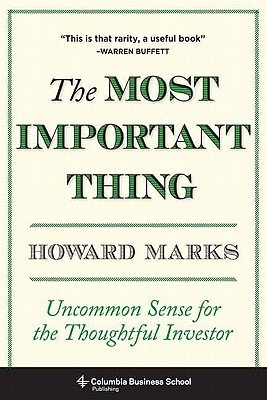
 The Most Important Thing: Uncommon Sense for the Thoughtful Investor
Quotes from the Book
Groups have powerful self-reinforcing mechanisms at work. These can lead to group polarization—a tendency for members of the group to end up in a more extreme position than they started in because they have heard the views repeated frequently. At the extreme limit of group behavior is groupthink. This occurs when a group makes faulty decisions because group pressures lead to a deterioration of “mental efficiency, reality testing, and moral judgment.” The original work was conducted with reference to the Vietnam War and the Bay of Pigs fiasco. However, it rears its head again and again, whether it is in connection with the Challenger space shuttle disaster or the CIA intelligence failure over the WMD of Saddam Hussein. Groupthink tends to have eight symptoms: 1 . An illusion of invulnerability. This creates excessive optimism that encourages taking extreme risks. [...] 2. Collective rationalization. Members of the group discount warnings and do not reconsider their assumptions. [...] 3. Belief in inherent morality. Members believe in the rightness of their cause and therefore ignore the ethical or moral consequences of their decisions. 4. Stereotyped views of out-groups. Negative views of “enemy” make effective responses to conflict seem unnecessary. Remember how those who wouldn't go along with the dot-com bubble were dismissed as simply not getting it. 5. Direct pressure on dissenters. Members are under pressure not to express arguments against any of the group’s views. 6. Self-censorship. Doubts and deviations from the perceived group consensus are not expressed. 7. Illusion of unanimity. The majority view and judgments are assumed to be unanimous. 8. "Mind guards" are appointed. Members protect the group and the leader from information that is problematic or contradictory to the group's cohesiveness, view, and/or decisions. This is confirmatory bias writ large.
3
we don’t need to outsmart everyone else. We need to stick to our investment discipline, ignore the actions of others, and stop listening to the so-called experts.
2
be aware that the market does not turn when it sees light at the end of the tunnel. It turns when all looks black, but just a subtle shade less black than the day before.
1
Success in investing doesn’t correlate with IQ once you’re above the level of 100. Once you have ordinary intelligence, what you need is the temperament to control the urges that get other people into trouble in investing.
1
Patience and discipline are much needed when the bottom-up search for value fails to uncover any investment of merit. If you can’t find something to invest in, then you are best off doing nothing at all.
1
Michael Steinhardt, the legendary hedge fund manager, had perhaps the most extreme response conservatism. In his autobiography, No Bull, Steinhardt writes: I tried to view the portfolio fresh every day... Irregularly... I would decide I did not like the portfolio writ large. I did not think we were in sync with the market, and while there were various degrees of conviction on individual securities, I concluded we would be better off with a clean slate. I would call either... Goldman Sachs... or Salomon Brothers and ask to have us taken out of the entire portfolio. In swift trade, one of these firms would buy our longs and cover our shorts... In an instant, I would have a clean position sheet. Sometimes it felt refreshing to start over, all in cash, and to build a portfolio of names that represented our strongest convictions and cut us free from wishy-washy holdings. While the idea of selling the entire portfolio may sound a little extreme, it shows the discipline that is needed to overcome our behavioral biases. Hanging onto a view simply because it is your view is likely to end in tears. As Keynes said "When the facts change I change my mind, what do you do sir?
expert who will know tomorrow why the things he predicted yesterday didn ’t happen today).
So, Are You Spock or McCoy?
This focus on the short term is hard to reconcile with any fundamental view of investing. We can examine the drivers of equity returns to see what we need to understand in order to invest. At a one-year time horizon, the vast majority of your total return comes from changes in valuation—which are effectively random fluctuations in price. However, at a five-year time horizon, 80 percent of your total return is generated by the price you pay for the investment plus the growth in the underlying cash flow. These are the aspects of investment that fundamental investors should understand, and they clearly only matter in the long term.
The evidence above suggests that fear causes people to ignore bargains when they are available in the market, especially if they have previously suffered a loss. The longer they find themselves in this position, the worse their decision- making appears to become.
Investors should learn to follow the seven P’s—: Perfect planning and preparation prevent piss poor performance. That is to say, we should do our investment research when we are in a cold, rational state—and when nothing much is happening in the markets—and then precommit to following our own analysis and prepared action steps.
And while those survival instincts are quite useful in general, when translated into a modern world, and especially a modern investment world, they make us prone to all sorts of errors. Think of chasing momentum all too often in the hope that it will continue and running from falling markets just as they start to turn. What works for survival in the African jungles is not as productive in the jungles of world finance.
Of course, if you hold a stock for just six months, you don’t care at all about the long term, you simply care about the next couple of quarterly earnings figures.
what matters is not so much how low the odds are that circumstances would turn negative, what matters more is what the consequences would be if that happens.
It is largely the fluctuations which throw up bargains and the uncertainty due to the fluctuations which prevents other people from taking advantage of them.
It is far better to focus on what really matters, rather than succumbing to the siren call of Wall Street’s many noise peddlers. We would be far better off analyzing the five things we really need to know about an investment, rather than trying to know absolutely everything about everything concerned with the investment.
Those men who needed their wives ’ permission to trade outperformed the single guys. Unfortunately, those women who needed their husband’s permission to trade underperformed the single women.
Observation over many years has taught us that the chief losses to investors come from the purchase of l ow-quality securities at times of favorable business conditions. The purchasers view the current good earnings as equivalent to “earning power” and assume that prosperity is synonymous with safety.
Teenagers have a remarkable ability to make the easy choice today and postpone the hard and difficult choice until tomorrow. And some of us grow up, having perfected that ability, making even more bad choices as adults.
Watch on YouTube
About James Montier
About the book
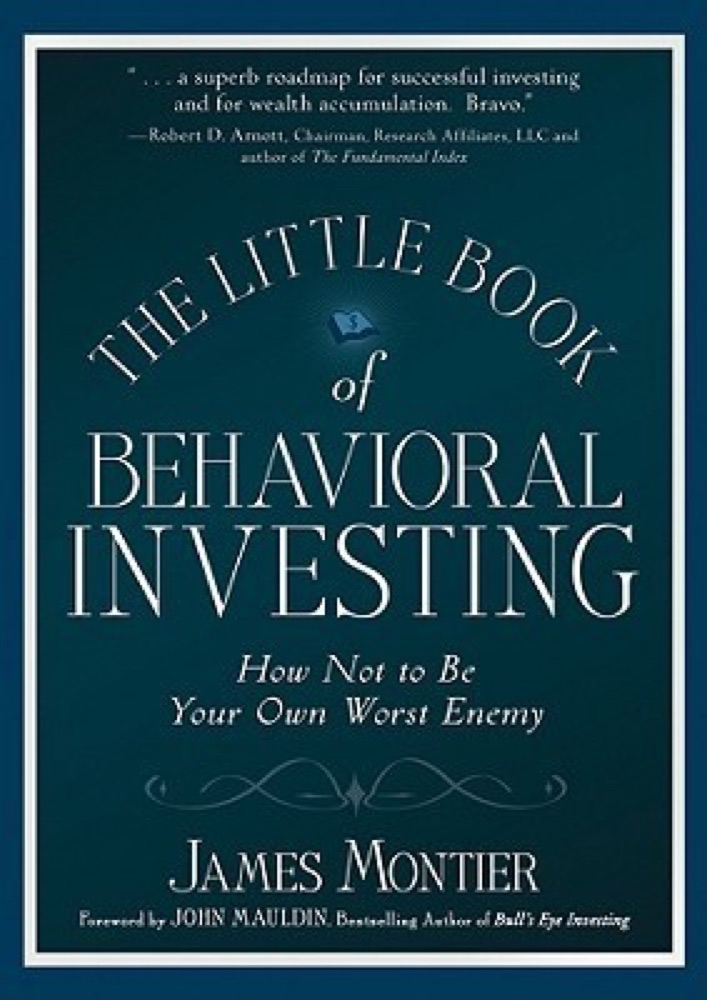
A detailed guide to overcoming the most frequently encountered psychological pitfalls of investing Bias, emotion, and overconfidence are just three of the many behavioral traits that can lead investors to lose money or achieve lower returns. Behavioral finance, which recognizes that there is a psychological element to all investor decision-making, can help you overcome this obstacle. In The Little Book of Behavioral Investing , expert James Montier takes you through some of the most important behavioral challenges faced by investors. Montier reveals the most common psychological barriers, clearly showing how emotion, overconfidence, and a multitude of other behavioral traits, can affect investment decision-making. Written in a straightforward and accessible style, The Little Book of Behavioral Investing will enable you to identify and eliminate behavioral traits that can hinder your inve
Book details
- First published
- 2010
- Author
- James Montier
- Genre
- Nonfiction
- Goodreads rating
- 4.09 (3k ratings)
Keep reading
The Most Important Thing: Uncommon Sense for the Thoughtful Investor
 The Intelligent Investor
 Reminiscences of a Stock Operator
 What I Learned Losing a Million Dollars
 The Essays of Warren Buffett: Lessons for Corporate America
 The Snowball: Warren Buffett and the Business of Life
 Berkshire Hathaway Letters to Shareholders
 Rich Dad's Guide to Investing: What the Rich Invest in That the Poor and Middle Class Do Not!
 Common Stocks and Uncommon Profits and Other Writings
 Same as Ever: A Guide to What Never Changes
 The Art of Thinking Clearly
 How To Get Rich
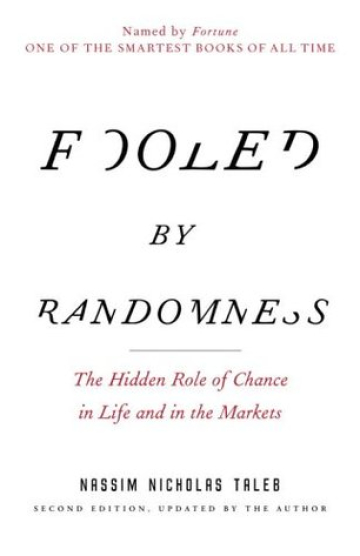 Fooled by Randomness: The Hidden Role of Chance in Life and in the Markets
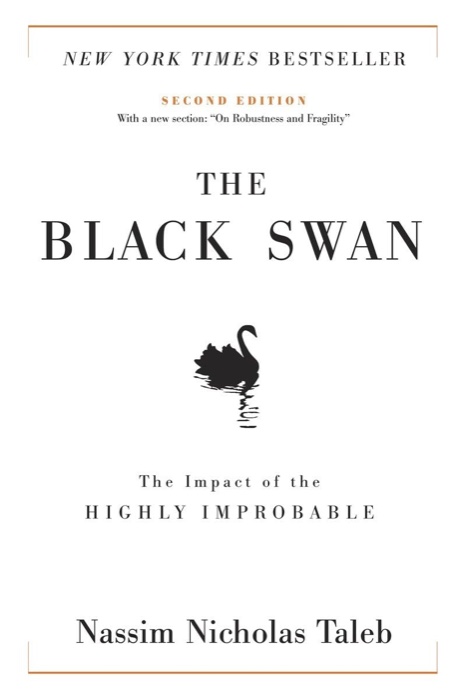 The Black Swan: The Impact of the Highly Improbable
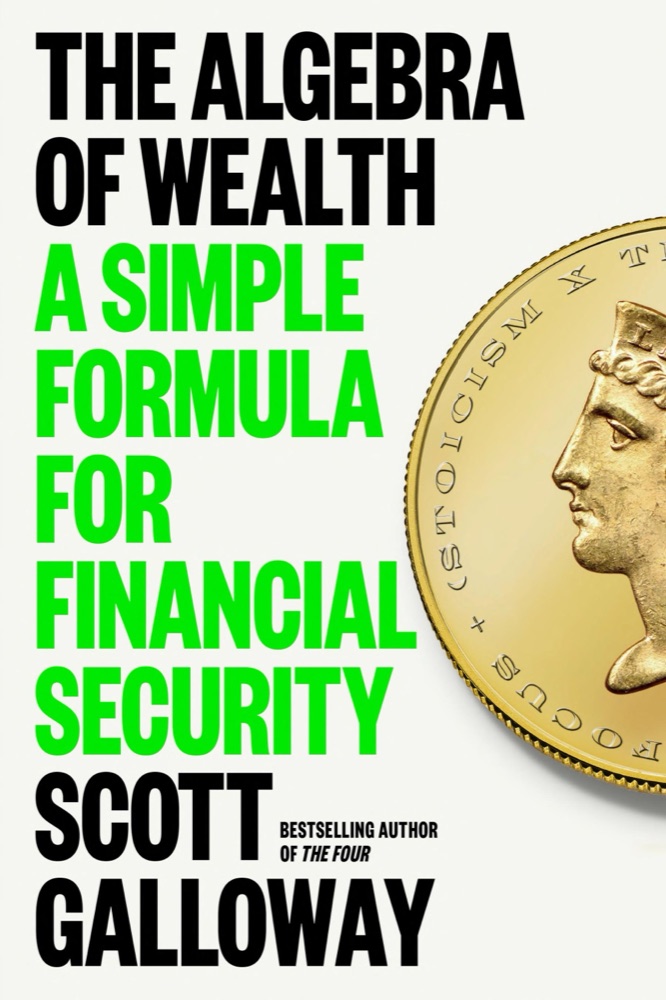 The Algebra of Wealth: A Simple Formula for Financial Security
 Security Analysis: The Classic 1940 Edition
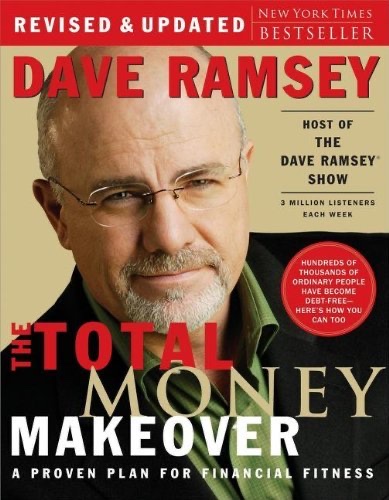 The Total Money Makeover: A Proven Plan for Financial Fitness
 Your Next Five Moves: Master the Art of Business Strategy
 Stay Hungry Stay Foolish
 The Monk and the Riddle: The Education of a Silicon Valley Entrepreneur
 Invent and Wander: The Collected Writings of Jeff Bezos
 The Great Crash 1929
 A Short History of Financial Euphoria
 Liar's Poker
 Superforecasting: The Art and Science of Prediction
 Too Big to Fail: The Inside Story of How Wall Street and Washington Fought to Save the Financial System from Crisis — and Themselves
 Smart Women Finish Rich: 9 Steps to Achieving Financial Security and Funding Your Dreams
 Paradigm Shift: How proper organization and preparation are the back-bones of any trading success (Trading Easyread Series Book 1)
 Amp It Up: Leading for Hypergrowth by Raising Expectations, Increasing Urgency, and Elevating Intensity
 SuperFreakonomics: Global Cooling, Patriotic Prostitutes And Why Suicide Bombers Should Buy Life Insurance
 EntreLeadership: 20 Years of Practical Business Wisdom from the Trenches
 Rich Dad Poor Dad
 The Millionaire Fastlane: Crack the Code to Wealth and Live Rich for a Lifetime!
 The Halo Effect: ... and the Eight Other Business Delusions That Deceive Managers
 The Price of Tomorrow: Why Deflation is the Key to an Abundant Future
 Think Like a Freak
 Skin in the Game: The Hidden Asymmetries in Daily Life
 Predictably Irrational: The Hidden Forces That Shape Our Decisions
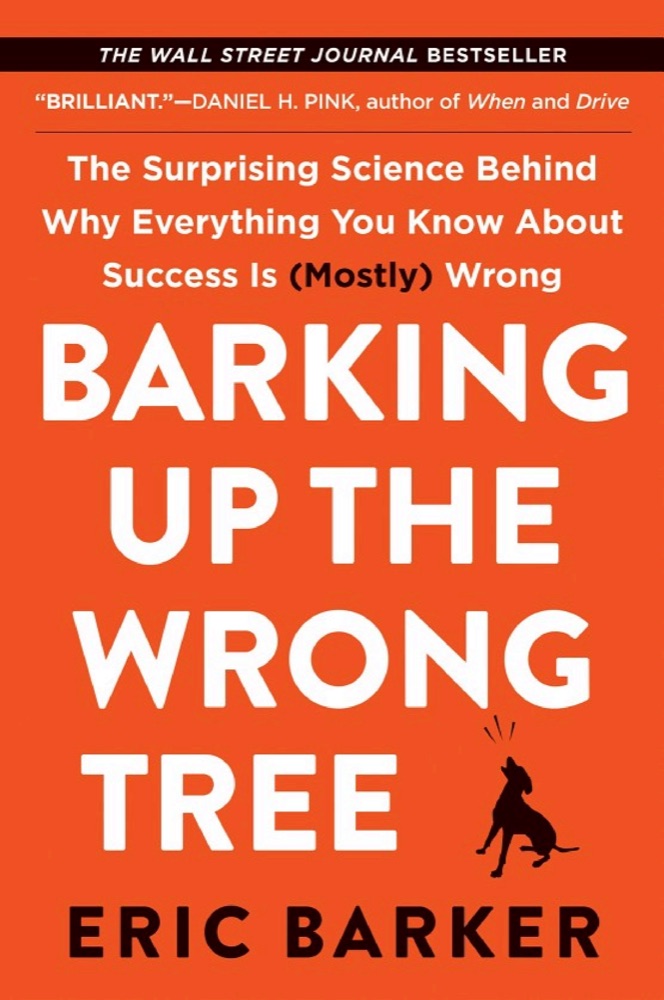 Barking Up the Wrong Tree: The Surprising Science Behind Why Everything You Know About Success Is (Mostly) Wrong
 Trump: The Art of the Deal
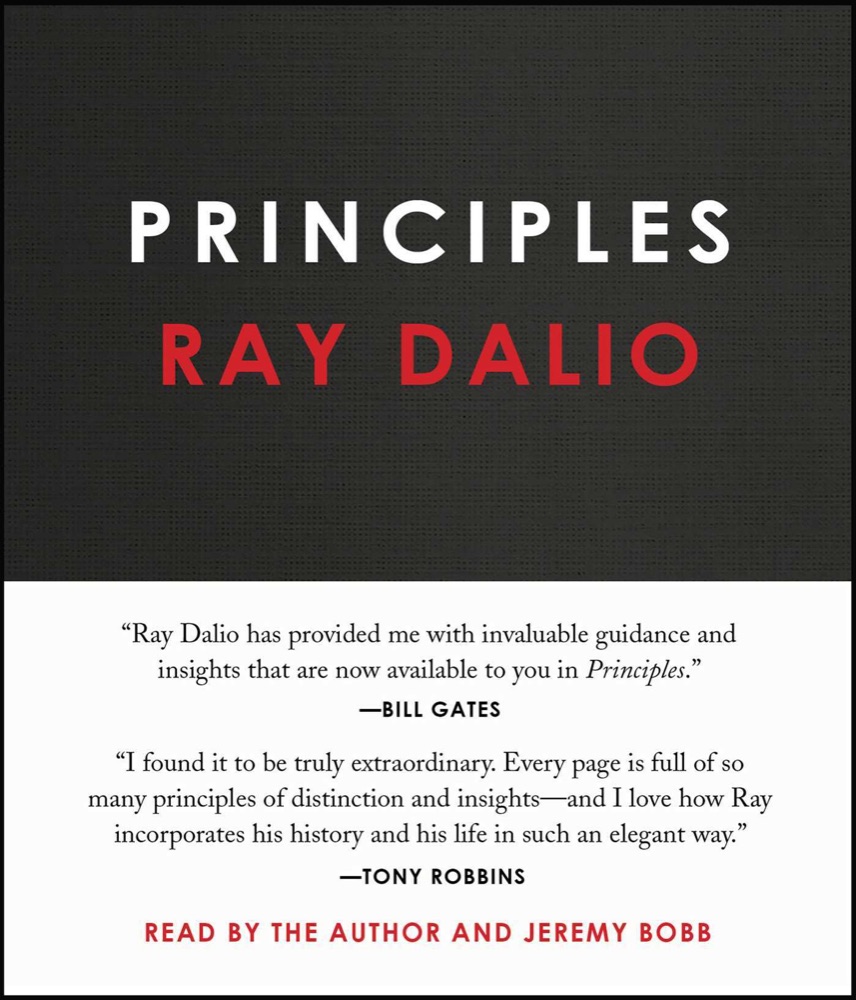 Principles: Life and Work
 The Bogleheads' Guide to Investing
 The Big Short: Inside the Doomsday Machine
 Freakonomics: A Rogue Economist Explores the Hidden Side of Everything
 Black Box Thinking: Why Some People Never Learn from Their Mistakes - But Some Do
 You Are Not So Smart
 The Dip: A Little Book That Teaches You When to Quit (and When to Stick)
 David and Goliath: Underdogs, Misfits, and the Art of Battling Giants
 Zero to One: Notes on Startups, or How to Build the Future
 Lean Analytics: Use Data to Build a Better Startup Faster
 Pour Your Heart Into It: How Starbucks Built a Company One Cup at a Time
 Poor Economics: A Radical Rethinking of the Way to Fight Global Poverty
 Adapt: Why Success Always Starts with Failure
 How to Fail at Almost Everything and Still Win Big: Kind of the Story of My Life
 How to Decide: Simple Tools for Making Better Choices
 The General Theory of Employment, Interest, and Money
 Flash Boys: A Wall Street Revolt
 Principles for Dealing with the Changing World Order: Why Nations Succeed and Fail
 Chaos Monkeys: Obscene Fortune and Random Failure in Silicon Valley