
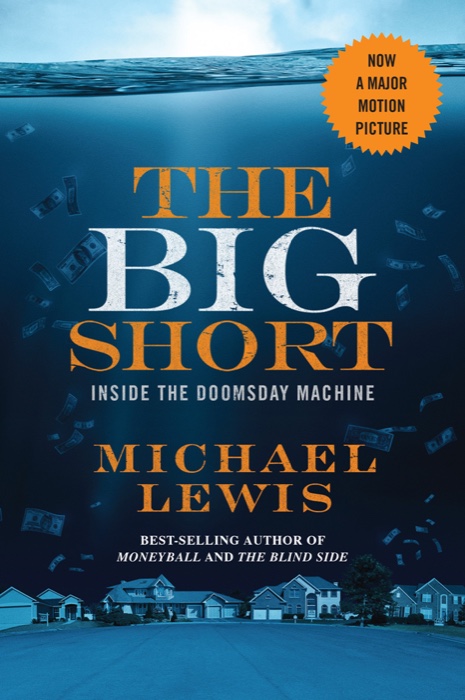
 The Big Short: Inside the Doomsday Machine
Quotes from the Book
The men on the trading floor may not have been to school, but they have Ph.D.’s in man’s ignorance.
He was blessed with an unconventional mind, which overcame his conventional middle-class upbringing.
In the land of the blind the one-eyed man is king
I thought instead of a good rule for survival on Wall Street: Never agree to anything proposed on someone else's boat or you'll regret in in the morning.
Warren Buffett is fond of saying that any player unaware of the fool in the market probably is the fool in the market.
The Piranha didn’t talk like a person. He said things like “If you fuckin’ buy this bond in a fuckin’ trade, you’re fuckin’ fucked.” And “If you don’t pay fuckin’ attention to the fuckin’ two-year, you get your fuckin’ face ripped off.” Noun, verb, adjective: fucker, fuck, fucking. No part of speech was spared. His world was filled with copulating inanimate objects and people getting their faces ripped off.
What Gutfreund said has become a legend at Salomon Brothers and a visceral part of its corporate identity. He said: “One hand, one million dollars, no tears.
I have this theory," says Andy Stone, seated in his office at Prudential-Bache Securities. "Wall Street makes its best producers into managers. The reward for being a good producer is to be made a manager. The best producers are cutthroat, competitive, and often neurotic and paranoid. You turn those people into managers, and they go after each other. They no longer have the outlet for their instincts that producing gave them. They usually aren't well suited to be managers. Half of them get thrown out because they are bad. Another quarter get muscled out because of politics. The guys left behind are just the most ruthless of the bunch. That's why there are cycles on Wall Street—why Salomon Brothers is getting crunched now—because the ruthless people are bad for the business but can only be washed out by proven failure.
But everyone wanted to be a Big Swinging Dick, even the women. Big Swinging Dickettes.
It’s taboo,” he said. “When they ask you why you want to be an investment banker, you’re supposed to talk about the challenges, and the thrill of doing deals, and the excitement of working with such high-calibre people, but never, ever mention money.
You want loyalty, hire a cocker spaniel.
Donnie Green himself had been a trader at Salomon Brothers in the dark ages, when traders had more hair on their chests than on their heads.
If there was a single lesson I took away from Salomon Brothers, it is that rarely do all parties win. The nature of the game is zero sum. A dollar out of my customer’s pocket was a dollar in ours, and vice versa.
The first thing you learn on the trading floor is that when large numbers of people are after the same commodity, be it a stock, a bond, or a job, the commodity quickly becomes overvalued.
There was one sure way, and only one sure way, to get ahead, and everyone with eyes in 1982 saw it: Major in economics; use your economics degree to get an analyst job on Wall Street; use your analyst job to get into the Harvard or Stanford Business School; and worry about the rest of your life later. So,
What do you mean there is no bathrobe in my suite??!!
Foolish names and foolish faces often appear in public places.
The astute investor Warren Buffett is fond of saying that any player unaware of the fool in the market probably is the fool in the market.
It was striking how little control we had of events, particularly in view of how assiduously we cultivated the appearance of being in charge by smoking big cigars and saying fuck all the time.
why they studied economics, and they’d explain that it was the most practical course of study, even while they spent their time drawing funny little graphs.
Corporate finance, which services the corporations and governments that borrow money, and that are known as “clients,” is, by comparison, a refined and unworldly place. Because they don’t risk money, corporate financiers are considered wimps by traders.
First, when all investors were doing the same thing, he would actively seek to do the opposite. The word stockbrokers use for this approach is contrarian. Everyone wants to be one, but no one is, for the sad reason that most investors are scared of looking foolish. Investors do not fear losing money as much as they fear solitude, by which I mean taking risks that others avoid. When they are caught losing money alone, they have no excuse for their mistake, and most investors, like most people, need excuses. They are, strangely enough, happy to stand on the edge of a precipice as long as they are joined by a few thousand others. But when a market is widely regarded to be in a bad way, even if the problems are illusory, many investors get out. A good example of this was the crisis at the U.S. Farm Credit Corporation. It looked for a moment as if Farm Credit might go bankrupt. Investors stampeded out of Farm Credit bonds because having been warned of the possibility of accident, they couldn’t be seen in the vicinity without endangering their reputations. In an age when failure isn’t allowed, when the U.S. government had rescued firms as remote from the national interest as Chrysler and the Continental Illinois Bank, there was no chance the government would allow the Farm Credit bank to default. The thought of not bailing out an eighty-billion-dollar institution that lent money to America’s distressed farmers was absurd. Institutional investors knew this. That is the point. The people selling Farm Credit bonds for less than they were worth weren’t necessarily stupid. They simply could not be seen holding them. Since Alexander wasn’t constrained by appearances, he sought to exploit people who were.
Had Volcker never pushed through his radical change in policy, the world would be many bond traders and one memoir the poorer.
Before Volcker’s speech, bonds had been conservative investments, into which investors put their savings when they didn’t fancy a gamble in the stock market. After Volcker’s speech, bonds became objects of speculation, a means of creating wealth rather than merely storing it.
The difference between Strauss and Ranieri?” says one trader still at Salomon. “That’s easy. Strauss wouldn’t stoop to use the men’s room on the trading floor. He’d go upstairs. Lewie would piss on your desk.
Risk, I had learned, was a commodity in itself.
If you are a self-possessed man with a healthy sense of detachment from your bank account and someone writes you a cheque for tens of millions of dollars you probably behave as if you have won a sweepstake, kicking your feet in the air and laughing yourself to sleep at night at the miracle of your good fortune. But if your sense of self-worth is morbidly wrapped up in your financial success you probably believe you deserve everything you get. You take it as a reflection of something grand inside you. You acquire gravitas,
A big bonus was about as well concealed on the Salomon Brothers trading floor as the results of a hot date in a high school boys’ locker room.
The supreme art of war is to subdue the enemy without fighting. —Sun-tzu
Watch on YouTube
About Michael Lewis
We have collected 252 quotes from 9 books by Michael Lewis on BookQuoters.
More about the author →More by Michael Lewis
The Big Short: Inside the Doomsday Machine
 Boomerang: Travels in the New Third World
 Flash Boys: A Wall Street Revolt
 Moneyball
Book details
- Author
- Michael Lewis
- Genre
- History
- Goodreads rating
- 4.14 (114k ratings) →
Keep reading
 The Snowball: Warren Buffett and the Business of Life
 Reminiscences of a Stock Operator
The Big Short: Inside the Doomsday Machine
Reminiscences of a Stock Operator
The Big Short: Inside the Doomsday Machine
 The Wolf of Wall Street
Flash Boys: A Wall Street Revolt
The Wolf of Wall Street
Flash Boys: A Wall Street Revolt
 What I Learned Losing a Million Dollars
 The Essays of Warren Buffett: Lessons for Corporate America
 Berkshire Hathaway Letters to Shareholders
 The Intelligent Investor
 A Short History of Financial Euphoria
Boomerang: Travels in the New Third World
A Short History of Financial Euphoria
Boomerang: Travels in the New Third World
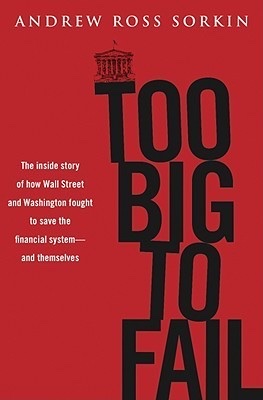 Too Big to Fail: The Inside Story of How Wall Street and Washington Fought to Save the Financial System from Crisis — and Themselves
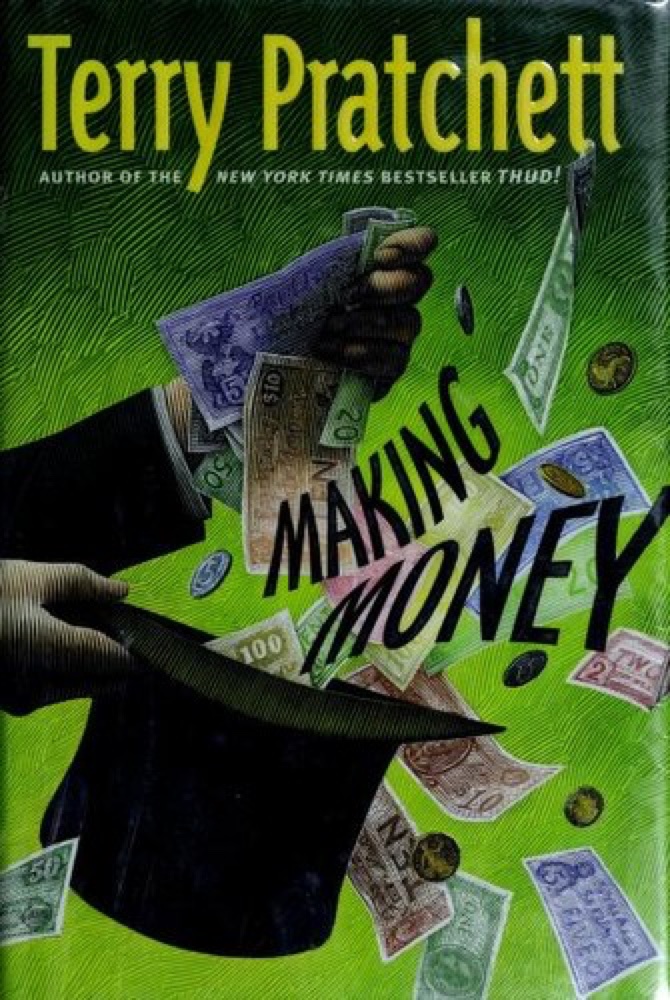 Making Money
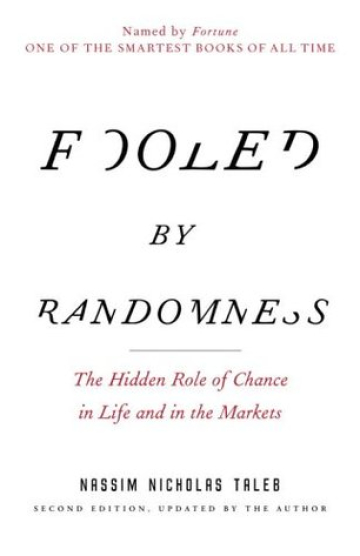 Fooled by Randomness: The Hidden Role of Chance in Life and in the Markets
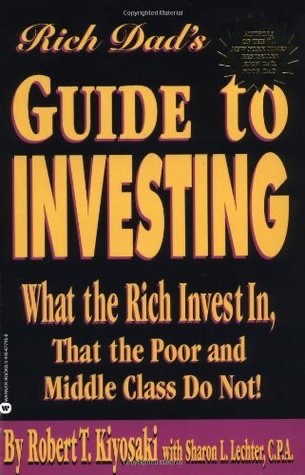 Rich Dad's Guide to Investing: What the Rich Invest in That the Poor and Middle Class Do Not!
 The Escape Room
 Letters from a Self-Made Merchant to His Son
 Trump: The Art of the Deal
 Chaos Monkeys: Obscene Fortune and Random Failure in Silicon Valley
 Coinman: An Untold Conspiracy
 Stone's Fall
 The Smartest Guys in the Room: The Amazing Rise and Scandalous Fall of Enron
 The Great Crash 1929
 Skin in the Game: The Hidden Asymmetries in Daily Life
 Confidence Men: Wall Street, Washington, and the Education of a President
 The Financier
 Practical Demonkeeping
 The Little Book of Behavioral Investing: How not to be your own worst enemy
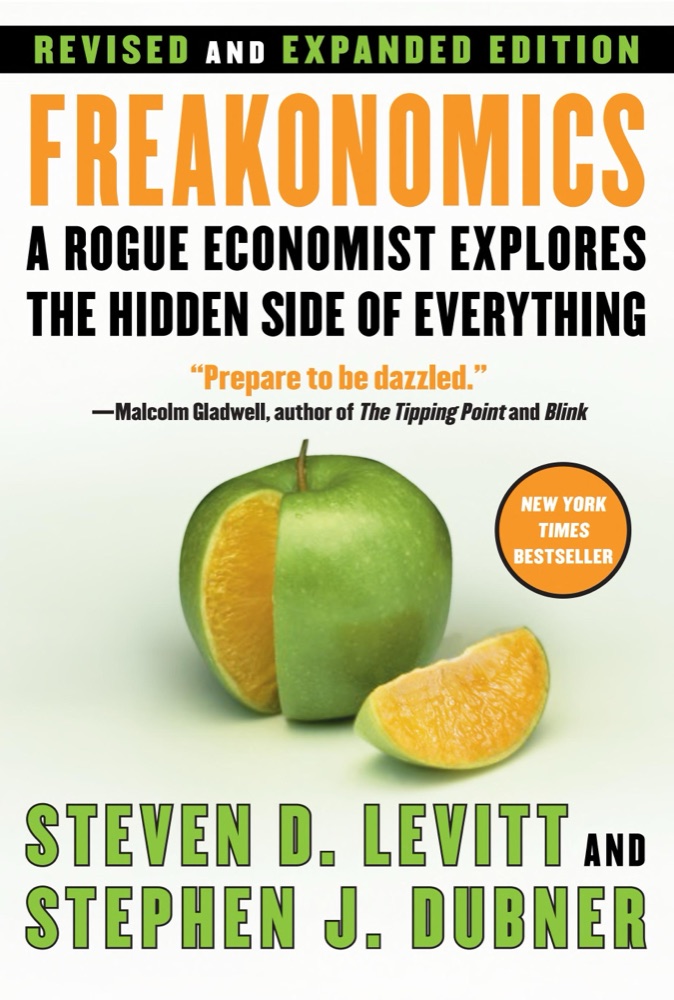 Freakonomics: A Rogue Economist Explores the Hidden Side of Everything
 Foundation
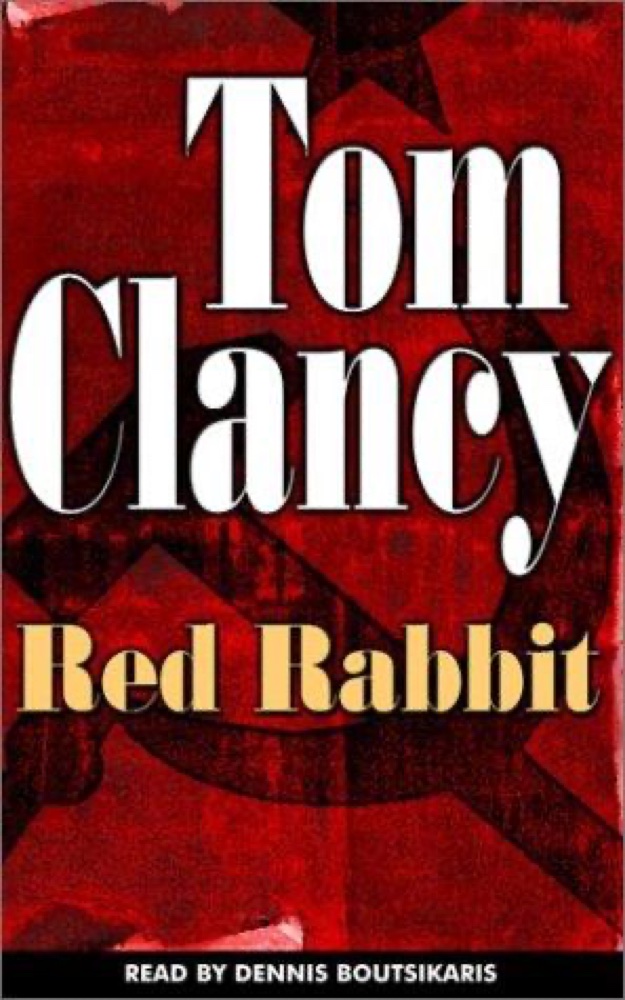 Red Rabbit
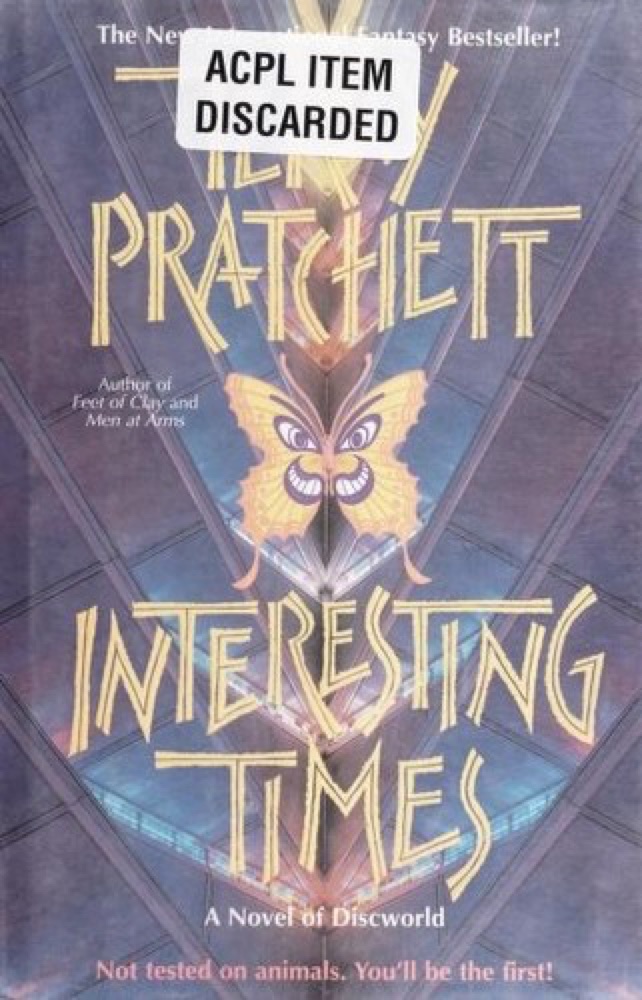 Interesting Times
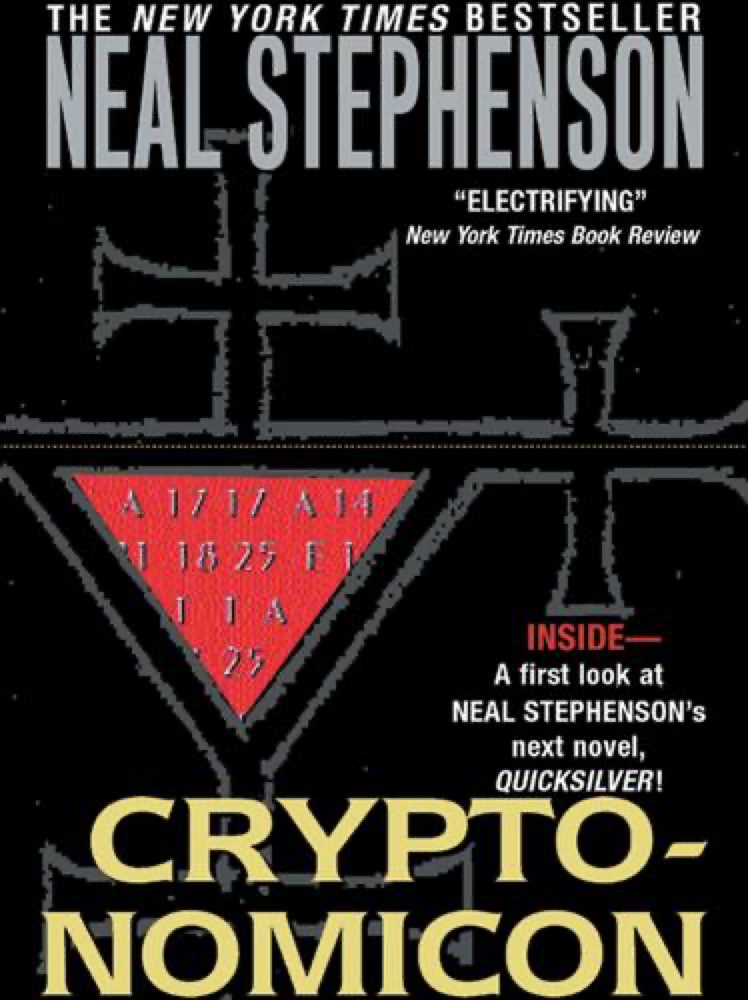 Cryptonomicon
 Think Like a Freak
 I Survived Capitalism and All I Got Was This Lousy T-Shirt: Everything I Wish I Never Had to Learn About Money
 Catch Me If You Can: The True Story of a Real Fake
 A Conspiracy of Paper
 The Mandibles: A Family, 2029–2047
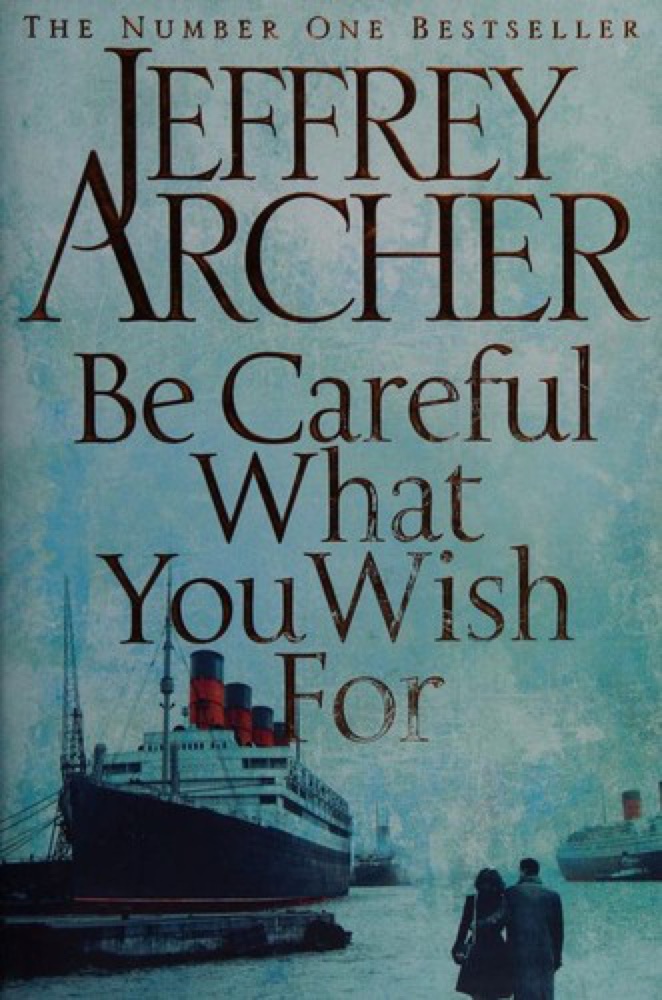 Be Careful What You Wish For
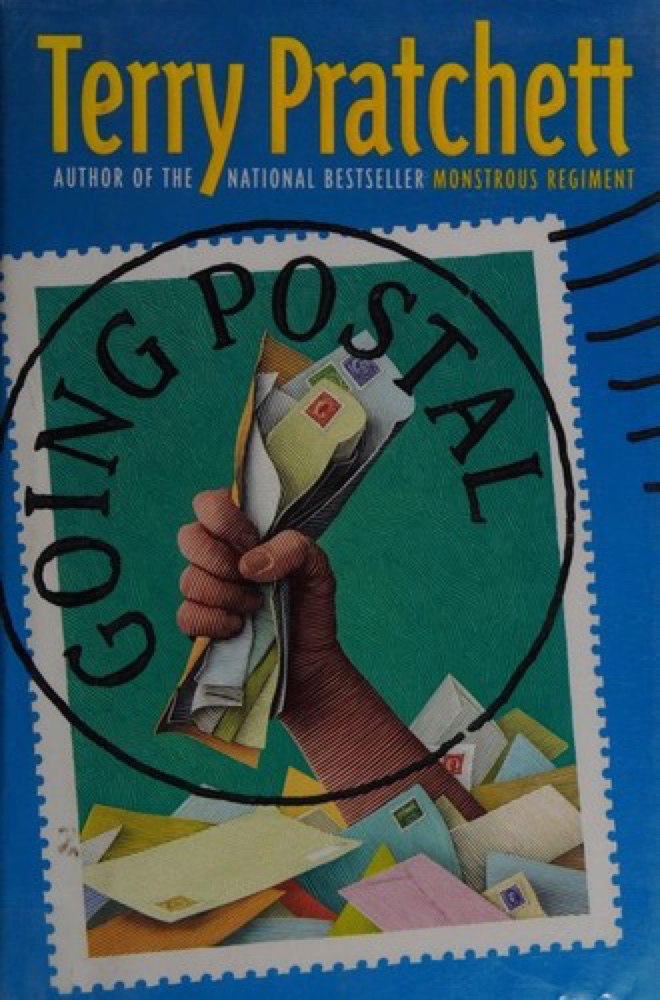 Going Postal
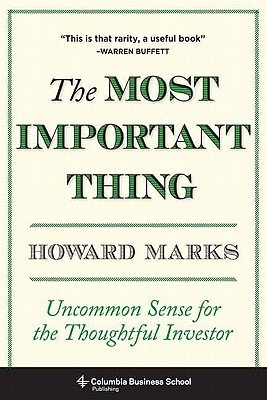 The Most Important Thing: Uncommon Sense for the Thoughtful Investor
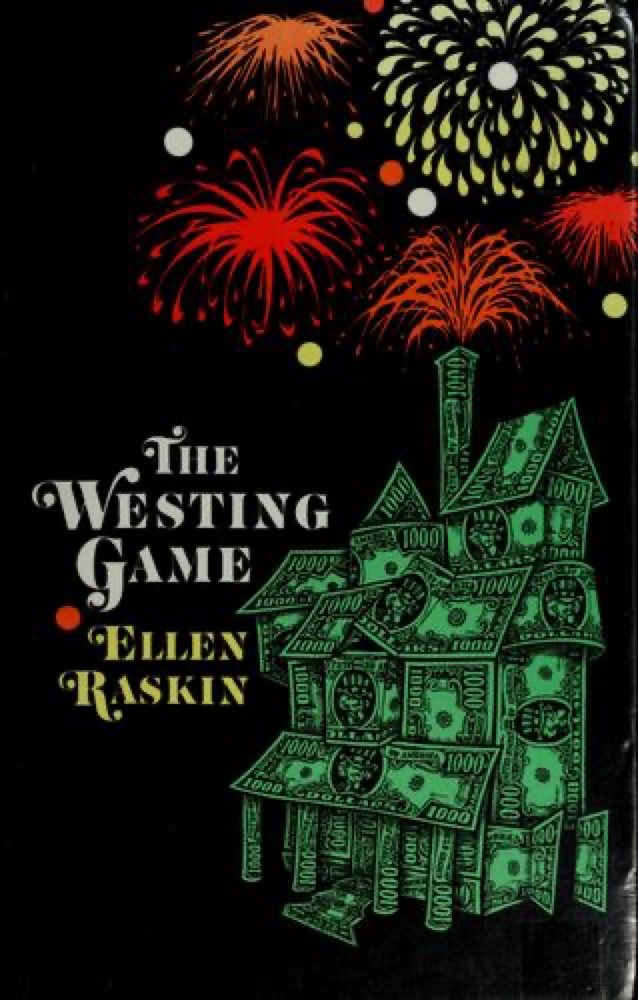 The Westing Game
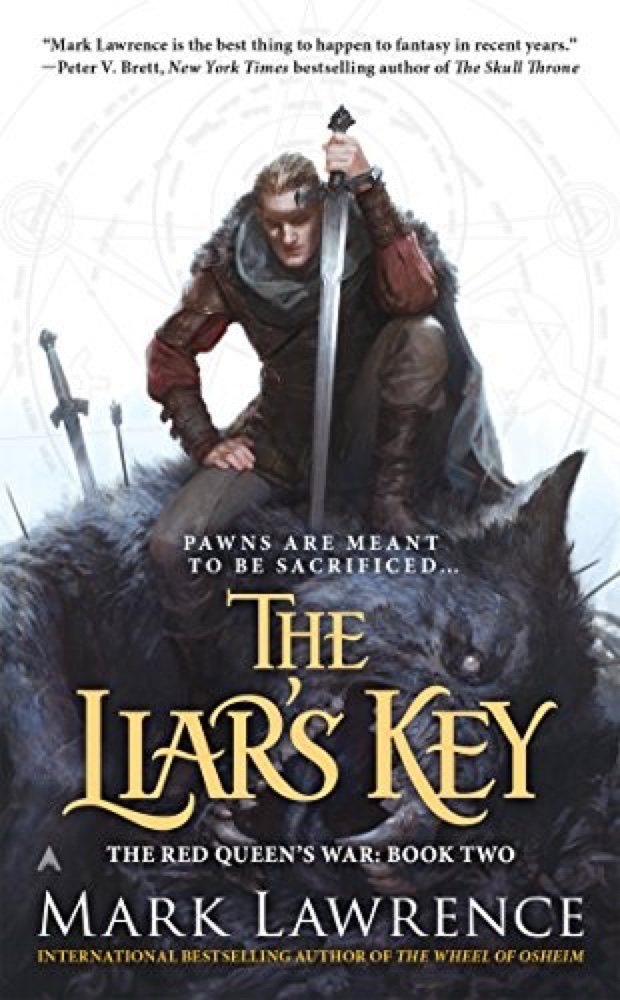 The Liar's Key
 Debt of Honor
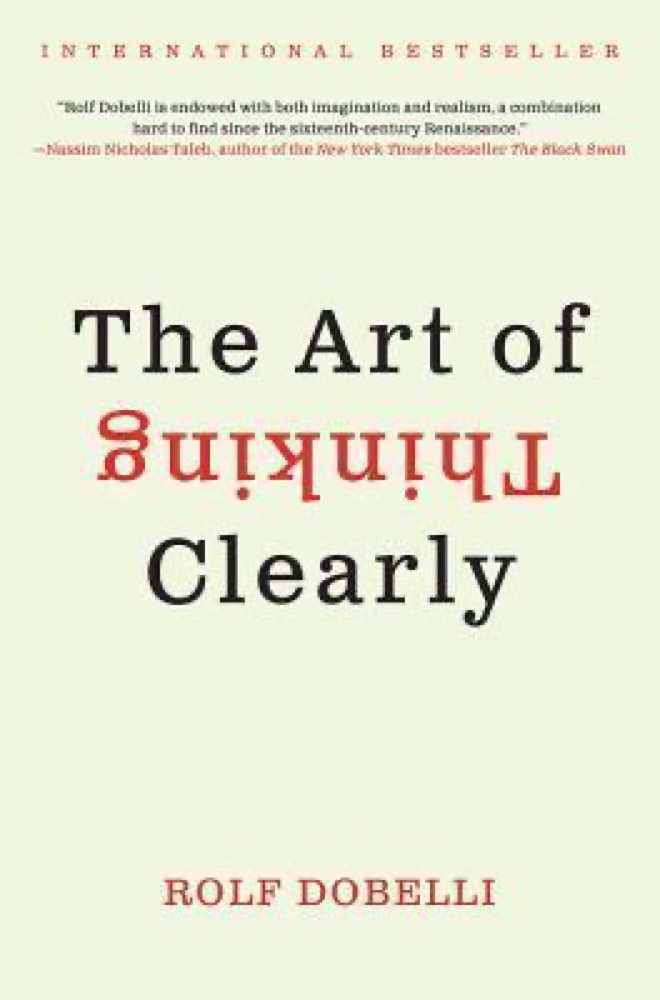 The Art of Thinking Clearly
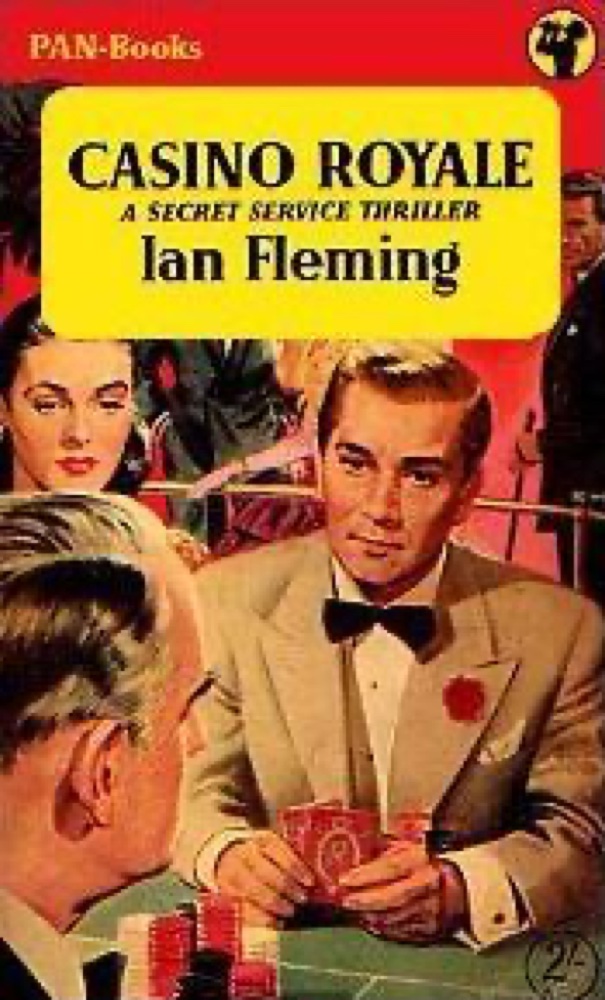 Casino Royale
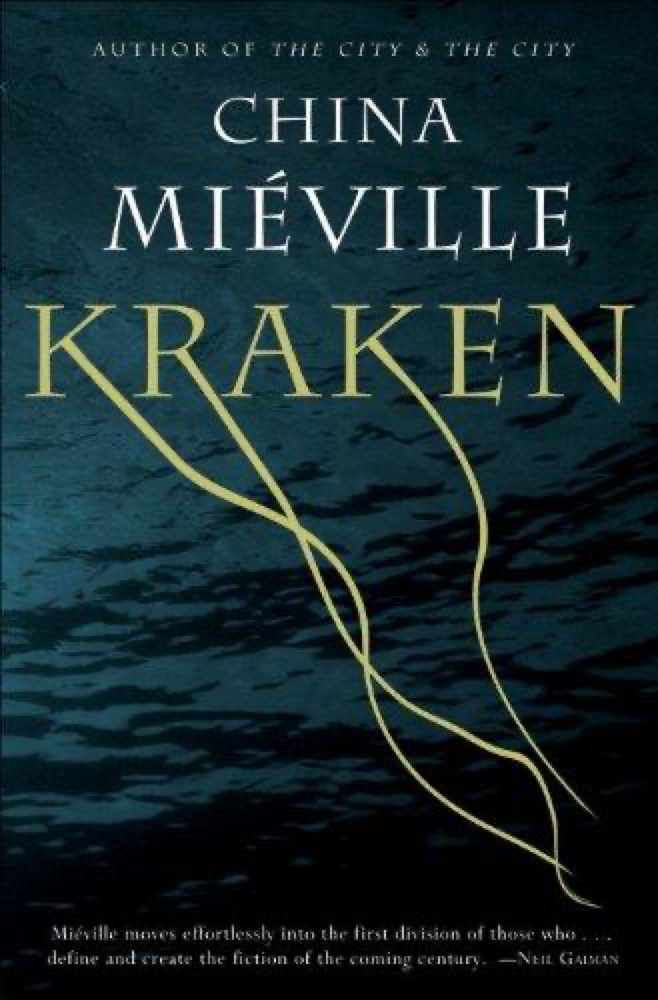 Kraken
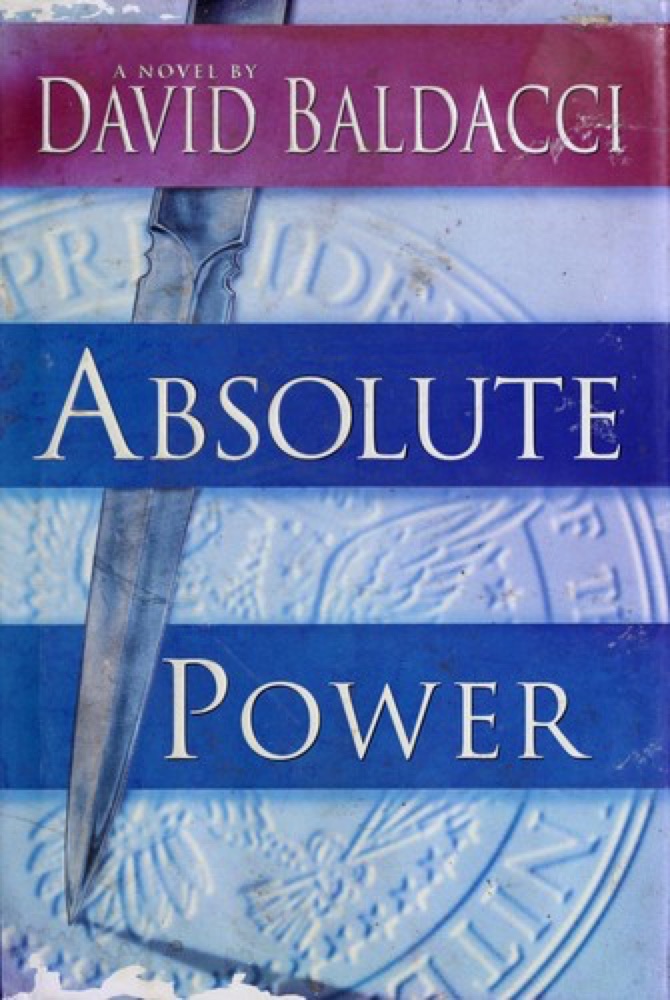 Absolute Power
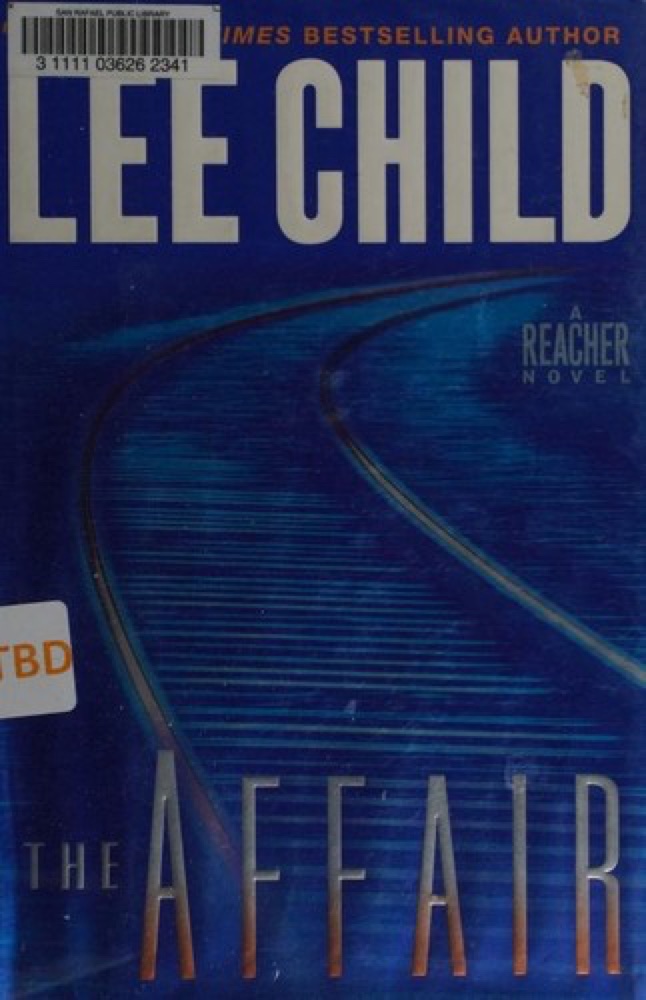 The Affair
 The Mark and the Void
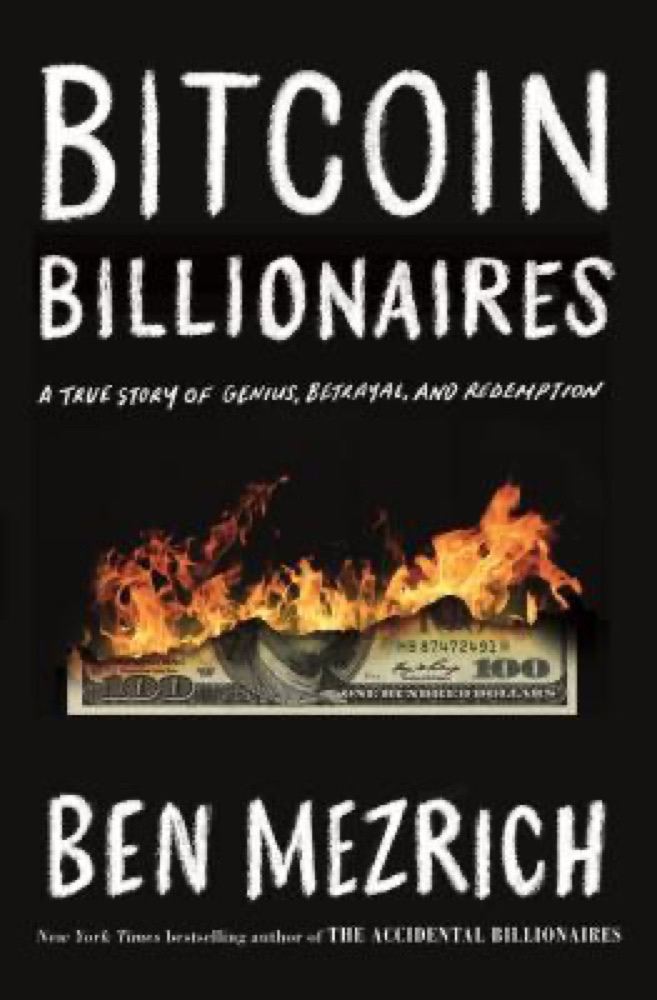 Bitcoin Billionaires: A True Story of Genius, Betrayal, and Redemption
 Everything's Eventual
 Half Asleep in Frog Pajamas
 The Prize: The Epic Quest for Oil, Money, and Power
 Barbarians at the Gate: The Fall of RJR Nabisco
 Hocus Pocus
 One Fifth Avenue
 Predictably Irrational: The Hidden Forces That Shape Our Decisions