
 Into the Uncut Grass
Quotes from the Book
In society, we do horrible things to one another because we don’t see the person it affects.
2
I don’t regret anything I’ve ever done in life, any choice that I’ve made. But I’m consumed with regret for the things I didn’t do, the choices I didn’t make, the things I didn’t say. We spend so much time being afraid of failure, afraid of rejection. But regret is the thing we should fear most. Failure is an answer. Rejection is an answer. Regret is an eternal question you will never have the answer to. “What if…” “If only…” “I wonder what would have…” You will never, never know, and it will haunt you for the rest of your days.
2
I became a chameleon. My color didn’t change, but I could change your perception of my color. I didn’t look like you, but if I spoke like you, I was you.
2
Holocaust victims count because Hitler counted them. Six million people killed. We can all look at that number and rightly be horrified. But when you read through the history of atrocities against Africans, there are no numbers, only guesses. It’s harder to be horrified by a guess. When Portugal and Belgium were plundering Angola and the Congo, they weren’t counting the black people they slaughtered.
1
If my mother had one goal, it was to free my mind. My mother spoke to me like an adult. She was always telling me stories, giving me lessons, Bible lessons especially. She was big into Psalms. I had to read Psalms every day. She would quiz me on it. “What does the passage mean? What does it mean to you? How do you apply it to your life?” That was every day of my life. My mom did what school didn’t. She taught me how to think.
1
she would say, “even if he never leaves the ghetto, he will know that the ghetto is not the world. If that is all I accomplish, I’ve done enough.
1
When he said that, my body just let go. I remember the exact traffic light I was at. For a moment there was a complete vacuum of sound and then I cried tears like I had never cried before. I collapsed in heaving sobs and moans. I cried as if every other thing I'd cried for in my life had been a waste of crying. I cried so hard that if my present self could go back in time and see my other crying selves, it would slap them and say that shit's not crying for." My cry was not a cry of sadness. It was not catharsis. It wasn't me feeling sorry for myself. It was an expression of raw pain that came from an inability of my body to express that pain in any other way, shape, or form. She was my mom. She was my teammate. It had always been me and her together, me and her against the world. When Andrew said, "shot her in the head," I broke in two.
1
It’s a powerful experience, pooping. There’s something magical about it. Profound, even. I think God made humans poop the way we do because it brings us back down to earth and gives us humility. I don’t care who you are, we all poop the same. Beyoncé poops. The pope poops. The Queen of England poops. When we poop we forget our airs and our graces, we forget how famous or how rich we are. All of that goes away.
1
We live in a world where we don’t see the ramifications of what we do to others, because we don’t live with them. If we could see one another’s pain and empathize with one another, it would never be worth it to us to commit the crimes in the first place.
If people in the Congo could go back in time and kill one person, Belgium’s King Leopold II would come way before Hitler. If Native Americans could go back in time and kill one person, it would probably be Christopher Columbus or Andrew Jackson.
Every country thinks their history is the most important, and that’s especially true in the West. But if black South Africans could go back in time and kill one person, Cecil Rhodes would come up before Hitler.
be rich. They want to be able to choose.
was the same for us. “Apartheid was bad. Nelson Mandela was freed. Let’s move on.” Facts, but not many, and never the emotional or moral dimension. It was as if the teachers, many of whom were white, had been given a mandate: “Whatever you do, don’t make the kids angry.
In Germany, no child finishes high school without learning about the Holocaust. Not just the facts of it but the how and the why and the gravity of it—what it means. As a result, Germans grow up appropriately aware and apologetic. British schools treat colonialism the same way, to an extent. Their children are taught the history of the empire with a kind of disclaimer hanging over the whole thing. “Well, that was shameful, now, wasn’t it?” In South Africa, the atrocities of apartheid have never been taught that way. We weren’t taught judgment or shame. We were taught history the way it’s taught in America. In America, the history of racism is taught like this: “There was slavery and then there was Jim Crow and then there was Martin Luther King Jr. and now it’s done.
as a result virtually every house sits behind a six-foot wall, and on top of that wall is electric wire. Everyone lives in a plush, fancy maximum security prison.
I’d found my niche. Since I belonged to no group I learned to move seamlessly between groups. I floated. I was a chameleon, still, a cultural chameleon. I learned how to blend. I could play sports with the jocks. I could talk computers with the nerds. I could jump in the circle and dance with the township kids. I could tell jokes to any group that was laughing.
Trevor, remember a man is not determined by how much he earns. You can still be the man of the house and earn less than your woman. Being a man is not what you have, it’s who you are.
I was mixed but not colored—colored by complexion but not by culture.
When Dutch colonists landed at the southern tip of Africa over three hundred years ago, they encountered an indigenous people known as the Khoisan. The Khoisan are the Native Americans of South Africa, a lost tribe of bushmen, nomadic hunter-gatherers distinct from the darker, Bantu-speaking peoples who later migrated south to become the Zulu, Xhosa, and Sotho tribes of modern South Africa. While settling in Cape Town and the surrounding frontier, the white colonists had their way with the Khoisan women, and the first mixed people of South Africa were born.
The history of colored people in South Africa is, in this respect, worse than the history of black people in South Africa. For all that black people have suffered, they know who they are. Colored people don’t.
When an African dad buys his kid a present, the last thing he’s going to do is give some fat white man credit for it. African Dad will tell you straight up, “No, no, no. I bought you that.
The only authority my mother recognized was God’s. God is love and the Bible is truth—everything else was up for debate. She taught me to challenge authority and question the system. The only way it backfired on her was that I constantly challenged and questioned her.
What kind of a sick person would eat all of Jesus’s body and drink all of Jesus’s blood?” “A hungry person.” I got another hiding
Children, obey your parents in everything, for this pleases the Lord.” —Colossians 3:20 There are certain things I expect from you as my child and as a young man. You need to clean your room. You need to keep the house clean. You need to look after your school uniform. Please, my child, I ask you: respect my rules so that I may also respect you. I ask you now, please go and do the dishes and do the weeds in the garden. Yours sincerely,
he saw an Asian person sitting on a whites-only bench, what would he say? “Hey, get off that bench, you Chinaman!” “Excuse me. I’m Japanese.” “Oh, I apologize, sir. I didn’t mean to be racist. Have a lovely afternoon.
Because,” she would say, “even if he never leaves the ghetto, he will know that the ghetto is not the world. If that is all I accomplish, I’ve done enough.
mother showed me what was possible. The thing that always amazed me about her life was that no one showed her. She did it on her own. She found her way through sheer force of will.
didn’t eat chickens. We obliterated them. Our family was an archaeologist’s nightmare. We left no bones behind. When we were done with a chicken, nothing remained but the head.
Lucky you,” she said. “You got one extra.
If we weren’t at school or work or church, we were out exploring. My mom’s attitude was “I chose you, kid. I brought you into this world, and I’m going to give you everything I never had.” She poured herself into me.
Watch on YouTube
About Trevor Noah
We have collected 71 quotes from 3 books by Trevor Noah on BookQuoters.
More about the author →More by Trevor Noah
Into the Uncut Grass
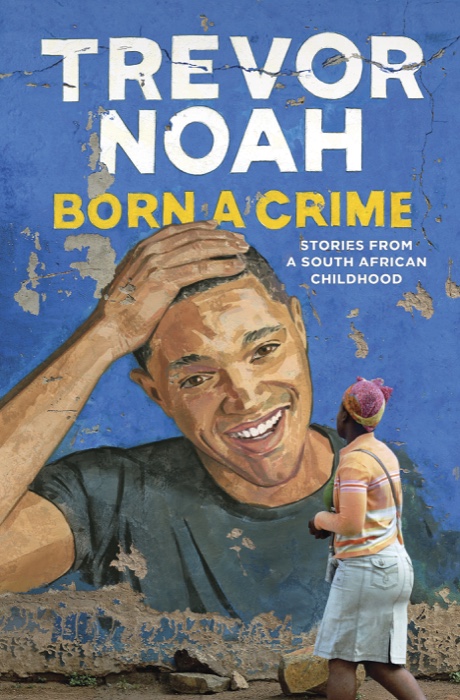 Born a Crime: Stories From a South African Childhood
About the book
The host of The Daily Show, Trevor Noah, tells the story of growing up half black, half white in South Africa under and after apartheid in this young readers' adaptation of his bestselling adult memoir Born a Crime: Stories from a South African Childhood.
Trevor Noah shares his story of growing up in South Africa, with a black South African mother and a white European father at a time when it was against the law for a mixed-race child like him to exist. But he did exist--and from the beginning, the often-misbehaved Trevor used his smarts and humor to navigate a harsh life under a racist government.
Book details
- First published
- 2019
- Author
- Trevor Noah
- Genre
- Nonfiction
- Goodreads rating
- 4.37 (10k ratings)
Keep reading
Born a Crime: Stories From a South African Childhood
 Homegoing
 Americanah
 When They Call You a Terrorist: A Black Lives Matter Memoir
 The Heart of a Woman
 The Color of Water: A Black Man's Tribute to His White Mother
 Dreams from My Father: A Story of Race and Inheritance
 Aftershocks
 The Girl Who Smiled Beads: A Story of War and What Comes After
 Hell of a Book
 Between the World and Me
 One Day We'll All Be Dead and None of This Will Matter
 A Song Flung Up to Heaven
 You Don't Have to Say You Love Me
 Scenes from My Life: A Memoir
 Petals of Blood
 Notes from No Man's Land
 Sky Full of Elephants
 Never Stop Walking: A Memoir of Finding Home Across the World
 The Autobiography of Malcolm X
 X
X
 James
James
 Uncultured: A Memoir
 The Awkward Thoughts of W. Kamau Bell: Tales of a 6' 4", African American, Heterosexual, Cisgender, Left-Leaning, Asthmatic, Black and Proud Blerd, Mama's Boy, Dad, and Stand-Up Comedian
 The 57 Bus
 Dig
Dig
 The Son
 American by Day
 Small Great Things
 Joan Is Okay
 Erasure
 Riding the Elephant: A Memoir of Altercations, Humiliations, Hallucinations, and Observations
 Gifted Hands: The Ben Carson Story
 Heavy
Heavy
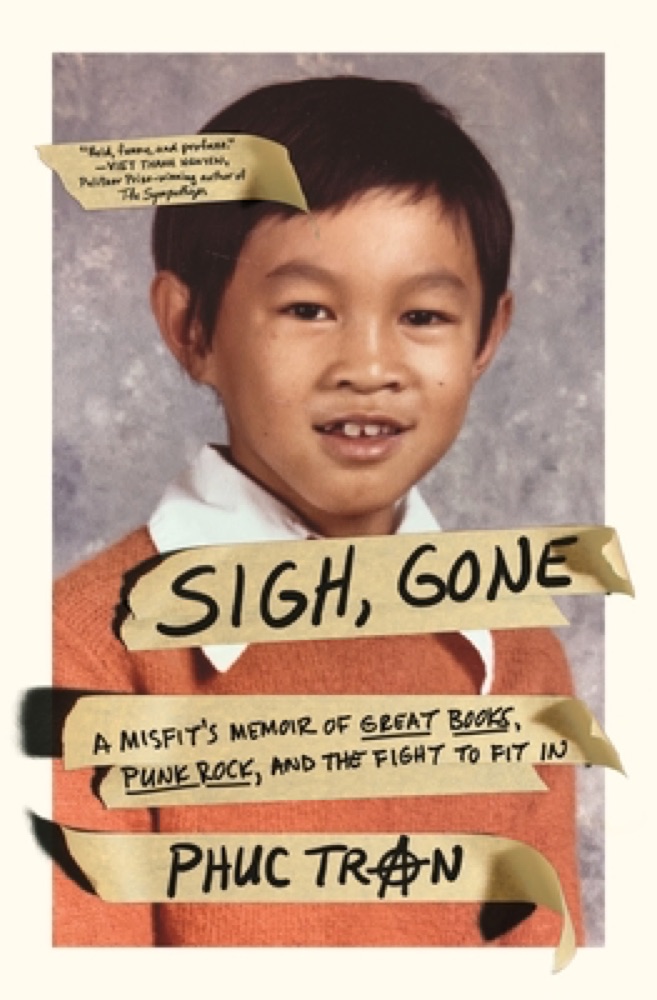 Sigh, Gone: A Misfit's Memoir of Great Books, Punk Rock, and the Fight to Fit In
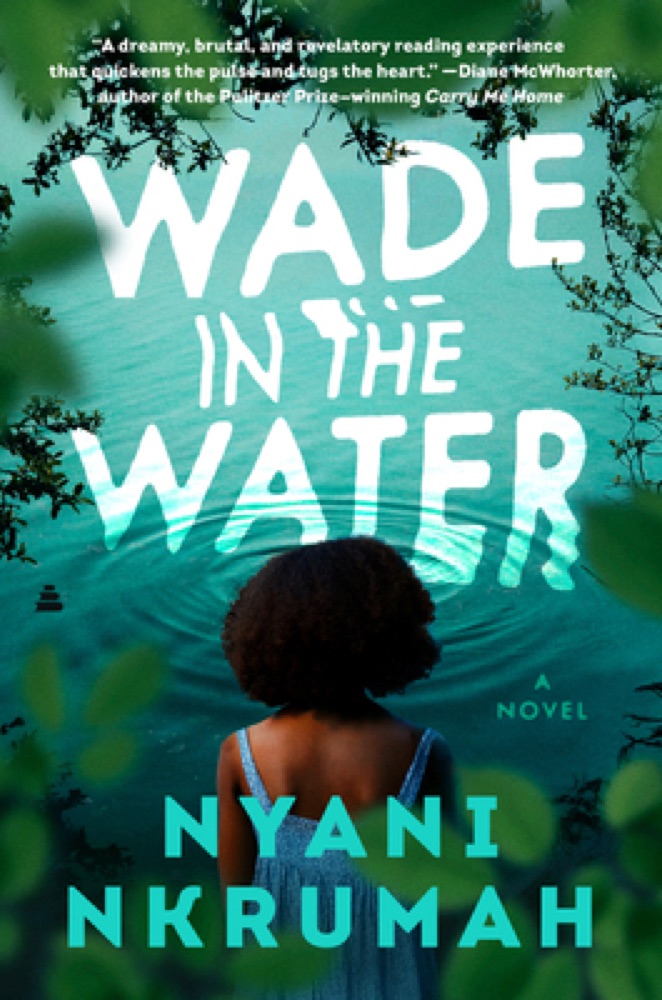 Wade in the Water
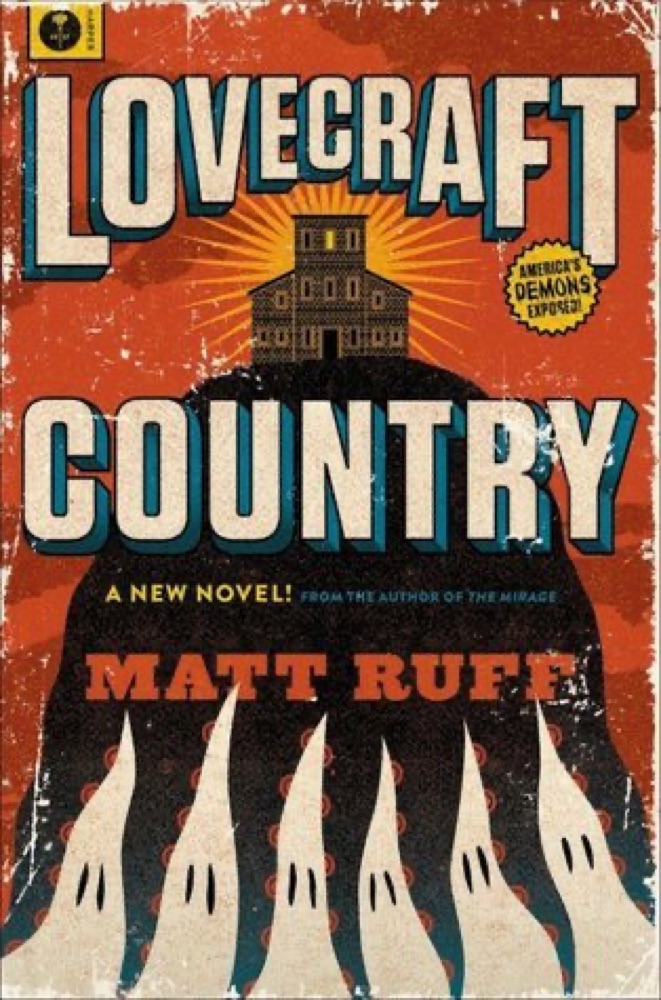 Lovecraft Country
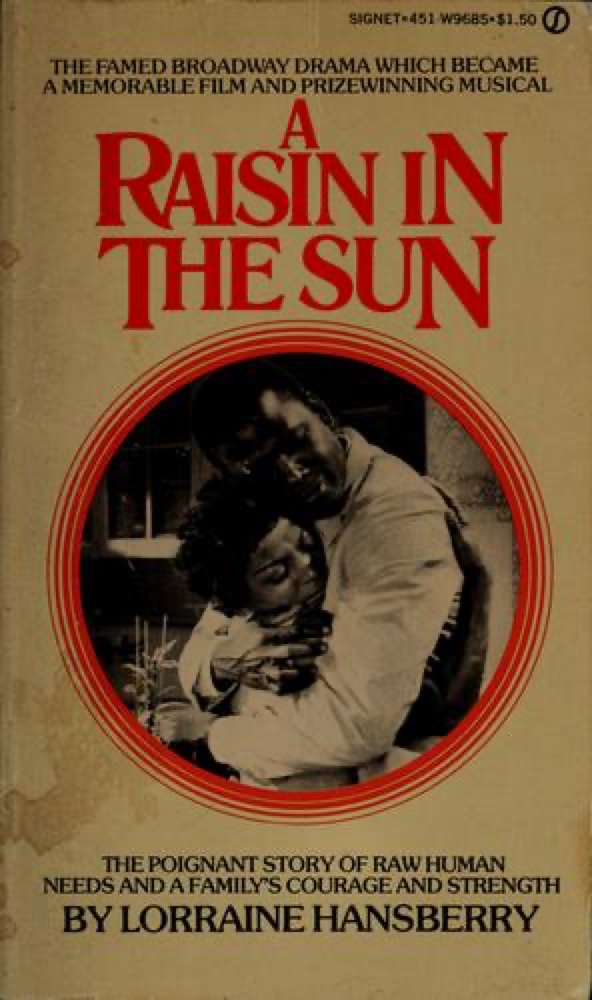 A Raisin in the Sun
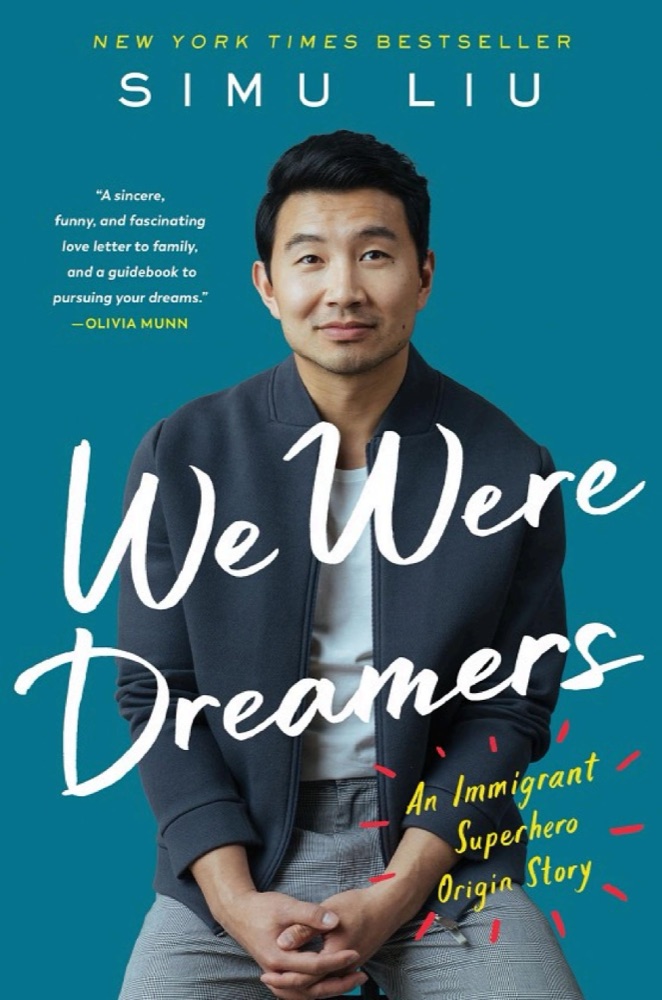 We Were Dreamers: An Immigrant Superhero Origin Story
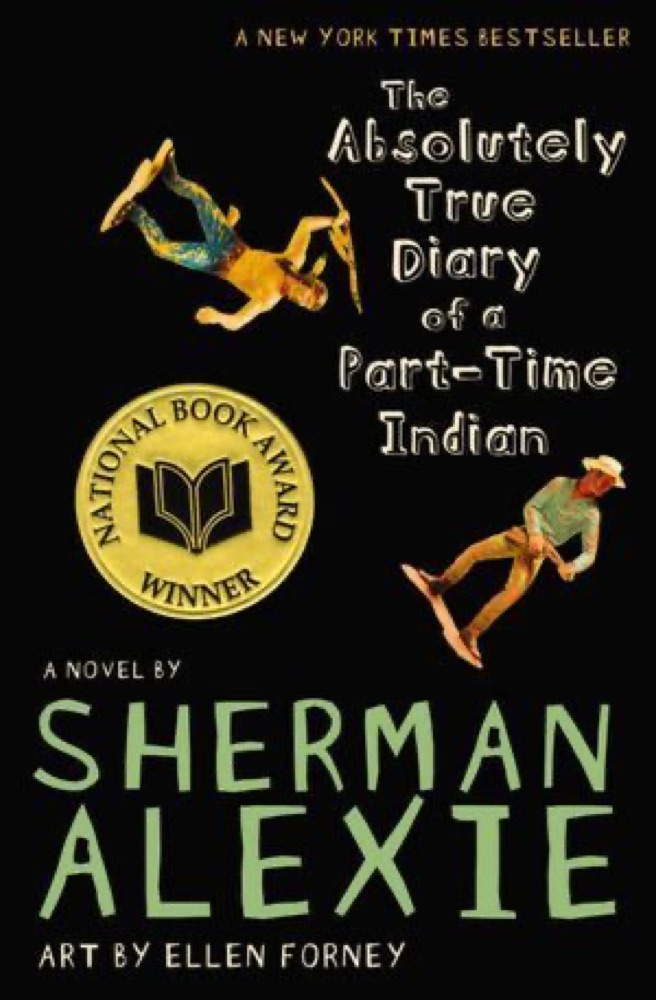 The Absolutely True Diary of a Part-Time Indian
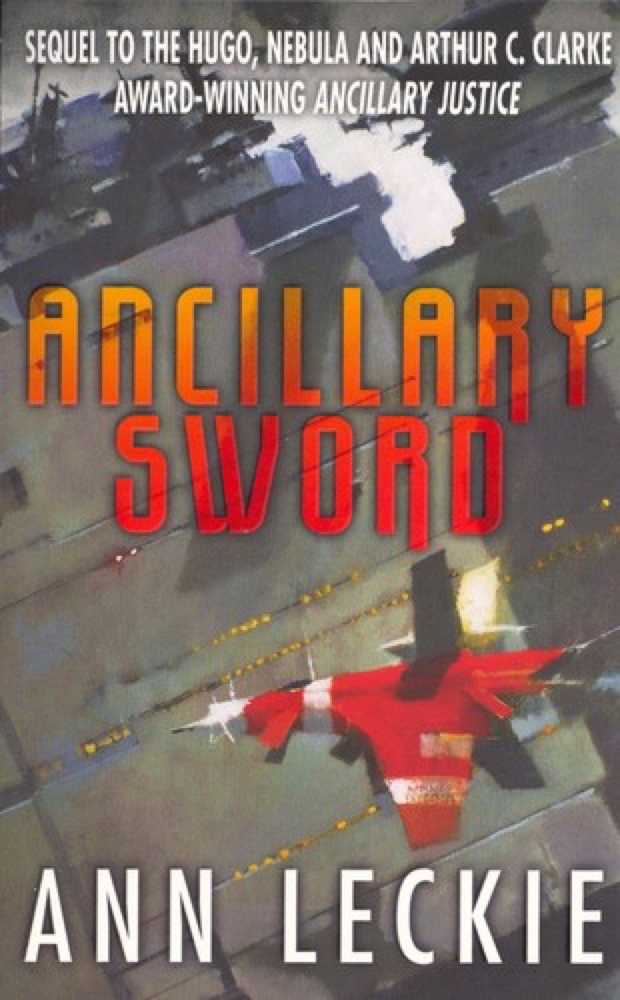 Ancillary Sword
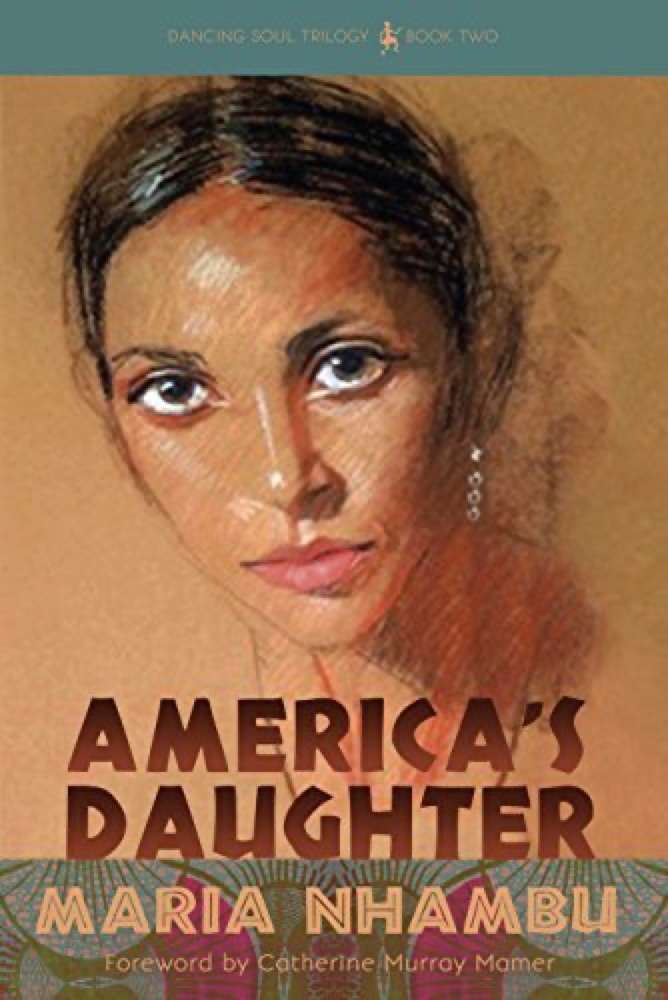 America's Daughter
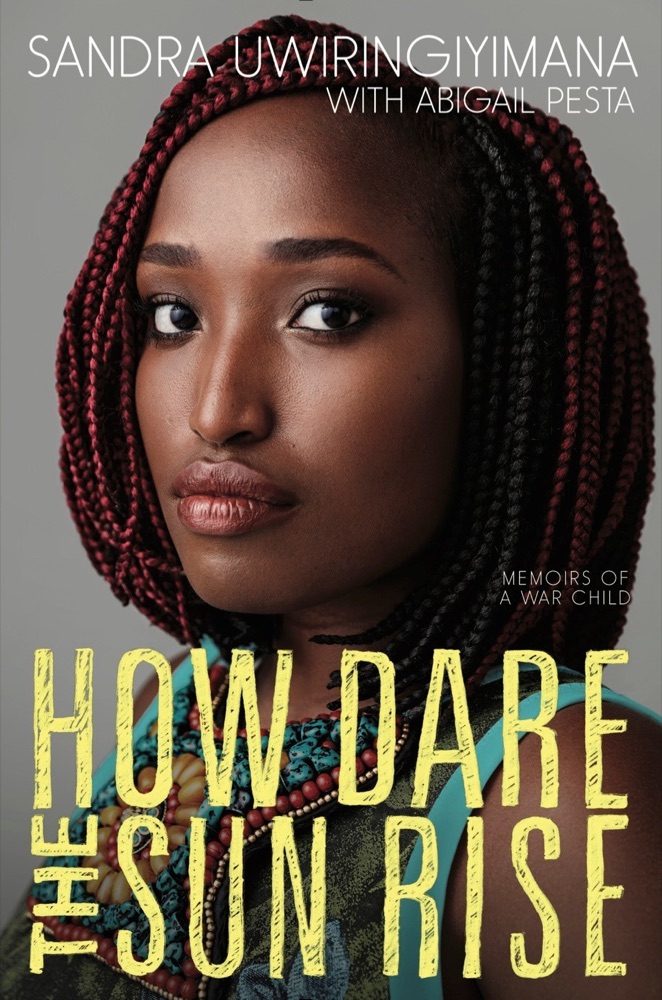 How Dare the Sun Rise: Memoirs of a War Child
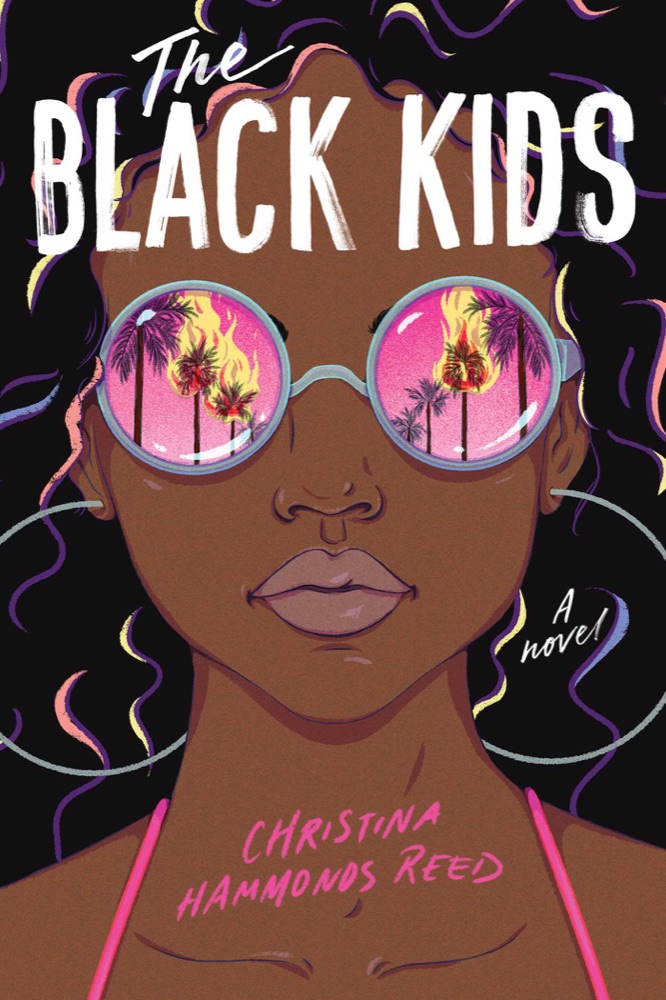 The Black Kids
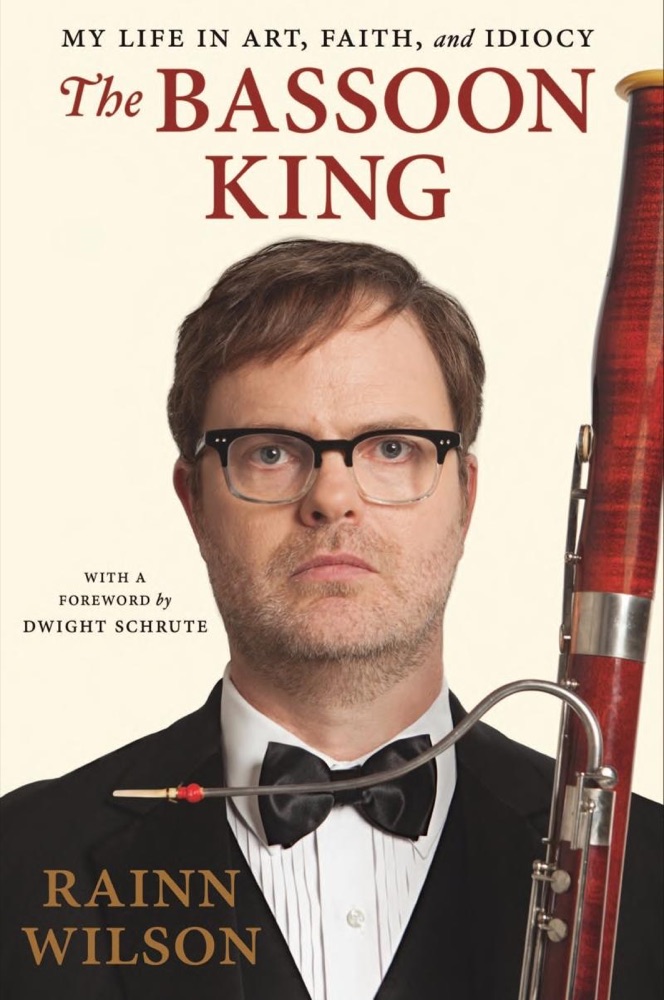 The Bassoon King: My Life in Art, Faith, and Idiocy
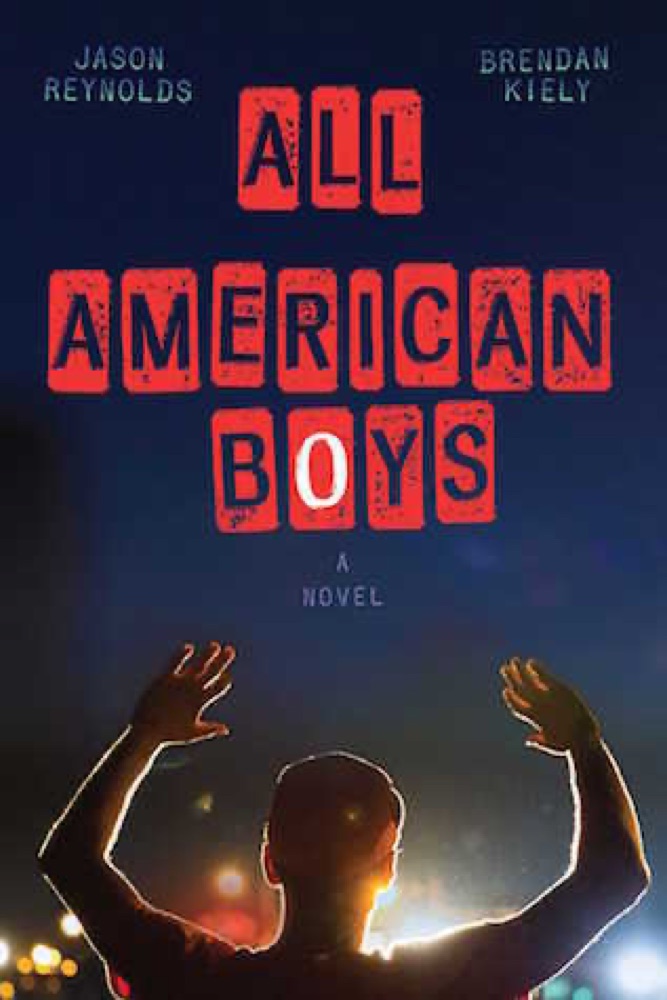 All American Boys
 A Knock at Midnight: A Story of Hope, Justice, and Freedom
 I Am Not Your Negro
 All God's Children Need Traveling Shoes
 What Doesn't Kill You Makes You Blacker: A Memoir in Essays
 White Like Me: Reflections On Race From A Privileged Son
 Behold the Dreamers
 Ender in Exile
 Wandering Stars
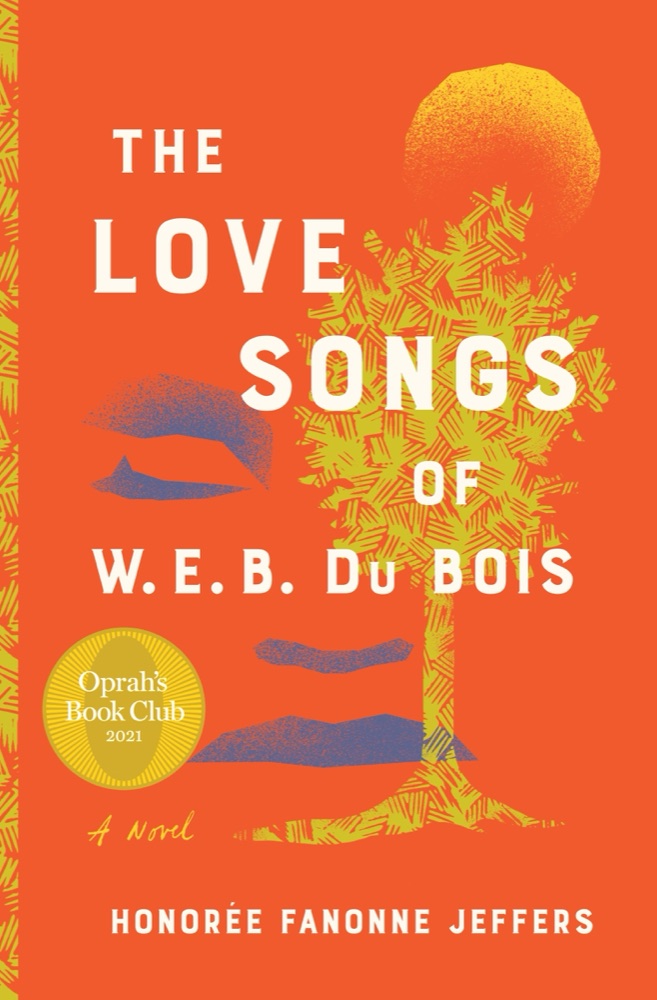 The Love Songs of W.E.B. Du Bois
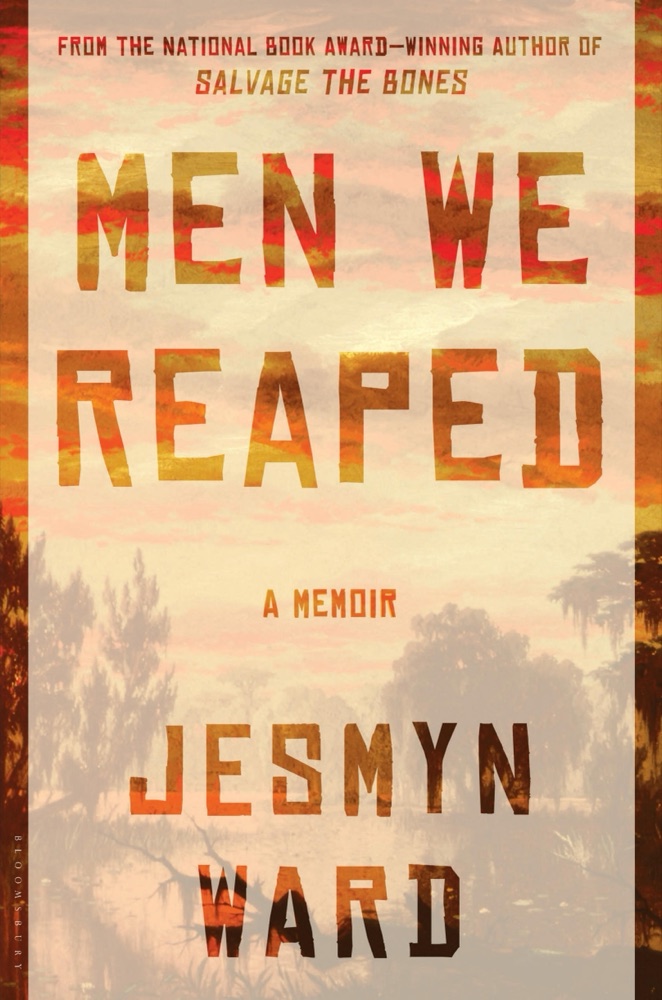 Men We Reaped
 Nervous Conditions
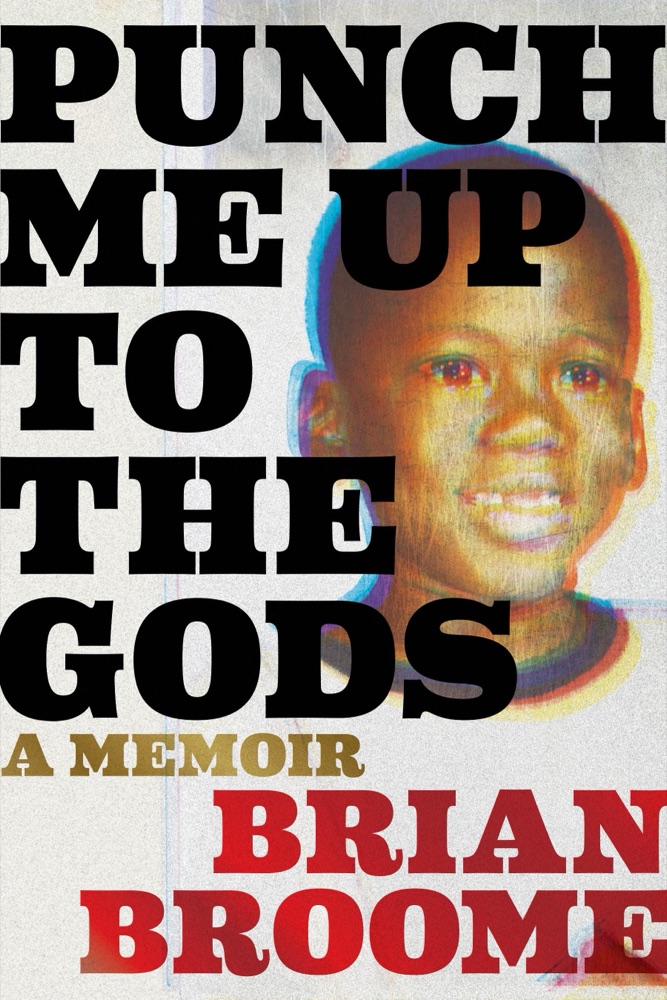 Punch Me Up to the Gods
 Black Like Me
 Just Us: An American Conversation