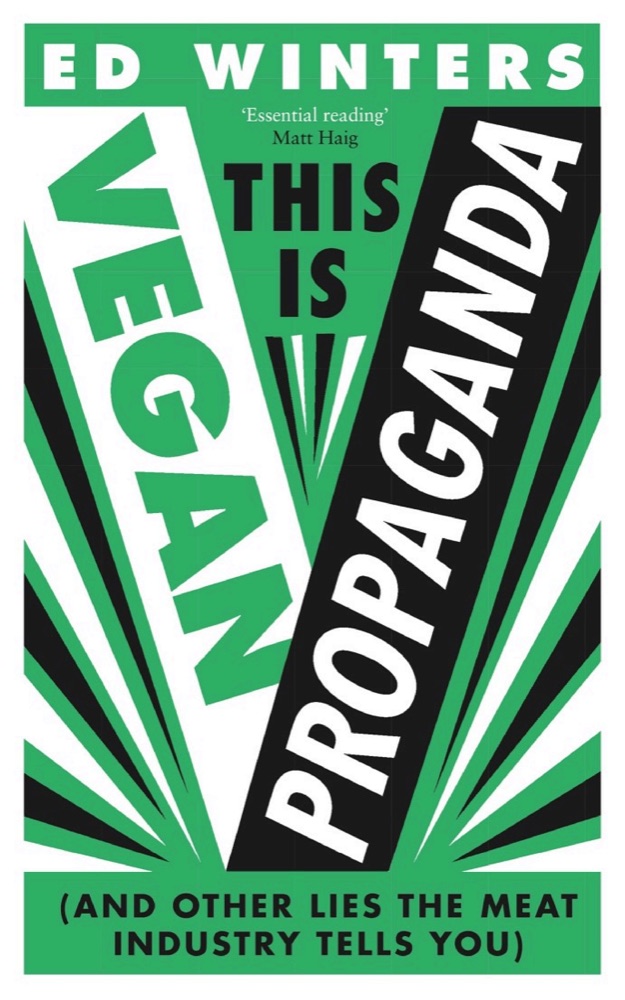

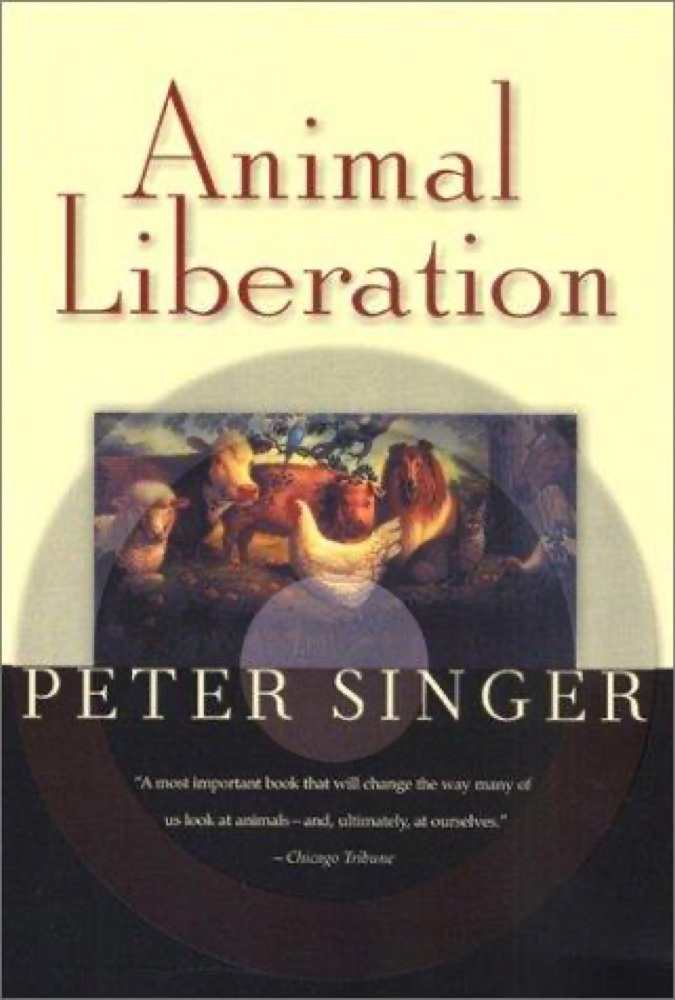
 Animal Liberation
Quotes from the Book
It is a clear indictment of how ingrained our state of cognitive dissonance is that we see attempts at moral consistency as signs of extremism. Is it not strange that we call those who kill dogs animal abusers, those who kill pigs normal and those who kill neither extremists? Is it not odd that someone who smashes a car window to rescue a dog on a hot day is viewed as a hero but some one who rescues a piglet suffering on a far is a criminal?
18
It is ironic that we believe that empathy and complex emotions only really exist in humans but we then fail to empathize with the animals who suffer at our hands.
15
Veganism will come about as a result of the traits in humans that we are most proud of – ingenuity, intellectual honesty, progressiveness and self-reflection – while rejecting many of the traits that are most damaging – stubbornness, wilful ignorance, violence, selfishness and apathy. We are already seeing this in action, and though getting accurate population statistics is challenging, a clear theme is being revealed by polling and surveys: veganism is growing.
13
For all of our intelligence, we have still failed to grasp the simple reality that we need the planet more than the planet needs us.
8
A ten-day old baby, whose only experience of life is being take way from their mother, loaded into a truck and driven to a slaughterhouse, is left in the cold overnight on a concrete floor before their throat is cut, all so we can pour their mother's milk over our cornflakes.
8
Every time we eat, we have the power to radically transform the world we live in and simultaneously contribute to addressing many of the most pressing issues that our species currently faces: climate change, infectious disease, chronic disease, human exploitation and, of course, non-human exploitation. Every single day, our choices can help alleviate all of these problems or they can perpetuate them.
7
But does legality equal morality? Should something be accepted as ethical simply because it is allowed under law?
6
Is it not strange that we call those who kill dogs animal abusers, those who kill pigs normal and those who kill neither extremists? Is it not odd that someone who smashes a car window to rescue a dog on a hot day is viewed as a hero but someone who rescues a piglet suffering on a farm is a criminal?
5
Veganism is instead a social justice issue that recognises that non-human animals deserve autonomy, moral consideration and the recognition that their lives are far more valuable than the reasons we use to justify exploiting them.
5
We have destroyed millions of years of evolution in the blink of an eye, quite literally bulldozing our way around this finite planet.
5
This is the balancing act that vegans face: we either voice our objection and get labelled as extremist, militant, awkward or abnormal, or we stay silent and smile through the image of a cow having their throat cut that passes through our minds as we watch our loved ones bite into beef burgers. We either feel like we are betraying our morals out of fear of causing upset or find ourselves being labelled as preachy, forceful vegan extremists.
4
The reality is that if we took the legally sanctioned practices from the animal farming industries and then applied them to other situations, we would think those practices horrendous. For example, if dog owners were cutting off their pets' tails and chopping their teeth out, we would condemn that as being horrific animal abuse. But we do it to pigs and call it high welfare. If someone was killing puppies by thumping their heads against a wall or dislocating their necks, we would call that evil, yet that happens to animals such as piglets and chickens and we call it humane. But the experience is the same for the individual animal, regardless of what species they are.
4
The animal products on my plate existed because I paid people, albeit indirectly, to cause suffering to animals. Just because the knife wasn’t in my hand, or the blood on my clothes, I was still complicit – just as bloodstained, just as culpable.
3
The real problem is our mentality, a mentality that judges some lives to be less important because of the pleasure we get from consuming their flesh or wearing their skin. We have allowed our physical and intellectual capabilities to make us tyrants over every other species on this planet.
3
I could either bury my head in the sand, ignoring the feelings of guilt and discomfort that causing suffering to an animal created within me, or live by the new principles that I was beginning to form and change my lifestyle. I opted for the latter.
3
A fascinating example of this idea is that farmers love their animals and want only the best for them, while still profiting from sending them to a slaughterhouse to be killed. It is undeniably a contradiction to claim to love someone who you intend to kill for money.
3
It’s no secret that veganism is growing all over the world and has become one of the most prevalent and discussed social movements of this generation. But while most of us will be aware that the primary motivations for people going vegan and adopting plant-based diets include animal rights, the environment, pandemic prevention and personal health, often little is known about the complexity and true scale of these issues, which is exactly what this book aims to do: lay out the enormity of the injustice that is animal exploitation.
3
Going vegan really is our best chance to save the planet.
2
Even if many of us don’t realise it, by placing taste at the heart of our justification for eating animal products, we are essentially saying that our pleasure is more important than any moral consideration.
2
However, do we actually believe that intelligence should define worth of life or that being more intelligent than someone else gives you the right to harm and exploit them?
2
You have just dined, and however scrupulously the slaughterhouse is concealed in the graceful distance of miles, there is complicity.
2
The study showed that even though meat and dairy take up 83 per cent of global agricultural land, they only provide 18 per cent of global calories and 37 per cent of global protein consumption.
2
Men encounter increasing pressure from their peers if they seem to want to choose a plant-based option, to the point where it becomes easier for the person to choose the meat option but psychologically distance themselves from the responsibility of the action by blaming on the person who is making them obedient.
2
The idea of meat being viewed as a power symbol was shown in a paper published in the journal "Appetite." The researchers collected a group of participants from a range of backgrounds and found that those who were lower on the economic scale had a greater preference for meat than those higher up it. The researchers concluded that this was "likely because people see meat as substitutable for status", so wanting to eat meat was a reflection of how the participants felt about their own circumstances in life.
2
Why do dairy farmers deserve public support but oat farmers who produce oat milk don't?
2
Furthermore, it seems back to front to worry about the extinction of animals who have been selectively bred and don't exist naturally to begin with when our current system of animal agriculture is the number one driver of species extinction more generally.
2
Testing has shown that 60 per cent of pork products, 70 per cent of beef, 80 per cent of chicken products and 90 per cent of turkey products are contaminated with E. coli.
1
In the USA, only 4 per cent of the entire landmass of the 48 contiguous states is used to grow plants directly for human consumption.5 Beef production uses around half of agricultural land in the USA but only provides 3 per cent of the population’s total caloric intake.6 Astonishingly, the United Nations reports that 26 per cent of the world’s land surface is given to grazing animals.
1
Veganism gives us all the opportunity to say what we stand for in life.
1
The dairy industry is very much the meat industry.
1
Watch on YouTube
About Ed Winters
We have collected 30 quotes from 1 book by Ed Winters on BookQuoters.
More about the author →About the book
Every time we eat, we have the power to radically transform the world we live in.
Our choices can help alleviate the most pressing issues we face today: the climate crisis, infectious and chronic diseases, human exploitation and, of course, non-human exploitation. Undeniably, these issues can be uncomfortable to learn about but the benefits of doing so cannot be overstated. It is quite literally a matter of life and death.
Through exploring the major ways that our current system of animal farming affects the world around us, as well as the cultural and psychological factors that drive our behaviours, This Is Vegan Propaganda answers the pressing question, is there a better way?
Whether you are a vegan already or curious to learn more, this book will show you the other side of the story that has been hidden for far too long. Based on years of research and conversations with slaug
Book details
- First published
- 2022
- Author
- Ed Winters
- Genre
- Nonfiction
- Goodreads rating
- 4.61 (5k ratings)
Keep reading
Animal Liberation
 Why We Love Dogs, Eat Pigs, and Wear Cows
 Eating Animals
 The World Peace Diet
 The Vegetarian Myth: Food, Justice, and Sustainability
 The Omnivore's Dilemma: A Natural History of Four Meals
 Practical Ethics
 The One-Straw Revolution
 Bringing it to the Table: On Farming and Food
 Folks, This Ain't Normal: A Farmer's Advice for Happier Hens, Healthier People, and a Better World
 Endgame, Vol. 1: The Problem of Civilization
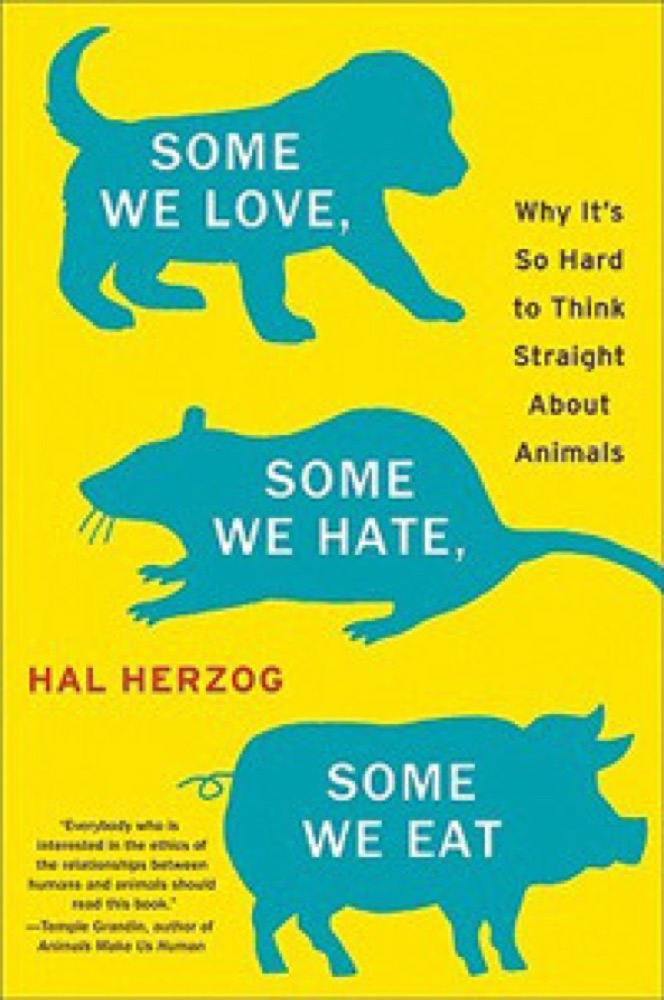 Some We Love, Some We Hate, Some We Eat: Why It's So Hard to Think Straight About Animals
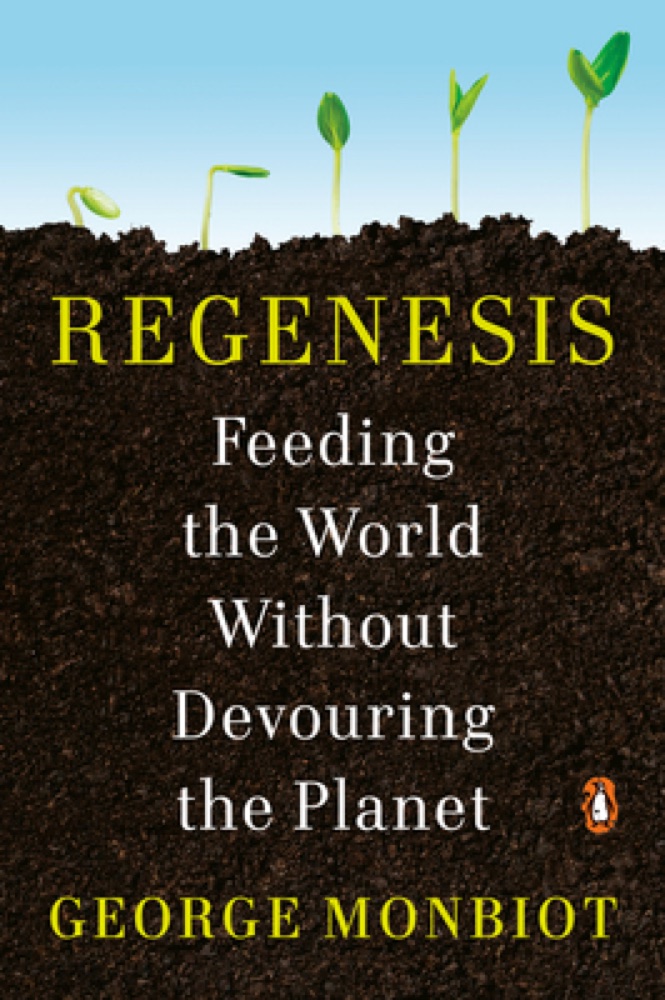 Regenesis: Feeding the World Without Devouring the Planet
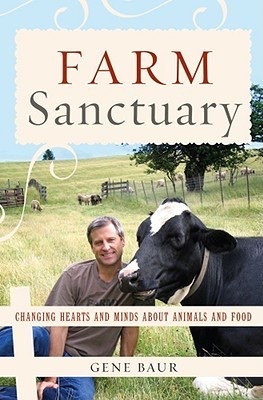 Farm Sanctuary: Changing Hearts and Minds About Animals and Food
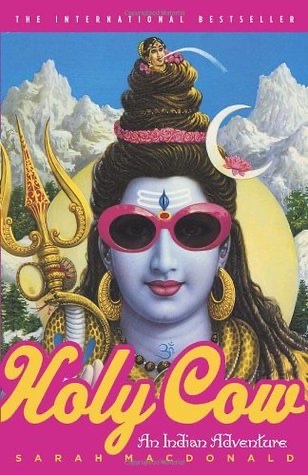 Holy Cow
 In Defense of Food: An Eater's Manifesto
 Everything I Want To Do Is Illegal: War Stories from the Local Food Front
 A Language Older Than Words
 A Hunter-Gatherer's Guide to the 21st Century: Evolution and the Challenges of Modern Life
 Sapiens: A Brief History of Humankind
 Animal, Vegetable, Miracle: A Year of Food Life
 The Story of More: How We Got to Climate Change and Where to Go from Here
 Humankind: A Hopeful History
 Straw Dogs: Thoughts on Humans and Other Animals
 The Blank Slate: The Modern Denial of Human Nature
 Tender Is the Flesh
 Whole: Rethinking the Science of Nutrition
 Beyond Words: What Animals Think and Feel
 The Moral Landscape: How Science Can Determine Human Values
 The World-Ending Fire: The Essential Wendell Berry
 The Culture of Make Believe
 Laudato Si': On the Care of Our Common Home
 The Art of the Commonplace: The Agrarian Essays
 Natural Causes: An Epidemic of Wellness, the Certainty of Dying, and Killing Ourselves to Live Longer
 Fast Food Nation: The Dark Side of the All-American Meal
 The Age of Empathy: Nature's Lessons for a Kinder Society
 Fuzz: When Nature Breaks the Law
 Beyond Religion: Ethics for a Whole World
 Feral: Rewilding the Land, the Sea and Human Life
 The Life You Can Save: How to Do Your Part to End World Poverty
 The Third Plate: Field Notes on the Future of Food
 The Lives of Animals
 Shadows of Forgotten Ancestors
 Everything Is Tuberculosis: The History and Persistence of Our Deadliest Infection
 Civilized to Death: What Was Lost on the Way to Modernity
 The Moral Animal: Why We Are the Way We Are - The New Science of Evolutionary Psychology
 Enlightenment Now: The Case for Reason, Science, Humanism, and Progress
 A Life on Our Planet: My Witness Statement and a Vision for the Future
 Semiosis
 The Righteous Mind: Why Good People Are Divided by Politics and Religion
 All We Can Save: Truth, Courage, and Solutions for the Climate Crisis
 Animal Farm
 Moral Tribes: Emotion, Reason, and the Gap Between Us and Them
 The China Study: The Most Comprehensive Study of Nutrition Ever Conducted and the Startling Implications for Diet, Weight Loss, and Long-term Health
 Animals Make Us Human: Creating the Best Life for Animals
 Devolution: A Firsthand Account of the Rainier Sasquatch Massacre
 The Ministry for the Future
 On Fire: The Case for the Green New Deal
 Cannibalism: A Perfectly Natural History
 Holy Bible: ESV Bible