
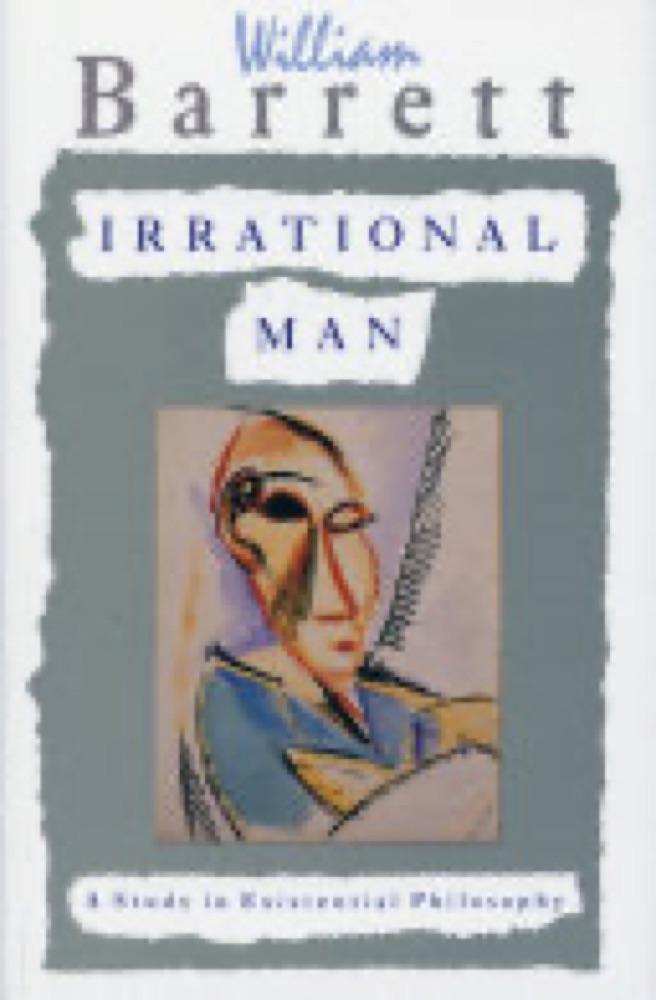
 Irrational Man: A Study in Existential Philosophy
Quotes from the Book
Man stands alone in the universe, responsible for his condition, likely to remain in a lowly state, but free to reach above the stars.
87
The self is essentially intangible and must be understood in terms of possibilities, dread, and decisions. When I behold my possibilities, I experience that dread which is "the dizziness of freedom," and my choice is made in fear and trembling.
5
All that we are is the result of what we have thought.
3
Few words in world literature equal the impact of this saying. All man’s alibis are unacceptable: no gods are responsible for his condition; no original sin; no heredity and no environment; no race, no caste, no father, and no mother; no wrong-headed education, no governess, no teacher; not even an impulse or a disposition, a complex or a childhood trauma. Man is free; but his freedom does not look like the glorious liberty of the Enlightenment; it is no longer the gift of God. Once again, man stands alone in the universe, responsible for his condition, likely to remain in a lowly state, but free to reach above the stars.
3
To the intellect all else, in comparison with what is correct, counts only as feeling, subjectivity, instinct. In this division, apart from the bright world of the intellect, there is only the irrational, in which is lumped together, according to the point of view, what is despised or desired. The impulse which pursues real truth by thought springs from the dissatisfaction with what is merely correct. The division, spoken of previously, paralyses this impulse; it causes man to oscillate between the dogmatism of the intellect that transcends its limits and, as it were, the rapture of the vital, the chance of the moment, life. The soul becomes impoverished in all the multiplicity of disparate experience. Then truth disappears from the field of vision and is replaced by a variety of opinions which are hung on the skeleton of a supposedly rational pattern. Truth is infinitely more than scientific correctness.
3
Gözönünde tutulacak ilk nokta, varoluşçuluğun herhangi bir özel politik programı gerektirmediği, üç önemli varolşçunun Hitler yıllarında birbirinden apayrı yollar tutmalarının hiç de şaşırtıcı olmadğıdır. Ama bu, üçünün de yazdıklarına aynı ölçüde bağlı kaldıkları anlamına gelmez. Sein und Zeit'de durmadan ölümü yiğitçe karşılamaktan söz eden Heidegger, Hitler'in yetkiyi ele geçirişinden sonra Nazilerle birleşerek, üniversitenin rektörü olarak öyle bir açılış konuşması yapmıştır ki, bu konuşmanın herkesce okunmadığına ne denli sevinse yeridir. Şimdi, o zaman Nazilerden hemen yüz çevirmiş olduğunu söylüyorsa da, bu kararını o günlerde hiç belli etmemiş olması yüzünden, bugün bile birçoklarınca şüphe ile karşılanır. Yahudi bir kadınla evli olan Jaspers de o zaman sesini çıkarmamayı yeğ görmüştür, ama 1945'te yine suçtan, batmış gemiden, korkudan, ölümden söz etmeye hazırdır. Onlar için söyleyeceğimiz şu söz büyük bir incelik olur yine de: sesleri Nietzsche ile Kierkegaard'ın sesi olmakla birlikte yaşamları Kant ile Hegel'in yaşamlarıdır.
3
The value of a human being, Nietzsche said, does not lie in his usefulness: for it would continue to exist even if there were nobody to whom he could be useful.
2
The refusal to belong to any school of thought, the repudiation of the adequacy of any body of beliefs whatever, and especially of systems, and a marked dissatisfaction with traditional philosophy as superficial, academic, and remote from life—that is the heart of existentialism.
1
When it is founded on decision, love is no longer an unreliably moving passion, but the fulfillment to which alone real Being reveals itself.
1
Romanticism yearns for deliverance from the cross of the Here and Now: it is willing to face anything but the facts.
Watch on YouTube
About Walter Kaufmann
We have collected 10 quotes from 1 book by Walter Kaufmann on BookQuoters.
More about the author →About the book
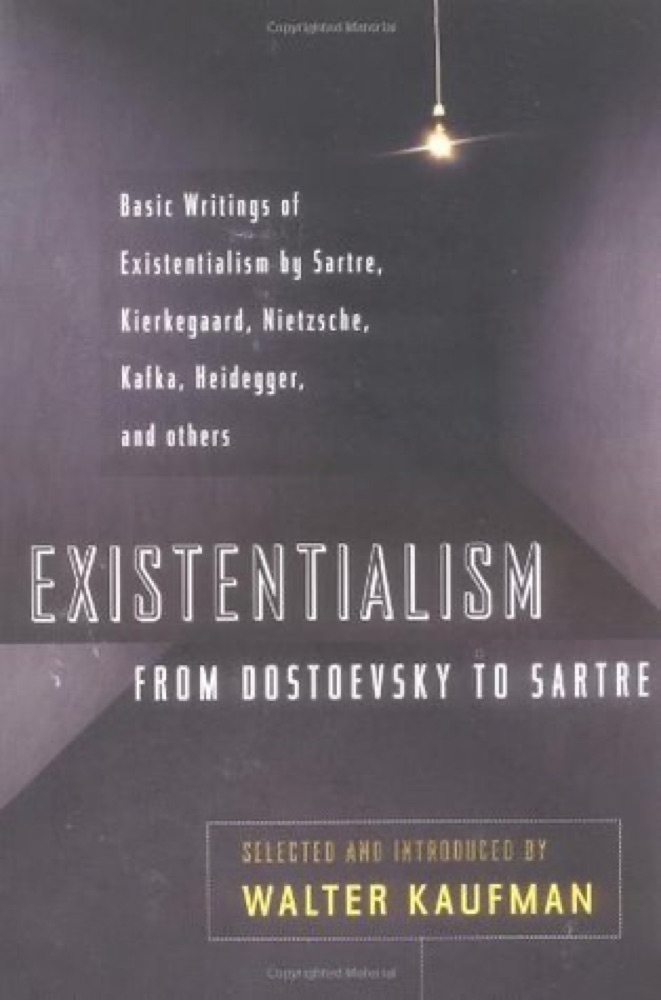
One of the foremost resources on existentialism from renowned philosopher, poet, and Nietzsche translator Walter Kaufmann—a must-read for philosophers, both armchair and professional.
Existentialism from Dostoevsky to Sartre provides basic writings of Dostoevsky, Kierkegaard, Nietzsche, Rilke, Kafka, Ortega, Jaspers, Heidegger, Sartre, and Camus, including some not previously translated, along with an invaluable introductory essay by Walter Kaufmann.
Book details
- First published
- 1956
- Author
- Walter Kaufmann
- Genre
- Philosophy
- Goodreads rating
- 4.08 (6k ratings)
Keep reading
Irrational Man: A Study in Existential Philosophy
 The Ethics of Ambiguity
 The World as Will and Representation, Vol 1
 The Myth of Sisyphus and Other Essays
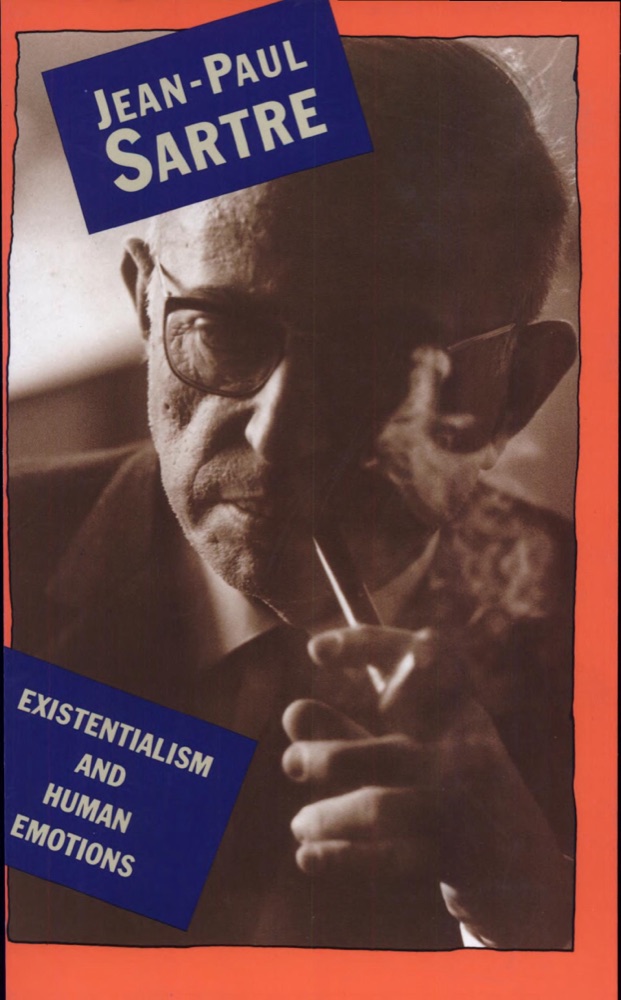 Existentialism and Human Emotions
 At the Existentialist Café
 The Man Without Qualities
 The Myth of Sisyphus
 Untimely Meditations
 Hiking with Nietzsche: On Becoming Who You Are
 Twilight of the Idols
 Twilight of the Idols/The Anti-Christ
 The Perennial Philosophy
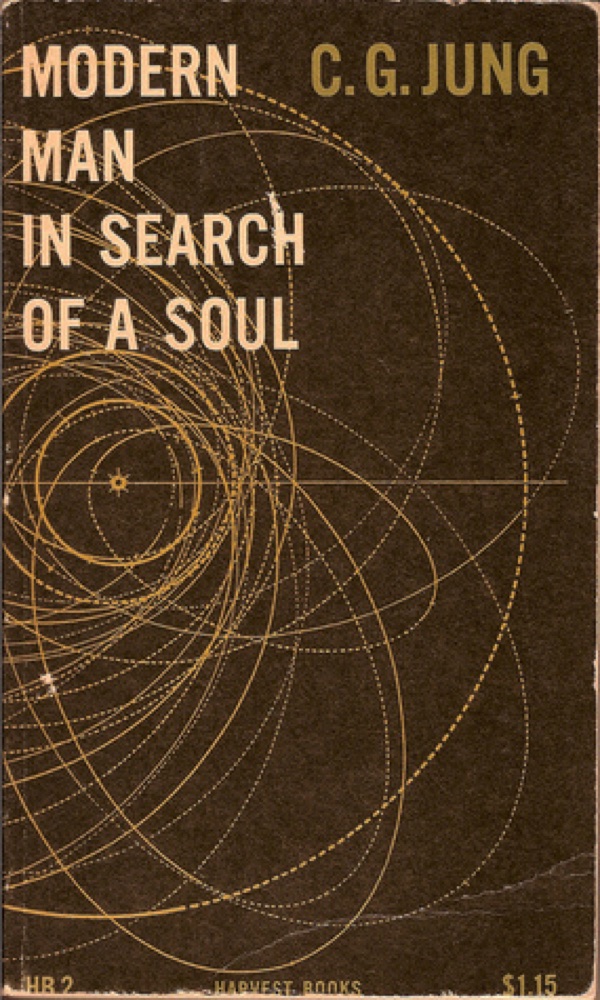 Modern Man in Search of a Soul
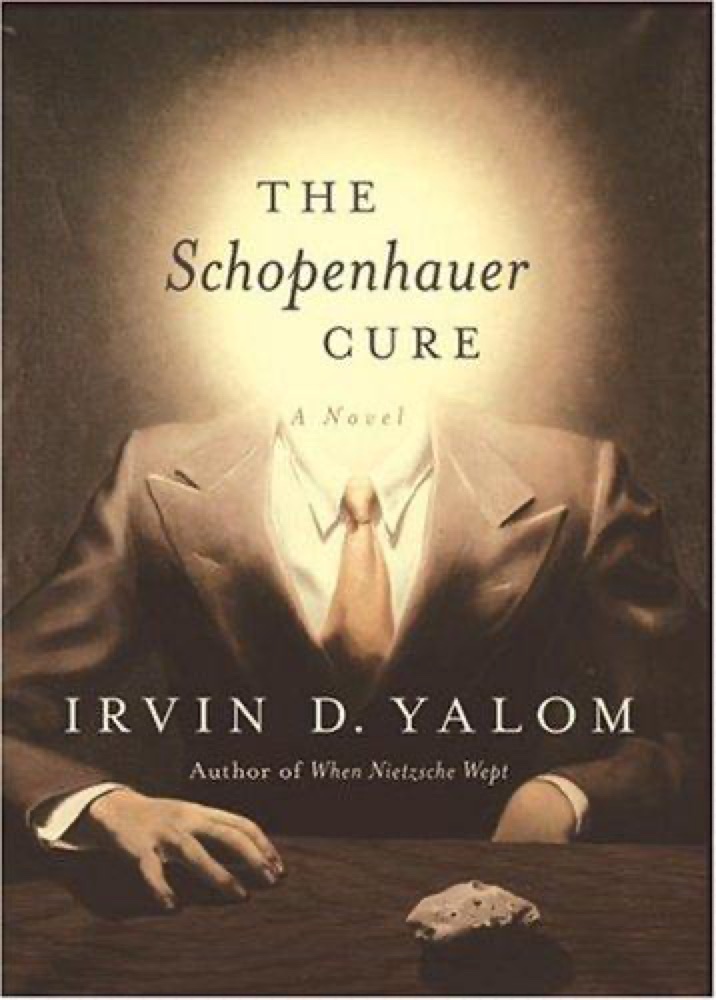 The Schopenhauer Cure
 The Essential Writings of Ralph Waldo Emerson
 The Rebel: An Essay on Man in Revolt
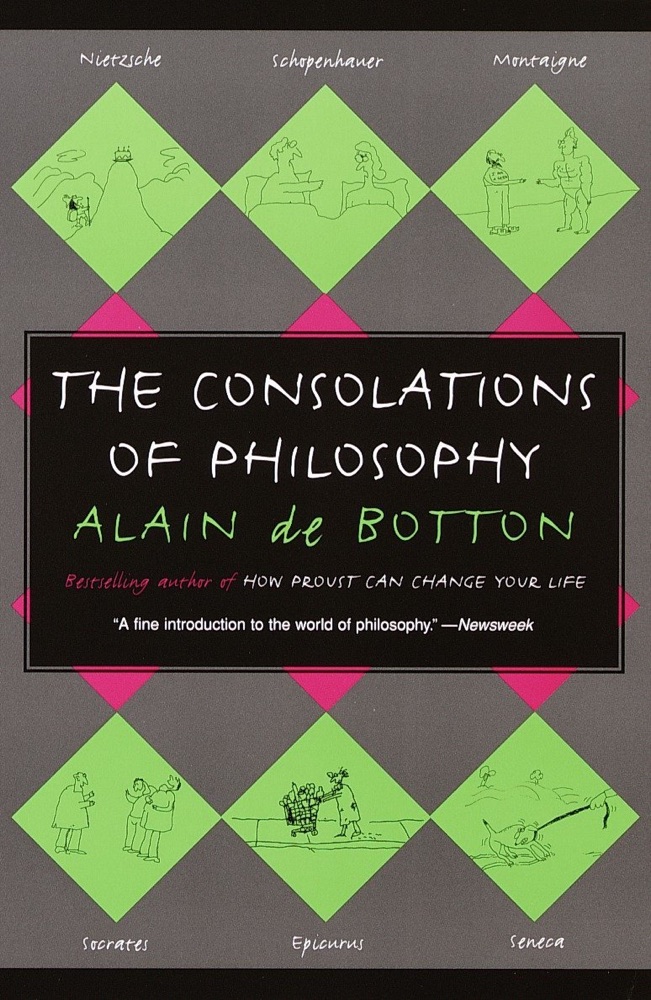 The Consolations of Philosophy
 The Ego and Its Own
 A History of Western Philosophy
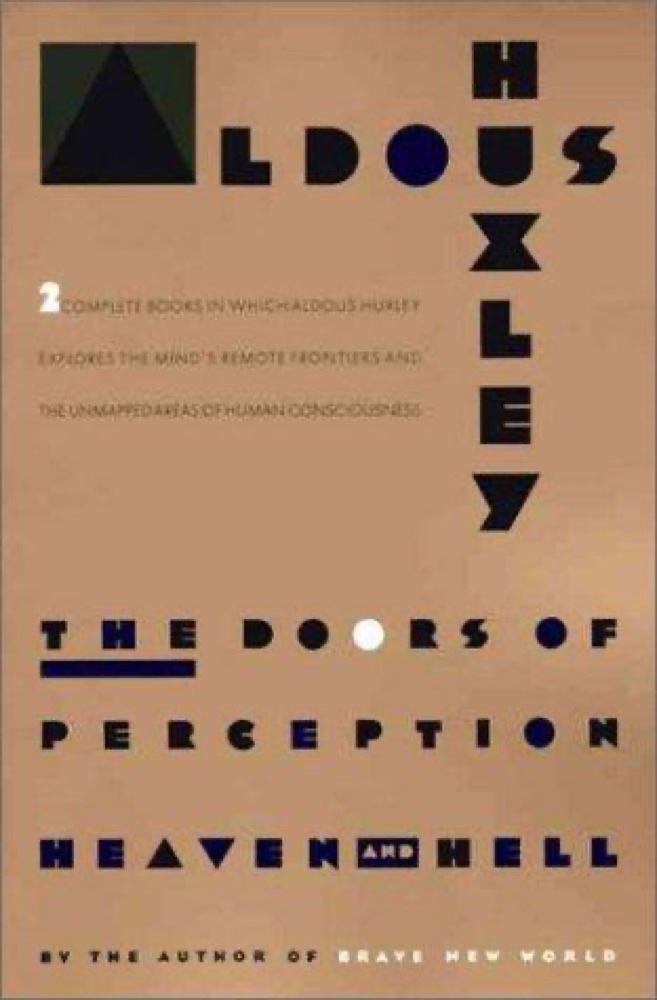 The Doors of Perception & Heaven and Hell
 The Sane Society
 The Human Condition
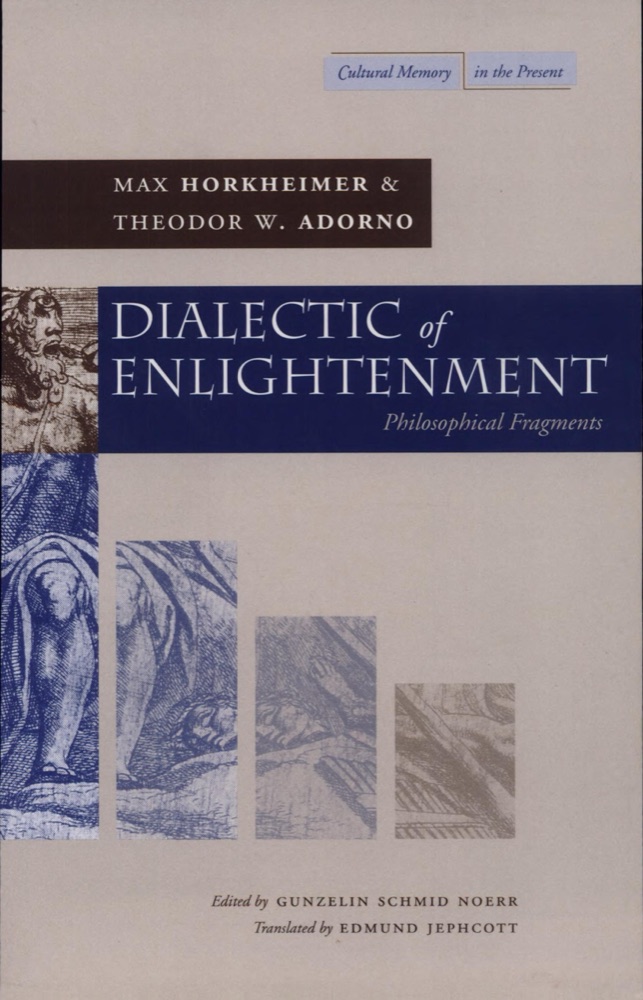 Dialectic of Enlightenment: Philosophical Fragments
 Gravity and Grace
 Existential Psychotherapy
 The Varieties of Religious Experience
 The Book: On the Taboo Against Knowing Who You Are
 Minima Moralia: Reflections on a Damaged Life
 Man's Search for Ultimate Meaning
 Man's Search for Meaning
 Pensées
 Philosophy: Who Needs It
 Man and His Symbols
 Immortality
 The Denial of Death
 Freedom from the Known
 Myths to Live By
 Escape from Freedom
 Love and Will
 When Nietzsche Wept
 The Undiscovered Self
 On the Suffering of the World
 The Temptation to Exist
 The Closing of the American Mind
 The Story of Philosophy: The Lives and Opinions of the World's Greatest Philosophers
 Total Freedom: The Essential Krishnamurti
 The Wisdom of Life
 The Discovery of India
 The Way of Zen
 Basic Writings
 Eyeless in Gaza
 The Wisdom of Insecurity: A Message for an Age of Anxiety
 The Metaphysics of Morals
 Think: A Compelling Introduction to Philosophy
 Being and Nothingness
 A Brief History of Thought: A Philosophical Guide to Living
 The Romantic Manifesto
 Tears and Saints